Home Blog Page 24

Conflict deepens health crisis across Middle East – WHO

0

More than 10 days into the latest escalation of conflict in the Middle East, health systems across the Region are coming under strain as injuries and displacement rise, attacks on health care continue, and public health risks increase.

National health authorities in Iran report more than 1,300 deaths and 9,000 injuries, and in Lebanon report at least 570 deaths and more than 1,400 injuries. In Israel, authorities report 15 deaths and 2,142 injuries.

At the same time, the conflict is affecting the very services meant to save lives. In Iran, the World Health Organisation (WHO) has verified 18 attacks on health care since February 28, 2026, resulting in eight deaths among health workers. Over the same period in Lebanon, 25 attacks on health care have resulted in 16 deaths and 29 injuries.
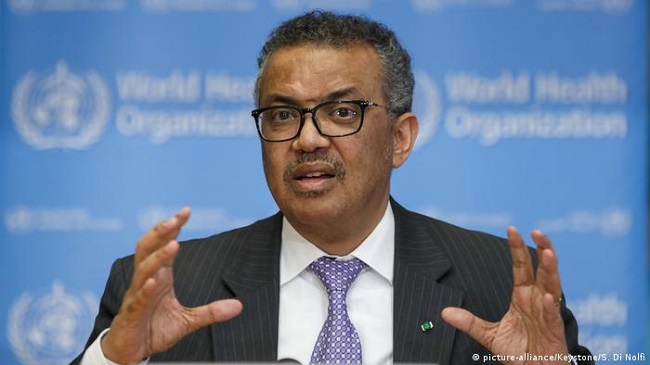
Tedros Ghebreyesus
Dr. Tedros Adhanom Ghebreyesus, Director-General, World Health Organisation (WHO)

These attacks not only cost lives but deprive communities of care when they need it most. Health workers, patients and health facilities must always be protected under international humanitarian law.

Beyond the immediate impact, the conflict is creating wider public health risks. Current estimates indicate more than 100,000 people in Iran have relocated to other areas of the country due to insecurity, and up to 700,000 people have been internally displaced in Lebanon, with many in crowded collective shelters under deteriorating public health conditions, with limited access to safe water, sanitation and hygiene. These conditions increase the risk of respiratory infections, diarrhoeal diseases, and other communicable illnesses, especially for the most vulnerable populations, such as women and children.

Environmental hazards are also a raising concern. In Iran, petroleum fires and smoke from damaged infrastructure exposed nearby communities to toxic pollutants that potentially cause breathing problems, eye and skin irritation, and contaminated water and food sources.

Access to health services is becoming increasingly constrained across several countries. In Lebanon, 49 primary health care centres and five hospitals have shut following evacuation orders issued by Israel’s military, reducing the availability of essential services as medical needs rise.

In the occupied Palestinian territory, increased movement restrictions and checkpoint closures are delaying ambulance and mobile clinics’ access across several governorates in the West Bank. In Gaza, medical evacuations remain suspended since February 28, while hospitals continue to operate under strain amid ongoing shortages of medicines, medical supplies and fuel, which is being rationed to prioritise essential health services such as emergency and trauma care, maternal and neonatal services, and management of communicable diseases.

Temporary airspace restrictions have disrupted the movement of medical supplies from WHO’s global logistics hub in Dubai. More than 50 emergency supply requests, intended to benefit over 1.5 million people across 25 countries, are affected, resulting in significant backlogs. Current priority shipments include supplies planned for Al Arish, Egypt, to support the Gaza response, as well as Lebanon and Afghanistan. The first shipment, containing cholera response supplies for Mozambique, is expected to depart from the hub in the coming week.

The escalation comes at a time when humanitarian needs in the Eastern Mediterranean Region were already among the highest in the world. Across the Region, 115 million people require humanitarian assistance – almost half of all people in need globally – while humanitarian health emergency appeals remain 70% underfunded.

Without protection for health care, sustained humanitarian access and stronger financial and operational support for the humanitarian health response, the strain on vulnerable populations and already fragile health systems will continue to grow.

WHO calls on all parties to protect civilians and health care, ensure unimpeded and sustained humanitarian access, and pursue de-escalation of the conflict so communities can begin to recover and move towards peace.

How food environments shape Nigerian women, girls’ lives

0

Healthy eating is often portrayed as a matter of willpower or personal choice. Yet, for millions of women and girls, the concept of choice is an illusion. Their health is significantly influenced by their food environment – the physical, economic, and social factors that determine what food is accessible, affordable, and promoted.

A poor food environment is not just about a lack of food. More often, it is about limited access to nutritious options. This can manifest as food deserts, which are urban or rural areas where fresh, affordable produce is miles away, leaving residents dependent on convenience stores saturated with high-calorie, ultra-processed foods.

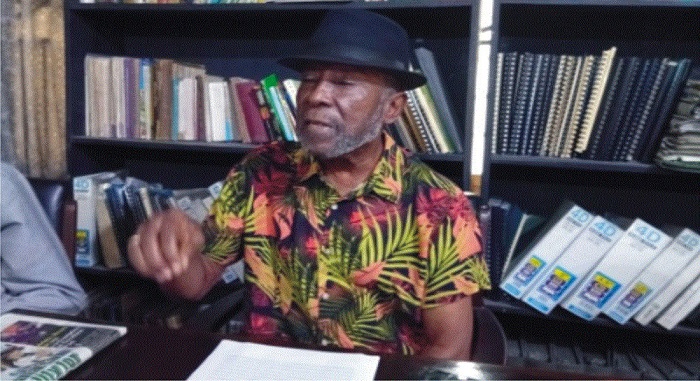
Bukola Olukemi-Odele
Bukola Olukemi-Odele, food and nutrition scientist, and Programme Officer, Cardiovascular Health, at Corporate Accountability and Public Participation Africa (CAPPA)

When food environments deteriorate in this way, the consequences are not shared equally. Women and girls bear a disproportionate share of the burden. Their bodies move through life stages that demand consistent and specific nutritional support, from adolescence to pregnancy and beyond. Yet the social realities surrounding food availability and preparation deepen their exposure to unhealthy diets.

As fresh and nutritious options become harder to access, supermarket shelves, kiosks, and convenience stores are increasingly dominated by products such as bread, noodles, frozen meals, sugary drinks, reconstituted meat products, fries, and snacks. These foods are deliberately formulated to trigger repeat consumption.

They typically contain high concentrations of salt, sugar, fats, and flavour enhancers that create what nutrition researchers describe as hyper-palatability, a sensory quality that strongly stimulates appetite and encourages repeated intake. The result is a steady shift away from whole foods toward diets that fill the stomach while offering little nutritional value.

The health effects are already visible.

Recent data from the Global Nutrition Report indicates that 15.7 percent of women in Nigeria are living with obesity. Research also shows that ultra-processed foods (UPFs) often contain endocrine-disrupting chemicals (EDCs) from packaging materials and industrial additives. For young girls, high consumption of UPFs has been linked to earlier onset of puberty, a development associated with lifelong health risks, including increased susceptibility to breast and ovarian cancers later in life.

The dangers intensify during pregnancy. Diets rich in UPFs can lead to gestational hypertension, diabetes, and even pre-eclampsia. Additionally, high consumption of UPFs is linked to Polycystic Ovary Syndrome (PCOS), largely due to insulin spikes caused by refined sugars. Industrial fats may also contribute to oxidative stress that can damage egg quality and complicate conception. In the end, what appears to be a simple matter of diet gradually becomes a question about reproductive health and the wellbeing of future generations.

Another dimension of the problem lies in how these products are marketed. Women remain widely responsible for feeding households and bearing much of unpaid care work, often while managing tight working schedules. Food companies exploit this reality by presenting UPFs as convenient and cheap solutions for the “busy woman.” Instant meals promise speed.

Packaged snacks promise convenience. Sugary drinks promise quick energy. In the absence of regulations such as mandatory front-of-package warning labels or restrictions on aggressive marketing, these products quietly become the default choice for consumers and many households.

The consequences extend far beyond individual health. Diet-related illnesses lead to lost workdays, rising medical expenses, and declining economic participation. Women already navigating income disparities often find themselves carrying the extra weight of chronic conditions, including autoimmune diseases, certain cancers, and inflammatory disorders linked to the consumption of UPFs.

Food justice is therefore a crucial feminist issue and sits firmly within the broader conversation about women’s wellbeing. When governments fail to regulate unhealthy food environments, the costs are borne most heavily by those already managing multiple burdens.

Effective action requires more than public health advice. Governments must adopt policies that reshape the market itself. Fiscal measures that discourage unhealthy products, clear front-of-pack warning labels that help consumers make informed choices, mandatory salt limits for processed and pre-packaged foods, and stronger controls on marketing aimed at women and children can help rebalance the forces at play, as well as counter market pressure.

True justice for women and girls means ensuring a world where the food on their plates is a source of strength rather than a slow, creeping threat to their future.

By Bukola Olukemi-Odele, food and nutrition scientist, and Programme Officer, Cardiovascular Health, at Corporate Accountability and Public Participation Africa (CAPPA)

MOSOP seeks compliance with wetlands protection in Ogoniland oil plans

The Movement for the Survival of Ogoni People (MOSOP) says it is seeking compliance with wetlands protection in oil plans, welcoming the designation of Ogoniland wetlands as a Ramsar Site of International Importance.

President of the MOSOP, Mr. Olu Andah Wai-Ogosu, made the remark in a statement he issued to journalists in Port Harcourt, Rivers State, on Tuesday, March 10, 2026.

Wai-Ogosu advised that any resumption of oil operations in the area should comply with international wetlands protection principles.

Olu Andah Wai-Ogosu
President of the MOSOP, Mr. Olu Andah Wai-Ogosu

He added that the recognition by the Ramsar Convention on Wetlands Secretariat placed Ogoniland in the global network of wetlands whose ecological integrity must be protected in line with internationally accepted conservation standards.

Wai-Ogosu described the designation as a landmark development that affirmed the ecological value of Ogoniland’s wetlands and the long-standing call by the Ogoni people for their protection.

‘’The designation represents a significant step toward restoring, protecting and sustainably managing the fragile ecosystems of the area after decades of environmental degradation,’’ he said.

He also commended the Hydrocarbon Pollution Remediation Project (HYPREP) under the leadership of Nenibarini Zabbey for its role in achieving the international recognition.

Wai-Ogosu stressed that the new status came with clear obligations, noting that any proposed resumption of oil and gas operations in Ogoniland must strictly comply with environmental protection principles established under the Ramsar Convention.

He urged the Federal Government to ensure that no activity compromised the ecological character of the Ogoni wetlands.

He added that any plan to resume oil and gas production in the area must undergo rigorous environmental scrutiny consistent with the obligations of the convention.

Wai-Ogosu further stated that oil companies, contractors and institutions operating in Ogoniland should demonstrate full compliance with international wetland protection standards.

He said that activities capable of degrading the ecological integrity of the wetlands must not be permitted under any circumstances.

Wai-Ogosu mentioned that Ogoni communities had for decades endured the consequences of poorly regulated hydrocarbon exploitation.

He also added that the Ramsar designation had now established a new international environmental benchmark for government policy and corporate conduct in the region.

He emphasised that Ogoniland was no longer only an oil-bearing territory but an internationally recognised ecological asset whose protection was tied to global environmental commitments.

Wai-Ogosu said that MOSOP would remain vigilant and engage both national and international mechanisms to ensure that the obligations arising from the Ramsar designation were respected and enforced.

By Precious Akutamadu

G7 urged to tax fossil fuel windfall profits amid surging oil prices

0

G7 countries were on Tuesday, March 10, 2026, urged to enact a windfall tax or tax on the excess profits of oil and gas companies benefiting from price surges following the Iran war.

350.org made the demand after G7 finance ministers said it was studying “necessary measures” to address the war’s economic impacts, including the release of emergency oil reserves.

In 2022, the UK government imposed a 25% levy on carbon majors to help ease the prices of oil and gas following a surge driven by the Ukraine war, raising £3.6 billion in two years.

G7 leaders
G7 leaders at the 2025 G7 Leaders’ Summit in Kananaskis, Alberta, Canada

Such revenues from a windfall tax can be used as an immediate buffer to protect families from price surges, as well as fund long-term, homegrown renewable energy solutions.

Fanny Petitbon, 350.org France Country Manager, said: “Releasing emergency oil reserves is just a band-aid on a gaping wound. If G7 countries are serious about stabilizing the market, they need to stop protecting profits and start taxing companies which fuel the climate crisis. Working people shouldn’t be paying the price while oil majors treat the war in the Middle East like a winning lottery ticket. We need the G7 to step up and establish a windfall tax now to put those profits back into the pockets of the people.

“The French government, as president of the G7, must also confront the elephant in the room, the urgent phase-out of fossil fuels. It can no longer look away from the reality which is that we cannot stay addicted to oil and gas.”

Clémence Dubois, 350.org Global Campaigns Manager, said: “Wars expose a deep flaw in our energy system: when prices spike, fossil fuel companies stand ready to cash in while households and businesses struggle. That’s not just market volatility, it’s the result of governments allowing fossil fuel companies to keep the power to shape the energy system and pass the costs onto everyone else.

“G7 governments must stop reinforcing this model with fossil fuel tax cuts that only inflate corporate earnings. Cutting fossil fuel taxes during a crisis is not a relief for families, it’s a subsidy for companies that are already enjoying windfall profits.

“The right response is a strong windfall tax, which should be redirected to support households and accelerate the transition to clean energy that reduces our dependence on the very fuels driving both climate disruption and global instability.”

Masayoshi Iyoda, 350.org Japan Campaigner, said: “Most of Japan’s oil imports pass through the Strait of Hormuz, making Japan acutely exposed to fossil fuel price shocks. Prime Minister Sanae Takaichi has moved to calm fears over rising energy and food prices, but reassurances and stop-gap measures like releasing oil reserves are not enough. Fossil fuel companies are cashing in on this crisis. A windfall tax on polluting industries would make them pay by taking responsibility, not ordinary families already stretched by years of stagnant wages and price surges due to climate impacts.

“When PM Takaichi meets US President Trump next week, we urge her to reconsider Japan’s alignment with the Trump administration’s fossil fuel agenda. The attack on Iran has shown, once again, how that agenda means prosperity for oil and gas corporations, and higher bills for everyone else. Accelerating a just transition to renewable energy and phasing out fossil fuels is Japan’s best option to secure affordable and sustainable energy based on democracy and peace.” 

South Africa: Budget 2026 fails to fast-track just transition, tackle inequality – Group

In a period of economic uncertainty and escalating climate impacts, The Green Connection is of the opinion that South Africa’s Budget 2026 misses a critical opportunity to use the Just Energy Transition (JET) as a driver of inclusive development, job creation and long-term resilience.

While some short-term relief measures are welcome, the eco-justice organisation argues the Budget does not address the structural drivers of inequality, poverty and unemployment.

“We have heard many of these commitments before,” says The Green Connection’s Outreach Ambassador, Neville van Rooy.

Enoch Godongwana
Enoch Godongwana, Soth Africa’s Minister of Finance

“South Africa needs structural reforms that break with old patterns – reforms that align fiscal policy with climate realities, support low-carbon development, and equip people with the skills needed for the future. A genuinely pro‑poor budget must look beyond short-term relief and focus on long-term security by prioritising climate resilience, accessible clean energy, and the large-scale creation of dignified, sustainable livelihoods,” adds van Rooy.

Just Energy Transition: Funding Without Clarity

South Africa has secured significant international climate finance for the Just Energy Transition, yet Budget 2026 provides limited detail on allocations, timelines or implementation mechanisms. Without ring-fenced funding, measurable targets and clear oversight, The Green Connection warns that the transition risks becoming rhetorical rather than transformative.

“Where are the investments in socially owned renewables, community-based infrastructure and youth skilling at scale?” asks van Rooy. “A just transition must reduce inequality and create sustainable work – not deepen dependence on extractive fossil fuel industries. Existing planning frameworks such as the Integrated Resource Plan (IRP) and the legally required Integrated Energy Plan (IEP), should guide these decisions. However, the latest IRP still focuses too heavily on fossil fuels, and the IEP is yet to be implemented. Both of these, however, can only be considered valid, with proper input from the people who have to live with these decisions.”

Continued fiscal support for fossil fuels is an ongoing concern. Energy subsidies more than tripled between FY2017 and FY2020 to ZAR 172 billion ($10.4 billion), with the largest allocations directed toward coal-fired electricity, according to the International Institute for Sustainable Development (IISD).

Even the carbon tax – a positive signal to major emitters such as Sasol – is insufficient on its own. Large emitters require credible Just Transition plans aligned with South Africa’s carbon budget, particularly as energy-intensive sectors expand, to now also include the impact of data centres.

Climate Impacts Already Reshaping Communities

The energy crisis remains a lived reality for poor and working-class households. While measures to stabilise municipal finances are welcomed, the Budget does not clearly ring-fence funding for climate adaptation or disaster management.

According to van Rooy, “For every dollar spent on climate adaptation, studies estimate a return of more than $10 in social and economic benefits, within a decade. These are high-return investments that reduce future disaster costs and create jobs. Why are they not central to fiscal planning?”

Communities displaced by floods in KwaZulu-Natal remain without permanent housing, while recurring droughts in the Eastern Cape affect communities’ access to clean water and continue to undermine local food systems. And small-scale farmers have already suffered R65 million in losses. In addition, coastal communities are also under pressure. Small-scale fishers face warming oceans, shifting fish stocks, industrial pollution and extreme weather events – yet Budget 2026 makes no targeted provision for small-scale fisheries support, coastal adaptation or marine ecosystem protection.

A credible just transition must include the ocean economy – protecting marine biodiversity and securing the livelihoods of artisanal fishers – not only promoting large-scale industrial energy projects. As early as 2024, Reserve Bank Governor, Lesetja Kganyago, warned that rising climate-related disaster costs would increasingly burden the public purse. Climate change is already driving infrastructure damage, emergency spending and livelihood losses.

“With just four years until the 2030 emissions‑reduction deadline of exceeding the potentially catastrophic 1.5°C threshold – Budget 2026 represents a crucial opportunity to invest in energy solutions that meaningfully improve people’s lives,” says Lisa Makaula, The Green Connection’s Advocacy Lead. “Community‑owned renewable energy reduces energy poverty, strengthens local economies and enhances safety. These are the foundations of long‑term stability.”

Infrastructure Choices Risk Fossil Lock-In

Government’s emphasis on infrastructure-led growth is positive in principle, particularly investment in rail and ports that could shift freight from road to rail and reduce emissions. However, The Green Connection cautions that governance reform, transparency and operational sustainability are prerequisites for success.

The carbon border adjustment mechanism (CBAM) also presents a material risk for South Africa. If we maintain our reliance on fossil fuels, especially coal, exporters could face significantly higher taxes when trading with regions implementing CBAM‑aligned policies. Therefore, expanding coal export corridors risks locking the country into carbon‑intensive growth pathways and effectively subsidising further fossil fuel expansion at a time when global markets are moving in the opposite direction.

“If this Budget is to be remembered as genuinely pro-poor,” says van Rooy, “it must move beyond short-term relief and invest decisively in climate resilience, energy justice, municipal capacity and ocean protection. That means placing long-term sustainability, intergenerational equity and environmental rights at the centre, and ensuring fiscal policy is transparent, accountable and aligned with our constitutional obligation to protect both present and future generations.”

EcoSmart Club advocates sustainable fashion with Oniparo Project launch

EcoSmart Club, a youth-led grassroots organisation championing climate action, is launching the Oniparo Project, one of Nigeria’s biggest sustainable fashion research projects.

The nine-month project aims to shed light on the impacts of fast fashion on the circular environment and the contribution of the Oniparo Women in curbing textile waste in Nigeria and Africa at large.

Oniparo is a Yoruba (Western Nigeria) name given to people who engage in exchange business. Paro is an age-long trade by barter, an informal business of collecting/ upcycling clothes in Western Nigeria.

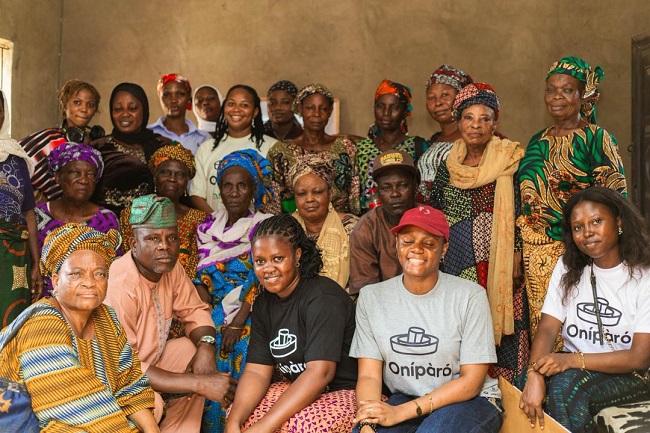
Oniparo
Women of Oniparo community with members of EcoSmart

Women known as Oniparos typically go from house to house collecting discarded and fairly used clothes, which they exchange for money or household items such as buckets or basins.

Hannah Omokhaye, Founder of EcoSmart Club, said these women are not only the pioneers of the circular economy in Nigeria, but they are also providing affordable clothing for low income-communities both in Nigeria and other West African countries as well as livelihoods for themselves and their families.

“This vital business is rapidly declining due to economic shifts and climate change. In particular, unpredictable weather affects their mobility and heatwaves impact their health, and a growing preference for disposable clothing among people, which is influenced by cultural shifts and even religious beliefs,” Omokhaye said.

“Additionally, there is little to no documentation or advocacy about Oniparos, leaving them overlooked in informal circular economy discussions. Yet, they play a critical role,” she added.

Supported by the African Climate Alliance – a youth-led, movement-based, grassroots organisation acting and advocating for Afrocentric climate justice – the project is to span from March to October 2026.

Globally, textiles represent the second-largest industrial sector that creates employment for people. Apart from job provision, the industries feed several other manufacturing industries in producing materials for human and non-human consumption.

However, according to the United Nations Environmental Programme (UNEP), roughly 92 million tonnes of textile waste is generated worldwide each year. This is equivalent to a truckload of clothing being incinerated or sent to landfills every second.

Textile waste generates about 10% of global Greenhouse Gas (GHG) emissions and 20% of wastewater. Nearly 5% of the waste in landfills are textile waste, and approximately 35% of all oceanic primary microplastic pollution is caused by the fashion industry operations.

“This is why this project is important. It is to create public awareness on the co-benefits of zero textile waste, livelihoods, and cultural preservation,” Omokhaye said. “The Oniparo trade is a generational livelihood system. The women play a significant role in clothing redistribution and circular economy practices.”

On her part, Oluwatoyin Ajao, Project Manager of Oniparo Project, said the project would spark conversations around textile waste, sustainable fashion, and policy inclusion of women who actively drive the circular economy.

“This project is a shift from the previous ones executed by the team. Not only are we using inclusive storytelling to preserve culture, through this project, we are also showcasing afrocentric solutions to global issues such as textile waste and the broader conversion of environmental sustainability,” Ajao said.

100 European businesses urge EU leaders to back carbon market

More than 100 companies have called on leaders of the European Union (EU) to reaffirm support for the bloc’s carbon-pricing mechanism.

The EU Emissions Trading System (ETS), ahead of a summit next week, made the call on Tuesday, March 10, 2026.

In a letter published Tuesday, the businesses said Europe’s security and economic resilience depend on strengthening its clean energy transition.

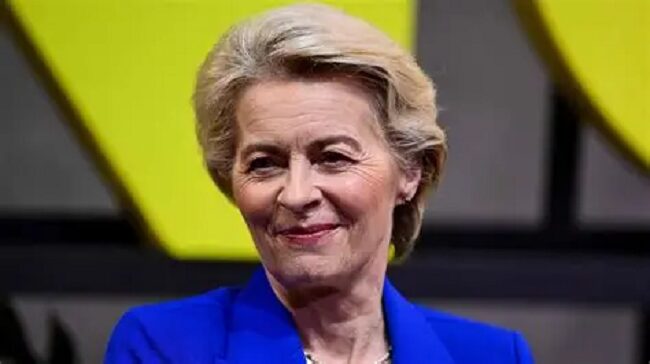
Ursula von der Leyen
Ursula von der Leyen, President of the European Commission

“In the current geopolitical context, Europe’s security and sovereignty hinge on building a more competitive and resilient economy,” the companies wrote.

They argued this can be achieved by reducing dependence on volatile fossil fuel imports and instead leveraging Europe’s clean energy potential, skilled workforce and strong innovation sector.

The signatories include industrial companies such as Salzgitter AG and Volvo Cars, energy firms including Vattenfall and EDF, as well as clean-technology companies and investors.

Under the EU’s carbon market, companies in sectors such as electricity generation, industrial manufacturing and aviation must purchase allowances to cover their greenhouse gas emissions.

The system currently regulates around 40 per cent of the bloc’s total emissions.

However, as European industries grapple with comparatively high energy prices, several EU member states argued that the combined burden of energy costs and emissions allowances were putting pressure on key industrial sectors.

The companies behind the letter warned that weakening or suspending the ETS would not solve Europe’s competitiveness challenges.

“Weakening or suspending the ETS instead of fixing the root causes of Europe’s ailing competitiveness would be a serious misdiagnosis of the problem,” the letter said.

Introduced more than two decades ago, the ETS is widely regarded as the cornerstone of the EU’s climate policy and decarbonisation framework.

The companies said undermining the system would reduce investment certainty and threaten Europe’s industrial future.

A planned assessment by the European Commission is expected to examine how more revenue generated by the ETS could be directed toward further reducing emissions in the industrial sector.

Guterres describes renewable energy as the ‘fastest path to energy security, economic security, national security’

António Guterres, Secretary-General of the United Nations, posted on LinkedIn on Monday, March 9, 2026, calling renewable energy the fastest path to energy security, economic security, and national security. Read his full statement below.

The turmoil we are witnessing in the Middle East makes it evident that we are facing a global energy system largely tied to fossil fuels, where supply is concentrated in a few regions and every conflict risks sending shockwaves through the global economy, particularly to the most vulnerable people.

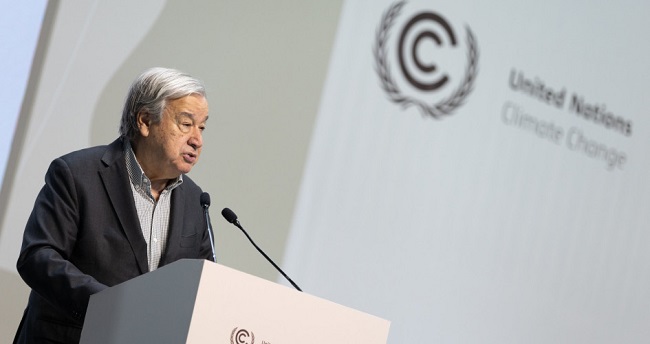
António Guterres
António Guterres. Photo credit: Kiara Worth | UN Climate Change

For decades, dependence on fossil fuels meant dependence on volatility. But in past oil shocks, countries had little choice but to absorb the pain.

Now they have an exit ramp.

Homegrown renewable energy has never been cheaper, more accessible, or more scalable. The resources of the clean energy era cannot be blockaded or weaponized. There are no price spikes for sunlight and no embargoes on the wind.

The fastest path to energy security, economic security, and national security is clear: speed up a just transition away from fossil fuels and toward renewable energy.

International Inner Wheel District 911 to celebrate 2026 IWD with ‘Give to Gain’ initiative

0

International Inner Wheel District 911 has announced plans to celebrate the 2026 International Women’s Day (IWD) with a special empowerment initiative themed “Give to Gain.”

The event takes place on Tuesday, March 10, 2026, at the Rotary Centre, 8, Ladoke Akintola Road, GRA Ikeja, Lagos.

As part of activities marking the global celebration, District 911 will implement a life-touching empowerment programme aimed at supporting five indigent widows through financial and material assistance.

Alhaja Sinatu Ojikutu
Former Deputy Governor of Lagos State and Special Guest, Alhaja Sinatu Ojikutu

The initiative reflects the organisation’s commitment to uplifting vulnerable members of society and strengthening communities through meaningful support.

A former Deputy Governor pf Lagos State, Alhaja Sinatu Ojikutu, serves as the Special Guest while the Guest Speaker of the day is Olufunke Fowler-Amba.

The celebration will also feature a high-level panel discussion addressing key issues affecting women in contemporary society.

The panel includes respected professionals and thought leaders such as Mary Obadina, Temitope Kayode-Ojo, and Oyenike Adeosun.

District Chairman, D911, Inner Wheel Member Omolola Fakeye, noted that the programme is designed to be both impactful and engaging.

Fakeye explained that the event will combine education, empowerment, and meaningful engagement for participants while reinforcing the organisation’s commitment to community development.

According to her, the initiative goes beyond dialogue by translating advocacy for women’s empowerment into practical support that directly improves lives, noting that students from different senior secondary schools will be there to learn.

International Women’s Day, celebrated annually on March 8, is a global event recognising the social, economic, cultural, and political achievements of women while also advocating for gender equality.

International Inner Wheel, one of the largest women’s service organisations in the world, is committed to promoting friendship, encouraging personal service, and fostering international understanding through humanitarian initiatives.

Cobalt mine in DR Congo poisoning communities, displacing thousands – Report

0

new report alleges that CMOC Group Limited (CMOC), the world’s largest cobalt producer, has poisoned local air, triggered a public health crisis, broken national laws and displaced more than 10,000 people in the Democratic Republic of Congo (DRC). 

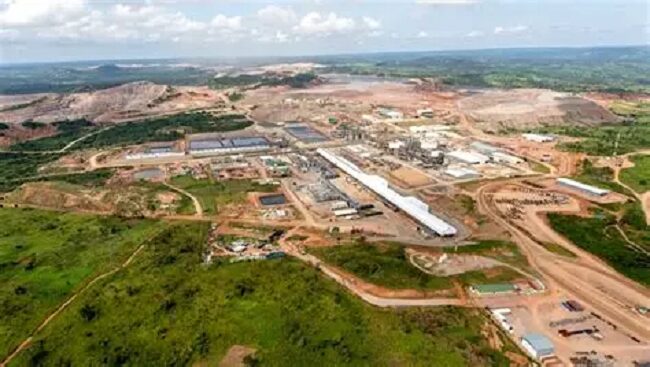
The report details how the group’s operations at the Tenke Fungurume mine, and particularly the processing of cobalt at the newly built colossal plant – the size of 500 soccer fields – have apparently driven large-scale sulfur dioxide (SO2) emissions that are at the heart of this crisis.

Since the processing facility opened in 2023, community members have suffered nosebleeds, repetitive cough, and the vomiting of blood with alarming frequency. Increases in miscarriages and birth defects have also been reported.

Tenke Fungurume Mining
Tenke Fungurume Mining, DR Congo

The breakthrough investigation from the Environmental Investigation Agency US (EIA) ties the expansion of the Tenke Fungurume mine to these symptoms through large-scale analysis of medical records, independent air quality monitoring, and interviews with workers, community members and corporate insiders.

The report, Toxic Transition, from the EIA and PremiCongo also details the mine’s supply connections to several major Western automakers that source cobalt from the mine for their production of electric vehicles (EVs).  

“This report shines a light on the human cost of the world’s energy transition and electric vehicle boom as automakers continue to turn a blind eye to their supply chains,” said Christian Bwenda, coordinator of PremiCongo. “We now have strong evidence of what communities have known for years: They’re the victims of the unchecked growth of the Tenke Fungurume mine.” 

Alexander von Bismarck, executive director of EIA, said: “If we want the energy transition to be more than a win-lose game, we need transparent traceability of transition minerals, in particular cobalt. Under the status quo, our consumption in Global North is once again driving horrific impacts in the Global South. If we’re going to shift the source of our energy, we also have to shift our way of thinking about what the standards should be for the minerals we need.”

Booming cobalt production

The surge in global cobalt demand is driven largely by the transition to cleaner energy technologies like EVs. About 43% of the world’s cobalt ends up in EVs, which was the principal source of demand for cobalt in 2024.

In 2024, about half the world’s mined cobalt was produced by CMOC, a Chinese group, through its mining operations in the DRC. Tenke Fungurume Mining, which is owned by CMOC, operates both the Tenke Fungurume mine and the “30k” processing plant, which opened in 2023. At the plant – one of the world’s largest cobalt processing facilities – CMOC transforms copper-cobalt ore into cobalt hydroxide, which the company then sells to the world’s largest battery and battery cell manufacturers.

Evidence of community poisoning

Since 2023, community members and local civil society organisations have raised alarms about the increase in respiratory ailments and maternal health complaints connected with the new cobalt processing facilities. 

EIA obtained, verified and analysed over 1,200 anonymised public health records from a clinic located close to the 30k plant. The data show that members of the local community have presented with nosebleeds, repetitive cough and the vomiting of blood at a startling rate since the processing plant opened in 2023. The data also reveal how the health crisis has persisted, spread across the populations and likely even worsened, affecting the more vulnerable individuals first before touching a broader proportion of the residents.

EIA commissioned an independent scientific study of air pollution in Fungurume from September 2024 to January 2025. Results from this study showed levels of SO2 – a toxic gas produced during the processing of copper-cobalt ore – well in excess of international standards. EIA investigators also learned from multiple sources that significant volumes of SO2 have been frequently released, that machines continued to operate after alarms sounded; and that personnel responsible for the continued operating of machines did not evacuate for fear of reprisal.

These findings contradict CMOC’s public statement about the lack of evidence regarding the serious health crisis experienced by communities, the SO2 pollution and the alleged responsibility of the company. 

In response to EIA’s findings, TFM explained that all monitoring data collected in late 2024 and early 2025 indicate the absence of pollution, with SO2 concentration remaining within the applicable regulatory limit. The company further detailed that they uphold the principle that all work must be conducted safely or not at all. A company’s policy obligates any person onsite to halt unsafe work, prohibits resumption until hazards are controlled, and strictly bars retaliation. TFM’s full response is available on EIA’s website

Clear ties to western automakers

EIA’s supply chain analysis shows that cobalt from the TFM site can be found in electric vehicles sold by major automakers including BMW, Mercedes-Benz, Peugeot and Volkswagen. 

“The energy transition is critical to addressing the climate crisis, but booming demand for cobalt cannot be met at the expense of lives and livelihoods in the DRC,” said von Bismarck. “To have some of the world’s largest car brands refuse to assume even a basic level of responsibility for their supply chain is shocking.”

None of the automakers named in this report denied indirectly sourcing cobalt from TFM for their EVs production. Mercedes-Benz explained that they had initiated a dialogue with TFM based on EIA’s findings. BMW Group clarified that “if there are any indications of possible violations in our supply chains, we investigate these indications.”

Stellantis confirmed their sourcing relationship with TFM and explained that a third-party auditing partner identified multiple reports of “serious illness linked to pollution” in the area near the 30k plant. At the time of writing, EIA has not received any comment from Volkswagen regarding EIA’s findings. Full responses are available on EIA’s website

Calls for stronger governance

The report alleges that TFM is in violation of DRC national laws on air quality and community relocation. It also notes that in June 2024, TFM became the first mine in Africa and the first Chinese-owned mine to receive the Copper Mark – an environmental, social, and governance standard focused on labour conditions and workers’ rights.

EIA’s findings raise major questions about the credibility of the Copper Mark standard, contradicting the conclusion that TFM “fully meet(s)” 100% of the 31 applicable criteria as of July 2025. At the time of writing, TFM is also being assessed by the Initiative for Responsible Mining Assurance (IRMA) standard. 

The report notes that current laws and standards fall far short of what’s needed. The authors describe how existing technologies, community monitoring, ongoing third-party auditing processes, and demand-side laws can ensure greater accountability from automakers and stronger protections for communities.

“Many claim to be driven by net zero commitments and innovation, but those achievements are meaningless if they come at the expense of the health of communities and the deliberate choice not to use existing technology to improve supply chains,” said von Bismarck of EIA.