Home Blog Page 221

TICAD9: AfDB, Japan strengthen ties, target $5.5bn for Africa’s private sector

The African Development Bank (AfDB) and the Japan International Cooperation Agency (JICA) have agreed to inaugurate the sixth phase of the Enhanced Private Sector Assistance (EPSA6) initiative.

The AfDB, in a statement on its website, said both organisations signed a Memorandum of Understanding (MoU) during the Ninth Tokyo International Conference on African Development (TICAD9) in Yokohama, Japan.
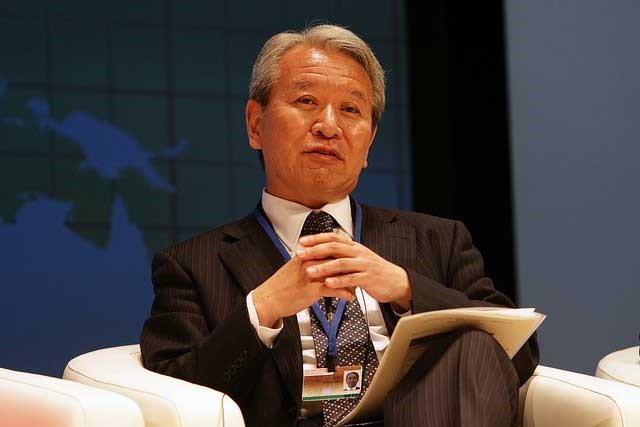
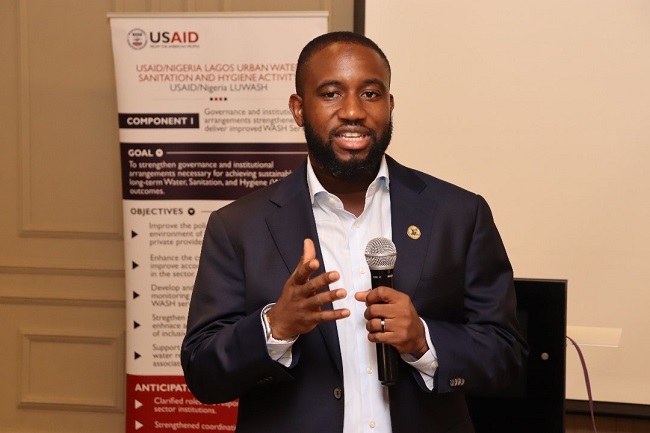
Akihiko Tanaka
JICA President, Dr Akihiko Tanaka

According to the bank, EPSA6 will mobilise up to $5.5 billion between 2026 and 2028 – half a billion dollars more than the preceding EPSA5 agreement.

EPSA, launched in 2005 by the AfDB and the Government of Japan, supports private sector-led growth in Africa with a focus on power, connectivity, health, agriculture, and nutrition.

Under EPSA6, resilience has been introduced as a new priority, with emphasis on addressing climate change and other shocks facing African economies.

The initiative aims to further strengthen private sector development across the Bank’s regional member countries.

JICA President, Dr Akihiko Tanaka, said co-financing under previous phases had already mobilised about $12 billion.

He noted that the $5.5 billion target for EPSA6 represented more than five times the original commitment under EPSA1.

Tanaka also commended outgoing AfDB President, Dr Akinwumi Adesina, for his leadership in sustaining and expanding the programme.

“This reflects the growing strength of our partnership and the increasing importance of our joint effort.

“With this focus, we are committed to address not only climate change but also a broad range of shocks,” Tanaka stated.

AfDB Vice President, Kevin Kariuki, said Japan remained one of the bank’s strongest partners, while describing EPSA as AfDB’s largest and longest-standing bilateral partnership with any development finance institution.

“I applaud Japan and JICA for their commitment to Africa’s development.

“I am confident we will consolidate the successes of this collaboration in a mutually agreeable manner,” Kariuki said.

Kariuki said EPSA5, which ran from 2023 to 2025, had achieved $4 billion in joint co-financing, with projects worth $1.6 billion at an advanced stage by the end of 2025.

Japan’s Finance Minister, Mr. Katsunobu Kato, said EPSA6’s focus on resilience would help African countries manage debt burdens while creating opportunities for private sector investment.

“Africa has tremendous opportunities for significant market expansion,” Kato stated.

Over the years, EPSA-supported projects have included Uganda’s Bujagali Hydropower Plant, the East Africa Submarine Cable System, Nigeria’s Lekki Toll Road, and Rwanda’s Kigali Bulk Water Supply.

By Lucy Ogalue
UN warns of rising heat stress risks for workers worldwide

0

UN agencies, World Health Organisation (WHO) and World Meteorological Organisation (WMO) have warned that extreme heat is fast becoming one of the biggest threats to workers’ health and livelihoods.

They gave the warning in a joint report published on Friday, August 22, 2025.

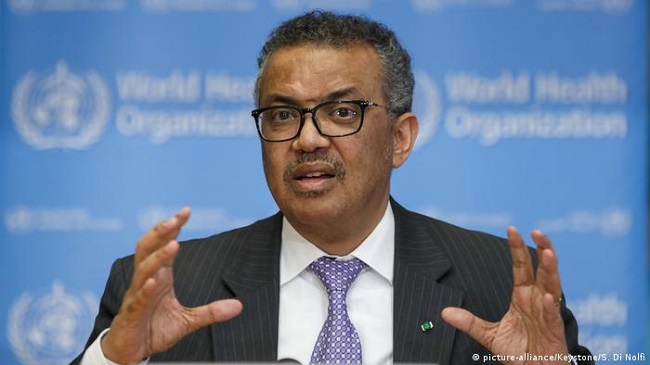
Tedros Ghebreyesus
Dr. Tedros Adhanom Ghebreyesus, Director-General, World Health Organisation (WHO)

The new joint report, “Climate change and workplace heat stress”, underscores the mounting risks as climate change fuels longer, more extreme, and more frequent heatwaves.

They stressed that workers in agriculture, construction, and fisheries were already suffering the impacts of dangerous temperatures.

The report points out that vulnerable groups in developing countries, including children, older adults, and low-income communities face increasing dangers.

“Heat stress is already harming the health and livelihoods of billions of workers, especially in the most vulnerable communities,” Dr. Jeremy Farrar, WHO Assistant Director-General for Health Promotion, Disease Prevention and Care, said.

“This new guidance offers practical, evidence-based solutions to protect lives, reduce inequality, and build more resilient workforces in a warming world,” he added.

Drawing on five decades of research, the report highlights how rising temperatures are hitting both health and productivity.

WMO confirmed that 2024 was the hottest year on record, at 1.55 degrees Celsius above pre-industrial temperatures.

It said daytime highs were above 40 degrees centigrade becoming commonplace, and in some areas, even exceeding 50 degrees centigrade.

“Occupational heat stress has become a global societal challenge, which is no longer confined to countries located close to the equator – as highlighted by the recent heatwave in Europe,” said Ko Barrett, WMO Deputy Secretary-General.

“Protection of workers from extreme heat is not just a health imperative but an economic necessity.”

The report details how extreme heat is reshaping the world of work. It finds that worker productivity drops by 2 to 3 per cent for every degree above 20 degrees centigrade.

The health consequences are wide-ranging, including heatstroke, dehydration, kidney dysfunction, and neurological disorders. Overall, nearly half of the world’s population is now experiencing negative effects from high temperatures.

Calling for urgent occupational heat action plans tailored to industries and regions, WHO and WMO guidance includes several recommendations:

  1. Develop targeted occupational heat-health policies based on local weather and workforce vulnerabilities.
  2. Prioritise protections for middle-aged and older workers, those with chronic health conditions, and individuals with lower physical fitness.
  3. Train health professionals, employers, and workers to recognise and treat heat stress, which is often misdiagnosed.
  4. Involve workers, unions, and local authorities in shaping heat-health strategies.
  5. Promote affordable, sustainable, and scalable solutions, alongside innovation and new technologies.
  6. Strengthen research and monitoring to ensure measures remain effective.

The guidance builds on International Labour Organisation (ILO) findings that more than 2.4 billion workers are exposed to excessive heat globally.

This has resulted in over 22.85 million occupational injuries each year.

“This report represents a critical milestone in our collective response to the growing threat of extreme heat in the world of work,” Joaquim Pintado Nunes, ILO Chief of Occupational Safety and Health and the Working Environment, said.

“Aligned with the ILO’s mandate to promote safe and healthy working environments as a fundamental right, it offers robust, evidence-based guidance to help governments, employers and workers confront the escalating risks of climate change.”

Both UN agencies stress that addressing heat stress was central to safeguarding lives, livelihoods, and economies.

The guidance supports the UN Sustainable Development Goals (SDGs), urging decisive action to protect vulnerable workers, reduce poverty, and promote sustainable growth.

Urgent and coordinated action is no longer optional, it is essential, the report says.

By Cecilia Ologunagba

NGO advocates restoration of extinct species around Nigeria’s first oilfield

0

Coordinator, Community Environment and Development Network (CEDEN), Mr. Menidin Egbo, has advocated the restoration of extinct species due to oil pollution in the environment around Nigeria’s pioneer oilfield.

Egbo said this on Saturday, August 23, 2025, during a workshop tagged: “Restoring Lost Species” in Otuabagi Community in Ogbia Local Government Area of Bayelsa State.

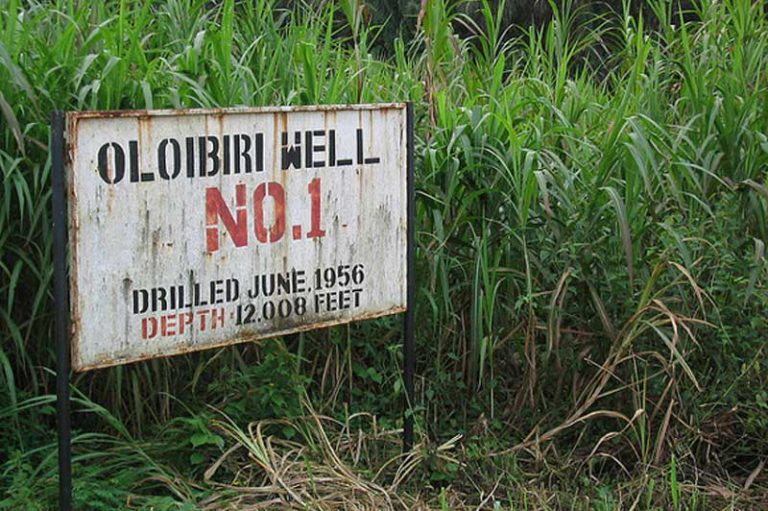
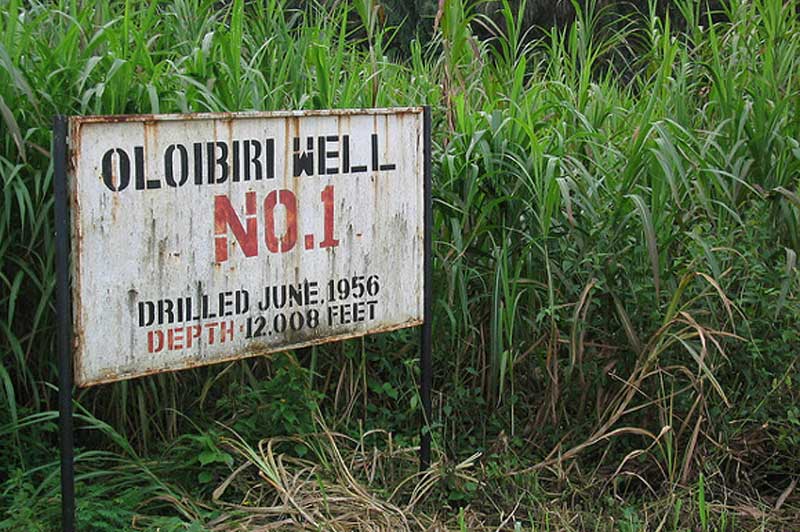
Oloibiri oil well
Oloibiri, the site of Nigeria’s first oil well

Otuabagi community is host to Oloibiri Well 1, where oil was struck in commercial quantities in 1956 and made Nigeria a dominant player in the global oil market.

He said that the project would restore lost raffia forest ecology and establish eco-resource conservation processes for enhancing women ecologically based livelihoods through sustainable extraction of non-timber forest products in the Ekpadio swamp forest area of Otuabagi Community in Ogbia LGA.

“This Otuabagi site (in Olei clan) hosts the famous Oloibiri Oil Well 1-Nigeria’s first commercially viable petroleum crude production efforts in 1956,” Egbo noted.

According to him: “The project objective is to re-introduce Raffia (palm) trees for ecological restoration/preservation; to reform local eco-regulatory policies/practice.

“To establish sustainable ecology-based communication for enhancing environmental governance; to enhance women’s role as custodian of ecological values. To promote eco-resources evaluation and documentary for enhancing sustainable prospects,” he said.

He explained that the Global Greenland Fund (GGF) funded project of 2022 raised awareness on ecological values, services and benefits across 11 communities of the Olei clan designed to improve social development in local communities.

The Coordinator recalled that the 2022 project focused on advancing environmental education by targeting “Environmental Education for Improved Sound Ecological Management” among agrarian rural communities.

“Thus, the beneficial communities of Ogbia Town, Oloibiri Town, Otuabo, Otuogidi, Opume, Akipilai, Emakalakala, Otuabagi, Otakeme, Otuegila, Otuoke, were represented among the Ogbia local indigenous people of the Ogbia LGA was estimated at 694.2 square kilometers in area.

“Population: 235,750 (male: 120,686 or 51.3 per cent , female: 114,881 or 48.7 per cent),” he said.

According to him: “This 2025 project was inspired by the will of some Otuabagi Women Farmers Association (OWFA). Originally founded by 12 persons, the members were moved by the impact of the GGF-funded 2022 project.

“These women are already going forward to register a cooperative to formalise local farmers, organizing to continue promoting non-formal environmental education for improved ecological conservation in the area.

“The 2025 project, like the 2022 effort is being facilitated by Community Environment and Development Network (CEDEN), focusing on supporting the Otuabagi women’s resolve to carry out raffia palm ecology restoration in the degraded Ekpadio swamp forest of their community,” he said.

On her part, Mrs. Gloria Alagbogu, a resource person at the workshop in her presentation on empowering women to strengthen local efforts for addressing the challenges of the human environment, said Bayelsa, located in the oil-rich Niger Delta Region has been cumulatively polluted by decades of oil exploration.

She said the area is a home to diverse ecosystems such as mangroves, freshwater swamps, and rainforest zones.

The region, she continued, is plagued by persistent environmental degradation, driven by oil exploitation, gas flaring, pipeline vandalism, and weak regulatory enforcement.

“These activities not only damage the environment but also give rise to human-environment conflicts including struggles over land and water access, community protest against oil companies rising unemployment and insecurity,” she said.

On his part, Mr. Jeremiah Dagana, Deputy Director, Climate Change, Bayelsa Ministry of Environment, commended the leadership of CEDEN and the Social Development Integrated Centre-Social Action (SDIC-SA) for their initiative in organising the workshop.

He said Bayelsa is blessed with abundance of natural resources with a wide range of biodiversity in its rich mangrove and rainforest ecosystem.

According to him: “Our rich forest ecosystem has been threatened and severely damaged through unregulated and indiscriminate logging of timber, oil exploration and exploitation with many other harmful activities contributing to environmental degradation and devastation,” he said.

By Shedrack Frank

Women empowerment will achieve SDGs’ targets – First Lady

0

The First Lady, Sen. Oluremi Tinubu, says economic empowerment of women in the country will achieve the Sustainable Development Goals (SDGs) targets.

Mrs. Tinubu stated this on Saturday, August 23, 2025, at the distribution of deep freezers, grinding machines and gas cookers to 500 women in Akure.

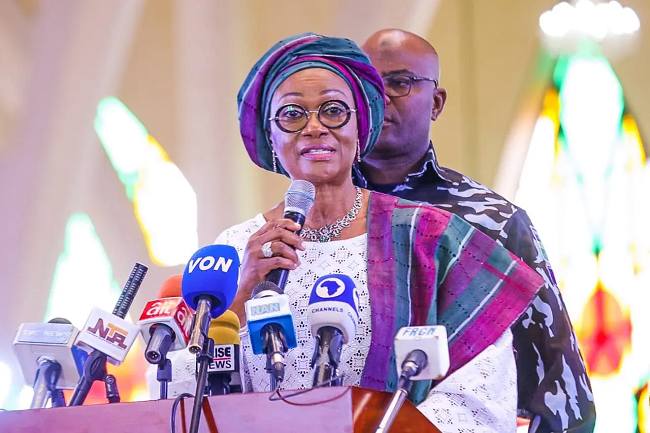
Oluremi Tinubu
First Lady, Sen. Oluremi Tinubu

The First Lady, who was represented by the wife of Ondo State Governor, Mrs. Oluwaseun Aiyedatiwa, said that the beneficiaries were drawn from the 18 local government areas.

She explained that the distributed items were to empower the beneficiaries with the necessary tools and the resources they needed.

According to her, the tools will enable them to build successful business and be independent.

She said that the items would also help the beneficiaries to grow their existing business in recognising their crucial roles in the nation building.

Mrs. Tinubu explained that the empowerment was made possible through the Office of the Senior Special Assistant (SSA) to the President on Sustainable Development Goals (SDGs).

According to her, the programme is line with the President Bola Tinubu’s Renewed Hope Initiative (RHI).

She added that the initiative prioritised inclusiveness in the country’s economic growth and sustainable development for all Nigerians particularly women empowerment.

The First Lady enjoined the beneficiaries to use the economic tools judiciously.

“Don’t sell these tools. We will do a follow up on how they are being used.

“Let these items serve as a foundation for creating wealth for yourselves and your families. I hope what you received today will prosper in your hands,” she said.

Mrs. Tinubu appreciated Gov. Lucky Aiyedatiwa and his wife for making programmes of the RHI successful in the state.

In her remarks, the state Commissioner for Women and Social Development, Dr Seun Osamaye, appreciated the First Lady for bringing RHI to women in the state.

Osamaye added that the RHI different programmes had benefited women in the state.

“We have been benefiting the Renewed Hope Initiative, and we are benefiting today in collaboration with the Sustainable Development Goals. We are grateful to the First Lady and to the SDGs.

“We know that this bold initiative will enhance our women to be economically independent and viable, and most importantly strengthen them to fulfil their potentials as women of Ondo State.

“We want to assure you that with this economic empowerment, poverty will be reduced. This will remove the women from begging and make them symbol of independence and value,” she said.

Earlier, Mrs. Adejoke Orelope-Adefulire, the SSA on SDGs to the President, said that the initiative was to empower women to be self-sufficient.

Orelope-Adefulire, who appreciated the unwavering dedication of the First Lady to women development, said that the items would enhance national development.

She promised that more of such empowerment would still come to the state, asking the beneficiaries to encourage the First Lady and the Office of the SDGs by making good use of the distributed items.

The initiative is being implemented in all the 36 states and the Federal Capital Territory.

By Alaba Olusola Oke

Goronyo Dam safe, water release following guidelines — SRRBDA

The Managing Director of Sokoto Rima River Basin Development Authority (SRRBDA), Alhaji Abubakar Malam, has assured that Goronyo Dam remains safe, with water release strictly in line with the authority’s approved guidelines.

Malam gave the assurance on Saturday, August 23, 2025, while briefing newsmen after conducting a routine inspection of the facilities and water passages at the dam, located in Sokoto State.

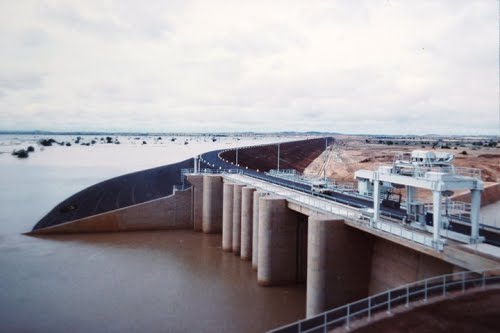
Goronyo Dam
Goronyo Dam

He explained that, following predictions by the Nigerian Meteorological Agency (NiMet) of heavy rainfall this year, some residents had expressed fears of possible water spillage.

“We affirm that SRRBDA technical team will strictly abide by the action plan designed on release of water each month.

” It is pertinent to inform the general public that level of siltation of downstream sector of River Rima occasioned by human activities and climate change had drastically affects dam’s ability to discharge appropriate volume of water.

“I want assure members of public especially farmers, fishermen, canoe operators, states water boards and others that there is no cause for alerm with regard to daily release of water, ” he said.

He reassured that the President Bola Tinubu’s Renewed Hope Agenda was on right track providing needed impetus for sustainable agricultural production and economic growth through various initiatives aimed at ensuring food security and job opportunities for Nigerians.

While Malam appreciated the support of stakeholders in Sokoto, Kebbi, Katsina and Zamfara states, he assured of continued improved service provisions in accordance with SRRBDA mandates.

He recalled that Federal Government delegation had inspected the dam’s condition after the Alu Dam’s incident in Borno state.

Malam added that Goronyo Dam’s embankments, spillways, passages and other facilities were still intact without any threats to lives and properties.

The Goronyo Dam project was initiated during the military administration of Gen. Olusegun Obasanjo, executed under the late President Shehu Shagari, and completed in 1984 when it began operation.

The dam has total capacity of 942 million cubic meters managed by SRRBDA.

By Habibu Harisu

Mixed reactions trail Lagos Water Corporation’s PPP initiative

0

Some Lagos residents have expressed mixed reactions over the pilot Public Private Partnership (PPP) model announced by the Lagos State Water Corporation (LWC) to provide expanded water access to over 22 million people.

They disclosed this in separate interviews on Sunday, August 24, 2025, in Lagos.

Mukhtaar Tijani
Managing Director of the Lagos Water Corporation (LWC), Muktaar Tijani

Some residents described the PPP model as a welcome development, while others raised concerns about its affordability, sustainability and transparency in the implementation process.

The Lagos PPP pilot model is part of the state government’s strategy to address the growing demand for potable water and reduce dependence on boreholes, water tankers, and sachet water, which often pose environmental and health risks.

For Ese Brume, a Lekki resident, the PPP initiative could expand access to clean water but raised questions about affordability and service quality.

“Access to potable water is necessary for the well-being of the residents.

“However, if it comes at a cost, can Lagosians afford it? And will the service be sustainable?” she asked.

Mrs. Florence Ogbu, an entrepreneur who resides at the Jakande Estate, Isolo, described the initiative aimed at boosting access to potable water as commendable.

Ogbu, however, said the initiative must not worsen the economic burden of residents already grappling with high utility bills.

Also, Mr. Henry Adeboye, a lawyer who resides at Okota area of the state, expressed concerns over regulation, citing past experiences with cost escalations in the waste management sector.

Adeboye urged the government to establish a multi-stakeholder monitoring committee to prevent exploitation.

Similarly, Mr. Bright Okwuchukwu, a trader who resides at the Surulere area, opposed the plan, warning that inviting private investors could lead to water privatisation and higher bills.

“It is a wrong move. It will not solve the potable water deficit challenge,” he said.

Nkechi Abbe of Alagbado and Obiageli Ogbolu of FESTAC described the initiative as “laudable” and potentially life-saving by reducing waterborne diseases and curbing indiscriminate borehole drilling.

Mr. Edwin Nwachukwu, a retiree and media consultant at Egbeda, said affordable access to clean water would significantly improve living standards.

Vivian Emesowum, the Executive Director of the Grassroots People and Gender Development Centre, a non-governmental organisation (NGO), supported private sector involvement but stressed that government must retain ownership of water resources and ensure transparency.

“We cannot exchange a water crisis for an affordability crisis,” Emesowum said.

However, some civil society organisations (CSOs) criticised the initiative as a veiled attempt at water privatisation.

The group of six CSOs have petitioned the Lagos State House of Assembly on the pilot PPP model proposed by the LWC to expand water access to Lagos residents.

The CSOs include Renevlyn Development Initiative, Citizens Free Service Forum, the Environmental Defenders Network and the Child Health Organisation.

Others are the New Life Community Care Initiative and the Ecumenical Water Network Africa/Blue Communities Africa.

But, the Country Director of WaterAid Nigeria, Ms. Evelyn Mere, argued that water must be treated as both a social and economic good.

“Without proper financing, infrastructure will collapse. Privatising water supply will attract the resources needed to sustain the system,” Mere said.

She emphasised the need for inclusion strategies to protect low-income households, as enshrined in Lagos’ Water, Sanitation and Hygiene Policy (2024).

Responding to the concerns, the Managing Director of LWC, Mr. Mukhtaar Tijani, clarified that the PPP initiative was not privatisation but a collaborative model to attract private investment, efficiency, and technical expertise.

“The state government will retain regulatory oversight to ensure fairness.

“This is not the transfer of ownership to private hands, but a partnership to deliver sustainable water services to over 22 million Lagosians,” Tijani stated.

He added that the recent stakeholders’ engagements were open and inclusive, with invitations extended to NGOs, development partners, and private operators.

By Fabian Ekeruche

Renaissance Africa Energy welcomed to oil & gas standards body, IOGP

0

Nigeria’s Renaissance Africa Energy Company Limited has become the third Nigerian company and the fourth in Africa to be welcomed into the International Association of Oil & Gas Producers (IOGP). This was announced in London by IOGP, the global organisation of oil and gas companies and associations, that share best practices and data on health, safety, environment and operations.

Chief Executive Officer (CEO) of the association, Mr. Graham Henley, said, “I am delighted to welcome Renaissance Africa Energy Company to IOGP. Having worked in Nigeria some years ago, I understand both their challenges but also the tremendous expertise and insights that they have to share. I look forward to welcoming Renaissance Africa Energy Company to our committees and subcommittees soon.”

Tony Attah
Managing Director and Chief Executive Officer of Renaissance, Tony Attah

Speaking on Renaissance membership of the IOGP, the Managing Director and CEO of Renaissance, Mr. Tony Attah, said, “We are very glad to have become a member company of the IOGP, barely five months since we completed the acquisition of Shell shares in the defunct Shell Petroleum Development Company. This is another milestone in our strategy to unleash a new beginning that enables energy security and industrialisation in a sustainable manner.”

Attah added, “Renaissance is poised to set a standard for the oil and gas industry in Nigeria and across the continent. And we are glad that we have such a credible collaboration in IOGP.”

Attah enjoined other stakeholders in Nigeria oil and gas industry to emulate the vision and courage of Renaissance and to be in sync with global standards as represented by IOGP.

Renaissance’s General Manager Safety and Environment and the company’s Representative to IOGP, Elozino Olaniyan, expressed excitement at the achievement.

“This is a very important endorsement of the high standards that Renaissance has started its operations with. We are delighted as it highlights our commitment to operate in line with global best practices across the entire value chain of our operations,” she said.

Olaniyan said, “Renaissance is working with renewed commitment to excellence, and presents an opportunity for Nigerians to drive industrialisation that would ultimately translate into job creation and overall economic growth.”

Group plans dialogue to fast-track APC’s climate goals

Environmental rights activists today think that citizens’ participation in political activities is one of the finest methods to translate advocacy into practical action in Nigeria.

This is because the politicians, or leaders as they are mostly referred to, are the ones that enact policies that govern the global climate system, particularly in a country like Nigeria, where millions of people have lost their lives and sources of livelihoods.

APC
Members of the All Progressive Congress Climate Change Network (ACCN) convened in Abuja to discuss the development of a climate policy aimed at advancing the party’s development plan

In light of this, the All Progressive Congress Climate Change Network (ACCN), the party’s organised climate wing, has proposed a nationwide forum to brainstorm ideas for strengthening the party’s green and sustainability agendas.

Greg Odogwu, the group’s national coordinator, described the planned initiative as a critical step that is consistent with the present administration’s Renewed Hope Agenda.

Speaking to his team members in Abuja on Saturday, August 23, 2025, he explained that the main reason for organising the event is to build the groundwork for the enactment and implementation of the ruling party’s climate policy.

According to him, the network would prioritise a variety of programmes promoting environmental preservation and a sustainable future, including climate literacy and capacity building to accelerate genuine action.

The enthusiastic members contributed various insights during the meeting on the organisation and planning of the policy dialogue. They emphasised the importance of the expected participants, which would include MDAs, scientists, politicians, civil society organisations, media representatives, and private sector practitioners.

With this step, the ACCN is making history by ensuring that the ruling party is the first political party in Nigeria and across the continent to intentionally include climate change policies in its development plan. It also seeks to spark a fresh conversation among citizens about the relationship between politics, environmental advocacy, and justice on a national and continental scale.

By Etta Michael Bisong, Abuja

Health reform aimed at saving lives, reducing pains – Pate

0

The Minister of Health, Prof. Muhammad Ali Pate, says the ongoing health reform in Nigeria is designed to save lives and reduce both physical and financial pains.

Pate disclosed this while handing over medical equipment and consumables to Gidauniyar Alheri Community Health Centre on Friday, August 22, 2025, in Kano.

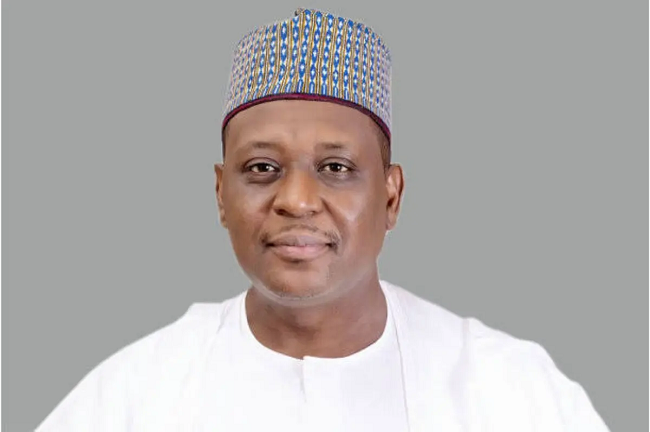
Muhammad Ali Pate
Muhammad Ali Pate, the Coordinating Minister of Health & Social Welfare

The minister, represented by his Technical Assistant, Dr Ashiru Abubakar, said the reform, in line with the National Health Act, sought to establish a “National Health System” that would guarantee access to quality healthcare for all Nigerians.

According to Pate, achieving such a system requires collective contributions of government, the private sector and development partners through effective public-private partnerships.

“As part of the revitalisation of healthcare services and institutions, I have received a brief from the former Minister of National Planning and Budget, Dr Shamsudeen Usman.

“The briefing indicated that this community-based hospital has been rendering selfless services to the people of Kano State,” he said.

Pate commended the former minister for his contributions to community healthcare and urged other well-meaning Nigerians to emulate him.

He also lauded the community for its role in supporting healthcare delivery and reaffirmed government’s commitment to strengthening primary and secondary health institutions across the country.

Earlier, the Chairman of the facility, Dr Aminu Sudawa, said the community health centre was established in 2009 by 10 communities of the ward led by Dr Shamsudeen Usman.

He explained that the facility had recorded 10,000 deliveries without mortality and provided 75,000 antenatal care services in four years.

Sudawa said the hospital offered immunisation, delivery, family planning, minor operations and other essential services.

He commended the minister and the Federal Government for the support, adding that the consumables would go a long way in improving services at the facility.

Similarly, the Permanent Secretary, Kano State Ministry of Health, Alhaji Aminu Bashir, commended the Federal Government for supporting the health centre.

Bashir also restated the commitment of the state government to improving healthcare delivery in the state.

By Muhammad Nur Tijani

10m people could die annually due to antibiotic resistance by 2050 – WAP

0

World Animal Protection (WAP), an international organisation, says no fewer than 10 million people could die globally each year from infections that cannot be treated by antibiotics by 2050.

The Research and Planning Manager at WAP, Dr Patrick Mvinde, made this known in Abuja at a workshop organised for journalists on Thursday, August 20, 2025.

Antibiotic resistance
Some participants at the workshop organised for journalists

The theme of the workshop was “Implication of Industrial Animal Farming in Nigeria” organised by the Health of Mother Earth Foundation (HOMEF), a civil society organisation (CSO).

The researcher said that, currently, 1.27 million people die annually from infections that could not be treated by antibiotics.

He blamed the situation on industrial farming, a system in which many animals are raised in highly intensive methods, confined and overcrowded under very controlled conditions.

He explained that the system caused sufferings for animals saying that of the 80 billion animals raised, 75 per cent mostly chickens, pigs and cattle were in such systems.

“Lack of space leads to stress, deformities, movement problems; due to genetic selection, market weight is attained in as few as 40 days (Broiler).

“The increased weight gain, strains key organs such as the heart and lungs which cause severe joint pains and movement problems,” he said.

According to Mvinde, three-quarters of all antibiotics used in the world are used in farming especially in factory farming also referred to as industrial farming.

The veterinary expert said that the residue of the antibiotics used in farming often end up in the consumers and in the environment which caused antibiotic resistance in humans.

He said that Avian Influenza, Swine flu and other zoonotic diseases were typically associated with factory farming and that COVID was a trend of emerging zoonosis.

Zoonotic diseases are diseases that can be transmitted from animals to humans.

Mvinde warned that rather than embracing industrial farming, small holder farmers should be supported to attain food sovereignty as well as sustainable environmental and human health.

Also speaking, the Programme Manager at HEDA Resource Centre, Mr. Mayowa Shobo, cautioned against global industrial farmer making entry into Africa.

He said that a study conducted in five states in Nigeria showed that industrial farming had adverse effects on human and environmental health as well as socio-cultural life of host communities.

Shobo said that clearing of vast land required for industrial farming and its effect on the ecosystem was detrimental to ongoing efforts on climate change.

He said that industrial farms created visible jobs saying that opportunities were selective and wages were very low.

Shobo said that land decisions were made without genuine consultation, and that women and poorer groups were excluded from benefits.

According to him, complaints are rarely resolved, leaving communities feeling powerless in their homeland before industrial farmers.

“Government should also invest in health centres, flood control and early warning systems, while supporting local food production through seeds, inputs and protection of smallholder plots,” he said.

By EricJames Ochigbo