Home Blog Page 2191

Activists pick holes in biosafety law, process

0

Once again, stakeholders appear to have brought to the fore, critical issues and concerns of genetically modified organisms (GMOs) and the Nigerian Biosafety Management Act 2015.
rice01
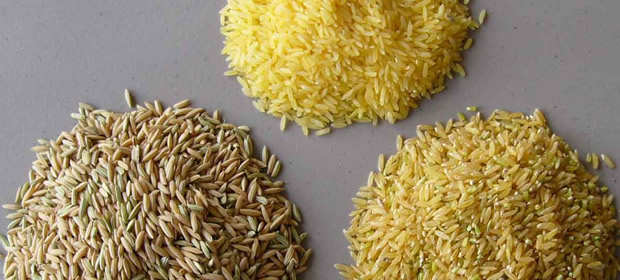
GMO rice. The activists want the Nigerian Biosafety Management Act 2015 reviewed and GMO permits issued withdrawn

At a daylong gathering in Benin City, Edo State on Wednesday, February 22 2017, participants brainstormed on what they perceive as “the increased aggressive push of the biotechnology companies in partnership with their local actors in Nigeria to ensure favourable legislations as a step towards unleashing their products and commodities on Nigerians”.

The event held at the instance of the Nigerian Bar Association (Benin Branch), Health of Mother Earth Foundation and Green Alliance of Nigeria.

At the conclusion of deliberations, participants came up with a set of deliberations christened the “Benin City Declaration” wherein they lamented that the Nigerian government, in passing the Nigerian Biosafety Act 2015 into law, did not take into account the concerns of local farmers and critical stakeholders, contrary to the provisions of the African Union’s Model Law on Biosafety and the Cartagena Protocol.

They insisted that the Act, in its current form, lacks the legal safeguards to protect Nigerians’s food culture, environment, ecosystems and human health.

“There are several fault-lines in the permissive National Biosafety Management Agency (NBMA) Act requiring that the entire Act be urgently reviewed and the GMO permits issued withdrawn,” the participants concluded, adding that “the constitution of the Board of NBMA makes the agency open to conflict of interests as already seen in the case of a board member (National Bioetechnology Development Agency) teaming up with commercial interests to apply for and receive permits to introduce GMOs into Nigeria”.

While alleging that “those institutions that are created to protect our environment and biosafety are actually hand-in-gloves with corporations that are trying to flood our country with exotic and risky products and merchandise”, the activists insisted that NBMA “did not take into account the objections and critical concerns submitted to its agency by key NGOs supported by over 100 groups, bothering on health, environmental, socio-economic, technical and administrative concerns before issuing permits to Monsanto Agriculture Nigeria Limited on behalf of Monsanto Company, based in St-Louis, Missouri, USA, for commercial release and placing on market of genetically modified cotton and for the confined field trial of two maize events”.

Other resolutions under the Benin City Declaration were listed to include:

  • There is inadequate information and awareness on food sovereignty issues in the media thus shutting out critical stakeholders, deepening public ignorance and inhibiting contributions to solutions.
  • Governments have been largely complacent about the covert activities of the biotechnology industry to undermine food sovereignty in Nigeria.
  • There is need for a local and national paradigm-shift towards food sovereignty based on local contextual considerations, promotion of small-scale farmers, pastoralists and fisher-folk which have defined indigenous agriculture based on human rights and sustainable natural resource use.
  • The mythical benefits of GMOs have ben debunked by many experts. For instance a report issued by over 400 scientists and development practitioners from developed and developing countries, under the International Assessment of Agricultural Science and Technology for Development (IAASTD), concluded that small scale farmers should be supported as modern biotechnology would have very limited contribution to the feeding of the world in the foreseeable future.
  • Production of GMOs is a threat to our biosafety; poses great threat to human and environment health and severely impedes the attainment of sustainable agriculture, food sovereignty/security.
  • Promoters of GMO and their allies have deliberately ignored the importance and the peculiarities of Nigerian culture, environment and agriculture in their aggressive attempts to impose their products and merchandise on Nigeria. Rather than promoting agroecology, which works in harmony with nature, they have become tied to the apron-strings of speculators and neo-colonial powers whose objective is to exploit, subjugate and destroy food production systems in Nigeria while promoting monoculture and use of toxic agro-chemicals.

Benin City Declaration was endorsed by Ede Asenoguan (Chairman, Nigerian Bar Association, Benin Branch), Nnimmo Bassey (Director, Health of Mother Earth Foundation) and Chima Williams (President, Green Alliance of Nigeria).

Ebegba not NIREC member – NBMA

0

The National Biosafety Management Agency (NBMA) has said that its Director-General / CEO, Dr. Rufus Ebegba, is not a member of the National Inter-Religious Council (NIREC).

Rufus Ebegba
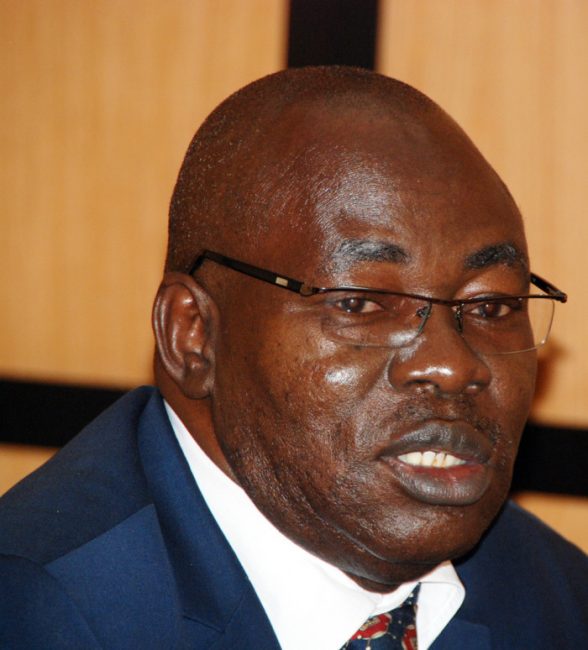
Director-General of the National Biosafety Management Agency (NBMA), Dr. Rufus Ebegba

The agency disclosed in a statement on Friday, February 24 2017 that a media report listing its Dr. Ebegba as a member of the NIREC was untrue.

The statement reads: “The Agency wishes to state that Dr. Rufus Ebegba is not a member of the council nor does he sit on any of its committees.

“Dr. Ebegba was only invited by NIREC committee on GMOs to a workshop, where he highlighted the level of Nigeria’s biosafety preparedness and the role of NBMA in the regulation of Genetically Modified Organisms (GMOs) in Nigeria.

“At the said workshop, which was held in Abuja, August 2016, he was emphatic that the NBMA was ready and will not compromise safety in the deployment of GMOs in Nigeria. He further stated that the NBMA is well equipped and will ensure that the deployment of GMOs does not cause harm to humans and the environment.”

New water project launched in Zambia

0

Member of Parliament (MP) representing Nyimba in Zambia, Olipa Mwansa, has commended Eastern Water and Sewerage Company (EWSC) and Devolution Trust Fund (DTF) for remaining committed to improve the lives of the people through the provision of quality water.

olipa-mwansa
Member of Parliament (MP) representing Nyimba in Zambia, Olipa Mwansa

Ms Mwansa was launching the K2.5 million water supply project financed by the DTF in Nyimba. She noted that lack of access to clean water supply and sanitation services has a negative social and health impact on the Zambian population.

She said water supply and sanitation was not only a necessity but also a human right that if neglected could lead to loss of the lives.

“It is for this reason that the supply of quality water services to the people of Eastern Province is of great importance to Eastern Water and Sewerage Company Limited,” she said.

Ms Mwansa said the Government has continued to improve the water accessibility to all Zambians through the engagement of external donors to invest in the water supply and sanitation Infrastructure development programmes in the country.

She said government, through the Ministry of Water, Sanitation and Environmental Protection, was overwhelmed by the demands for safe water in Nyimba district.

She said according to the National Water Supply and Sanitation Council (NWASCO) annual report of 2015, a total of population of 83.8 percent in urban areas were being served with urban water supply while 60.7 percent were being served with adequate sanitation at national level.

Ms Mwansa noted that the figures were low stating that there was need to improve water supply and sanitation services in the country in order to achieve the vision 2030 of universal coverage.

She said government has continued going into partnership with cooperating partners on opening the doors for the rapids spread of improved water supply in both rural and peri-urban areas.

Currently the company has a customer base of 700 households adding that the 400 households were expected to benefit from the project.

Ms Mwansa however said there was still a shortfall of 600 households in areas such as Kacholola and Chipembe.

She pledged to lobby for more funds to cater for the remaining population so that they could access to clean water and sanitation services.

Speaking earlier, EWSC Managing Director, Lytone Kanowa, said the launch of the project was a big milestone to the people of Nyimba.

Mr Kanowa said his company was currently providing water in seven districts of Eastern Province a well as Chama district in Muchinga Province.

He said he was happy that the company had the capacity of providing treated water to its customers.
Mr Kanowa said it was disheartening that some people had not yet utilised the services of the company by connecting water to their houses.

The managing director said his company had no physical presence in Sinda and Vubwi due to lack of water supply network.

And Chief Ndake of the Nsenga People of Nyimba urged all beneficiaries to pay their bills on time so that the company continues supplying quality water services.

He said the connection of water was a dream come true to the people of Nyimba district.

By Julius Phiri

Mancini, others favoured to replace Ranieri

0

It is no longer news that Leicester City Football Club of England has parted ways with its manager, Claudio Ranieri. It happened on the night of Thursday, February 23 2017, some nine months after leading the team to the Premier League title.

Roberto Mancini
Roberto Mancini may replace Claudio Ranieri. Photo credit: AP/Jon Super, File

Appointed City manager in July 2015, Ranieri led the Foxes to the greatest triumph in the club’s 133-year history last season.
The Foxes are one point above the relegation zone with 13 matches left.

What is news is that some managers have shown interest in the plum job, immediately Leicester City vice-chairman, Aiyawatt Srivaddhanaprabha, made the announcement. Before the Foxes sacked Ranieri, their searchlight was on ex-Manchester City manager, Roberto Mancini, an Italian just like Ranieri.

Mancini led Manchester City to the Premiership title in 2012 but left a year later after defeat to Wigan Athletic in the FA Cup final and failure to defend the crown. He has since managed Galatasaray and Inter Milan without standout success.

If appointed, Mancini’s first task will be hauling Leicester City away from trouble, although he has a two-to-one odd chance.

Other managers that may be favored are Guus Hiddink, the former Chelsea gaffe, and Nigel Pearson, who was also sacked by Leicester City in June 2015.

Pearson has an eight-to-one odd chance of picking the job while Hiddink is 10-to-one.

Although the sacking of Claudio Ranieri is considered the most shocking decision in the last 10 years of football, one reason advanced for the sack was that of his bewildered tactics and team selection, translating to a somewhat feeble title defence.

Mancini on Friday expressed sympathy for Ranieri’s sacking.

“I am sorry for my friend #Ranieri. He will remain in the history of @LCFC, in the heart of #Leicester fans and all football lovers,” Mancini tweeted.

Leicester assistant manager Craig Shakespeare and Mike Stowell will take interim charge ahead of Monday’s crucial match against Liverpool.

By Felix Simire

Images: Green bonds investors conference

0

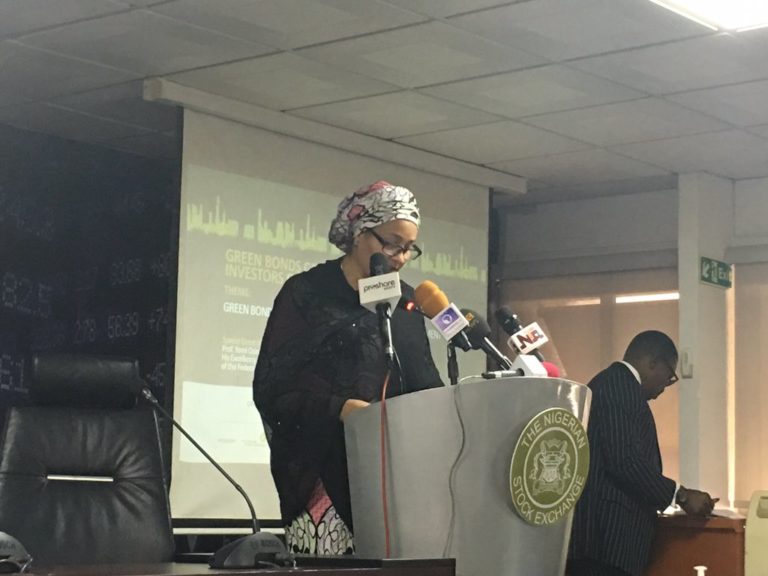
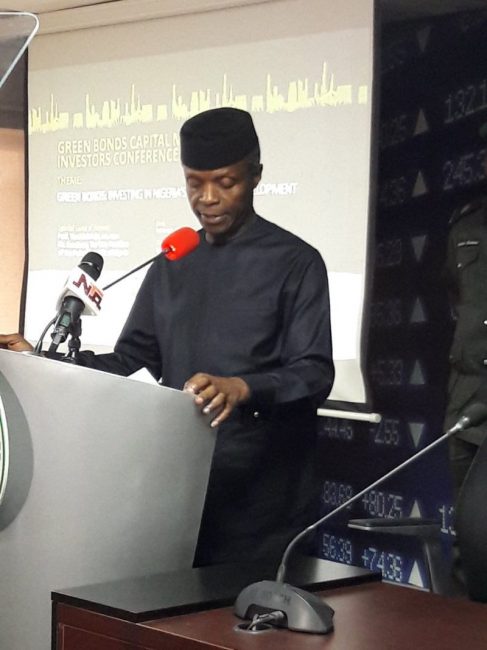
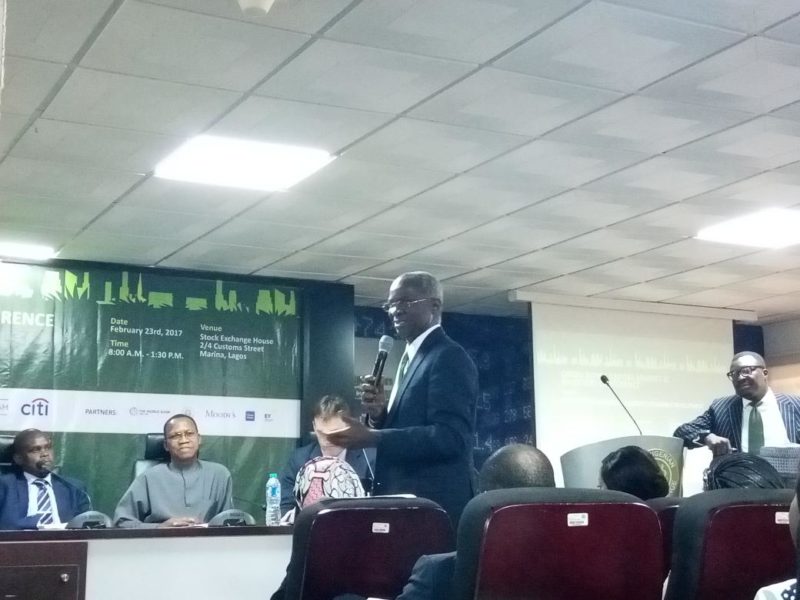
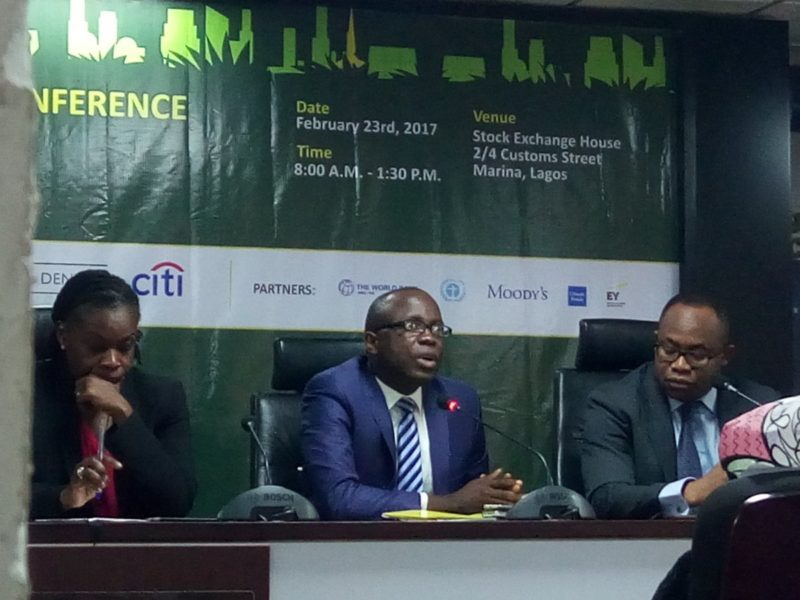
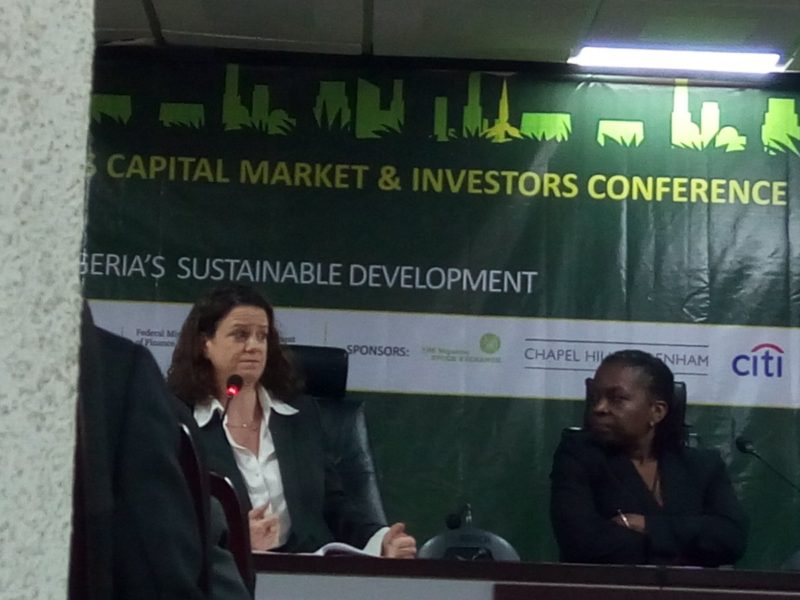
Acting President of Nigeria, Yemi Osinbajo, was special guest at the daylong forum in Lagos on Thursday, February 23 2017 when stakeholders gathered to explore innovative financial instruments for environmental projects to address climate change.

The “Green bonds capital market and investors conference”, held courtesy of the Ministry of Environment, Ministry of Finance and the Debt Management Office (DMO), had “Green bonds: Investing in Nigeria’s sustainable development” as its theme.

Yemi-Osinbajo
Acting President, Yomi Osinbajo, speaking at the conference. He says private sector investment will increase the Green Bonds initiative
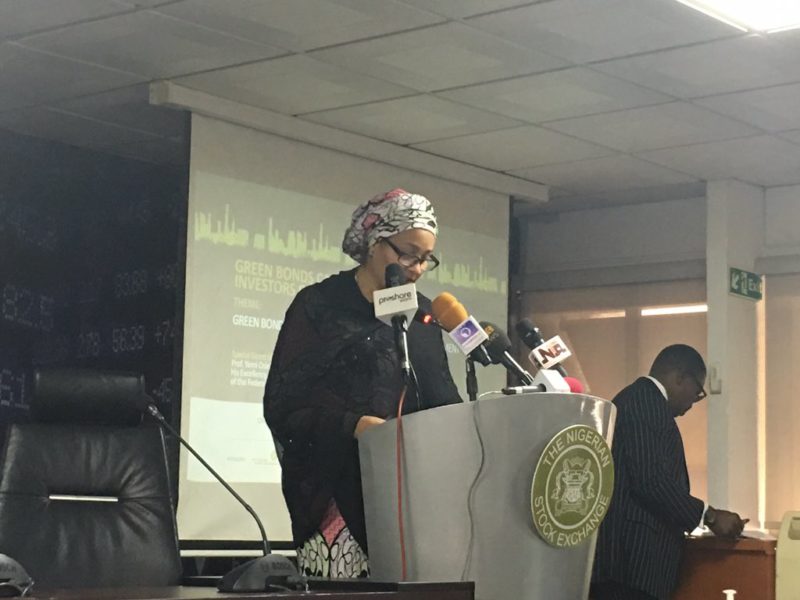
Environment Minister, Amina Mohammed, addressing the gathering
Babatunde Fashola, Minister of Power, Works and Housing
Lagos-finance-commissioner
Lagos State Commissioner of Finance, Mustapha Akinkunmi, says the state is ready to be part of the Green Bonds initiative, and that Lagos is also working on different solutions on the environment
Courtney Lowrance of Citi New York will like to see more banks in Nigeria to start appreciating the Green Bonds for Sustainable Development

Nigeria to issue Africa’s first sovereign green bond

0

Acting President, Prof. Yemi Osinbajo, in Lagos on Thursday, February 23 2017 said that the Federal Government was making arrangements to inaugurate the first African Sovereign Green Bond to address climate change and environmental projects.

Chief executive officer of the Nigerian Stock Exchange, Oscar Onyema (left), discussing with Nigeria’s acting president, Yemi Osinbajo, at Green Bonds Capital Market and Investors Conference in Lagos on Thursday, February 23, 2016.

Osinbajo made the submission at the Green Bonds Capital Market and Investors Conference organised by the Federal Ministry of Environment and the Debt Management Office (DMO) at the Nigerian Stock Exchange (NSE) office on the Lagos Island.

The News Agency of Nigeria (NAN) reports that Bonds are debt instruments issued by a government or a company which represent a fixed sum of money that was borrowed. They are debt instruments tied to environmental projects to address climate change.

He said that the Federal Government, under the Green Bonds initiative, would give N20 billion under the first tranche before the end of the first quarter.

Osinbajo, who described the initiative as a new addition to the market funding portfolio, stated that the proceeds would be used to fight climate change.

He said that climate change had led to more natural disasters, thereby impacting negatively on food, water and energy supply.

The acting President said that the initiative would also provide an opportunity to deepen the capital market as well as tackle poverty.

According to Osinbajo, the bond issuance will support the Federal Government’s shift to non-oil base assets for project financing for economic growth and development.

He said that the proceeds of the bonds would be used for environmental projects such as renewable energy micro-utilities in three communities estimated at N10 billion. Besides, he said it would as well provide an average of 33KW of power through solar technology.

Osinbajo noted that power had posed a major challenge in the nation’s universities, adding that 37 federal universities and seven teaching hospitals would benefit from the Energising Education Programme (EEP).

He stated that the EEP project, estimated to cost $213 million, would provide119 megawatts of power in 37 universities using off-grid solar technology.

According to him, Nigerians should embrace the bond initiative, the first in Africa to benefit from its higher yields.

Osinbajo, who commended the ministries of Finance and Environment for the foresight in putting the bonds together, said the initiative would attract more private sector participation in the market.

Also speaking, Amina Mohammed, Minister of Environment, said that the project was in line with the Federal Government’s sustainable development initiative born in September 2016.

Mrs Mohammed said the government, under its recovery growth plan initiative, identified Green Bonds as a vehicle that could be used to drive the economy in terms of environmental projects funding.

She said that the bonds, if properly harnessed, would create new jobs, open new investment avenues for the country as well as ensure creative thinking.

Mohammed stated that the proceeds would be invested in critical social-economic and environmental sectors that would impact on the lives of common Nigerians.

She said that the domestic investors needed to rally round the issuance to ensure its success in order to support government diversification agenda. The minister said that the bond’s proceeds would be managed by the DMO.

Mr Babatunde Fashola, Minister of Power, Works and Housing, said that the initiative was born based on extensive consultation.

Fashola said that the DMO would determine the amount that would be used for all projects earmarked under the Green Bonds.

He said that Nigeria was working toward achieving 30 per cent in renewable energy by 2030, adding that Solar Unit Distribution Programme (SUDIP) project was estimated to cost N1.3 billion.

According to him, the units in aggregate from the project will provide up to 12mws of power, creating 6,000 jobs and impacting at least 60,000 persons.

Climate change a risk factor for global food security, says report

0

Mankind’s future ability to feed itself is in jeopardy due to intensifying pressures on natural resources, mounting inequality, and the fallout from a changing climate, warns a new FAO report.

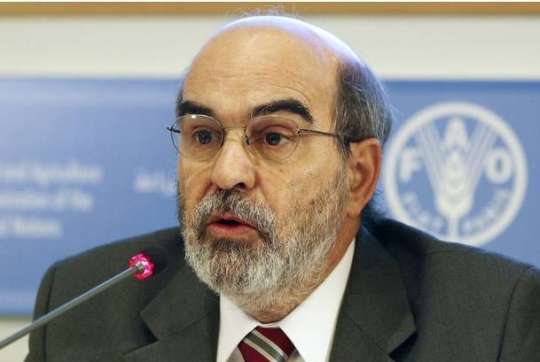
josé-graziano-da-silva
Jose Graziano da Silva, Director General of the FAO. The FAO report says climate change is a risk to the world’s food security

Though very real and significant progress in reducing global hunger has been achieved over the past 30 years, “expanding food production and economic growth have often come at a heavy cost to the natural environment,” says “The Future of Food and Agriculture: Trends and Challenges”.

“Almost one half of the forests that once covered the Earth are now gone. Groundwater sources are being depleted rapidly. Biodiversity has been deeply eroded,” it notes.

As a result, “planetary boundaries may well be surpassed, if current trends continue,” cautions FAO Director-General, José Graziano da Silva, in his introduction to the report.

By 2050 humanity’s ranks will likely have grown to nearly 10 billion people. In a scenario with moderate economic growth, this population increase will push up global demand for agricultural products by 50 percent over present levels projects The Future of Food and Agriculture, intensifying pressures on already-strained natural resources.

At the same time, greater numbers of people will be eating fewer cereals and larger amounts of meat, fruits, vegetables and processed food – a result of an ongoing global dietary transition that will further add to those pressures, driving more deforestation, land degradation, and greenhouse gas emissions.

Alongside these trends, the planet’s changing climate will throw up additional hurdles. “Climate change will affect every aspect of food production,” the report says. These include greater variability of precipitation and increases in the frequency of droughts and floods.


To reach zero hunger, we need to step up our efforts

The core question raised by today’s FAO publication is whether, looking ahead, the world’s agriculture and food systems are capable of sustainably meeting the needs of a burgeoning global population.

The short answer? Yes, the planet’s food systems are capable of producing enough food to do so, and in a sustainable way, but unlocking that potential – and ensuring that all of humanity benefits – will require “major transformations.”

Without a push to invest in and retool food systems, far too many people will still be hungry in 2030 – the year by which the new Sustainable Development Goals (SDG) agenda has targeted the eradication of chronic food insecurity and malnutrition, the report warns.

“Without additional efforts to promote pro-poor development, reduce inequalities and protect vulnerable people, more than 600 million people would still be undernourished in 2030,” it says. In fact, the current rate of progress would not even be enough to eradicate hunger by 2050.


Where will our food come from?

Given the limited scope for expanding agriculture’s use of more land and water resources, the production increases needed to meet rising food demand will have to come mainly from improvements in productivity and resource-use efficiency.

However there are worrying signs that yield growth is levelling off for major crops. Since the 1990s, average increases in the yields of maize, rice, and wheat at the global level generally run just over 1 percent per annum, the report notes.

To tackle these and the other challenges outlined in the report, “business-as-usual” is not an option, The Future of Food and Agriculture argues.

“Major transformations in agricultural systems, rural economies and natural resource management will be needed if we are to meet the multiple challenges before us and realize the full potential of food and agriculture to ensure a secure and healthy future for all people and the entire planet,” it says.

“High-input, resource-intensive farming systems, which have caused massive deforestation, water scarcities, soil depletion and high levels of greenhouse gas emissions, cannot deliver sustainable food and agricultural production,” adds the report.


More with less

The core challenge is to produce more with less, while preserving and enhancing the livelihoods of small-scale and family farmers, and ensuring access to food by the most vulnerable. For this, a twin-track approach is needed which combines investment in social protection, to immediately tackle undernourishment, and pro-poor investments in productive activities – especially agriculture and in rural economies – to sustainably increase income-earning opportunities of the poor.

The world will need to shift to more sustainable food systems which make more efficient use of land, water and other inputs and sharply reduce their use of fossil fuels, leading to a drastic cut of agricultural green-house gas emissions, greater conservation of biodiversity, and a reduction of waste. This will necessitate more investment in agriculture and agrifood systems, as well as greater spending on research and development, the report says, to promote innovation, support sustainable production increases, and find better ways to cope with issues like water scarcity and climate change.

Along with boosting production and resilience, equally critical will be creating food supply chains that better connect farmers in low- and middle-income countries to urban markets – along with measures which ensure access for consumers to nutritious and safe food at affordable prices, such as such as pricing policies and social protection programmes, it says.

Zlatan not a ‘spent force’ afterall

0

When former Sweden captain, Zlatan lbrahimovic, signed the contract papers to lace his boots for Manchester United for this season, critics tagged him a “spent force”.

Zlatan lbrahimovic
Zlatan lbrahimovic

At age 35, little did they know that the Swede has a fresh challenge of playing in England, which has kept his motivation high to reach a secret target in the English Premier League campaign.

That target is to be the highest goal scorer this season; though he did not reveal the targeted goal haul, his mission however is to score more goals.

Ibrahimovic has made a seamless transition to the Premier League, scoring 15 goals and 20 in total, since his arrival from Paris Saint Germain on a free transfer.

Although he has 22 assists, hat-trick against St Etienne, for a 3-0 win of Europa League, plus a goal from the 3-0 win over Leicester City, has made him the oldest EPL scorer.

Despite the old age, ltalian outfit Napoli is plotting a summer move for the Swede. Napoli president, Aurelio De Laurentiis, has spoken of his admiration for the legendary Swedish striker.

The Swede is yet to finalise a 12-month extension of his contract at Manchester United despite the club being keen to tie him down.

Reports say Jose Mourinho will sit down with Ibrahimovic to discuss his future with the club, expressing confidence that the striker will remain at Old Trafford for another 12 months.

By Felix Simire

Nigeria drafts plan to achieve economic diversity through agricultural investments

0

Nigeria aims to be a leading light for continent-wide effort to harness the potential of food production to become a significant source of jobs on and off the farm

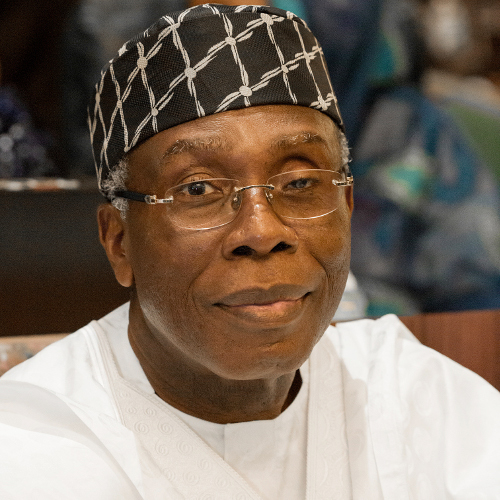
Ogbeh
Nigeria Minister of Agriculture, Chief Audu Ogbeh

The Nigerian Government in Abuja on Wednesday, February 22 2017 welcomed senior officials from the African Union Commission and agriculture experts from across the continent for an intensive three-day meeting to develop a new national agriculture investment plan (NAIP) that will provide a blueprint for returning agriculture to its once prominent role anchoring Africa’s largest economy.

“We are here to ensure the Malabo commitments are aligned into the government’s plan for agriculture, which remains a particularly important revenue generator for this country,” said Dr. Ngozi Okonjo, Director-General, Nigeria Federal Ministry of Agriculture and Rural Development. “We want a detailed plan of action, one that signals to our private sector partners that Nigeria’s agriculture sector is open for business and primed to deliver new income opportunities to the millions of Nigerians who depend on farming and food production for a living.”

The key purpose of the meeting – organised by the AU Commission and the New Partnership for Africa’s Development (NEPAD) – is to review and refresh the plan for making crop, livestock and fisheries the centerpiece of Nigeria’s economic development agenda. The effort also will ensure Nigeria’s NAIP is aligned with commitments contained in the AU’s 2014 Malabo Declaration, which seeks to cut poverty rates in half by 2025 through agriculture-led economic growth.

“The NAIP remains a central tool for the Comprehensive Africa Agriculture Development Programme (CAADP) implementation as it translates the continental and country aspirations into an evidence based plan with clear targets, budgets and mutual accountability,” said Ernest Ruzindaza, Senior Advisor and CAADP Team Leader, African Union Commission. “It’s inspiring to see such a diverse group come together to determine exactly how Nigeria is going to generate the investments required to energize a sector that embodies the hope for a better future for all Nigerians.”

Nigeria has many of the key attributes – including large tracts of fertile land, a favorable climate, and a large, educated workforce – to become a global player in agriculture and food production.

“A bold, concise investment strategy that sets out government responsibilities and a clear timeline for delivering on them can unlock investments from other partners and generate the productive, prosperous agriculture sector Nigeria needs and deserves,” said Dr. Makinde Kehinde, Nigeria Country Lead for the Alliance for a Green Revolution in Africa (AGRA).

Experts noted that NAIPs are considered the key to realising the ambitions of Africa’s Agenda 2063, a detailed 50-year framework for transforming African economies through inclusive growth and sustainable development.

Participants at the meeting include representatives from key development partners, donor governments, the Food and Agriculture Organisation of the United Nations (FAO), the World Bank, and the African Development Bank. Also in attendance are and representatives from agriculture businesses and civil society groups that work in Nigeria, including the Nairobi-based AGRA, Africa Lead, and the International Food Policy Research Institute (IFPRI).

The consultations come on the heels of the release last month of Nigeria’s Zero Hunger report. The manifesto calls for bringing modern and sustainable production methods to Nigeria’s smallholder farms, while creating more market opportunities by establishing trade corridors, processing zones and industrial parks that can connect Nigerian farmers to consumers in Nigeria’s urban centres.

Organisers of the NAIP meeting expect to emerge from the consultations with a roadmap that re-enforces the call to action in the Hunger report with a detailed multi-year spending plan for agriculture that is tied to a performance scorecard to publicly monitor progress.

The refreshed NAIP also will build upon the Nigerian Government’s Agriculture and Food Security Strategy and its recently approved “Green Alternative” policy, both of which emphasise agricultural transformation as crucial to Nigeria’s economic diversification. Recent declines in oil prices have re-enforced the importance of a diversified economy in Nigeria and officials are looking to investments in agriculture to reduce food imports, create employment, improve livelihoods and generate foreign exchange.

Nigeria was largely self-sufficient in food production through the 1960s, but agriculture’s dominant position declined as oil became major source of revenue. Today, Nigeria imports about $11 billion worth of wheat, rice, sugar and fish each year.

“We see many opportunities in Nigeria to boost food production by introducing higher-yielding, climate smart crop varieties and improved fertilisers along with support for private sector marketing activities,” added Kehinde. “The Guinea Savannah and Sudan Savannah regions are particularly ripe for progress, as they offer both fertile agriculture lands and large populations that are skilled in farming and eager for new economic opportunities.”

India doubles solar capacity goal for 2020

0

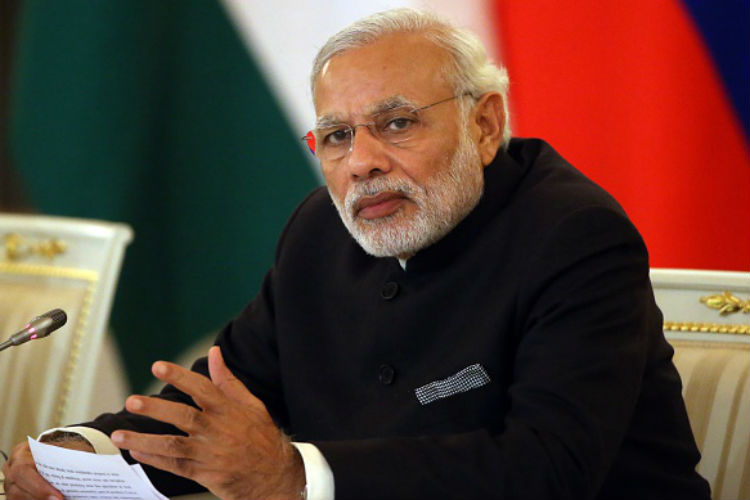
The Cabinet Committee on Economic Affairs of India, chaired by the Prime Minister, Shri Narendra Modi, on Wednesday, February 22 2017 approved the enhancement of capacity from 20,000 MW to 40,000 MW of the Scheme for Development of Solar Parks and Ultra Mega Solar Power Projects. The enhanced capacity would ensure setting up of at least 50 solar parks each with a capacity of 500 MW and above in various parts of the country.

narendra-modi
Shri Narendra Modi, Prime Minister of India

Smaller parks in Himalayan and other hilly States where contiguous land may be difficult to acquire in view of the difficult terrain, will also be considered under the scheme. The capacity of the solar park scheme has been enhanced after considering the demand for additional solar parks from the States.

The Solar Parks and Ultra Mega Solar Power Projects will be set up by 2019-20 with Central Government financial support of Rs.8100 crore. The total capacity, when operational, will generate 64 billion units of electricity per year which will lead to abatement of around 55 million tonnes of CO2 per year over its life cycle.

It would also contribute to long term energy security of the country and promote ecologically sustainable growth by reduction in carbon emissions and carbon footprint, as well as generate large direct and indirect employment opportunities in solar and allied industries like glass, metals and heavy industrial equipment. The solar parks will also provide productive use of abundant uncultivable lands which in turn facilitate development of the surrounding areas.

All the States and UTs are eligible for benefits under the scheme. The State Government will first nominate the Solar Power Park Developer (SPPD) and also identify the land for the proposed solar park. It will then send a proposal to MNRE for approval along with the name of the SPPD. The SPPD will then be sanctioned a grant of upto Rs.25 Lakh for preparing a Detailed Project Report (DPR) of the Solar Park. Thereafter, Central Financial Assistance (CFA) of up to Rs. 20 lakhs/MW or 30 percent of the project cost including Grid-connectivity cost, whichever is lower, will be released as per the milestones prescribed in the scheme. Solar Energy Corporation India (SECI) will administer the scheme under the direction of MNRE. The approved grant will be released by SECI.

The solar parks will be developed in collaboration with State Governments/UTs. The State Governments/UTs are required to select the SPPD for developing and maintaining the solar parks.

Ministry of New and Renewable Energy (MNRE) is already implementing a scheme for development of at least 25 solar parks with an aggregate capacity of 20,000 MW, which was launched in December 2014. As on date, 34 solar parks of aggregate capacity 20,000 MW have been approved which are at various stages of development.