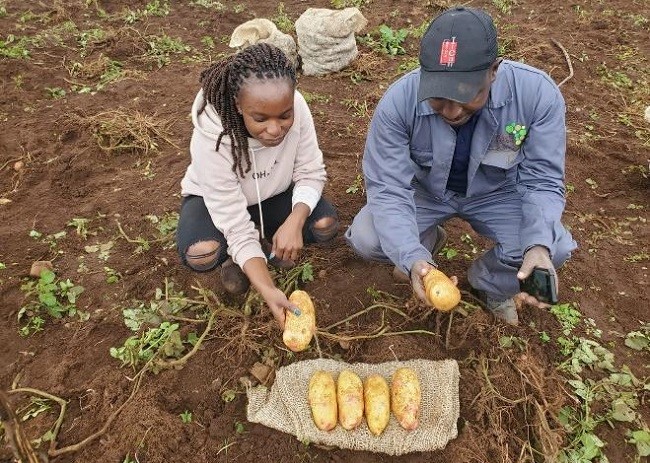
Scientists from The James Hutton Institute in Dundee, Scotland, have introduced two new potato varieties to Kenya, which are now included in Kenya’s National Variety List.
The project was a collaboration with the University of St Andrews, the International Institute of Tropical Agriculture (IITA), the International Potato Centre (CIP), and the International Centre of Insect Physiology and Ecology (icipe), as well as the Kenya Plant Health Inspectorate Service (KEPHIS) and Seeds2B.
New potato varieties
The new varieties, Malaika, named after the daughter of a farmer who was integral to the early field trials, and Glen, reflecting the Scottish heritage of the varieties, have passed the obligatory National Potato Trials and have been approved by processors in Kenya.
They were bred originally in a joint project between Greenvale AP and Hutton Scientific Services, combining the preferred traits of local growers with resistance to potato cyst nematode (PCN), which is currently devastating the Kenyan crop. PCN is a microscopic parasitic pest that invades potato roots, stunting growth and diminishing yields.
Senior Scientist, Professor John Jones, the Hutton lead on the project, said, “The release of these two varieties is the culmination of many years work and is a collaboration between social scientists, crop scientists, plant breeders, the Kenyan Government, seed suppliers, and farmers. It has brought together researchers and stakeholders in the UK and Africa to help ensure that we provide solutions that align with the needs of growers in the region. I’m delighted that we have passed this critical milestone.”
“This has been a remarkable journey involving multiple partners working together to ensure the success of this initiative. Potato Cyst Nematode (PCN) is a major pest affecting a key crop in Kenya and the broader region,” remarked Senior Scientist at IITA, Danny Coyne. “The introduction of Malaika and Glen represents a significant breakthrough in controlling this pest, directly addressing the urgent needs of farmers. This advancement will help safeguard their livelihoods, improve crop yields, and contribute to food security.”
Potato is Kenya’s second most important food crop after maize and benefits some 2.5 million people across the potato value chain. Potato is Kenya’s key economic agricultural driver, with an approximate value of $500 million per annum.
The Hutton leads the world in scientific research and breeding programmes to develop new potato varieties with desirable agronomic characteristics and resilience to external stresses, such as temperature extremes and diseases. Malaika and Glen have the potential to be of value in the countries surrounding Kenya, where PCN is also present, and to provide reliable, resilient crops that offer a route to food security.
Research carried out as part of the project showed that Kenyan smallholder farmers need potato varieties that have low dormancy (the length of time before they start to develop sprouts), that can be replanted quickly after harvest, and that are fast cooking to reduce fuel use.
Currently, around 90% of growers source seed from their farm or neighbours, with only 6% buying from certified seed suppliers. The information collected during this project will be used to shape plans for distributing the new potatoes and to give growers the confidence to grow these new varieties.
Their introduction will now be scaled up by working with Kisima seeds for the commercial sector, while Syngenta Foundation Farmers’ Hubs will provide advice and multiply healthy seeds for smallholders.
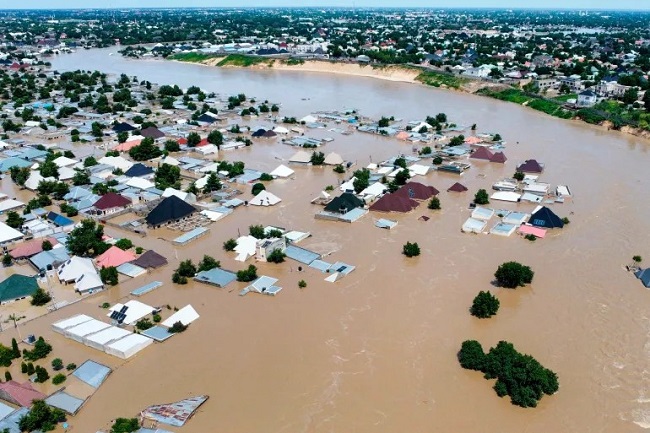
On May 28, a devastating flash flood, the first recorded in 2025, ravaged Mokwa, Niger State. Unlike typical floods caused by dam releases or river overflows, this disaster was triggered by torrential rainfall that overwhelmed the area and broke through an old embankment long relied on for protection.
Around 7 a.m., sections of the town, including homes, were submerged before most residents could react. Within hours, goods were swept away, people displaced and over 200 lives tragically ended.
Flooding in Nigeria
The intense overnight rainfall became deadly due to failed infrastructure, poor urban planning, governance and the lack of a functioning Early Warning {and Action} System (EWS). The flood exposed what had been regrettably ignored for years: the increasing gap of our poor public services and environmental governance to catch up with the realities of climate change in Nigeria. The cost of this gap is about to multiply if we don’t change the status quo.
The Nigerian Meteorological Agency (NiMet) and the Nigeria Hydrological Services Agency (NIHSA) have continued to issue flood alerts, the latest of which warned of high to very high risks in 198 Local Government Areas across 32 states and the Federal Capital Territory between August 7 and 21. The stakes are higher now, with more severe rainfall and rising rivers possible.
As someone who, with my team, visited Mokwa after the disaster, the question is no longer if floods will occur but what lessons from Mokwa can strengthen climate adaptation strategies for a country that is vulnerable to climate change.
Mokwa, a town on the banks of the River Niger, has always been at risk. Residents had long built on dry tributaries that once served as water pathways during rainy seasons. Some believed the water had been permanently diverted. Others, knowing the risks, stayed anyway. There were no building permits due to the endemic culture of either lack of rural and urban planning laws, compliance with the same where it exists or enforcement of such rules were violated. This is often the case in most parts of Nigeria. What existed, in the affected community in Mokwa, was a frail peace between flash flood and obstructive human settlement.
This points to a wider problem. Nigeria’s broader climate response is weak and ineffectual. Forecasts are issued and largely ignored. Responsibilities are split across ministries, departments and agencies (MDAs) but most don’t act. Even with near accurate seasonal predictions from the NiMet and NIHSA, there is no real cohesive and robust response system. Forecasts fail to trigger timely action from relevant federal, states and local government actors, leaving communities vulnerable.
One lesson is clear: forecasts alone are insufficient without a comprehensive EWS. An effective system goes beyond predictions by pairing them with evacuation drills, simulations, real-time monitoring, shelter preparation and infrastructure checks. It requires predictive models that generate different scenarios and trained personnel whose eyes are on the data, ready to act at the first early sign of danger. You set up bar-coded or colour-coded levels of alertness so everyone, from agencies to residents, knows exactly what each stage demands.
Instead, what exists is a patchwork of forecasts, press statements and after-the-fact responses. A functional system would connect local governments with forecasting bodies, emergency responders, community leaders and infrastructure agencies. There would be clear thresholds, tied to water levels or rainfall, that automatically trigger alerts and mobilisation. The absence of such a system in Mokwa meant no alerts, no community mobilisation and no monitoring of a known weak point until it failed.
Urban planning failures also worsens flood disasters in Nigeria. Many of the worst-hit homes, during the Mokwa flood, stood directly on a water path. Communities build along floodplains, often without regulation. In smaller towns and villages, planning laws are ignored or never enforced. Across cities like Lagos and Abuja, construction happens on natural water paths with illicitly obtained government approval and/or swift deterrence. Rural areas face the same risk, as informal settlements rise unchecked in high-risk zones. In Mokwa, even if residents had no permits, the silence of local authorities amounts to complicity.
Attempts at regulation often meet resistance. People protest demolitions or relocations because of a deep trust deficit. Past government actions have fuelled this, clearing poor communities “for public good” only to sell the land to private developers. So, when officials issue warnings or propose evacuation, communities suspect foul play. This mistrust weakens climate adaptation efforts.
Even where government intentions are genuine, implementation fails without community buy-in. Climate resilience needs a whole-of-society approach. Governments must ensure that any relocation is transparent, fairly compensated and demonstrably for public safety.
Infrastructure maintenance is another major gap that must be addressed. Many of Nigeria’s dams and rivers are heavily silted, reducing their carrying risk while increasing the risk of uncontrolled releases and banks breaking. There has been no consistent auditing or desilting programme to restore/increase their capacities. Water retention areas have been encroached upon, narrowing the space for excess water to flow.
These weaknesses compound the effect of heavy rainfall, turning manageable floods into disasters. The Federal Ministry of Water Resources and Sanitation must begin dam maintenance programmes immediately as is their mandate. Regular inspection and desilting must become standard practice, not emergency measures. Without this, dams and banks will continue to fail during heavy rainfall.
But infrastructure alone cannot secure communities if flood insurance is virtually nonexistent in Nigeria’s disaster response framework. After Mokwa, businesses, homes and millions of naira in cash and goods were lost without coverage. Despite the launch of the National Flood Insurance Policy (NFIP) in July, there is no public awareness on how it will operate and its accessibility.
Without operationalisation of the NFIP, recovery will remain slow and overly dependent on relief interventions that are often inadequate. This makes flood insurance not just an economic tool but a key component of resilience. The Federal Ministry of Environment must ensure the timeline is fast, implementation and monitoring mechanisms are robust.
At the same time, state emergency agencies are mostly missing from the frontline. Most Nigerians only know of the National Emergency Management Agency of Nigeria (NEMA) yet each state is meant to have its own emergency management agency. These should be the first responders; trained, equipped and visible in at-risk communities. In practice, many exist only on paper, leaving a gap that federal agencies cannot fill quickly enough.
In Mokwa, the local response was stretched thin, despite the support from state, national, international agencies and non-governmental organizations (NGOs) from across the country, the interventions were not adequate enough to help the victims pick up their lives.
Equally troubling is the lack of accountability for ecological funds in Nigeria. These funds are meant to finance resilience and recovery projects, but their use is rarely transparent. Without audits and conditions tying disbursements to measurable work, such as drainage clearing, embankment reinforcement or emergency shelter upgrades, the objectives of the funds will remain a mirage. The FG needs to create an open system of public reporting and real-time tracking of funds and allow independent oversight by civil society and legislative bodies.
Climate adaptation also cannot remain siloed within environmental ministries. The country has refused to treat climate adaptation as central to governance. The 2021 Climate Change Act and the National Adaptation Plan provide a legal framework, but most states have not domesticated them. Climate considerations, in Nigeria, scarcely influence decisions in housing, transport or agriculture.
In many places, climate change is treated as the concern of a small office rather than a core principle guiding all development. Even Lagos, the most climate-forward state, with a dedicated Lagos Resilience Office (LASRO) and a resilience strategy document, climate considerations is still not adequately integrated into all spheres of development. Most states in Nigeria don’t have a dedicated climate change office.
Nigeria must overhaul its climate response approach. Forecasts should guide strategic planning. State governments need to map vulnerable areas, run risk simulations and engage communities before disasters strike. Local and state authorities must take charge instead of waiting for Abuja. Mokwa exposed this neglect despite warnings and clear risks, the lack of a system to turn forecasts into action made disaster unavoidable.
The scale of this challenge carries a high cost but failing to act in time will cost even more. More rainfall is coming. Rivers are rising. Dams are filling. Flooding has caused devastation in parts of Lagos, Niger, Adamawa, Taraba, Yobe and Ebonyi. Without firm, well-coordinated action at national, state and local levels, the same avoidable losses seen in Mokwa will play out across dozens of states in the weeks and months ahead.
So, what Mokwa has taught us, if anyone listened, is that climate adaptation has never been merely about responding to disasters but also about preventing them. This should translate to building systems where forecasts lead to action, where real-time data informs response strategies, where trust building between government and affected communities leads to evacuation and better protection from climate extremes.
By Sulaimon Arigbagbu, Executive Secretary of HEDA Resource Centre, leading its Environment Justice and Sustainable Development unit. He works to influence Nigerian government policy, focusing on climate change and sustainable development
From September 1 to 10, 2025, leaders from Africa, experts in climate change, practitioners from the private sector, members of civil society, youth leaders, donors and development partners, as well as representatives from UN bodies and various multilateral organisations will convene in the historic Ethiopian capital of Addis Ababa for the Africa Climate Action Week and the Africa Climate Summit with the theme “Accelerating Global Climate Solutions: Financing for Africa’s Resilient and Green Development”
The theme of the summit evokes the need for Africa’s drive for resilience to be aligned with the continent’s dire need for infrastructural development in order to meet its many nagging needs. Incidentally these gatherings carries the burden of being either a set of glorious climate fanfares, or a chance for deep conversations on the way forward for Africa in terms of climate action aligned with sustainable development. It is explicitly a matter of choice and the only pathway to attaining the latter is by holding honest and inclusive conversations that would lead to commitments which must be backed by sincere action.
Professor Sam Chijioke Ugwu, Commissioner for Environment and Climate Change, Enugu State
As most experts would avow, Africa’s problems have never been about policies or gatherings to hold conversations. With the support of the West, we have never fallen short of policies, and even attendances at international fora. Nonetheless, the continent’s key problem has always been about the implementation of policies. The reasons for this range from weak governance systems, lack of people-centered political leadership, capacity gaps, improper enunciation of the pathways to success, a top-to-bottom approach as against a bottom-to-top approach, lack of financial support, etc.
At the end of the first summit, African leaders adopted landmark “Nairobi Declaration”, calling for a global carbon tax on fossil fuels, aviation, and shipping; reform of international financial systems; and fast-tracking the Loss and Damage Fund, ahead of COP28.
If we must be fair to ourselves as Africans, we must take stock of these demands as we prepare for the second summit. The ACS and ACW therefore can offer important platforms for honest conversations that will be backed by implementable plans as we journey to COP30, and dangerously come close to missing the cut-off point for Mission 1.5 or 2.0.
Already, the ACS2 has listed critical focus areas including: redefining Africa’s climate aspirations; highlighting Africa-led solutions; shifting from aid to investment; nature-based solutions and technology; climate finance and adaptation; and building partnerships.
The focus areas assume of Africa as a single climatically and ecologically uniform entity centralised at a specific point, and thus every action is one-for-all. Consequently, there is a failure of understanding that climate impacts and actions vary across Africa and even within the nations that make up the continent. While these focus areas are commendable, we must recognize that without multi-level action Africa cannot fully achieve resilience and climate goals, including the continent’s sustainable development agenda.
But, it is not too late. In the series of meetings, high-level sessions, and bilaterals that will take place in Addis Ababa, conscious effort must be made to integrate the opinions, needs, and suggestions of indigenous people, communities, women and children, and most especially, Africa’s subnational. It highly imperative that discussions and plans at the regional summit must reflect this to galvanise increased actions at the subnational levels.
Undoubtedly, there is no question as to the fact that climate impacts are felt at the lowest of levels- the subnational-which then reflects differently at the national, regional, and continental level. For instance, in Nigeria, the climate impacts in Sokoto State would be land degradation, desertification, drought, etc. while for a subnational State like Enugu State, or Ekiti State, it would be soil erosion, excessive rainfall, etc. Subnational entities play a crucial role in climate change action due to their capacity for localised policy implementation, innovation, and community engagement. They can tailor solutions to specific regional challenges, enhance accountability, and mobilize resources effectively.
Africa is a climatically and ecologically diverse place covering approximately 30.3 million km2 of the earth. Therefore, its various sub-parts must have different climate challenges. Hence, it is critically important that this climatic and ecological diversity must be foregrounded whenever conversations on climate action and sustainable development in the continent are held. One therefore hopes and strongly urges that urgent efforts must be made to ensure that the ACS and ACW are leveraged to reflect this. This is the only way to engender equity, justness, and indeed impactful actions.
By Professor Sam Chijioke Ugwu, Commissioner for Environment and Climate Change, Enugu State, Nigeria
“Water is life’s matter and matrix, mother and medium. There is no life without water.” – Albert Szent- Gyorgyi, 1893-1986
The Lagos Water Corporation (LWC) is a government-owned corporation that has poor performance ratings among the city’s large population. For the greater part of its establishment, it has been unable to meet its daily water production target required to meet the needs of all Lagos State residents for domestic use and general sanitation purposes.
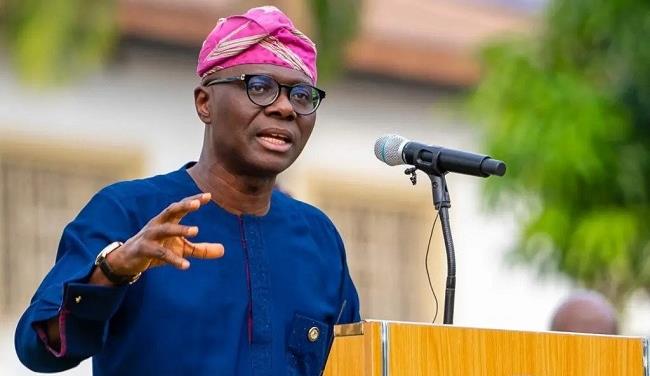
Governor Babajide Sanwo-Olu of Lagos State
From historical recollection in The PUNCH editorial of August 15, 2025, “… the state’s public water, inaugurated in 1910, provided an optimal water supply until the 1970s; the infrastructure has since deteriorated amid rapid population growth in Nigeria’s economic hub.” Sadly, as we write, the situation has deteriorated further and is daunting.
Since 1970, when the performance of the LWC began to deteriorate rapidly, the various efforts made to mitigate the decline in service delivery have been less impactful. While demand for potable water increased exponentially, planning in terms of need projections and extension of additional water production plants was at a snail’s pace. In addition to these foundational challenges, there was the major issue of outdated and overused water infrastructure/equipment, which hampered smooth production and uninterrupted distribution of potable water supply to the public. Hence, a daily target production has never been met to date.
Based on the current estimate, “Lagos needs 700 million gallons of potable water supply daily to sufficiently cater for over 20 million residents. However, the LWC supplies a dismal quantity of 200 million gallons per day, leaving a deficit gap of 500 million gallons per day.”
At a Water Conference held in Lagos in 2024, the incumbent governor of Lagos State, Babajide Sanwo-olu, admitted that “the state had invested heavily in capacity building, international partnerships, and stakeholder engagement without commensurate outcomes in the water sector.”
This is a clear example of an effort in futility, as the government was consistently doing the same thing all over again and expecting a different result. If the Lagos State Government does not embrace time-tested policies and a multi-faceted/best practice approach to enhance the provision of potable water supply to the huge population of the megacity region, the LWC will continue to be what it is: a laggard water service provider.
What is exactly being done wrong by the water supplier corporation?
Firstly, the LWC is still living in the past, acting like a one-way organisation. It is neither proactive, explorative, nor innovative. The Management is sluggish and often reluctant to explore any other sources of modern water treatment through the conversion of seawater to potable water (desalination), despite the inexhaustible and ubiquitous sources of seawater available in the state.
The megacity is a coastal city surrounded by two large water bodies, the lagoon and the Atlantic Ocean. That is an advantage that the LWC ought to leverage to the fullest, rather than its sole reliance on the Ogun and Owo rivers for its untreated water sources. Unfortunately, the two river sources are not reliable, hence, not adequate and sustainable for the water needs of the state’s large population. The LWC should change its strategy in this regard. There is no concrete evidence that the LWC has embraced this sophisticated technology for an efficient and reliable source of water supply.
The desalination technology is not rocket science. It is the process of removing salt and other minerals from seawater to produce freshwater that is suitable for human consumption. Most countries/cities have embraced the technology where it is feasible, especially in coastal areas. For example, the Department of Water Management purifies water from Lake Michigan to meet its daily requirement of 750 million gallons of potable water to Chicago and 126 suburban communities. In Israel, desalination is commonly practised to produce urban water for the citizens.” (World Bank report, 2015) “Cairo, the capital of Egypt, sources its potable water from the Nile River, which provides about 90% of Egypt’s total resources.”
The current strategy by the LWC cannot yield meaningful and impactful results in light of the increasing demand for drinking water among Lagos residents. Therefore, the time for the LWC to embrace the desalination technology is now! Let the advanced water treatment be replicated in Lagos to meet the daily production target estimated at 700 million gallons per day. International cooperation, including city-to-city cooperation, is both necessary and mutually beneficial in promoting the livable cities agenda across the world.
Secondly, global experts in public water management have repeatedly advised the LASG to review its often-muted water privatisation policy and to jettison the idea of Public-Private Partnership (PPP). Why? Because examples abound that the model has been a colossal failure. Empirical studies found that proponents of water privatisation are “smooth talkers.” They made lofty performance promises they seldom fulfill. Again, the notion of private sector efficiency had also been debunked.
We suggest that the recent proposal by the LWC be reconsidered. The PPP option for water delivery service in Lagos is unsettling to members of the public and Water Aid advocates, who cautioned in a previous report on the same subject matter that, “while the World Bank has spent millions of dollars pushing PPPs and other forms of privatisation in Lagos, the state’s water crisis has only worsened.
“And that, ….PPPs have repeatedly failed to provide the needed investment and have led to skyrocketing rates (at the expense of consumers), job cuts, and other anti-people practices.” With such “clarity of admonition,” one is curious to ask the pertinent question: why does the LASG want to tread the same path of failure?
The views expressed by Mr. Rotimi Akodu, Special Adviser, Ministry for the Environment and Water Resources (at the August 14, 2025, stakeholders meeting), that “…operational efficiency-elements could be enhanced through strategic PPP,” call for caution if Nigeria’s experience with the privatisation of the energy sector is a pointer. That is a bitter story to tell for another day.
The management of public water provision is better handled by governmental institutions, as is practiced successfully in other climes. The City of Chicago’s Department of Water Management (DoWM) is solely responsible for purifying and delivering potable water to residents of Chicago and numerous surrounding suburban communities, uninterrupted. The key responsibilities include the purification of water obtained from Lake Michigan, treating it to meet the standards set by the U.S. Environmental Protection Agency (EPA) and the Illinois Environmental Protection Agency (IEPA).
The department manages the water infrastructure distribution system, including tunnels and a gamut of purification plants that serve the city. This situation is obtainable in many American, African, and European cities. Most state and municipal governments, as a matter of public policy, do not privatise public water supply, and their departments of water management are run efficiently by competent administrators, managers, water engineers, and allied middle cadre technical staffers who add value to their daily tasks.
On finance: The underfunding of the water sector in Lagos is inexcusable. Owo wa (there is money.) The LASG generates humongous revenue annually from the Land Use Charge (LUC) and other state tax revenue sources.
The LUC is a source of IGR for Lagos State. In 2024, the state raked in N14 billionin revenue from LUC. It is a solid source of revenue with a progressive increase year-to-year. The revenue from the LUC is used to fund infrastructure and sundry municipal services, including public water supply. Advisably, the funding of public water supply must be adequately addressed and prioritised by the municipal government because water is crucial to health security, economic growth, environmental resilience, and is one of the determinants of people’s quality of life.
Both the legion of property owners and other taxpayers must, by right, ought to enjoy the benefit of the taxes they regularly pay to the coffers of the government on demand notices. Water, according to popular expression, is life! It is an essential commodity that should be made easily accessible and affordable.
The Lagos water supply could be a daunting task, but it is not insurmountable. The LASG should have the political will to act, while the management of LWC should NOT (my emphasis) continue to ignore a feasible solution hiding in plain sight.
By Tpl. Yacoob Abiodun, Planning Advocate, (+1) 718 307 9046
“We recognise the rich potential of South Korea’s private sector in developing the clean technologies needed to create a sustainable global economy, from batteries to hydrogen and smart grids,” said Mukhtar Babayev, president of the 29th UN Climate Change Conference of the Parties (COP29), in a recent interview with ChosunBiz.
With COP30 approaching in November, he added, “We are confident that South Korea will bring to COP30 the same constructive approach it showed at COP29.”
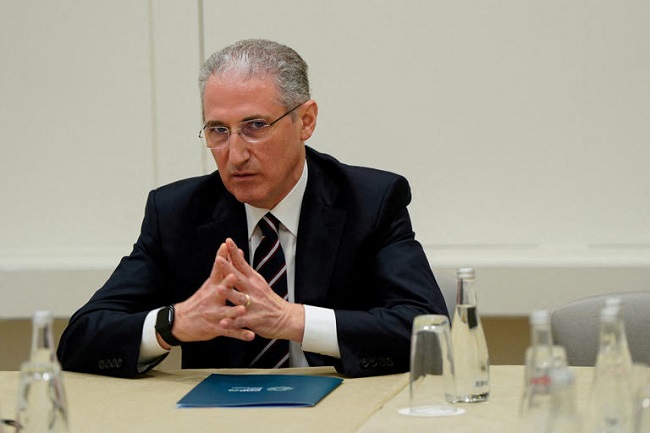
Mukhtar Babayev, president of the 29th UN Climate Change Conference of the Parties (COP29). Photo credit: Reuters-Yonhap
COP is the world’s largest climate summit, where officials from around 200 countries gather for about two weeks to discuss climate policy. Since the first COP in Berlin in 1995, the meeting has rotated annually across continents. Last year, COP29 was held in Baku, Azerbaijan, and this year it takes place in Belém, Brazil.
A major outcome of COP29 was the establishment of the New Collective Quantified Goal (NCQG) for climate finance. The international community agreed to expand annual climate funding to $1.3 trillion by 2035, with $300 billion provided by developed countries. This represents roughly a threefold increase from the previous target of $100 billion per year set in 2009. Additionally, detailed rules for the international carbon market under Article 6 of the Paris Agreement were finalised for the first time in nine years, creating global standards for emissions trading.
Although South Korea is not a mandatory contributor, it drew attention at COP29 for taking a responsible stance on climate change. It pledged an additional $300 million to the Green Climate Fund (GCF) and $7 million to the Loss and Damage Fund. Despite having relatively less climate responsibility as a developed country, South Korea is supporting developing nations that suffer greater climate impacts.
Babayev praised South Korea’s financial commitment, saying, “This is going beyond what it is obligated to do, and in doing so, Korea has shown real climate leadership.” In a July written interview with ChosunBiz, he discussed COP29’s progress and key implementation issues.
How effectively has the NCQG been implemented so far?
“Since COP29, the environment for climate action has become increasingly difficult. This year in particular, overlapping geopolitical crises and economic instability have tested our focus and determination.
To be honest, during our travels this year, many developing countries told us they are no longer certain that the finance promised at COP29 will come. We need to restore trust urgently.
Restoring that trust can be done by tripling the outflow of official UNFCCC funds by 2030, as agreed in Baku. Crucially, each developed country should clarify how they will deliver their fair share of the $300 billion as soon as possible.”
Some have criticised that even this amount is far too little for developing countries.
“Ultimately, COP is a country-driven process in which every country must agree on the highest level of ambition together. We worked as hard as we could last year to push for the best possible result. When a goal of $250 billion was initially proposed, we were clear that they needed to go further, and we are proud of our work to increase the final commitment to $300 billion.”
What changes followed the agreement on detailed rules for the international carbon market?
“At COP29, we concluded a decade-long debate by agreeing on a high-integrity carbon market – one with rigorous verification and certification procedures. Such a market can become a vital tool in tackling the climate crisis and will attract a new wave of investment into climate projects in developing countries.
With agreed standards now in place, both the public and private sectors must put them to active use, and any markets that do not comply with Article 6 of the Paris Agreement should be phased out immediately. The value of compliant carbon markets is projected to reach $1 trillion annually by 2050.
In the case of South Korea, it is encouraging to see that the country is actively embracing a high-integrity carbon market. Korea is currently working with the UNFCCC and the Global Green Growth Institute (GGGI) to develop a voluntary carbon market aligned with Article 6 of the Paris Agreement. This is particularly noteworthy as it can help expand private-sector participation.”
Some countries, like the United States, have grown skeptical about climate action.
“Last year, there were concerns that other countries might follow the U.S. in withdrawing from the COP process, but fortunately, that has not happened so far.
Our top priority now is to maintain and safeguard this process so that no country can step back from its climate responsibilities. To achieve that, past commitments must be honored, showing that climate action is bringing real, positive change to people’s lives.
Above all, developed countries must deliver on their financial pledges. Only then will we be able to launch new projects that reduce emissions, build climate resilience, and promote sustainable development worldwide.”
Some argue that China is now playing the role the U.S. once held in climate leadership. What is your view?
“Many countries have shown leadership on climate this year, and China is among them. China has demonstrated notable leadership in technologies needed for carbon neutrality and played a key role at COP29 in persuading other developing countries during the negotiations on final climate finance goals.
“But this leadership is not China’s alone. The United Kingdom, for example, announced at COP29 that it would cut greenhouse gas emissions by 81% from 1990 levels by 2035. Other East Asian nations are also strengthening their energy transition goals. South Korea, for its part, has set a target of producing 70% of its electricity from zero-emission sources, including renewables and nuclear power, by 2038. Many nations recognize the need to take the lead in climate action.”
What will be discussed at COP30?
“Climate finance will remain at the centre of the agenda. Ahead of COP30, which will be hosted by Brazil, we are pursuing the Baku to Belém Roadmap. This roadmap aims to present a clear and credible plan enabling all actors – from the private sector to multilateral development banks – to mobilise $1.3 trillion annually in climate finance. At COP30, I hope for candid discussions on how each country can implement these recommendations in line with their capacities.
Brazil, meanwhile, is stressing the importance of adaptation in responding to climate impacts. I expect COP30 will deliver a practical and actionable framework to measure progress on climate adaptation.”
What message do you have for the South Korean government and businesses?
“We are confident that Korea will carry forward the constructive approach it demonstrated at COP29 into COP30. This year, every country must submit its next-generation national climate plans, including both emission reductions and adaptation. Broad cooperation among governments, businesses and civil society will be essential.
We hope Korea will engage actively with all stakeholders to secure a mandate for real, society-wide action at COP30. We also look forward to Korea’s strong participation in the World Urban Forum in Baku in 2026.”
The African Development Bank (AfDB) and the Japan International Cooperation Agency (JICA) have agreed to inaugurate the sixth phase of the Enhanced Private Sector Assistance (EPSA6) initiative.
The AfDB, in a statement on its website, said both organisations signed a Memorandum of Understanding (MoU) during the Ninth Tokyo International Conference on African Development (TICAD9) in Yokohama, Japan.
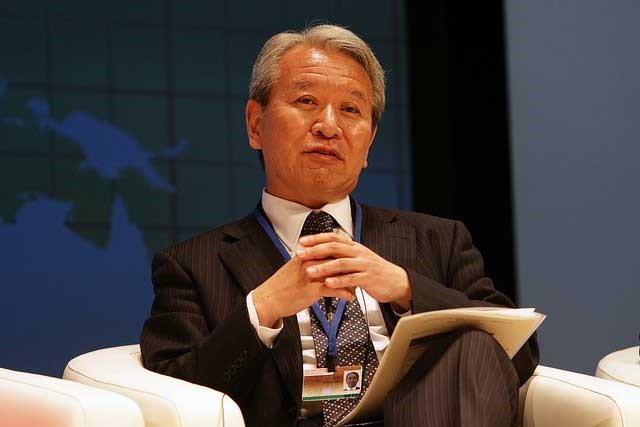
JICA President, Dr Akihiko Tanaka
According to the bank, EPSA6 will mobilise up to $5.5 billion between 2026 and 2028 – half a billion dollars more than the preceding EPSA5 agreement.
EPSA, launched in 2005 by the AfDB and the Government of Japan, supports private sector-led growth in Africa with a focus on power, connectivity, health, agriculture, and nutrition.
Under EPSA6, resilience has been introduced as a new priority, with emphasis on addressing climate change and other shocks facing African economies.
The initiative aims to further strengthen private sector development across the Bank’s regional member countries.
JICA President, Dr Akihiko Tanaka, said co-financing under previous phases had already mobilised about $12 billion.
He noted that the $5.5 billion target for EPSA6 represented more than five times the original commitment under EPSA1.
Tanaka also commended outgoing AfDB President, Dr Akinwumi Adesina, for his leadership in sustaining and expanding the programme.
“This reflects the growing strength of our partnership and the increasing importance of our joint effort.
“With this focus, we are committed to address not only climate change but also a broad range of shocks,” Tanaka stated.
AfDB Vice President, Kevin Kariuki, said Japan remained one of the bank’s strongest partners, while describing EPSA as AfDB’s largest and longest-standing bilateral partnership with any development finance institution.
“I applaud Japan and JICA for their commitment to Africa’s development.
“I am confident we will consolidate the successes of this collaboration in a mutually agreeable manner,” Kariuki said.
Kariuki said EPSA5, which ran from 2023 to 2025, had achieved $4 billion in joint co-financing, with projects worth $1.6 billion at an advanced stage by the end of 2025.
Japan’s Finance Minister, Mr. Katsunobu Kato, said EPSA6’s focus on resilience would help African countries manage debt burdens while creating opportunities for private sector investment.
“Africa has tremendous opportunities for significant market expansion,” Kato stated.
Over the years, EPSA-supported projects have included Uganda’s Bujagali Hydropower Plant, the East Africa Submarine Cable System, Nigeria’s Lekki Toll Road, and Rwanda’s Kigali Bulk Water Supply.
UN agencies, World Health Organisation (WHO) and World Meteorological Organisation (WMO) have warned that extreme heat is fast becoming one of the biggest threats to workers’ health and livelihoods.
They gave the warning in a joint report published on Friday, August 22, 2025.
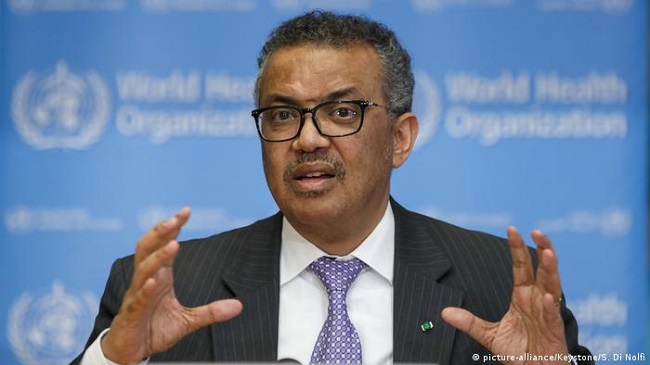
Dr. Tedros Adhanom Ghebreyesus, Director-General, World Health Organisation (WHO)
The new joint report, “Climate change and workplace heat stress”, underscores the mounting risks as climate change fuels longer, more extreme, and more frequent heatwaves.
They stressed that workers in agriculture, construction, and fisheries were already suffering the impacts of dangerous temperatures.
The report points out that vulnerable groups in developing countries, including children, older adults, and low-income communities face increasing dangers.
“Heat stress is already harming the health and livelihoods of billions of workers, especially in the most vulnerable communities,” Dr. Jeremy Farrar, WHO Assistant Director-General for Health Promotion, Disease Prevention and Care, said.
“This new guidance offers practical, evidence-based solutions to protect lives, reduce inequality, and build more resilient workforces in a warming world,” he added.
Drawing on five decades of research, the report highlights how rising temperatures are hitting both health and productivity.
WMO confirmed that 2024 was the hottest year on record, at 1.55 degrees Celsius above pre-industrial temperatures.
It said daytime highs were above 40 degrees centigrade becoming commonplace, and in some areas, even exceeding 50 degrees centigrade.
“Occupational heat stress has become a global societal challenge, which is no longer confined to countries located close to the equator – as highlighted by the recent heatwave in Europe,” said Ko Barrett, WMO Deputy Secretary-General.
“Protection of workers from extreme heat is not just a health imperative but an economic necessity.”
The report details how extreme heat is reshaping the world of work. It finds that worker productivity drops by 2 to 3 per cent for every degree above 20 degrees centigrade.
The health consequences are wide-ranging, including heatstroke, dehydration, kidney dysfunction, and neurological disorders. Overall, nearly half of the world’s population is now experiencing negative effects from high temperatures.
Calling for urgent occupational heat action plans tailored to industries and regions, WHO and WMO guidance includes several recommendations:
Develop targeted occupational heat-health policies based on local weather and workforce vulnerabilities.
Prioritise protections for middle-aged and older workers, those with chronic health conditions, and individuals with lower physical fitness.
Train health professionals, employers, and workers to recognise and treat heat stress, which is often misdiagnosed.
Involve workers, unions, and local authorities in shaping heat-health strategies.
Promote affordable, sustainable, and scalable solutions, alongside innovation and new technologies.
Strengthen research and monitoring to ensure measures remain effective.
The guidance builds on International Labour Organisation (ILO) findings that more than 2.4 billion workers are exposed to excessive heat globally.
This has resulted in over 22.85 million occupational injuries each year.
“This report represents a critical milestone in our collective response to the growing threat of extreme heat in the world of work,” Joaquim Pintado Nunes, ILO Chief of Occupational Safety and Health and the Working Environment, said.
“Aligned with the ILO’s mandate to promote safe and healthy working environments as a fundamental right, it offers robust, evidence-based guidance to help governments, employers and workers confront the escalating risks of climate change.”
Both UN agencies stress that addressing heat stress was central to safeguarding lives, livelihoods, and economies.
The guidance supports the UN Sustainable Development Goals (SDGs), urging decisive action to protect vulnerable workers, reduce poverty, and promote sustainable growth.
Urgent and coordinated action is no longer optional, it is essential, the report says.
Coordinator, Community Environment and Development Network (CEDEN), Mr. Menidin Egbo, has advocated the restoration of extinct species due to oil pollution in the environment around Nigeria’s pioneer oilfield.
Egbo said this on Saturday, August 23, 2025, during a workshop tagged: “Restoring Lost Species” in Otuabagi Community in Ogbia Local Government Area of Bayelsa State.
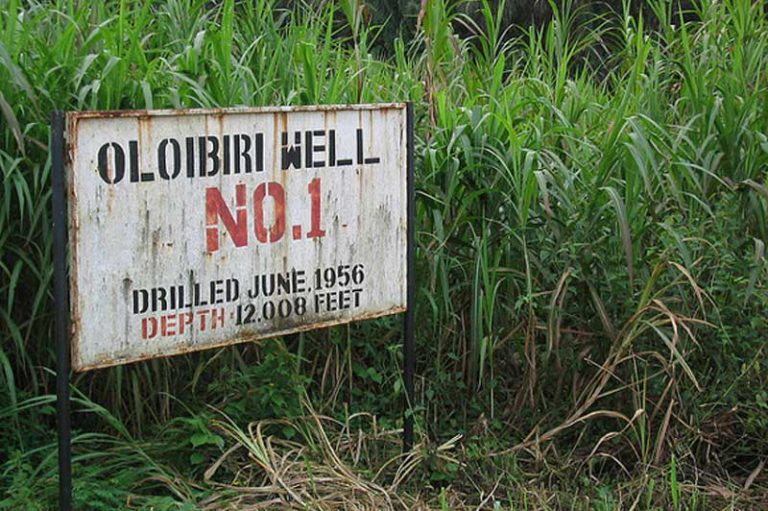
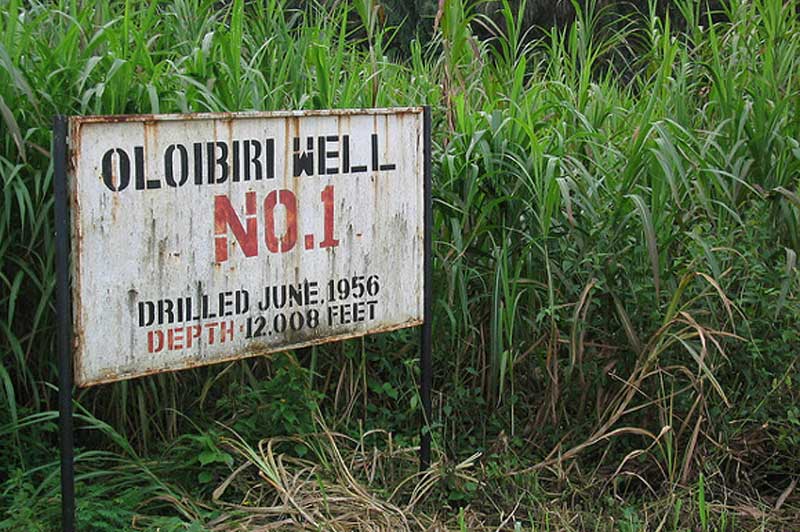
Oloibiri, the site of Nigeria’s first oil well
Otuabagi community is host to Oloibiri Well 1, where oil was struck in commercial quantities in 1956 and made Nigeria a dominant player in the global oil market.
He said that the project would restore lost raffia forest ecology and establish eco-resource conservation processes for enhancing women ecologically based livelihoods through sustainable extraction of non-timber forest products in the Ekpadio swamp forest area of Otuabagi Community in Ogbia LGA.
“This Otuabagi site (in Olei clan) hosts the famous Oloibiri Oil Well 1-Nigeria’s first commercially viable petroleum crude production efforts in 1956,” Egbo noted.
According to him: “The project objective is to re-introduce Raffia (palm) trees for ecological restoration/preservation; to reform local eco-regulatory policies/practice.
“To establish sustainable ecology-based communication for enhancing environmental governance; to enhance women’s role as custodian of ecological values. To promote eco-resources evaluation and documentary for enhancing sustainable prospects,” he said.
He explained that the Global Greenland Fund (GGF) funded project of 2022 raised awareness on ecological values, services and benefits across 11 communities of the Olei clan designed to improve social development in local communities.
The Coordinator recalled that the 2022 project focused on advancing environmental education by targeting “Environmental Education for Improved Sound Ecological Management” among agrarian rural communities.
“Thus, the beneficial communities of Ogbia Town, Oloibiri Town, Otuabo, Otuogidi, Opume, Akipilai, Emakalakala, Otuabagi, Otakeme, Otuegila, Otuoke, were represented among the Ogbia local indigenous people of the Ogbia LGA was estimated at 694.2 square kilometers in area.
“Population: 235,750 (male: 120,686 or 51.3 per cent , female: 114,881 or 48.7 per cent),” he said.
According to him: “This 2025 project was inspired by the will of some Otuabagi Women Farmers Association (OWFA). Originally founded by 12 persons, the members were moved by the impact of the GGF-funded 2022 project.
“These women are already going forward to register a cooperative to formalise local farmers, organizing to continue promoting non-formal environmental education for improved ecological conservation in the area.
“The 2025 project, like the 2022 effort is being facilitated by Community Environment and Development Network (CEDEN), focusing on supporting the Otuabagi women’s resolve to carry out raffia palm ecology restoration in the degraded Ekpadio swamp forest of their community,” he said.
On her part, Mrs. Gloria Alagbogu, a resource person at the workshop in her presentation on empowering women to strengthen local efforts for addressing the challenges of the human environment, said Bayelsa, located in the oil-rich Niger Delta Region has been cumulatively polluted by decades of oil exploration.
She said the area is a home to diverse ecosystems such as mangroves, freshwater swamps, and rainforest zones.
The region, she continued, is plagued by persistent environmental degradation, driven by oil exploitation, gas flaring, pipeline vandalism, and weak regulatory enforcement.
“These activities not only damage the environment but also give rise to human-environment conflicts including struggles over land and water access, community protest against oil companies rising unemployment and insecurity,” she said.
On his part, Mr. Jeremiah Dagana, Deputy Director, Climate Change, Bayelsa Ministry of Environment, commended the leadership of CEDEN and the Social Development Integrated Centre-Social Action (SDIC-SA) for their initiative in organising the workshop.
He said Bayelsa is blessed with abundance of natural resources with a wide range of biodiversity in its rich mangrove and rainforest ecosystem.
According to him: “Our rich forest ecosystem has been threatened and severely damaged through unregulated and indiscriminate logging of timber, oil exploration and exploitation with many other harmful activities contributing to environmental degradation and devastation,” he said.
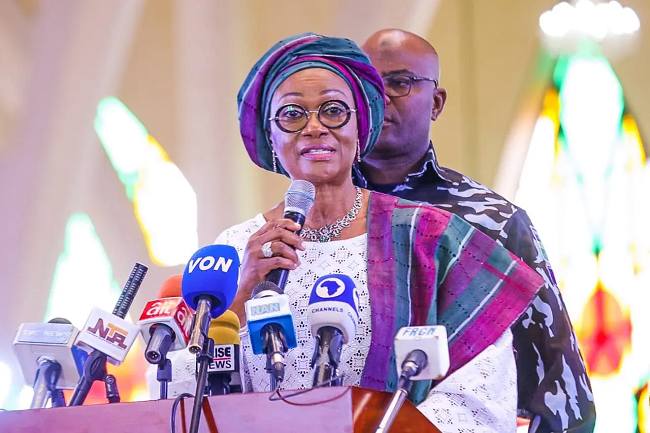
The First Lady, Sen. Oluremi Tinubu, says economic empowerment of women in the country will achieve the Sustainable Development Goals (SDGs) targets.
Mrs. Tinubu stated this on Saturday, August 23, 2025, at the distribution of deep freezers, grinding machines and gas cookers to 500 women in Akure.
First Lady, Sen. Oluremi Tinubu
The First Lady, who was represented by the wife of Ondo State Governor, Mrs. Oluwaseun Aiyedatiwa, said that the beneficiaries were drawn from the 18 local government areas.
She explained that the distributed items were to empower the beneficiaries with the necessary tools and the resources they needed.
According to her, the tools will enable them to build successful business and be independent.
She said that the items would also help the beneficiaries to grow their existing business in recognising their crucial roles in the nation building.
Mrs. Tinubu explained that the empowerment was made possible through the Office of the Senior Special Assistant (SSA) to the President on Sustainable Development Goals (SDGs).
According to her, the programme is line with the President Bola Tinubu’s Renewed Hope Initiative (RHI).
She added that the initiative prioritised inclusiveness in the country’s economic growth and sustainable development for all Nigerians particularly women empowerment.
The First Lady enjoined the beneficiaries to use the economic tools judiciously.
“Don’t sell these tools. We will do a follow up on how they are being used.
“Let these items serve as a foundation for creating wealth for yourselves and your families. I hope what you received today will prosper in your hands,” she said.
Mrs. Tinubu appreciated Gov. Lucky Aiyedatiwa and his wife for making programmes of the RHI successful in the state.
In her remarks, the state Commissioner for Women and Social Development, Dr Seun Osamaye, appreciated the First Lady for bringing RHI to women in the state.
Osamaye added that the RHI different programmes had benefited women in the state.
“We have been benefiting the Renewed Hope Initiative, and we are benefiting today in collaboration with the Sustainable Development Goals. We are grateful to the First Lady and to the SDGs.
“We know that this bold initiative will enhance our women to be economically independent and viable, and most importantly strengthen them to fulfil their potentials as women of Ondo State.
“We want to assure you that with this economic empowerment, poverty will be reduced. This will remove the women from begging and make them symbol of independence and value,” she said.
Earlier, Mrs. Adejoke Orelope-Adefulire, the SSA on SDGs to the President, said that the initiative was to empower women to be self-sufficient.
Orelope-Adefulire, who appreciated the unwavering dedication of the First Lady to women development, said that the items would enhance national development.
She promised that more of such empowerment would still come to the state, asking the beneficiaries to encourage the First Lady and the Office of the SDGs by making good use of the distributed items.
The initiative is being implemented in all the 36 states and the Federal Capital Territory.
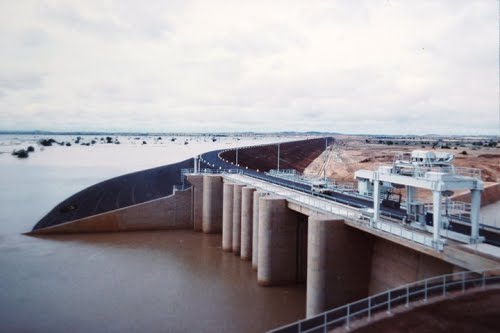
The Managing Director of Sokoto Rima River Basin Development Authority (SRRBDA), Alhaji Abubakar Malam, has assured that Goronyo Dam remains safe, with water release strictly in line with the authority’s approved guidelines.
Malam gave the assurance on Saturday, August 23, 2025, while briefing newsmen after conducting a routine inspection of the facilities and water passages at the dam, located in Sokoto State.
Goronyo Dam
He explained that, following predictions by the Nigerian Meteorological Agency (NiMet) of heavy rainfall this year, some residents had expressed fears of possible water spillage.
“We affirm that SRRBDA technical team will strictly abide by the action plan designed on release of water each month.
” It is pertinent to inform the general public that level of siltation of downstream sector of River Rima occasioned by human activities and climate change had drastically affects dam’s ability to discharge appropriate volume of water.
“I want assure members of public especially farmers, fishermen, canoe operators, states water boards and others that there is no cause for alerm with regard to daily release of water, ” he said.
He reassured that the President Bola Tinubu’s Renewed Hope Agenda was on right track providing needed impetus for sustainable agricultural production and economic growth through various initiatives aimed at ensuring food security and job opportunities for Nigerians.
While Malam appreciated the support of stakeholders in Sokoto, Kebbi, Katsina and Zamfara states, he assured of continued improved service provisions in accordance with SRRBDA mandates.
He recalled that Federal Government delegation had inspected the dam’s condition after the Alu Dam’s incident in Borno state.
Malam added that Goronyo Dam’s embankments, spillways, passages and other facilities were still intact without any threats to lives and properties.
The Goronyo Dam project was initiated during the military administration of Gen. Olusegun Obasanjo, executed under the late President Shehu Shagari, and completed in 1984 when it began operation.
The dam has total capacity of 942 million cubic meters managed by SRRBDA.