Home Blog Page 21

38 rangers complete intensive training to safeguard Okomu National Park

Thirty-eight newly trained rangers on Friday, March 13, 2026, graduated from a six-week intensive training programme designed to strengthen the protection of Okomu National Park in Edo State.

Okomu National Park is one of Nigeria’s last remaining lowland rainforest ecosystems.

The rangers passed out during a ceremony organised by the Africa Nature Investors (ANI) Foundation in partnership with the National Park Service at the park.

Okomu National Park
Representative of the Conservator-General, Mr. Lawrence Osaze (left), presenting a certificate to one of the rangers at the passing out parade on Friday

In his address, the Conservator-General of National Park Service, Ibrahim Goni, said the passing-out parade marked the beginning of a new responsibility for the rangers as frontline defenders of Nigeria’s natural heritage.

Goni, represented by the Conservator of Park at Okomu National Park, Lawrence Osaze, said the trainees underwent rigorous physical and professional training in wildlife law enforcement, patrol techniques, intelligence gathering, field survival and community engagement.

“Today’s ceremony represents not just the end of a training exercise but the beginning of a new responsibility for these dedicated rangers who are about to join the frontline of conservation,” he said.

He noted that the deployment of trained rangers had become increasingly important as protected areas face threats from poaching, illegal logging and encroachment.

“Okomu National Park remains one of Nigeria’s most valuable ecological assets.

“It conserves biodiversity, protects endangered species, regulates climate, is and supports research, tourism and sustainable livelihoods,” the conservator-general said.

He noted, however, that these critical ecosystems continued to face threats from poaching, illegal logging, encroachment, and other unsustainable human activities.

This reality, he said, underscored the importance of strengthening ranger capacity to ensure effective protection of the natural resources.

Goni acknowledged the contributions of development partners, supporting conservation activities in the Okomu landscape.

He appreciated the support of Africa Nature Investors (ANI) Foundation and other collaborating institutions, whose cooperation he said, continued to play a crucial role in safeguarding the protected areas.

The Executive Director of ANI Foundation, Tunde Morakinyo, represented by retired Brig.-Gen. Olajide Laleye, congratulated the new rangers and urged them to justify the investment made in their training.

“You must be dutiful and justify the resources that have been invested in you,” he told the recruits.

Speaking with journalists, ANI Foundation Country Manager, Nacha Geoffrey, said the organisation’s conservation model focuses on people-centred approaches that involve local communities in protecting natural resources.

“What makes our approach different is that we are not managing wildlife for wildlife alone. We are doing it for the people.

“Our approach is bottom-up. We ask how communities can see the economic benefit of living alongside wildlife and how conservation can make economic sense to them,” he said.

Geoffrey explained that all the newly trained rangers were recruited from surrounding communities as part of efforts to strengthen local participation in conservation.

In addition to ranger recruitment, he said the foundation supports community livelihood initiatives, including savings and loan groups, women empowerment programmes and youth conservation education.

A senior strategy adviser to ANI Foundation and former National Park Service official, Okeyoyin Agboola, described the training as essential for ensuring effective protection of the park’s flora and fauna.

He said the involvement of the foundation had significantly strengthened conservation efforts in the park.

“The coming of ANI is a game changer. Government alone cannot do this job. Their support has helped strengthen protection of the park,” he said.

Agboola added that improved conservation efforts had restored calm to the park, which previously faced frequent illegal activities.

“This is the last remaining rainforest ecosystem in the South-West region of Nigeria, and we must protect it for future generations,” he said.

Also speaking, the Chief Technical Adviser to the Global Environment Facility biodiversity project, Segun Oladoye, urged communities to support conservation initiatives.

“What we are doing here is not about any single organisation. It is about the community and the future of our children,” he said.

Out of 236 applicants who participated in the recruitment exercise, only 38 candidates were selected after multiple stages of screening.

By Usman Aliyu

Malawi to host landmark African conference on climate loss and damage

Malawi is set to host the 5th African Regional Conference on Loss and Damage from March 25 to 27, 2026, a major gathering expected to shape Africa’s response to the growing impacts of climate change.

The conference will be held under the theme “Advancing Sustainable, Equitable and Just Financing and Technical Support for Loss and Damage in Africa.”

The high-level meeting will bring together policymakers, civil society leaders, development partners, researchers, and grassroots representatives from across the continent to discuss strategies to address the rising social and economic costs of climate-related disasters.

Julius Ng’oma
Julius Ng’oma, National Coordinator of the Civil Society Network on Climate Change

According to Julius Ng’oma, National Coordinator of the Civil Society Network on Climate Change, the conference will serve as a critical platform for strengthening Africa’s position in global climate negotiations.

“This conference will provide a platform to push for sustainable and equitable financing mechanisms for loss and damage, strengthen technical capacity to assess climate impacts, and improve access to assistance for affected countries and communities,” Ng’oma said.

Delegates are expected to develop a regional roadmap that will guide Africa’s voice in upcoming international climate negotiations.

The meeting will also produce a communiqué outlining the continent’s priorities and recommendations on loss and damage financing and technical support.

Rising climate impacts in Africa

Experts say Africa continues to experience severe climate-related shocks, including floods, droughts and extreme weather events that destroy homes, livelihoods, infrastructure and ecosystems.

Malawi has experienced significant climate-related disasters in recent years, particularly from tropical cyclones such as Cyclone Idai, Cyclone Ana, and Cyclone Gombe, which have left thousands of households displaced and caused extensive damage to infrastructure and agriculture.

Ng’oma said the conference presents an opportunity for African countries to transform shared experiences of climate disasters into coordinated action, including stronger financing mechanisms and technical support systems for affected communities.

The event is expected to strengthen collaboration among African governments, civil society organisations and development partners as the continent seeks more equitable global climate responses to the growing challenge of loss and damage.

By Abraham Bisayi, AfricaBrief

SERAP urges Tinubu to probe N5.9bn allegedly spent on rebranding NNPC to NNPCL

0

The Socio-Economic Rights and Accountability Project (SERAP) has urged President Bola Tinubu “to urgently direct the Attorney General of the Federation and Minister of Justice, Mr. Lateef Fagbemi (SAN), and appropriate anti-corruption agencies to promptly investigate the alleged expenditure of about ₦5.9 billion reportedly spent on the rebranding of the Nigerian National Petroleum Corporation (NNPC) to the Nigerian National Petroleum Company Limited (NNPCL).”

SERAP urged him “to direct the Economic and Financial Crimes Commission (EFCC) and the Independent Corrupt Practices and Other Related Offences Commission (ICPC) to identify the officials who approved and paid the amount, and the contractor(s) who collected the money, and to invite them for questioning.”

NNPC
Bayp Ojulari, Group CEO of the NNPC

SERAP also urged Mr. President “to direct the EFCC and ICPC to promptly investigate the procurement process for the rebranding project, including whether the contract was awarded in compliance with the procurement laws and financial regulations.”

SERAP urged him “to direct Mr. Fagbemi and the EFCC and ICPC to ensure that those suspected to be responsible for any wrongdoing are brought to justice if there is sufficient admissible evidence, and that any public funds that may have been misused or mismanaged are recovered and returned to the national treasury.”

The NNPC reportedly paid N2.9 billion for incorporation expenses from petroleum product proceeds, while the National Petroleum Investment Management Services (NAPIMS) also charged N2.9 billion against crude oil revenue for the same purpose. In total, about N5.9 billion was spent by the NNPCL for the rebranding.

In the open letter dated March 14, 2026, and signed by SERAP deputy director, Kolawole Oluwadare, the organisation said: “There ought to be full transparency and accountability regarding the reported ₦5.9 billion spent on rebranding NNPC to NNPCL.”

SERAP said, “Nigerians have the right to know who approved the expenditure, who received the money, and whether due process was followed.”

The letter reads in part: “Any investigation into the rebranding project should determine whether the ₦5.9 billion represents value for money, lawful spending of public funds, and compliance with transparency and accountability requirements.

“Investigating the alleged spending of the N5.9 billion would help promote transparency and accountability in the management of public funds and strengthen public confidence in government institutions.

“Investigating the spending of the ₦5.9 billion would also demonstrate your government’s commitment to transparency, accountability and the fight against corruption in the oil sector.

“Your government has a legal obligation to investigate credible allegations of corruption, prosecute those suspected to be responsible, and recover any misused or mismanaged public funds.

“Given the size of the reported expenditure and the importance of transparency in the management of public resources in the petroleum sector, there is an urgent need for a prompt, thorough, independent, transparent and effective investigation into the spending. The findings of any such investigation should be made public.

“We would be grateful if the recommended measures are taken within seven days of the receipt and/or publication of this letter. If we have not heard from you by then, SERAP shall consider appropriate legal actions to compel your government and the NNPCL to comply with our request in the public interest.

“According to reports, the N5.9 billion was allegedly spent as part of the corporate transition and rebranding process following the restructuring of the national oil company under the Petroleum Industry Act.

“About ₦2.9 billion was reportedly charged as incorporation expenses from petroleum product proceeds, while another ₦2.9 billion was charged against crude oil revenue by the National Petroleum Investment Management Services (NAPIMS) during the transition of the company into a limited liability entity.

“This resulted in a combined total of about ₦5.9 billion spent simply to transition and rebrand the national oil company.

“The transformation of the national oil company from the Nigerian National Petroleum Corporation (NNPC) into the Nigerian National Petroleum Company Limited (NNPCL) occurred following the enactment of the Petroleum Industry Act (PIA) 2021, which required the corporation to become a commercially oriented limited liability company fully owned by the federal government.

“Section 13 of the Nigerian Constitution 1999 (as amended) requires all authorities to conform to and apply the provisions of Chapter II of the Constitution, while Section 15(5) mandates the government to abolish all corrupt practices and abuse of power.

“Similarly, Section 16 of the Constitution requires the government to ensure that the material resources of the nation are harnessed and distributed as best as possible to serve the common good.

“Articles 5 and 9 of the UN Convention against Corruption require governments to ensure transparency and proper management of public funds.

“Article 21 of the African Charter on Human and Peoples’ Rights, which has been domesticated in Nigeria through the African Charter (Ratification and Enforcement) Act, recognises the right of peoples to freely dispose of their natural resources and provides that the misappropriation of such resources shall give rise to the right of the people to recovery and compensation.”

33 young engineers begin training as NCDMB reiterates mandate

0

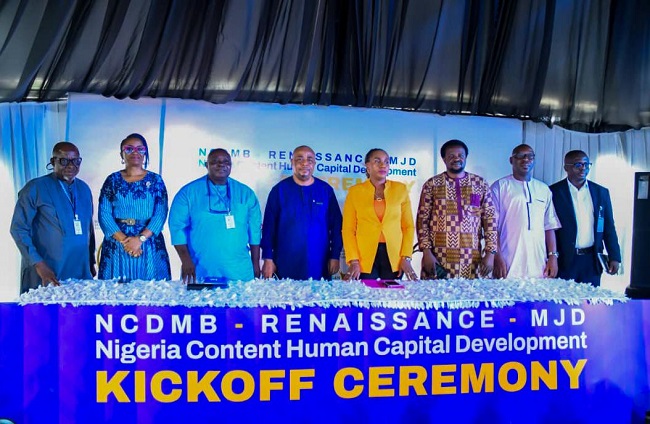
Thirty-three young graduates of engineering, geology and related disciplines on Friday, March 13, 2026, in Port Harcourt, Rivers State, underwent opening formalities for a 12-month training programme in pipeline engineering, corrosion control and monitoring.

Organised under the Renaissance Africa Energy Company Limited and MJD Oilfield Services Limited,Nigerian Content Human Capital Development (NC HCD) Training Programme, in partnership with the Nigerian Content Development and Monitoring Board (NCDMB), the training is geared towards developing expertise for protection and sustenance of the country’s energy infrastructure.

NCDMB
Delegates at the opening formalities for the 12-month training programme

Trainees will have classroom technical sessions, simulation-based learning, field demonstrations, on-the-job training, mentorship and coaching, case study reviews, and continuous assessment and evaluation. Expected outcomes of the programme include skilled project-ready personnel, measurable local content impact, creation of pipeline integrity talent pool, and long-term infrastructure reliability.

In an address at the event, the Manager, Human Capital Development, NCDMB, Mrs. Tarilate Bribena-Teide, who represented the Executive Secretary of the Board, Felix Omatsola Ogbe, said pipeline pigging, a process involving insertion of devices called pigs into pipelines for cleaning, gauging, etc. to ensure integrity of the system, and corrosion control, protect the pipelines, prevent costly failures, and safeguard the environment and the economy.

She noted that the expertise gained from the training would position trainees to contribute meaningfully to major national projects such as the Ajaokuta-Kaduna-Kano (AKK) Gas Pipeline, measuring 614 kilometres, and many others, which as she explained, accords with the Board’s mandate to build local capacity, deepen Nigerian participation in the oil and gas industry, and create opportunities that drive national growth.

The HCD Manager expressed appreciation to Renaissance Africa Energy Company Limited for its partnership with the Board and commitment to developing Nigerian talent. She urged the trainees to approach the programme with discipline and determination, noting that lessons gained would shape them into professionals capable of solving real industry problems.

In his remarks, a representative of Renaissance Africa, Funso Alabi, thanked NCDMB profoundly for its support to the company and for all it has done toward growth of the Nigerian oil and gas industry. While highlighting the extraordinary achievements recorded in HCD since inception of the Board, with Nigerians occupying key positions in industry and others doing so well abroad, he said, “NCDMB has done so much” and that “the Board is turning Nigeria into a great nation.”

He also thanked MJD Oilfield Services for the calibre of trainers assembled to run the training programme.

For his part, the Managing Director, MJD, Mr. Olayemi Familusi, expressed gratitude to NCDMB and Renaissance, noting that changes in the oil and gas industry brought about by NCDMB initiatives are everywhere, particularly in the development of indigenous companies and human resources.

In closing remarks, Chief Austin Ugbunaia, Project Manager of MJD, thanked the Board and Renaissance for the opportunity to play a part in capacity development, while assuring them of quality training and exposure for the trainees.

Ugo Amadi, Adeola Yusuf re-elected as NAEC gets new exco 

0

The Association of Energy Correspondents in Nigeria (NAEC) has elected a new set of executives for the next two years, returning Ugo Amadi of Champion Newspaper as National Chairman and Dr. Adeola Yusuf of Platforms Africa as Vice Chairman for second term.

The keenly contested election was held on Saturday, March 14, 2026, at the NAEC Secretariat, Obanikoro, Lagos, where members of the association voted to choose the leadership that will steer the affairs of the body from 2026 to 2028.

The election also saw the return of Peter Uzoho of THISDAY Newspaper as General Secretary and Anthony Ebigie of Energy Newsstream as Treasurer of the association.

NAEC
L-R: Oredola Adeola, PRO; Waliat Musa Financial Secretary; Dr. Adeola Yusuf, Vice Chairman; Ugo Amadi, Chairman; Peter Uzoho, Gen. Secretary; and Anthony Ebigie, Treasurer

Moreso, Waliat Musa of The Guardian emerged as Financial Secretary, while Oredola Adeola of Advisors Reports was elected as the Public Relations Officer (PRO). 

NAEC is a key professional body for journalists including correspondents, editors, and publishers who report activities of the energy sector such as power, oil & gas, solid minerals, and renewable energy.

Amadi, in his remarks after the election, pledged to strengthen the association and expand its activities, while reaffirming his commitment to promoting professionalism and collaboration among energy journalists in Nigeria.

The Chairman also pledged that the new leadership would work towards strengthening partnership with stakeholders in the Nigerian energy sector through active engagements.

Whilst expressing appreciation to NAEC members for having faith and confidence in his new leadership team, he assured that all members would be carried along in every decision and activity of the executive team to ensure the association gets the best dividends of his administration.

Peter Uzoho, General Secretary, also in his remark assured NAEC members that the new leadership would serve the association with a member-centric approach anchored on members’ growth and development through mutual partnerships, promotion of knowledge sharing experiences, and creation of equal opportunities for all members.

“We thank you, our distinguished members for giving us the opportunity to serve you and elevate the position of our great association in the energy sector and journalism profession,” Uzoho said.

Lagos reintroduces monthly environmental sanitation, begins in April

The Lagos State Governor, Babajide Sanwo-Olu, has formally flagged off the reintroduction of the monthly environmental sanitation exercise.

Sanwo-Olu said the monthly sanitation would kick off in April 2026.

The reintroduced sanitation will take place every last Saturday of the month from 6.30 a.m. to 8.30 a.m.

Lagos
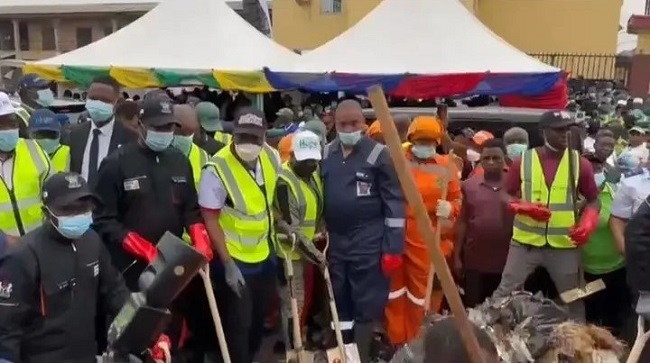
Lagos environmental sanitation exercise

The governor said this at a stakeholders’ engagement on environmental sanitation on Saturday, March 14, 2026, in Lagos.

Sanwo-Olu said the initiative was not a political contest but a serious public health and civic responsibility exercise aimed at building a cleaner and healthier Lagos.

The governor said the reintroduced sanitation exercise was designed to reach all parts of the state and deepen environmental consciousness among residents.

He added that government alone could not achieve a clean city without active public participation.

“This morning’s exercise is a very serious one and a defining moment for all of us as Lagosians.

“It is not about politics, it is not about rivalry; it is about our collective responsibility to keep our environment clean, healthy and safe for everyone,” he said.

Sanwo-Olu said the cleanliness of streets, markets, drainage channels and public spaces reflected the daily habits of residents.

He noted that sustainable environmental management must be driven by shared responsibility and not enforcement alone.

“A clean city is not achieved by government alone.

“It is built every day by the actions of citizens, by what we do in our homes, in our markets, in our communities and on our streets,” he said.

The monthly environmental sanitation in Lagos was officially suspended in November 2016 following a March 2015 Federal High Court ruling.

The court mandated that restriction of human movement 7 a.m. to 10 a.m. was unconstitutional, violating citizens’ rights to freedom of movement.

The government argued it was impractical for a megacity Eventually former Governor Akinwunmi Ambode formally announced the cancellation of the monthly, mandatory cleanup exercise in November 2016.

Sanwo-Olu recalled that the monthly environmental sanitation was once a national civic culture observed on the last Saturday of every month, when residents voluntarily cleaned their surroundings as part of a broader commitment to public health.

“Although a court judgment ended the movement restriction that characterised the old sanitation exercise, the responsibility of government and citizens to maintain a clean environment remained unchanged.

“We respect the rule of law and the authority of the courts.

“The enforcement mechanism may have changed, but the responsibility to maintain a clean and healthy environment has not changed and will never change,” he said.

Sanwo-Olu said the symbolic flag-off was, therefore, intended to revive the culture of environmental sanitation through awareness, partnership and voluntary participation, rather than relying solely on enforcement or punitive measures.

He assured residents that the state government would continue to strengthen waste management systems, improve training and infrastructure, and support environmental enforcement agencies in sustaining a cleaner Lagos.

“This is about restoring a culture and a consciousness.

“We will continue to strengthen waste management, improve our training and infrastructure, and support environmental enforcement, but we need citizens to own this process,” he said.

The governor decried the indiscriminate disposal of refuse such as water sachets, plastic bottles and wrappers into drainage channels, warning that the habit was worsening flooding and undermining the state’s road infrastructure.

He said clogged drainage systems often caused roads to fail repeatedly, even after repairs by contractors, because residents continued to dump waste into gutters and canals meant to discharge storm water.

“When people dump solid waste into drainage channels, the roads will keep failing.

“You cannot repair roads sustainably when the drainage meant to protect them is clogged with waste every day,” he said.

Sanwo-Olu noted that some roads repaired by contractors, including those handled by major firms, had deteriorated again because drainage channels were blocked by indiscriminate refuse disposal.

He urged community development associations (CDAs), market leaders, youths, religious organisations, political groups, community development committees (CDCs) and other institutions to take ownership of environmental cleanliness in their communities.

“Clean Lagos begins with daily individual choices.

“We need our market leaders, our youths, our religious institutions, our CDAs and CDCs to see environmental sanitation as a civic duty, not a government slogan,” he said.

The governor emphasised that while political offices and leadership positions were temporary, the health and wellbeing of communities were enduring priorities that should unite all residents behind the sanitation initiative.

“Leadership is temporary, but the life of our communities and the health of our people are permanent concerns.

“That is why this initiative must be bigger than speeches and bigger than any individual,” he said.

Earlier, the Commissioner for the Environment and Water Resources, Mr. Tokunbo Wahab, commended Sanwo-Olu for reintroducing the monthly environmental sanitation exercise.

Wahab described the decision as a bold step towards reviving a long-standing culture of cleanliness in Lagos.

He said the exercise, which was discontinued in 2016, was once a familiar monthly tradition that encouraged residents to dedicate time to cleaning their immediate environment and promoting healthy living.

“For those who may not know, prior to 2016, we had a culture that emphasised the importance of cleanliness, where residents set aside time once every month to clean up their surroundings,” he said.

The commissioner said the reintroduction of the exercise followed over one year of consultations and deliberations involving the state government and critical stakeholders in the environmental management sector.

According to him, the process reflected the seriousness of the state government’s commitment to ensuring that the exercise was reintroduced in a manner that was lawful, practical and supported by residents.

“This did not happen overnight.

“It took over a year of consultations and engagements for us to arrive at a consensus that it is time to bring back this important culture of environmental responsibility,” he said.

Wahab urged residents to support the initiative by setting aside one or two hours monthly to clean their homes, streets, business premises and neighbourhoods in the interest of public health.

“It is a plea to all residents that it is time for us to give up just one or two hours every month to clean our surroundings.

“That little sacrifice will make a huge difference in the quality of our environment,” he said.

He noted that traders in markets across the state already observe weekly sanitation every Thursday between 7:00 a.m. and 10:00 a.m., adding that the monthly exercise would extend that discipline to wider communities.

The commissioner noted that Lagos was transitioning from a linear waste management model to a circular system that treats waste as a resource with economic value rather than as a burden.

According to him, the new approach will enable the state to convert waste into wealth, energy, compost, fertiliser and recyclable materials, thereby improving environmental sustainability and creating economic opportunities.

“We are moving away from the old system where waste is simply collected and dumped at landfill sites.

“Waste will now be seen as a resource that can generate wealth, energy, compost, fertiliser and recyclable products,” he said.

Wahab thanked stakeholders, environmental agencies, private sector operators and community groups for their support, noting that sustained collaboration would be critical to the success of the sanitation initiative across Lagos.

He reiterated that the monthly environmental sanitation exercise was not merely a government programme but a call for behavioural change and a return to community-driven environmental stewardship.

“This is not just an event; it is a movement.

“It is about changing behaviour, restoring responsibility and building a cleaner, healthier and more resilient Lagos for present and future generations,” he said.

Present at the sensitisation were the Deputy Governor, Dr Obafemi Hamzat; the Head of Service, Mr. Bode Agoro; and the Chief of Staff, Mr. Tayo Ayinde.

By Olaitan Idris and Aderonke Ojediran

17 California State University campuses join statewide wildlife monitoring effort

In response to accelerating climate change and increasing human impacts on California’s landscapes, Cal Poly Humboldt and the U.S. Geological Survey California Cooperative Fish and Wildlife Research Unit are leading a major expansion of a statewide biodiversity monitoring effort.

The initiative, supported with $2.5 million in funding from the California Department of Fish and Wildlife (CDFW), will bring together 17 California State University (CSU) campuses to strengthen and grow the Sentinel Sites for Nature (SSN), the state’s coordinated system of long-term biodiversity monitoring sites. 

California State University
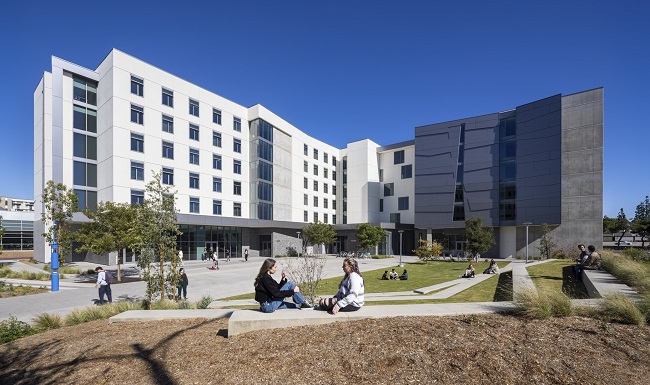
California State University, Fullerton

As climate change accelerates and human-driven land-use changes reshape California’s landscapes, ecosystems are experiencing mounting pressure from drought, megafires, and habitat alteration. Yet understanding how these stressors affect species and ecosystems over time remains difficult without coordinated, long-term data collection across regions.

The SSN addresses that need. The CDFW has established 39 Sentinel Sites on CDFW-owned properties. The University of California Natural Reserve System is developing 37 more on UCNRS reserves. The addition of CSU sites on land owned by city, county, state, federal, and private entities (including non-governmental organisations) will bring the total number of sentinel sites to over 110. 

This collaborative monitoring programme is aimed at protecting California’s important biodiversity and helping guide science-based conservation, supporting California’s goal of conserving 30% of California’s coastal waters and lands by 2030, an initiative formally known as 30×30.

Additional sites at CSU campuses and affiliated properties will significantly broaden the scope of diverse ecoregions across the state: the coastal redwood forests in the north and deserts in the south; urban areas of Southern California and the San Francisco Bay Area; and working landscapes of the Central Valley and the Central Coast. Participating campuses include: Cal Poly in San Luis Obispo; Cal State LA; CSU Bakersfield; CSU Channel Islands; CSU Dominguez Hills; Fresno State; Cal State Fullerton; Cal State Monterey Bay; Cal State Northridge; Sacramento State; Cal State San Bernardino; San Diego State; San Jose State; Cal State San Marcos; Sonoma State; and Stanislaus State.

”It’s so  exciting to join the statewide biodiversity monitoring effort,” says Micaela Gunther, a Cal Poly Humboldt Wildlife professor and a lead researcher for the project.  “The CSUs will make a unique contribution to the initiative by including workforce training as a critical element of the sentinel site deployment and data collection methods. We’re also bringing in a diversity of habitats not previously included as part of the SSN, especially by including two locations right here on the North Coast in Humboldt County.”   

Each site is equipped with non-invasive monitoring technologies including: camera traps that detect both small and large mammals, birds, and herpetofauna, bird and bat acoustic recorders, time-lapse cameras that monitor seasonal changes in vegetation and water levels, and at some sites, a Motus tower to study animal movement and migration, and a weather station that tracks climate conditions in real time. Importantly, data collected through the network will be shared among participating institutions, supporting collaborative analyses, cross-campus research, and coordinated conservation action. 

The initiative also provides opportunities for students to gain hands-on experience on deployment, maintenance, and data retrieval techniques; while generating useful and relevant data they can use to complete research projects beneficial to their professional development.

“For so long, ecological research has taken place at only a few sites over the course of one or two field seasons,” says Associate Professor Tim Bean of Cal Poly in San Luis Obispo.

“By joining this huge collaboration, data we collect will contribute to state-wide, long-term research and management. Students will learn how to work with big datasets and collaborate across campuses and with future employers. Through the SSN, California is blazing a trail for this new way of doing ecological research. So many other states and countries are trying to figure out how to develop and coordinate these kinds of monitoring networks, and I’m thrilled that the CSUs will be strengthening this effort,” adds Bean. 

Anambra commissioner tasks Nigerians on hydration amid intense heat

0

The Anambra State Commissioner for Health, Dr Afam Obidike, has urged Nigerians to ensure regular water intake to keep the body hydrated, amid extreme weather condition across the country.

Obidike, who made the call in an interview on Friday, March 13, 2026, in Awka, the state capital, said the prevailing high temperatures could lead to heat-related illnesses such as heat exhaustion and heat stroke, if adequate precautions were not taken.

According to him, Nigerians need to stay informed about weather forecasts and heat advisories and be aware of symptoms of heat-related illnesses.

Dr Afam Obidike
Anambra State Commissioner for Health, Dr Afam Obidike

“Extreme heat can be dangerous. If you experience symptoms such as heavy sweating, weakness, dizziness, nausea, confusion, discomfort or difficulty walking or speaking properly, it is essential to seek medical help immediately.

“Heat-related illnesses can escalate quickly and may become life-threatening, so early medical intervention is crucial,” he said.

Obidike urged Nigerians to adopt preventive measures to protect themselves and others from heat-related health emergencies.

He urged citizens to drink plenty of water all through the day, even when they do not feel thirsty, recommending an intake of about 2.5 to 3.5 litres of water daily.

He also cautioned against drinks containing caffeine, high sugar content or alcohol, noting that they could contribute to dehydration.

The commissioner further advised residents to use fans and air conditioners where available, and take cool baths frequently, to help lower body temperature.

Obidike also encouraged households to open windows to allow cross ventilation and consider using rechargeable fans, especially in view of the ongoing electricity shortages in the country.

He also recommended wearing of lightweight clothing that reflects sunlight and allows the body cool efficiently.

Obidike also urged Nigerians to limit outdoor activities during peak sunshine hours, usually between noon and 4 p.m.

He also advised residents to pay special attention to vulnerable groups such as the elderly, children, neighbours and people with pre-existing health conditions, as they were more susceptible to heat-related illnesses.

“Check on them regularly and encourage them to avoid staying outdoors for long periods.

“When indoors, they should keep windows and doors open for ventilation and use fans where possible,” he said.

The Nigerian Meteorological Agency (NiMet), in a recent nationwide advisory posted on its X account, explained that heat stress occurs when the body is unable to cool itself effectively.

Heat stress could lead to serious health complications for children, the elderly, outdoor workers and people with underlying health conditions, if not properly managed.

By Lucy Osuizigbo-Okechukwu

Why buildings keep collapsing in Nigeria, by builders

The Nigerian Institute of Building (NIOB) has attributed the recurring building collapse cases across the country to weak construction laws and failure to hold offenders accountable.

President of the institute, Daniel Kolade, made this known on Friday, March 13, in Abuja at the 2026 Builders Day celebration, themed, “Advocacy and Policy Influence: Towards Sustainable Reforms for a Resilient Built Environment”

He expressed worry that, in spite of concerns over building safety, a key regulatory framework meant to strengthen enforcement within the built environment has remained pending before the National Assembly since 2006.

2026 Builders Day
Members of the Nigerian Institute of Building (NIOB) at a gathering in Abuja to observe the 2026 Builders Day

According to him, the delay has created a situation where those responsible for structural failures often escape punishment.

“Because the enforcement arm of the law is still lying with the National Assembly and has not been passed into law since 2006, the room remains for people to go scot-free when these incidents happen,” Kolade said.

According to Kolade, the lack of consequences encourages negligence on construction sites, as many operators believe little or nothing will happen, even if they violate building regulations.

Kolade cited previous building collapse incidents where, years after the tragedies, no individual had been prosecuted or sanctioned.

“As long as people continue to go free when these things happen, you should expect that it may not stop,” he said.

The NIOB president also said that the growing number of unqualified individuals working on construction sites worsened the problem.

He said it has become common for people without the required training or professional certification to assume technical roles in building projects.

“On most construction sites today, everybody claims to be an engineer, even labourers.

“Without the requisite knowledge and understanding, people just assume roles they are not qualified for,” he said.

Kolade noted that professional builders are regulated by the Council of Registered Builders of Nigeria (CORBON), which has the authority to register practitioners and discipline erring members.

He explained that builders found guilty of professional misconduct should face sanctions, including the withdrawal of their practicing licences.

However, Kolade said the absence of a strong enforcement mechanism outside professional bodies makes it difficult to prosecute developers or project promoters who violate construction standards.

“In Nigeria, only one major case in Lagos saw the building promoter go down with the incident.

“In many other cases across the country, those responsible have walked free,” he said.

Kolade stressed that the built environment consists of several specialised professionals, each with defined responsibilities, including builders, architects and engineers.

He said the NIOB remained committed to promoting professionalism, ethical standards and quality assurance within the building industry.

March 13 is observed annually as Builders’ Day to create public awareness about the roles of professional builders and the importance of engaging qualified professionals in construction projects.

By Angela Atabo

How renewable energy auctions can distribute risks more equitably, maximise benefits

Renewable energy has seen remarkable progress over the past decade. In 2024 alone, the world added 15% more capacity than in 2023 – around 582 GW of renewables, which accounts for over 90% of total power expansion globally in 2024.

While many policies and enabling conditions – financing, industrial policy, permitting, to name a few – are responsible for this progress, much can be said about the pivotal role of auctions in the accelerated deployment of renewable energy.

Today, auctions have become the leading procurement method for renewables-based power globally. More than a way to just deploy renewable electricity, auctions determine who carries the risks, who gets paid (in which currency, when and for how long), and what benefits countries can reap beyond the megawatts generated at the lowest price.

Solar panels
Solar panels

How auction design choices determine who bears the risks

By enabling competition, auctions have helped discover real prices, reduce costs and bridge information gaps between governments and market players. They also drive renewables deployment in countries or areas with high risks; real or perceived.

However, the prevailing auction model used in these contexts – mostly emerging markets and developing economies (EMDEs) – should be looked at more closely. In many EMDEs, auctions have often been implemented using a package of financial instruments that mitigate risks for investors and developers but potentially limit long-term sustainability and local value creation.

This is usually due to the following features applied in the auction model:

  • hard-currency (e.g. USD/EUR) power purchase agreements have helped to attract international lenders and developers, but they can be fiscally burdensome for host country governments in the long run due to risks such as currency depreciation. Host countries shoulder the risks of depleting currency reserves and can plunge deeper into debt.
  • sovereign guarantees formally oblige the host country government to compensate the project investors if certain risks are realised (such as currency inconvertibility). They are (or can be) treated by the International Monetary Fund (IMF) as a liability, leading to raised borrowing costs for the government.
  • award criteria weighted heavily (and in many cases, only) towards lowest price, which can favour foreign ownership and reliance on imported equipment and services, often with limited attention to local value creation.

When such design elements are applied in auctions, private actors are usually protected from the biggest uncertainties (e.g. currency risk), while governments and citizens shoulder most of the risks. For a renewables project to be sustainable and generate benefits to a country or community, auctions must be designed to distribute risks equitably, rather than being simply a procurement tool that attracts private capital.

The question now is: how should auctions be designed to avoid overburdening host country governments while supporting their socio-economic goals? The answer is not a one-size-fits-all solution, but lies in the selection of auction parameters that align with the public interest, national objectives and the country’s macroeconomic conditions.

Each design choice must serve to allocate risks: not only to make the auction succeed at attracting investors and developers to compete towards low prices, but also at assessing the public sector’s costs as well as the fiscal, social and developmental risks. The choice made for each auction design element shown below will have implications not just for auction outcomes, but also for the wider economy.

How auction design can lead to broader socio-economic outcomes

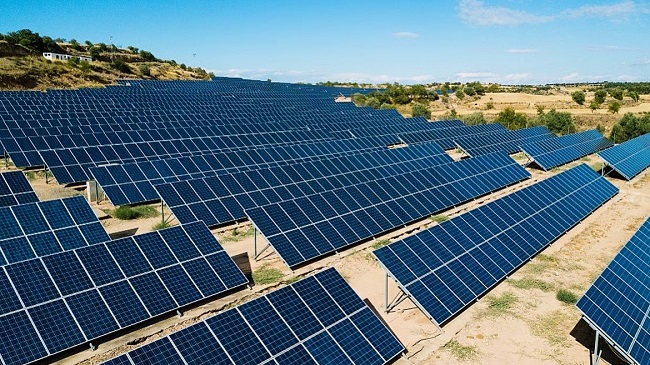
An example in Al Jouf, Saudi Arabia, shows a 2017 solar photovoltaics (PV) auction creating jobs in the region. The auction included a 30% local content requirement for services and equipment. By its completion in 2019, the Sakaka PV project achieved over 30% local content during the construction and development phases, with 90% of the workforce coming from Al Jouf.

A similar result was seen from Morocco’s Noor-Ouarzazate solar complex, where 30%-35% of the project’s components and services were sourced locally. Seventy percent of the project’s workers, which included many women, were locally hired.

Some auctions can also include other requirements which direct project benefits towards the host community, for example in the form of clean electricity, shared revenues, or social services such as school, health care, water and sanitation. In the case of El Salvador’s first solar PV auction (2012-2013), winning bidders were required to allocate 3% of profits to social development programmes in the cities where the projects were located.

The above examples show that in addition to achieving competitive prices, auctions can also be designed to address socio-economic challenges.

But this means shifting auction design from short-term profit objective to a long-term vision; to ensure risks and benefits are shared fairly, outcomes are sustainable, and projects maximise socio-economic benefits. When conditions are in place for countries to build robust legal and regulatory frameworks, sustainable balance sheets, skilled workforces, and resilient local industries, it will be easier to attract market players over time. So, it is in everyone’s interest to see auction design as a long-term strategy.

By Hannah Sofia Guinto, Associate Programme Officer – Policy and Finance, IRENA