Home Blog Page 207

International Day of Clean Air: What to know about air pollution

0

Car exhaust. Factory smoke. Wildfire haze. Chances are, no matter where on Earth you live, you’re exposed to some form of air pollution almost every day.

The consequences of this pollution can be debilitating – and deadly. Air pollution caused 8.1 million premature deaths in 2021 alone, found one prominent study.
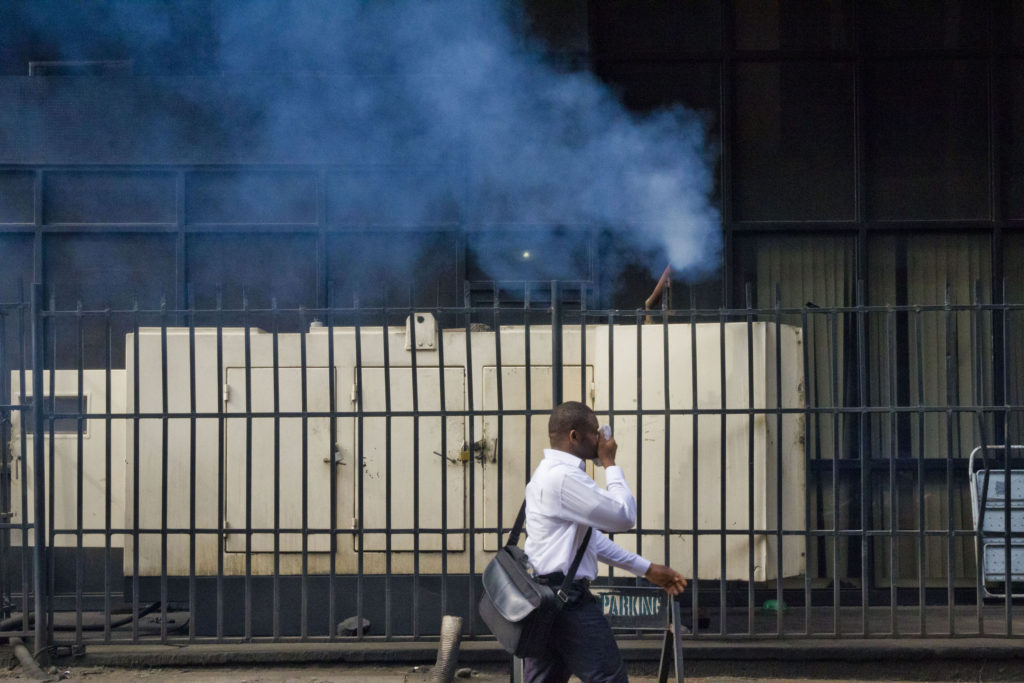
Generator Pollution
The WHO says that, in one year, 46,750 persons died as a result of outdoor pollution in Nigeria

On Sunday, September 7, 2025, the world celebrated the International Day of Clean Air for blue skies, which showcases solutions to air pollution. The theme this year is “Racing for Air”, which reflects the urgent need to address what United Nations Secretary-General, António Guterres, has called a “global emergency.” It is also a nod to the growing support for clean air among sports associations.

Designated by the United Nations General Assembly in 2019, the day aims to strengthen international cooperation in improving air quality and reducing air pollution, recognising the critical importance of clean air for human health and the environment. It emphasises the need for collective efforts from governments, corporations, and individuals to address air quality issues and promote sustainable practices.

“Just like athletes, we all need clean air to move, perform and thrive,” says Steven Stone, the Deputy Director of the Industry and Economy Division of the United Nations Environment Programme (UNEP). “Clean air supports healthy people, resilient communities, strong economies and a healthier planet.” 

As the world commemorates the International Day of Clean Air, here’s a look at what air pollution is, why it’s harmful and what can be done about it. 

  1. Air pollution comes in many forms 

There are two main types of air pollution: indoor and outdoor.  

Indoor air pollution comes chiefly from the burning of wood, charcoal, animal dung and other so-called “solid fuels” which are used by billions around the world for cooking. When these fuels are set ablaze, they release microscopic specs of dust, soot and black carbon, which are collectively known as fine particulate matter.  

Outdoor air pollution comes from an array of sources, including factories, motor vehicles – even forest fires and dust storms. Experts say the most concerning pollutants are: 

  • PM 10 and its smaller cousin PM 2.5, two types of fine particulate matter that often spring from the burning of fossil fuels; 
  • carbon monoxide, an odourless gas that commonly comes from the combustion of wood, kerosene and charcoal; 
  • ground-level ozone, a major component of smog that is created when sunlight comes into contact with certain gasses; and 
  • nitrogen dioxide and sulfur dioxide, two compounds often produced by fossil-fuel-burning factories and vehicles. 
  1. Air pollution is everywhere 

Ninety-nine per cent of people on Earth breathe air the World Health Organisation considers polluted.  

  1. Air pollution is terrible for human health 

Particles less than 10 microns in size – also known as PM10 – can penetrate deep into the lungs, causing inflammation and damaging the lining of the respiratory tract. PM2.5 is even more problematic. These particles are small enough to enter the bloodstream, where they can affect every organ in the body. Air pollution has been linked to a range of serious health problems, including pneumonia, heart disease, stroke, lung cancer and stillbirths.  

  1. Air pollution can be deadly  

In 2021, air pollution led to more than 8.1 million premature deaths, found a study by the non-profit Health Effects Institute. That is more than one in eight deaths worldwide. More than 700,000 of the fatalities were in children under five. 

  1. Air pollution can make popular pastimes, like playing sports, impossible. 

Air pollution has imperiled major sports events everywhere from Canada to India, with spiking levels of contaminants like PM2.5 posing a risk to players. That’s in part why sports governing bodies have joined the push for cleaner air, including World Athletics, which sanctions track and field events. It has installed air quality sensors around stadiums to detect poor air quality, especially risky to runners.  

  1. Air pollution feeds the climate crisis 

Many of the same substances that make people sick also trap heat near the Earth’s surface, stoking climate change. In fact, research suggests these so-called super pollutants – which include methane and black carbon – are responsible for a large percentage of global warming to date. 

  1. Reducing air pollution can save lives and help achieve the Sustainable Development Goals (SDGs) 

The 17 goals are humanity’s blueprint for a better future and several hinge on reducing air pollution. Reining in airborne toxins can, obviously, help improve public health (SDG3). It can also counter poverty (SGD1) by allowing workers to be more productive and reducing the number of lost work days. It can help reduce inequalities (SDG10) because vulnerable groups, including children and the elderly, tend to suffer the most from dirty air. Tackling air pollution can even help counter hunger (SDG2). One common airborne pollutant, ground-level ozone, inhibits the growth of crops.  

  1. Ending air pollution requires international cooperation 

Air pollutants can travel across borders, with ozone and some types of particulate matter capable of radiating out hundreds or thousands of kilometres from their source. That’s why experts say the only way to tackle air pollution at scale is for countries to share their knowledge, align their strategies and mobilize their resources in partnership with each other.  

  1. Air pollution is avoidable 

Since air pollution comes in many forms, there is no one-size-fits-all solution. But there are some simple, cost-effective things cities and countries can do to begin to address the problem. Those include: 

  • build robust air pollution monitoring systems to inform data-driven policies and early warning systems;  
  • share real-time air quality data with the public in an easy-to-understand way; 
  • limit emissions from known sources of pollution through laws and regulations; 
  • map out the economic benefits of addressing air pollution, which often far exceed the costs; and 
  • strengthen the institutions designed to address air pollution. 

Businesses and individuals also have an important role to play in the campaign against air pollution, says UNEP’s Stone. 

“We’re going to need everyone pulling together if we’re going to win the race to clean air,” he says. 

A recent report from the World Bank found that integrated policies targeting the heating, cooking, transportation, agriculture and waste sectors could halve the number of people globally exposed to dangerously high levels of air pollution. 

  1. The United Nations is working hard to counter air pollution 

The UN has spent decades helping countries, cities and communities tackle this crisis. Partnerships among key stakeholders have been powerful in supporting efforts to beat air pollution. Those initiatives include the Climate and Clean Air Coalition and BreatheLife

The UN has also come together under the Common Approach to a Pollution-Free Planet. This framework is designed to help UN bodies collectively address pollution challenges through their respective mandates, thus leading to more impact, with the goal of ensuring a clean, healthy, sustainable environment for everyone on Earth.
PETROAN joins NUPENG, issues strike notice over Dangote CNG trucks

0

The Petroleum Products Retail Outlets Owners Association of Nigeria (PETROAN) has announced a three-day forewarning of suspension of lifting and dispensing of petroleum products commencing from the early hours of Tuesday, September 9, 2025.

PETROAN’s National President, Dr Billy Gillis-Harry, in a statement issued on Sunday, September 7, 2025, said the forewarning on suspension of dispensing petroleum products was in advocacy for healthy competition as against any form of monopoly in the sector.

Dangote Refinery
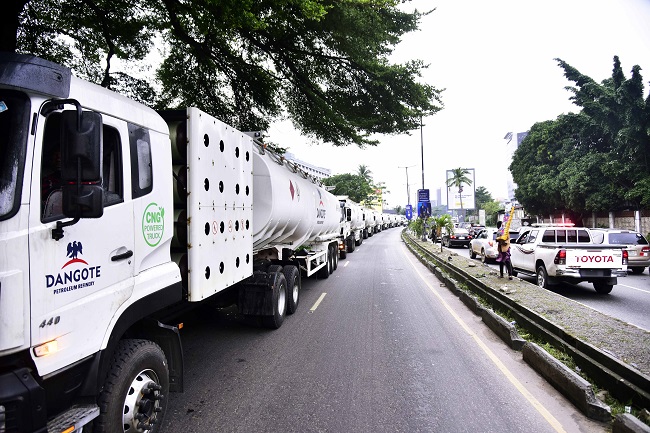
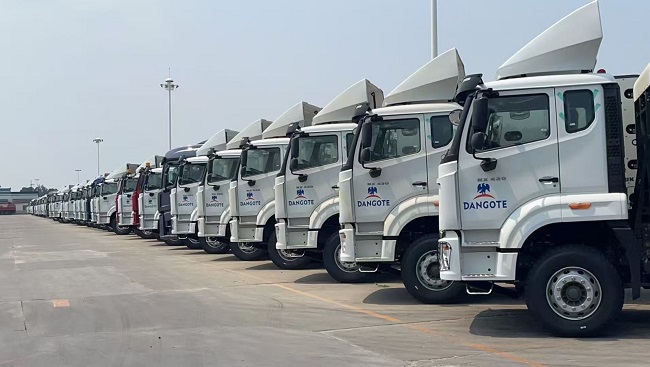
Dangote Refinery CNG trucks

The Nigeria Union of Petroleum and Natural Gas Workers (NUPENG) had announced that its members would commence a nationwide strike from Monday, Sept. 8.

The strike is in protest against what it described as anti-union labour practices, linked to the deployment of newly imported Compressed Natural Gas (CNG) trucks by the Dangote Refinery, for direct distribution of petroleum products.

Dangote’s programme on direct distribution of petroleum products to end users is aimed at eliminating logistics costs, enhancing energy efficiency, promoting sustainability and supporting Nigeria’s economic development.

Gillis-Harry emphasised that the action of NUPENG would be both lawful and peaceful, underscoring the association’s commitment to promoting workers’ rights and benefits through constructive engagement.

“PETROAN underscores its commitment to advancing the interests of Nigerian citizens in the pricing stability of the petroleum sector and promoting a stable and productive industry,” he added.

He called on President Bola Tinubu, Minister of State for Petroleum (Oil), and the Authority Chief Executive, Nigerian Midstream and Downstream Petroleum Regulatory Authority (NMDPRA), to intervene in the proposed actions of NUPENG and PETROAN.

He also called on the Group CEO of Nigerian National Petroleum Company Limited (NNPC Ltd.), the Director-General of DSS and the Inspector General of Police to intervene urgently in the actions.

The intervention, he said, would avert potential hardship and pain on citizens arising from the suspension of lifting and dispensing of petroleum products.

He appealed to the President to find a solution to the crisis and ensure the smooth operation of the oil and gas sector to minimise disruptions to the nation’s economy.

Gillis-Harry further said that pump attendants at PETROAN-member filling stations were equally registered members of NUPENG, hence, the strike by NUPENG would mean these attendants would be absent from duty.

He warned filling station owners not to discipline or sack any pump attendant who would be absent from duty until the end of the strike.

He said that PETROAN had earlier advocated for healthy competition in the oil and gas sector, as opposed to monopolistic tendencies, adding that the aggressive business strategies of Dangote Refinery would have far-reaching consequences.

He listed the consequences to include pushing private depot owners, modular refinery operators, marketers, retail owners, truck owners, and truck drivers out of business.

These, he said would trigger millions of unemployment nationwide, with devastating effects on the economy and livelihoods.

He advised Nigerians to view any initial strategy aimed at gaining monopoly as a “Father Christmas” promise, cautioning them not to forget the events that unfolded in the cement industry.

“Nigerians should be vigilant and not be swayed by promises that may seem beneficial in the short term but could have long-term negative consequences.

“In a bid to mediate on the proposed shutdown, PETROAN held an emergency ordinary national general meeting, where it resolved to hold consultations on Sunday and Monday.

“In the event of no fruitful outcome, the PETROAN Congress agreed not to sack any employee who participates at all retail outlets nationwide by the early hours of Tuesday.

“To enforce this decision, a 120-man compliance team will be mobilised as watchdogs to ensure safety of our member’s facilities.

“As a critical player amongst stakeholders, PETROAN will join other stakeholders in ensuring healthy competition in the oil and gas sector to promote a conducive environment for workers, foster sector growth, and ultimately benefit the Nigerian economy,” the expert said.

Meanwhile, the Nigeria Labour Congress (NLC) has called on President Bola Tinubu to promptly intervene in the face-off between the Nigeria Union of Petroleum and Natural Gas Workers (NUPENG) and the Dangote Group,

The congress specifically called on the President to call on the Dangote Group to comply with labour laws and international conventions.

NLC made the call in a statement signed by its President, Mr. Joe Ajaero, which was made available to newsmen in Abuja.

The statement was sequel to the announcement by NUPENG that it would commence a nationwide strike from Sunday, over what it described as Dangote’s “anti-union practices, monopolistic agenda, and indecent industrial relations strategies.”

Ajaero called on the President to “immediately call Aliko Dangote and Alhaji Sayyu Dantata to order” and impress on them to respect the nation and international law

Ajaero added that the government must not look the other way while a few individuals privatise the nation’s energy future and enslave its workforce, stressing,

The NLC President accused Dangote Group of exploiting Nigerian workers while disregarding their constitutional rights to unionise and bargain collectively.

“The NLC unequivocally condemn the anti-union, anti-worker, and monopolistic practices of the Dangote Group and its affiliates.

“Nigerian workers are not slaves and cannot be serially abused without consequences,” he said.

Ajaero said the congress further demanded the immediate unionisation of Dangote Refinery and all its subsidiaries.

Accordig to him, preparations are underway for a united resistance in solidarity with NUPENG, including possible industrial action.

“If Dangote continues on this reckless anti-union path, we will move beyond words to action.

“Our solidarity is not negotiable. We will fight because we must.

“The working class must not be sacrificed on the altar of corporate greed,” he said.

But the Federal Government has appealed to the National Union of Petroleum and Natural Gas Workers (NUPENG) to suspend its planned nationwide strike scheduled for Monday, Sept. 8, 2025.

Mr. Muhammad Dingyadi, Minister of Labour and Employment, made the appeal in a statement issued on Sunday in Abuja and signed by Ms. Patience Onuobia, Head of Press and Public Relations in the ministry.

Dingyadi urged the union to reconsider its decision, warning that shutting down the petroleum sector would severely cripple the Nigerian economy and worsen the hardship faced by citizens.

“I have intervened in this matter and invited all parties for a conciliation meeting,” he said.

The minister also appealed to the Nigeria Labour Congress (NLC) to withdraw its red alert directing affiliate unions to prepare for solidarity action with petroleum workers.

“The petroleum sector is the core of our economy.

“Even a day’s strike will cause heavy revenue losses, running into billions, and bring untold hardship to Nigerians,” he added.

He assured the public that the dispute between NUPENG and the Dangote Group over unionisation rights would be resolved peacefully to avoid any disruption in the vital oil and gas industry.

“I plead with the unions to give peace a chance.

“This matter will be resolved amicably, to the satisfaction of all parties involved,” he added.

By Emmanuella Anokam and Joan Nwagwu

Lokpobiri, Ekpo, Adelabu, Komolafe, Ojulari, others to lead talks at NAEC Energy Conference 2025

0

On Thursday October 9, 2025, high profile stakeholders in the Nigerian oil & gas, power, mines, steel and solid minerals sectors including ministers, regulators, and operators will converge on Eko Hotel Lagos for the Annual NAEC Energy Conference 2025 organised by the Association of Energy Correspondents of Nigeria (NAEC).

NAEC has noted that Senator Heineken Lokpobiri, Minister of State for Petroleum Resources (Oil); Ekperikpe Ekpo, Minister of State for Petroleum Resources (Gas); Chief Adebayo Adelabu, Minister of Power; Gbenga Komolafe, Chief Executive, Nigerian Upstream Petroleum Regulatory Commission (NUPRC); Farouk Ahmed, Chief Executive, Nigerian Midstream and Downstream Petroleum Regulatory Authority; and Bashir Bayo Ojulari, GCEO of the NNPC Limited, will be among the speakers at the NAEC Energy Conference 2025.

Ministers
Minister of State, Petroleum Resources (Oil), Sen. Heineken Lokpobiri (left) with Minister of State, Petroleum Resources (Gas), Ekperipe Ekpo

A statement released on Sunday, September 7, 2025, jointly signed by Mr. Ugo Amadi, NAEC Chairman, and Dr. Adeola Yusuf, Chairman, Conference Planning Committee, said the theme of the conference is “Nigeria’s Energy Future: Exploring Opportunities and Addressing Risks for Sustainable Growth.

According to the statement, the slated speakers include Lokpobiri, Ekpo, Adelabu, Komolafe, Ahmed, and Ojulari, who will be presenting special keynote addresses and goodwill messages to set the tone of discussions at the event.

The Association also announced that Dr. Uche Ogah, President of Masters Energy Group, would serve as the confab chairman.

The organisers explained that the 2025 edition of the annual NAEC Energy Conference would bring together policymakers, regulators, operators, and stakeholders across the oil, gas, and power sectors for robust discussions on the future of Nigeria’s energy industry.

According to the programme schedule, the conference will have three panel sessions coming up immediately after the opening ceremony. 

The first panel session will centre around the upstream sector of the petroleum industry, with the topic, “Actualising Nigeria’s Energy Future: Optimizing opportunities and investments for Oil and Gas Production Growth.”

The second panel session focuses on trends in the oil refining, gas processing, product marketing and distribution space, with the topic, “Driving Sustainable Energy Future through Investment in Midstream and Downstream Infrastructure.”

The third and last panel session will explore issues in the power generation, transmission and distribution segments as well as renewable energy penetration under the topic, “Unlocking Power Sector Potential: Infrastructure, Investment, and Innovation for Sustainable Future.”

Besides, NAEC has announced that the 2025 conference would feature the ‘NAEC Industry Awards’, with a streamlined format that will have some merit categories and winners

The statement quoted the association’s chairman to have explained that the move reflects NAEC’s commitment to promoting accountability and inclusivity in the sector, giving professionals and citizens alike the opportunity to actively recognize excellence within the industry.

On his part, Yusuf noted that the NAEC Conference has built a strong reputation as one of Nigeria’s most respected platforms for policy dialogue, knowledge exchange, and networking. 

He added that this year’s innovation in the awards segment would set a new benchmark for transparency and industry recognition.

He confirmed that registration for the conference is now open through NAEC’s official website.

 Yusuf hinted that the 2025 edition would also feature a pre-conference workshop for NAEC members, sponsored by a leading Nigerian energy company, before the end of this month.

Other expected dignitaries to drive robust conversations on Nigeria’s energy future include: Felix Ogbe, Executive Secretary, Nigerian Content Development and Monitoring Board (NCDMB); Dr. Orji Ogbonnaya Orji, Executive Secretary, Nigeria Extractive Industries Transparency Initiative (NEITI); Chichi Emenike, Acting MD/Gas Asset Manager, Neconde Energy Limited; Ed Ubong, Coordinating Director, Decade of Gas Programme;Tony Attah, MD/CEO, Renaissance; Mr. Roger Brown, MD, Seplat Energy Plc.

Others are: Dr Chris Offokansi, Head of Industrial Relations and Resources, Sterling Oil Exploration and Energy Production Company Limited (SEEPCO); Suresh Kumar, MD, NIPCO; Ademola Adeyemi-Bero, MD/CEO, FIRST E&P; Mr. Adegbite Falade, MD. Aradel Holdings Plc; Mrs. Moroti Adedoyin-Adeyinka, Executive Director, Sahara Group; Dr. Alex Irune, CEO, Oando Energy Resources; and Folake Soetan, MD/CEO, Ikeja Electric.

Also, on the discussion rosters are Mr. Akachukwu Nwokedi, President, Nigerian Gas Association (NGA); Dr. Gabriel Ogbechie, Group Managing Director, Rainoil Limited; Ogbemi Ofuya, Group CEO, Axxela Group; Mrs. Rekhiat Momoh, MD/CEO, EKEDC; Johnbosco Uche, President, Nigerian Association of Petroleum Explorationists (NAPE); and Dr. Phillip Mshelbila, CEO, NLNG.

Besides, amongst the prime speakers are Wole Ogunsanya, Chairman, Petroleum Technology Association of Nigeria (PETAN;) Osa Igiehon, CEO, Heirs Energies Ltd; Jennifer Adighije, MD/CEO, Niger Delta Power Holding Company (NDPHC); Mokhtar Bounour, MD/CEO, Egbin Power Plc; Mr. Abba Aliyu, MD, Rural Electrification Agency (REA); and Mr. Clement Isong, CEO, Major Energies Association of Nigeria (MEMAN).

HEDA to train media, communicators on transforming climate narratives into action

0

In a bid to close the gap between the lived realities of climate change and the urgent need for more innovative, impactful storytelling that can influence policies and drive climate-smart local action in frontline communities, the Human and Environmental Development Agenda (HEDA Resource Centre) has announced a four-day media training programme.

The initiative is designed to equip journalists, creatives, and digital storytellers with the skills to move climate change narratives beyond abstract headlines and transform them into compelling stories that inspire action and accountability.

Sulaimon Arigbabu
Executive Secretary of HEDA, Sulaimon Arigbabu

In a statement signed by HEDA’s Executive Secretary, Sulaimon Arigbabu, the free capacity-strengthening programme, structured as a certificate course, will run from September 16 to 19, 2025. The training will feature leading experts working at the intersection of climate justice, media, gender equality, creative arts, and digital technology.

According to Arigbabu, the programme underscores the critical role of the media and creative sectors in shaping public understanding of climate issues. He noted that while floods, droughts, and extreme weather events increasingly disrupt communities, environmental stories in the media are often underreported or lack the depth required to galvanize meaningful action.

“This initiative therefore seeks to provide participants with the tools to tell compelling, inclusive, and relatable stories that not only inform but also mobilize communities and influence decision-makers,” he said.

The training will explore how emerging opportunities in data, technology, and digital platforms can be harnessed to cut through misinformation, amplify marginalised voices, and push for accountability in climate governance. Sessions will cover a wide range of topics, including the science and impacts of climate change, the role of technology in shaping climate decisions, media framing of environmental issues in Nigeria and Africa, and the human rights dimensions of climate justice.

Additional modules will examine the impact of climate shocks on Nigerian communities, the African context of climate justice, storytelling for advocacy, and the use of digital media tools for effective campaigns.

HEDA disclosed that the workshop is open to journalists, artists, filmmakers, writers, social media influencers, and other creatives across Nigeria and Africa. Successful participants will receive certificates upon completion. Interested applicants are encouraged to register via the official link: https://bit.ly/climatecreatives.

HEDA Resource Centre further disclosed that the virtual masterclass will serve as a prelude to its full immersive residential bootcamp on climate storytelling, scheduled for later in September.

FCT Department, engineers partner on engineering systems for disaster management

The FCT Emergency Management Department (FEMD) has forged partnership with the Council for the Regulation of Engineering in Nigeria (COREN) on engineering systems to enhance disaster management in Abuja.

The Acting Director-General of FEMD, Abdulrahman Mohammed, made this known when he paid a courtesy visit on the Registrar of COREN, Prof. Okorie Uche, in Abuja.

COREN
Acting Director-General of FEMD, Abdulrahman Mohammed, with the Registrar of COREN, Prof. Okorie Uche, in Abuja

According to Abdulrahman, engineering system is failing, and when it fails, it causes disasters particularly on roads.

He attributed the rising incidents of petrol tanker accidents to carrying above the approved capacity and the absence of weigh-in bridge on the roads.

“COREN must police the system to make our work easier.

“We must collaborate in terms of rules and regulations so that we can sanitise the system.

“Plane crashes, refinery collapse or dam failure are major engineering system failures and when they fail they cause disasters.

“So, we need you to put us in your regulations particularly the Engineering Regulations Monitoring (ERM), to enhance emergency preparedness and management,” he said.

Responding, Prof. Okorie Uche, assured that COREN would collaborate with FEMD technically to ensure public health safety and the environment.

“We need to check a lot of things for public safety.

“In this 21st, we should not be having petrol tanker explosions, it means we did not study the safety lines,” he said.

By Angela Atabo

Kogi will never experience devastating flooding, erosion again – Ododo

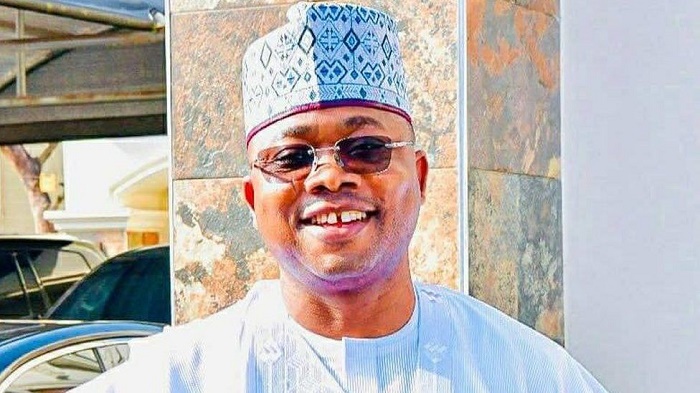
Gov. Ahmed Ododo of Kogi State on Saturday, September 6, 2025, vowed to keep the people of the state safe by deploying the needed Infrastructure to curb impending flooding and erosion threats.

Ododo gave the assurance in a statement signed by the Commissioner for Information and Communications, Mr. Kingsley Femi Fanwo, in Lokoja, the state capital.

Kogi State
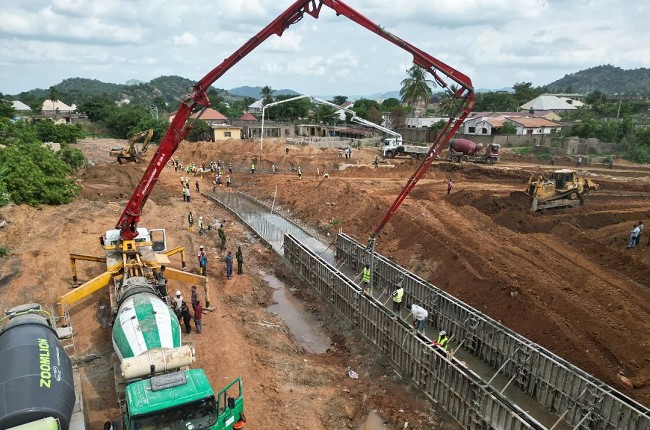
Contruction of drainage channel in Kogi State

The governor said that the deployed infrastructure were designed to provide lasting solutions to ecological challenges across the state.

He said that his administration is determined to change the face of Kogi with solution-tailored infrastructure that guaranteed safety, sustainability, and improved quality of life for the people.

“The newly constructed drainage systems in parts of the state, including Etahi, Omigbo and Olubojo in Ankpa, have already begun delivering results.

“Our drains are working as designed. Rainwater is being efficiently collected and channeled away, reducing the risk of flooding. Within minutes of heavy rainfall, the water is soaked away, leaving communities safe and accessible,” he said.

According to him, the government is leveraging the Agro-Climatic Resilience in Semi-Arid Landscapes (ACReSAL) Project to strengthen flood control measures and reclaim land previously destroyed by ecological challenges.

He stressed that the Mr. Ladi Jatto led Kogi ACReSAL has become a game-changing platform for the administration, which is making the best of the opportunities it offered to drive sustainable solutions for ecological challenges.

Ododo added, “My administration’s environmental initiatives reflect my vision of building resilient communities through sustainable projects that directly addressed the peculiar needs of the state.

“Kogi is no longer just reacting to ecological disasters; we are proactively deploying infrastructure that prevents them. This is a new dawn in our approach to flood control and environmental sustainability.”

Kogi is one of the states in Nigeria that has experienced devastation from flood in past years.

By Thompson Yamput

Dangote advocates urgent prioritisation of manufacturing over raw materials export in Africa

0

Africa’s wealthiest man and President of Dangote Industries Limited, Aliko Dangote, has called on Africans to leverage on internal strengths and global opportunities to fill existing gaps, and adopt a deliberate re-orientation toward industrialisation of Africa’s manufacturing sector, as a panacea against the current global economic instability.

The renowned entrepreneur encouraged operators in the manufacturing and industrial sectors across the continent to embrace a fundamental shift in mindset and develop robust regional value chains and deepen intra-African trade as inward solutions to boost overall development across the continent.

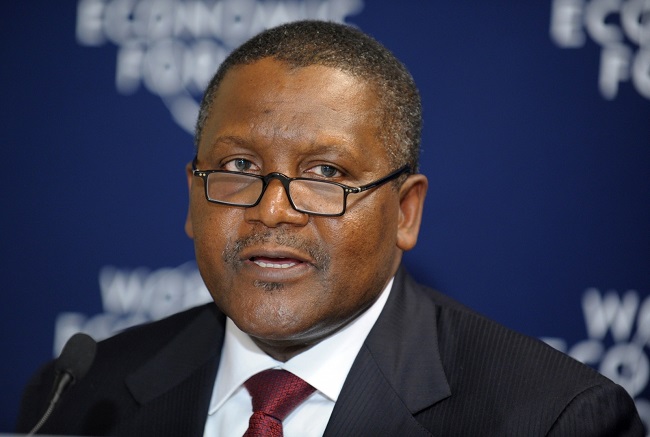
Aliko Dangote
Aliko Dangote

Dangote, who noted that current geo-political tensions and trade wars have caused major economies to reevaluate their traditional trade partnerships with a view to diversifying their supply chains, also urged African exporters to benefit from the current process to fill the gap by competitively supplying the required products.

These recommendations were contained in Dangote’s welcome address at the company’s Special Day at the ongoing 4th Intra-African Trade Fair holding in Algiers, Algeria, where he was represented by his Special Adviser and Representative, Ahmed Mansur.

“I am glad to be here at the 4th Intra-African Trade Fair (IATF). I am immensely grateful to the organisers – not only for inviting me and giving me the opportunity to speak – but also for going a step further by dedicating this remarkable day to my organisation, Dangote Group. To have today officially set aside as Dangote Day is both an honour and a privilege.

“I thank the conveners – The African Export Import Bank, the African Union Commission and the Africa Continental Free Trade Area Secretariat – for organising this event. We appreciate the invaluable contributions you have made and the excellent work you continue to do in promoting, facilitating, and deepening trade and investment across the continent”, Dangote added.

According to him, “this year’s theme, ‘Gateway to New Opportunities’, resonates deeply as a powerful reminder of the huge potential and prospects that abound across the African continent. For too long Africa’s resources have been exported as primary commodities in their raw and unrefined state with limited domestic processing or beneficiation.

“There must be a fundamental shift in mindset and a deliberate re-orientation toward industrialisation and the development of Africa’s manufacturing sector. While this was always necessary in the past, it is even more urgent today, given the alarming rise in youth unemployment, and the need for sustainable, inclusive growth,” he added.

The business tycoon observed that current geo-political tensions and trade wars have caused major economies to reevaluate their traditional trade partnerships with a view to diversifying their supply chains. 

“African exporters could benefit if they can fill the gap by competitively supplying the required products. Furthermore, global instability has encouraged African nations to look inward and actively pursue greater regional self-reliance. This inward focus can catalyse the development of robust regional value chains and significantly deepen intra-African trade,” he advised.

“At Dangote, we are very proud of our Afrocentric posture, driven by an unwavering commitment to the continent’s growth and industrial transformation. We have added value to limestone and created the largest cement company in sub Saharan Africa with an aggregate cement production capacity of about 52MMtpa across 10 countries,” Dangote stated.

“Similarly, our 3MMtpa urea plant has contributed to the attainment of fertiliser self-sufficiency. Nigeria, once solely reliant on imports is now a net exporter of granulated urea to destinations in Africa as well as to South America, North America and Europe.

“More recently, we have witnessed the commencement of operation of Africa’s biggest oil refinery – also the world’s largest single-train facility, with a capacity of 650kbpd. This landmark project is gradually reducing the region’s long-standing dependence on imports of refined petroleum products, particularly from Europe, while also generating surplus for export to global markets. As Africa becomes more self-sufficient in energy it should reduce our vulnerability to external shocks and supply disruptions.

“Africa’s potential and prospects are immense. However, this potential will only be fully actualised if individual nations take deliberate steps to improve their business environment. Unlocking new economic opportunities requires the implementation of appropriate policy reforms, investment in infrastructure, and attractive sector wide incentives to facilitate the inflow of private capital,” Dangote concluded.

At the Dangote Special Day, which drew admirers and various attendees, various Business Units of the conglomerate such as Dangote Cement, Dangote Sugar, Dangote Salt (NASCON), Dangote Fertiliser, Dangote Polypropylene, and Dangote Packaging did presentations and urged greater collaboration among trade partners and manufacturers across Africa for the development of the continent.

Advocate joins Nigeria’s ruling party to promote environmental governance

0

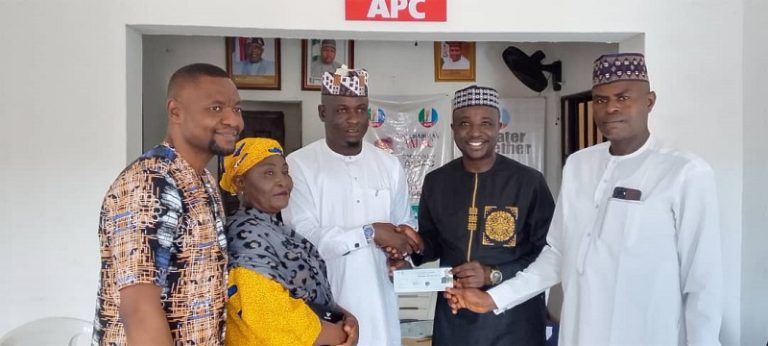
Seasoned journalist and environmental rights crusader, Etta Michael Bisong, has joined Nigeria’s ruling party, the All Progressives Congress (APC), as part of his efforts to combat climate change through effective governance.

Speaking on Friday, September 5, 2025, in Abuja, shortly after being received by the party executives, Bisong, who currently serves as the director of Media and Publicity for the APC Climate Change Network (ACCN), disclosed that his choice of going into politics was informed by his understanding of the relationship between real-life development and political power.

APC
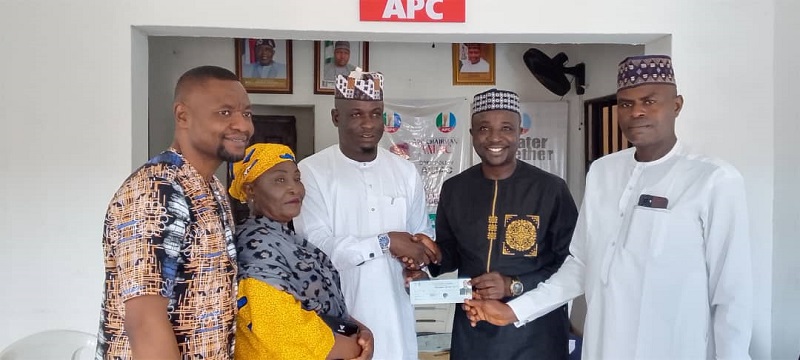
Participants during the official ceremony held in Abuja, Nigeria’s capital.

According to him, all are familiar with the reality of climate change, as its devastating impacts are no longer distant possibilities but what frontline communities experience every day. From flooding issues to extreme weather conditions and the displacement of our families in different locations across the country and around the globe, not to mention the food insecurity challenges that are cropping up and the critical infrastructure that it affects.

However, Bisong pointed out that even in the face of all the climatic challenges that Nigeria is experiencing as a country, opportunities lie ahead for it to explore, because intentional climate governance provides the nation a superlative chance to reinvent its development pathways and to innovate and build resilience that benefits not only the present but generations to come.

“True climate action can only be achieved through effective governance,” he stated, which is why he believes environmentalists should enter politics to strengthen their campaign.

As a result, the communicator-turned-politician urged other well-intentioned environmental activists to join the political movement in order to further their advocacy and assure a sustainable future for all Nigerians, Africa, and the world.

His heartfelt gratitude goes to Citizen Greg Odogwu, the ACCN’s national coordinator, for spearheading this historic process, as well as the entire executive team of the APC, Wuse, Ward, for their show of love and for welcoming him into this incredible community.

In the same vein, Citizen Greg Odogwu, the ACCN’s national coordinator, hinted that he has been a member of the ruling APC since 2014. He clarified that he chose to call himself a “citizen” in order to use the term as a catchphrase to inspire everyone to be patriotic.

“I happen to be the national coordinator of the APC Climate Change Network (ACCN), because I am trying to bring value of what I do to this space,” he told the participants who gathered to witness the groundbreaking ceremony.

Odogwu, a seasoned environmental journalist, said Bisong’s joining the ruling APC was a huge plus because he will be using his more than 17 years of experience in the media and climate field to help the party win over more green votes during the upcoming general elections in 2027 and beyond.

Ayuba Idi, the chairman of Wuse Ward, in his remarks, commended Bisong for his choice of choosing the ruling APC to foster environmental change.

According to him, the APC is a community for anyone who is aspiring to transform the nation through the delivery of good governance.

He underscored the party’s constitution, which he said is supreme and above all the members, no matter how highly placed or influential the person may be in the society.

In conclusion, Idi thanked members of his executive team for making time to be part of the occasion and urged everyone to remain faithful and avoid anti-party activities, warning that it’s a strong violation of the party ethical guideline.

By Nsikak Emmanuel Ekere, Abuja

Accelerating scalable climate solutions for cities through the NDCs

0

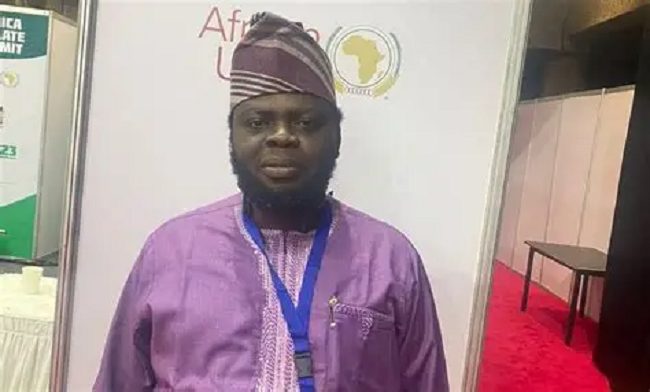
At the Implementation Lab on Cities at the ongoing Africa Climate Week in Addis Ababa, I joined the session and we reflected on the fact that cities are always at the frontline of the climate crisis, yet they also hold the solutions. Therefore, to unlock the full potential of cities, we must accelerate scalable, implementable actions across urban areas, backed by proper financing, governance capacity, and inclusive leadership.

It is obvious that cities continue to face a financing gap and weak local government capacity that is limiting their ability to take leadership. The people in informal settlements remain highly vulnerable to climate impacts, underscoring the need for inclusive planning. One thing that became clear to us was that ambition alone is not enough but implementation – this remains the true test of leadership for cities.

Gboyega Olorunfemi
Gboyega Olorunfemi

Several examples were showcased which include: the Durban’s community-based early warning systems to protect vulnerable residents; Dakar’s Bus Rapid Transit (BRT) solutions reducing emissions and improving mobility; Brazil’s “Adapt-a-City” initiative supporting 600 cities; and, Rwanda and Philippines partnerships fostered through the World Resources Institutes’ (WRI) “bringing national and subnational actors together”.

These examples did not just provide hope, but they also led us to some of the key barriers, such as: Sustainability of financing projects; project preparation gaps that hinder access to climate funds, and catalytic funds that are often misdirected to actors without financial expertise – this trend must be corrected.

For effective cities emancipation, key takeaways from the lab are that stronger collaboration between national and subnational governments is important; co-ownership of financial instruments for long-term resilience is ascertained; development partners aligning catalytic finance with real local needs is guaranteed and more importantly, SMEs and community-led groups are included in financing architecture – this is part of our ongoing dedication at the Society for Planet and Prosperity ensuring that the subnational are given adequate chance and recognition.

Therefore, for Nationally Determined Contributions (NDCs) to drive real change, they must be localised. And because the NDCs are political statement of countries, the subnational governments need to be integrated into the process of developing them and national strategic financial frameworks that will enable them to attract sustainable investment outlined and strengthened.

The Green Climate Fund (GCF) and other global financial instruments must provide clear windows for national–subnational–SME collaboration. This is when climate ambition will translate into meaningful and equitable solutions for cities.

By Gboyega Olorunfemi, Senior Policy Analysts, Society for Planet and Prosperity (SPP), Addis Ababa

No subsidy in oil, gas sector – NMDPRA

0

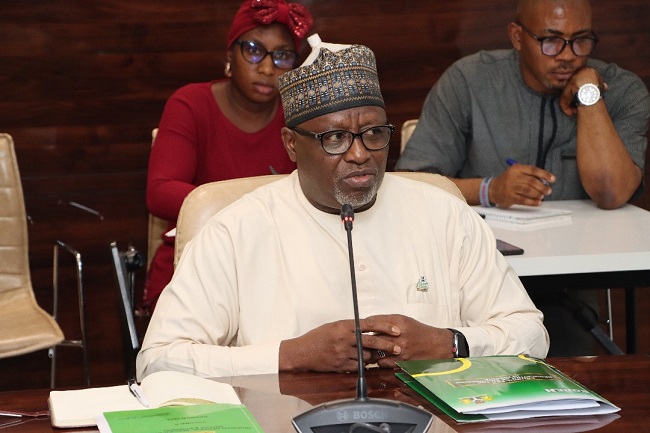
The Nigerian Midstream and Downstream Petroleum Regulatory Authority (NMDPRA) says there are no subsidies in the oil and gas sector as Nigeria operates a completely deregulated market.

Mr. George Ene-Ita, the Director, Public Affairs Department, NMDPRA, made this known in Abuja on Friday, September 5, 2025.

Farouk Ahmed
Chief Executive Officer of NMDPRA, Mr. Farouk Ahmed

Ene-Ita was reacting to the recent reports that the Federal Government has removed subsidies or increased the price of Compressed Natural Gas (CNG).

CNG refilling stations in the Federal Capital Territory (FCT) had early this week increased the product from N230 to N380 for one Standard Cubic Metre (SCM), amid long queues.

The increase in price might be connected to scarcity of the product due to lack of infrastructure which had necessitated long queues witnessed at every refilling station, especially in the FCT and Lagos.

“What we have is a baseline price for our gas resources, including CNG as dictated by the Petroleum Industry Act (PIA),” the spokesperson said.

He said that, as long as the prevailing CNG market price conforms to the baseline, then the pricing is legitimate.

Meanwhile, the Presidential Initiative on Compressed Natural Gas (P-CNGI) had said that no directive or policy had been issued by the Federal Government to alter CNG pump prices.

The P-CNGI emphasised that the recent pump price adjustments announced by certain operators were purely private-sector decisions and not the outcome of any government directive or policy.

For absolute clarity, it said while pricing matters fell under the purview of the appropriate regulatory agencies, no directive or policy had been issued by the Federal Government to alter CNG pump prices.

The P-CNGI said its mandate, as directed by President Bola Tinubu, was to catalyse the development of the CNG mobility market and ensure the adoption of a cheaper, cleaner, and more sustainable alternative fuel and diesel nationwide.

By Emmanuella Anokam