The price of diesel in Germany has climbed to more than €2 ($2.32) per litre as a result of the war in Iran, the ADAC automobile association said on Wednesday, March 4, 2026.
The group said the average cost of a litre of diesel nationwide at 7:15 am (0615 GMT) was €2.054.
Global markets have suffered significant losses in recent days following the U.S.-Israeli attack on Iran on Saturday, which has sparked a regional conflict.
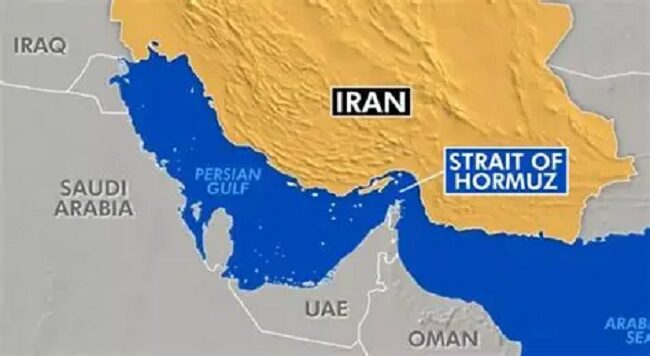
Strait of Hormuz
Oil and gas prices have surged after Tehran restricted shipping through the Strait of Hormuz, a key chokepoint for global energy trade.
Around one-fifth of the world’s daily oil shipments pass through the strait between Iran and Oman.
U.S. President Donald Trump said on Tuesday, March 3, 2026, he intends to secure shipping traffic in the Strait of Hormuz with the U.S. Navy if necessary.
Experts in the biotechnology space on Wednesday, March 4, 2026, described biotechnology as being a critical tool for stabilising a food system strained by climate change, pests, and rapidly growing population.
They said in separate interviews in Abuja that biotechnology is key to food stability in developing countries, including Nigeria.
A researcher in biotechnology, Prof Charles Adetunji, said that a direct application of biotechnology was to create climate-smart crops, adding that Nigeria faced unpredictable rainfall and increasing soil salinity in certain regions.
Cowpea
‘’Biotechnology helps develop drought-tolerant crops like maize and rice varieties that require less water, or can survive dry spells.
“Biotechnology also helps in biofortification, which is enhancing the nutritional value of staples; A prime example is Pro-Vitamin A Cassava, which helps address micronutrient deficiencies in rural communities.
“It also helps in yielding enhancement, using molecular markers to identify and breed high-yielding traits faster than traditional cross-breeding,” he said.
Adetunji stressed that biotechnology was also applicable in pest and disease management, noting that Nigeria loses billions of Naira annually to crop destruction.
“Biotechnology offers built-in protection,’’ he said.
Another expert, Dr Rose Gidado, noted that Nigeria was the first country to release Genetically Modified (GM) cowpea, which was resistant to the Maruca pod borer.
According to her, this significantly reduces the need for expensive and toxic chemical pesticides.
She disclosed that Tela maize was designed to resist the Fall Armyworm, a pest that has devastated corn fields across West Africa.
Gidado said biotechnology offers disease-free seedlings, adding that using Tissue Culture to mass-produce, promotes healthy and disease-free plantlets for crops.
“Food security is not just about grains, it is also about protein,’’ she said.
WaterAid Nigeria has commenced the third phase of its Water, Sanitation and Hygiene (WASH) intervention in Bwari Area Council of the FCT Abuja, backed by a $300,000 grant.
The one-year project, titled “Strengthening Water and Sanitation Delivery in Abuja, Year-3,” aims to enhance sustainable WASH services across selected communities.
Mr. Onaivi Orisaremi, WaterAid’s Fundraising Officer, at the event on Wednesday, March4, 2026, said the initiative would expand access to WASH services in underserved communities and suburbs within Bwari Area Council.
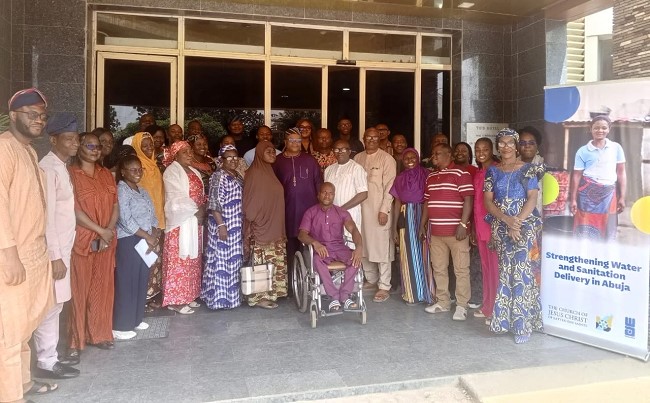
Participants at the official commencement the third phase of WaterAid’s Water, Sanitation and Hygiene (WASH) intervention in Bwari Area Council of the FCT Abuja
According to him, the intervention builds on gains recorded in the first and second phases, deepening access and strengthening sustainability mechanisms.
He explained that the project would involve the construction or rehabilitation of three water facilities and one sanitation facility, likely to be sited in a school.
The intervention is expected to provide clean water to about 6,000 residents, while 450 schoolchildren will benefit from improved sanitation facilities.
In addition, 3,000 residents will be reached through hygiene promotion and behaviour change campaigns aimed at reducing waterborne diseases.
“We cannot build water facilities and toilets without promoting proper hygiene practices. Hygiene education is critical to reducing disease burden,” Orisaremi said.
He added that three community WASH management structures would be established to oversee operations and maintenance as part of sustainability measures.
“Our goal is to ensure facilities remain operational years after completion, with communities and government taking ownership,” he said.
Earlier, Mr. Obinna Ogbodo, WaterAid’s Sanitation and Hygiene Coordinator, said communities would be selected based on identified WASH gaps, population size, accessibility, and security considerations.
He disclosed that three communities and one school would be targeted under the current phase.
Beyond infrastructure delivery, Ogbodo said the project would train community WASH structures on operations, maintenance, hygiene promotion, and water safety planning.
Communities will also be supported to implement water safety plans and conduct basic water quality testing using locally produced hydrogen sulphide vials.
He noted that the Area Council and the FCT Rural Water Supply and Sanitation Agency (RUWASSA) have budget provisions for counterpart contributions but stressed the need for timely fund release.
“Having a budget line does not automatically translate to fund release. Part of our advocacy is to ensure these funds are accessed and utilised to close WASH gaps,” he said.
Ogbodo further revealed that the second phase exceeded its target of providing water to 9,000 people by reaching over 10,000 beneficiaries.
He assured that WaterAid would continue engaging relevant departments to strengthen WASH service delivery in Bwari.
Mr. Matthew Abu, Assistant Director of Planning at FCT RUWASSA, who represented the Director, Mrs. Abigail Epenesi, said the agency provides technical and institutional support.
According to him, RUWASSA conducts geophysical surveys to determine appropriate borehole locations and prevent contamination.
“Our experts ensure water facilities are sited safely, away from sanitation facilities, to guarantee safe water for communities,” Abu said.
He added that the agency complements development partners by providing infrastructure support within its mandate.
Although some schools are constructed without adequate sanitation facilities outside RUWASSA’s direct scope, Abu said the agency intervenes when gaps are identified.
“When we discover schools lack toilets or facilities have become dilapidated, we collaborate with authorities within available resources to rehabilitate them. Our focus is preventive to protect public health,” he said.
Ibrahim Yusuf, the traditional ruler of Bwari Area Council, urged residents to take ownership of the infrastructure provided to ensure proper maintenance.
He pledged continued community support and collaboration for the sustainability of the intervention.
Nigeria is facing a silent environmental emergency. With an estimated annual deforestation rate of approximately 5% (among the highest in the world), our forests are vanishing at a pace that threatens ecological stability, rural livelihoods, and national climate resilience.
Forests are more than timber assets. They regulate water cycles, sequester carbon, conserve biodiversity, provide food and medicinal resources, and sustain millions of Nigerians through fuelwood and non-timber forest products. Yet decades of unsustainable exploitation driven by agricultural expansion, logging, fuelwood dependence, infrastructure development, and weak governance, have severely degraded forest ecosystems in Nigeria.
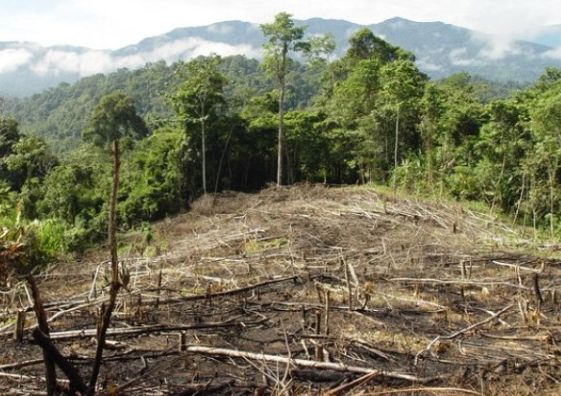
Deforestation in Peru. Photo credit: archive.peruthisweek.com
Evidence from Southwest Nigeria reveals a troubling pattern: forest governance systems remain largely revenue-driven, with insufficient emphasis on regeneration, ecosystem restoration, and community participation. Forest areas outside formal reserves, often termed “free areas”, operate under unclear tenure systems, limited legal recognition, and weak monitoring structures. This has fostered over-exploitation and accelerated forest degradation.
At the same time, poverty and energy insecurity continue to drive forest loss. Fuelwood remains the dominant domestic energy source for a large proportion of households. Agricultural expansion, particularly smallholder cultivation, accounts for the majority of forest conversion. Without viable alternatives, forest-dependent communities are locked into unsustainable extraction cycles.
The environmental consequences are severe: biodiversity loss, soil erosion, flooding, desertification in northern regions, declining water quality, and increased greenhouse gas emissions. forests in Nigeria are ecological infrastructure, basic and integral to achieving climate resilience, food security, and sustainable development goals.
At NEST, we believe that reversing forest loss requires systemic reform, not isolated interventions. Forest conservation must be anchored in governance reform, inclusive participation, energy transition, and economic incentives that align conservation with livelihood security.
The future of Nigeria’s forests depends on whether we can move from extraction to stewardship, from competition to collaboration, and from short-term revenue generation to long-term ecological sustainability.
Sidebar: Key Statistics on Forests in Nigeria
Annual deforestation rate: ~5% (among the highest globally)
Forest cover: Approximately 12% of total land area
Primary forest loss: Over 50% lost in recent decades
Fuelwood dependence: Meets about 80% of domestic energy needs
Protected areas: 8 National Parks, 445 Forest Reserves
Major driver of deforestation: Agricultural expansion (60% globally; dominant in Nigeria)
Southwest Nigeria: 80% of forests located in “free areas” with weak governance structures
ByDr. Harrison U. Nkwocha, Programme Officer, Nigerian Environmental Study Action Team (NEST), Ibadan
The Nigerian Content Development and Monitoring Board (NCDMB) on Monday, March 2, 2026, signed an international management agreement (IMA) with Radisson Hospitality Belgium, and Edison Hotel and Property Development Company, in respect of the Board’s 204-room hotel and conference centre, developed adjacent the Nigerian Content Tower, Swali, Yenagoa, Bayelsa State.
The management agreement was signed in Durban, South Africa by the Executive Secretary of NCDMB, Felix Omatsola Ogbe; Executive Chairman of Edison Corporation, Mr. Vivian Reedy; and Director of Radisson, Mr. Garnier Erwan.
Signing the agreement in Durban on Monday, the Executive Secretary of NCDMB confirmed that discussions, reviews, and compliance requirements had lasted over two years, and the agency secured the approval of all key stakeholders, including the Attorney‑General of the Federation and Minister of Justice, Lateef Olasunkanmi Fagbemi, SAN.
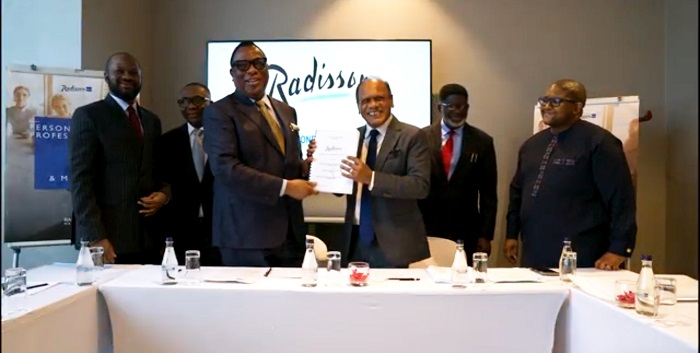
Executive Secretary of NCDMB, Felix Omatsola Ogbe; Executive Chairman of Edison Corporation, Mr. Vivian Reedy; and Director of Radisson, Mr. Garnier Erwan. signing the agreement
“Their support ensured that the Agreement meets Nigeria’s legal and regulatory standards,” he said.
The aspiration, he added, is to deliver a world‑class hotel in Yenagoa, Bayelsa State, with a fully equipped conference centre – designed to serve the oil and gas industry stakeholders and the Nigerian public.
He pledged NCDMB’s commitment to completing the hotel on schedule and achieving the opening in December. “We appreciate our responsibilities – construction quality, pre‑opening readiness, funding, safety and security compliance, and maintaining Radisson’s global standard. We will do our best to meet our obligations.”
He charged Radisson Hospitality to bring its expertise, systems, and brand strength to deliver a hotel that offers excellent service and guest experience.
He expressed hope that the partnership with Edison Hotels will create a facility that reflects global quality and supports Bayelsa’s position as an oil and gas hub.
He added that “this project reflects NCDMB’s commitment to using strategic investments to boost productivity, attract investment, build local content, and expand opportunities for business and tourism in Nigeria.
“When completed, the Radisson Hotel & Conference Centre Yenagoa will stand not only as a hotel, but also as a symbol of what strong partnerships can achieve.”
Executive Chairman of Edison Corporation, Mr. Vivian Reedy, described his organisation’s role as a bridge between the owner and the operator, highlighting the group’s intensive experience in the hotel industry, and determination to ensure alignment, transparency, accountability and performance.
“We understand that a successful hotel is not just about buildings. It is about disciplined management, strong oversight, brand integrity, and a shared commitment to excellence,” he emphasised.
Part of the group’s responsibility is to ensure that the hotel is delivered, operated, and managed in a manner that protects and announces the owner’s investment, while fully supporting Radisson in achieving operational excellence, he added.
The Executive Chairman assured that working closely with Radisson and NCDMB’s team, the Radisson Hotel and Conference Center, Yenagoa will become the leading hospitality and conference destination in Bayelsa State, a catalyst for business and investment, and a symbol of quality professionalism and international standards.
He reported that the firm has had wonderful successes with Radisson in other locations, even achieving 95% occupancies. “Our approach is to strengthen governance, support performance, and ensure the interests of the owners are always safeguarded.”
He said “this project represents more than a hotel. It represents a partnership, a trust, and a long-term vision for sustainable value creation. We thank Radisson for its global expertise and operational excellence. Edison is fully committed to ensuring that the asset performs strongly, operates efficiently, and delivers lasting value to its owner.”
Mr. Wada Ahmed Wada who represented the Attorney‑General of the Federation described the signing ceremony as historic and wished the parties success in their business relationship.
Malawi, Mozambique and Tanzania formally launched a $7.12 million initiative to jointly manage the Ruvuma River Basin and its coastal ecosystems at an inception workshop on Wednesday, March 4, 2026, in Dar es Salaam, marking the start of a five-year effort to protect one of southeastern Africa’s most vital – and most vulnerable – shared waterways.
The project, funded by the Global Environment Facility (GEF) and led by the International Union for Conservation of Nature (IUCN), represents the first comprehensive attempt to manage the 155,000-square-kilometre basin using a “source-to-sea” approach that treats land, freshwater, coastal and marine ecosystems as a single interconnected system.
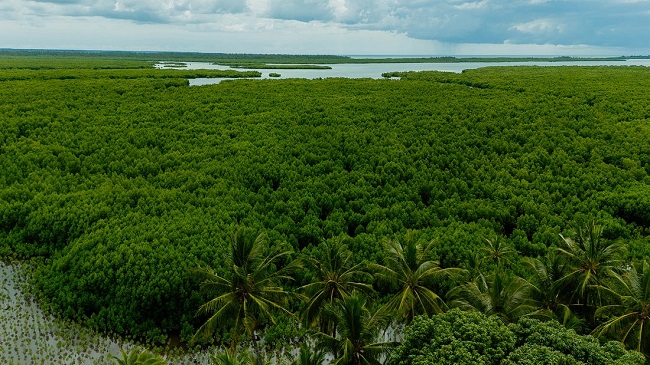
Ruvuma River Basin
The two-day workshop at the Johari Rotana Hotel is laying the foundation for long-term transboundary cooperation and reinforce shared commitments among the three riparian states toward sustainable basin and coastal management.
A river under pressure
The Ruvuma River serves as a vital water source for communities, agriculture and industries across all three countries, but the basin faces mounting threats that have outpaced efforts to manage it.
Climate change has brought unpredictable rainfall patterns and extreme weather events to the region. Comprehensive management plans remain absent, hampering sustainable use and conservation of the basin’s resources.
Reliable data is scarce, and local communities have had limited involvement in decisions affecting the waterway they depend on.
The project aims to address these gaps by safeguarding ecosystem integrity, strengthening climate resilience and supporting inclusive, sustainable livelihoods across the basin and its coastal zones.
Three countries, one basin
The Ruvuma River Basin spans three countries unevenly. Mozambique accounts for roughly 100,000 square kilometers – about 65% of the total basin area. Tanzania covers approximately 52,000 square kilometers, or 34%.
Malawi’s share is the smallest at 2,500 square kilometers, less than 2% of the basin, but the country’s participation is considered essential for integrated management from the river’s headwaters to the Indian Ocean.
Implementation will be anchored in regional and national institutions across all three states, with transboundary coordination mechanisms serving as custodians for basin-level governance.
Major investment
The GEF approved the full-sized project in August 2025, committing a grant of $7,122,018. Member states and partners have pledged co-financing commitments totaling $65.49 million, bringing the total investment envelope to more than $72 million over the project’s five-year lifespan through December 2030.
The initiative is being executed by Global Water Partnership (GWP) Southern Africa and Wetlands International Eastern Africa in partnership with the Joint Development and Management of the Rovuma/Ruvuma River Basin body.
Two years in the making
The project followed an extensive preparation process.
The GEF approved the initial concept note in January 2024, triggering a 12-month development phase that included stakeholder consultations across the basin – in Malawi’s Southern Coast Basin, Mozambique’s ARA Norte region and Tanzania’s Ruvuma and Southern Coast areas between November and December 2024.
A validation workshop was held in Lilongwe, Malawi, in January 2025, followed by endorsement from GEF focal points in all three countries before the project received final approval.
Source-to-sea approach
The project’s source-to-sea framework distinguishes it from conventional river basin management initiatives by explicitly recognising that activities upstream – deforestation, agricultural runoff, pollution – directly affect coastal and marine ecosystems hundreds of kilometres downstream.
For communities along the Ruvuma and its tributaries, the approach offers the promise of management decisions informed by the full picture rather than fragmented national perspectives.
As climate change intensifies pressure on shared water resources across Africa, the Ruvuma project could serve as a model for transboundary cooperation in a continent where more than 60 international river basins cross national borders – and where competition for water is expected to grow sharply in the decades ahead.
On the occasion of World Obesity Day (WOD) 2026 on Wednesday, March 4, Corporate Accountability and Public Participation Africa (CAPPA) has called for stricter policies to curb the aggressive marketing of unhealthy foods and beverages linked to obesity and other noncommunicable diseases (NCDs), warning that decisive regulation is critical to protect public health.
In a statement marking this year’s theme, “8 billion reasons to act on obesity,” CAPPA noted that the disease has become one of the world’s most urgent health challenges, with projections indicating that nearly half of the world’s population – about 4 billion people – could be living with overweight and obesity by 2035.
Trans fat foods
The organisation stressed that Nigeria is not insulated from this trend, saying shifting dietary patterns, rapid urbanisation, and the growing normalisation of ultra-processed foods in the national diet are negatively reshaping the country’s food environment.
CAPPA warned that the unregulated marketing, and proliferation of local market shelves with foods high in sugar, salt and trans fats, are contributing significantly to rising cases of obesity, diabetes, hypertension, cardiovascular diseases, and other diet-related conditions across the country.
According to data published by the National Library of Medicine, as of 2020, over 21 million Nigerians aged 15 years and above were overweight, while more than 12 million were classified as obese.
Particularly troubling, the group said, is the targeted advertising of such products to children and young people through television, digital platforms, in-school promotions, and outdoor advertisements, especially at festive periods.
“The aggressive promotion of ultra-processed foods to children is deliberate,” CAPPA argued, citing its latest report, titled “Unhealthy Food Hijack of Festive Periods in Nigeria”. “Food and beverage corporations are shaping taste preferences early to secure lifelong consumers, while the public bears the long-term health and economic consequences.”
To address this growing crisis, CAPPA urged governments at all levels to enact policies and enforce regulations restricting the marketing of unhealthy foods and beverages to children across all platforms.
The organisation also renewed its call for the National Assembly to substantially review the country’s Sugar-Sweetened Beverages (SSB) tax upward. CAPPA maintained that the current rate remains too low to significantly reduce consumption. Hence, it called for an increase to 50 per cent of the retail price, in line with World Health Organisation (WHO) recommendations, noting that stronger fiscal measures would both discourage excessive intake and generate revenue for health financing.
Beyond taxation, CAPPA emphasised the urgency of adopting mandatory Front-of-Pack Labelling (FOPL) that clearly warns consumers when products are high in sugar, salt, or unhealthy fats. The organisation said simple, visible warning labels would empower Nigerians to make informed choices at a glance, counter deceptive marketing tactics, and encourage manufacturers to reformulate products to meet healthier standards.
In addition, CAPPA called for the development and enforcement of a robust national salt reduction regulation, noting the link between excessive sodium intake and obesity, hypertension, which affects millions of Nigerians and is a leading risk factor for stroke and heart disease. Setting mandatory salt targets for processed and pre-packaged foods, the group argued, is a practical and evidence-based intervention to protect public health.
As the world reflects on the “8 billion reasons” to act, CAPPA stressed that Nigeria has millions of reasons of its own to confront obesity.
“Protecting present and future generations from diet-related diseases requires effective policies, firm regulation and political will that puts people before profit,” the organisation concluded.
The Executive Council of the Public Relations Consultants Association of Nigeria (PRCAN), under the leadership of Dr. Nkechi Ali Balogun, has announced the maiden edition of the PRCAN Knowledge Hub (formerly PRCAN Masterclass Series), scheduled for Tuesday, March 24, 2026.
The hybrid event will hold at the Lagos Marriott Hotel, Ikeja, and will feature renowned experts in strategic communication and digital media.
Key facilitators include Karl Haechler, CEO, Burson Africa, who will speak on “AI-Driven Strategic Communication: Mastering Algorithmic Disruption and Digital Volatility,” and Tomiwa Aladekomo, CEO, Tech Cabal Nigeria, presenting “Rewriting the PR Playbook: AI-Driven Storytelling, Media Intelligence & Reputation Management.”
Dr. Nkechi Ali Balogun, head of the Public Relations Consultants Association of Nigeria (PRCAN)
The session will be moderated by Mojisola Saka, Chief Engagement and Experience Officer, Booucles Africa, and Ayeni Adekunle, Founder/CEO, Black House Media.
The PRCAN Knowledge Hub serves as the flagship platform for professional development, targeting senior and mid-level practitioners from both public and private sectors. This includes PRCAN members as well as professionals from allied associations such as ADVAN, OAAN, AAAN, and MIPAN.
The programme features targeted sessions, case studies, interactive workshops, and demonstrations of AI tools. Key topics encompass AI algorithms in public relations, managing digital disruption, crisis communication in volatile online environments, AI-driven content creation and analytics, reputation management, and deepfake detection.
Adetola Odusote, Chairman of the PRCAN Education Sub-Committee, commented: “The PRCAN Knowledge Hub marks a strategic evolution of our capacity-building mandate. As technology transforms communication practices, it is imperative that we equip practitioners with future-ready competencies. This platform empowers professionals, institutions, and policymakers to leverage digital disruption as a strategic advantage through the responsible and intelligent application of AI.”
PRCAN extends an invitation to marketing and communication professionals across public and private sectors, including corporate communicators, policy communicators, brand strategists, media professionals, and integrated marketing communications (IMC) stakeholders; to join this landmark inaugural edition of the PRCAN Knowledge Hub.
The Nigerian Electricity Regulatory Commission (NERC) says Electricity Distribution Companies (DisCos) metered 109,556 customers in December 2025.
The figure, contained in the Metering Factsheet for November and December 2025, was released by the NERC in Abuja on Tuesday, March 3, 2026. In comparison, 88,592 customers were metered in November.
Nigerian Electricity Regulatory Commission (NERC)
According to the fact sheet, the national metering rate rose to 57.27 per cent by the end of December, up from 56.54 per cent in November.
NERC listed Ikeja, Eko, and Abuja DisCos as the best performers, maintaining the highest metering rates above 76 per cent.
The report revealed that, by December 2025, a total of 6,966,584 customers were metered out of 12,163,412 active electricity customers nationwide.
The Nigeria Centre for Disease Control and Prevention (NCDC) has raised concern over increasing Lassa fever cases across 18 states and 67 Local Government Areas (LGAs).
The agency attributed the sustained transmission and rising fatalities to operational gaps at the state level, urging urgent action to strengthen outbreak response and control measures.
Director-General of NCDC, Dr Jide Idris, disclosed this in a statement on Tuesday, March 3, 2026, in Abuja.
Director-General of NCDC, Dr Jide Idris
He said that Bauchi, Ondo, Taraba, Edo and Benue accounted for more than 80 per cent of confirmed cases recorded during the 2026 peak transmission season.
Idris described as particularly worrisome the growing infections among healthcare workers, with 28 confirmed cases and three deaths reported so far this season.
He said field investigations showed most transmissions were occurring in known endemic areas, but weak implementation of established response frameworks had contributed to the continued spread and higher case fatality rate.
According to him, gaps identified include infections in general outpatient and maternity settings, poor adherence to Infection Prevention and Control (IPC) protocols, and inadequate pre-positioning of Personal Protective Equipment (PPE).
He added that delayed patient presentation due to financial barriers, inconsistent activation of State Incident Management Systems, weak contact tracing, persistent stigma and poor isolation centre standards were also driving transmission.
Idris emphasised that outbreak response implementation and health service delivery fell primarily under state governments within Nigeria’s federal structure, urging them to strengthen accountability and resource allocation.
He called on affected and high-risk states to urgently activate and closely monitor their Incident Management Systems, ensuring timely coordination and efficient outbreak response at all levels of healthcare delivery.
He also urged the immediate release of response funds, strict enforcement of Infection Prevention and Control (IPC) compliance in public and private health facilities, and continuous availability of PPE and other critical supplies.
The NCDC boss also advocated accelerated financial protection mechanisms to reduce late presentation and high fatality rates, alongside institutionalised rodent control and environmental sanitation measures under a One Health approach.
He advised healthcare workers to maintain a high index of suspicion and adhere strictly to IPC guidelines.
He also urged the public to keep environments clean, prevent rodent entry into homes, store food safely and seek early medical care when symptoms appeared.
Idris noted that Lassa fever was treatable, with improved outcomes when detected early, adding that Nigeria was also responding to other epidemic-prone diseases including Cerebrospinal Meningitis, Diphtheria, Mpox and Cholera.
He reiterated NCDC’s toll-free emergency line, 6232, for reporting suspected cases and obtaining further information.