Home Blog Page 2

Near-700 GW surge in 2025 proves renewable energy resilience

Year 2025 saw total renewable power capacity reach 5149 gigawatts (GW) after the addition of 692 GW, or a 15.5% of annual increase, according to new report by the International Renewable Energy Agency (IRENA). The Renewable Capacity Statistics 2026 also finds renewable energy dominates the total capacity expansion at 85.6% share, while non-renewables continue to account for a smaller share of additions.

Geopolitical tensions are once again thrusting energy into the global spotlight. Escalation in the Middle East raises fresh concerns over supply security and fossil fuel price volatility. Against this backdrop, renewable energy is gaining attention to build more resilient systems that are less vulnerable to international shocks. As renewables are homegrown, low-cost and can be deployed immediately, increasing their share in national energy systems can reduce exposure to international fuel markets.
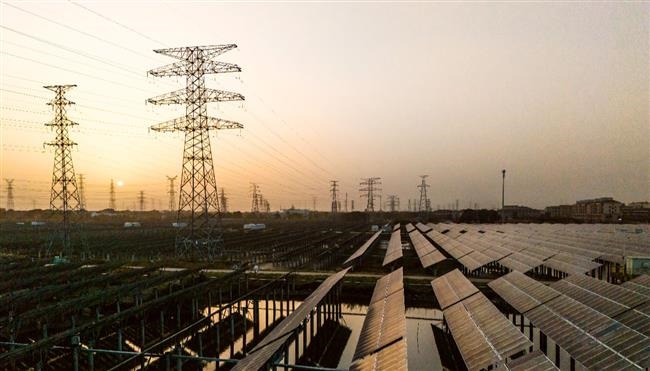
Renewable Energy
Renewable energy

Commenting on the findings, IRENA Director-General, Francesco La Camera, said: “In the midst of uncertain time, renewable energy remains consistent and steadfast in its expansion. This not only indicates market preference but also makes a strong case for renewable energy resilience with brutal clarity. A more decentralised energy system, with a growing share of renewables and more market players, is structurally more resilient. Countries that invested in the energy transition are weathering this crisis with less economic damage, as they boost energy security, resilience and competitiveness.”

In line with the previous year, solar energy led the increase, accounting for 511 GW or approximately 75% share in the total renewables capacity addition. Wind energy followed suit, adding 159 GW. Together, solar and wind accounted for 96.8% of all net renewable additions last year, reflecting the biggest cost decrease among all renewable technologies. Bioenergy took the third place with 2.3% annual growth, adding 3.4 GW to total renewable energy expansion.

The report also confirms, however, the persistent and significant disparities amongst countries and regions. Asia continued to lead with a 74.2% contribution to all new renewable capacity; the 513.3 GW additions represent a growth rate of 21.6%. Africa recorded its highest capacity increase, rising by 15.9% or adding 11.3 GW, driven by Ethiopia, South Africa, and Egypt. Another region that experienced its largest annual growth is the Middle East, which increased by 28.9%, led by Saudi Arabia.

In terms of total global capacity, Asia unsurprisingly keeps its top position with 2 891 GW of total renewables capacity, followed by Europe which recorded 934 GW in total. Central America and the Caribbean had the lowest renewables capacity with a total of 21 GW in 2025. This disparity exposes the vulnerability of economies with low share of renewables and underscores the urgent need to increase the share for their energy security.

Technology highlights:

  • Solar energy: solar photovoltaics accounted for 510.3 GW out of 511.2 GW of total solar power additions in 2025.
  • Renewable hydropower (excluding pumped hydro): 18.4 GW was added in 2025, with 96% of the increase coming from China. Ethiopia, India, Tanzania, Bhutan, Viet Nam, Canada, Austria, Indonesia and Nepal, respectively added more than 0.5 GW.
  • Wind energy: capacity grew by 14% from 2024, with record additions of 158.7 GW in 2025. China accounted for nearly three-quarters of the expansion, adding 119.4 GW, while India saw an increase of 6.3 GW.
  • Bioenergy: capacity increased by 3.4 GW, led by Japan, which more than doubled its bioenergy capacity expansion from 2024, adding 1.1 GW in 2025. China followed with capacity additions of 0.8 GW and Brazil with 0.6 GW additions.
  • Geothermal energy: capacity grew at a similar rate to the previous year at 1.7%, adding 0.3 GW in 2025. The Philippines and Indonesia each contributed 0.1 GW of the additions, followed by Germany, Türkiye and Japan.
  • Off-grid electricity (excluding Eurasia, Europe and North America): expanded by 1.7 GW, led by solar power with 1.5 GW. A broad range of bioenergy types added 0.2 GW to the total addition of off-grid capacity.


ECOWAS Bank approves $150m to construct Lagos waste management facility, Lagos-Calabar Coastal Highway

0

The ECOWAS Bank for Investment and Development (EBID) has approved $266.7 million and XOF30 billion to support a portfolio of strategic projects in Nigeria, The Gambia, Ghana, Senegal, and Côte d’Ivoire.

The approvals, granted at the 95th Session of the Board of Directors held on March 30, 2026, underscore the Bank’s continued commitment to advancing sustainable, inclusive, and resilient development in the region.

Opening the meeting, the President and Chairman of the Board of Directors of EBID, Dr. George Agyekum Donkor, underscored the transformative reach of these new commitments.

Dr. George Agyekum Donko
President and Chairman of the Board of Directors of the ECOWAS Bank for Investment and Development (EBID), Dr. George Agyekum Donkor

“These interventions reflect our ambition to support Member States in structuring value- creating projects that are fully aligned with the Sustainable Development Goals. By investing in infrastructure, agro-industry, environmental management, and industrial transformation, we are strengthening the foundations of a more resilient, inclusive, and integrated growth trajectory within West Africa,” Dr. Donkor stated.

The diversity of these projects underscores EBID’s capacity to catalyse high-impact regional initiatives and support the sustainable transformation of its Member States:

  • Construction of waste management facilities in Lagos, Nigeria ($50 million): Implemented under a public-private partnership (PPP), this project will expand Lagos’s waste management infrastructure, increase the recycling rate to 45%, create over 5,000 jobs, produce 60,000 tons of organic compost annually, and reduce public health risks.
  • Credit line to BNDE, Senegal (XOF20 billion): This facility will enhance BNDE’s capacity to finance small and medium-sized enterprises (SMEs) and industries, support agricultural value chains, improve access to housing, and promote sustainable employment, particularly for women and youth.
  • Construction of a tissue paper manufacturing plant in Ghana ($15 million): This project involves establishing a 65-ton-per-day production facility to manufacture jumbo tissue rolls locally, reduce dependence on imports, and support industrialisation.
  • Expansion of G Farms Ltd.’s operations in The Gambia ($10.04 million): This investment will increase poultry and dairy production capacity, strengthen food security, and reduce reliance on imported animal products.
  • Transport infrastructure development in Bauchi State, Nigeria ($91.63 million): Aligned with the National Development Plan, this programme will modernise road infrastructure, reduce logistics costs, improve access to essential services, open up agricultural zones, and incorporate climate-resilient construction techniques.
  • Construction of the Lagos-Calabar Coastal Highway, Nigeria ($100 million): This strategic corridor, spanning nine coastal states, will enhance national and regional connectivity, ease congestion, improve logistics efficiency, and stimulate regional trade.
  • Credit line to Afriland First Bank Côte d’Ivoire (XOF10 billion): This facility is designed to support the financing of MSMEs and SMEs, strengthen the bank’s capacity to fund the real sector, promote productive investments, and foster job creation and inclusive growth.

According to the EBID, these projects reflect its commitment to strengthening the foundations of long- term economic development across the ECOWAS region, enhancing competitiveness and resilience while advancing sustainable and inclusive growth.

Global warming a vital issue in voting decisions – US voters

The 2026 U.S. midterm elections will be vitally important for the climate, with results shaping the final two years of climate policy under the Trump administration – from energy reliability and affordability to disaster resilience and recovery, including funding for the Federal Emergency Management Agency (FEMA). 

Federal, state, and local primary elections – when voters determine who will represent each party on the November ballot – are currently underway and will continue over the next several months. Below, the Centre for Climate Change Communication, George Mason University, Fairfax, Virginia, provides a roundup of Climate Change in the American Mind primary-election-relevant insights and resources – including the fact that global warming remains an important voting priority for many Americans.

Lee Zeldin
Lee Zeldin, Administrator, U.S. Environmental Protection Agency (EPA)

In many districts, one party is said to be so dominant that the general election is not very competitive. As a result, primary elections often determine who goes to Congress, and the same is true for state legislatures. This pattern has become even more common with the current wave of partisan redistricting. Further, state and local climate policies will likely become increasingly important given the Trump EPA’s recent efforts to reverse the prior “endangerment finding,” which enables federal regulation of carbon emissions as a pollutant.

Key Findings:

  • Many registered voters say global warming is a very important issue in their voting decisions.
  • Most registered voters would prefer to vote for a candidate who supports action on global warming, including a large majority of Democrats and many liberal/moderate Republicans.
  • Most Democrats say they want to hear more from political candidates about efforts to reduce global warming.
  • Majorities of registered voters in nearly every state think Congress should do more to address global warming.
  • Most Americans are worried about the cost of living, and many think global warming is affecting it.

Global Warming as a Voting Issue

George Mason University and partners at the Yale Programme on Climate Change Communication have tracked global warming as a voting priority in each presidential and midterm election since 2014. As of Fall 2025, 35% of registered voters overall say that global warming is a “very important” issue for their vote (+3 percentage points since 2014), including 65% of liberal Democrats (+12 percentage points), 56% of moderate/conservative Democrats (+9 percentage points), 15% of liberal/moderate Republicans (-3 percentage points), and 4% of conservative Republicans (-4 percentage points).

The demographic groups most likely to say that global warming will be a very important issue for their vote in the 2026 Congressional elections include Black (non-Hispanic/Latino) voters (53%), urban voters (49%), voters with an annual household income below $50,000 (41%), female voters (40%), and Hispanic/Latino voters (39%).

How Voters View Candidate Positions on Climate and Energy

As of Fall 2025, the researchers find that: 

  • Most registered voters (59%) would prefer to vote for a candidate who supports action on global warming, including nearly all liberal Democrats (95%), a large majority of moderate/conservative Democrats (82%), 42% of liberal/moderate Republicans, and 21% of conservative Republicans. 
  • Many registered voters (41%) would like to hear more often from political candidates about efforts to reduce global warming, including 79% of liberal Democrats, 57% of moderate/conservative Democrats, 22% of liberal/moderate Republicans, and 10% of conservative Republicans.
  • A majority of liberal Democrats say that they will only vote for a congressional candidate who supports increasing the use of renewable energy (58%), and 31% of moderate/conservative Democrats say the same. Majorities of liberal/moderate Republicans (81%) and conservative Republicans (76%) say a congressional candidate’s position on renewable energy will not be a deciding factor in their vote. 
  • Similarly, a majority of liberal Democrats say that they will only vote for a congressional candidate who supports decreasing the use of fossil fuels (54%), and 35% of moderate/conservative Democrats say the same. Majorities of liberal/moderate Republicans (77%) and conservative Republicans (62%) say a congressional candidate’s position on fossil fuels will not be a deciding factor in their vote. 

Support for Other Climate Policies

In February 2026, the EPA overturned the “endangerment finding” that greenhouse gas emissions endanger human health – a finding that formed the basis for federal regulation of greenhouse gas emissions in the United States. However, the researchers find that most registered voters (74%) support regulating carbon dioxide (the primary greenhouse gas) as a pollutant, including 94% of liberal Democrats, 88% of moderate/conservative Democrats, 76% of liberal/moderate Republicans, and 45% of conservative Republicans.   

Additionally, majorities of registered voters across all political groups oppose eliminating programs related to global warming: overall, 79% of registered voters oppose eliminating the Federal Emergency Management Agency (FEMA), 77% oppose ordering all federal agencies to stop researching global warming, 77% oppose ordering all federal agencies to stop providing information about global warming to the public, and 65% oppose prohibiting the construction of new offshore wind farms.

State-Level Insights

The researchers U.S. Climate Opinion Maps and Factsheets provide data about a wide range of U.S. climate change beliefs, risk perceptions, and policy preferences for each state, county, and metro area, and most Congressional districts as of 2024.

Notably, the researchers find that majorities of adults in 47 states say Congress should do more to address global warming. Majorities in 48 states say that developing sources of clean energy should be a high or very high priority for the next president and Congress.

Connecting Climate Change to Other Social Issues

Climate change connects to many other issues, such as the cost of living, the economy, health, disruption of government services, and national security. Understanding how Americans prioritise these other issues can provide valuable insights for climate communicators. 

In an analysis of top public worries in the U.S., the researchers find that 87% of Americans are worried about government corruption (including 54% who are “very worried”) and 86% are worried about the cost of living (48% “very worried”). 

In a follow-up study, the researchers also found that 65% of registered voters think global warming is affecting the cost of living, including 88% of liberal Democrats, 77% of moderate/conservative Democrats, 58% of moderate/conservative Republicans, and 42% of conservative Republicans.

Plogging Nigeria, Swedish Embassy launch waste management directory to revolutionise nation’s circular economy

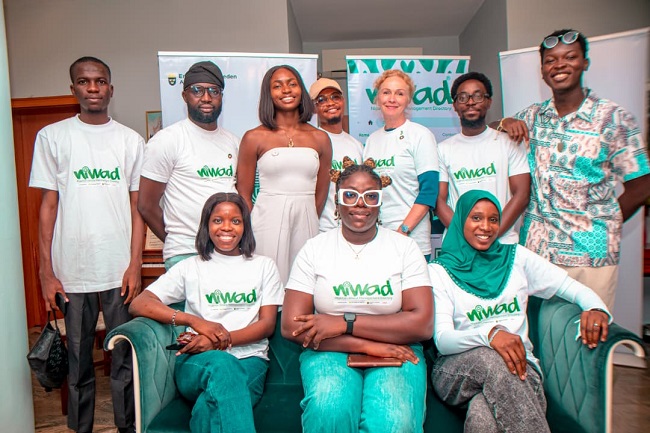
Nigeria’s waste management landscape underwent a significant transformation on March 30, 2026, with the official launch of the Nigerian Waste Management Directory (NIWAD).

The event, held at the Swedish Embassy Residence in Abuja to coincide with the International Day of Zero Waste, brought together a high-level assembly of ambassadors, government representatives, and industry experts. The platform is simply described as “your one-stop shop to connect with recycling, upcycling, and waste management service providers in Nigeria.”

Plogging Nigeria
Participants at the official launch of the Nigerian Waste Management Directory (NIWAD) in Abuja

Ambassador Anna Westerholm opened the proceedings by commending Plogging Nigeria for its initiative and dedication to bringing the vital project to life. In her address during the launch event, Westerholm described NIWAD as an “important milestone” in Nigeria’s development and lauded the platform as an avenue to “strengthen transparency, support better decision making, and unlock the economic potentials of circular economy in Nigeria.”

She concluded by commending the leadership of Plogging Nigeria for the Nigerian-led, youth-driven solution, and reaffirmed Sweden’s commitment to continued support for sustainability and collaboration with the organisation.

Following an introduction to Plogging Nigeria’s mission by Operations Director, Ramat Jadesola Owolabi, the organisation’s Executive Director, Mayokun Iyaomolere, unveiled the NIWAD platform and demonstrated its functionality as a centralised digital resource for connecting Nigerians with recycling, upcycling and waste management services across the country.

During a technical panel session, experts emphasised the platform’s role in bridging critical data gaps in the waste management sector, with Atiku Abubakar Abdullah, the Acting Director, Solid Waste Management of the Abuja Environmental Protection Board, describing NIWAD as a definitive problem solver for Nigerians and recyclers that allows for better tracking of sector activities.

Cajetan Okeke, secretary of the Recyclers Association of Nigeria, noted that NIWAD provides an essential framework for addressing climate change challenges through waste management. Daniel Oladoja of the Global Strategic Communications Council further underscored the importance of storytelling and effective communication in building resilience within the waste value chain.

Looking toward future expansion, Ayodeji Omilabu, the Administrative Director at Plogging Nigeria, presented the roadmap for NIWAD 2.0, calling for strategic support to meet a $50,000 funding target intended to scale data collection and provide comprehensive waste sector insights. The initiative received international praise from the Ambassador of Finland and Norway who noted that NIWAD provides essential clarity on the viability and activity of recycling in Nigeria.

According to the promoters, the milestone marks a collaborative step forward in Nigeria’s journey toward a sustainable circular economy.

NCDMB leads NCCF overhaul, sets path for high-impact delivery

0

The Nigerian Content Development and Monitoring Board (NCDMB) has commenced a strategic reset of the Nigerian Content Consultative Forum (NCCF), a key platform for facilitating information sharing and collaboration among key industry stakeholders and proposing interventions and policy changes. The goal of the reset is to deliver high-impact Nigerian content outcomes.

At a two-day retreat and first half of the 2026 Steering Committee Meeting of the NCCF, the Board underscored the need for a clear, actionable roadmap to reposition the forum as a more effective driver of in-country capacity development in the oil and gas sector.

Felix Ogbe
Executive Secretary of NCDMB, Felix Ogbe

Declaring the retreat open, the Executive Secretary of NCDMB, Felix Omatsola Ogbe, described the session as a “defining moment” in the evolution of the NCCF, noting that while the forum had recorded steady growth since its inception, a more deliberate and strategic direction had become imperative.

“The NCCF began as a vision, modest in structure but bold in intent. Today, we can confidently say that this baby has grown, nurtured by your dedication, strengthened by collaboration and sustained by our shared commitment to advancing Nigerian content,” he said.

Represented by the Acting Director, Planning, Research and Statistics at NCDMB, the NCDMB boss stressed that progress must now be matched with intentional planning, urging stakeholders to focus on long-term impact.

“This retreat is not just another meeting; it is a defining moment. We are here to reflect, interrogate our current realities and chart a clearer, more strategic path forward for the NCCF,” he added.

He highlighted the baseline study conducted by Ernst & Young as a critical tool for benchmarking the forum against global best practices, identifying gaps and repositioning it for greater relevance. He noted, however, that transformation would depend on people, not just frameworks.

“The success of the framework, policy guidelines and roadmap we seek to develop will depend on the quality of our engagement, the sincerity of our contributions and our willingness to think beyond silos,” Ogbe stated, urging participants to be deliberate, constructive and bold in their deliberations.

Providing context for the retreat, Partner at EY and session facilitator, Mr Damilola Aloba, outlined three core objectives driving the engagement—strengthening aligned leadership on NCCF’s long-term direction; improving coordination between the Forum, its Sectoral Working Groups (SWGs) and NCDMB; and fostering shared ownership of its mission.

“We want to strengthen aligned leadership on NCCF’s long-term direction and ensure clear expectations across NCDMB, the NCCF Secretariat and SWGs,” Aloba said.

He added that the retreat would also enhance coordination frameworks to enable smoother implementation and more consistent stakeholder engagement, while ensuring a common understanding of execution responsibilities across the ecosystem.

Aloba disclosed that stakeholder consultations and benchmarking analysis revealed key structural and operational gaps, including unclear strategic direction, delays in project approvals and limited clarity around post-idea decision-making.

“The forum lacks clear strategic direction from NCDMB, creating uncertainty among SWGs regarding expectations and deliverables,” he noted, adding that “unrefined expectations and the absence of a supportive framework” further constrained performance.

Other findings included budget limitations due to reliance on NCDMB as the sole funding source; weak project evaluation and tracking capacity; and the absence of defined criteria for assessing project viability and impact.

Despite these challenges, he acknowledged strong commitment from SWG members, particularly in deploying time and financial resources towards capacity development initiatives across the oil and gas value chain.

Earlier, the Acting Deputy Manager of NCCF, Bright Amatoru, provided an overview of the forum’s activities, describing NCCF as a statutory collaborative platform established under Sections 57 and 58 of the Nigerian Oil and Gas Industry Content Development (NOGICD) Act.

He explained that since its establishment in 2014, the NCCF had been engaging stakeholders across 12 SWGs to identify industry gaps, develop solutions and implement targeted interventions.

“Our function is to identify issues in the priority mapping and, beyond that, provide solutions through extensive stakeholder engagement,” Amatoru said.

Highlighting key achievements, Amatoru pointed to the development of National Operational Standards to harmonise capacity development initiatives across SWGs, as well as the Marine Assets Listing System, designed to build a comprehensive database of marine assets in the oil and gas industry.

He also referenced benchmarking studies in fabrication aimed at addressing scale gaps, alongside initiatives such as the Women in Oil and Gas Conference and mentorship workshop held earlier in the year in collaboration with the Diversity SWG.

However, he acknowledged that the absence of a clearly defined strategic framework limited the forum’s ability to prioritise interventions effectively.

“As of today, we have not had a very clear direction on how to select interventions. That clarity is critical as we align industry expectations with global best practices,” he said.

The retreat forms part of efforts by NCDMB to develop a comprehensive NCCF strategic roadmap aligned with the Board’s 10-year strategic plan and broader industry expectations.

Participants are expected to generate actionable ideas, refine governance structures and define a clear execution pathway that will enhance NCCF’s ability to deliver on its mandate within Nigeria’s oil and gas sector.

Public health: CAPPA backs NAFDAC as stakeholders commit to sodium reduction regulations

0

Corporate Accountability and Public Participation Africa (CAPPA) has reiterated its support for the National Agency for Food and Drug Administration and Control (NAFDAC)’s ongoing development of regulations aimed at protecting public health, as stakeholders rally behind sodium reduction policies.

Akinbode Oluwafemi, CAPPA’s Executive Director, gave the assurance during a stakeholders’ engagement on proposed regulations to reduce sodium in pre-packaged foods. He congratulated NAFDAC’s Director-General, Prof. Mojisola Adeyeye, on the successes recorded under her leadership, adding that CAPPA would continue to support the agency’s public health mandate.

Prof Moji Adeyeye
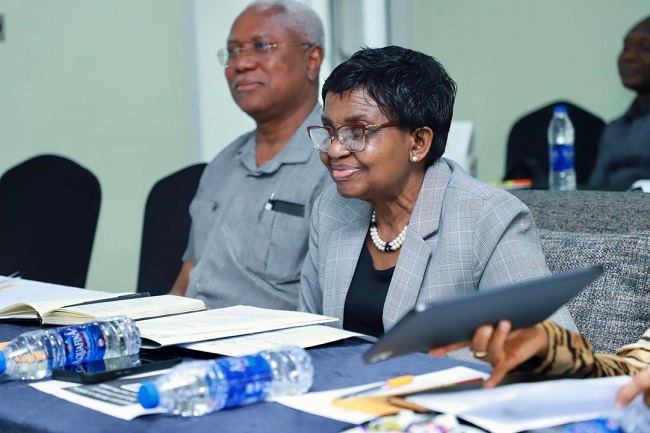
NAFDAC Director-General, Prof. Mojisola Adeyeye

The one-day engagement, held in Lagos on Wednesday, April 1, 2026, brought together key stakeholders and was convened by NAFDAC in collaboration with the Network for Health Equity and Development (NHED).

“We are delighted to be here today, and all I can say to you, Madam DG, is congratulations,” Oluwafemi said. “I want to assure you of our commitment to advocacy that strengthens public health. We stand with NAFDAC and will continue to do so as you take difficult but necessary decisions to protect the health of Nigerians.”

In her welcome address, Prof. Adeyeye said the engagement underscored the agency’s shared commitment with stakeholders to safeguarding public health and strengthening Nigeria’s food regulatory framework.

“As you are aware, diet-related non-communicable diseases such as hypertension, cardiovascular diseases, and stroke are on the rise globally and within Nigeria,” she said. “Excessive sodium intake has been identified as one of the leading dietary risk factors contributing to these conditions.”

Speaking on the growing burden of non-communicable diseases, NHED’s Technical Advisor, Dr. Jerome Mafeni, warned that Nigeria is witnessing increasing incidences among younger populations, posing a significant threat to the country’s future.

In 2025, the Federal Ministry of Health and Social Welfare (FMOH&SW) launched the National Sodium Reduction Guideline, to set mandatory sodium limits in processed and pre-packaged foods. The guideline aims to reduce average daily sodium intake to under 2 grams per person (equivalent to 5 grams of salt) by 2030, alongside a 25 per cent reduction in hypertension prevalence.

Global partners, including the Global Health Advocacy Incubator (GHAI), the World Health Organisation (WHO), and Resolve to Save Lives (RTSL), described the engagement as timely and critical. They urged NAFDAC to sustain its efforts in safeguarding public health while commending the Federal Ministry of Health and Social Welfare for its leadership.

Trials, registration of cotton varieties: Nigeria’s biosafety in shambles – HOMEF

Health of Mother Earth Foundation (HOMEF) has condemned the alleged illegal confined field trials and registration of four new transgenic cotton hybrid varieties – MIC 561 BGII, MIC 563 BGII, BIOSEED-FIYAH CH1001, BIOSEED-FIYAH CH1002 – by the National Committee on Naming, Registration and Release of Crop Varieties, Livestock Breeds and Fisheries.

The transgenic cotton varieties were among 21 other “improved” varieties developed by the Institute for Agricultural Research (IAR), Ahmadu Bello University, Zaria, in collaboration with “national and international partners”.

The two Bt (BG II) hybrids (MIC 561 BG II and MIC 563 BG II), along with their non-Bt counterparts for refuge strategies, were developed by Mahyco, while the two additional transgenic hybrids (BIOSEED-FIYAH CH 1001 and CH 1002) were developed by Shriram Bioseed Genetics.

Nnimmo Bassey
Nnimmo Bassey, Executive Director, HOMEF

The National Biosafety Management Agency (NBMA), responsible for decision-making and approvals regarding GMOs, established that the cotton varieties were registered on March 26, 2026, without its notice and approval, as required under the National Biosafety Management Act 2015 (as amended).

While HOMEF applauds the NBMA for their vigilance and compliance-monitoring mechanisms, the ecological think tank bemoaned the state of biosafety in Nigeria, concerned that more genetically engineered food products may have found their way into our plates unnoticed, untested and unverified, seeing that the National Variety Release Committee can bypass NBMA to discreetly carry out field trials, approve commercial release and go ahead to register GMOs.

The Executive Director at HOMEF, Dr Nnimmo Bassey, stated that this deliberate disregard for due process and delegated authority demonstrates the desperation and arrogance of the biotech industry championed in Nigeria by the Institute of Agricultural Research, and confirms that profit-making, rather than solving food insecurity, drives the industry.

“Nigeria’s Biosafety is indeed in shambles,” he stated.

Dr Bassey, acknowledging the directive by the NBMA to the National Variety Release Committee to suspend any further action on the registration and release of the said varieties, stated that the NBMA should ensure that due diligence is done beyond the announcement. He recalls the case in 2018 when WACOT Ltd. tried to illegally ship genetically modified maize into the country, and although the NBMA announced in the media that the shipment would be repatriated to Argentina, the erring company was granted approval to import the same Maize for a period of 3 years in a few days. This was in spite of the requirement of the NBMA Act 2015 that anyone or company who wishes to import GM products must give a prior notice of 270 days.

Joyce Brown, HOMEF’s Director of Programmes and Lead on Hunger Politics, stressed that national and international biosafety protocols exist for a reason – to ensure protection against potential human and environmental health hazards associated with GMOs. Thus, no agency or institute of Nigeria should underestimate the need for proper regulation, no matter the pressure from the private sector or so-called international partners. The health and well-being of the people and the environment must take precedence in the attempt to improve nutrition and address food insecurity.

According to Ms Brown, Nigeria needs to take a step back to critically re-examine its appetite for GMOs, noting that the previously approved Bt Cotton, according to the National Cotton Association of Nigeria, does not perform much better than the conventional varieties but instead degrades the soil, making it unproductive for local varieties. The farmers have planted Bt Cotton for up to four years and couldn’t find any comparative advantage, other than that it was destroying their soil.

HOMEF reiterated the need for Nigeria to recognise and invest in the necessary transition to agroecological farming, which would not only ensure increased productivity over time but also assure environmental sustainability and food sovereignty.

TotalEnergies, Masdar to form $2.2bn joint venture to accelerate renewable energy growth in Asia

TotalEnergies, a global integrated multi‑energy company, and Abu Dhabi Future Energy Company PJSC – Masdar, a global clean energy leader, have signed a binding agreement to establish a $2.2 billon 50/50 joint venture (JV) that will merge their onshore renewable activities in nine countries across Asia.

As electricity demand accelerates across Asia, this partnership brings together capital and expertise to deliver renewable energy at the scale and speed required. Once the transaction is closed, the JV will act as both companies’ sole vehicle for developing, building, owning and operating onshore solar, wind and battery storage projects in Azerbaijan, Indonesia, Japan, Kazakhstan, Malaysia, the Philippines, Singapore, South Korea and Uzbekistan.

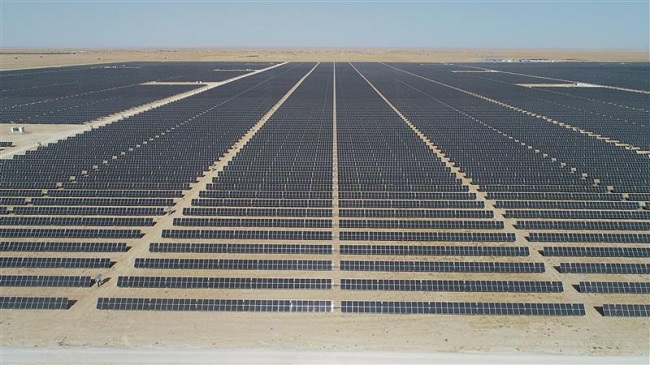
Solar panels
Solar panels

The JV will have a portfolio capacity of 3 GW of operational assets and 6 GW of assets in advanced development that are expected to be operational by 2030. Each partner will contribute assets of comparable value.

“The UAE has established itself as a global energy leader by delivering at scale, investing with conviction, and building partnerships that endure. Masdar epitomises that approach. We are proud to have pioneered renewable energy deployment in Central Asia and the Caucuses, and we have an expanding portfolio in some of the most attractive growth markets in Asia-Pacific.

“Asia will be the main driver of global electricity demand growth this decade, and this collaboration with TotalEnergies will accelerate our progress across the continent, unlocking new opportunities to deliver the competitive, reliable energy solutions that our partners and customers need,” said Dr, Sultan Al Jaber, UAE Minister of Industry and Advanced Technology and Chairman of Masdar.

 “We are delighted with the signing of this agreement with Masdar, which brings together two major renewable players to build a renewable champion in Asia. It will allow us to combine the strengths of our two companies to secure significant positions in these markets and create more value than if we were acting alone.

“This agreement is fully in line with the renewable energy strategy of our Integrated Power business. We are also pleased to further deepen, in this area, the long-standing relationship between the United Arab Emirates and TotalEnergies,” said Patrick Pouyanné, Chairman and CEO of TotalEnergies.

“This joint venture reinforces Abu Dhabi’s status as a global center for energy leadership, combining the expertise of Masdar and TotalEnergies to drive renewable energy deployment across Asia. For Masdar, this JV strengthens and diversifies our portfolio, unlocking new opportunities in attractive, high-growth markets, while bringing in a like-minded partner to accelerate growth and deliver additional value in our existing markets,” said Mohamed Jameel Al Ramahi, CEO of Masdar.

The JV, which will be headquartered in Abu Dhabi Global Market (ADGM), will be staffed by around 200 employees from both TotalEnergies and Masdar. The management team for the JV will be announced at a future date. 

The closing of the agreement is subject to regulatory approvals and conditions.

Nigeria’s oil reserves dropped to 37.01bn barrels in January – NUPRC

0

The Nigerian Upstream Petroleum Regulatory Commission (NUPRC) says the nation’s crude oil and condensates reserves dropped to 37.01 billion barrels as of January 1, 2026, down from 37.28 billion barrels in 2025.

In a statement on Wednesday, April 1, 2026, Oritsemeyiwa Eyesan, chief executive officer (CEO) of NUPRC, said total gas reserves rose to 215.19 trillion cubic feet (tcf), from 210.54 tcf.

“Total Oil and Condensate reserves of 37.01 billion Barrels and Total Gas reserves of 215.19 trillion Cubic Feet as the official National Petroleum Reserves Position as of 1st January 2026,” she said.

Oritsemeyiwa Eyesan
Commission Chief Executive, Nigerian Upstream Petroleum Regulatory Commission (NUPRC), Mrs. Oritsemeyiwa Eyesan

Eyesan said the commission, in keeping with its mandate, is dedicated to improving upstream sector performance, enhancing the growth of oil and gas reserves.

She added that the NUPRC is working to maintain stable production for shared prosperity by putting the Petroleum Industry Act (PIA) 2021 into action and executing the commission’s key strategic pillars.

In light of this, Eyesan outlined the country’s reserves of oil, condensate, associated gas, and non-associated gas as of January 1.

She said 2P crude oil reserves are estimated at 31.09 billion barrels, while condensate reserves stand at 5.92 billion barrels, bringing the combined total to 37.01 billion barrels.

“2P Associated Gas (AG) and Non-Associated Gas (NAG) reserves stand at 100.21 trillion Cubic Feet (TCF) and 114.98 TCF, respectively, resulting in total Gas reserves of 215.19 TCF,” Eyesan said.

“The Reserves Life Index is 59 years and 85 years for Oil and Gas, respectively.

“The reason for the slight change in 1.1.2026 oil and condensate reserves by 0.74% is attributable to production in 2025 and reserves update due to field performance and technical evaluation based on subsurface studies.

“The reason for the increase in 1.1.2026 AG and NAG reserves by 2.21 percent is largely because reserves update is based on discoveries and the result of robust reservoir studies.”

Therefore, she declared the total “Oil and Condensate reserves of 37.01 billion Barrels and Total Gas reserves of 215.19 trillion Cubic Feet as the official National Petroleum Reserves Position as of 1st January 2026”.

Researchers find link between ultra-processed foods and infertility in women

0

Women who consume lower amounts of ultra-processed foods have higher odds of conceiving, according to new research from McMaster University. The link persists even after accounting for age, weight, lifestyle and other health factors.

The study analysed data from over 2,500 women who participated in the National Health and Nutrition Examination Survey (NHANES) – a U.S. survey that combines interviews, 24-hour dietary recalls and laboratory tests to capture detailed information on diet, demographics, health status and biomarkers.

Researchers found distinct differences in eating patterns of women who reported infertility, defined as a lack of conception after one year of trying, and those who did not.

African descent
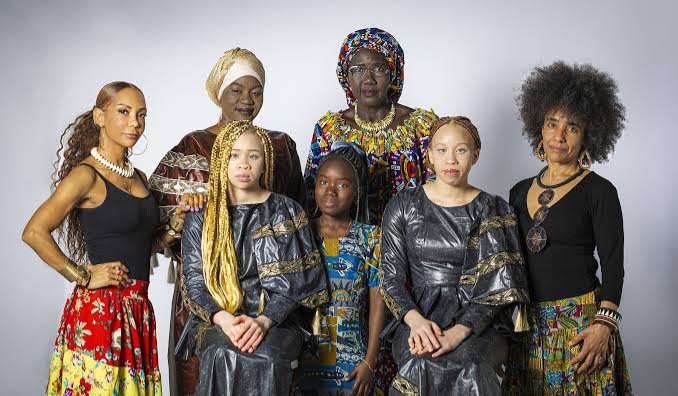
Women of African descent

Women reporting infertility consumed more ultra-processed foods, making up about 31 per cent of their daily intake, and scored lower on adherence to the Mediterranean diet, a healthy eating pattern rich in fruits and vegetables, whole grains and healthy fats.

The findings suggest that what we eat – and the degree to which it is processed – may influence reproductive health in a manner well beyond calories or weight.

“Most of what we hear about ultra-processed foods focuses on calories and obesity. But our findings suggest something potentially more complex – there seems to be another mechanism at play which may reflect pathways beyond calories or weight, including chemical exposures that have been hypothesized in prior literature,” explains Anthea Christoforou, assistant professor in the Department of Kinesiology and senior author of the paper.

Even if nutrient intake looks fine, eating more ultra-processed foods means more exposure to additives and chemicals that go beyond calories, she adds. 

“Ultra-processed foods often carry chemicals like phthalates, BPA and acrylamides, which can leach from packaging or even from the plastic machinery used during processing. These compounds are known to disrupt hormones, and that may be part of why we’re seeing a link,” says Angelina Baric, a co-author and graduate student in the Department of Kinesiology.   

The Mediterranean diet showed a positive association with fertility, but this benefit disappeared once obesity was factored in, suggesting its effect may come from helping maintain a healthy weight and metabolism.

The findings, published on March 19, 2026, in Nutrition and Health, underscore the need for dietary guidance targeting women of reproductive age. While the effect may look modest on an individual level, in fully adjusted models higher ultra-processed food intake was associated with a roughly 60 per cent lower odds of fertility.

Because this was a cross-sectional study, the findings reflect associations rather than cause and effect. Still, associations of this size could have meaningful implications at a population level, given how commonly ultra-processed foods are consumed.

“Very few studies have asked a fundamentally female-specific question: how does what women eat influence their reproductive health? Fertility is a huge outcome, and this is the first time anyone has examined these dietary patterns and infertility at this scale,” says Christoforou.

“It suggests diet may be an important and measurable factor associated with women’s ability to conceive. It’s one thing to say ultra-processed foods contribute to weight gain or cardiometabolic disease. But if they’re also affecting hormone pathways, that’s a much bigger issue – and it’s something people aren’t as aware of,” she says.

This latest study builds on previous research from the team, which linked ultra-processed foods to poor health outcomes.

“Processing affects foods in ways that aren’t reflected in nutrients alone – from chemical exposures during manufacturing to ingredients that displace whole, protective foods,” says Baric.

“It’s not about perfection – it’s about noticing how food is processed, choosing more foods in their natural states and picking ingredients you recognise. Even that simple shift can lower exposure to things we still don’t fully understand.”