Home Blog Page 2

South-South experts bemoan worsening environmental degradation, urge adequate utilisation of ecological funds

0

Some environmental experts have decried worsening environmental degradation in the South-South region and urged adequate utilisation of ecological funds to address the challenges. 

The stakeholders, who reacted to a survey on the state of environment, said the environmental challenges in the region were caused by natural and human activities.

They identified the environmental degradation in the region to include erosion, carbon emissions, water pollution, tree felling, ocean encroachment, among others.
EDEN
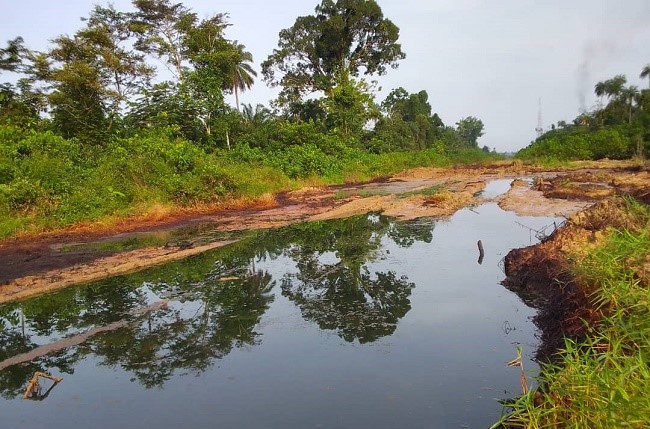
Oil spill at Ogboinbiri community in Bayelsa State

The stakeholders also urged strict enforcement of laws to protect the environment from further damage. 

In Rivers State, some environmental experts charged authorities to execute extant laws to safeguard the earth as they decried the increasing pollution resulting from human activities.

Prof. Chibuogwu Eze, Director, Institute of Pollution Studies, Rivers State University, criticised the level of underground water pollution in Niger Delta, saying that poisonous substances including lead infiltrated the underground water.

Eze attributed the pollution of the underground waters to the neglect of the fuel station operators over the maintenance of their underground storage tanks which sometimes, leaked fuel into underground waters and invariably into the boreholes.

According to his research, sponsored by the university (RSU) on ground water pollution, such pollution affects everyone since every household now depends on boreholes.

“In Rivers, for instance, you don’t need to dredge too deep into the ground before getting water; this, on the other hand is a risk factor; sadly, boiling water only kills pathogens and not lead.

Eze added that extant laws guiding maintenance of underground fuel storage tanks including confirmatory tests and certification of fuel tanks were safety measure that should not be undermined by fuel station operators.

“The law also stipulates an interval of five-years test for corrosion or possible leakage as a result of wear and tear and allows for a maximum of 20 years lifespan for underground fuel storage tanks.

“We should be more careful and abide by these regulatory guidelines because of our low topography so that petroleum products don’t find their way into our underground water,” he added.

Mr. Fyneface Dumnamene, Executive Director, Youths and Environmental Advocacy Centre (YEAC-Nigeria), analysed the ecological funds disbursements and faulted states particularly Rivers on inadequate spending of the fund.

He noted that the ecological funds were about two per cent of federal budget allocated to states in varying degrees to address environmental challenges across the country.

”These funds are not given separately but added to the federal allocation that goes to each state of the federation at the end of every 30 days,” he said.

Dumnamene explained that while some states utilised their ecological funds to address issues associated with ecology, others were yet to do the same.

He claimed that the state received its ecological allocation which ran into hundreds of millions of Naira from 2023 to 2025 but the ecological issued had remained unaddressed.

“Rivers is one of the states in Nigeria that have suffered a lot of environmental challenges including erosion, flood, oil spills, ocean encroachments, among others, sadly, the state is not maximizing these funds to address these challenges,” he alleged.

Dumnamene urged government to set up a special committee on disaster management through which the ecological funds would be utilised to tackle the environmental challenges confronting the state.

In Cross River State, Prof. Francis Bissong, a Professor of Conservation and Bio Geography in the University of Calabar (UniCal), said large-scale logging had been going on around the key forest corridors in the state.

He said the illegal activities were threatening the biodiversity and livelihoods of local communities and the state in general.

He warned that the uncoordinated activities around the Mbe Mountains and other areas would endanger critical habitats, including gorilla conservation areas, and could lead to long-term ecological and economic losses.

According to Bissong, Cross River falls within one of the world’s biodiversity hotspots, making reckless logging a major environmental threat.

“Unsustainable logging practices destroy non-timber forest products, displace wildlife, and increase risks of flooding and erosion,” he said. 

Cross River has one of Africa’s last remaining high-biodiversity tropical forests.

Its richest biodiversity is characterised by tropical rainforest, mangroves, and diverse system which makes it a global biodiversity hotspot.

It is also hosting immense flora/fauna, rare species like Calabar angwantibo and threatened fisheries; however, the deforestation, occasioned by the felling of trees, is threatening the critical ecosystem.

The don stressed that involving local communities in forest management would enhance protection and create alternative livelihoods through ecosystem-based enterprises.

Bissong advocated land-use zoning and stronger enforcement of existing forestry regulations.

In his contribution, Mr. George Oben-Etchi, Director-General of the Cross River Forestry Commission, said efforts were ongoing to curb illegal logging which had impacted the environment adversely.

Oben-Etchi said the commission planned to introduce a “permiteeship” system to regulate logging activities and reduce unauthorised operations.

He added that illegal loggers were being arrested while designated courts had been established to prosecute offenders.

On his part, Ken Henshaw of “We the People” called for the inclusion of communities and experts in decision-making and stronger laws, as well as recognising them in climate finance opportunities to ensure sustainable forest management. 

“When natural resources are extracted without benefiting local communities, resentment grows. This is why our review emphasises community participation.

“The current Forestry Law treats communities as passive recipients of government policy, there is no formal space for community representatives on the Forestry Commission board. 

“Climate finance globally amounts to trillions of dollars annually, yet local forest communities receive virtually nothing,” he said.

Henshaw added that civil society, the media, and other stakeholders must continue the advocacy and public engagement on the degradation of Cross River Forest and environment to ensure a sustainable future of the state.

In Akwa Ibom State, Dr Sunday Nditoi, an Environmental Consultant in Uyo, urged the government to enact strong regulations to protect the forests and guard against environmental degradation.

Nditoi, who is a former State Director of Environment, Federal Ministry of Environment, condemned the felling of trees in the forest, saying: “Deforestation has affected the environment in no small ways.”

He said the smoke from bush burning and gas flaring had also affected the environment, adding: “We have lost our forest by indiscriminate felling of trees.

”Any tree we cut, two trees should be planted to protect the environment; we should not cut trees and burn bushes unnecessarily.

“We should have some forest reserve that could help the areas that have less oxygen production.”

Nditoi added that spraying of chemicals on crops and herbicides also affected the environment and injurious to health, calling for sensitisation of farmers on the side effects of chemicals.

Mr. Umo Isua-Ikoh, the Coordinator of Peace Point Development Foundation (PPDF), in Uyo, said the environmental degradation in the state was majorly caused by human activities which included oil spills and gas flare.

He said that in the Niger Delta, a lot of issues like oil spill, gas flaring, deforestation and ocean encroachment threatened the human existence, food safety and food security.

“Life expectancy is extremely low and our farmers cannot plant and have a good harvest due to oil spill and gas flaring in the area.

He said the level of fish extinction due to human activities had caused fishermen to travel long distances for weeks on sea to fish and would only come back with little or no fish at all.

Isua-Ikoh, an Environment Justice Advocate, urged the state government to update and enforce environmental laws in order to save the environment and protect human life.

He commended the Ministry of Environment for always creating awareness on environmental issues in the country.

Dr Aniekan Umanah, Commissioner for Information, said that the state government had done so much work in checking the menace of erosion and other environmental degradation.

Umanah said the government had reclaimed over 75 hectares of land along brooks street near government house which was a completely gully ravaged environment.

He said that the government also built an Akwa Ibom resort on the reclaimed land, adding that with the dualism of Uyo villages, the gullies are being cleared

“Also reclaimed, are the Mandala area along Ikot Ekpene road which is ongoing; the ground water that almost brought down the area has been stopped, and several ecological interventions are done to check environmental degradation,” Umanah said.

Umanah acknowledged that the state government had been benefiting from the Federal Government ecological funds but could not mention the amount collected so far.

He promised that the government would continue to invest in ecological management and urged citizens to be part of the process of mitigating environmental hazards by ensuring that they protect the environment.

He said that the state government had made it mandatory for construction companies in the state to return their borrow pit to its original state after construction to avoid environmental challenges.
Food crisis deepens in Sudan, fear of spread heightens – NGOs

A group of non-governmental organisations on Monday, April 13, 2026, reported that millions of people in Sudan are surviving on just one meal a day.

This came as the country’s food crisis deepens and threatens to spread, according to ​a published report.

Sudan’s war between ‌the Sudanese army and the paramilitary Rapid Support Forces, which enters its third year on Wednesday, has caused widespread hunger and displaced millions of people amid one of the world’s largest humanitarian crises.

Sudan
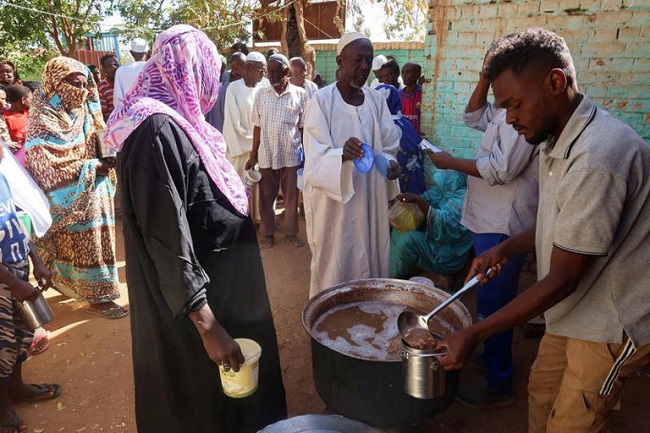
Volunteers distribute food to residents and displaced people in Omdurman, Sudan, March 8, 2024. Nearly five million people in the country are close to famine as Sudan’s civil war passes the one-year mark. Photo credit: REUTERS/El Tayeb Siddig/File Photo

“In the two areas ​worst hit by the conflict; North Darfur and South Kordofan,  millions of families can ​only access one meal a day.’’

This was reported by Action Against Hunger, ⁠CARE International, International Rescue Committee, Mercy Corps, and the Norwegian Refugee Council found.

“Often, they miss meals for entire days,” the report stated, adding that many people have resorted to eating leaves and animal feed to survive.

The army-aligned Sudanese government denies the existence of famine, while the RSF denies responsibility for such conditions in areas under its control.

Some 61.7 per cent of Sudan’s population, 28.9 million people is acutely food-insecure, according to the 2026 Humanitarian Needs and Response Plan.

The United Nations has reported widespread ​atrocities and waves of ethnically charged violence.

In November, the global hunger monitor confirmed, for the first time, famine ‌conditions ⁠in al-Fashir, as well as Kadugli.

In February, the UN-backed Integrated Food Security Phase Classification found that famine thresholds for acute malnutrition have been surpassed in Um Baru, where the rate of acutely malnourished children under 5 was nearly double the famine threshold, and Kernoi.

The report, based on interviews ​with farmers, traders, and ​humanitarian actors in Sudan, ⁠details how the war in Sudan is driving communities towards famine conditions due to disruptions to farming as well as the use of starvation ​as a weapon of war.

The report stated that including deliberate destruction of farms and ​markets.

The report said communal kitchens ⁠are increasingly unable to meet rising needs, while major donor funding cuts are impeding aid agencies’ abilities to respond.

Women and girls have been disproportionately affected, as they face a high risk ⁠of rape and harassment when going to fields, visiting markets or collecting water, the report said.

It added that female-headed households are three times more likely to experience food insecurity than male-headed households.

Electricity generation improved to 4300MW from 3951MW – Govt

The Federal Government of Nigeria announced on Sunday, April 12, 2026, that electricity generation improved from 3,951 MW to 4,300 between March 28 and April 10.

This is contained in a statement issued by Mr. Bolaji Tunji, Special Adviser to the Minister of Power on Strategic Communications and Media Relations in Abuja

The gradual rise in generation output within the period, Tunji said, was in tandem with the assurance given by the Minister of Power, Mr. Adebayo Adelabu, at the Power Sector Working Group, where he pledged that electricity supply would improve within two weeks.

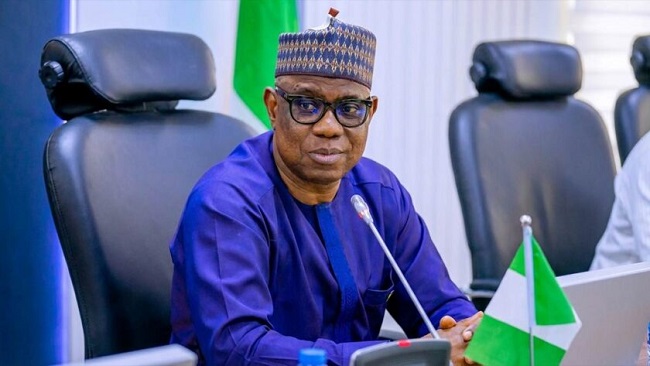
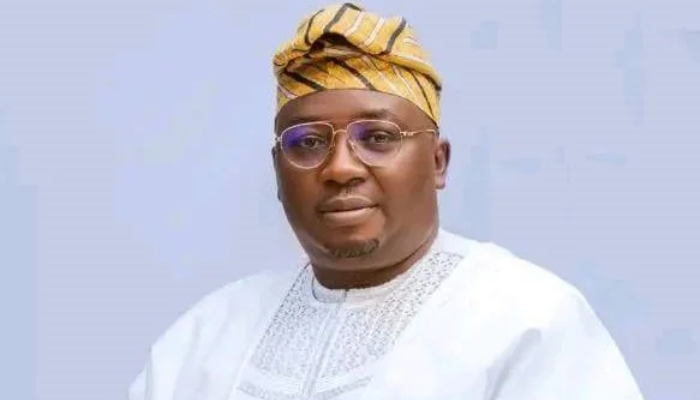
Adebayo Adelabu
Minister of Power, Mr Adebayo Adelabu

He explained that this improvement closely aligns with the steady increase in gas supply to thermal power plants, which rose from approximately 605 million standard cubic feet (mmscfd) to over 704 mmscfd within the same timeframe.

Tunji further stated that mechanical availability remained stable and even improved, peaking at over 7,796 Megawatts (MW) in early April, while operational availability rose from about 4,208MW to a peak of over 4,694MW, indicating enhanced efficiency in converting available gas into electricity.

“Inspite of minor fluctuations recorded on some days, the overall trajectory points to a gradual recovery in the power sector, driven largely by improved gas supply and better coordination among critical stakeholders,” he said.

Tunji also said that the strong correlation between gas availability and generation output underscores the importance of sustained interventions in the gas-to-power value chain, given Nigeria’s heavy reliance on thermal power plants.

”To consolidate the gains recorded so far, the minister recently inaugurated a Gas-to-Power Monitoring Committee to ensure improved coordination, real-time monitoring, and sustained gas supply to generating companies.

“The committee is expected to address bottlenecks in gas delivery, enhance synergy between gas producers and power generation companies, and ultimately guarantee a more stable and reliable electricity supply across the country,” he said.

“The minister remains committed to ensuring that the modest gains recorded are not only sustained but significantly improved upon in the coming weeks,” he said.

Tunji assured Nigerians that ongoing reforms and targeted interventions in the sector would continue to yield measurable improvements in power generation and supply, in line with the administration’s broader objective of stabilising the nation’s electricity sector.

“We are not there yet, but we will continue to ensure measurable improvements,” he said.

Tunji also said that the minister urged the new management of the Nigeria Electricity Management Services Agency (NEMSA) to focus on improving its Internally Generated Revenue (IGR).

The minister spoke during the visit of the newly appointed Managing Director of the agency, Mr. Olusegun Adesayo, and the chairman of the Board, Ikechi Nwosu, to his office at the weekend.

Adelabu said that the agency should focus on improving IGR while reducing dependence on appropriation especially in funding their operational cost.

He also urged the management to look into establishing more meter testing centres across the country in order to enhance and improve on their role.

While expressing confidence in the new management, he assured that the full board would be inaugurated soon.

“I have no doubt about your ability, and I can also say that with your appointment by the president, you will do well. The President knows what he is doing by appointing you and any appointee of the president will have my full cooperation,” he said.

Decrying the dearth of manpower especially meter installers, the minister again reiterated his call for collaboration between the National Power Training Institute of Nigeria (NAPTIN) and NEMSA to tackle the issue.

“We need to ensure more installers are trained in order to accelerate the government’s plan to bridge the meter gap in the country,” he said.

On meter testing stations, he said that there should be plan towards having them in each of the geo-political zones.

He urged Adesayo to conduct a comprehensive diagnosis of the agency and list the challenges in order to know where to start from.

Earlier, the Managing Director informed the minister of his visit to the other agencies to get their support.

He also spoke on the required support from the ministry in order to ensure the successful discharge of the agency ‘s responsibilities.

By Constance Athekame

AOW: Energy: On the dawn of a new era for Nigeria and African upstream markets

0

Nigeria’s onshore, swamp, and shallow-water basins remain among the most technically rich and commercially attractive in Africa, it could even be argued in the world. The momentum we are seeing around interest in marginal fields, mature assets, and brownfield redevelopment reflects a significant shift in how nations and investors are approaching upstream value creation.

Around Africa, marginal and mature fields are becoming the engines of near-term production gains, driving immediate cashflow, and enabling accelerated development timelines.

Paul Sinclair, CEO, AOW: Energy

At AOW:Energy, we are speaking more than ever with Ministers, regulators, and operators who emphasise the crucial role these assets now play in delivering energy security, local content growth, increased production, and national development via our precious natural resources.

We must acknowledge the incredible work being achieved in Nigeria as we see a government committed to resource development as a cornerstone of economic development. Now is the moment, more than ever we must exploit our energy potential and oil and gas must be at the heart of our economic development.

The forward-looking reforms, clarity, and stability being introduced by Gbenga Komolafe and the NUPRC continue to position the country as one of the most attractive upstream destinations globally. The Commission has also been a central force behind AFRIPERF, promoting pan-African collaboration and regulatory alignment, critical steps toward a more competitive and cohesive continental energy landscape.

These efforts deserve immense recognition. They are reshaping investment sentiment not only in Nigeria but across Africa.

But Nigeria is not alone in setting the pace, on recent trips I had the pleasure of meeting some incredible visionaries, and in the media we are reading about some of the most progressive governments achieving new heights in upstream development and infrastructure investment.

Namibia: A Model of Upstream Excellence

The entire continent continues to be inspired by the remarkable progress in Namibia, where NAMCOR is redefining world-class upstream development in the Orange, Walvis and Luderitz Basins. The leadership being demonstrated across the country, and particularly the visionary direction of Her Excellency Netumbo Nandi-Ndaitwah, which led to the establishment of the Upstream Petroleum Unit (UPU) under the guidance of Kornelia Shilunga is nothing short of transformative. Namibia stands as a beacon of what strategic leadership can achieve.

Mozambique: A Continental Powerhouse in the Making

We must also acknowledge the exceptional work of INP Mozambique, who continue to elevate the region’s profile with major accomplishments in the energy sector alongside other domestic agencies to bring mega projects such as the Coral project, all of this while driving forward new exploration opportunities that will underpin the nation’s future energy security and industrial expansion.

Liberia: A New Era of Ambition

We are equally proud to read of the bold progress emanating from Liberia. At AOW:Energy 2026 I had the pleasure of meeting the new dynamic leadership of Hon. Fabian M. Lai, President/CEO-designate of NOCAL. Mr. Lai is setting new national benchmarks, achieving new milestones and driving some of the most exciting opportunities in and around the Harper Basin.

I recently had the pleasure of speaking with him, and his ambition for Liberia’s upstream future is both refreshing and inspiring – It is fair to say watch this space, Liberia is a talking point today and the opportunity that will inspire companies in the coming months.

Africa Is Setting the Global Pace

Across the continent, Africa is shaping the next chapter of global exploration and production. Countries are advancing innovative policies, launching new licensing rounds, fostering investment-ready environments, and accelerating partnerships that will propel Africa to the forefront of the global energy sector.

At AOW:Energy, we are proud to stand shoulder-to-shoulder with our partners and we champion your success, your reforms, your vision, and your unwavering commitment to building an African-led energy future.

But via this article, this is Nigeria’s Moment. And Our Shared passion for upstream growth is unwavering, unrelenting and we will build the Africa we want together, in unity and in partnership with domestic and international partners”

The 2025/26 Licensing Round is poised to deliver one of the most compelling cohorts of upstream opportunities in recent memory. The aggressive and inspiring national production targets set by Nigeria can and will be achieve, and it is all powered by strong regulatory leadership and strategic collaboration with partners such as AOW:Energy who will stop at nothing to support our partners in their goals and objectives. We encourage the AOW:Energy network to familiarise themselves with the marginal field licence round and visit the NUPRC website for more details.

To our friends at NUPRC: we stand with you, committed to supporting your goals for investment attraction, production growth, and long-term national value creation. This licensing round marks the beginning of an extraordinary chapter for Nigeria, and we look forward to supporting you every step of the way.

At AOW:Energy, we are preparing major announcements in 2026 to deepen our support for African governments, licensing rounds, investment promotion, and upstream development.

By Paul Sinclair, CEO, AOW:Energy

CAPPA demands urgent govt action over Abereke ocean surge, oil spill

Corporate Accountability and Public Participation Africa (CAPPA) has urged the Federal and Ondo State governments to take immediate action over the worsening environmental and humanitarian crisis in Abereke community of Ilaje Local Government Area of Ondo State, where recurring oil spills and ocean surges have destroyed livelihoods and submerged large parts of the area.

In a statement following a field visit to the community, CAPPA described the situation as “devastating and fast deteriorating,” warning that residents are facing severe environmental degradation and growing economic hardship.

“Abereke is in the throes of a preventable disaster,” said Martins Ogunlade, Associate Director at CAPPA. “What we saw is a community abandoned to the combined impacts of corporate irresponsibility and government inaction. This cannot continue.”

CAPPA
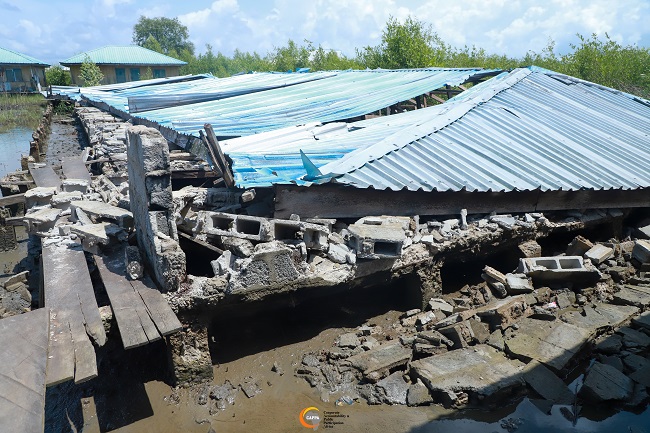
Abereke’s only school collapses after years of neglect

According to the statement, the latest oil spill affecting the area, allegedly linked to Guarantee Petroleum Company, an indigenous oil and gas operator, occurred last October, with the effects still devastating the community.

CAPPA’s assessment, the statement added, revealed widespread oil contamination of water bodies, leading to the destruction of aquatic life and fishing tools – including fishing nets, boats, engines – as well as the death of domestic animals. Fishing, the community’s main source of income, has been disrupted, leaving residents with little means of sustaining their families and pushing many households deeper into poverty.

The organisation also raised the alarm over worsening coastal erosion and tidal surges, which have submerged large portions of land and left the community without protection from further incursions.

“The economic base of Abereke is being rapidly eroded. Families are struggling to fish and their animals, including goats, sheep and pigs, are dying. Even access to clean water now comes at a cost. This is a clear case of environmental injustice,” Ogunlade added.

CAPPA further decried the collapse of critical infrastructure, including the community’s only primary school, which has been destroyed by tidal waves, cutting off access to education for children. The absence of healthcare facilities has also left residents vulnerable, with many forced to rely on local remedies.

The group noted that despite repeated appeals, with several letters and complaints made by the community to the Ondo State Government, Abereke has received little response from the authorities or oil companies operating in the area.

“Communities like Abereke continue to pay the price for extractive activities they do not benefit from. The silence and inaction of both government and corporations are unacceptable,” the statement added.

CAPPA called for urgent measures, including a comprehensive environmental impact assessment, immediate clean-up of polluted sites, and the construction of coastal protection infrastructure to prevent further erosion.

It also demanded compensation for affected residents and the restoration of livelihoods, alongside the rebuilding of critical infrastructure such as schools.

The organisation further noted that oil spillage remains a wider and persistent problem across the Ilaje area of Ondo State. Community members have repeatedly accused oil companies, including Agip, Shell, Chevron, and Guarantee Petroleum Company, of contributing to the profound ecological damage in the region.

“Like many other suffering communities in Ondo state, the people of Abereke are demanding justice, not charity,” Ogunlade stressed. “Government must act now to protect lives, restore dignity, and hold polluters accountable.”

CAPPA pledged to continue to amplify the voices of the community and others similarly affected, through its advocacy platforms.

Oil output drops to 1.51mbpd in February as NNPC remits N1.804trn

0

Crude oil and condensate fell to an average of 1.51 million barrels per day (mbpd) in February 2026, even as the Nigerian National Petroleum Company Limited (NNPC Ltd) remitted N1.804 trillion to the Federation Account.

The NNPC’s February Monthly Report Summary released on Saturday, April 11, 2026, attributed the production dip to the Trans Forcados Pipeline outage due to integrity issues, startup challenges at Stardeep Agbami GTC 2 and 3 post-turnaround maintenance.

Others, according to the report, include delays at the Sterling Oguali flow station, and sludge management constraints at Enyie wells.

NNPC
Bayp Ojulari, Group CEO of the NNPC

It said in spite these hurdles, financial indicators strengthened, with total revenue rising to N2.68 trillion from N2.57 trillion in January though Profit After Tax (PAT) declined to N136 billion, in February compared to N385 billion in January.

It emphasised ongoing stabilisation efforts, including improved asset reliability, faster evacuation resolutions, and progress on the AKK gas pipeline to deliver early gas to Abuja, positioning the sector for potential recovery.

The report highlighted improvements across key financial and operational indicators.

“Major highlights include total revenue rising to N2.68 trillion in February from N2.57 trillion in January.

“Statutory remittances surged to N1.804 trillion, up from N726 billion in the previous month, PAT stood at N136 billion, indicating improved profitability, and crude oil and condensate production averaged 1.51 million bpd in February.

“NNPC’s improved remittance performance follows recent policy changes aimed at strengthening revenue transparency in the oil and gas sector,” it said.

On the AKK gas pipeline, the company said it “progressed construction and installation works aimed at delivering early gas to Abuja”.

It highlighted the timely delivery of critical infrastructure as a key factor supporting production, and increased collaboration with operators and stakeholders has also contributed to production recovery across key assets.

In February 2026, President Bola Tinubu signed an Executive Order to overhaul revenue remittance practices.

The directive suspended the collection of management and frontier exploration fees by NNPC Ltd.

It also mandated the full remittance of oil and gas revenues to the Federation Account.

The Executive Order also establishes an inter-agency implementation committee chaired by the Minister of Finance and Coordinating Minister for the Economy to ensure seamless execution.

These measures are part of broader reforms to align revenue flows with constitutional provisions and improve accountability.

By Emmanuella Anokam

Nigerian Content Lecture: Renaissance MD predicts operators’ merger, outlines funding instruments for projects

0

Managing Director of Renaissance Africa Energy Company Limited, Tony Attah, has predicted that many indigenous oil and gas operators in Nigeria will within the next decade consolidate strategically and form consortiums to take advantage of emerging opportunities.

He delivered a presentation at the Nigerian Content Academy Lecture on Thursday, April 9, 2026, entitled “Finding Funds for Effective and Efficient Local Content Initiatives – IPPG Perspective,” and projected that “five big Nigerian independent oil companies will emerge in the next 10 years in Nigeria. The future of this industry and business in the world is about collaboration.”

Tony Attah
Managing Director of Renaissance Africa Energy Company Limited, Tony Attah

He lauded the significant growth in the operational and funding capacities of indigenous operating companies, resulting in their successful acquisition and operation of fields recently divested by some international operating companies (IOCs).

He observed that “when IOCs leave matured basins in other climes, international independents take over from them. But Nigerian independents take over in Nigeria. That transition is showing value today. More than 50 percent of Nigerian crude oil production is associated with independents. I see a future where more Nigerian independents would have to consolidate. Renaissance here, Seplat is here. The consolidation would have to be among the others to create the other three or five.”

He shared insight on the successful formation of Renaissance Energy by a consortium of four Nigerian, and one international companies, namely ND Western Limited; Aradel Energy Limited; Waltersmith Petroleum Development Company Limited; First Exploration and Petroleum Development Limited; and Petrolin Trading Limited. He attributed the success of the deal to enduring collaboration, tenacity and ambition among the founding companies.

Attah, a former Managing Director of Nigeria LNG Limited and Shell Nigeria Exploration and Production Company (SNEPCo), also outlined veritable funding mechanisms which players in the African energy sector could deploy to navigate global funding and operational challenges.

He dwelt exhaustively on Capital Markets/Stock Exchange Listing; Private Equity and Eurobond; Strategic Partnerships/Joint Venture Structures and International Oil Company (IOC) Carry Arrangements; Prepayment/Offtake Financing, and Bank Facility.

He underscored the need for “Bankability Criteria,” under which he listed proven reserves, financial covenant (minimum coverage ratio over the loan life), governance and transparency, stable production profile, hedging strategy (robust hedging to protect against downside price risk), operator track record, and proven Health Safety and Environment (HSE), uptime, and production execution track record.

He disclosed that industry players need an operational mindset anchored on a creedal mantra – ABC (Ambition, Belief (in that Ambition) and Courage) – as they set about exploring the different funding mechanisms available. He noted that “finding a solution to funding gaps is a big opportunity in itself,” while encouraging industry players to ensure that their organisations have structure, guarantee, and system.

He advised all indigenous players to guard against weak business models, excessive focus on projected profits, and weak balance sheets. “Without structure, governance and ambition, nobody will finance you,” he stated.

The Renaissance CEO expressed appreciation for the emergence of the African Energy Bank, established by the African Petroleum Producers’ Organisation (APPO) and the African Export-Import Bank (Afreximbank), with significant financial backing by the Nigerian Content Development and Monitoring Board (NCDMB), but called for more of similar initiatives, stating that the Bank is yet to attain the level of financial capability to meet the continent’s industry funding requirements.

“Accelerating Africa’s energy financing is a challenge,” he noted, pointing out that “equity financing is not everything,” and that the industry operator has to be clear about what he is also bringing into the business. His belief is that Africa needs to do business with Africa.

Attah declared that local content in Nigeria is “no longer a policy aspiration; it is a capital execution challenge,” while urging indigenous players to embrace the ABC creed and work toward achieving targets for growth and expansion, bearing in mind that “without adequate funding, newly acquired assets will under-invest.”

According to him, “You need the mindset of creating value; money will come,” as “capital follows value.”

In the Question-and-Answer segment, the former Director of the Nigerian Content Academy, Dr. Ama Ikuru, remarked that independents (indigenous upstream operators) have been remiss in fulfilling their obligations to their vendors, repeatedly failing to pay them when due. To that, Attah responded by advising independents against acts that would diminish their brand. He urged them to always fulfill contractual obligations.

“Your business will not grow if you keep owing,” he warned.

The former Vice Chairman of the Petroleum Technology Association of Nigeria (PETAN) and Executive Chairman of Radial Circle Group, Ranti Omole, inquired what Renaissance and other successful Independents could do to boost prospects of growth among service companies. The Guest Lecturer assured of rewarding business engagements. 

Professor Babs Oyeniyi, who participated from Edinburgh, United Kingdom, wondered why Nigeria’s oil and gas industry appears stuck with old, retired industry employees, continually inviting them to provide critical services. Attah attributed the trend, which he described as worldwide, to shifting interests and attention as youths today are moving into areas of Artificial Intelligence/Robotics, and fewer and fewer technically competent hands in the country.

Earlier in her opening remarks, the General Manager, Nigerian Content Academy, NCDMB, Ms. Doris Opuwari, had noted that funding constraints have for so long constituted barriers to growth and expansion among indigenous players in the industry, expressing hope that the Guest Lecturer of the day, Attah, was eminently qualified to point the way forward.

In a goodwill message/closing remarks, the Director, Corporate Services, NCDMB, Dr. Abdulmalik Halilu, thanked Attah for a thoroughly researched and exhaustive work on the subject which he believed would be most beneficial to industry players. He also thanked the nearly 200 participants at the zoom event for their interest and sustained attention.

Climate, anti-war activists target German arms firm in Berlin

0

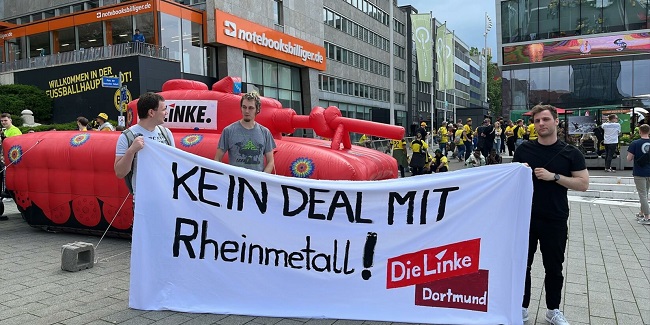
Tensions took a different form on Friday, April 10, 2026, as climate and anti-war activists staged a disruptive protest against defence manufacturer Rheinmetall.

The seven demonstrators glued themselves to the ground outside the company’s facility in the Gesundbrunnen district in Germany, prompting a police response.

It was reported that authorities later removed the activists, some of whom sustained minor injuries during the operation and were treated at the scene.

Rheinmetall protest
Rheinmetall protest

Chanting slogans against arms production and global conflict, the protesters accused Rheinmetall of profiting from war.

The company has seen rapid growth in recent years, particularly following Russia’s invasion of Ukraine, with demand for military equipment surging.

The demonstration followed another protest in March, when activists climbed onto the company’s rooftop, unfurled banners referencing Middle East conflicts, and caused property damage before being removed by police forces.

How Lagos recycled 405.17 tonnes e-waste in 2025

The Lagos Waste Management Authority (LAWMA) recycled 405.17 tonnes of electronic waste in Lagos State in 2025.

Managing Director of LAWMA, Dr Muyiwa Gbadegesin, disclosed this in an interview in Lagos.

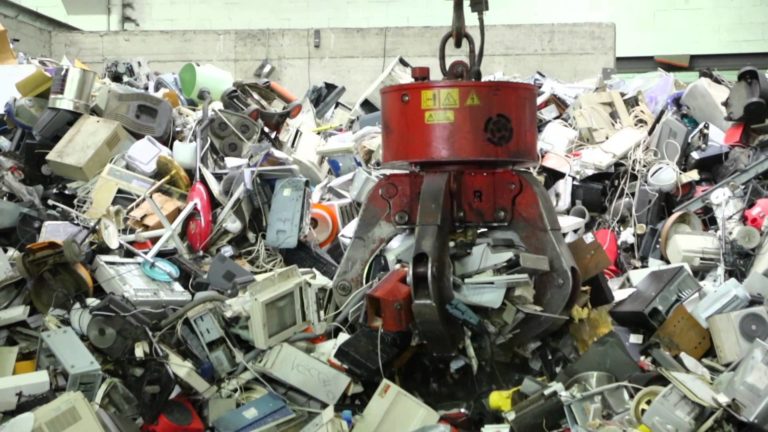
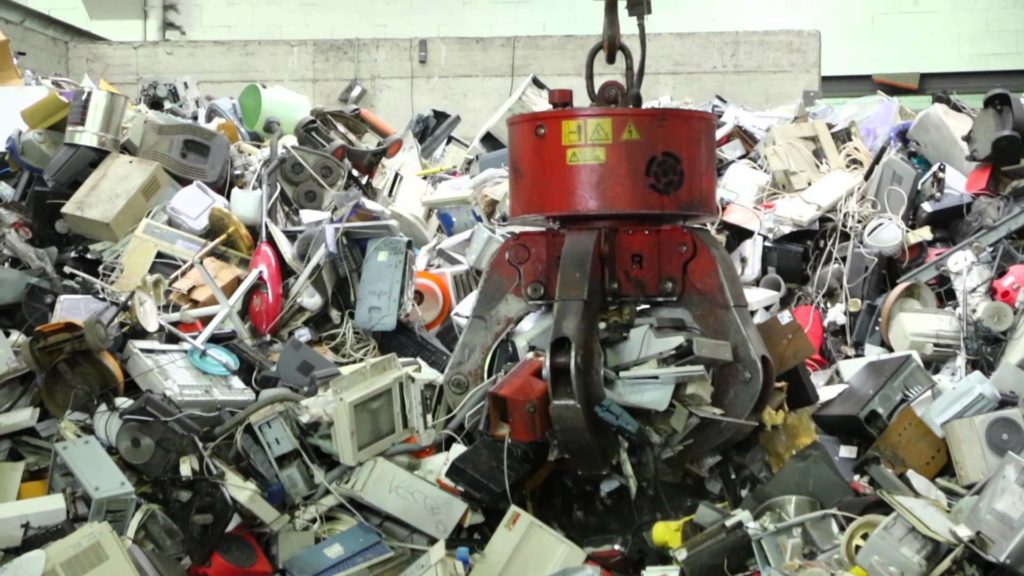
E-waste (electronic waste) refers to any discarded, broken, or obsolete electrical or electronic devices. It covers a wide range of powered items – from laptops, mobile phones, and batteries to household appliances such as refrigerators and televisions.

ewaste
Waste of electrical and electronic equipment (WEEE) such as computers, TV-sets, fridges and cell phones is one the fastest growing waste streams in Africa and the EU

It is often classified as hazardous due to toxic components like lead or mercury, necessitating specialised recycling, and it is considered one of the fastest-growing waste streams globally.

Gbadegesin said the 2025 figure was higher when compared with 355.15 tonnes recycled in 2024.

He also disclosed that 305.63 tonnes of e-waste were collected in 2023, showing a steady increase in formal recycling.

Gbadegesin said the Lagos State Government had intensified advocacy and established structures to promote safe e-waste management across the state.

“The government is doing its best to promote safe handling of e-waste in Lagos State.

“The government recognised the importance of managing e-waste and set up an e-Waste Unit to coordinate its management in the state.

“The Lagos State Government has increased advocacy and awareness around safe handling of e-waste.

“It has also certified recycling companies and collection centres,” Gbadegesin said.

According to him, e-waste management in the state is handled through 17 certified recycling companies and approved collection centres.

He added that the agency directs e-waste to certified recyclers and approved collection centres to ensure safe handling and disposal.

Gbadegesin noted that its e-waste unit regulates the sector by formalising informal operators, enforcing compliance, and creating awareness on the hazardous nature of e-waste.

Some environmentalists and another government agency, however, spoke on how e-waste is handled and disposed in the state.

Speaking on the development, Dr Leslie Adogame, the Executive Director of Sustainable Research and Action for Environmental Development, called for urgent and holistic action to address the growing e-waste challenge.

Adogame described e-waste as highly hazardous, containing toxic substances such as arsenic, which pose serious health risks, especially to children and women.

He stressed the need for safe collection, transportation, recycling and disposal systems, noting that current efforts remain inadequate across the value chain.

According to him, awareness of e-waste dangers remains low and is largely limited to stakeholders within the sector.

“E-waste begins at the household level, so awareness must start from homes, not just within the informal recycling sector,” he said.

Adogame noted that public awareness of e-waste lags behind that of plastic waste, leading to poor disposal practices and increased environmental risks.

He also pointed to a gap in recycling capacity, noting that Lagos has limited registered recyclers relative to the volume of waste generated.

The SRADeV director emphasised the need to strengthen the Extended Producer Responsibility framework and expand its implementation nationwide.

He added that poor waste segregation results in mixed waste streams, making recycling inefficient and overwhelming existing facilities.

“There is a need for dedicated bins and structured sorting systems to support recyclers,” he said.

Adogame identified weak collection systems, inadequate infrastructure and low public awareness as major challenges affecting effective e-waste management.

He also highlighted underfunding of the environmental sector as a barrier to sustained advocacy and intervention efforts.

Similarly, Mrs. Adedayo Adebayo, Director in charge of e-waste at the Lagos State Environmental Protection Agency (LASEPA), said awareness creation from the point of collection is critical to effective e-waste management.

Adebayo noted that the state has about 30 registered collectors and a few recyclers being integrated into a structured value chain.

She said the agency works with Extended Producer Responsibility initiatives and other regulators to ensure proper handling of e-waste.

According to her, LASEPA monitors corporate organisations, assesses their waste streams and directs them to certified collectors.

She added that indiscriminate disposal is prohibited, while operators are registered and guided with standard procedures.

The director said the agency also conducts environmental monitoring, including water, air and soil sampling around operational sites.

She stressed that open burning of waste is banned due to the hazardous substances released into the environment.

Adebayo also disclosed that LASEPA collaborates with relevant ministries to organise informal operators into cooperatives and strengthen enforcement.

Also, the Executive Director, Renevlyn Development Initiative, Mr. Philip Jakpor, said awareness on proper e-waste disposal remains insufficient in Lagos.

Jakpor noted that many residents still store obsolete electronics at home or resort to burning them, exposing themselves to toxic pollution.

He identified poverty as a key driver, as many people rely on second-hand electronics without understanding associated health risks.

Jakpor called on government to intensify sensitisation campaigns and establish designated e-waste disposal sites.

“Poverty is a critical factor in the proliferation of e-waste in our environment.

“This is because some of the products such as televisions and old computers and phones are patronised by those who cannot afford the new products because of their exorbitant costs.

“Most do not know that they are exposing themselves to emissions from these products because they have reached their end of life stages,” Jakpor said.

The President, Association of Scrap and Wastepickers of Lagos, Mr. Friday Oku, said the current system of e-waste handling and disposal relied heavily on informal activities with limited formal support.

Oku noted that informal collectors often use unsafe methods such as burning and dismantling to extract valuable materials, causing environmental damage.

He urged authorities to formalise, train and equip waste pickers with protective gear and safe recycling tools.

Oku also recommended the establishment of collection hubs in major markets and stricter enforcement of Extended Producer Responsibility.

By Fabian Ekeruche

The Big Itch: How climate change is fueling Africa’s mosquito crisis

0

In the Dakibiu community – a slum area located near Jabi, one of the commercial nerve centres of the Federal Capital Territory (FCT) – 42-year-old Mrs. Adeola Balogun swats at the persistent buzzing in her bedroom.

“I have lived here all my life.

“But the mosquitoes are worse now, everywhere, all year round. Even with nets and repellents, it feels like they are winning,” Balogun said.

Malaria
Malaria is a serious mosquito-borne infectious disease caused by the Plasmodium parasite, primarily transmitted through the bites of infected female Anopheles mosquitoes

In Addis Ababa, 28-year-old farmer Mr. Mulugeta Tesfaye, shared a different challenge.

“Our village never had malaria in the highlands. Now, every rainy season brings fever and hospital visits for my children.

“It is terrifying because we don’t have immunity here,’’ Testaye said.

More so, in Ouagadougou, Burkina Faso, school teacher, Madam Aissatou Traoré, sounded downcast.

“Dengue is spreading fast in our neighborhoods. Last year, half my class fell sick. People are scared and unsure how to protect themselves,” she said.

These stories reflect a continent-wide reality: mosquitoes are becoming year-round, widespread, and more dangerous, driven by climate change.

Across Africa, a familiar sound is becoming more persistent and more dangerous. The buzz of mosquitoes, once seasonal and predictable, is now a year-round reality in many communities.

From coastal cities like Lagos to highland settlements across East Africa, climate change is reshaping where mosquitoes live, how they behave, and how diseases spread.

This transformation, increasingly described by experts as “The Big Itch,” is no longer just an environmental concern but a growing public health crisis placing millions at risk of malaria, dengue, and other vector-borne diseases.

Experts say climate change is fundamentally altering mosquito ecology.

Rising temperatures, shifting rainfall patterns, and milder winters are enabling mosquitoes to expand beyond their traditional boundaries.

Research from the National Centre for Biotechnology Information and the Wellcome Trust indicates that mosquitoes are now emerging earlier in the year, surviving longer into colder seasons, and thriving in regions that were once unsuitable for their survival.

This shift is effectively dismantling natural environmental barriers and exposing new populations to diseases for which they have little or no immunity.

The biological impact of rising temperatures on mosquitoes is particularly alarming.

Studies indexed on PubMed Central indicate that higher temperatures accelerate mosquito development, increase their biting frequency, and shorten the incubation period of pathogens within them.

At approximately 28 degrees Celsius, an Anopheles mosquito can mature from egg to adult in about 10 days, while warmer conditions also speed up viral development, allowing mosquitoes to become infectious more quickly.

Experts say this “turbo-charged” effect significantly increases the intensity and frequency of disease transmission.

In addition to these biological changes, mosquitoes are expanding into new geographic frontiers.

According to Yale Climate Connections, mosquitoes are moving into the African highlands at approximately 6.5 metres per year, bringing malaria to communities that cooler temperatures have historically protected.

Warmer winters are also enabling mosquitoes to survive year-round, turning what was once a seasonal risk into a public health threat.

Urbanisation is further compounding the problem.

Reports from BBC News highlight the spread of Anopheles stephensi, an invasive mosquito species that thrives in densely populated urban environments.

This species breeds in water storage containers, drainage systems, and waste sites, and has shown resistance to many commonly used insecticides.

Its presence in cities such as Lagos and Kano represents a major shift in malaria transmission dynamics, moving the disease from rural settings into crowded urban centres where the potential for rapid spread is significantly higher.

Africa already carries nearly 95 per cent of the global malaria burden, and climate change is expected to worsen the situation.

Data from the Medicines for Malaria Venture shows that the continent recorded approximately 265 million malaria cases and 579,000 deaths in 2024 alone.

Projections indicate that climate change could lead to an additional 123 million cases and over 500,000 deaths by 2050, driven largely by extreme weather events, disruptions to healthcare systems, and persistent funding gaps.

Nigeria alone accounts for nearly one-third of global malaria deaths, underscoring the scale of the challenge.

Dengue fever is also emerging as a significant threat across the continent.

According to the Malaria Consortium and The Lancet, Africa has recorded approximately 200,000 suspected dengue cases over the past decade, with West Africa accounting for the majority of confirmed infections.

Climate change and rapid urbanisation are expected to extend transmission seasons by up to four months annually, increasing both the frequency and severity of outbreaks.

Human activities are further intensifying the crisis.

Research published on Science Direct shows that irrigation projects, dam construction, and deforestation are creating new breeding habitats for mosquitoes while also increasing local temperatures.

This phenomenon, sometimes described as the “paddies paradox,” illustrates how development efforts can inadvertently amplify public health risks when environmental considerations are not fully integrated into planning.

Experts warned that the intersection of climate change and mosquito behaviour in Nigeria and across Africa represents a “public health time-bomb” that requires immediate and coordinated action.

Dr Akinlolu Fawehinmi, Rector, Nigeria College of Natural Medicine Technology in Lagos under the Nigeria Natural Medicine Development Agency, said that rising temperatures were accelerating mosquito breeding and shortening their life cycles.

Fawehinmi noted that erratic weather patterns, including both flooding and drought, were creating ideal conditions for mosquito species such as Aedes, thereby increasing the risk of disease transmission.

Experts from the African Institute for Development Policy and the World Health Organisation warn that the rise of Anopheles stephensi poses a serious threat to urban malaria control efforts.

Mr. Odinaka  Obeta, Executive Director of Block Malaria Africa, explained that the species thrived in artificial water containers, difficult to monitor, and exhibited resistance to commonly used insecticides, making it particularly dangerous in rapidly growing cities.

Obeta called for the development of climate-resilient health systems.

He stressed the need for vulnerability assessments to identify communities most at risk, as well as the integration of climate data into health planning.

Dr Bernard Onyango, a Kenyan demographer and policy researcher known for his work linking population dynamics, health, and environmental sustainability, said that climate and health systems must work together more effectively.

Onyango observed that meteorological services and health institutions often operated in isolation, resulting in fragmented data and missed opportunities for early warning and coordinated response.

Strategic Adviser on Malaria Elimination to the Minister of Health, Prof. Olugbenga Mokuolu, further highlighted the importance of community awareness and gender-sensitive approaches.

Mokuolu noted that there was a significant gap between general awareness of climate change and understanding its direct impact on health, particularly in relation to mosquito-borne diseases.

He said that women and girls were disproportionately affected during climate-related events such as floods, which could disrupt access to essential healthcare services, including maternal and reproductive care.

At the global level, researchers from the Pan-African Medical Journal point to a stark inequity.

Africa contributes only about four per cent of global carbon emissions; yet, it is home to seven of the 10 countries most vulnerable to climate change.

They argue that the worsening mosquito crisis reflects a broader issue of global responsibility, with high-emission countries playing a significant role in driving the environmental changes that are now impacting Africa’s public health landscape.

For millions of people across the continent, the consequences of this crisis are already being felt in increased illness, rising healthcare costs, and reduced productivity.

Communities are adapting as best as they can, but without stronger systems, better coordination, and sustained investment, these efforts may not be enough.

The “Big Itch” is no longer just about discomfort. It is a warning sign of a deeper and more complex crisis, where climate change is directly shaping the future of human health.

Stakeholders warn that without urgent and coordinated action, the spread of mosquito-borne diseases will continue to accelerate, placing even greater strain on already vulnerable populations and health systems across Africa.

By Abujah Racheal, News Agency of Nigeria (NAN)