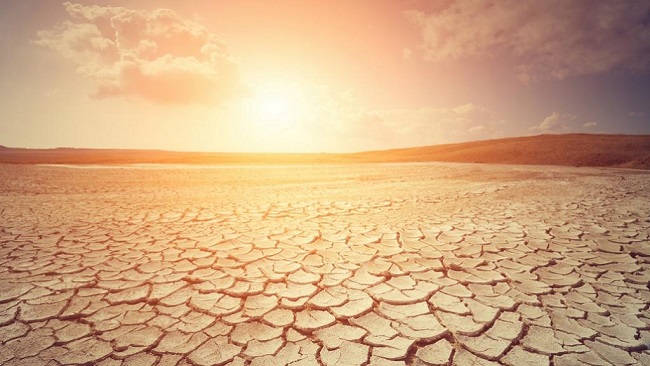
A landmark study published on Thursday, September 11, 2025, in Nature has revealed that 213 major heatwaves in the 21st century would have been “virtually impossible” without human-caused global warming.
The research shows that fossil fuels produced by the world’s biggest oil and gas companies, including ExxonMobil, BP, Saudi Aramco and Shell, have directly intensified and increased the frequency of heatwaves across the globe.
Heatwave
The study finds:
Heatwaves since 2000 have been, on average, 1.7°C hotter due to climate change, with half of this increase caused by emissions from more than 100 “carbon majors”.
One-quarter of the 213 heatwaves would not have occurred at all without human-driven warming.
Climate change has worsened every single major heatwave recorded between 2000 and 2023.
As the planet warms, heatwaves are becoming deadlier and more destructive, driving up heat-related deaths, economic losses and ecosystem collapse. Yet the fossil fuel industry continues to expand production, despite being responsible for 60% of all human-caused CO2 emissions since 1850.
Anne Jellema, CEO of 350.org, said: “Heatwaves that devastate communities, kill thousands, and destroy crops are not ‘natural disasters’, they have been engineered, as a direct result of fossil fuel companies choosing profit over people. This new research puts names to the culprits. Ordinary people are paying the price, while Big Oil cashes in. That’s why, in just 10 days, people around the world will Draw the Line, standing up to fossil fuel giants and demanding leaders finally hold them accountable.”
The findings land just days before Draw the Line, a global mobilisation organised by 350.org and allies, with over 400 actions planned across more than 50 countries. From Berlin to Dhaka, London to New Delhi, communities will take to the streets to demand a rapid phase-out of fossil fuels and a just transition to renewable energy.
Shelter Afrique Development Bank (ShafDB) and African Export-Import Bank (Afreximbank) have signed a groundbreaking Joint Project Preparation Facility (JPPF) Framework Agreement. This strategic partnership aims to unlock a cumulative investment value of at least $1 billion and is set to significantly transform housing and urban development across the continent and boost trade and investment.
Signed on the sidelines of the ongoing fourth Intra-African Trade Fair (IATF2025) by Mr. Thierno-Habib Hann, Managing Director and CEO, ShafDB, and Ms. Oluranti Doherty, Managing Director, Export Development Afreximbank, the agreement aims to provide early-stage project preparation financing, propelling projects from concept to bankability efficiently and effectively.
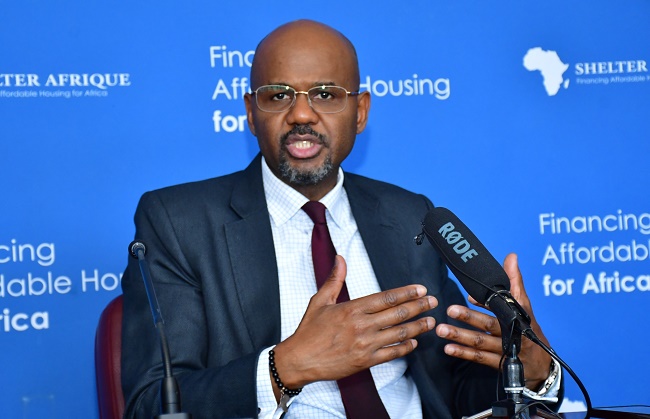
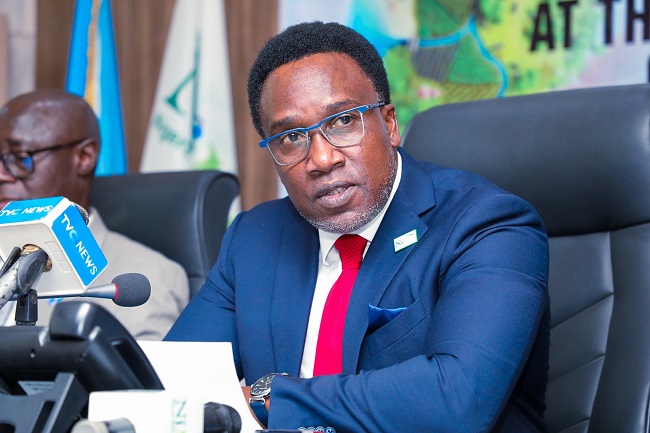
Shelter Afrique Development Bank Managing Director, Thierno Habib Hann
The JPPF will primarily support priority sectors including building and construction, housing, healthcare, hospitality and tourism, industrial, manufacturing of building materials, commercial and residential infrastructure, and logistical platforms such as industrial zones and special economic zones.
In addition to financing, the JPPF also incorporates a robust capacity-building programme aimed at enhancing the project preparation skills of ShafDB staff, empowering them with essential skills to develop bankable and impactful projects.
Commenting on the partnership, Ms. Doherty, stated: “We are thrilled to collaborate with Shelter Afrique Development Bank to accelerate sustainable urban development across Africa. This partnership aligns with our shared vision of promoting economic growth and enhancing the quality of projects on the continent. By combining ShafDB’s expertise in housing and urban development and Afreximbank’s extensive experience in project preparation, we are poised to unlock new opportunities and deliver transformative projects in critical sectors that will amongst other benefits establish economic hubs and platforms that will promote trade and tradeable services.
“The JPPF will act as a catalyst for private sector investment, leading to substantial socio-economic development across the continent. Furthermore, our capacity-building programme will equip ShafDB staff with essential project preparation skills, ensuring sustainable project pipelines in the years to come.”
Commenting on the signing, Mr. Hann said: “Our sector faces two major structural challenges: the lack of reliable data and the insufficient preparation of projects. At ShafDB, we have already taken bold steps to address the first challenge through our VIRAL model – a data-driven framework designed to provide actionable insights and support evidence-based decision-making in housing and urban development.
“Today, we are proud to tackle the second challenge through this strategic partnership with Afreximbank. The Joint Project Preparation Facility will enable us to move projects from concept to bankability with speed and precision, unlocking over US$1 billion in investments. This is a transformative step toward building resilient, inclusive, and sustainable cities across Africa.”
Both Afreximbank and ShafDB are members of the Alliance of African Multilateral Financial Institutions (AAMFI), underscoring their commitment to collaboration and innovation in fostering economic development and growth across the continent.
The IATF2025, held from September 4 to 10, is projected to have resulted in the conclusion of trade and investment deals valued at over $44 billion.
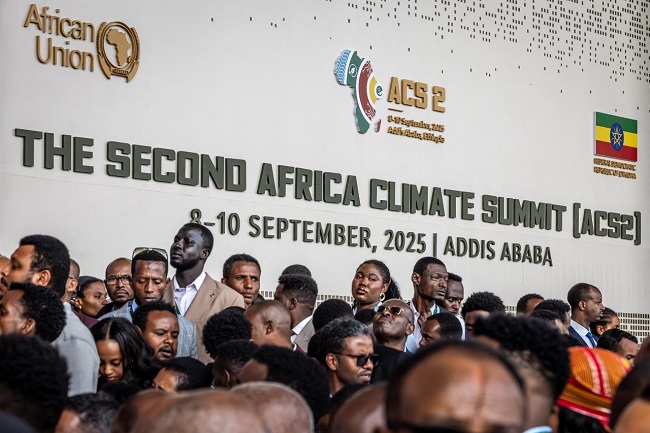
As the Second Africa Climate Summit (ACS2) ended on Wednesday, September 10, 2025 in Addis Ababa, leaders unveiled landmark initiatives to accelerate Africa’s role in the global energy transition, including the Africa Climate Innovation Compact (ACIC) and the African Climate Facility (ACF), designed to mobilise $50 billion annually for scaling local climate solutions, with a strong emphasis on renewable energy deployment and innovation.
Additionally, leaders launched Africa’s first Green Minerals Strategy, aimed at securing the continent’s place in global clean-tech supply chains through value addition, beneficiation, and strategic cooperation. The African Union Commission will also explore creating a Coalition of African Critical Mineral Producers, an OPEC-style bloc to strengthen bargaining power in negotiations over transition minerals.
Leaders have unveiled initiatives to accelerate Africa’s role in the global energy transition
Climate campaigning organisation 350.org welcomes the renewed commitment by African leaders to accelerate renewable energy across the continent, reaffirmed during the high-level Africa Climate Summit. Leaders set a continent-wide target of 300 GW of renewable energy capacity by 2030, a bold ambition that signals Africa’s resolve to lead in global renewable energy development.
Regina Baiden, Africa Regional Director at 350.org, said: “Africa’s bold renewable energy target is not just about megawatts, it is about justice, dignity, and resilience for people across the continent. But ambition without finance is a broken promise. Climate finance is not charity, it is a legal obligation, and the world must step up to ensure resources flow directly to communities leading the just transition. We stand in solidarity with African leaders and communities who are drawing the line at 1.5°C and demanding a fair global transition.”
The Addis Ababa Declaration represents one of the strongest statements yet from African leaders on climate finance, calling for grants over loans, debt relief, and trillions in support. It rightly condemns unilateral trade measures like the EU’s Carbon Border Adjustment Mechanism, which could cost Africa billions annually, and affirms climate finance as a legal obligation under international law.
However, campaigners caution that the declaration does not go far enough. By seeking fairer access to existing multilateral banks, carbon markets, and investment frameworks that have entrenched inequality and dependency, the declaration risks reinforcing the very system that has left Africa vulnerable.
Alia Kajee, Global Campaign Project Manager at 350.org, said: “We are calling for climate financing mechanisms to be reformed to ensure fairness, adequacy, accessibility, and affordability, and to provide direct funding that meets local needs. Africa already has the solutions and expertise to drive renewable energy, resilience, and sustainable development, yet the continent is frequently denied the resources or drowned in too much debt to implement them. Closing this finance gap is essential to enable African communities to lead on climate solutions and adaptation that is equitable.”
By setting ambitious renewable energy targets, Africa is positioning itself as a global climate leader. But without ensuring community ownership, worker participation, and democratic control of the transition, Africa risks being reduced to a supplier of green minerals, carbon credits, and low-carbon manufacturing for global markets.
As the Second Africa Climate Summit (ACS2) closed on Wednesday, September 10, 2025, African leaders reiterated their commitment to scaling up renewable energy and underscored the urgent need for international cooperation to deliver a just transition.
Reaffirming the target of generating 300 GW of renewable energy by 2030, they called for a tenfold increase in global renewable energy investment in Africa, from 2% to 20%, to ensure a fair and sustainable global energy transition.
ACS2 ends with calls for increased global investments in renewables
The call for collaboration echoes the vision of the proposed Fossil Fuel Non-Proliferation Treaty, which seeks to foster international cooperation to facilitate an equitable transition from fossil fuels and a financed shift to renewables. The Treaty is built on three pillars: Global Just Transition: Mobilising fair finance, technology transfer, and debt relief so no country, community, or worker is left behind; Fair Phase Out:Phasing out existing fossil fuel production equitably, with wealthier nations moving first and fastest; and ending new coal, oil, and gas projects.
The Addis Declaration, ACS2’s official outcome, also urged developed nations to honor climate finance commitments for adaptation and mitigation, and called for reforms to make international finance fair, accessible, and non-debt creating. It emphasized the need for debt resolution mechanisms to ease the growing burden many African nations face.
Seble Samuel, Head of Africa Campaigns & Advocacy, Fossil Fuel Non-Proliferation Treaty Initiative, said: “As African nations demonstrate critical renewable energy ambition, these plans risk being undermined by inadequate financing, an unjust global financial architecture and so-called transitional fuels that would only serve to delay a real transition. Africa has the potential to lead the renewable energy revolution, but the conditions must be right. International cooperation is essential to unlock a global energy transition rooted in justice. The Fossil Fuel Non-Proliferation Treaty offers a framework to foster that cooperation and deliver a fair and financed transition to renewable energy.”
Omar Elmawi, Convener, Africa Movement of Movements, said: “The second Africa Climate Summit will be remembered as a landmark moment where African nations firmly placed adaptation at the center of the continent’s climate agenda. Leaders reaffirmed the ambitious goal of 300 GW of renewable energy capacity by 2030 and boldly called for at least $1.3 trillion in climate finance by 2035, insisting that 20% of global renewable energy financing be directed to Africa, and crucially, in the form of grants rather than loans.
“However, the summit was not without its shortcomings. The inclusion of ‘transitional fuels’ in the declaration leaves the door open for new gas projects, risking the creation of stranded assets. And while the $1.3 trillion demand is critical, pushing its delivery out to 2035 risks coming a decade too late for communities already facing the brunt of the climate crisis.”
As the summit draws to a close, the challenge ahead is to turn ambition into action, advancing a just transition and leveraging international cooperation and initiatives such as the proposed Fossil Fuel Treaty to complement existing frameworks and deliver lasting change for Africa and the world.
Momentum for the Fossil Fuel Treaty is already growing, with 17 nations in the Pacific, Latin America, the Caribbean, and Southeast Asia engaged in discussions. In joining this bloc of nations, African nations would have a critical opportunity to shape the terms of a Treaty that secures the finance, technology, and cooperation needed to power a just, renewable-driven future.
The Nigerian National Petroleum Company Limited (NNPCL) says the country is targeting $60 billion in new investments over the next five to seven years to expand gas infrastructure.
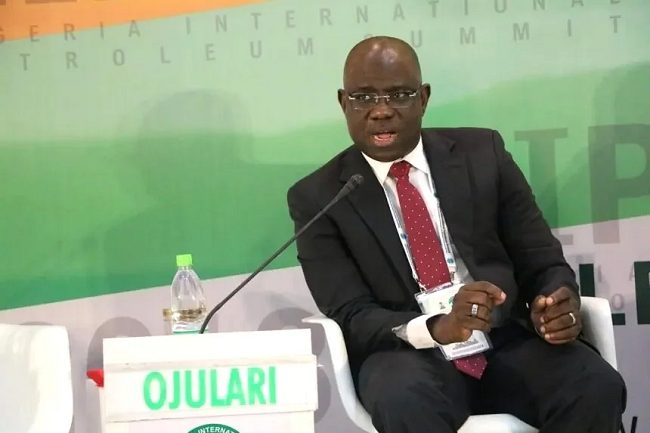
Mr. Bayo Ojulari, Group Chief Executive Officer of NNPCL, disclosed this while addressing a global audience from 150 countries at the opening of the Gastech Exhibition and Conference in Milan, Italy.
Group Chief Executive Officer of NNPCL, Bayo Ojulari
He further stated that the Federal Government was seeking the investment to boost industrialisation and reinforce the country’s position in the global energy market.
According to him, the planned investment was aimed at scaling up Nigeria’s natural gas production to 12 billion cubic feet per day and expanding the refinery capacity to meet growing global energy demand.
“We are seeking at least 60 billion dollars in investment over the next five to seven years, which for our oil and gas industry is just the tip of the iceberg.
“We are seeking investors to grow production,” he said.
Ojulari said the Petroleum Industry Act (PIA), signed into law in 2021, transformed NNPC into a limited liability company, enabling it to access direct funding and forge global partnerships.
He said that the company was currently producing about 1.6 million barrels of crude oil per day (bpd) with a mandate to grow output to 2 million bpd by 2027 and 3 million bpd by 2030.
He highlighted the ongoing projects, including the Ajaokuta–Kaduna–Kano (AKK) pipeline, the extension of the West African Gas Pipeline to Morocco and Europe, as well as the expansion of the Nigeria LNG project.
According to him, Nigeria already supplies 60 per cent of LNG to Portugal and Spain, and is currently on Train 6, constructing Train 7 to be completed in 2026, with plans for Trains 8 and 9.
“Nigeria has one of the best-run LNG businesses globally. We want to take advantage of the current high energy demand, which is also expected to go even higher,” he said.
On clean energy, Ojulari said government was driving LPG adoption and has launched a programme to deliver 2 million cylinders nationwide, while also rolling out a Compressed Natural Gas (CNG) transition scheme for vehicles and machinery.
On Nigeria’s role in global energy security, he added that geopolitical shifts, such as the Russia-Ukraine-war, had accelerated regional pipeline projects to strengthen energy security.
The NNPCL boss said Nigeria has over 200 undeveloped oil and gas fields, describing them as greenfield opportunities for international investors.
On how foreign policy shifts affect Nigeria’s energy sector, Ojulari said the country had been hosting investments from diverse global players including ExxonMobil, Chevron, Shell, Agip and Total.
“Nigeria is a global market. While foreign policies do impact us, our focus is on creating a stable market and building the right partnerships,” he said.
Also speaking, the Minister of State for Petroleum Resources (Gas), Mr. Ekperikpe Ekpo, reaffirmed Nigeria’s commitment to leveraging its vast reserves to drive industrialisation, regional integration and global energy security.
He said that natural gas remained central to Nigeria’s energy strategy, powering industries, clean cooking, agriculture, job creation and public health.
“Nigeria as a gas nation is committed to using our natural gas to serve our economy, our continent, and other parts of the world,” he assured.
Ekpo noted that the Nigeria Liquefied Natural Gas (NLNG) project was set to raise production capacity from 22 million metric tonnes per annum (MTPA) to 30 MTPA with Train 7.
He said that the country was also pushing regional pipeline diplomacy through the Nigeria-Morocco Gas Pipeline, a 5,000-kilometre transcontinental project designed to connect West Africa to Europe.
He said that the government was also engaging with Algeria and Equatorial Guinea on the Trans-Saharan Gas Pipeline to expand regional energy interconnectivity.
With an estimated 210 trillion cubic feet of gas reserves, the minister said Nigeria was open to investors and had introduced regulatory reforms and executive orders under President Bola Tinubu to create an investor-friendly environment.
“Our natural gas is the bridge to renewables, and the anchor point for developing countries like Nigeria to ensure we are not left behind in the global energy transition,” he concluded.
Nigeria’s participation at the global summit underscores its ambition to become a key player in the evolving energy landscape.
Multilateral development banks (MDBs) delivered a record $137 billion in global climate finance in 2024 – a 10% increase that underscores the growing scale of international climate investment.
The majority of this funding flowed to low- and middle-income economies, according to a report published on Wednesday, September 10, 2025, by the European Investment Bank (EIB) with participation from other MDBs, including the African Development Bank Group (AfDB).
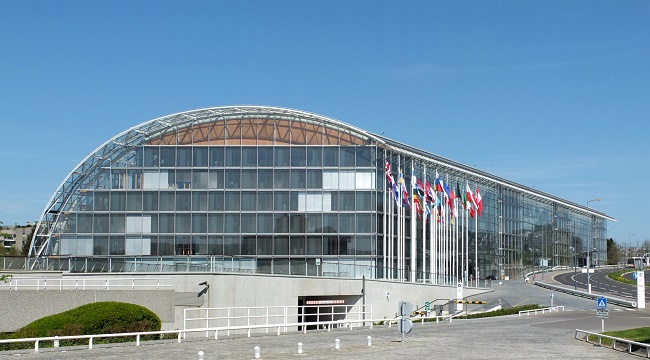
The European Investment Bank (EIB) headquarters in Luxemburg
In addition, MDBs mobilised $134 billion in private finance for climate action in 2024, a 33% increase from the year earlier, according to 2024 Joint Report on Multilateral Development Banks’ Climate Finance.
Expanding climate finance will be a central theme at COP30, which is scheduled to take place in Belém, Brazil in November 2025. At the COP29 summit, held late last year in Baku, countries agreed to scale up support for developing countries to at least $1.3 trillion annually from public and private sources by 2035. The findings are expected to inform discussions during the conference.
“Africa is pushing the pedal on actions that transform Africa’s green potential in energy, nature-based solutions, innovation and a vibrant workforce,” said Anthony Nyong, African Development Bank Director for Climate Change and Green Growth.
“And we are putting climate adaptation at the heart of this effort. At the African Development Bank, we are walking the talk, we continuously meet our climate finance annual target and over half of our climate finance goes to helping African countries build resilience, protect livelihoods, and secure a climate-resilience future, while still investing in greener future,”
Key report findings
Low- and Middle-Income Economies
Received $85.1 billion in MDB climate finance, representing a 14% year-on-year increase
Climate finance in these countries more than doubled over the past five years
Private finance mobilised for climate investments reached $101 billion
The 2024 Multilateral Development Bank Climate Finance Report was prepared by the EIB with assistance from the European Bank for Reconstruction and Development. It combines data from both institutions as well as from the African Development Bank Group, the Asian Development Bank, the Asian Infrastructure Investment Bank, the Council of Europe Development Bank, the Inter-American Development Bank Group, the Islamic Development Bank, the New Development Bank and the World Bank Group.
The report comes as MDBs are taking steps to increase the transparency of their climate financing through digitalisation initiative that will make their data more accessible and user-friendly.
The European Commission may continue to classify nuclear power and gas as climate-friendly, an European Union (EU) court in Luxembourg ruled on Wednesday, September 10, 2025.
The judges had dismissed Austria’s lawsuit against the so-called taxonomy, the court announced.
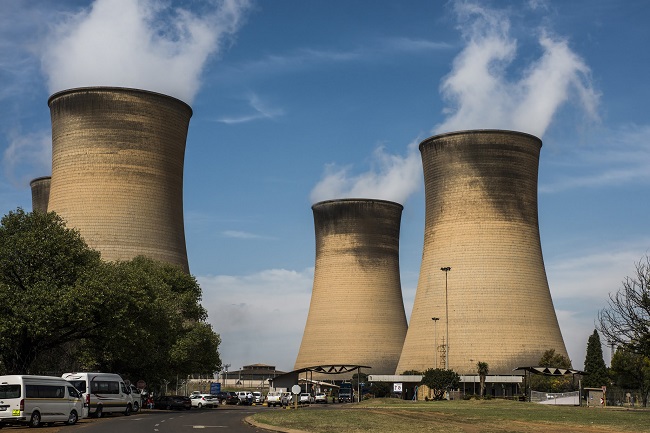
Nuclear power plant
It noted that Austria could still appeal the ruling to the next higher instance, the Court of Justice of the EU.
The EU’s so-called taxonomy listed economic activities that were in line with the bloc’s ambitious climate and environmental goals.
The classification system was intended to help companies and citizens identify climate-friendly projects for investments.
The rules also included gas and nuclear power projects.
Austria had filed a complaint in 2022, accusing the European Commission of green washing nuclear and gas-powered electricity generation.
The Austrian government argued that, under the taxonomy, a sustainable energy source might not lead to severe environmental problems.
Nuclear power, however, is linked to severe environmental risks, it said, while burning gas releases climate-damaging carbon-dioxide, the complaint added.
The EU court, however, found no fault with the commission’s assessment of nuclear energy and gas, and these economic activities were considered sustainable within the definition of the EU taxonomy.
Under the rules, so-called transitional economic activities for which there were no technically and economically viable low-carbon alternatives can be sustainable under this EU regulation.
Investments in gas or nuclear power plants are considered climate-friendly if they used the technologies with the lowest emissions currently available.
The judges concluded that the production of nuclear energy caused virtually no greenhouse gas emissions and that there were currently no sufficient alternative technologies available to meet energy demand consistently and reliably.
“The EU climate label is a gradual approach based on a reduction of greenhouse gas emissions in stages, while allowing for security of supply,” the court said.
Environmental groups, including Greenpeace, have also filed separate lawsuits.
“A black day for the climate,” said Martin Kaiser, executive director of Greenpeace Germany.
With this classification, billions would flow into gas and nuclear power instead of promoting the rapid transition to renewable energies, he warned.
Pakistan on Wednesday, September 10, 2025, declared a climate and agriculture emergency as authorities raced to rescue at least 1.6 million people at risk of massive flooding in downstream areas.
“We have decided to impose a climate emergency and agriculture emergency,” Prime Minister Shehbaz Sharif said.
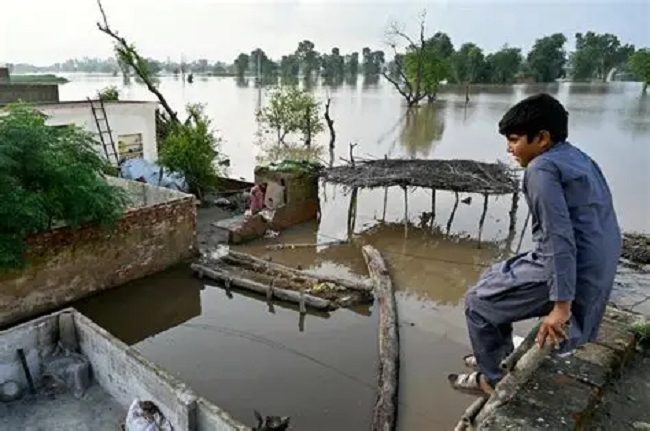
Flooding in Pakistan
He said this during a cabinet meeting, citing the destruction of crops and inundation of thousands of hectares of fertile land.
Rice, cotton and maize crops have been destroyed in 4,400 villages in Punjab province.
An assessment of agricultural losses will be announced next week.
A committee comprising heads of the federal and provincial governments will formulate a comprehensive plan to try to cope with the situation.
The swollen rivers, flash floods, urban inundation and landslides triggered by heavy monsoon rains, cloudbursts and glacial lake outbursts have killed 928 people since late June, the disaster agency said.
Nearly six million people have been affected by the floods in the northern Himalayan region, north-western mountainous terrain and the central plains so far, the UN disaster agency said.
No less than 1.6 million people are at risk of massive flooding and might need relocation or rescue.
The UN’s Office for the Coordination of Humanitarian Affairs (OCHA) said, as the swollen rivers entered the southern province of Sindh.
“We have already evacuated around 200,000 people and are ready to rescue more,” Sindh’s Chief Minister, Murad Shah, said.
Rescue workers and soldiers backed by boats and helicopters have already evacuated more than two million people in the central province of Punjab.
This includes nearly 300,000 in the past two days, the regional disaster agency said.
Schools were closed and streets were deserted in the port city of Karachi on Wednesday after heavy rains overnight that flooded much of the metropolis.
The monsoon, a season of heavy rains in South Asian regions that runs from July to September, has been unpredictable and harsher in recent years due to climate change.
It has killed thousands of people yearly and affecting millions.
More than 2,000 people were killed in major floods that hit Pakistan in 2022, including subsequent diseases.
The Director-General/CEO of the Nigerian Meteorological Agency (NiMet), Prof. Charles Anosike, has called for stronger collaborations across sectors to build a climate-resilient Nigeria through actionable early warning systems.
Anosike made the call at the NiMet 2025 Stakeholders’ Engagement Forum held in Lagos on Wednesday, September 10.
NiMet Director-General, Prof. Charles Anosike
He said the forum, themed: “Early Warnings: Raising Awareness on Climate Risks and Promoting Early Action,” is the first of its kind in the Agency’s history.
According to him, the platform is designed to foster collaboration, share progress, co-create solutions and raise awareness on climate risks.
Anosike, also Nigeria’s Permanent Representative at the World Meteorological Organisation (WMO), highlighted NiMet’s role as a critical enabler of early warning systems.
The NiMet boss noted that the agency carries out critical services to sectors including aviation, agriculture, marine economy, water resources, health, energy, disaster risk reduction, and construction.
“Early warnings must not end with forecasts alone; they must inspire understanding and drive decisive action,” he stressed.
Anosike showcased NiMet’s innovations, including:
“Seasonal Climate Prediction (SCP): co-produced with stakeholders and translated into local languages for wider uptake.
“Digital Climate Advisory Services (DCAS): Leveraging partnerships with MTN, Tomorrow.io, UNDP, IFAD, and others to ensure every Nigerian is covered by life-saving early warnings by 2027.
“Aviation Services: Deployment of e-Flight Folders, ISO certifications of five airports, and the Aeronautical Meteorology Bulletin to enhance flight safety.
“Marine and Blue Economy Services: Daily marine forecasts in partnership with NIMASA, NIWA, and LASWA.
‘Public Weather Services: Modernized digital weather studio with advanced graphics and rebranded broadcast wednesday meteorologists.
“Research and Training: Certified Regional Training Centres in Lagos, Katsina, Kaduna and Akure to strengthen human capacity in meteorology,” he said.
He further cited recent infrastructure upgrades supported by President Bola Tinubu and the Minister of Aviation and Aerospace Development, Festus Keyamo, (SAN) including the installation of advanced satellite and meteorological equipment.
The CEO urged stakeholders to continue providing constructive feedback and support, saying:
“Together, we can make early warnings count, reduce risks, protect investments, and secure the future of our nation in the face of a changing climate,” he added.
The Forum also featured goodwill messages from key partners.
The Director-General of the National Emergency Management Agency (NEMA), Mrs. Zubaida Umar, commended NiMet’s role in providing timely forecasts that guide disaster preparedness.
Represented by the Director, South West Zonal Operations, Mr. Saheed Akiode, Umar pledged deeper collaboration with NiMet for effective risk reduction.
The Nigerian Airspace Management Agency (NAMA), represented by Mr. Farouk Ahmed, highlighted the critical impacts of climate change on aviation safety, operations, and infrastructure.
He described the Forum as timely for proffering localised solutions to climate change resilience and early warning systems.
The Africa Green Industrialisation Initiative is Africa’s most ambitious effort yet to turn our energy and resource wealth into engines of climate-smart industrial growth. From a declaration at the COP28 climate summit in 2023 to the landmark Cooperation Framework signed in Addis Ababa this week, where the continent’s leading financial institutions committed over $100 billion to its implementation, we now have a framework built for speed, real projects, and jobs, says Mohamed Adow, Founder and Director, Power Shift Africa
Director of Power Shift Africa, Mohamed Adow
I would like to take this opportunity to laud the leaders of Africa, and particularly the Federal Democratic Republic of Ethiopia, for the inspiring outcome of the Second Africa Climate Summit (ACS2), which represents a decisive turning point for our continent and the world at a time of growing geopolitical uncertainty and climate urgency. In an era where many nations hesitate or backslide, Africa’s most climate- vulnerable regions have over the last three days sent the unambiguous signal that this continent is not only committed to action, but also determined to lead.
Through this summit, Africa has stepped into a new role as a driver of global climate ambition. For instance, the commitment to generate 300GW of renewable energy by 2030 is absolutely transformational. With 40% of the world’s renewable energy potential, Africa has the resources to power its own just transition and contribute to the global energy shift.
Yet today, the continent attracts a mere 2% of global renewable energy investments. This imbalance is indefensible and unsustainable, and for the just transition to succeed, capital must flow where potential is greatest, and that potential is greatest in Africa.
Our ambition is not just 300GW of power, but 300GW driving African factories and value chains, from batteries to green steel and digital infrastructure for the Artificial Intelligence era, all underpinned by Africa’s green minerals. Through the Africa Green Minerals Strategy (AGMS) and the Africa Green Industrialisation
Initiative (AGII), we have the execution platforms to industrialise green, trade regionally, and compete globally. With unity, clarity, and speed, Africa can transform its resources into dignified jobs and climate-resilient prosperity
Indeed, AGII is Africa’s most ambitious effort yet to turn our energy and resource wealth into engines of climate-smart industrial growth. From a declaration at the COP28 climate summit in 2023 to the landmark Cooperation
Framework signed in Addis Ababa this week, where the continent’s leading financial institutions committed over $100 billion to its implementation, we now have a framework built for speed, real projects, and jobs. By mobilising capital, powering net-zero industrial clusters, aligning African Continental Free Trade Area standards, and building skills, AGII is moving from promise to delivery.
On green minerals, this summit charted a new course for Africa. The continent holds the world’s most critical reserves of cobalt, lithium, and other transition minerals, essential for the clean energy future, and I’m glad to note that the era of extract-and-export is finally coming to an end. Africa’s new strategy is to move up the value chain, ensuring these resources fuel not just global decarbonisation but also African industrialisation, jobs, and development.
On food systems, ACS2 prioritised resilience and transformation. Climate change is already reshaping African agriculture, threatening food security for hundreds of millions. The Summit pointed us all to the urgency of scaling climate-smart agriculture, investing in sustainable practices, and placing farmers, especially women and smallholders, at the centre of solutions. Food is not only a survival issue but also a sovereignty one, and Africa is signalling it will no longer be left at the mercy of external shocks.
With the Addis Ababa Declaration, Africa has shown that it is moving from the margins of global decision-making to the centre, offering renewable power to fuel industries, minerals to drive the energy transition, and food systems that can be models of resilience. Africa is ready to lead; the question is whether the rest of the world is ready to follow.