Home Blog Page 197

Nana Amoah: Africa’s youth can lead the food revolution

0

Africa stands at a defining moment. The continent has the world’s youngest population, vast arable land and abundant natural resources, yet many families still face food and nutrition insecurity as millions of young people look for work that never comes. This contradiction is alarming but solvable. The answer is to treat agriculture not as a relic or a last resort but as a modern, innovative and rewarding career path for young Africans, writes Nana Yaa B. Amoah

Nana B. Amoah
Nana B. Amoah

The Africa Food Systems Forum in 2025 offers a timely platform to reset priorities. Its focus on youth leadership in collaboration, innovation and implementation signals a clear truth.

The continent’s future depends on empowering its greatest asset, its young people.

Africa’s population is about 1.2 billion and could double by 2050. More than 400 million people are between 15 and 35, the youngest profile of any region.

Yet far too many are unemployed or underemployed.

Agriculture has the greatest capacity to absorb labour, generate income and spark innovation, but the sector remains unattractive to many.

The gap is not an opportunity.

It is imagination, investment and support.

Youth unemployment has become a failure of imagination. Too often, policy is framed around counting jobs rather than unlocking the promise that already sits in our fields, markets and research stations.

We must reimagine agriculture as a space of aspiration and impact for young Africans. That shift demands coordinated support from governments, the private sector and development partners to back youth in modern agri-entrepreneurial roles.

Rebranding agriculture as a technology-powered enterprise will turn the tide.

Across the continent, young innovators are building mobile apps that connect farmers to buyers, using drones to monitor crops, applying artificial intelligence to detect pests and creating digital platforms to verify inputs. Farming is becoming digital, data-driven and dynamic.

Young people are already leading much of this change.

But they still face heavy barriers. Land access remains the quiet gatekeeper of opportunity.

Legal, financial and customary hurdles keep land out of reach.

Without it young people, especially young women, cannot build wealth or invest with confidence. Land reform must be treated as a core youth issue, not only a rural one.

Finance is another hurdle. Many young people lack collateral and formal credit histories.

A new wave of digital financial data offers a breakthrough. Mobile money transactions and utility payments can be used to build verifiable records of financial behaviour.

Alternative credit scoring then opens the door to loans for inputs, technology and growth. Digital financial inclusion is essential if agriculture is to become a vibrant space for young entrepreneurs.

Education and training often lag behind market needs. Curricula can be outdated. Market access is weak, infrastructure is thin and new technologies are priced out of reach.

These challenges feed the myth that farming is only hard work with little reward. To make agriculture a viable career, we must remove the obstacles. Reform land tenure. Expand affordable finance.

Modernise education and training. Strengthen market linkages. Embed digital tools from production through processing and distribution. Young people should be at the forefront of this innovation wave.

The opportunities run across the value chain. Beyond growing crops or keeping livestock, youth can thrive as agro dealers who supply inputs and offer advice and delivery through digital platforms.

More than 40,000 agro dealers already support farmers, reducing distances to inputs and lifting adoption of better technologies, with yield gains reported at up to 40 percent in Nigeria.

In seed production, youth work with companies on multiplication, quality control and supply chain management.

As agricultural advisers and extension workers, young professionals train farmers in climate-smart practices that raise productivity sustainably.

The growing agri-tech sector invites youth to design tools for input verification, market information and farmer training.

Youth-led small and medium enterprises in processing and value addition create jobs, drive local industry and cut post-harvest losses.

Many are building market linkages by brokering deals, running storage and facilitating regional seed trade.

Others are advancing regenerative farming and championing drought-resistant crops that help communities adapt to a changing climate.

Young people are also shaping policy.

They are engaging ministries, regulators and national platforms to push for youth-inclusive policies and to monitor delivery, so that decisions reflect the needs of the next generation.

This agenda aligns with the new continental strategy under the Comprehensive Africa Agriculture Development Programme for 2026 to 2035, which calls for reimagining and reinvesting in food systems. Innovative financing is central.

Tax reforms, local government bonds, remittances, pension funds and climate-aligned investments can be mobilised. Social and environmental bonds, parametric insurance, and debt for nature swaps can back youth-led agribusiness and climate-resilient models.

Inclusive dialogue will make these ideas real. Ministries of finance, agriculture and social development should work together to streamline support for youth and for women across low- and middle-income countries.

Only a coordinated effort can build a system that supports young people from farm to market.

Any youth strategy that ignores gender is incomplete. Women form the backbone of agricultural production, yet remain underserved.

There is no path to unlock Africa’s food potential without gender equity. Secure land rights, tailored finance, modern training and a seat at the table are not only fair. They are essential for sustainable growth.

If we do not centre young women, we do not centre Africa’s future.

As Africa confronts food insecurity and youth unemployment, the path forward is clear. Agriculture is the future.

It is rich with innovation, powered by technology and full of opportunity.

With the right investments, policies and vision, it can become a dynamic engine of economic transformation and social inclusion.

Africa’s youth are ready to lead. The question is whether we will give them the chance.

Nana Yaa B. Amoah is the Director for Gender, Youth and Inclusiveness at AGRA, an African-led organisation that puts farmers at the centre of the continent’s growing economy
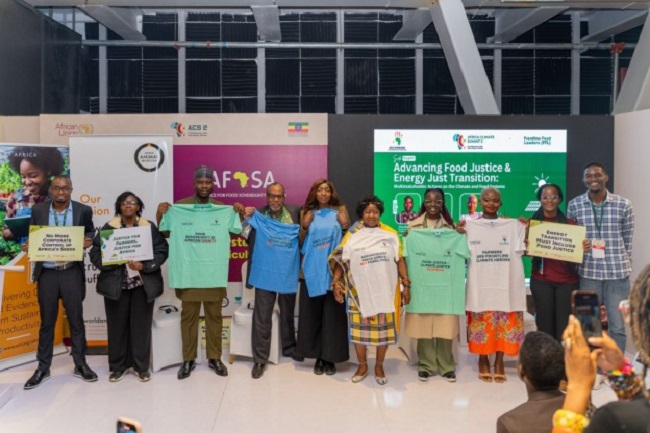

ACS2: Foundation advocates for agroecology to safeguard Africa’s climate future

0

A non-profit group known as the EcoSteward and Humanitarian Foundation has called on government leaders and stakeholders to explore the adoption of agroecology and renewable energy as two powerful solutions to Africa’s climate crisis and development trajectory.

The body made the call during a side event it hosted on Tuesday, September 9, 2025, at the recently concluded Second African Climate Summit (ACS2), which was held in Addis Ababa, the capital of Ethiopia.

EcoSteward Foundation
Participants at the EcoSteward and Humanitarian Foundation (EHF) side event in the capital of Ethiopia, Addis Ababa, which was organised with assistance from the Global Alliance for the Future of Food in partnership with the Alliance for Food Sovereignty in Africa (AFSA), Frontline Food Leaders (FFL), GreenFaith Africa, GreenFaith Nigeria, BBCU GreenFund, and Community Action for Food Security

In their evaluation of the programme’s theme, “Advancing Food Justice & Energy Just Transition: Multi-stakeholder Actions on Climate and Food Systems,” the participants argued that agroecology should not be seen as a backup plan because it is actually the continent’s original climate pathway for reclaiming degraded lands, ensuring food sovereignty, and increasing resilience to climate shocks.

As usual, the meeting ended with another historic Addis Ababa Declaration and startling financial commitments, most notably the introduction of the Africa Climate Innovation Compact (ACIC), a $50 billion yearly fund for renewable energy, innovation, and climate adaptation. The other pledges outlined in the new arrangement include the Expanded African Climate Change Fund and the African Just Resilience Framework. All of these initiatives seek to open up funds and direct them towards locally driven solutions that protect disadvantaged groups from climate-related risks.

Dr. Pius Oko, the head of the grassroots organisation, has a different opinion about the summit’s outcome; he believes that it was time to move Africa’s climate and development discourse from words to action.

Climate finance, he insisted, must flow directly to smallholder farmers, women, and young people who are powering grassroots solutions, not stop at governments and institutions.

According to him, this is critical if the continent is serious about delivering energy to the roughly 600 million people who are currently estimated to be living in darkness. It will also help to provide access for another 900 million Africans who presently lack access to clean cooking technologies, as well as the 118 million predicted to migrate by 2030.

“If global finance fails to reach the grassroots, these promises will remain empty headlines,” he asserts.

Dr. Oko appealed to leaders and international development agencies to emphasise grants over loans to alleviate Africa’s debt burden and achieve environmental justice by investing in renewable energy and sustainable agriculture.

The just concluded ACS2, which brought together political leaders, development partners, and grassroots movements, represents a critical shift and turning point in Africa’s climate leadership, as the continent is no longer on the sidelines but rather at the centre of global climate negotiations. With the Addis Ababa Declaration, Africa has spoken with one voice, and the rest of the world must listen and act immediately.

By Etta Michael Bisong, Abuja

Experts advocate stronger enforcement of safety rules in water sector

Some environmentalists have called for stricter enforcement of safety regulations in Nigeria’s water sector.

They made the call on Saturday, September 13, 2025, in Lagos at the close of a two-day International Natural Resources Conference and Water Sector Awards (iNatConf & WoSAwards 2025).

Awards
Participants at the International Natural Resources Conference and Water Sector Awards, in Lagos

Mr. Oluwadare Oyebode of the Afe Babalola University, Ondo State, decried poor governance, weak enforcement of safety laws, and inadequate funding of the sector.

He said that the gaps had left many people vulnerable to illnesses and injuries, undermining service delivery and public confidence.

Presenting a paper on “Occupational Health and Safety in the Water Industry”, Oyebode said that workers remained exposed to chemical, biological, physical and ergonomic hazards.

He said that provision of protective equipment, climate-resilient infrastructure and regular training for safety officers were important in enforcing safety measures.

“Protecting the workers is both a moral duty and a key step to ensuring sustainable water supply,” he added.

Mr. Cletus Akhigbe, the Director-General of the Quality and Management System Auditors Institute, highlighted the importance of internationally-recognised standards.

Akhigbe said that standards such as ISO 9001, ISO 14001 and ISO 45001 helped organisations to manage risks and adapt to modern disruptions.

According to him, Management System Standards integrate safety, governance and environmental performance, leading to fewer workplace incidents, stronger trust, cost saving and alignment with global environmental, social and governance principles.

Mr. Peter Ahunarh, National Director of the Ghana Red Cross Society, urged members of the public to acquire basic first aid knowledge.

He said that such knowledge could save lives and reduce pressure on hospitals during emergencies.

Ahunarh said that first aiders were often the first to arrive at accident scenes and their actions could determine survival.

He outlined basic principles such as ensuring safety, calling for help, stopping bleeding and arranging hospital transfer as important.

The director cautioned against rushing into danger.

He added that cardiopulmonary resuscitation, recovery positions, and management of shock, wounds and burns remained essential skills.

“First aid is a humanitarian service that strengthens community resilience in times of emergency,” Ahunarh said.

Kasai Province outbreak: Ebola vaccination begins in DR Congo

0

Vaccination of frontline health workers and contacts of people infected with Ebola virus disease has begun in Bulape health zone in the Democratic Republic of the Congo’s Kasai Province where an outbreak of the disease has been declared.

An initial 400 doses of the Ervebo Ebola vaccine – from the country’s stockpile of 2000 doses prepositioned in the capital Kinshasa – have been delivered to Bulape, one of the current hotspots of the outbreak. Additional doses will be delivered to the affected localities in the coming days.

Ebola Vaccine
Ebola vaccine

The vaccine is being administered through ring vaccination strategy, which entails vaccinating individuals at highest risk of infection after having come into contact with a patient confirmed with the virus. It is also recommended for health care and frontline workers responding to the outbreak who may be in contact with Ebola patients.

The Ervebo vaccine is said to be safe and protects against the Zaire ebolavirus species, which has been confirmed as the cause of the ongoing outbreak.

The International Coordinating Group on Vaccine Provision has approved around 45,000 additional Ebola vaccine doses to be shipped to the Democratic Republic of the Congo as part of the ongoing outbreak response. WHO supported the health authorities to develop the request for additional doses, and with partners, including UNICEF, also supported the development of a vaccination plan for the rollout of the doses. Vaccination teams are also being trained in data collection and receiving field support.

In addition to the vaccines, treatment courses of the monoclonal antibody therapy (Mab114) drug have also been sent to treatment centres in Bulape for clinical care. 

On the ground, WHO has so far deployed 48 experts in disease surveillance, clinical care, infection prevention and control, logistics and community engagement who, along with partner organisations, are supporting the government to rapidly strengthen outbreak response measures to halt the spread of the virus.

In countries neighbouring the Democratic Republic of Congo, WHO is working with national authorities to bolster operational readiness to enable rapid detection of cases and prompt initiation of measures to curb further spread.

WHO assesses the overall public health risk posed by the ongoing outbreak as high at the national level, moderate at the regional level and low at the global level.

Beans farmers debunk use of cement as preservatives

0

The Cowpea and Beans Farmers, Processors and Marketers Association of Nigeria (C&BFPMAN) has debunked allegations of the use of cement as preservatives of beans produce.

The National President of C&BFPMAN, Mr. Kabir Shuaibu, disclosed this in an interview on Sunday, September 14, 2025, in Lagos.

Beans
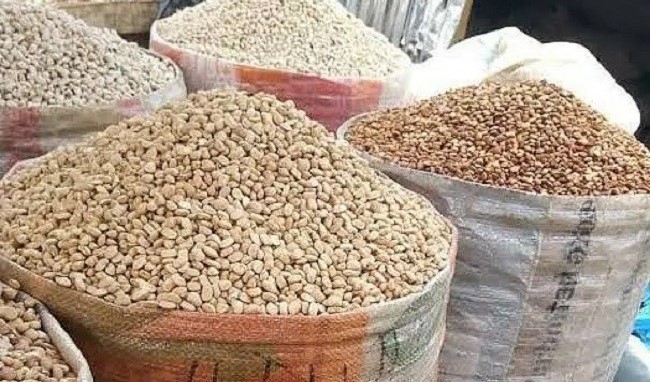
Bags of beans

A video making rounds on the social media suggests where some boys are seen mixing beans with what looked like cement.

But Shuaibu noted that no legitimate member of the association would engage in such underhand practices.

“We are not aware of the use of cement for the preservation of beans. As an association, we engage in international best practices in the preservation of beans and other allied products.

“Our member-farmers do not engage in unscrupulous practices in the preservation of our beans or cowpea produce.

“We had recently stopped the use of any additive in the preservation of beans. What we do now is to purchase thick nylon bags from the sack companies to package our produce.

“The nylons are fixed inside the sacks and beans poured directly into the nylon bags before sealing the sacks.

“With the nylon bags as the first package for the beans, the package is airtight and will not allow weevils or any insect to penetrate the bags,” he said.

According to him, the farmers make use of friendly additives to prevent weevils from eating up old beans.

“We also make use of a friendly additive, known as ‘Topstoxin’ to prevent weevils from eating up old beans.

“The bag of beans is divided in quarters with the additives applied in them. This additive poses no danger to human health or damage to the produce.

“In other cases, dried peppers are sealed alongside the bags of beans to prevent the proliferation of weevils into the bag.

“However, the addition of nylon bags into the sacks of beans, is currently the best bet in adequate preservation of the beans.

“It is common sense that the use of cement for beans preservation will be easily detected, and the consumers will not patronise us.

“So, we will never engage in such harmful practices,” he said.

By Mercy Omoike

Africa steps up fertiliser, soil health agenda to secure food future

0

On Monday, September 1, 2025, the Africa Fertiliser Industry Development Association was officially launched during a special event on “Advancing the Momentum of the Implementation of the Africa Fertiliser and Soil Health Plan”, held on the margins of the Africa Food Systems Forum 2025.

The event was hosted by the African Union Development Agency-NEPAD (AUDA-NEPAD), the African Union Commission (AUC), Alliance for a Green Revolution in Africa (AGRA), Forum for Agricultural Research in Africa (FARA), and the Coalition of Implementors for Fertiliser and Soil Health (CIFSH).

Moses Vilakati
Moses Vilakati, AU commissioner for agriculture, rural development, blue economy and sustainable environment

The Association aims to unite Africa’s fertiliser sector, strengthening collaboration, advocacy, and investment across the continent. For smallholder farmers, who make up the backbone of Africa’s agriculture, this is a major milestone toward better access to quality fertilisers and sustainable soil management.

Why Soil Health Matters

Healthy soils are the foundation of Africa’s food security. More than 60 percent of Africans depend on agriculture for their livelihoods, yet many farmers face declining soil fertility. Restoring soils and ensuring access to affordable fertilisers is key to boosting productivity, adapting to climate change, and feeding a rapidly growing population.

A Continental Push for Action

Moses Vilakati, Commissioner for Agriculture, Rural Development, Blue Economy, and Sustainable Environment at the AUC, emphasised the urgency of tackling soil health challenges. Since taking office in March 2025, he has prioritised eight key areas to implement the Nairobi and Kampala Declarations.

“Our priorities include resuscitating the African Centre for Fertiliser Development, establishing Regional Fertiliser Blending Facilities, and advancing Soil Mapping to enable context-specific, evidence-based decision-making,” he said. His department has rolled out a 100-day plan that sets the stage for long-term action over the next four years.

The event highlighted the power of multi-stakeholder partnerships in transforming agriculture. Governments, the private sector, youth, women, and technical experts all play critical roles in improving soil health. Inclusive participation ensures that vulnerable groups gain equitable access to resources, training, and decision-making roles – an essential element of Africa’s agricultural transformation.

Driving the Action Plan

AUDA-NEPAD CEO, Nardos Bekele-Thomas, spoke on the importance of coordinated continental action.

“The implementation of the 10-year Action Plan on Fertiliser and Soil Health is now at the top of our agenda. We are domesticating the Nairobi Declaration and helping Regional Economic Communities establish Regional Hubs – with launches already in West and Southern Africa, and progress underway in East and North Africa,” she said. AUDA-NEPAD is working with multiple development coalitions to ensure the Plan’s success.

On the launch of the Association, the CEO continued: “The private sector coalition is represented here by some of its members that I’m advised will launch a new Pan-Africa Fertiliser Association at this event. This is exciting news as it signals an acceleration in the implementation of the Nairobi Declaration. Let me take this opportunity to congratulate the new Association and reaffirm our unwavering commitment to working with them.”

Innovation and Partnerships

Dr. Asseta Diallo, Senior Specialist, Soil Health & Integrated Management AGRA, highlighted the link between soil health and resilient food systems.

“Sustainable soil health and equitable access to affordable fertilisers are central to Africa’s agricultural future. AGRA is committed to working with governments, the private sector, farmers, and partners to create enabling environments and innovations that restore soils, boost productivity, and secure a sustainable future for smallholders,” she said.

Larry Umunna, Executive Director of CIFSH, emphasised revitalising institutions and building local ownership. “Our coalition is focused on reviving the African Centre for Fertiliser Development and promoting the Africa Fertiliser and Soil Health Action Plan at both country and regional levels. We prioritise capacity building, resource mobilisation, and leveraging research and innovation to improve fertiliser efficiency and build resilient agricultural productivity,” he added.

Participants also showcased innovations in fertiliser formulations, soil testing technologies, digital tools, and modern agronomic practices already making an impact across Africa’s diverse agro ecologies. The private sector’s role in delivering affordable, quality fertilisers and ensuring efficient supply chains for smallholder farmers was highlighted as indispensable.

A Shared Commitment
The event ended with a collective pledge: as Africa works to boost agricultural productivity and resilience against climate change and population growth, the Africa Fertiliser and Soil Health Action Plan and its partners are ready to deliver science-driven, inclusive solutions for a sustainable, food-secure future.

Dangote urges prioritisation of food security in Africa, as AfricaRice seeks public-private partnerships

0

President/Chief Executive of Dangote Industries Limited, Aliko Dangote, has called for the prioritisation of food security and self-sufficiency across Africa, stressing the continent’s vast agricultural potential.

Speaking over the weekend during a courtesy visit by the AfricaRice Centre – a pan-African Centre of Excellence for rice research, development, and capacity building – at his Lagos office, Dangote highlighted agriculture as a key pillar for sustainable development on the continent.

AfricaRice
L-R: Executive Chairman Niger Foods Security Systems and Logistic, Sammy Adigun; President / CE, Dangote Industries Limited, Aliko Dangote; Director General, Africa Rice Centre, Dr Baboucarr Manneh; Managing Director of Dangote Rice, Thabo Mabe, during a courtesy visit by Manneh and his team to the Dangote Industries’ Head Office in Lagos on Friday, September 12, 2025

“Africa is richly endowed with arable land. With the right policies, adequate investment, and the adoption of modern technology, farmers can significantly increase their yields and return on investment,” he said.

He noted that strengthening agriculture could help tackle many of the continent’s socio-economic challenges, given its role as a major source of employment and income.

“With effective policy frameworks and technological advancement, Africa can achieve food security and become self-sufficient. Investing in agriculture will also unlock growth across various sectors of the economy,” Dangote added.

Dangote Rice Limited, a subsidiary of Dangote Industries, recently signed a landmark N1.8 trillion purchase and sale agreement with Niger Foods Security Systems and Logistics Company Limited, owned by the Niger State Government. The agreement will ensure a steady supply of high-quality paddy rice to Dangote Rice in support of Nigeria’s broader food security agenda.

Dangote Rice has made substantial investments in rice mills and plantations across Nigeria. Through its out-grower scheme, the company aims to create employment opportunities while promoting food self-sufficiency nationwide.

Director General of AfricaRice, Dr Baboucarr Manneh, commended Dangote’s renewed focus on agricultural investments, describing it as a critical step towards achieving food security on the continent.

He also lauded the recently formalised partnership with Niger State, noting its potential to transform regional food systems.

“Niger State has set an ambitious target of producing five million tonnes of rice over the next five years. To put this into perspective, Africa currently imports around 15 million tonnes of rice annually,” said Dr Manneh. “If realised, this target will have a significant impact on rice self-sufficiency and food security in Africa.”

He emphasised the importance of leveraging public-private partnerships to strengthen the agricultural ecosystem, combining government leadership with private sector expertise and investment.

“This partnership can serve as a blueprint for other states and countries across the continent. With strong support from agricultural science and research, it can dramatically boost productivity and reduce Africa’s reliance on food imports,” he added.

Dr Manneh also called for better management of imports to support local farmers and strengthen domestic economies.

Also speaking during the visit, Executive Chairman of Niger Foods, Sammy Adigun, reaffirmed the state’s commitment to transforming rice production. He revealed that AfricaRice is set to support Niger State in increasing annual rice paddy production from the current 1.5 million tonnes to 10 million tonnes, through the deployment of climate-smart technologies, mechanisation, innovation, and the integration of both large-scale and smallholder farms.

NLNG secures gas deals amid rising global energy demand

0

Nigeria LNG Limited (NLNG) has announced a strategic shift toward third-party gas sourcing to sustain production and meet growing energy demands across Africa and global markets.

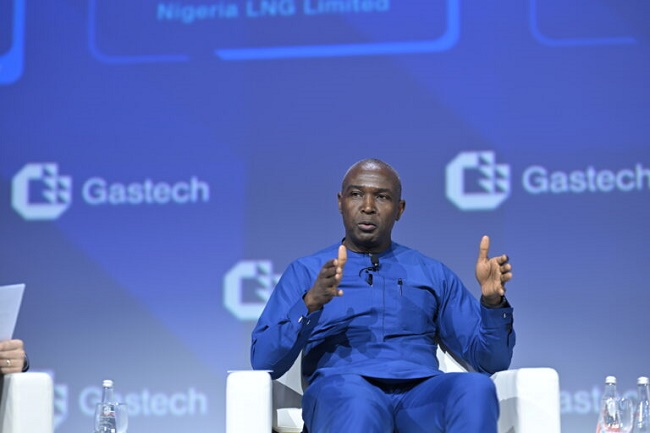
Mr. Nnamdi Anowi, General Manager, Production, NLNG, disclosed this while addressing a Focussed Group Session at the Gastech Exhibition and Conference in Milan, Italy.

Dr Philip Mshelbila
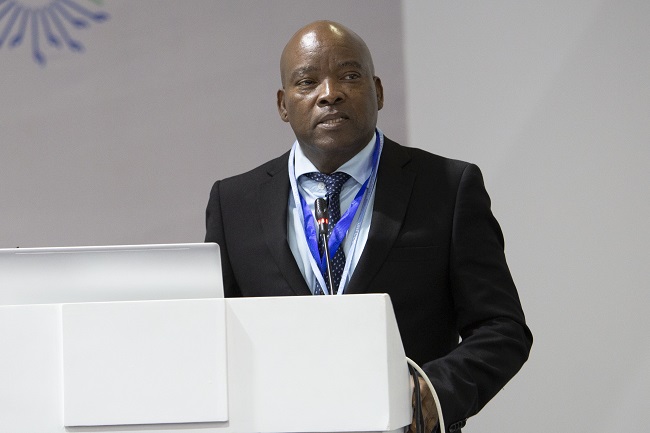
Managing Director, Nigeria LNG Ltd. (NLNG), Dr Philip Mshelbila

The session was themed “Resilience in the Face of Operational Challenges – The NLNG Story.”

Anowi explained that the move became necessary following the International Oil Companies’ (IOCs) divestment from onshore to deepwater operations in Nigeria.

He recalled that NLNG achieved record output in 2019 with 316 LNG cargos, but subsequent gas supply constraints triggered a strategic rethink.

“Our initial gas supply came from shareholder IOCs. However, with Eni transferring assets to Oando and other divestments, we shifted focus to third-party gas sourcing.

“Today, 75 per cent of our feed gas comes from third-party suppliers, and we have signed several Gas Supply Agreements to sustain operations,” he said.

Anowi revealed that the company expects its second tranche of third-party supplies by October.

According to him, at this pace, we anticipate adequate gas from late 2026 through early 2027,” he added.

Anowi underscored the continent’s energy deficit, noting that 60 per cent of Africa’s population still lacked access to affordable energy despite its vast reserves.

He described Nigeria as a “gas-rice nation with largely untapped offshore reserves”, stressing the importance of infrastructure and investment to unlock them.

“The Federal Government has rolled out incentives for offshore gas exploration and production. This is where LNG plays a critical role, delivering energy to the parts of Africa that need it most,” he said.

Anowi projected that affordable energy access could transform Africa into a global manufacturing hub, noting how Nigeria’s economy boomed when the country witnessed improved power.

He said that similar developments could occur across Africa with affordable energy access, making the continent to become a global manufacturing hub.

“What happened in Nigeria when power availability improved can happen across Africa. With energy, industry will thrive, jobs will be created, and production will shift to Africa.

“Investors and financiers must begin to view Africa as a viable destination, especially with current government incentives,” he added.

On NLNG’s operations, he highlighted that NLNG operated six trains with combined capacity of 22 million tonnes per annum (MTPA), while Train 7 is under construction to expand output by over 30 per cent.

However, he noted that plant utilisation had averaged around 60 per cent over the past three years, reinforcing the need for alternative gas supply strategies.

Anowi reaffirmed NLNG’s commitment to combating energy poverty and spurring industrial growth in Africa.

Earlier, Ms. Tolulope Ajitoni, Senior Instrumentation Engineer at NLNG, presented a technical paper on “New Trends in Operational Technology Security.”

She called for heightened cybersecurity measures across the LNG value chain, warning that cyberattacks could trigger catastrophic safety incidents and production losses.

“In the next 25 years, LNG will be central to power generation, cooking, and industrial applications.

“Protecting this infrastructure from cyber threat is no longer optional,” she said.

Ajitoni proposed a five-layer cybersecurity framework covering identification, protection, detection, response, and recovery.

She cautioned that a breach in LNG operational systems could result in explosions, fires, and safety hazards for plant personnel.

By Desmond Ejibas

DAPPMAN urges Dangote to promote stability in petroleum pricing

0

Depot and Petroleum Products Marketers Association of Nigeria (DAPPMAN) has advised the Dangote Refinery to adopt pricing and operational practices that promote fairness, stability and collaboration in the downstream petroleum sector.

Mr. Olufemi Adewole, Executive Secretary of DAPPMAN, gave the advice in a statement on Saturday, September 13, 2025, in Lagos.

Olufemi Adewole
Executive Secretary of DAPPMAN, Olufemi A. Adewole

Dangote Petroleum Refinery said that it would start the direct supply of Premium Motor Spirit (PMS), also known as petrol, to filling stations across Nigeria, starting Monday, Sept. 15.

According to Dangote, the new gantry price has been fixed at N820 per litre, while the retail pump price will vary across states.

Lagos, Ogun, Oyo, Ondo, Osun, and Ekiti are expected to retail petrol at N841 per litre, while Abuja, Delta, Rivers, Edo, and Kwara will sell at N851 per litre.

Adewole noted that sudden adjustments in product prices could trigger market shocks.

He stressed the need for consistency to protect investors, importers, and consumers alike.

“While competitive pricing is healthy, unexpected cuts at sensitive times often create uncertainty for marketers who already have products in storage or en route,” he said.

Adewole also encouraged the refinery to maintain uniform and transparent pricing policies that do not leave domestic operators at a disadvantage.

According to him, ensuring parity between local and international buyers will reflect the refinery’s stated commitment to prioritising Nigerian consumers.

On concerns around product quality, Adewole reassured that DAPPMAN members adhere strictly to regulatory standards.

He explained that all imported products are tested by accredited laboratories under the oversight of the Nigerian Midstream and Downstream Petroleum Regulatory Authority (NMDPRA).

“To strengthen industry confidence, we believe every operator, local or international, should consistently align with approved product specifications,” Adewole added.

The DAPPMAN executive also suggested that the refinery review its product delivery arrangements to give marketers more flexibility and reduce costs.

“Encouraging a variety of logistics options will support efficiency in the supply chain and ultimately ease costs for end-users,” he said.

Adewole called for a collective approach that recognises the role of all stakeholders, refiners, depot operators, marketers, transporters and regulators.

“Our industry thrives on cooperation, not competition that breeds division.

“For energy security, we must prioritise dialogue, transparency and balanced communication,” he said.

He noted that DAPPMAN remains committed to fair competition, regulatory compliance, and partnership that fosters growth and investor confidence in the downstream sector.

By Yunus Yusuf

Ogijo toxic air crisis: Civil society sounds alarm over deadly pollution levels

1

Once celebrated as an industrial hub, Ogijo – a community in Ogun State, Nigeria – is today suffocating under clouds of toxic emissions that threaten both human lives and livelihoods.

The town’s air is thick with soot from smelting plants, its soil laced with industrial waste, and its children are already bearing the scars – testing positive for dangerously high levels of lead in their blood.

Ogijo
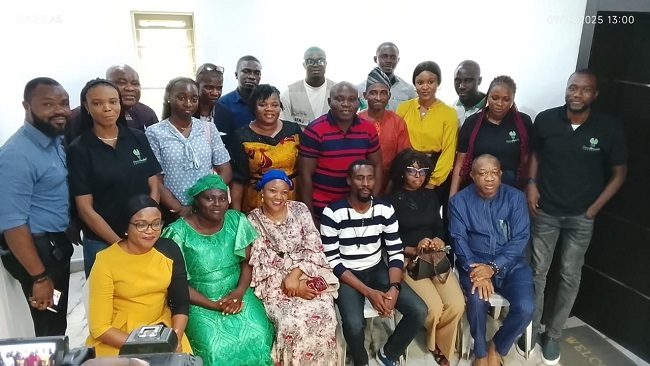
Participants at the stakeholders’ forum in Lagos

These revelations emerged at a high-level stakeholders’ forum convened in Lagos on Friday, September 12, 2025, by Green Knowledge Foundation in partnership with Sustainable Research and Action for Environmental Development (SRADeV Nigeria). The gathering brought together community leaders, health experts, and regulators, all of whom confirmed one grim reality: Ogijo is drowning in poisoned air.

Air quality monitoring in the town recorded particulate matter (PM) concentrations between 500–600 micrograms per cubic meter – 10 times above the World Health Organisation’s safe limits. Experts warned that prolonged exposure at such levels is nothing short of a death sentence, capable of causing respiratory infections, heart disease, strokes, and even cancer.

“This is a public health crisis unfolding in real time,” declared Weyinmi Okotie, Executive Director of Green Knowledge Foundation. “Ogijo is choking under toxic emissions from recycling plants and steel refiners. Families are breathing poisoned air every day, and yet many don’t even know the silent dangers they are exposed to.”

Okotie also raised alarm over the widespread use of slag – the hazardous by-product of smelting plants – as a cheap replacement for gravel in filling potholes and reclaiming land.

“What looks like a solution for bad roads is actually spreading poison,” he warned. “Slag carries heavy metals that seep into soil, into water, and eventually into the food chain.”

For Dr. Leslie Adogame, Executive Director of SRADeV Nigeria, the crisis extends far beyond Ogijo’s borders.

“Air pollution knows no boundaries,” he explained. “Particulate matter and heavy metals released here do not remain in Ogijo. They travel, they settle on farmlands, they enter rivers and streams. What is grown in Ogijo today can end up in Lagos or Abuja tomorrow. This is how a local tragedy becomes a national emergency.”

A recent biomonitoring exercise tested nearly 90 residents – mostly children – and revealed blood lead levels far above safe thresholds. The findings suggest irreversible neurological damage, stunted learning abilities, and shortened lifespans for many young victims.

Investigations also showed that most of Ogijo’s recycling and smelting plants operate with little regard for environmental standards. Workers often toil without protective gear, while toxic waste is dumped openly on lands where children play and farmers cultivate crops.

Civil society groups at the forum denounced this as “regulatory failure” and issued a set of urgent demands to the federal government, including:

  1. Declaration of an Environmental State of Emergency in Ogijo and other industrial hotspots.
  2. Establishment of a nationwide air quality monitoring system, modeled after Lagos State’s real-time AQI framework.
  3. Strict enforcement of industrial emission standards and adoption of cleaner technologies.
  4. Comprehensive health interventions and biomonitoring programs, particularly for children.
  5. Public awareness campaigns to educate communities about the dangers of slag and other industrial waste.

Okotie stressed that Ogijo is a warning sign for the nation. “Without urgent government intervention, more communities will suffer the same fate. Clean air is not a luxury – it is a fundamental human right,” he submitted.

Dr. Adogame delivered an even sharper warning: “If Nigeria does not act now, the costs will not just be measured in hospital bills, but in lost futures. We are breeding a generation poisoned before they even have the chance to live.”

The forum closed on a somber note, with experts warning that Ogijo is only the beginning. Unless Nigeria confronts its industrial recklessness head-on, the toxic air crisis could spread silently, leaving behind communities crippled by illness and children robbed of their future.

By Ajibola Adedoye