Senior Lecturer, Abubakar Tafawa Balewa University (ATBU), Bauchi, Dr Ibrahim Lawal, says Nigeria is still grappling with the challenge of balancing rapid urbanisation and infrastructure demands.
Lawal stated this during the 2025 Annual General Meeting and Public Lecture of the state branch of the Nigerian Society of Engineers (NSE) on Saturday, August 30, 2025, in Bauchi.
Abubakar Tafawa Balewa University (ATBU), Bauchi
He also said that there was the need to combat the impact of climate change.
Lawal attributed the development of balancing rapid urbanisation and infrastructural demands to the growing population.
While presenting a paper titled: “Building an Environmentally Sustainable and Resilient Future; The Nexus of Climate Change, Infrastructure and Engineering in Nigeria”, he urged governments at all levels to treat infrastructure as a priority sector for climate action.
The lecturer, who is from the department of Engineering of the institution, noted that understanding the intersection unveiled both the hurdles faced and the innovative solutions forged, to navigate toward a more sustainable future.
“In Nigeria, the dynamic interplay between climate change, infrastructure development and engineering practices is critical in shaping the nation’s path toward a sustainable and resilient future.
“For a sustainable and resilient future, the nexus of climate change, infrastructure and engineering practices in Nigeria presents both an opportunity and a challenge,” Lawal said.
Lawal, however, maintained that Nigeria had a better chance at an environmentally sustainable and resilient future, where communities thrived, infrastructure endured and the environment flourished, in spite challenges posed by an ever-changing climate.
Also speaking, the Emir of Bauchi, Alhaji Rilwanu Adamu, represented by Alhaji Jibrin Jibo, Dan Saran Bauchi, said that a call for climate-resilient infrastructure was a call for survival, progress and continuity in the country.
According to him, it is a call for engineers, policymakers, traditional rulers and communities, to rethink how they plan, design and maintain the structures upon which their lives depend.
“Engineers must continue to innovate, drawing on global best practices, while adapting them to our local realities,” he said.
The emir charged engineers to lead the course of transformation, adding that, to succeed, they must collaborate with all stakeholders.
In his remarks, Mr. Abdulkarim Hassan, the Chairman, NSE, Bauchi branch, said the chapter had made significant strides in advancing the mission and vision of the society.
He explained that as part of the mandate to promote technical development and professional competence among its members, the branch conducted several technical visits during the year, which broadened their technical exposure.
This visits, Hassan said, also created opportunities for collaboration, mentorship and knowledge exchange between its members and industry personnel.
Mrs. Margaret Oguntala, the President of the NSE, who was represented by Mr. Ibrahim Usman, NSE National Executive, North-East, called on members of the society in the state to encourage visitation to project and construction sites to foster relationships.
The Nigerian Upstream Petroleum Regulatory Commission (NUPRC) says Nigeria’s gas flaring has fallen to 7.16 per cent in July 2025, while daily gas production rose to 7.59 billion standard cubic feet per day (BSCFD).
The NUPRC, in its Gas Production Status Report for July 2025, released on Saturday, August 30, said this marked an 8.58 per cent increase compared to the 6.99 BSCFD recorded in the full year of 2024.
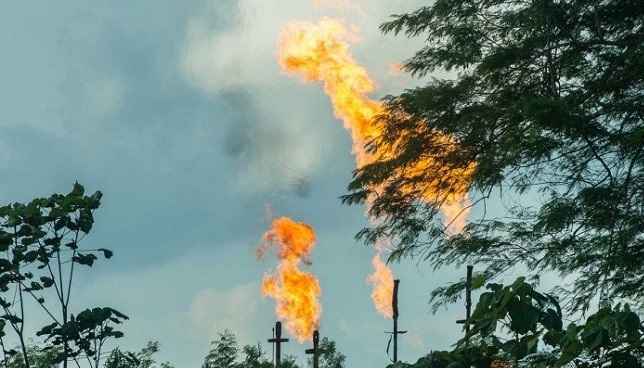
Gas flaring. Photo credit: Neil Ever Osbourne
According to the report, the simultaneous growth in output and decline in flaring underscores the Commission’s drive to boost production while advancing its 2030 zero-flare commitment.
The report stated that Nigeria’s gas industry had sustained steady growth over the past three years, with daily average production hitting 7.59 BSCFD in July 2025.
“The 7.59 BSCFD daily average also represents a 9.84 per cent increase from the 6.91 BSCFD posted in the full year of 2023, which shows a sustained rise in gas production,” it said.
It said in spite of an increase in production, there was a continued reduction in gas flaring.
This, it said fell to 7.16 per cent in July 2025, down from 7.55 per cent in 2024 and 7.38 per cent in the corresponding period of 2023.
It sated that the reduction in gas flare was recorded in spite of the steady increase in gas production which reflected the Commission’s commitment to end routine gas flaring by 2030.
“The Commission has embarked on gas reduction programmes like the Nigerian Gas Flare Commercialisation Programme (NGFCP).
“Other initiatives include developing a Decarbonisation and Sustainability Blueprint, promoting Carbon Capture and Storage (CCS), and integrating sustainability into project planning through the Upstream Petroleum Decarbonisation Template (UPDT).
“In terms of Domestic Gas Delivery Obligation (DGDO) performance, the sector delivered 72.5 per cent in July 2025, up from 71.8 per cent in June,” the report said.
Data from the Commission further showed that DGDO performance stood at 72.2 per cent in January.
It revealed that it rose to 73.5 per cent in February, dipped slightly to 70.8 per cent in March, before climbing again to 73.7 per cent and 73.0 per cent in April and May, respectively.
On gas production by contract type, it said 63 per cent of output during the review period came from Marginal Sole Risk (formerly Marginal Fields), while Production Sharing Contracts (PSCs) accounted for 24 per cent.
“Joint Venture (JV) contracts contributed 10 per cent, and Sole Risk (SR) operators delivered the remaining three per cent.
“Gas utilisation data shows that, year-to-date as of July 2025, 35.88 per cent of production was channelled to export sales, 27.82 per cent was supplied to the domestic market, while 29.13 per cent was utilised for field and plant operations (own use).
“Companies deployed gas mainly for in-house purposes such as fuel, gas lifting, and reinjection for pressure maintenance,” it stated.
It further stated that Gas-to-Power supply hit its strongest level in three months, with average daily deliveries rising by 3.48 per cent month-on-month, from 833.86mmscf/d in June to 862.86mmscf/d in July 2025, the highest in three months.
“Over the first seven months of the year, Gas-to-Power supply stood at 780.23mmscf/d in January, increased to 849.37mmscf/d in February, and rose further to 886.83mmscf/d and 886.7 in March and April, respectively.
“The daily averages for May, June, and July were 837.64 MMSCF/D, 833.86 MMSCF/D, and 862.86 MMSCF/D, respectively,” it said.
A university lecturer, Dr Kabir Alhaji-Jabo of the Usmanu Danfodio University, Sokoto (UDUS), has called on stakeholders to empower young people and nurture their potential.
He emphasised the importance of equipping the youth with the necessary tools and opportunities to grow and contribute meaningfully to society.
Dr Kabir Alhaji-Jabo of the Usmanu Danfodio University, Sokoto (UDUS) emphasised the importance of equipping the youth with the necessary tools and opportunities to grow
According to Alhaji-Jabo, such empowerment is crucial in enabling young people to take the lead in driving sustainable development initiatives across the country.
He believed that when the potential of the youth was harnessed, it could significantly impact national growth and long-term progress.
He believed that when the potential of the youth was harnessed, it could significantly impact national growth and long-term progress.
He said by investing in education, mentorship, and leadership opportunities, young people could become key drivers of innovation, social change, and sustainable development across various sectors of the economy.
Alhaji-Jabo made the appeal during a lecture organised by the National Youth Council of Nigeria (NYCN) to commemorate the 2025 International Youth Day celebration, on Saturday in Sokoto.
The event was organised by the Sokoto State Ministry of Budget and Economic Planning with support from the United Nations Population Fund (UNFPA).
According to the lecturer, society’s development depends significantly on youth participation and active involvement in developmental activities.
“They are not just the leaders of tomorrow; they are the change-makers, driving progress and inspiring us to build a brighter future together,” Alhaji-Jabo said.
He highlighted the critical role young people play in economic activities, social causes, environmental sustainability, and the promotion of equality and justice.
Alhaji-Jabo also stressed the importance of government, individuals, and groups aligning their efforts with the Sustainable Development Goals (SDGs) to ensure meaningful outcomes.
Also speaking at the event, the District Head of Gagi, Alhaji Sani Umar-Jabbi, emphasised the importance of population control and proper demographic planning.
He noted that proper planning enhanced access to healthcare, education, and other services, and advocated for wider access to family planning services.
Umar-Jabbi cautioned young people against concealing their health status, particularly regarding HIV/AIDS and other sexually transmitted infections.
“Many people have unknowingly infected their loved ones while pretending to be morally upright. If abstinence is not possible, couples and individuals should protect themselves by using condoms,” he advised.
He also urged that youth empowerment initiatives be extended to grassroots communities, ensuring inclusiveness and widespread developmental impact.
UNFPA State Programme Officer, Ms. Gloria Enuaze, commended the active participation of young people in development-oriented engagements.
“Proactive steps toward achieving the vision are more impactful than just making noise. UNFPA will continue to support young people to realise their potential,” Enuaze said.
She reaffirmed the agency’s commitment to amplify youth voices through innovation and empowerment programmes.
On his part, the Sokoto State Chairman of the NYCN, Mr. Isa Abdullahi-Yabo, expressed appreciation for the stakeholders’ support and reiterated that Nigerian youths were ready to contribute meaningfully to national development.
He described the 2025 theme, “Local Youth Actions for Sustainable Development Goals (SDGs) and Beyond”, as timely and relevant to the challenges and opportunities facing the country.
For Nigeria’s two 250 million people and multitudes across the “honey” world, the “Africa’s giant” had gained another feat. An infamy of scoring cheap-own-goals. As if we aren’t tired of a run with the unusual! One of our own, the Director General (DG) of the National Agency for Food and Drug Administration (NAFDAC), Mojisola Adeyeye, a learned professor of this and that, particularly of Emeritus in Pharmaceutics and Drug Product Evaluation, from the highbrow College of Pharmacy, Roosevelt University, USA, was caught in a windstorm of a key official pronouncement. “DG-NAFDAC”, as her uppermost position is widely called in the country, had made two conflicting statements on the ranging global scourge, the Genetically Modified foods.
Wielding her exalted office as the number one official hunter of fake food and drug and their diehard dealers, Adeyeye had blown hot and then cold, leaving all in palpable confusion about which to believe of the two conflicting statements she had made, debunking public safety concerns. There are over 50 genetically modified (GM) foods, whose spread, consumption and deadliness to humans, continually generates reactions in the country.
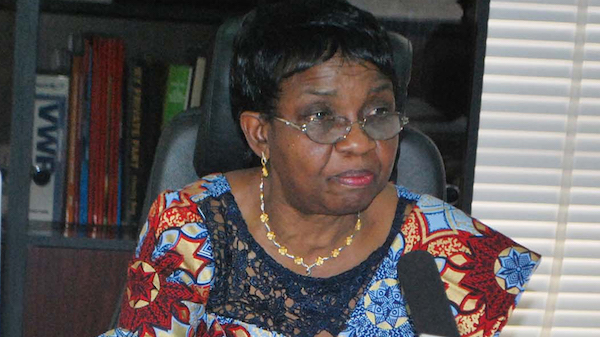
Prof. Mojisola Adeyeye, Director-General, National Agency for Food and Drug Administration and Control (NAFDAC)
Speaking to journalists in August 2025 in Abuja, Prof Adeyeye said vividly: “GMOs are genetically modified foods when it comes to food, and they are not bad for us…, depending on what type of foods they are and whether the safety conditions have been taken”. The same pundits who hailed her earlier comments soon came upon her. “It’s outright praises for the Agama lizard, but not when it adds black feces to the whitish part.
A double-speak, so to say, when in June 2024 Adeyeye uttered that: “We have not registered a single GMO product, because we are sensitive about it. In terms of GMOs, we do not think it is safe…for our own consumption. That is the position of NAFDAC”. Prof Adeyeye, who spoke verbatim in English, had turned around to say she was misquoted. How possible?
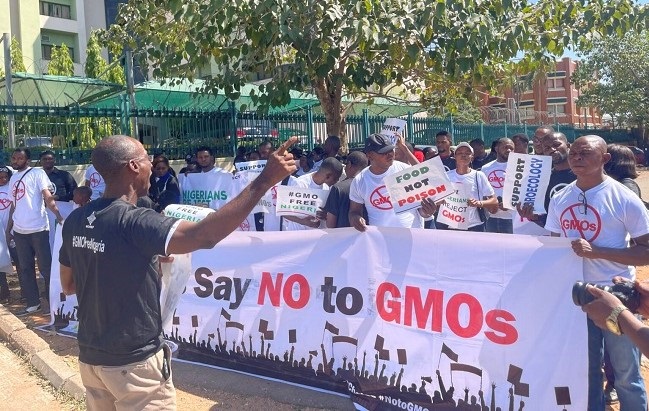
But for a spontaneous hue and cry by a coalition of over 80 NGOs, NAFDAC would have eloped with the skewed news headlines and the matter swept under the carpet, like several others. The coalition, led by the Health of Mother Earth Foundation (HOMEF), included Environmental Rights Action/Friends of the Earth Nigeria (ERA/FoEN), the GMO-Free Nigeria Alliance and others.
The coalition, in a press conference, accused the NAFDAC’s boss and the National Biosafety Management Agency (NBMA), of failure to produce credible, independent, and long-term studies to justify their position that GM foods are safe for consumption. More tangible issues were raised by subsequent speakers, featuring Dr. Nnimmo Bassey, HOMEF’s Executive Director. He warned of the deadly imports of the GMO foods on quasi agriculture and ecology realms.
“GMOs go beyond health risks, where reports of Nigerian cotton farmers say their soils no longer support conventional crops after three years of planting genetically modified Bt cotton. Herbicide-tolerant GMOs have led to biodiversity loss and the emergence of super weeds, forcing farmers to use more toxic chemicals.”
Prof. Johnson Ekpere, convener of the GMO-Free Nigeria Alliance, queried NAFDAC and NBMA on credible feeding studies to back their claims, citing an Iranian study, where rats that were fed GM soybean oil, suffered significant organ damage. Dr. Ifeanyi Casmir, a medical microbiologist, also raised further alarm over Bt crops such as beans, which release toxins that destroy beneficial soil microorganisms, that have been detected in the blood of pregnant women and fetuses.
The body also emphasised that GMOs threaten Nigeria’s food sufficiency and sovereignty, where durable indigenous seeds give way to GM seeds, which are short-lived and local farmers were discouraged from farming.
There was another conspiracy theory that the current armed insurgencies raging Nigeria were designed to chase farmers away from their farmlands, so that the alternative is for the country to depend on GM foods and technology shipped in from overseas.
Apparently, the more Adeyeye justified her gaffe the more she validated it as a misspeak. Interestingly, Dr. Agnes Yemisi Asagbra, Director General of NBMA, spilled the beans by her insistence “that no GM food permits are issued without NAFDAC’s involvement, and faulting the inadequacy of synergy between her agency, NAFDAC and the supervising Federal Ministry of Health, in corroboration of government’s failure to concretise actions on the GMOs blight”.
Prof Adeyeye’s assertion that NAFDAC hasn’t signed any GMO permit sounded too good to be true. Otherwise, how come that the country witnessed a controversial approval of GM maize imports by WACOT Limited, which obviously had eroded the public trust in the country’s shoddy GMOs pursuit? Will such huge GM products sneak into the country without NAFDAC and NBMA? How does numerous other GM foods find their way into the Nigerian markets? What proactive measures have NAFDAC and NBMA taken to arrest the offenders and serve deterrence?
Dr. Tunji Alausa, the Minister of State for Health, was harassed, lately, into a tripartite fence-mending meeting with NAFDAC and NBMA, by the coalition’s intensity. But a fly in the ointment is Prof Adeyeye insistence, after the meeting, that the choice is left for Nigerian consumers to ascertain whichever GM products they could buy, among countless other foods that are roughly labeled by NAFDAC, where numerous Nigerians are not lettered. Pertinently, how many NAFDAC’s labeled products do Nigerians read before buying, including the numerous that have fake NAFDAC’s labels?
Yet, one could find it unbelievable that Prof Adeyeye, who professed to being a “food freak”, could recommend or label the GM toxic for Nigerians. Did inventors of the COVID 19 vaccine fraud not refuse to administer it on themselves and their dependents, whilst it was meant for others? GM foods are rejected across the globe. Why should Nigeria’s case be different?
There was Prof Dora Akunyili as NAFDAC boss and now a counterpart Adeyeye. When a person who isn’t around is eulogised, as all are still disposed to the late Prof Akunyili, long after her demise, for having given NAFDAC a meaningful direction, it is, therefore, a wake-up call to the incumbent.
Pointedly, the Nnimmo Bassey’s coalition has indicated the way to go. One devoid of landmines. Taking the matter to the Senate, where all GM foods and techniques must be given outright ban, in the country. For Nigerians cannot perpetually under the yoke of overbearing neocolonialist interests, multinational aristocrats and the Bretton Woods’ bitter pills.
The Nigerian Content Development and Monitoring Board (NCDMB) on Thursday, August 28, 2025, in Port Harcourt organised a workshop for media stakeholders and youth groups, providing profound insights into the structural organisation, internal workings, accomplishments and operational targets of the agency after 15 epochal years as an effective driver of local content and regulator in the oil and gas industry.
Billed as a signature event of the NCDMB, having been held regularly since the beginning of the Board in 2010, the workshop also acquainted participants with procedures for registration for employment or training programmes in industry-related skill sets, engagement as industry contractors or vendors, and also the Board’s ‘Community Content Guidelines,’ designed to ensure integration of host communities into the oil and gas industry value chain.
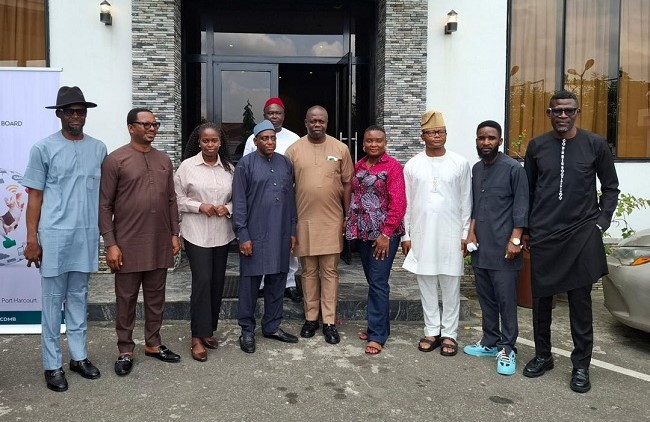
Dignitaries at the NCDMB workshop for media stakeholders and youth groups
In a presentation entitled “NCDMB Mandate and Achievements,” the Executive Secretary, Felix Omatsola Ogbe, represented by Dr. Abdulmalik Halilu, Director of Corporate Services in the Board, said the workshop was of crucial importance, as the mass media, youth groups and civil society organisations (CSOs) have dutifully striven to put leaders of government agencies on their toes, demanding public service value as public institutions.
He explained that the Nigeria Oil and Gas Industry Content Development (NOGICD) Act, 2010, which established the Board, vested it with two mandates: to develop local capacities and capabilities without compromising standards and to monitor and enforce compliance with the provisions of the aforesaid Act.
“Everything we do revolves around our mandate. From our mandate comes guidelines which help us to measure success; and consequences for non-compliance.”
He said that, under such arrangements, there is predictability, and that once anyone seeking to do anything with the Board looks at the guidelines and follows them, he does not need to lobby anybody. There are also regulations which are meticulously followed.
According to Dr. Halilu, the regulations cover training, indigenous capacity, registration of oil and gas professionals, industry technology transfer, research and development, and enforcement and compliance. Every businessman in the industry, he revealed, operates within ISO (International Organisation for Standardisation) standards.
On milestones attained in the past 15 years, he said the Board decided to challenge itself by creating very ambitious targets in terms of visioning to be a catalyst for the industrialisation of the oil and gas industry and its linkage sectors based on its awareness of the huge yearly industry spend and the need to harness inputs from other sectors.
In line with its development targets, the Board made it a cardinal policy to invest substantially in research and development (R&D) and the establishment of world-class Centres of Excellence in six universities in the six geopolitical zones.
He pointed out that “there is a nexus between the money you spend on research and development (R&D) and your GDP (gross domestic product),” and that “any country that wants to produce locally must have R&D) presence.”
The Corporate Services Director highlighted that the Board’s Strategic Partnerships have yielded industry success stories as Waltersmith Refinery, NEDO Gas Gathering Plant, and Better Gas Energy Services Limited LPG Terminal and Gas Distribution Infrastructure, among others, have all been commissioned, while construction work is ongoing on others such as Azikel Refinery, Transiel Limited LPG Terminal, Eraskon Lubricating Oil Blending Plant, and Ladol Power Plant.
On key achievements of the Board, he noted that pressure vessels, galvanised steel structures, and platforms are now increasingly fabricated in Nigeria. “TotalEnergies’ US$3.3 billion Egina FPSO (floating production storage offloading) vessel, whose topsides were manufactured in Nigeria, remains a loud testament to the sophistication of Nigeria’s fabrication capabilities.”
Halilu further stressed that from some 50 world-class fabrication yards in the country, Nigeria currently has excess capacity in fabrication, which is now exported to the Middle East and some African countries. He pointed that service sector growth has as highpoints over 100 indigenous companies most of which have already expanded their operations to other oil-producing African countries.
Dr. Halilu explained that ownership and control of marine vessels and rigs has placed many Nigerians in good stead with remarkable successes recorded. According to him, “where you demonstrate ownership and control, you are given first consideration.”
He expressed hope that Nigeria’s success would spur continent-wide collaborations, with total crude oil reserves estimated at 125 billion barrels and gas reserves of 800 trillion standard cubic feet in Africa, and rapid economic development.
In another presentation entitled “Impact of the Monitoring and Evaluation Directorate,” the General Manager, Midstream, in the Directorate of the Monitoring and Evaluation, Mr. Silas Ajimijaye, said the operations of the unit are geared towards enhancement of the contribution of the oil and gas industry to the country’s gross domestic product (GDP). He said the contribution of the oil sector has remained relatively low over the years.
On Capacity Building Achievements, the Deputy Manager, Capacity Building Directorate, Mr. Tareowei Bufazi, stated that the directorate’s mandate is “to promote human capital development (HCD) and to enhance skills in various areas of the oil and gas industry.” He pointed out that the mandate is “to drive competency that is globally competitive; also, to establish ownership of facilities, asset ownership.”
Earlier in his opening remarks at the event, the General Manager, Corporate Communications Division (CCD), Dr. Obinna Ezeobi, commended media practitioners, civil society and youth groups for the invaluable support the Board has enjoyed from them, particularly in having its activities properly covered and propagated. He assured them that the Board’s capacity-building programmes for them as well as stakeholder engagements would be sustained.
He urged the mass media to act effectively as gatekeepers, filtering out inaccurate and misleading stories about the Board and promoting stories that would help the national economy. According to him, “Set the right agenda, focus on how do we grow local content, how do we grow the energy industry?” He called on participants to ask questions on the Board’s activities to get the true picture of developments.
Europe’s offshore wind pipeline totals 411 GW across 386 projects, yet infrastructure gaps threaten delivery timelines. The bulk of projects, 84%, are still in planning or feasibility stages, according to a report by the Energy Industries Council (EIC), the world-leading association for the energy supply chain.
The EIC UK & Europe Offshore Wind report, released on Thursday, August 28, 2025, flags severe infrastructure and supply chain constraints. Out of about 80 specialist installation vessels operational in Europe, only five can handle 14–15 MW turbines. Port expansions require six to 10 years from permit to operation, clashing directly with project timelines. FIDs and port capacity must align with auctions to land 2030 numbers, as projects now hinge on commitments with ports, grid and the supply chain.
According to the report, which draws on data from EIC’s proprietary energy project and supply chain databases, the UK leads Europe’s operational offshore wind capacity with 15.6 GW, followed by Germany at 9 GW and the Netherlands at 5.5 GW. Europe holds 43% of global capacity and commissioned 2.7 GW of the 4.2 GW added over the past year (excluding China).
By basin, the technology split is clear: fixed-bottom still dominates the North Sea and Baltic, whereas floating – now 37% of the pipeline – is essential for the Mediterranean and Southern Europe. Europe has 37.8 GW already operating across 150 wind farms (7,178 turbines).
Against this backdrop, a close look at continental Europe’s key players shows that Germany faces headwinds despite 31.1 GW in development. “Negative bidding” in auctions is expected to raise costs for consumers/supply chains. In Germany, prices fell sharply (€1.8m/MW in 2023 to €0.18m/MW in 2025), a trend that can strain margins and slow delivery as seen with the latest auction receiving no bids. However, infrastructure limits are also a major brake on reaching the 30-GW target, with only 21.6 GW expected by 2030.
Meanwhile, France advanced floating wind via its 2024 auctions, awarding the world’s first subsidy to a commercial floating development, and Norway awarded a fixed-bottom CfD (€99.4/MWh) in 2024 to the Sørlige Nordsjø II project. The CfD is a national government mechanism that supports low-carbon electricity projects by guaranteeing a fixed “strike price” for the power they generate.
These national snapshots sit within an EU push to unblock bottlenecks and speed build-out. The drive is based on three levers, including the Wind Power Package, the Net-Zero Industry Act (NZIA), and the Clean Industrial Deal. The focus is on faster permits, auction reform, and access to finance. Under the NZIA, at least 30% of annual auctioned capacity must be awarded on non-price criteria, meaning projects are judged not only on cost but also on factors such as supply chain resilience, sustainability, innovation, and job creation.
The European Investment Bank (EIB) is providing €6.5 billion in counter-guarantees for wind manufacturers and €250 million for mid-sized green manufacturing, with port upgrades at Esbjerg, Cuxhaven, Cork, and Bilbao in scope. A second pressure track is decommissioning in the 2030s, with about 366 turbines in 2035 and 540 in 2038 due to come offline. That load draws on the same vessels, ports, and finance.
“The numbers tell a simple story, which that is Europe has scale in the pipeline, but delivery hinges on ports, vessels, auctions and faster investment decisions. Where those align, capacity arrives. Where they don’t, targets slip,” said report co-author, Sharanya Kumaramurthy, EIC Market Intelligence Manager (CAPEX).
The report was also written by Christopher Shirley, EIC Market Intelligence Manager (Supply Chain) and Thomas Bacon, Market Intelligence Manager (OPEX & Decommissioning).
According to the report, Chinese Original Equipment Manufacturers (OEMs) outpace Europeans on annual installations, with manufacturing capacity roughly four times Europe’s (82 GW vs. 20 GW). They supply turbines to Germany and Italy, with Mingyang planning to manufacture its 18.8-MW turbine model in Italy (under an MoU with Renexia) to supply projects like Med Wind. The report warns against repeating Europe’s solar experience (95% Chinese module market share) without robust auction design and industry support.
Rebecca Groundwater, EIC’s Global Head of External Affairs, said: “Policy must lock in a predictable run of work and enable supply-chain finance. Use non-price criteria well, accelerate port upgrades, and keep capital flowing through EIB and national tools. That’s how Europe converts a 411-GW pipeline into steel in the water.”
Unlocking green investment is vital for Africa, which has been emerging as a land of opportunity and hope for investors amid climate challenges, Planning and Development Minister of Ethiopia, Fitsum Assefa, said.
“Africa is not a place for charity, but a destination for smart, high-return investments,” the minister noted.
Ethiopia’s Planning and Development Minister, Fitsum Assefa
In an article published on Project Syndicate on August 28, 2025, under the title “Africa’s Green Economy Is a Good Investment,” Assefa said the Addis Ababa Climate Summit that takes place next month would be a decisive moment to declare Africa’s green economy as “a wave of smart investment just waiting to be unleashed.”
The summit will bring together heads of state and government, scientists, private-sector leaders, civil society and youth representatives as well as global development partners to chart a new course for climate action and green investment on the continent.
The minister cited the African Development Bank, which noted that Africa faces severe climate threats with droughts, floods, and extreme weather cutting GDP by 5–15 percent annually.
She also stated that the continent holds 60 percent of the world’s best solar resources but accounts for only 1 percent of global solar capacity, receiving just 3 percent of global energy investment.
Furthermore, Assefa cited Ethiopia as an example where the national grid runs almost entirely on renewable energy, led by hydropower.
The Grand Ethiopian Renaissance Dam (GERD) is already generating 2,350 megawatts and will reach 5,150 MW at full capacity, while also supplying power to neighboring countries, including Djibouti, Kenya, Sudan, and Tanzania.
In the article, she also highlighted renewable projects such as Gambia’s 23 MW Jambur Solar Power Station, South Africa’s 330 MW Impofu Wind Complex, and Kenya’s solar-powered green ammonia production initiative on the continent.
According to Assefa, the forthcoming Africa Green Industrialization Initiative and ACS2 Flagship Report will provide frameworks for scaling up such projects with the support of governments, the private sector, and development finance institutions.
Challenging perceptions of Africa as dependent on aid, Fitsum said: “Africans are not asking to be rescued. Our continent’s young demographics, abundant resources, and innovation make green investments among the most promising worldwide.”
Assefa further underlined Africa’s critical role in global climate solutions, noting that “the road to a stable climate and fair economy runs through Africa.”
As world leaders and investors prepare to gather in Addis Ababa in September, she said they face a choice between investing in Africa’s green economy for sustainable growth or allowing climate change to worsen instability and missed opportunities.
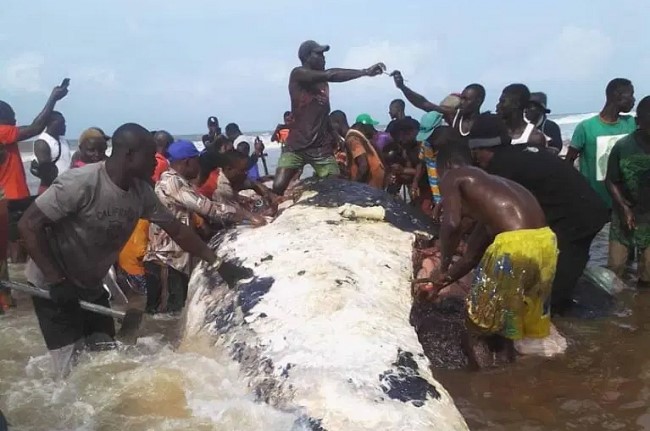
A dramatic scene unfolded in June 2024 on the shore of Okpoama Community in Brass Local Government Area of Bayelsa State, Nigeria, as villagers trooped out toward a stranded whale, not to rescue it back into the water, but with machetes, hacksaws and axes to slaughter it for food.
Within hours, the entire whale was butchered and shared among community members.
Residents of Okpoama community butchering a stranded whale. Photo credit: Vanguard
A resident of the community, Mr. Nengi Omietimi, said incidents like this happen often within five to 10 years, and different communities gather to have their share of the marine mammal.
“A giant whale washed ashore this morning on Okpoama beach. Young men are here doing what they know best, and a lot of people are still queuing and waiting at the beach to get their share of the fish. As you can see, this fish can feed the whole community. The people you’re seeing here came from different communities to get their share of the large mammal,” Omietimi said in an interview with NAN.
The butchered whale at Okpoama community is not the first occurrence of the manslaughter of aquatic mammals in the country. In 2022, Aquaworld reported that two African manatees (Trichechus senegelensis), also known as sea cows, were caught and slaughtered by a fisherman in a remote village called Gaiyingbo in Badagry, Lagos State.
According to the report, fishermen in the region said that manatee meat is in high demand and worth about 250,000 naira in the Nigerian currency. It was observed that large numbers of people were at the spot to purchase the meat.
In September 2023, The Punch Newspaper also reported another incident of a fisherman who caught and slaughtered a shark at Minibie community in Akassa, Brass Local Government Area of Bayelsa State.
To these fishermen, these marine creatures are big meals for themselves and their families. Meanwhile, the country just lost some lives below water. For these communities, this was not a violation of protective laws but a literal “godsend” to put food on the table.
As far as conservation experts are concerned, slaying these marine mammals is not a blessing, but a tragedy and a growing crisis threatening both marine lives, human livelihoods and the country’s blue economy.
An aquaculture expert, Paul Eweola, lamented that the continuous killing of marine animals in Nigeria, especially endangered species, is a pressing issue that poses a significant threat to ocean ecosystems. Eweola highlighted that the imbalances in marine food chains, disruptions in ecosystems, and eventual endangerment and extinction of certain species are results of human actions.
He added that overfishing, water pollution, habitat destruction, and climate change have left the country’s aquatic ecosystem with devastating impacts.
Needed but endangered
Over the years, the alarming trendof decline of marine life in Nigerian watersis not just about conserving wildlife for future generations, but also about protecting a key food and income source for coastal communities.
The Food and Agriculture Organisation (FAO) noted that the fisheries sector is crucial to the country’s economy, with Nigeria being the largest fish consumer in Africa and among the largest fish consumers globally. A 2022 report estimated that over 10 million Nigerians are actively engaged in primary and secondary fisheries operations.
The country also spends $1.2 billion to import 2 million metric tons of fish to meet its annual demand of fish consumption of nearly 3.2 million metric tons of fish, revealing the urgent need for the country to address its heavy reliance on fish imports by managing its own resources.
Nigeria is among the world’s largest shark fishing nations, landing over 10,000 metric tonnes of sharks per year, largely via artisanal and bycatch fisheries. Among shark species landed in Southwest Nigeria, the scalloped hammerhead shark (Sphyrna lewini) alone comprises 18.3% of total landed sharks and is listed as critically endangered.
Estimates indicate that one‑third of all sharks, rays and chimaeras globally face extinction risks due to overfishing, habitat loss, and climate change. Nigeria follows the global trend of high demand for shark fins and meat, including the Atlantic stingray in Ibeju-Lekki, Lagos State.
A study on ResearchGate assessed the daisy stingray (Fontitrygon margarita), found along Nigeria’s coast, as vulnerable, and its populations have declined due to intense fishing pressure and habitat degradation. Largetooth sawfish, historically present in Nigeria’s Niger Delta, are now critically endangered globally and have declined drastically in many regions, partly due to artisanal hunting.
The International Union for Conservation of Nature (IUCN) classified the Atlantic humpback dolphin (Sousa teuszii) native to coastal West Africa, including Nigeria, as extremely at high risk of extinction and critically endangered. A study further revealed that its decline is driven by bycatch in gill nets, habitat loss, overfishing, pollution, including oil spills, sewage runoff, and coastal development disturbances.
IUCN also listed Manatees (West African manatee, Trichechus senegalensis), once native to Nigeria’s mangrove ecosystems, as vulnerable. Local reports from places like Lagos, Bayelsa and Rivers States indicate multiple occurrences of manatees being caught and butchered for meat.
The previous events, such as the Okpoama whale‑butchering incident, sharks and manatees being butchered or eaten, reflect the broader pattern of unregulated exploitation of protected or vulnerable marine species in the country.
No sanctuary in sight
The absence of Marine Protected Areas (MPAs) in Nigeria contributes to the lack of enforcement and safe zones for threatened marine species. According to IUCN, an MPA is “a clearly defined geographical space, recognised, dedicated and managed, through legal or other effective means to achieve the long-term conservation of nature with associated ecosystem services and cultural values”.
This obligation aligns with IUCN recommendations and the United Nation’s Sustainable Development Goal SDG 14 on conserving marine resources.
Eweola recommends that “Nigeria should establish Marine Protected Areas (MPAs) in designate areas where our marine life is protected from harmful activities, allowing populations to recover and thrive. Sustainable fishing practices should also be encouraged and enforced,” he said.
Laws on paper, chaos in waters
Environmentally, Nigeria has a suite of laws to regulate and protect its marine mammals, with existing legal frameworks for conserving marine species; however, enforcement is weak.
The killing of stranded whales and sharks, among other aquatic creatures, indicates a dramatic gap between policy and practice. For instance, the Sea Fisheries Act 1992 was established to regulate, control and protect sea fisheries in Nigeria’s territorial waters. TheEnvironmental Impact Assessment (EIA) Act 1992 also mandates the assessment of the potential effects of projects on habitats. The Endangered Species (Control of International Trade and Traffic) prohibits the killing and trade of endangered species. Despite these laws, implementation and enforcement remain weak, although there are penalties, such as imprisonment or heavy fines, for those who destroy habitats or kill endangered species.
There are more laws– Legal expert
Aside from the above laws, a Climate Law Specialist, Jochebed Tengya, Esq., said there are more laws adopted by Nigeria on an international level to curb environmental issues, including sea-related. She added that the country has also ratified international laws such as the United Nations Convention on the Law of the Sea.
According to her, other governing laws include, “The National Environmental (Protection of Endangered Species in International Trade) Regulations of 2011; National Environmental Standards and Regulations Enforcement Agency (NESREA) Act of 2007 (as amended); National Environmental (Coastal and Marine Area Protection) Regulations, S. I. No 18, 2011; Endangered Species (Control of International Trade and Traffic) Act of 1985; Exclusive Economic Zone Act; and Nigeria Maritime Administration and Safety Agency.”
As far as Tengya is concerned, “The laws are not necessarily weak; the issues are the lack of enforcement. No penalties for activities that violate aquatic life, corruption and bribery when caught. Some of the laws are outdated, some lack focus on specific marine life and the absence of marine protected areas.”
While advising Nigerians to be aware and conscious of these laws, she urged citizens to take up responsibility to report, conserve, protect and safeguard marine life, noting that individual and collective activities contribute to the extinction of marine mammals.
She added that efforts to strengthen the existing laws can be done through “Having an Endangered Species Conservation and Protection Bill (later turned into law) and Marine Life Protection Bill. Government initiatives and NGOs should collaborate with international organisations and community engagements should be encouraged.”
From meal to multi-million dollar asset: Nigeria’s blueprint for blue economy
Nigeria can learn from other coastal developing countries such as South Africa and Kenya that have successfully turned their marine resources into income-generating enterprises.
South Africa’s Gansbaai shark cage diving, which began in the early 1990s when local operators recognised the region’s unique potential, has evolved into a global hub for shark tourism, not only drawing visitors from every corner of the world but significantly boosting the country’s local economy, providing jobs and funding conservation efforts.
In 2011, the Save Our Seas’ report revealed that the White Shark Cage Diving (WSCD) industry contributes a minimum of R30 million (approximately $1.6 million) per annum in direct ticket sales to the South African economy.
Nigeria can also learn from Kenya’s MPAs, which have exemplified how conserving habitats can boost fisheries and tourism. The Kenyan government established a system of marine parks and reserves to conserve and manage its marine ecosystem. According to Marine Life Protectors, Kenya has the oldest managed Marine Protected Area (MPA) in Africa.
According to the International Whaling Commission’s report in 2006, 80 per cent of visitors to Peninsula Valdes in Argentina engaged in whale-watching tourism, which generated over $61 million in revenue for the country.
A Nigerian Blue Economy Strategist, Adejugbagbe Kehinde, stressed that “Educating fishers and coastal dwellers (particularly women and youths) on the status of economically important fish species under the IUCN Red List is critical to protecting endangered marine mammals like whales, sharks, and rays.
“Since, the capture of marine mammals is inevitable, fishers should be trained on improved fishing techniques and equipped with fishing gears or crafts that would allow the release of captured marine mammals,” he said.
Kehinde advocated for strict surveillance and monitoring of Nigerian territorial waters to curb poaching, pollution interdiction, declaration of catch and bycatch, and unbiased enforcement of binding local and international treaties, policies or laws to protect marine mammals.
Ways forward
At the heart of this crisis is a gap in understanding, experts say. They stressed that education, enforcement and empowerment must be the first line of defence.
An Ecotourism and Wildlife Management expert, Dr Sunday Oladeji, emphasised that conservation education, especially in coastal communities, is paramount in Nigeria. “People must be orientated to realise that these marine resources could serve purposes that are beyond consumption,” Oladeji stated.
He pointed to the global blue economy, where marine life drives lucrative, non-consumptive industries. “Many countries are making money, generating income from whale or shark viewing. Orientation and awareness need to be intensified for people to realise that they could derive or source protein meat in another form.”
Oluwatosin John, a Fisheries and Aquaculture expert with over eight years of experience engaging Nigeria’s coastal communities, called for “adequate sensitisation and effective awareness and extension outreach to coastal communities on the need for proper and legal fish capture.” According to him, this education must be backed by tangible support, including providing “alternative means of livelihood and protein source” to ease the immense pressure on wild fish stocks.
Awareness alone is not enough, Eweola said, a robust legal and regulatory framework is crucial to turn the tide. He insisted that Nigeria needs to adopt a “multifaceted approach,” beginning with the establishment of Marine Protected Areas (MPAs). According to him, these designated zones would serve as sanctuaries where marine life is shielded from harmful activities, allowing threatened populations to recover.
Eweola further stressed that beyond protected areas, there is a need to “mitigate marine pollution” by enforcing regulations against industrial runoff, plastics, and chemicals.
Government should regulate fishing activities
The conservation experts emphasised the urgent need to reform fishing practices in the country. According to them, overfishing, coupled with the use of crude and destructive gear, has severely depleted fish stocks and harmed other marine life.
John said for government-led interventions, “an appropriate quota system should be in place to regulate fishing activities on our water body.” He also called for the regulation of gear sizes to prevent the capture of juvenile fish and a ban on “poisons and other obnoxious practices.”
Oladeji added that, “There is a need for regulation of fishing gears, since some of the equipment used is crude and not standardised.”
To further reduce the strain on the ocean, John advocates for the private sector to champion “cage culture aquaculture on the water body to increase farm fish production and reduce the capture of fish drain.” He urged communities to “fish out defaulters and hand them to security operatives for prosecution,” as such actions will deter illegal practices and serve as a powerful warning.
The experts agree that marine conservation cannot be the sole responsibility of the government. It requires a concerted effort from all stakeholders.
John lays out a clear division of roles. The government, he says, must lead with “active orientation, enforcement of fishing laws, and huge fines to defaulters.” He also sees a vital role for Non-Governmental Organisations (NGOs) to “routinely make it a point of responsibility to do orientation from the schools to the landing sites.”
Eweola emphasised that local communities must be empowered as guardians of their own resources. “There is a need to involve local communities in conservation efforts, ensuring they have a stake in protecting their natural resources,” he said.
The Media Awareness and Justice Initiative (MAJI) has commenced deployment of 200 air quality monitoring devices to collect empirical data to support climate action activism aimed at addressing oil pollution and addressing climate change.
Mr. Onyekachi Okoro, Executive Director of MAJI, announced this at a preliminary consultation and interactive meeting with stakeholders on the effect of climate action in Nigeria, held in Yenagoa, the Bayelsa State capital, on Friday, August 29, 2025.
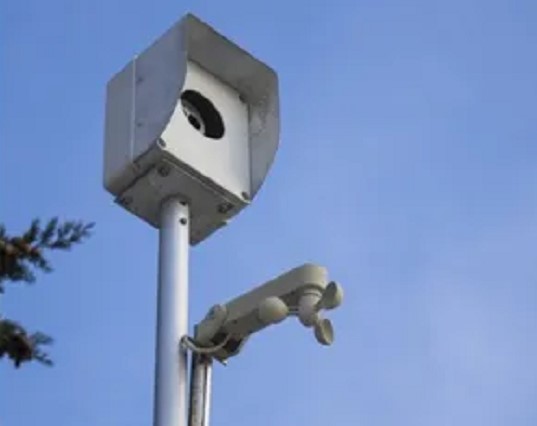
Air quality sensor
Okoro explained that MAJI, an environment focused non-government organisation (NGO), has so far deployed some 30 air quality monitoring devices across oil communities prone to oil pollution at the pilot stage to collect and transmit real time empirical data on measurement of air particles from the field.
He said that the project, tagged “Strengthening Data for Climate Action in Nigeria (SD-CAN)”, is supported by funding from United Nations Democracy Fund and will train stakeholders in the use of the devices to monitor the environment.
He said that MAJI is collaborating with the National Oil Spills Detection and Response Agency (NOSDRA) and has trained officials at the Port Harcourt Zonal Office of the agency on the workings of the devices used to monitor air quality across the world.
Okoro noted that the introduction of technology in data gathering on environmental variables like air particles, carbon emissions and toxicity would strengthen the arguments for environmental justice often dismissed as mere emotions and lacking empirical evidence by polluters who escape liability due to lack of credible data evidence.
Representatives of the academia, media, oil producing community leaders, NGOs, regulators and Bayelsa Ministry of Environmental participated in the interaction.
The participants examined the challenges around data collection, data quality, integrity and access and recommended collaboration amongst the stakeholders to overcome identified challenges.
Mrs. Maria Olodi-Osuma, a media professional, urged the stakeholders to evolve strategies that would leverage on the competence and experience of journalists who cover the environment rather than relying on untrained hands who use the social media to disseminate unverified information that lack credibility.
She noted that perceptions by the stakeholders about impact of media in raising awareness on climate change is born out of lack of knowledge as the media practitioners were doing their jobs amidst various challenges including risks to lives and personal safety.
In his contributions, HRH David Osene, (Ogbolo XI) Paramount Ruler, Elebele Community, Ogbia LGA in Bayelsa, regretted the neglect of the environmental hazards faced by residents of oil communities.
According to the traditional ruler, several oil and gas leak incidents have been swept under the carpet on the grounds that the evidence presented by the communities were not scientific and, therefore, denied compensation and remediation.
Osene applauded the efforts by MAJI to strengthen the capacity of communities and stakeholders to collectively advocate for environmental justice.
He pledged to mobilise women and youths in his domain during the training phase of the MAJI project at the Kolo Creek Oilfields.
Also, Mrs. Grace Orumiefa, Chairman of Bayelsa chapter of National Association of Women Journalists, urged MAJI to ensure that oil firms operating in the Niger Delta region to be part of the project.
The Kaduna State Government, on Friday, August 29, 2025, commenced the dredging of 4,000 metres of River Kaduna to expand its capacity and curb perennial flooding in the state.
The Permanent Secretary, Ministry of Environment and Natural Resources, Mrs. Linda Yakubu, said the exercise would cover Barnawa, Living Faith axis and other flood-prone areas along the river.
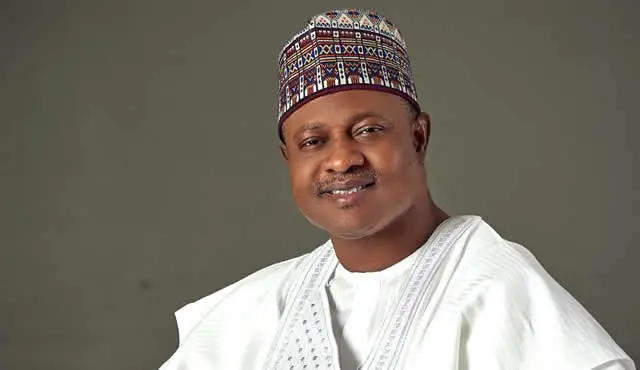
Governor Uba Sani of Kaduna State
Yakubu said the state procured a swamp buggy, approved by Gov. Uba Sani, to carry out the dredging as part of measures to prevent displacement of residents and destruction of property.
She recalled that the swamp buggy was inaugurated earlier this year, marking the state’s first independent flood-control intervention.
She said a similar dredging exercise was completed around Airport Road, Kutungari, in June, to ease water flow and protect homes and investments in the area.
Yakubu said that tributaries emptying into River Kaduna would also be cleared, noting that the government’s long-term goal was to improve the river’s carrying capacity.
She cautioned residents against dumping refuse into waterways, warning that mobile courts would sanction offenders when monthly sanitation would resume in October.
Mrs. Ikramat Muazu, an Assistant Chief Disaster Risk Reduction Officer, National Emergency Management Agency (NEMA), said the dredging was a vital preventive action against flooding.
She said that preventive measures were cheaper and safer than emergency responses.
According to her, proactive steps, such as dredging, would save lives and reduce government spending on relief measures.
Muazu gave assurance that NEMA would intensify collaboration with state agencies to ensure the exercise translated into lasting flood control and community resilience.
Mr. Michael Balai-Ibrahim of the National Inland Waterways Authority (NIWA) said the swamp buggy would help remove sandbars and debris, ensuring smooth water flow and reducing flood risks.
Balai-Ibrahim added that NIWA would continue to regulate river users and enforce safety measures to prevent dumping of refuse and other harmful practices that worsen flooding.
He said that effective maintenance of the waterways was critical to sustaining the benefits of the dredging, while pledging NIWA’s technical support to the state.
Also, the Assistant Director, National Orientation Agency (NOA), Mrs. Rahama Suleiman, said that townhall meetings and sensitisation drives were ongoing across Kaduna’s 23 Local Government Areas to secure public cooperation.
She advised that residents must align with the government’s efforts to avert the heavy flooding predicted this year by Nigerian Meteorological Agency (NiMet).