The Nigerian Meteorological Agency (NiMet) has predicted rain and thunderstorms from Thursday, September 4 to Saturday, September 6, 2025, across the country.
NiMet’s weather outlook released on Wednesday, September 3, in Abuja anticipated thunderstorms with moderate rains during the morning hours over parts of Yobe, Kano, Jigawa and Bauchi states.
Rainfall
According to the agency, the remaining parts of the region will be sunny with patches of clouds.
“Thunderstorms with moderate rains are expected during the afternoon or evening hours over parts of Adamawa, Taraba, Zamfara, Kebbi, Bauchi, Borno, Jigawa and Yobe.
”For the central region, cloudy skies with sunny intervals will be experienced during the morning hours.
“In afternoon or evening hours, thunderstorms with moderate rains are anticipated over parts of Plateau, Nasarawa, Kogi, Benue and Niger states.”
The agency predicted cloudy skies over the southern region with prospects of light rains over parts of Anambra, Abia, Ebonyi, Imo, Bayelsa, Delta, Cross River, Akwa Ibom and Rivers states during the morning hours.
It forecasts moderate rain to continue into the afternoon or evening hours.
“There are prospects of thunderstorms on Friday with moderate rains over parts of Adamawa, Gombe and Kaduna States during the morning hours in the northern region.”
NiMet anticipated thunderstorms with moderate rains during the afternoon or evening hours over parts of Sokoto, Kebbi, Katsina, Kano, Bauchi, Gombe, Adamawa, Taraba, Bauchi, Bauchi, Yobe, Jigawa, Borno and Zamfara states.
“For the central region, morning thunderstorms with light to moderate rains are anticipated over parts of Plateau and Nasarawa states.
“Afternoon or evening thunderstorms with moderate to heavy rains are envisaged over most parts of the region.
“For the southern region, there are chances of morning rains over parts of Abia, Ebonyi, Imo, Anambra, Enugu, Edo, Ondo, Akwa Ibom, Cross River, Rivers and Bayelsa states.”
The agency anticipated moderate to heavy rains over the entire region during the afternoon or evening periods.
NiMet predicted morning thunderstorms on Saturday with rain over parts of Taraba, Jigawa, Kebbi, Kano,Katsina and Kaduna states.
It forecasts thunderstorms with moderate rain over parts of Kebbi, Zamfara, Adamawa, Taraba, Kaduna, Borno and Yobe states later in the day.
“For the central region: there are chances of thunderstorms with moderate rains over parts of the Federal Capital Territory, Benue, Plateau, Kwara, Kogi, Nasarawa and Niger states.
“Thunderstorms with moderate rains are expected over parts of the Federal Capital Territory, Nasarawa, Plateau and Benue states during the afternoon to evening periods.
“For the southern region, there are prospects of morning coastal rains over parts of Cross River, Delta, Akwa Ibom and Bayelsa states during the morning hours.
According to it, the remaining parts are expected to be cloudy. Moderate to heavy rains are expected across the Southern region during the afternoon or evening periods.
NiMet urged the public to take adequate precaution as strong winds might precede the rains in areas where thunderstorms are likely to occur.
“Ensure that loose objects are fastened to avoid collision. Driving under heavy rain should be avoided. Disconnect electrical appliances from electrical sockets.
“Stay away from tall trees to avoid impact from falling branches and broken trees. Airline operators are advised to get airport-specific weather reports (flight documentation) from NiMet for effective planning in their operations.
“Residents are advised to stay informed through weather updates from NiMet. Visit our website (www.nimet.gov.ng),” it said.
Some experts have emphasised the critical role of indigenous knowledge systems in developing effective climate change adaptation strategies for African communities.
According to them, by focusing on indigenous knowledge, African nations can develop more sustainable, locally appropriate climate adaptation strategies that genuinely serve vulnerable populations.
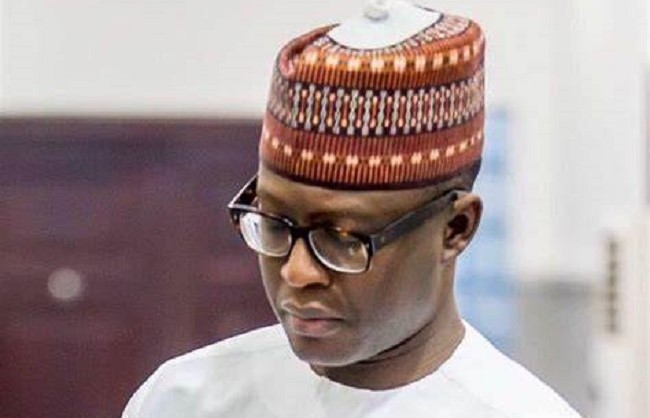
Dr Alvin Munyaisa, a Climate Fellow with AGNES
Consequently, they say there is a need for policy frameworks that recognise traditional expertise.
Dr Alvin Munyaisa, a Climate Fellow with AGNES, emphasises the importance of embedding community-based knowledge into national climate resilience plans.
“Vulnerable populations must be at the decision-making table, contributing directly to solutions that respond to climate change impacts.’’
Munyaisa spoke at a media roundtable hosted on Wednesday, September 3, 2025, by Global Health Strategies (GHS) and AfriCatalyst.
He recommends a multi-pronged approach to integrating indigenous knowledge, focusing on key sectors including agriculture, water management, and food security.
The strategy, Munyaisa says, should involve investing in research that validates traditional adaptation techniques while avoiding potential maladaptation risks.
The Kampala Declaration provides a foundational framework, urging national governments to allocate at least 10 per cent of budgetary resources to support local community adaptation initiatives.
This approach ensures that indigenous communities are not merely passive recipients but active contributors to climate solutions.
Specific recommendations include developing policy environments that promote synergies between global conventions and local knowledge systems and investing in research documenting indigenous adaptation strategies.
Also, providing financial and technical support to rural communities and integrating traditional expertise into national climate adaptation plans.
It notes that indigenous knowledge systems differ across African countries, necessitating context-specific approaches that respect local cultural nuances.
The initiative aims to shift from a victimhood narrative to one of resilience, showcasing African communities’ innovative approaches to climate challenges.
Also speaking, Dr Hamady Diop, Senior Advisor to the AU Special Envoy on Food Systems, notes that the African Union was championing a transformative approach to international climate negotiations.
Diop emphasised the critical need for a unified continental strategy in global forums.
He highlights the evolution of Africa’s engagement in global climate discussions, tracing the continent’s journey from fragmented participation to a cohesive, strategic approach.
“During the Paris climate summit, agriculture was marginally included in climate discussions.
“However, by COP28 in Dubai, we witnessed a significant shift,” the official stated.
The African Union’s strategic pivot involves developing common positions that represent the collective interests of 55 member states, challenging historical power dynamics where larger global entities often dictate terms.
“We are 1.2 billion people with a right to shape our narrative,” the diplomat emphasises, underscoring the continent’s growing diplomatic confidence.
The approach has already yielded tangible results, with African candidates successfully securing leadership positions in international organisations like the World Health Organisation and World Trade Organisation through coordinated AU processes.
This new strategy signals Africa’s emerging role as a proactive, unified force in global climate and agricultural policy negotiations.
Earlier during the webinar, the experts noted that the AU was developing comprehensive strategies to enhance its influence within the G20, addressing critical challenges in global representation.
They identified four key obstacles facing African participation in the global platform to be potential symbolic engagement, coordination fragmentation, limited technical capacity, and complex geopolitical dynamics.
Diop harped on the need to build robust structures to support a global voice, stressing the importance of establishing a dedicated secretariat to coordinate African interests effectively.
The experts highlighted the urgent need for developing evidence-based policy proposals and strengthening coordination mechanisms across regional economic committees and UN systems.
Critical focus areas include addressing climate change, digital infrastructure development, and creating unified African positions on global economic issues.
The event unveiled two significant reports – The African Union, in the G20 report jointly produced by Global Health Strategies (GHS) and Africa Catalyst.
Also, the companion policy brief “Maximising Africa’s Influence in the G20”, which offers a forward-looking blueprint for Africa’s transition from a symbolic presence to a strategic influence in global forums.
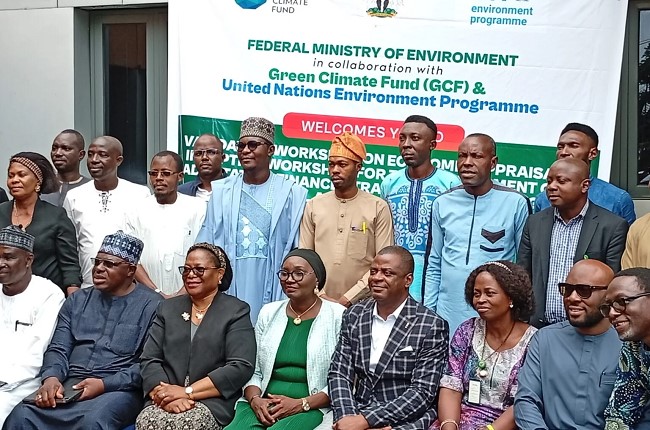
The Federal Ministry of Environment on Wednesday, September 3, 2025, in Abuja expressed its determination to ensure that Nigeria maximises the economic benefits of its National Adaptation Plan.
Alhaji Mahmud Kambari, Permanent Secretary of the ministry, stated this at the Validation Workshop for the Economic Appraisal for the Development of an Adaptation Finance Strategy.
Participants at the Validation Workshop for the Economic Appraisal for the Development of an Adaptation Finance Strategy, in Abuja
The workshop was also an avenue for Drafting of the National Adaptation Plan Document for Nigeria.
Kambari, who was represented by Dr Iniobong Abiola-Awe, Director of the Department of Climate Change, said the process was designed to conduct an economic appraisal of the adaptation plan.
“This is to outline what investors stand to gain from adaptation planning and what the country risks losing in its absence. Inaction is what we cannot afford at this time.
“Nigeria will therefore continue with the process of formulating its National Adaptation Plan, requiring all hands on deck to ensure timely delivery of the document ahead of the Conference of Parties (COP) in Brazil in November 2025,” he said.
The permanent secretary said the process of developing an adaptation finance framework would provide a blueprint for mobilising, managing and directing resources towards the nation’s adaptation priorities.
“Another aim of this gathering is to begin drafting the document in readiness for submission to the UNFCCC. This workshop provides a vital platform to facilitate that,” he added.
Earlier, in her welcome address, Abiola-Awe said the workshop marked another milestone in building climate resilience in Nigeria.
“We are all familiar with the reality of climate change as its devastating impacts are no longer distant possibilities.
“While mitigation remains crucial, adaptation is equally important because it not only strengthens our systems but also protects lives and realigns our development trajectories towards sustainability.
“Nigeria, through the National Adaptation Plan process, is committed to identifying its medium and long-term adaptation needs. This is what we are putting forward,” she said.
Also speaking, Mr. Gift Gewona, Task Manager for the United Nations Environment Programme (UNEP) Nigeria, urged the country to prioritise investments wisely on climate change.
“We want to see measures that offer the greatest returns on adaptation costs. Adaptation costs must justify the funding,” Gewona said.
The Lagos State Government has restated its commitment to advancing sustainable waste management through technology, recycling and public education.
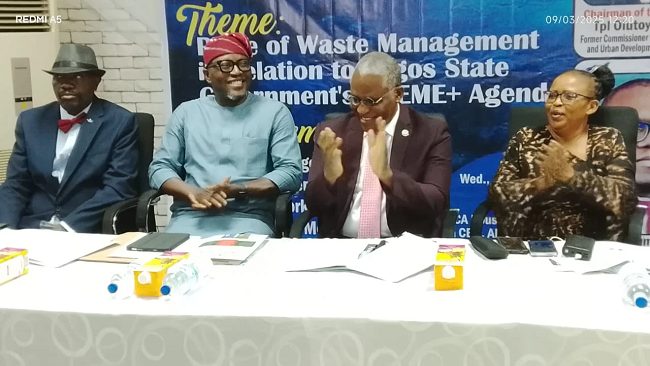
Dr. Muyiwa Gbadegesin, Managing Director/CEO of the Lagos Waste Management Authority (LAWMA), disclosed this at the Annual Lecture and Awards of the Property & Environment Writers Association of Nigeria (PEWAN) on Wednesday, September 3, 2025, in Lagos.
L-R: Bldr. Kunle Awobodu, Past President of the Nigerian Institute of Building (NIOB), Dr Olumuyiwa Gbadegesin, Managing Director/CEO of LAWMA; Tpl. Toyin Ayinde, Chairman of the Day and former Lagos State Commissioner for Physical Planning and Urban Development; and Mrs. Okwy Iroegbu-Chikezie, Chairman of PEWAN, at the PEWAN Annual Lecture and Awards, in Lagos on Wednesday, September 3, 2025
One of the themes of the event is “The Place of Waste Management in Relation to the Lagos State Government’s THEMES+ Agenda”.
The other theme is: “Air Quality Management in a Megacity like Lagos, Challenges and policy Framework”.
Gbadegesin said that waste management was central to the THEMES+ Agenda of Gov. Babajide Sanwo-Olu’s administration.
He highlighted the economic opportunities in Lagos’ waste sector, stressing that waste separation at source could unlock billions of naira in value, while creating jobs.
“Waste is not a burden, it is value. Lagos generates about 13,000 tons of waste daily, of which 50 per cent is organic.
“This can be converted into compost, bio-methane for cooking gas, or even animal feed,” Gbadegesin said.
He said that the government had made progress on the Olusosun and Solous Transfer Loading Stations and Material Recovery Facilities, which would replace legacy dumpsites with modern recycling and resource recovery infrastructure.
According to him, the Olusosun dumpsite is to be decommissioned within 18 months, with plans to convert the reclaimed land into recreational use.
To improve efficiency, Gbadegesin said LAWMA was rolling out smart bins equipped with RFID technology, enabling real-time monitoring of waste collection and ensuring accountability by operators.
He disclosed that advanced clean-energy compactor trucks and improved billing systems would also be introduced by 2026.
Also speaking at the event, Dr Tunji Ajayi, General Manager, Lagos State Environmental Protection Agency (LASEPA), reaffirmed its commitment to environmental protection, waste management and air quality monitoring.
Ajayi spoke on the need to safeguard the state’s environment through effective waste management, air and water quality monitoring and continuous public advocacy.
“One-third of Lagos is made up of water, which means effluent discharged into our waterways must be strictly monitored to protect aquatic ecosystems.
“LASEPA ensures that industrial discharges are curtailed and air emissions are properly managed, while also driving advocacy to educate residents on sustainable waste disposal practices,” he said.
He explained that LASEPA’s operations extended to every part of the state, including underserved and remote communities.
“There is no part of Lagos we do not cover. We maintain offices in every local government area, ensuring that residents, no matter where they live, can access LASEPA staff for guidance and solutions to environmental concerns,” he noted.
On air quality management, Ajayi explained that the agency adopted the World Health Organisation’s (WHO) standards for monitoring and reporting.
“Our live air quality monitoring data is available on our website. Residents can check the status of their areas in real time, whether it is safe (green), moderate (yellow), or harmful (orange/red).
“Later this year, LASEPA will publish the Lagos Clean Air Report, which will outline the state’s adopted standards and provide a comprehensive update on air quality across Lagos,” he added.
Earlier, the Chairman of the occasion, Mr. Toyin Ayinde, former Lagos Commissioner for Physical Planning and Urban Development, stressed that waste management began with information and mindset change.
“The three Rs – Reduce, Reuse, Recycle – are not just slogans but actions that must become part of our daily lives.
“Advocacy and education are essential to ensure residents see waste as a resource, not just garbage,” he said.
Chairman of PEWAN, Okwy Iroegbu-Chikezie, lamented that lack of adequate waste collection, transportation, and disposal infrastructure in Lagos has led to the proliferation of indiscriminate dumping, open burning and environmental pollution.
“We must note that the consequences of poor waste management are far-reaching, posing serious health risks to residents, including the spread of diseases, respiratory problems, and other health issues,” she stated.
The event brought together environmental professionals, government officials and PEWAN members.
They also discussed strategies to address the challenges of rapid urbanisation, informal settlements, and inadequate waste sorting culture.
Some stakeholders gathered in Abuja on Wednesday, September 3, 2025, to push for reduced carbon emissions due to the dangers they pose to public health and the environment.
They emphasised collective action toward cutting carbon emissions at the World Decarbonisation Day, with the theme “Accelerating Decarbonisation for a Climate Secure Future”.
Participants at a forum in Abuja to observe the World Decarbonisation Day,
Dr Dolapo Fasawe, Mandate Secretary for Health and Environment Services in the FCTA, warned that excessive carbon in the atmosphere was hazardous to human health and life.
“We have chosen World Decarbonisation Day to remind people of the dangerous effects of carbon emissions on air quality,” she explained.
Fasawe noted that extreme temperatures, bronchiolitis, asthma, lung diseases, and even cancers among young people are linked to inhaling polluted air containing harmful carbon particles.
She explained that decarbonisation meant reducing emissions from sources such as vehicle exhausts, generators, fossil fuels, and decomposing dump sites that sometimes spontaneously ignite.
Fasawe stressed that fossil fuels should not be abandoned carelessly, as this might disrupt the ecosystem, though she envisaged a future led by renewable energy.
“One day, inverters, solar batteries, and panels will power entire hospitals, villages, and districts. That day is possible and it will come,” she stated.
Dr Oladunni Owo, National President of Women in Energy, Oil and Gas Nigeria, described the summit as bold, strategic, and filled with transformative ambitions.
“Decarbonisation is not just a technology shift, but a power shift. Climate justice is about geopolitics, not charity,” Owo stated.
She stressed that women need not wait for permission to lead, as history shows women are always at the forefront during crises, supporting families and communities.
Mr. Teseer Ugbor, Deputy Chairman of the House Committee on Environment, noted the importance of women in the clean energy transition and advocacy efforts.
He explained that the committee had visited gas flaring sites, engaged oil industry players, and was advancing a bill to penalise and stop gas flaring.
The bill, already at second reading, seeks tougher penalties for offenders and compensation for communities suffering health and environmental effects of gas flaring.
Ugbor assured that once passed, the bill would reduce gas flaring incentives and push companies to invest in capturing and productively using the flared gas.
Mrs. Toyin Yusuf, Vice Chairperson for World Decarbonisation Day, said the 2025 summit theme focused on awareness creation, technological innovation, and driving decarbonisation globally.
She urged Nigeria and Africa to take leadership in global decarbonisation, stressing that while reliant on fossil fuels, Nigeria must still meet its net-zero target.
Yusuf highlighted technologies such as carbon sequestration, CCUS, and tree planting as vital tools in achieving sustainable climate action.
The Lagos State Government (LASG) on Wednesday, September 3, 2025, mandated all developers to comply with the Environmental Impact Assessment (EIA) process to ensure safety, health, and sustainable development.
Special Adviser to the Governor on Environment, Mr. Olakunle Rotimi-Akodu, disclosed this at a stakeholder workshop held at Watercress Hotel, Lagos.
Special Adviser to the Governor on Environment, Mr. Olakunle Rotimi-Akodu
The workshop focused on mainstreaming EIA and other safeguard instruments into developmental initiatives in Lagos State.
Rotimi-Akodu said the workshop was designed to bridge knowledge gaps on EIA matters and bring professionals in real estate together to discuss its importance.
He stated that it is now compulsory for all project developers to subject their projects to the EIA process before implementation.
“LASG will not hesitate to enforce compliance in the overriding interest of public safety and sustainable development,” he said.
According to him, this approach aligns with the need to mainstream sustainability into both public and private initiatives across Lagos State.
He urged stakeholders to appreciate the critical role of EIA in project development, stressing that their cooperation would improve project implementation and protect the environment.
He said the collective responsibility of safeguarding the environment was key to building a resilient and liveable Lagos for all residents.
Rotimi-Akodu noted that Lagos remains Nigeria’s preferred investment destination due to its population of over 22 million, modern infrastructure, and sound policies supporting businesses.
He, however, cautioned that rapid industrialisation, new settlements, and coastal reclamation pose serious environmental and social challenges, including pollution and potential irreversible degradation if unmanaged.
He explained that the Ministry of the Environment and Water Resources had therefore adopted the EIA process to safeguard public health and ensure sustainable development.
“EIA identifies likely impacts of proposed projects on the environment, health, and socio-economic activities, while providing measures to mitigate adverse effects,” he said.
Earlier, the Permanent Secretary, Office of Environmental Services, Dr Omobolaji Gaji, said the workshop was timely given the state’s ongoing developmental projects.
Gaji stressed that EIA was a global safeguard tool ensuring early identification of impacts and the adoption of strategies to eliminate or mitigate environmental risks.
He said LASG was committed to enhancing compliance and improving stakeholder participation in the EIA process, in line with its T.H.E.M.E.S-PLUS Agenda.
He warned that ignoring environmental impacts could expose Lagos’ fragile ecosystem to further degradation, jeopardising public health and safety.
Dr Omowunmi Olatunji, Vice President of the Association of Accredited Environmental Consultants of Nigeria, highlighted the numerous benefits of EIA for communities and ecosystems.
She said the process ensures that host communities are carried along, and developers fully understand the environmental and social impacts of their projects.
She urged stakeholders to sensitise others on the importance of complying with EIA regulations, stressing it was not only about compliance but also long-term benefits.
Mr. Kolawole Mabawonku, a manager at Craneburg Construction Company, said the EIA programme would strengthen company operations and prevent regulatory challenges.
He added that EIA compliance ensures government support and timely approval of project proposals, enabling businesses to operate smoothly while protecting the environment.
The Africa Food Systems Forum 2025 is underway in Dakar, Senegal, with a resounding call to place youth at the very heart of agricultural transformation.
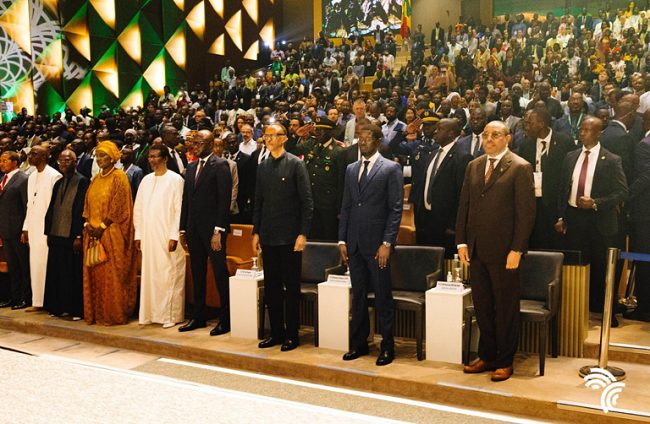
Inside the packed Auditorium, heads of state, global leaders, innovators, and young entrepreneurs gathered for the start of a week-long summit designed to reshape the continent’s agri-food future.
Leaders at the formal opening of the Africa Food Systems Forum 2025 in Dakar, Senegal
In his keynote, Senegal’s President, Bassirou Diomaye Faye, welcomed more than 6,000 delegates from 80 countries, including over 2,000 youth.
He reaffirmed his government’s commitment to youth-led innovation, citing Senegal’s Community Agricultural Cooperative as a model for empowering the next generation.
With determination, he declared, “We have the means to feed our children and the world. Let us unite our will, mobilise our resources, and make food systems the engine of an African renaissance founded on dignity, sovereignty, and shared development.”
Hailemariam Desalegn, Chair of AGRA and former Prime Minister of Ethiopia, reinforced this vision. He reminded delegates that Africa’s food future depends on aligning political will, financial capital, and the energy of its youth.
“Africa’s food systems will only transform when we align political will, financial capital, and the energy of our youth,” he said, urging governments to take decisive steps toward domestic financing and youth-driven innovation.
Alice Ruhweza, President of AGRA, added urgency to the call. She stressed that the Forum must go beyond dialogue. “This is a call to accelerate our collective commitment to strengthen Africa’s food systems,” she noted, pointing to encouraging progress by farmers, women leaders, and young agripreneurs. Yet her words carried a stark reminder: hunger still grips hundreds of millions worldwide, with Africa bearing the greatest burden.
“We cannot grow what we do not fund,” she cautioned.
The energy peaked during the Youth Town Hall, where five remarkable young leaders engaged directly with President Faye and President Paul Kagame of Rwanda.
Siny Samba, CEO of Le Lionceau, called for deeper investment in youth-led agribusiness. Moustapha Sy Ndiaye, founder of Maraz, urged for digital integration. Claudia Senghor of AGROBABE pressed for stronger market access for women farmers. Fahima Mohamed Ismael, founder of CarroMaal, highlighted the power of digital literacy to connect farmers and consumers. And Adja Boudy Kante, CEO of Cereal House, called for greater investment in food processing to elevate Africa as a global powerhouse.
Both presidents responded with commitment, acknowledging the demands of the youth and promising to expand policy and financial support.
President Kagame captured the spirit of the exchange: “Africa’s future belongs to those bold enough to innovate, and our role as leaders is to clear the path for them.”
As the Opening Ceremony drew to a close, the message was clear: AFSF 2025 is not about declarations, but about action. Leaders pledged to strengthen intra-African trade, mobilise investment, and ensure women and youth remain central to transformation.
President Faye’s closing words echoed across the hall: “This is not just a conference. It is a movement. Together, we can build the Africa we want – an Africa that feeds itself and the world.”
Nigeria stands at a turning point. With ambitious targets for universal electricity access and clean energy adoption, the country’s renewable energy sector must scale up fast. But one stubborn obstacle continues to slow progress, the lack of affordable, naira-based concessional financing, especially for women, low-income consumers, and emerging enterprises.
While policymakers talk up renewable energy and pilot projects show promise, the ecosystem for local-currency concessional loans remains weak and underfunded. Institutions like the Bank of Industry, the Development Bank of Nigeria, and the Central Bank have rolled out some concessional facilities, but these remain a fraction of what is required. Industry estimates put Nigeria’s renewable energy financing gap at a staggering ₦11.4 trillion.
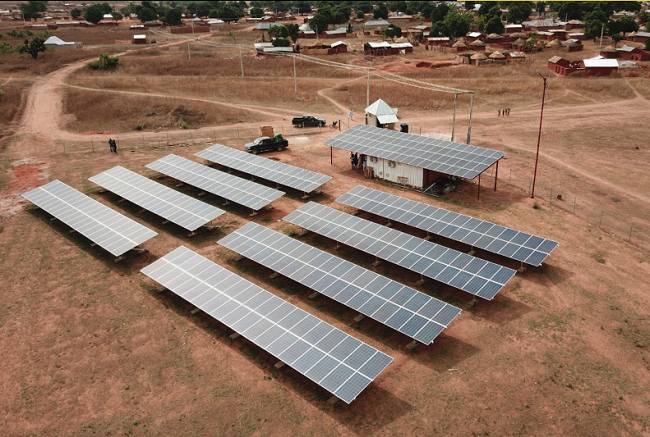
A solar mini-grid system
The shortfall is felt most sharply by early-stage developers and mini-grid operators working in rural communities. They often face high interest rates (running at high as 19 – 23%), short loan maturities (mostly below three years), rigid collateral demands, and repayment schedules that make long-term project viability difficult. Consumer finance schemes targeting bottom-of-the-pyramid households and women-led businesses exist, but they are either too small or difficult to access.
One major problem is that Nigerian lenders, from commercial banks to microfinance institutions, often lack the capital, and the appetite to issue large or long-term naira loans for renewable energy projects. Many financiers remain unfamiliar with the business models, viewing them as risky.
That perception is compounded by the profile of many developers who are mostly young, undercapitalised firms with limited collateral. Policy shifts and regulatory delays also add uncertainty, making banks even more cautious.
Projects aimed at last-mile rural electrification tend to deliver low returns in the short term, which is unattractive to profit-driven lenders unless external de-risking tools are in place. And with Nigeria’s renewable energy market still relatively young, the lack of proven, bankable projects only deepens investor hesitation.
A further gap exists in financial sector expertise. Many lenders have no in-house staff trained in renewable energy project finance. Data that captures the distinct needs of women entrepreneurs or poor consumers is rare, leading to products that inadvertently exclude them.
Some projects have bucked the trend. In 2023, four solar hybrid mini-grids in Osun State, developed through a public-private partnership between Aradel Renewables Limited and Concerto, brought reliable power to 1,200 homes. The scheme relied on blended finance, community engagement, and risk-sharing – demonstrating what is possible with the right mix of support.
In 2025, off-grid solar giant Sun King secured the naira equivalent of $80 million in local-currency loans for product deployment – a rare large-scale deal in the sector. Meanwhile, the African Climate Foundation and Konexa combined technical support with guarantees to unlock over $34 million in capital for Nigeria’s first private renewable energy trading platform.
Yet such examples remain exceptions rather than the norm.
For women-led businesses, the challenge is even greater. Only about 30% of climate finance for energy projects in Nigeria has any gender-sensitive component. Women-led renewable energy firms rarely secure major concessional loans, despite evidence that they often deliver higher repayment rates and broader community benefits.
Other countries offer valuable insights. Mexico and Morocco, for example, have used concessional loans from climate funds, first-loss guarantees, and gender-bond programmes to kickstart renewable markets, attract private investors, and build local expertise.
Around the world, blended finance, structured funds, and green bonds are helping bridge viability gaps and draw in institutional investors.
Analysts argue that Nigeria must act decisively. One proposed solution is a “Nigeria Renewable Energy Credit Facility” a Central Bank-led fund pooling capital from public, donor, and pension fund sources to provide long-term, low-interest naira loans.
Incentives for banks, such as regulatory mandates or preferential reserve ratios for renewable lending, could also push capital toward the sector.
Expanding credit guarantee schemes, introducing partial risk guarantees, and combining donor grants with private capital through blended finance models could further de-risk investments.
Dedicated “Gender and BoP Renewable Bonds” could earmark funds for women-led enterprises and community cooperatives, while pay-as-you-go models could help rural consumers afford clean power.
Capacity-building will be key. Financial institutions need training in renewable energy risk assessment and business models, while market aggregation platforms could pool smaller projects into portfolios that attract bigger investors.
Policymakers are also urged to fast-track frameworks for green bonds and securitization, collect gender-disaggregated financing data, and offer tax breaks or interest subsidies for inclusive projects.
Experts stress that intentional gender inclusion is not just a fairness issue but a growth driver. A minimum share of concessional and blended finance could be directed to women-led projects. Partnerships with civil society could help women entrepreneurs build investment readiness, increasing their success rates and community impact.
Unlocking naira-based concessional finance will not be easy, but the rewards are significant. Done right, it could close Nigeria’s energy access gap, create jobs, stimulate sustainable economic growth, and position the country as a leader in Africa’s clean energy revolution. The question now is whether policymakers and financiers are willing to take bold, targeted action – before the opportunity slips away.
By Clement Chisom John, Renewable Energy Association of Nigeria (REAN)
The abiding vision of COP30 is the Global Mutirão. This concept, birthed by the Brazilian COP30 Presidency, recognises the need for collective action built brick by brick from the local to the national, the regional, and the global. Mutirão therefore places its feet firmly on the grounds that nothing concrete can be attained in the global drive for climate resilience and sustainable growth without collective and collaborative actions.
This perhaps became extremely urgent as the world battled an attack on multilateralism following the change of government in the United States of America, earlier this year. As some are putting a knife on the things that held us together, it became increasingly important that the world rally and bring back that very important spirit of multilateralism as aptly captured by the Mutirão vision.
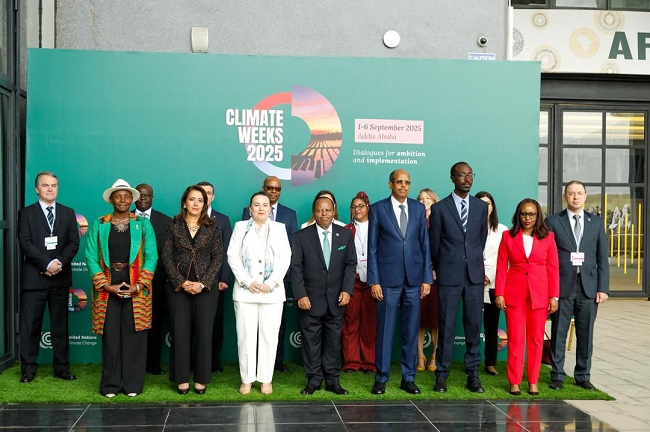
Some dignitaries at the Africa Climate Week in Addis Ababa
Significantly, this year too, the United Nations Framework Convention on Climate Change (UNFCCC) brought back the climate weeks with the first one taking place in Panama. Currently, the second climate week is going on in Ethiopia – the Origin of Life and a significant venue to resurrect the spirit of humanity.
What immediately captures the attention of many participants during the high-level Opening Ceremony is the level of importance given to this by the international community with the event graced by Deputy Executive Secretary of the United Nations Framework Convention on Climate Change (UNFCCC), Ms. Noura Hamladji; both High-level Champions for COP29 and COP30, Ms Nigar Arpadarai and Dan Ioschpe respectively; both COP29 and COP30 Youth Champions, Leyla Hasanova and Marcele Oliveira respectively; Chair of the SBI, etc.
Strikingly, the presence of these champions of climate action was underscored by a repetitive call for collaboration.
Accordingly, Ms. Noura Hamladji stressed that there is no solution to climate change at the scale needed without solidarity and enlightened that climate weeks are about harvesting innovation, sharing best practices, and turning pledges into action.
Ms Hamladji’s view was further echoed by the COP29 High-level Champion and Member of Parliament, Ms Nigar Arpadarai, who highlighted the risk of mistrust in the climate change process and why COP29 tried to ensure that the voices of the global south were heard loud and clear. She reiterated that, to succeed, the COP process must reinvent itself all the time and be deeply etched in honesty, humanity, and a deepening of trust.
This overwhelming emphasis on trust, solidarity and collaboration, becomes more significant when one takes into consideration the fact that, for the UNFCCC, the focus for this second climate week is “Finance for Adaptation” – a focus that resonates with African needs and vision which was highlighted by the Chair of the African Group of negotiators, Dr. Richard Muyungi, when he called for COP30 to make the Global Goal on Adaptation work for Africa. This was further backed by the COP30 Youth Champion.
For Oliveira the youths’ focus is on adaptation finance, with the local communities and people directly impacted part of the decision process.
This unified call for adaptation finance remains a key pillar of Africa’s climate demands. But it must come in the form of grants, and not loans disguised as climate finance.
What one then expects is that this rekindling of the spirit of multilateralism must transcend beyond talks to action. There is an urgent need to mount the right pressures and ensure that the right support is delivered to Africa’s most vulnerable. This is critical as we move from Addis to Baku, to Belém, and beyond.
Thankfully, Ethiopia’s efforts at championing homegrown options and showing conscious leadership on climate action, including through its “Green Legacy Initiative” and the targeted generation of over 5,000 MWs of power through its “Grand Ethiopian Renaissance Dam,” shows Africa’s commitment to champion climate action even as a low-emitting continent. It further sends a message to other African leaders to take up the gauntlet and run with the idea that the continent’s sustainable development is anchored on well-structured climate action.
By Nnaemeka Oruh, Senior Policy Analyst on Climate Change, Society for Planet and Prosperity (SPP), in Addis Ababa
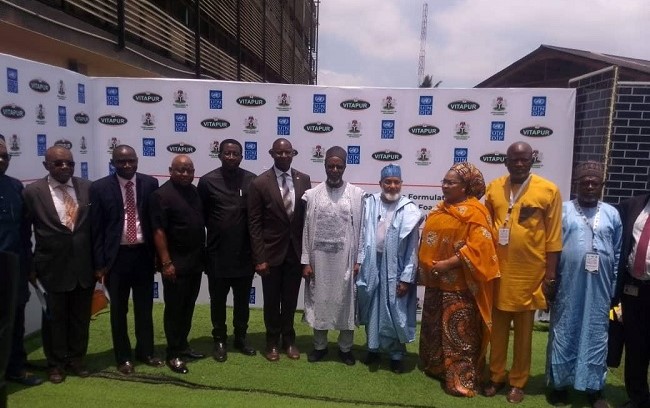
In a landmark step towards environmental sustainability, the Federal Government of Nigeria, in collaboration with the United Nations Development Programme (UNDP), has commissioned the Optimised System House at Vitapur Nigeria Limited in Lagos, for the production of Methyl Formate-based pre-blended polyols in the Rigid Polyurethane Foam sector.
The project, funded under Stage II of the Hydrochlorofluorocarbons Phase-out Management Plan (HPMP) of the Montreal Protocol, marks Nigeria’s decisive shift away from ozone-depleting substances and positions the country as one of only two African nations – alongside South Africa – with such a facility.
Minister of Environment, Balarabe Abbas Lawal (in white), with government, UNDO and Vitapur/Vitafoam officials, at the commissioning
Speaking at the commissioning, the Minister of Environment, Balarabe Abbas Lawal, emphasised the significance of the project in Nigeria’s climate and ozone protection efforts.
“With this commissioning, Vitapur has completely phased out the use of HCFC-141b in its operations. This will also support downstream companies to eliminate harmful substances from their foam production lines. Together, we have phased out over 301 metric tons of HCFC-141b, fulfilling Nigeria’s obligations under the Montreal Protocol,” he stated.
The Minister explained that the optimisation of the System House was necessary after challenges such as shrinkage and high-density issues were identified in earlier formulations. The improved facility now deploys a mix of environmentally friendly blowing agents such as Hydrofluoro-olefins (HFOs), Cyclopentane, and Methylal, enabling the sustainable production of high-quality rigid foams for insulation panels, thermoware, spray foams, and other applications.
The project achieved several critical milestones such as:
Provision of modern equipment including blending tanks, smoke detectors, and upgraded control panels.
Supply of advanced raw materials such as silicone, catalysts, and new generation blowing agents.
Establishment of an internationally certified laboratory at Vitapur, equipped with precision testing machines like Flash Point Tester and K-Value Tester for quality assurance.
Job creation and green skills development through the training of indigenous technicians and engineers in ozone-friendly technologies.
The Minister highlighted that this optimisation builds on earlier successes, including the conversion of Slavit Nigeria Ltd in 2023 from HCFC-141b to Cyclopentane-based technology, which phased out an additional 96 metric tons of harmful chemicals.
In its opening remarks, the United Nations Development Programme (UNDP) described the event as not only representing a symbol of Nigeria’s leadership in environmental stewardship, industrial innovation, and sustainable development, but also reflects the strength of partnership between government, private sector, and the international community in advancing climate action and inclusive economic transformation.
Muyiwa Odele, Head, Environment & Climate Change Unit, UNDP, disclosed that UNDP’s global mandate and its work in Nigeria is to support countries in accelerating progress towards the Sustainable Development Goals (SDGs), for which the System House project is a concrete outcome.
“This System House exemplifies how global environmental agreements can be localised to deliver tangible benefits for both people and planet – including – creating green jobs, enhancing industrial competitiveness, and safeguarding public health and ecosystems.
“This commissioning aligns strongly with Nigeria’s commitment under the Montreal Protocol, a global agreement that has successfully phased out nearly 99% of ozone-depleting substances worldwide.
“Through our collaboration with the Federal Ministry of Environment and the National Ozone Office, we are proud to support Nigeria’s transition to ozone- and climate-friendly technologies,” he said.
Odele pointed out that the milestone comes at a time when Nigeria has just validated its Nationally Determined Contribution (NDC) 3.0 under the Paris Agreement.
“The NDC3.0 is not just a technical document – it is a developmental blueprint that reflects Nigeria’s ambition to transform its economy through clean energy, resilient infrastructure, sustainable agriculture, and inclusive growth,” he stated.
He added: “As we are all aware, the Montreal Protocol, particularly through its Kigali Amendment, has expanded its focus from ozone depletion to include greenhouse gas (GHG) emissions. The System House technologies being commissioned today promote the use of low-GWP refrigerants and energy-efficient cooling systems, significantly reducing emissions from hydrofluorocarbons (HFCs), which are potent GHGs. Integrating refrigerant transition with energy efficiency not only enhances performance and lowers costs but also creates green jobs – especially for youth – in manufacturing, servicing, and innovation.
“Today’s commissioning is therefore a clear demonstration of how climate action can be a driver of economic transformation, social inclusion, and environmental resilience. It showcases the kind of bold and integrated solutions that are needed to deliver on both national priorities and global commitments.
“We congratulate and salute the courage of Vitapur Ltd for being an industrial trailblazer and for its proactive role in embracing sustainability and innovation. Vitapur’s partnership with the Government and UNDP exemplifies how the private sector can be a powerful engine for climate resilience and green growth.
“It is our hope that today’s milestone will further inspire more collaboration, increased ambition, and unity of purpose, because we at UNDP strongly believe, in line with the Government’s Renewed Hope Agenda, that together, we can build a Nigeria where development is not only inclusive and prosperous – but also sustainable and climate-resilient.”
Welcoming guests, Mr. Zakari M. Sada, Chairman of Vitafoam Nigeria Plc, the parent company of Vitapur, reaffirmed the company’s commitment to sustainability and job creation.
He urged the Federal Government to introduce policy incentives that would enable local manufacturers to thrive.
“One of our biggest challenges is the import levy and 40% duty imposed on steel sheets used in local sandwich panel production, while finished insulated panels are allowed duty waivers. This policy imbalance hurts domestic industry and discourages investment,” Sada noted.
He also called for stricter enforcement of the ban on ozone-depleting substances (ODS) to protect both the environment and local manufacturing.
In his project status report, Mr. Taiwo Adeniyi, Group Managing Director of Vitafoam Plc, revealed that the optimised facility has not only phased out HCFC-141b in Vitapur’s operations but has also:
Increased blending capacity for ozone-friendly raw materials.
Enhanced laboratory testing and training capabilities.
Opened opportunities for local research into polyurethane formulations, reducing dependence on imports.
According to him, the initiative supports Nigeria’s industrialisation drive by creating jobs, boosting exports, saving foreign exchange, and enabling technology transfer across sectors such as construction, refrigeration, oil and gas, and automotive industries.
The project aligns with Nigeria’s commitments under the Montreal Protocol and the Kigali Amendment, both of which aim to protect the ozone layer and reduce global warming potential (GWP) from industrial chemicals.
“This facility makes Nigeria a leader in West Africa on ozone and climate-friendly technologies. It is a demonstration of how public-private partnerships can deliver sustainable industrial growth while protecting the environment,” said the Minister.
The ceremony ended with a symbolic presentation of the handover certificate for the project from the Federal Government and UNDP to Vitapur Nigeria Limited, marking a new phase in Nigeria’s environmental and industrial development journey.