TotalEnergies (80%, operator), together with its partner South Atlantic Petroleum (20%), has signed the Production Sharing Contract (PSC) for the PPL 2000 and PPL 2001 exploration licenses offshore Nigeria, which were awarded following the 2024 Exploration Round organised by the Nigerian Upstream Petroleum Regulatory Commission (NUPRC).
TotalEnergies
PPL 2000 & 2001, covering an area of approximately 2,000 square kilometres, are located in the prolific West Delta basin. The work programme includes drilling one firm exploration well.
“TotalEnergies is honoured to be the first international company to be awarded exploration licenses in a bid round in Nigeria in more than a decade, marking a new milestone in our long-term partnership with the country,” said Kevin McLachlan, Senior Vice-President Exploration at TotalEnergies.
“These promising block captures are fully aligned with our strategy of strengthening our Exploration portfolio with drill-ready and high impact prospects, that have the potential for low-cost and low-emissions developments from new discoveries in our core areas of expertise,” added McLachlan,
The National Biosafety Management Agency (NBMA) says that its attention has been drawn to ongoing debates surrounding the introduction of Genetically Modified Organisms (GMOs) into Nigeria, saying that no GMO enters or is used in Nigeria without passing through the Agency’s strict, science-based approval process.
It adds that any importer or producer found to contravene the NBMA Act 2015 (as amended) will face appropriate sanctions, as the Agency will not hesitate to enforce the law to protect Nigerians, the environment, and biodiversity.
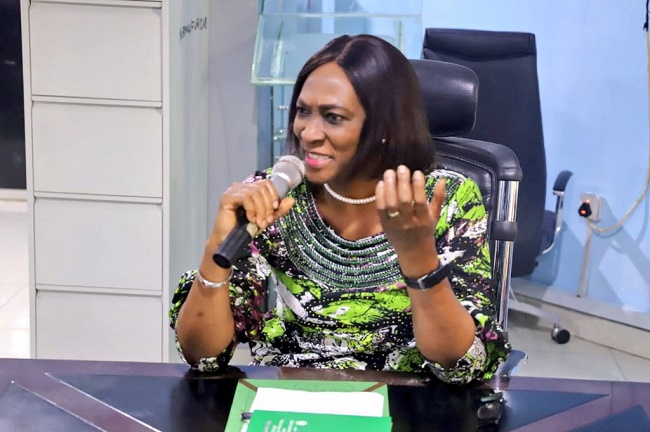
Dr Agnes Asagbra, Director-General, NBMA
The NBMA was established by the National Biosafety Management Agency Act, 2015 (as amended 2019) as the Competent National Authority mandated to regulate the safe use of modern biotechnology and its products, including GMOs.
“Our responsibility is clear: to protect human health, biodiversity, and the environment while ensuring Nigerians have access to safe innovation,” the Agency submitted in a statement endorsed by Gloria Ogbaki, its Head Information and Public Relations.
The statement adds: “Before any genetically modified organism (GMO) can be imported, produced, or commercialised in Nigeria, the National Biosafety Management Agency (NBMA) undertakes a rigorous screening and requires a detailed application supported by scientific data, risk assessments, and safety studies.
“In keeping with its transparency mandate, the Agency publishes each application in at least two national newspapers and deposits copies at strategic locations across the country. This 21-day public notice allows Nigerians and stakeholders to review the application, raise concerns, or provide feedback.
“Independent experts are then brought into the process. A National Biosafety Committee and a Technical Sub-Committee, made up of relevant scientists from universities, research institutes, professional bodies, and government agencies, carefully review the evidence.
“They examine the molecular biology, toxicology, allergenicity, nutritional impact, the history of safe use, potential environmental effects and many more. In the case of an approved confined trial, the Agency follows a very rigorous regulatory process requiring some number of years of assessing the trial period in which the data generated from the process is still subjected to the National Biosafety Committee and Technical Sub-Commitee if the applicants wishes to commercialise.
“Decisions are made strictly on science. Only GMOs proven to be as safe as their conventional counterparts are approved; those that present risks are rejected outright. Where approvals are granted, NBMA issues permits under strict conditions that must be observed at every stage, from importation to cultivation and commercialisation.”
NBMA notes that, even after approval, the monitoring does not stop, stressing that its officers carry out regular post release monitoring and inspection to ensure full compliance.
“We also carry out quarterly surveillance and any breach attracts tough sanctions, including seizure, destruction, or repatriation of unauthorised GMOs. And as the Agency has warned, any importer or producer who violates the NBMA Act will face firm sanctions without hesitation.
“Science, not sentiment, guides our decisions. NBMA aligns its processes with global best practices, including standards of the Food and Agriculture Organisation (FAO), the Codex Alimentarius Commission, and the Cartagena Protocol on Biosafety. Transparency is central. The public is always given the opportunity to scrutinise applications and provide input before decisions are taken. Consumer rights are protected.
“Labelling of GMOs is mandatory by law, to safeguard Nigerians’ freedom of choice. Nigeria is a continental leader. Our regulatory system has been recognised across Africa and has served as a model for several countries building their biosafety frameworks.
“The NBMA assures Nigerians that no GMO is allowed into Nigeria without passing through the world’s most stringent safety and regulatory processes. Our duty is to protect Nigerians without stifling innovation, and we will continue to discharge this mandate with transparency, firmness, and scientific integrity. “We call on the public and stakeholders to place trust in Nigeria’s biosafety system, a system deliberately built by the National Assembly, funded by Government of Nigeria, and upheld by experts, to ensure that bio-innovation never compromises safety.”
As we gather for the 2nd Africa Climate Week/Summit in Addis Ababa, Ethiopia, we must confront the stark realities of our continent’s challenges with clarity and resolve to survive and thrive in an era of escalating climate crises and shifting geopolitics. At the heart of this determination should be two interlinked priorities: building capacity across the continent and deepening African solidarity. In an era when multilateralism is collapsing, the need for self-reliance has never been stronger.
Earlier this year, during the African Union Summit, I warned of the dangers of Africa’s over-reliance on Western aid. Recent events have only amplified these concerns. The resurgence of nationalist governments and policies in the West threatens to leave Africa vulnerable, as global powers increasingly prioritise their own interests. This warning might sound alarmist, but recent events point to the dawn of this gloom future if action is not taken to correct course.
Prof. Chukwumerije Okereke, professor of Global Governance and Public Policy at University of Bristol
Too many African countries remain vulnerable because critical services and long-term programmes depend on a narrow set of aid dangled on strings.
On US President Trump’s resumption of office by January this year, for example, changes in U.S. foreign-aid policy pulled the rug on the United States Agency for International Development (USAID), terminating large portions of contracts and put the President’s Emergency Plan for AIDS Relief (PEPFAR) and other U.S. global-health funding under review, forcing clinics and HIV/health programmes in multiple African countries to scale down or close. Similarly, President Trump has signed executive orders that directly and indirectly target U.S. foreign-aid flows and policies that fund climate-related programmes and partner organisations.
Coincidentally, the United Kingdom’s drastic cuts to aid budgets have led to the cancellation of vital projects tackling neglected tropical diseases and other health challenges in Africa. Major spending shifts and reprioritisations by other donors have produced similar shocks, exposing the fragility of depending on external goodwill – a goodwill that is rapidly eroding.
Climate change poses an existential threat, especially in Africa, yet our response has been alarmingly inadequate. Some have argued that Africans have no concept of the future, and therefore cannot plan for it, and our actions and inactions risks proving them right. African governments and institutions have treated development as something to be hoped for from abroad rather than built at home.
Corruption, complacency and a lack of urgency among leaders have hindered the development of infrastructure, research capacity, resilient institutions and other relevant systems necessary to address our collective challenges. Sadly, whether we can conceptualise it or not, the future is not a distant horizon – it is here, demanding action now.
That said, the call for self-reliance is not an argument to abandon the demand for climate justice. The principle of climate justice is undeniable: Countries and corporations that historically emitted the most have a moral and legal responsibility to fund restoration (loss, damage and ambitious mitigation). Africa will, and should continue to press for this. However, given that climate change impacts all no matter who caused it, justice and agency can be complementary. We can, and must, pursue both: press for fairer global commitments, while accelerating the continent’s ability to plan, fund and implement sustainable solutions. If there is one lesson from recent geopolitical shifts and funding shocks, it is that survival cannot be left to the goodwill of outsiders. Africa’s future must be built by Africans, with partners who act in good faith and on fair terms.
The path forward lies in building our own capacity and fostering solidarity across the continent. African governments must set ambitious Nationally Determined Contributions (NDCs) and commit to their implementation, rather than treating these commitments as a five-year ritual of box-ticking. Projections consistently show a very large financing gap between what Africa needs to implement its climate plans and current contributions, while current flow of climate finance is inadequate. African governments must increase domestic funding for climate projects. We must prioritise renewable energy, sustainable agriculture and climate-adaptive infrastructure to safeguard communities and stimulate green jobs across the continent.
Africa needs approximately $200 billion annually to achieve sustainable development, but money alone is not enough. Governments must root out corruption and ensure resources are channelled into education, innovation and technology that empower the next generation of African problem-solvers.
Regional and subregional cooperation through frameworks such as the African Union, ECOWAS, SADC, and other bodies must be strengthened so countries can pool risk, coordinate procurement and mobilise rapid, predictable finance in crises.
Also, subnational governments, women and youth must be at the centre of planning and implementation as they are the ones who will translate policy into on the ground action.
The time for complacency is over. Africa’s survival depends on our ability to unite, plan, and act decisively. At the Africa Climate Week/Summit, let us commit to a future where we are not victims of circumstances but architects of our own resilience.
The choices we make at this summit will determine our fate in the near future. The world may falter in its promises, but we must not falter in our resolve.
By Prof. Chukwumerije Okereke, professor of Global Governance and Public Policy at University of Bristol, visiting professor at the London School of Economics, UK and co-chair of Ukama Platform, a group of thought-leaders that aim to strengthen Africa-Europe relationship to achieve just sustainability transformation
The Nigerian Upstream Petroleum Regulatory Commission (NUPRC) has signed a Production Sharing Contract (PSC) for Petroleum Prospecting Licences 2000 and 2001 with NNPC Limited and the TotalEnergies–Sapetro Consortium.
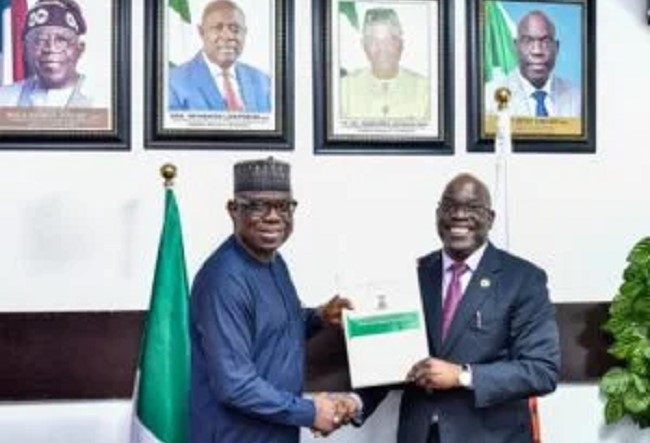
Speaking at the signing ceremony on Monday, September 1, 2025, in Abuja, NUPRC Chief Executive, Mr. Gbenga Komolafe, described the agreement as a milestone that marked a new chapter in Nigeria’s upstream sector, in line with the Petroleum Industry Act (PIA).
Chief Executive, Nigerian Upstream Petroleum Regulatory Commission (NUPRC), Mr Gbenga Komolafe; and Group CEO, Nigerian National Petroleum Company, Mr Bayo Ojulari at the signing of the Production Sharing Contract between NNPC and the TotalEnergies-Sapetrol Consortium in Abuja on Monday
The licences, awarded to TotalEnergies and its partner South Atlantic Petroleum (SAPETRO) under the 2024 Licensing Round, also signify the formal conclusion of the round.
According to Komolafe, the PSC launches a committed work programme aimed at unlocking deepwater geological potential, expanding reserves, boosting production, and enhancing Nigeria’s energy security.
He commended President Bola Tinubu for his bold reforms and directive that undeveloped assets be returned for rebidding and reallocation to competent bidders in line with the PIA.
Komolafe also highlighted the impact of the 2024 Executive Orders – #40 on fiscal incentives, #41 on local content, and #42 on cost efficiency and contract timelines – saying they had catalysed significant investment inflows and set the stage for shared prosperity.
“The Awardees of 2000 and 2001 Licensees clearly have become beneficiaries of the laudable initiatives and reforms of Mr president,” he said.
At the signing of the PSC, he said the licences, awarded to TotalEnergies and its partner South Atlantic Petroleum (Sapetro) in the 2024 Licensing Round, marked a new chapter in the oil and gas upstream sector.
He urged the TotalEnergies and other potential investors to take advantage of the right regulatory, fiscal and governance regime as enthroned by the NUPRC, with the president’s support by participating in the next Licensing Round.
“I congratulate the TotalEnergies with over 60 years operations in Nigeria and holding 80 per cent contractor interest, as well as Sapetro with 30 years operations and holding 20 per cent contractor interest, on their success in the Licensing Round,” he said.
Recall that the Licensing Round was based on a fair, transparent and competitive bidding process in line with Section 73 of the PIA.
Hence, he described the award of these two offshore blocks, spanning about 2,000 square kilometres in the prolific Niger Delta Basin, as a direct product of the transparent, competitive, and reform-driven framework introduced under the PIA.
He commended the NNPC Ltd. and contractors (TotalEnergies & Sapetro) for their commitments in exploration and production activities in Nigeria, adding that the successes recorded in Egina, Akpo and other assets were highly commendable.
“The commission, working hand-in-hand with stakeholders, especially NNPC Limited as the concessionaire, devoted significant time and expertise to develop a new standardised PSC template that reflects the spirit and intent of the PIA,” he said.
He advised the parties to imbibe swift and technically sound exploration, leading to early Final Investment Decisions, while striving to deepen local content, create jobs, empower businesses, develop and produce the asset in line with decarbonisation principles.
Speaking, Mr. Bashir Ojulari, Ground Chief Executive Officer, NNPC Ltd. thanked the Federal Government, NUPRC and the TotalEnergies leadership on the bold step taken to reopen the deep-water exploration space.
“This particular PSC is unique in many respects. I just want to highlight a few.
“It is the first in the deep water offshore PSC following the successful completion of the 2024 licensing round.
“It is the first PSC that comprehensively covers in scope both crude oil and natural gas. It is the first PSC with robust gas terms including a profit gas split that incentives monetisation of non-associated gas.
“So this is quite front leading from as you know, following the PIA, the whole non-associated gas in the deep water is one of the critical areas that we needed to really push the frontiers in Nigeria,” he said.
Ojulari said the PSC had robust fiscal terms, including a signature bonus of 10 million dollars, production bonus of two million barrels and four million or cash equivalent on attainment of 35 million barrels and 100 million barrels production respectively.
“We will ensure there are no gaps. It will bring NNPC Limited closer to achieving the target of three million barrels per day and an additional investment of 60 billion dollars by 2030,” he said.
The Managing Director of TotalEnergies, Mr. Mathieu Bouyer, thanked NUPRC for the work done in ensuring extensive deliberations, rigorous evaluations and transparent bid process concluded in December 2024.
“We are honoured to be the first International Oil Company to be awarded an exploration block in 10 years and that our joint bid with our partner Sapetro was successful.
“We are eager to progress swiftly and responsibly with the implementation of the agreed work programme for both blocks,” he said.
Governments around the world are grappling with the challenges of environmental degradation and economic inequality. But until now, there has been no comprehensive analysis of how these two problems are interrelated, and how policies to protect the environment and reduce the rich–poor divide complement or hinder each other.
The study “The Economics of Inequality and the Environment” looks at this interaction with a literature analysis. It was co-authored by the Potsdam Institute for Climate Impact Research (PIK) and has now been published in the renowned Journal of Economic Literature.
The Potsdam Institute for Climate Impact Research (PIK)
The study identifies the theoretical mechanisms underlying the interplay between the environment and income inequality and takes stock of the empirical evidence on the strength of these mechanisms. The conceptual starting point is “social welfare” – the sum of individual utility – which policymakers strive to maximise. This utility is derived from goods and services, from leisure, and from environmental quality. The core idea is that environmental policy doesn’t just influence the third component, but all aspects of welfare. This is because environmental policy measures also change people’s economic situation via prices and incomes – and usually differentially for the rich and the poor.
“This concept has very concrete implications, for example in climate policy,” says PIK researcher Ulrike Kornek, Professor of Environmental and Resource Economics at Kiel University and co-author of the study. “Whether a price premium on fossil fuels can be successfully implemented depends heavily on its effect on the gap between rich and poor. Governments can counteract this by redistributing the revenues but should be aware of the repercussions on climate outcomes. Moreover, the extent of inequality shapes a society’s willingness to pay for climate protection. And the climate crisis can increase inequality.”
The “equity–pollution dilemma”
The research team examined three channels of interaction. First, they looked at the individual benefits of environmental policy: how do they change with income? The analysis shows, for example, that the poor are less able to invest in climate adaptation, and therefore benefit more from avoided climate damage. Research also shows that fewer excessive heat days tend to increase labour productivity, and thus wages, while reducing the number of work-related accidents. Better harvests and lower food prices are also conceivable. So, there is a logic to seeing good climate policy as promoting social balance.
Second, the research team looked at the costs of environmental policy: how will these be distributed between the rich and the poor? These include costs that are fully or partly passed on to private households (such as higher prices for petrol and heating fuels, which in industrialised countries have an above-average impact on the poor) as well as costs that are initially borne by companies: the gap between rich and poor is also affected when, for example, climate policy impacts a certain industry, thereby affecting its wages and capital returns.
Third, the study explores interactions due to the social flanking of environmental policy: how are the outcomes of climate measures, for example, affected by changes in income inequality? A crucial concept here is the “equity–pollution dilemma”: more money for the poor leads to extra spending on climate-damaging products.
Neither issue can be fully understood in isolation
According to the research team, it is important that more empirical studies systematically record certain “income elasticities” – how a change in household income affects a particular economic behaviour, such as the demand for climate-damaging goods or a person’s willingness to pay for environmental protection. Aside from economic indicators, environmental quality should be measured with improved precision and granularity.
“In both research and policy design, it is important to adequately consider the links between inequality and the environment,” emphasises PIK researcher, Kornek. “Neither issue can be fully understood in isolation.”
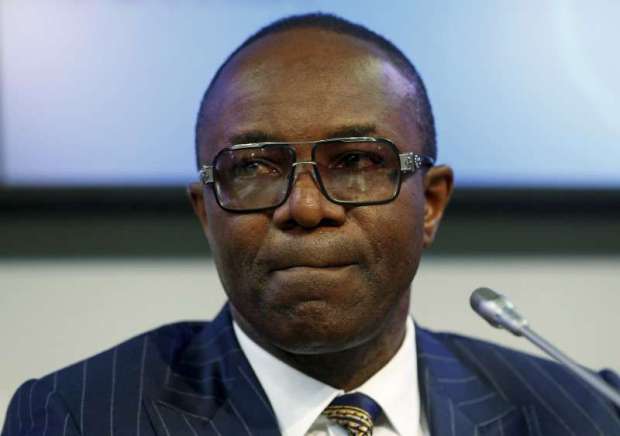
The Nigerian Content Development and Monitoring Board (NCDMB) has said that Dr. Emmanuel Ibe Kachikwu, former Minister of State for Petroleum Resources, and former chairman of NCDMB’s Governing Council, will serve as the Role Model and Guest Speaker at the NCDMB Business Mentorship Lecture Series (BMLS) for Q3 2025.
This edition of the BMLS will be held on Monday, September 8, 2025, from 10am via Zoom Webinar and NCDMB’s YouTube channel. The session will be moderated by Richmond Osuji, a leading event compere in the oil and gas industry.
Former Minister of State for Petroleum Resources, Dr Ibe Kachikwu
Launched in 2019 under Section 67 of the Nigerian Oil and Gas Industry Content Development (NOGICD) Act of 2010, the Business Mentorship Lecture Series promote the Act’s implementation for operators, contractors, and stakeholders. The one-day capacity-building initiative engages seasoned leaders to foster growth among service and operating companies in Nigeria’s oil and gas industry.
The event is aimed at empowering oil and gas companies across Nigeria through targeted training, motivation, and business advisory support, and is in line with the Board’s mandate developing the capacities of oil and gas companies, and enhancing the capabilities of Nigerians to play key roles in the sector.
Dr. Kachikwu, a trailblazer in Nigeria’s oil and gas sector brings an unparalleled wealth of experience and brilliance to the series. His illustrious career spans over three decades in the energy sector, including roles as Group Managing Director of the Nigerian National Petroleum Corporation (NNPC), and Chairman of its Board, and one-time Executive Vice Chairman and General Counsel at ExxonMobil Nigeria. As Minister of State for Petroleum Resources, he spearheaded transformative policies such as the National Gas Policy (2017) and National Petroleum Policy (2017), which were instrumental in reshaping Nigeria’s energy landscape and advancing the Petroleum Industry Bill.
An author of four books on the Nigerian oil and gas industry launched in 2021, and a first-class law graduate from the University of Nigeria, Nsukka, Dr. Kachikwu excelled as the top student at the Nigerian Law School, securing multiple prestigious awards including the Chief T. O. Elias Prize for Overall Best Student. He further distinguished himself with a Master of Laws (LLM) from Harvard Law School, graduating as the best in his class with exceptional grades.
Internationally, Dr. Kachikwu has held leadership positions as President of the Organisation of the Petroleum Exporting Countries (OPEC), the African Petroleum Producers Organisation (APPO), and the Gas Exporting Countries Forum (GECF). His accolades include the Nigeria Oil and Gas Industry Lifetime Achievement Award (2022) and numerous honours for leadership and public service excellence. His insights are expected to inspire participants and offer practical strategies for navigating industry challenges.
Hosting this edition of the NCDMB Business Mentorship Lecture Series underscores the Board’s commitment under the leadership of its Executive Secretary, Felix Omatsola Ogbe, who is also overseeing key capacity-building programmes, including the Centre for Marine and Offshore Technology Development (CMOTD) training and the graduate-trainee initiatives with PFL Engineering, among others.
The programmes are designed to equip indigenous firms with the skills, operational efficiency, and strategic advantage needed to achieve sustained growth in Nigeria’s oil and gas industry.
“We are honoured to have a visionary like Dr. Kachikwu share his expertise in our Business Mentoring Series,” said Ogbe “His remarkable journey and contributions will undoubtedly motivate emerging companies, driving sustainable development in the oil and gas value chain.”
Previous BMLS editions have featured eminent figures such as Mr. Atedo N.A. Peterside, Founder of Stanbic IBTC Bank Plc; Tony Attah, former Managing Director of Nigeria LNG Limited; Mr. Mutiu Sunmonu, former Managing Director of Shell Petroleum Development Company Limited; Mr. Mike Sangster, Managing Director/Chief Executive of Total Upstream Companies in Nigeria; and Mrs. Elohor Aiboni, former Managing Director of Shell Nigeria Exploration and Production Company Limited.
These sessions have empowered over 2,500 service companies to date. Oil and gas companies interested in participating are urged to visit the Board’s website and social media channels for registration and updates.
Monday, September 1, 2025, marks the start of Climate Week – a milestone United Nations event to boost real-world climate solutions, and advance crucial climate issues, ahead the COP30 global climate conference in Brazil, this November.
Climate Week brings together governments, financiers including development banks, businesses, civil society, and Indigenous Peoples, to help speed up delivery of pledges and climate actions on the ground, in African countries and around the world.
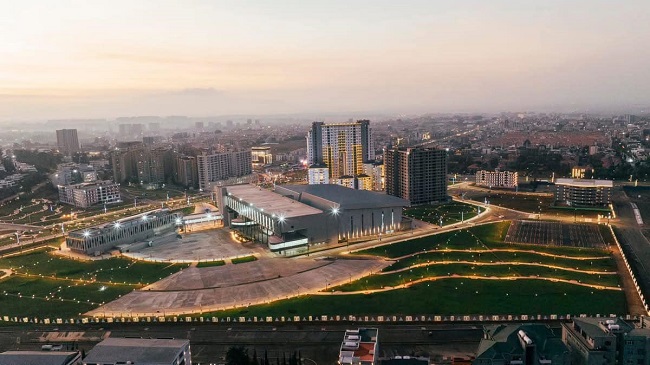
Addis International Convention Centre, Addis Ababa, venue of the second Africa Climate Week of 2025
Organised by UN Climate Change and hosted by the Federal Democratic Republic of Ethiopia, Climate Week will feed into the second Africa Climate Summit next week – a major rallying point for African nations ahead of COP30 in Belém, Brazil.
“We are at a vital moment in the world’s climate journey. Climate Week in Addis Ababa is a chance to share and scale up real-world solutions, and help spread the real-life benefits of climate action to more people across Africa and around the world: more resilient economies, more jobs, better health and quality of life, more secure and affordable clean energy for all,” said UN Climate Change Executive Secretary, Simon Stiell.
“Climate Weeks aim to connect the international climate process to people’s daily lives and to real economies. At the heart of our programme is the Implementation Forum (3-4 Sept) — bringing together negotiators with implementers in governments, financiers, businesses, civil society, and Indigenous Peoples,” said UN Climate Change Deputy Executive Secretary, Noura Hamladji.
With a strong focus on investment and collaboration, new Implementation Labs will focus on key challenges and opportunities, including in adaptation finance, strengthening public-private sector partnerships, scaling up agricultural, forest and food-related climate actions, and empowering communities, among many others.
A Stepping Stone for the Africa Climate Summit and COP30
The Climate Week is global in scope, but its solutions are deeply relevant to Agenda 2063 – Africa’s vision for inclusive growth, sustainability, and resilience. Climate Week in Addis Ababa has been deliberately timed to take place just ahead of the Africa Climate Summit 2 (ACS2), hosted in Addis Ababa, Ethiopia, from September 8 to 10, 2025.
The Summit marks a crucial moment for the continent’s climate leadership, where African leaders will advance work on climate finance, adaptation, cutting greenhouse gas emissions, green growth and community empowerment, ahead of COP30.
Ethiopia’s Minister of Planning and Development, Fitsum Assefa, said: “This strategic alignment ensures that Africa’s climate priorities do not remain regional aspirations but are elevated into the global agenda. What we build in Addis Ababa through both the Africa Climate Summit 2 and Climate Week will strengthen implementation, unlock finance, and set the stage for COP30 and beyond. Together, these moments demonstrate that climate solutions must be locally rooted yet globally resonant if we are to build a sustainable future for all.”
“By strategically connecting Climate Week, the Climate Change and Development Conference in Africa, and the Second Africa Climate Summit, we establish a unified platform that turns dialogue into practical, scalable climate solutions and funding, fostering a resilient and green continent,” said Mosses Vilakati, Commissioner for Agriculture, Rural Development, Blue Economy and Sustainable Environment, African Union Commission.
In the light of recent insinuations, half-truths and fake information being circulated, we find it expedient to make it abundantly clear that President Bola Ahmed Tinubu’s administration has been guided, at all times, by the principles of fairness, justice, and equity in the distribution of federal government projects, appointments, and opportunities across all six geopolitical zones of our country.
Contrary to the perception being pushed in some quarters, this administration has demonstrated uncommon commitment to balanced development and inclusivity since assuming office. The distribution of capital projects under President Bola Ahmed Tinubu is equitable. No region is playing a second fiddle or ignored. In addition to projects by various Ministries, Departments and Agencies, all six regions now have Regional Development Commissions to re-kickstart development efforts.
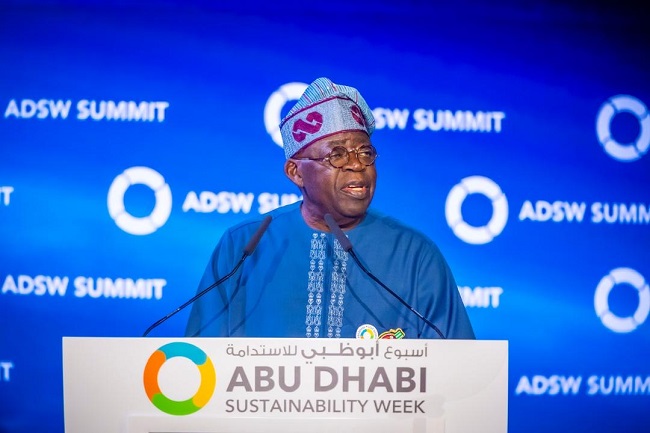
President Bola Tinubu
While the Coastal Highway courses through the South, the Badagry–Sokoto Highway, under construction, traverses majorly the North. This sense of balance runs through all the major infrastructure projects being implemented today.
Major infrastructural interventions are simultaneously ongoing across the federation—from highways and bridges to rail and power projects. The administration has secured funding for light rail projects in Kano and Kaduna states to the tune of ₦150 billion and ₦100 billion, respectively. The metroline projects in Lagos and Ogun states form part of the government’s effort to develop Nigeria’s light rail infrastructure. Collectively, these projects are expected to create over 250,000 jobs nationwide.
There is also a renewed push for the rehabilitation of the Eastern Corridor of the rail line from Port Harcourt to Maiduguri. In addition, over 1,000 primary health care centres have been rehabilitated across the country, underscoring the administration’s commitment to human capital and social infrastructure.
From verifiable data, the actual distribution of projects shows the Northwest as the biggest beneficiary:
• Northwest: ₦5.97 trillion (over 40% of approvals) • South South: ₦2.41 trillion • North Central: ₦1.13 trillion • South East: ₦407 billion • North East: ₦400 billion • South West (excluding Lagos): ₦604 billion
Legacy Road Projects under President Tinubu:
1. Lagos–Calabar Coastal Highway (750 km): 175 km ongoing in Lagos, Cross River, and Akwa Ibom states. 2. Sokoto–Badagry Superhighway (1,068 km): 378 km ongoing in Kebbi and Sokoto sections. 3. Trans-Sahara Highway (465 km): 118 km ongoing in Ebonyi State. 4. Akwanga–Jos–Bauchi–Gombe Road (439 km): Being redesigned from flexible to rigid pavement for durability.
Out of the total length of these projects, the North accounts for 52% and the South for 48%.
Other Major Projects in the North:
• Sokoto–Gusau–Funtua–Zaria Road (275 km dualised, ₦824bn). • Abuja–Kaduna–Kano Road (350 km dualised, ₦764bn). • BUA Tax Credit Road in Jigawa, Katsina, Kano (256 km dualised). • Zaria–Hunkuyi Road (156 km). • Kano Northern Bypass (49 km). • Kano–Maiduguri Road (100.9 km). • Bama and Dikwa Roads in Borno (100 km). • Damaturu–Maiduguri Road (110 km). • Malando Road in Kebbi (76 km). • Benue–9th Mile Road (250 km dualised, $958m). • Lokoja–Okene Dualisation (86 km). • Kaduna–Katsina Roads (Sections 1 and 2, ₦150bn).
Major Projects in the South:
• Lagos–Ibadan (8.5 km, ₦33bn). • Lagos–Sagamu (12 km dualised). • Oyo–Ogbomoso–Ilorin (₦146bn). • Rehabilitation of Carter, Third Mainland, and Eko Bridges (₦120bn).
South East:
• Enugu–Onitsha Road (107 km, ₦202bn via MTN Tax Credit). • Enugu–Onitsha Road (72 km, ₦150bn via CBC). • Enugu–Abakaliki Road (36 km). • 2nd Niger Bridge Access Road (17.5 km dualised, ₦175bn). • Lokpanta–Enugu Road (61 km dualised, ₦100bn).
South South:
• Eleme–Onne Road (30 km, ₦156bn). • Eket Bypass (9.7 km dualised, ₦76bn). • East–West Road Section 2 (₦186bn). • Nembe–Brass Road (₦150bn). • Lokoja–Benin Dualisation (₦167bn). • 2nd Niger Bridge Access Road in Delta (17 km dualised, ₦146bn). • Bodo–Bonny Road in Rivers (35 km with 12 bridges, ₦200bn).
Beyond roads and rail, this administration has also revived the 255MW Kaduna Power Plant, advanced the AKK Gas Project, and expanded oil and gas exploration in the North with the drilling of three oil wells in the Kolmani region of Bauchi and Gombe States. Kano-Maradi rail line, inherited at 5% has received huge funding support from the government making it attain 67% within a short time.
President Tinubu is building national infrastructure, not local trophies. Lagos is rightly upgraded as Nigeria’s commercial hub, but the Northwest holds the lion’s share of approvals. This proves that all regions are receiving fair consideration.
Equity is also evident in federal appointments. President Tinubu has consistently appointed capable Nigerians from every part of the country, guided by competence and inclusivity rather than sectional considerations.
Inclusivity lies at the heart of the Renewed Hope Agenda. The establishment of five new Regional Development Commissions and the creation of the Federal Ministry of Livestock Development further illustrate the President’s determination to address Nigeria’s unique developmental needs in a manner that benefits all sections of the country.
On the whole, President Bola Ahmed Tinubu has not only kept faith with Nigerians but has proven himself to be a fair, pragmatic, and consequential reformer. His leadership is inclusive, his vision is unifying, and his commitment to equity and justice is unwavering. Nigerians can rest assured that under his watch, no part of this country will be left behind.
By Mohammed Idris, fnipr, Minister of Information and National Orientation
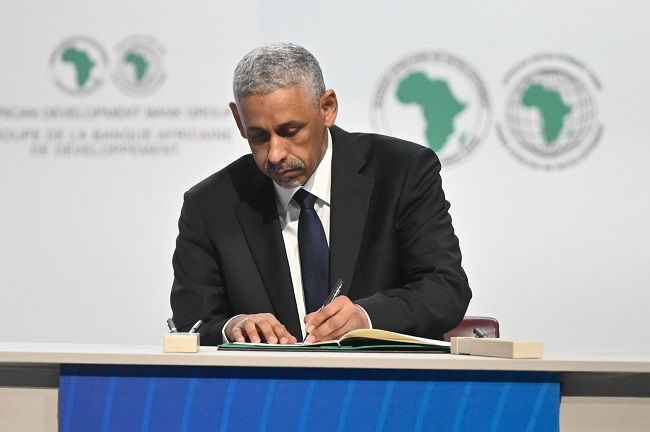
The new President of African Development Bank (AfDB), Dr Sidi Ould Tah, says he will focus on reforms, strengthening partnerships and empowering youths and women across Africa in his first 100 days in office.
He made this known in his inaugural speech on Monday, September 1, 2025, in Abidjan, pledging that the bank would move with urgency to reposition itself as a responsive institution capable of addressing Africa’s pressing development challenges.
President of African Development Bank (AfDB), Dr Sidi Ould Tah
He listed his four urgent priorities as: listening with intent to stakeholders, launching fast-track reform agenda, deepening partnerships and accelerating real solutions for inclusive growth.
According to him, listening to shareholders, partners, clients and staff will ensure that the bank’s agenda reflects real-world needs and ambitions.
He said that reforms would aim at boosting operational speed, sharpening execution and dismantling bureaucratic bottlenecks that often slow down delivery.
The new AfDB boss added that partnerships with African and global institutions, as well as private sector actors, would be deepened to mobilise resources at scale.
He said “empowering youths and women is central. It requires finance, mentorship and technology. By supporting our talents, we will build a bright future.”
The AfDB president further pledged to accelerate practical solutions to expand access to finance, create jobs and unlock Africa’s industrial and financial potential.
He assured that the Bank under his leadership would bridge divides between regions, public and private actors, and between ambition and execution.
He said “we will be the bank that bridges divides between regions, between ambitions and execution, between public and private, between urgency and bureaucracy.
“The time for delivery has begun. Together, let us transform Africa’s promise into prosperity.”
According to Tah, Africa is young, ambitious and restless with potential.
He noted that “this is the energy that should be harnessed as the engine of our transformation. It is with this conviction that I approach my new responsibilities.
“I intend to begin this journey anchored in humility, with a spirit of consultation and a commitment to pragmatism.
“The path ahead requires not only vision but also credibility that is built through early signals that the Bank is attentive, responsive and capable of setting priorities that matter.”
Born on Dec. 31, 1964, in Mederdra, Mauritania, the new AfDP president holds a Ph.D. in Economics from University of Nice-Sophia-Antipolis and a Diplôme d’Études Approfondies (DEA) in Economics from the University of Paris VII.
He also has a post-graduate degree in Economics and a Bachelor’s degree in Economics from the University of Nouakchott.
Sidi Ould Tah was elected as the ninth President of the African Development Bank Group in May 2025 after securing 76.18 per cent of the total votes and 72.37 per cent of regional votes in the third round of voting, defeating four other candidates.
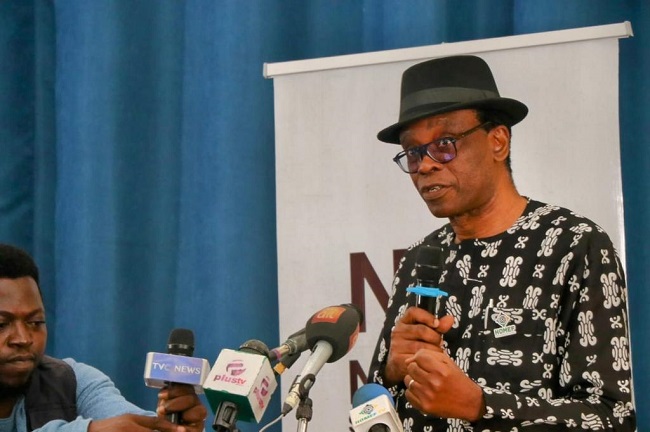
Keynote Address by Nnimmo Bassey, Executive Director of HOMEF, at the National Symposium on GMOs held on Monday, September 1, 2025
According to a popular adage, “when solving a problem, dig at the roots instead of just hacking at the leaves”. The challenge of food insecurity in Nigeria/Africa requires a deliberate pause and critical thinking about the factors that have created it and a concerted effort at addressing them. Overlooking the root causes of food insecurity (including farmer-herder clashes, banditry), poor support for local farmers, poverty, inequality, inflation, climate change and others shows the lack of readiness to solve the problem.
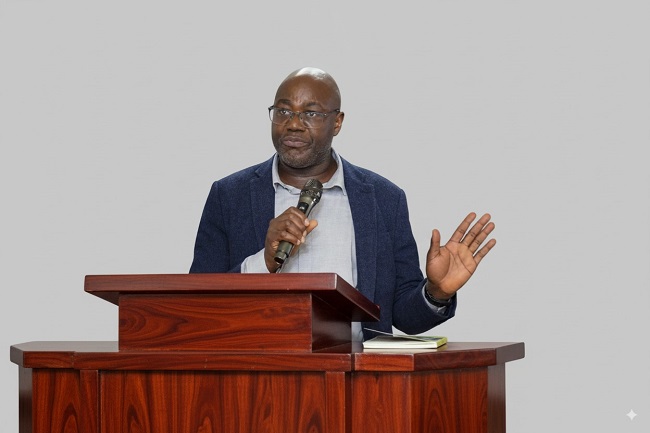
Nnimmo Bassey
The gates for the entry of GMOs into Nigeria were flung open in 2015 with the enactment of the National Biosafety Management Agency (NBMA) Act. This act was further expanded in 2019 to allow for gene editing and synthetic biology. Sadly, the Biosafety Act was preceded by the creation of the National Biotechnology Development Agency (NABDA), an agency created to promote modern biotechnology. It was later christened National Biotechnology Research and Development Agency (NBRDA).
To be clear, this agency was established at a time there was no biosafety law in the country. The cart was clearly put before the horse, and this seriously injured any effort to regulate the sector and ensure biosafety in the country. This is particularly so because the promotion agency has a deep embryonic connection with the agency that ought to regulate it. This warped governmental approach has made it impossible for policy makers to see biosafety as an existential issue.
These two agencies of government cannot be excused for seeing themselves as infallible and even as being the government itself. They may be a part of government, but they are not the government. They falsely see GMOs as a one size fits all solution, virtually forget other areas of modern biotechnology and set their eyes only on gutting our agricultural and food systems.
Solutions such as the genetic engineering of plants/animals do not address these root causes, and we should be worried that there is such an adamant push to entrench them in our food systems by the producers and their allies in government. There is obviously an open conspiracy to counter our best interests while locking in colonial controls over our agricultural and food systems.
GMOs are promoted in Nigeria on the premise of addressing food insecurity. However, after almost three decades since their introduction in the world, they have not eradicated or reduced hunger. Rather, they lock in the system that promotes hunger by degrading soils and poor harvests (case of Nigerian cotton farmers in 2024), reducing biodiversity, disregarding the knowledge of local food producers, and concentrating power in the hands of a few market players.
GMOs ride on the wave of global fetishisation of technology, by which technology is considered a silver bullet. Besides the generally poor regulatory frameworks, GMOs directly impact on human as well as socio-economic rights of our peoples. The complex threats, including environmental degradation and loss of our food heritage, make it expedient that we examine the push for GMOs on the continent more critically. We must debunk the notion that resisting GMOs is akin to opposing science or technology. Rejecting GMOs is also not a matter of fear, except the fear of being colonized with its attendant exploitation and humiliation.
It is important to stress that GMOs represent a paradigm shift in agriculture; they are not just an option or solution. We must think beyond the mythical temporary relief that is imagined or promised and consider what long term impacts they portend. GMOs are plants, animals, or microorganisms that have undergone fundamental changes at the cellular level and can no longer be considered natural.
Most of them are engineered to withstand dangerous herbicides which kill other organisms except the engineered ones. Other crops are genetically engineered to act as pesticides aimed ostensibly to kill identified pests that would otherwise attack the crop or seeds. Examples include Bt Cotton and Bt Cowpea or beans approved for commercial planting and consumption in Nigeria.
GMOs represent the subversion of Africa’s food systems, which was intentionally constructed through the colonisation of thought – a phenomenon concretised through persistent coloniality of knowledge and power. You may wonder why anyone would subvert another’s food system. The reasons for this are many. The colonizers think and act in their own interests. This subversion covers every area of production and ensures that labour is not invested for meeting local needs while expanding and consolidating labour to meet the needs of the colonizers.
By emphasising a cash economy, for instance, farmers are forced to neglect their own nutritional needs, and are derided as subsistence farmers, and are made to offer their labour in exchange for meager wages. When the exploiting colonisers are kind, they turn the farmers into mere out growers who own nothing, are given seeds to cultivate and are thereafter given a fraction of the harvests. The colonial powers scored double on this count by introducing slavish plantation agriculture which grabs lands, displaces communities and offers locals menial jobs as farm hands or guards.
Colonial agriculture thrived not only by producing crops for export, but it also benefited from altering the appetites of the colonised. These changes did not happen only through advertisements; the indigenous foods were denigrated as uncivilised and sometimes simply forgotten due to a chronic absence of the crops or ingredients for preparing the foods. Today, the erosion of varieties is exacerbated by many related factors, including genetic manipulations, hybridisation of crop varieties, prevalence of junk foods and hostile seed laws.
Our farmers saved seeds are falsely deemed inefficient, whereas these seeds are indigenous and have the natural ability to adapt and thrive in prevailing circumstances in which they are grown. It must never be forgotten that our farmers have selected and preserved seeds, crops, and animal varieties over the centuries. They have kept a stock of varieties that both provide food and meet our medicinal, cultural and other needs. They kept the norms that preserved biodiversity. They practiced rotational farming, mixed cropping, strategic pastoralism, and seasonal fishing. They understood the rhythms of nature and maintained the natural equilibrium by being respectful of the Earth.
These practices are being threatened by the genetic modification of seeds, particularly those that make up our staple foods. Core concerns about the control of seeds are being ignored by many, but these should be confronted head-on, and now is the time to do so. Our farmers will be forced to depend on corporate seed entities for seeds, as the productivity of GM seeds typically degrades after the first planting. Over time, we risk losing our genetic diversity and control of our seeds to these foreign entities who are merely after profits, no matter the cost to human life or the environment.
Responsible use of technology in agriculture requires that we keep careful watch on their effect on human and environmental health. We also need to consider the fact that technologies that promote monoculture and erode our biodiversity are not sustain-able and must be avoided in a world that is almost at the brink of ecological collapse. We do not need GMOs to be able to produce enough food for our population.
GMOs have not led to an increase of food production since their introduction. In 2025, it was reported that Tanzania achieved food sufficiency by 128% without GMOs and by increasing support for their local farmers and by promoting organic food production. Recent studies have revealed that more than 40% of food produced in Nigeria goes to waste due to lack of proper processing and storage facilities. This needs to be addressed.
We must decolonise our agricultural system. The ways to achieve this include the preservation of crop and animal varieties, rebuilding our food systems, thereby, recovering our culture. A decolonized agriculture invests in support systems for farmers, including by providing extension services and providing/upgrading rural infrastructure. It also means preserving local varieties, ensuring that farmers have access to land and, funding research institutions to build a knowledge base on healthy soils and resilient indigenous crops.
It would also mean putting farmers on the driving seat of agricultural policy, elevating and prioritizing the precautionary principle in biosafety issues, and outlawing harmful herbicides and pesticides. It would again mean placing a swift moratorium on all types of agricultural modern biotechnology as this is a key means of eroding species varieties besides threatening outright extinctions.
Nigeria is at a critical point where we must decide on the way forward for food sovereignty. This is not just another symposium. It is a space where we must exert our rights, and demand for the liberation of our food system.