Home Blog Page 193

Africa’s leadership in ocean conservation: 23 African Ambassadors advocate for OceanLove Innovation Award

0

Africa appears to be making waves on the global stage as a driving force in ocean conservation, setting bold goals and delivering innovative solutions to safeguard marine ecosystems for future generations. With a coastline of more than 30,000 kilometers and some of the world’s richest marine biodiversity, African nations are stepping forward to lead.

Now in its second year, the OceanLove Innovation Award is on track to become the world’s most inclusive ocean-related innovation award. With nearly 200 applicants already from 58 countries – more than double last year’s total – and still a month to go before the deadline, participation is expected to rise even further. Remarkably, over 60% of current applications come from Africa, with Ghana leading the way, followed by Kenya, Cameroon, and Nigeria.
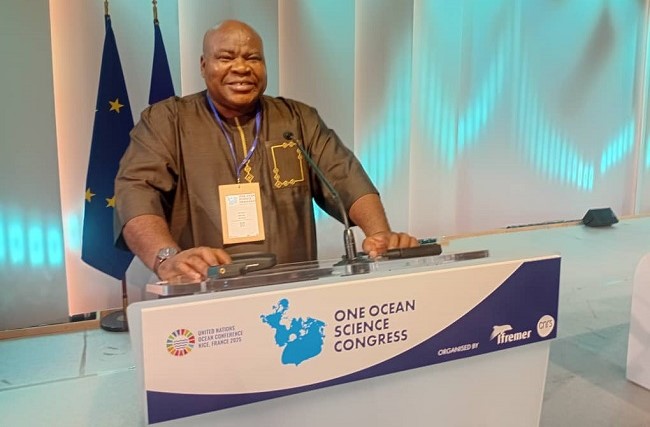
Anthony Akpan
OceanLove Nigeria Ambassador and President of the Pan African Vision for the Environment (PAVE), Anthony Akpan

This growth is largely driven by the dedicated efforts of 23 OceanLove Ambassadors across Africa, who are mobilising their communities to contribute creative, practical, and transformative solutions. The ambassadors, representing countries from Egypt, Sierra Leone, Nigeria, Cameroon, Ghana, Sudan, Namibia, Liberia, Madagascar, Togo, Morocco, Tunisia, Kenya, Mozambique and Comoros. They have diversified backgrounds, but they are uniting behind a common vision: empowering African innovators to shape the future of ocean conservation.

This diverse group of ambassadors is guided by Charles Sylvanus Boye from Sierra Leone, whose leadership and passion have been instrumental in shaping their collective mission.

As Charles aptly puts it: “The ocean binds our continent to the world. If we fail to protect it, we weaken Africa’s place in the global future. I am proud to lead our young minds in the Global South and inspire them to promote the OceanLove Innovation Award 2025.”

OceanLove Ghana Ambassador, Peter Teye Busumprah, reflected on the momentum: “Participating in the UN Ocean Conference and engaging with the University of Ghana’s Marine and Fisheries Outreach has been truly inspiring. These experiences reinforced my belief that we protect what we love. The OceanLove Innovation Award is a vital beacon, encouraging innovative solutions to safeguard our oceans. As Ghana’s Ambassador, I am proud to champion this initiative, knowing that our shared passion and commitment can drive meaningful change for marine ecosystems.”

In Cameroon, Ewube Kelly Laure Egbe emphasised the importance of youth engagement: “Hosting OceanLove Innovation Award activities at the University of Buea, schools in Buea and Limbe, and on CBS Radio was an incredible opportunity to connect with passionate students, young changemakers, and coastal communities. Their commitment to ocean conservation reaffirms the urgent need to invest in youth-led innovation across Africa. The Award is not just a prize – it is a platform that nurtures bold ideas, elevates community-based solutions, and empowers the next generation of ocean champions.”

Nigeria’s Anthony Akpan highlighted the award’s global mission: “The OceanLove Innovation Award is designed to advance Challenge 10 of the UN Ocean Decade by highlighting the ocean’s vital role in human wellbeing, culture, and sustainable development. Through this initiative, we aim to address barriers to behavior change and foster a transformative shift in humanity’s relationship with the ocean.”

Ilco van der Linde, Founder of OceanLove, emphasized why Africa and the Global South are central to the mission: “Within the next two years, the OceanLove Innovation Award will become the world’s largest and most inclusive ocean-related innovation award. Unlike many other initiatives that primarily focus on highly educated participants from the West, our approach is different – we actively seek out bright minds in the Global South. These are the communities living daily with the realities of global warming, overfishing, and pollution, and many have already developed creative, practical solutions.

“Yet their ideas often go unseen due to limited internet access, weak infrastructure, and a lack of investment. Through our ambassadors, we are determined to identify and support these changemakers, inviting them one by one to share their innovations. While the Global South bears the brunt of these challenges, it also holds the potential to be the frontrunner of global change.”

The OceanLove Innovation Award is endorsed by the United Nations Decade of Ocean Science for Sustainable Development and supported by legendary ocean advocate, her deepness, Dr. Sylvia Earle (89), who reminds us: “People need to participate as if their lives depend on it. Because it does!”

An esteemed panel of acclaimed scientists and activists rich with expertise from the NGO sector volunteered to sit on the panel of judges. Among them is Mohamed Kamal, a public health engineer and environmental activist, and the co-director of Greenish, a leading Egyptian NGO focused on environmental education, sustainability, and climate advocacy.

Also joining the panel is Saad Abid, a Moroccan environmentalist and founder of the Bahri Association, who won the 2024 OceanLove Innovation Award for his micro-waste collection tool “The Chbika.” Applications for the 2025 OceanLove Innovation Award remain open until the 30th of September. The award invites innovators worldwide to submit ideas for products, tools, campaigns, or initiatives that can measurably contribute to the protection of oceans, seas, and marine ecosystems.
Gates Foundation calls for concrete action on gender inclusion in Nigeria

0

The Gates Foundation has urged Nigerian leaders to accelerate action on gender equality goals by moving from policy launches to real delivery for women and girls.

The foundation emphasises that Nigeria’s development success hinges on translating policies into tangible actions that benefit women to achieve common goals in women’s health and inclusive economic growth.

Ekenem Isichei
Ekenem Isichei, Deputy Director of Programme Advocacy and Communications (PAC) at the Gates Foundation

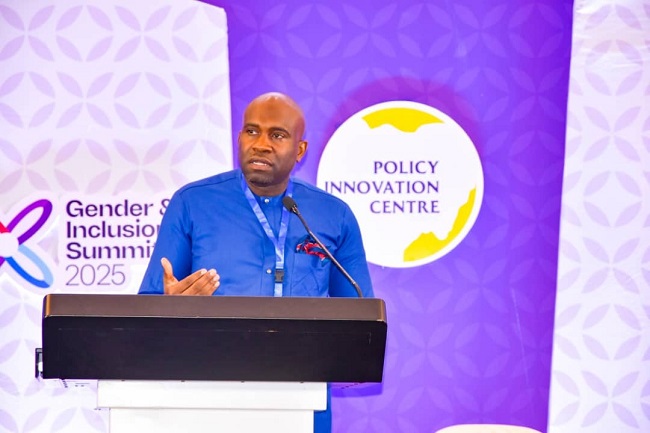
Ekenem Isichei, Deputy Director of Programme Advocacy and Communications (PAC) at the Gates Foundation, made the call during his keynote address at the 2025 Gender and Inclusion Summit organised by the Policy Innovation Centre (PIC), Abuja.

The summit, with the theme: “New Voices and New Approaches for Accelerating Inclusive Society”, brought together government, private sector and civil society to discuss gender inclusion and its impact on economic growth and development.

Isichei said inclusive growth cannot be achieved unless women are intentionally prioritised in national and state policies, warning that progress made in women’s health and empowerment could stall without stronger institutional delivery and budgetary commitment.

“Our goal is to leverage our knowledge and capital to enable the government to best serve its people to execute on budget commitments for key health innovations, to streamline donor delivery coordination mechanisms, to plan and operationalise national development plans on the state level, and much more.”

He emphasised that the conversation became important at a time when bilateral aid to Nigeria fell by 40 per cent as programmes that intentionally support women’s health or empowerment remained targeted.

Isichei added that funding for maternal and child health dropped by 67 per cent.

“We gather at a time when resources and momentum towards gender equality goals are waning.

“Since we gathered last year, bilateral Official Development Assistance that is aid from a donor country to Nigeria has dropped 40 per cent, and programmes that intentionally support women’s health or empowerment were especially targeted.

“Funding towards maternal and child health in Nigeria dropped by 67 per cent.

“That means that for every three women in your community, two of them will not have access to critical women’s health commodities that they had last year.

“When 70 per cent of Nigeria’s poorest are women, we cannot ignore the unique experiences of women in climbing out of poverty.

“At the Foundation, we have seen the hard evidence that proves that investing in women’s health and women’s economic empowerment has a lasting impact across generations.

“It leads to healthier families, stronger economies, and a more just world,” Isichie said.

He called on national and subnational governments to invest in skills systems and staying power to implement programmes effectively and not just to inaugurate.

“This means institutionalising gender desks, strengthening planning and budget units, and equipping local PHC managers and Gender Officers with the tools and data to lead with impact.”

He also called for dedicated public resources for women, saying gender-responsive budgeting “cannot remain an annual budget exercise.”

Isichei called for clear expenditure targets for women-led MSMEs, which must be protected, disbursed and monitored.

He recalled that the Gates Foundation recently pledged $2.5 billion through 2030 for research and development in women’s health, calling on governments, the private sector, and civil society to co-invest.

Though civil society groups were praised for pushing inclusion into the national conversations and matching urgency with operational clarity, Isichie urged private sector leaders to see inclusion as smart economics rather than charity.

Meanwhile, the chairperson of Nigeria Governors’ Spouses’ Forum (NGSF), Prof. Olufolake Abdulrazaq, reiterated the Forum’s commitment to advancing gender equality and women’s empowerment, pledging stronger interventions to dismantle systemic barriers.

Abdulrazaq said that various state-level reforms are already underway, stressing that Kwara State has signed a 35 per cent gender inclusion bill into law.

She added that 10 states now grant six months of maternity leave to working mothers.

According to her, several states, including Imo, Ogun, and Ekiti, have female deputy governors, with Kwara reporting 50 per cent female representation in its cabinet.

Such measures, Abdulrazaq said, signal progress toward reshaping governance and leadership representation in Nigeria.

In another remark, the Second Deputy Governor, Central Bank of Ghana Matilda Sante-Asiedu said true progress extends beyond economic growth, as it is rooted in inclusion and representation for all.

Gender equity, she said “is not a moral responsibility but strategic for building societies that are inclusive, resilient and prosperous.

Changing the narrative of inclusion requires transformational thinking and an unconventional approach to doing things.”

She urged all leaders and policymakers to embrace bold ideas and establish institutions that truly reflect the diversity of the African continent.

By Oluwafunke Ishola

Flooding: Kano plans new drainage master plan – Commissioner

Kano State Government has reassured the residents of its commitment to tackling urban flooding through sustainable measures to safeguard lives and property.

Dr Dahiru Hashim, the Commissioner for Environment and Climate Change, stated this in a statement on Friday, September 5, 2025, in Kano, following Thursday’s heavy rainfall that resulted in flooding across parts of the metropolis.

Abba Yusuf
Gov. Abba Yusuf of Kano State

Hashim said the downpour, which lasted more than three hours in many areas, was unusual in both intensity and duration.

According to him, the incident is one of the well-documented consequences of climate change linked to rising global temperatures that increase atmospheric moisture and cause prolonged rainfall.

He said the government had earlier desilted major drains at the beginning of the rainy season to ensure free water flow and supported self-help groups across the metropolis to desilt minor drainages.

The commissioner added that waste management systems were also being strengthened to prevent blockages, while trees were being planted along major roads to enhance water absorption and reduce runoff.

“A major drainage channel is also under construction at Babangwari roundabout, designed to safely convey more than half of the city’s runoff.

“For the long term, the Ministry will propose in the 2026 budget a new drainage master plan for Kano metropolis, as the current system may not withstand future climate-induced rainfall patterns,” he said.

Hashim urged the residents to cooperate by properly disposing of waste and refraining from building on waterways, stressing that such practices worsened flooding and endangered lives.

He reiterated the government’s commitment to building a resilient Kano metropolis and ensuring the safety of residents against climate-related risks.

By Muhammad Nur Tijani

Wildlife conservation: Ondo, NCF begin reforestation, plant 5,000 indigenous trees

0

The Ondo State Government’s Department of Wildlife Conservation, Parks and Ecotourism, in collaboration with Centre for Human Settlements and Sustainable Developments (CHUSSDEV), has initiated a reforestation project at Osse River Park.

The state government was also in technical partnership with Federal University of Technology, Akure (FUTA), and the Nigeria Conservation Foundation (NCF).

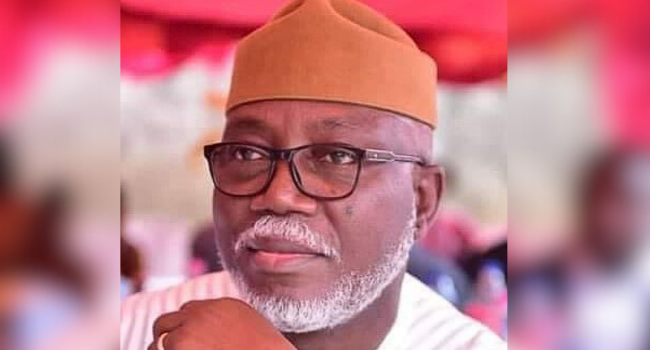
Lucky Aiyedatiwa
Gov Lucky Aiyedatiwa of Ondo State

Mr. Leye Akinola, State Commissioner for Agriculture and Forestry, who inaugurated the tree-planting on Friday, September 5, 2025, at the park in Ose Local Government Area of Ondo State, said the aim was to restore forest habitats for animals.

Akinola, represented by the Director of Wildlife Conservation, Parks, and Ecotourism, Mr. Oluwasola Ibosiola, appreciated the partners for their support in restoring the forest to its former glory.

“The project aims to restore the forest habitat for animals that have migrated by planting 5,000 indigenous tree species,” he said.

Earlier, Prof. Oluseyi Fabiyi of FUTA’s Department of Forestry and Wood Technology, who facilitated the project, explained that human activities such as encroachment, farming, and poaching led to the disappearance of animals from the forest.

Fabiyi added that the project would engage local farmers in tree planting and maintenance, promoting agroforestry and wildlife conservation.

Also, Prof. Anthony Ogunjinmi of FUTA’s Department of Ecotourism and Wildlife Management, noted that the park was once a thriving habitat for large mammals.

He expressed hope that the reforestation would attract the animals’ return and support ecotourism and research.

Ogunjinmi advised the Ondo State Government to consider handing over the park to the National Park Service for better management and conservation.

Meanwhile, Dr Joseph Onoja, the Director-General, NCF, who spoke on the conservation efforts, highlighted the organisation’s dedication to nature conservation and sustainable development in Nigeria.

Onoja, represented by Dr Adedayo Memudu, NCF Zonal Coordinator, South-West Zonal Office, emphasised NCF’s mandate, which included protecting endangered species and habitats, advocating for climate action, promoting nature-based solutions and providing environmental education.

“As a leading voice in environmental protection, NCF focuses on initiatives like the Forest-Green Recovery Nigeria project, aiming to increase forest cover from 4-7 per cent to 25 per cent by 2047,” he said.

The director-general, therefore, appreciated stakeholders for coming together to restore the natural habitat degraded by human activities, making the park conducive for wildlife, ecotourism and conservation.

By Muftau Ogunyemi

Upcoming Africa Climate Summit expected to draw unified voice, action – Ethiopian Minister

0

Ethiopia’s Minister of Planning and Development, Fitsum Assefa, has said that the upcoming Second Africa Climate Summit (ACS2) is expected to adopt the Addis Ababa Declaration, which will unify African voices and strengthen the continent’s climate position at COP30.

The ACS2, which aims to redefine Africa’s aspirations for a climate-resilient and prosperous future, will take place in Addis Ababa from September 8–10, 2025.

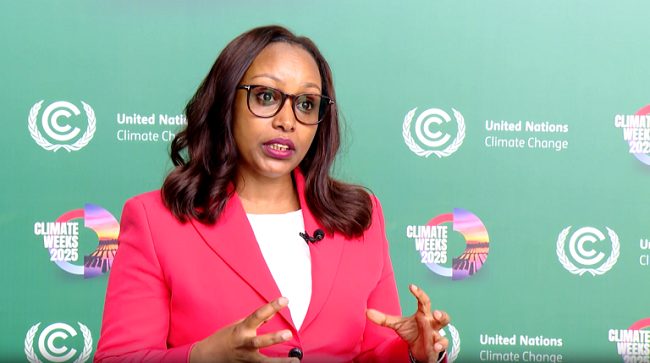
Fitsum Assefa
Ethiopia’s Minister of Planning and Development, Fitsum Assefa

The summit will be held under the theme “Accelerating Global Climate Solutions: Financing for Africa’s Resilient and Green Development.”

Speaking to ENA, Minister of Planning and Development stated that the Addis Ababa Declaration, to be drawn at the end of the summit, will serve as Africa’s common stance at COP30 in Belém, Brazil, and also guide the continent’s engagement at the UN General Assembly and the G20 Summit.

“Climate is both a challenge to economies and an opportunity to act. It will bring the African voices together,” she noted.

Beyond the declaration, Fitsum added that the summit will host several side events aimed at bringing stakeholders together, mobilizing finance, and supporting homegrown climate solutions across African communities.

For Ethiopia, she underlined that the event carries special significance.

As the diplomatic capital of Africa, Addis Ababa will welcome thousands of participants, showcasing not only Ethiopia’s capacity to host major international conferences but also its tourism potential, Fitsum said.

She cited initiatives such as the Green Legacy Initiative, sustainable cities and communities projects, green energy development, and food system transformation as examples of Ethiopia’s concrete contributions to combating climate change.

The minister further noted that Africa and other developing regions contribute insignificantly to global emissions but bear a disproportionate burden of climate impacts.

In this regard, she stressed that developed countries have a responsibility to support the adaptation and mitigation efforts of Africa.

“Countries are not delivering on their promises,” she said, underscoring the need to push developed nations to honor their commitments.

She called for better and more affordable access to climate finance so that African countries can effectively respond to the climate crisis.

WFP welcomes donor contributions to save lives in Northeast Nigeria

0

The United Nations World Food Programme (WFP) welcomes recent contributions from donors since warning that operations would be forced to shut down in July. This includes new funding from the United States of America to support emergency food and nutrition assistance for communities affected by conflict in Northeast Nigeria. The conflict has pushed more than 5 million people into acute hunger, and more than 2.5 million children are malnourished.

This funding will keep 187 nutrition clinics open across Borno, Adamawa, and Yobe states, ensuring continued treatment for more than 300,000 malnourished children and mothers, a service that was at risk of shutting down.

David Stevenson
David Stevenson, WFP Country Director in Nigeria

“These contributions come at a pivotal moment for Nigeria and the wider region,” said David Stevenson, WFP Country Director in Nigeria. “Escalating conflict is driving farmers from their fields, Over the past nine months, WFP and partners have recorded more than three attacks each day on communities across the northeast, with farmers among the hardest hit. This disruption to food production has left families with no means to feed themselves, while those left behind face hunger, displacement, and the risk of recruitment by armed groups.”

As Africa’s largest democracy, Nigeria plays a critical role in safeguarding regional stability and preventing the spread of insecurity across the Sahel. With this funding, WFP will continue to advance humanitarian solutions that drive peace and production, helping to restore Northern Nigeria’s potential as the nation’s breadbasket.  

Support from the United States and other donors will enable WFP to sustain operations over the next three months, reaching 850,000 people in camps and host communities with food assistance. This however is a significant reduction from the 1.5 million people WFP assisted in July, reflecting continued funding shortfalls.

WFP urgently calls on other donors, including the Nigerian Government and private sector, to help close the funding gap and co-invest in the region. Without additional contributions, operations will face further cuts, putting millions of people at risk of deepening hunger.

Vulture Awareness Day: Let us save Africa’s vultures from extinction

0

On the first Saturday of September every year, the world celebrates the International Vulture Awareness Day (IVAD) to raise awareness about the plight of vultures. A less oft highlighted decline, perhaps Africa’s best-kept biodiversity loss secret is the catastrophic decline of the continent’s vulture populations over the last 50 years.

With declines of up to 97% in some species, African vultures are faced with the same predicament as the dodo 400 years ago – extinction, despite the vital role that they play in the environment.

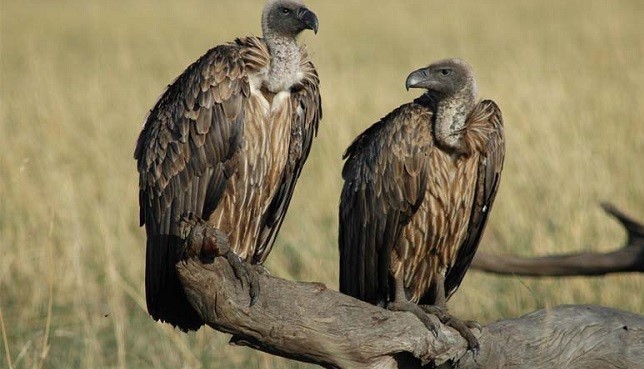
Vultures
Vultures

These majestic birds act as nature’s clean-up crew, removing rotten carcasses from our environment thanks to their unique scavenging capabilities. Nature abhors a vacuum and the deficit of these important scavengers in the ecosystem, destabilizes the ecological equilibrium, with serious social and economic impacts.

This was witnessed in Asia in the 1990s where vulture populations crashed by up to 99% after feeding on cattle carcasses containing diclofenac – a veterinary drug toxic to vultures. Consequently, other scavengers including rats and dogs increased in number, leading to increased disease transmission from carcasses to animals and humans, particularly an increase in the number of cases of humans infected with rabies were reported.

Poisoning is the leading cause of vulture deaths on the continent, accounting for more than 60% of vulture mortalities. Poisoning comes in two forms – intentional poisoning whereby poachers deliberately kill vultures that signal their illegal activities and unintentional poisoning. In other instances, vultures fall victim to retaliatory poisoning by livestock owners trying to kill predators preying on their livestock, taking a toll on the continent’s vulture populations.

Belief-based use is another threat facing vultures on the continent. Vultures’ parts are used in traditional medicine to cure ailments or imbue partakers with magical powers or bring good luck. Other threats include collisions or electrocutions with energy infrastructure, being developed on the content and habitat degradation among others.

BirdLife International, the world’s largest partnership is working with its network of partners across the continent to stem this decline. At the heart of this work is collaboration with local communities to deliver cross-cutting and impactful conservation interventions In Eastern Africa, BirdLife and partners have engaged communities and other stakeholders in the Mara-Serengeti landscape to reduce poisoning and belief-based use.

In Kenya, predator proof bomas have been constructed to reduce livestock loss in the bomas from predation, thus reducing retaliatory poisoning incidences. To tackle belief-based use in Tanzania, traditional healers have been engaged to substitute vulture parts for plant-based alternatives.

Working with landowners and local communities, BirdLife and partners have established more than more than 1,000,000 hectares of Vulture Safe Zones (VSZs) in Southern Africa in Zambia, Zimbabwe, Botswana, and South Africa where vultures can feed and breed without the risk of poisoning. In West Africa, a coalition of organisations including BirdLife, and the Convention on the Conservation of Migratory Species of Wild Animals (CMS) launched the West Africa Vulture Conservation Action Plan in April 2024 to address key threats faced by vultures in West Africa. The Plan targets actions to be carried out in 16 countries in the region, with a vision of ensuring that vulture populations achieve sustainable levels and are protected by effective legal frameworks by 2043.

In addition to conservation interventions, BirdLife partners are carrying out awareness campaigns on the plight of these endangered birds, in addition to ongoing research and contribution to vulture friendly policies. An example of this is a groundbreaking report by BirdLife earlier this year which shows that vultures provide ecosystems services worth about $1.8 billion per year in Southern Africa, underlining the need to conserve them.

Lastly, there is a real need for cooperation and concerted action at national, regional, and continental levels to ensure that we save Africa’s vultures from extinction. As we mark International Vulture Awareness Day, no effort should be spared to stop the loss of sovereigns of the African skies.

By Fadzai Matsvimbo, Preventing Extinctions Programme Coordinator for Africa at BirdLife International. Can be reached via fadzai.matsvimbo@birdlife.org  and @fmatsvimbo on X

Equatorial Guinea President to join global energy leaders at AEInvest 2025 in New York

0

The President of Equatorial Guinea, Teodoro Obiang Nguema Mbasogo, has confirmed that he will join other African Presidents, global energy leaders and investors at the inaugural Africa Energy Investment Summit (AEInvest 2025), taking place in New York on September 25, 2025. He becomes the latest African President to confirm his attendance.

Equatorial Guinea, as a founding member of APPO and one of Africa’s key oil and gas producers, will play an active role in advancing the summit’s objectives. President Obiang’s participation underscores the country’s leadership in mobilising investments that will transform Africa’s energy infrastructure, create jobs, and drive innovation.

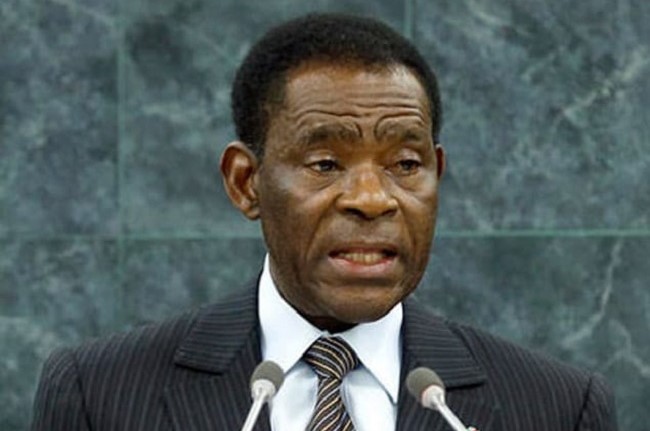
President Teodoro Obiang Nguema Mbasogo
President of Equatorial Guinea, Teodoro Obiang Nguema Mbasogo

Hosted under the auspices of the Africa Petroleum Producers Organisation (APPO), AEInvest 2025 will convene global investors, policymakers, and energy leaders to unlock critical capital flows for Africa’s energy sector. This high-profile summit is set to position Africa at the forefront of global energy investment discussions, fostering new partnerships and accelerating sustainable development across the continent.

“Africa stands at a decisive moment in its energy journey. AEInvest 2025 represents an unparalleled platform to showcase our continent’s vast energy potential, attract vital capital, and promote sustainable growth,” said Dr. Omar Farouk Ibrahim, Secretary General, APPO.

“APPO is proud of Equatorial Guinea and other member states’ support in this transformative effort to align Africa’s energy ambitions with global investment opportunities,” Ibrahim added.

The Africa Energy Investment Summit comes at a time when the global energy landscape is rapidly evolving. With its immense natural resources, Africa has a unique opportunity to strengthen energy security, expand infrastructure, and champion the transition to sustainable solutions.

“We are creating a historic platform to channel capital, innovation, and partnerships into Africa’s energy sector. This summit is not just about investment; it is about unlocking Africa’s full potential to drive sustainable growth and opportunity for generations to come,” said Dr. James Shindi, Chief Executive Officer, Brevity Anderson, the event producers.

The summit will feature opening keynote addresses from African Heads of State, UN representatives, and energy leaders. There will also be panel discussions on investment opportunities, regulatory reforms, successful energy models and the event will be rounded up with strategic networking sessions between African governments, U.S. financial institutions, and global energy companies.

By convening at the heart of the global financial ecosystem in New York, AEInvest 2025 aims to unlock untapped capital from Wall Street and other financial centers, strengthen investor confidence in Africa’s energy sector and promote technology transfer, job creation, and sustainable growth.

The Africa Energy Investment Summit (AEInvest 2025) is the first of its kind dedicated to attracting significant international investment into Africa’s energy sector. Organised by APPO, the summit will coincide with the 80th UN General Assembly, ensuring maximum global engagement and visibility.

NNPC’s architect of trust: Why the Chief Relations Officer matters

0

In today’s global energy landscape, the real measure of corporate strength is not only in barrels lifted or revenues declared. Increasingly, it is found in the quality of stakeholder relationships and trust a company can sustain – relationships with regulators who approve, investors who fund, communities who host, and partners who collaborate. Essentially, relationships within the business ecosystem.

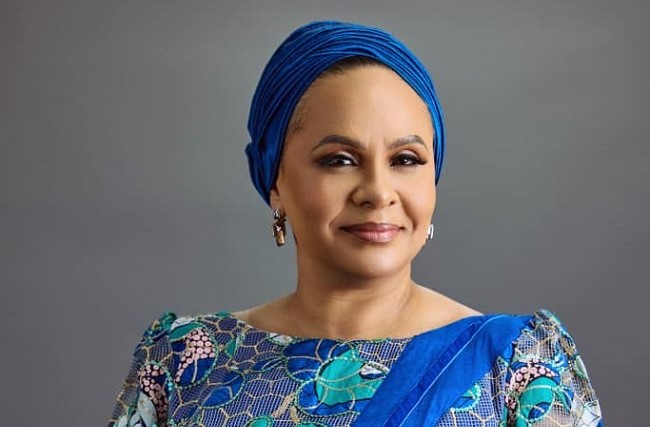
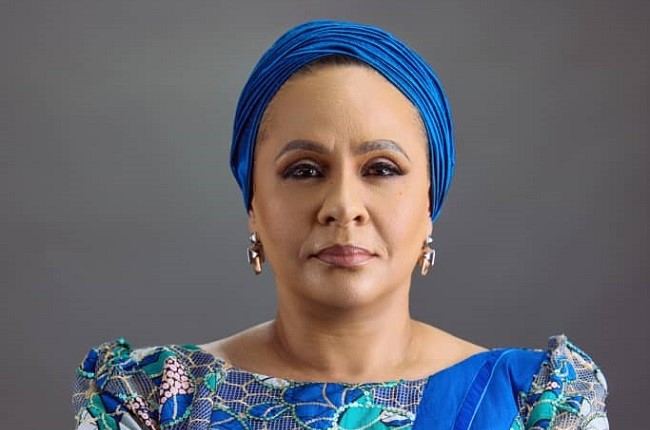
For the Nigerian National Petroleum Company Limited (NNPC Ltd), this vital responsibility rests squarely on the shoulders of the Chief Relations Officer (CRO), a role now held by Mrs. Morenike Adewunmi, a lawyer and accomplished energy executive with an international pedigree.

Mrs. Morenike Adewunmi
Mrs. Morenike Adewunmi, Chief Relations Officer, NNPC

The CRO role is often misunderstood, sometimes confused with the traditional Chief Communications Officer. Yet the distinction is profound. The Chief Communications Officer tells the story; the Chief Relations Officer ensures that the right people believe in that story and stand with the company when it matters most. Put differently, the CRO’s work is about “who we have on our side” – stakeholders, regulators, investors, communities, and global partners. Without them, even the most compelling strategy risks collapse.

Mrs. Adewunmi’s appointment could not have come at a more significant time. NNPC Ltd is undergoing a bold transformation into a commercially driven, globally competitive energy company, a journey that requires not just operational efficiency, but legitimacy in the eyes of those who hold influence over its future. This legitimacy cannot be bought or advertised; it must be earned through consistent trust-building, policy advocacy, and stakeholder diplomacy. That is the essence of the CRO’s mandate.

Her career path reflects the depth required for this office. A lawyer by training, she holds a Law degree from the Ogun State University and was called to the Nigerian Bar. Her professional journey includes a distinguished tenure at Shell Petroleum Development Company (SPDC) and the wider Shell Group, where she held senior roles spanning legal advisory, business relations, and government affairs. Within Shell, she developed a reputation for her ability to navigate complex stakeholder interfaces, regulatory frameworks, and craft partnerships that advanced both corporate goals and national interests. These skills are now critical to NNPC Ltd as it positions itself on the frontline of Africa’s energy future.

As CRO, she is responsible for shaping the company’s relationships with all the tiers of government, regulators, investors, host communities, and international institutions. Her office is where policy is explained, trust is negotiated, and legitimacy is consolidated. Every successful engagement that secures regulatory approval, every investor and shareholder convinced of NNPC’s credibility, every community that embraces partnership rather than protest – these quiet victories are the results of a capable CRO.

But beyond the technicalities, her appointment also carries symbolic weight. In an industry long dominated by men, the rise of a woman into such a strategic and visible leadership role signals an important shift toward inclusivity. For young professionals, especially women aspiring to careers in law, energy, and corporate leadership, Mrs. Adewunmi represents both possibility and proof that excellence can shatter ceilings. She is considered one of the best SME’s on non techinical risks.

NNPC Ltd’s journey into the future will be shaped not just by the energy it produces, but by the confidence and trust it inspires. And confidence comes from relationships – from “who we have on our side.” In Mrs. Morenike Adewunmi, NNPC Ltd has not only appointed a Chief Relations Officer; it has invested in a custodian of trust, a bridge-builder, and a strategist of legitimacy.

As Nigeria navigates the energy transition and seeks to attract investment while deepening local content, the CRO’s role will remain indispensable. It is the quiet force that ensures policies align, communities cooperate, investors commit, and the company’s reputation endures. In this sense, the CRO is less a back-office executive and more a frontline architect of corporate survival and national progress.

Mrs. Adewunmi embodies that significance. She is not simply telling NNPC Ltd’s story – she is ensuring that the people who matter most believe it, support it, and walk alongside the company into the future. And in today’s energy world, that may be the most valuable asset of all.

By Kunle Odusola-Stevenson, energy communications strategist and policy commentator in Nigeria’s oil and gas sector

Nasarawa gov inaugurates tree planting campaign to mitigate climate change

0

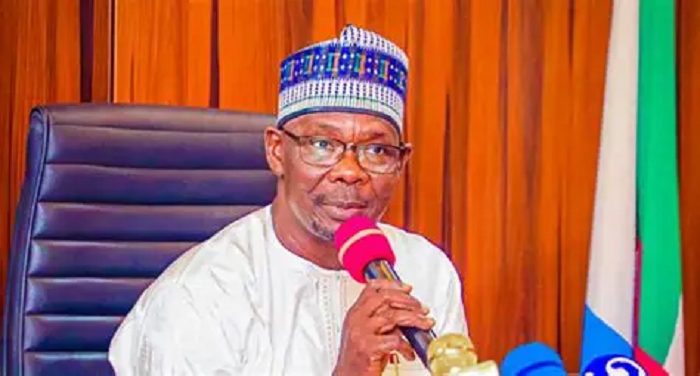
Gov. Abdullahi Sule of Nasarawa State has flagged off a tree planting campaign to mitigate the impact climate change in the state.

Sule, while planting a tree at the event on Wednesday, September 3, 2025, in Karu Local Government Area (LGA), said the initiative was aimed at promoting green pastures, mitigate the effects of climate change, and enhance the overall well-being of the residents.

Abdullahi Audu Sule
Abdullahi Audu Sule, Governor of Nasarawa State

The governor said that his administration effort aligns with President Bola Tinubu administration’s commitment to environmental conservation and community development.

“The campaign seeks to beautify the state, reduce the impact of erosion, and foster a healthier environment for residents,” Sule said.

He also revealed that the state government had distributed sufficient waste bins to all the 13 LGAs for proper disposal of waste.

Sule noted that through climate-smart innovation, waste could be converted for agricultural purposes and power generation for economic prosperity.

In her remarks, Princess Margaret Elayo, the State’s Commissioner for Environment and Natural Resources, urged residents of the state to collaborate with the government to preserve the environment and keep it clean to guard against diseases and disaster.

Elayo attributed environmental challenges in most communities to improper management of waste, adding that such could lead to environmental degradation and desertification.

She, therefore, charged residents to properly dispose their waste in the trash bins provided at strategic locations for pick up by the Nasarawa State Waste Management Agency (NASWAMSA).

Also in their separate remarks, Pharm. Luka Panya-Bab, the Esu Karu, and Abubakar Madaki, Chairman, Karu LGA, drew attention to the roads blockade in Old Karu and Rugan Madaki, which they said was compounding the traffic challenges in the area and causing untold hardship to motorists.

By Sunday John