26.7 C
Lagos
Sunday, March 1, 2026
Home Blog Page 19

Reclaiming waste, rewriting value: Adejoke Lasisi and the making of circular fashion in Nigeria

In the early 1990s, millions of hardworking Nigerians struggled to find potable water while out on the street on their daily hustle. To solve this problem, some entrepreneurs started to hawk chilled water in thin transparent white nylon bags known as “ice pure water” and sold them commercially. No one cared if the water was really “pure”, we just called them “pure water” in nylons. Yodi was what we popularly called them in Lagos, I grew up drinking some of them.

Then in 1994, Sir Isaac Adeagbo Akinpade, regarded as Pioneer entrepreneur, introduced this better packaged water in low-density polyethylene nlyons. “DIL Pure Water” initiated by Deagbo Industries Limited in Ibadan, Oyo State, soon made its way to Sagamu and then Lagos, where it was quickly adopted and replaced the earlier pure water in yodi nylons.

Adejoke Lasisi
Adejoke Lasisi

Owing to its affordability, in time, the industry grew exponentially. The annual turnover of the industry has been estimated in excess of N20 billion. In 2017, NAFDAC reported that Nigerians consumed 10 million sachets of pure water daily. 10 million used sachet! Needless to say, with this growth came the problem of waste.

For decades, the pure water sachet was both a needed solution to an everyday problem, and also a systemic menace to environmental sanity. 32 years after it still is a problem – and a solution. Cheap, accessible, and widely consumed, it remains the primary source of drinking water for millions of Nigerians. But once the water is gone, the sachet becomes invisible, discarded, ignored, and absorbed into the landscape of drains, dump sites, and waterways – many channelled by flood into the oceans.

This is where Adejoke Lasisi begins her work. She has chosen to confront one of Nigeria’s most persistent waste streams head-on. Rather than treating discarded sachets as an environmental afterthought, she treats them as raw material, objects with untapped value, waiting to be reimagined.

An upcycler, Lasisi is an Ibadan-based Nigerian fashion designer and environmentalist.

During a recent documentary photoshoot by Adebote Mayowa documenting Adejoke’s work, they moved deliberately between two worlds: the dump site, where sachet waste accumulates in staggering volumes, and the finished garment, elegant, intentional, and undeniably beautiful.

At the dump site, these sachets exist as symbols of neglect: low-density polyethylene nylons that will take 10 to 40 years to degrade, clogging drainage systems, worsening floods, and fragmenting into microplastics that threaten ecosystems and human health. It is from places like these that Adejoke sources some of her materials, recovering what society has already discarded.

Using over 4,000 discarded pure water sachets, Adejoke transformed waste that once polluted the environment into a striking dress, one that challenges how we define fashion, value, and sustainability. The contrast between origin and outcome is intentional.

As Nigeria advances conversations around the circular economy, Adejoke’s work offers a grounded, human-scale example of what circularity looks like in practice. At its core, circular economy is about eliminating waste by keeping materials in use for as long as possible, and this is exactly what her work achieves.

While many recycling efforts focus on high-value plastics or export-driven recovery systems, sachet nylons often remain overlooked. Adejoke’s intervention fills this gap, demonstrating that even the most undervalued materials can be reintegrated into the value chain through creativity, design, and intention.

Her work also intersects with another global challenge: the environmental cost of fast fashion, which contributes nearly 10 percent of global carbon emissions. Through her fashion practice and the Planet 3R initiative, Adejoke offers an alternative model, one rooted in reuse and environmentally responsible processes. Her work is not only creating fashion, she is advancing Nigeria’s circular economy, one discarded sachet at a time.

Bearing Witness Through Documentary Practice

As a documentary photographer, my role in this process is simple but important, to bear witness. To document the journey of materials from dump site to design, and to visually trace how innovation, creativity, and environmental responsibility intersect in real lives and real places.

Photography allows these stories to travel, to exhibitions, public conversations, and global platforms, expanding the reach of circular economy beyond technical language into something people can see, feel, and understand.

By Adebote Mayowa
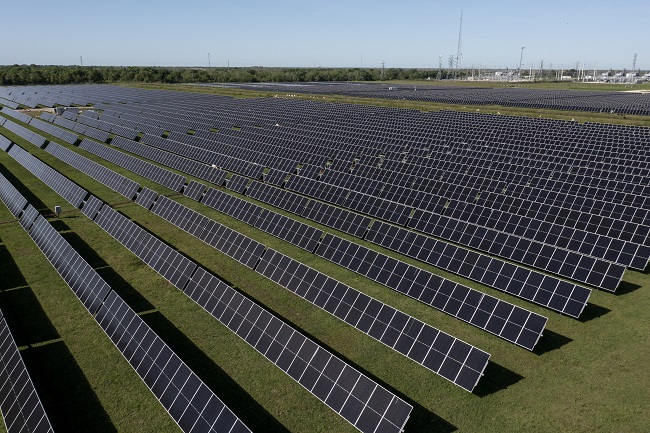
Solar: TotalEnergies to power Google’s Data Centres in Texas

TotalEnergies has signed two new long-term Power Purchase Agreements (PPA) to deliver 1 GW of solar capacity – equivalent to 28 TWh of renewable electricity over 15 years – to supply Google’s data centres in Texas.

The power will be generated from TotalEnergies-owned sites currently under development in eTexas: Wichita (805 MWp) and Mustang Creek (195 MWp), with construction scheduled to begin in Q2 2026.

TotalEnergies
A TotalEnergies-owned solar power generation site

Bringing reliable new power capacity for AI – now

These PPAs totaling 1 GW complement separate gross PPAs of 1.2 GW recently secured by Clearway, a California-based renewables company 50% owned by TotalEnergies, to support Google’s data centres across the ERCOT (Texas), PJM (Northeast), and SPP (Central) markets.

The Wichita and Mustang Creek solar farms will generate significant benefits for local communities. Several hundred jobs will be created during construction, and substantial tax revenues will help fund public services throughout the lifetime of the projects.

“We are pleased to sign these agreements to supply renewable electricity to Google in Texas, representing the largest renewable PPA volume ever signed by TotalEnergies in the United States”, said Marc-Antoine Pignon, Vice President Renewables U.S. for TotalEnergies.

“This highlights TotalEnergies’ strategy to deliver tailored renewable energy solutions that support the decarbonization goals of digital players, particularly data centres. Through this PPA, TotalEnergies is also addressing the challenges of land availability and power supply for data centers by enabling large-scale colocation opportunities,” he added.

“Supporting a strong, stable, affordable grid is a top priority as we expand our infrastructure,” said Will Conkling, Director of Clean Energy and Power at Google. “Our agreement with TotalEnergies adds necessary new generation to the local system, boosting the amount of affordable and reliable power supply available to serve the entire region.”

TotalEnergies has a gross capacity portfolio of 10 GW of onshore solar, wind and battery storage assets in operation in the United States, including 400 MW in the PJM market in the Northeast of the country, and 5 GW in the ERCOT market in Texas.

Group seeks urgent intervention at Abia accident-prone axis

The Foundation for Environmental Rights, Advocacy & Development (FENRAD), an environmental rights and human rights advocacy organisation in Nigeria, has expressed concern over the persistent and tragic loss of lives resulting from recurring road traffic accidents along the Waterside-Ogbor Hill axis of Aba, Abia State.

According to FENRAD, the corridor remains one of the most accident-prone areas in the state, with frequent incidents involving heavy vehicular congestion, uncontrolled traffic movement, pedestrian exposure, and poor road safety infrastructure.

“These recurring accidents have led to avoidable deaths, serious injuries, and destruction of livelihoods, raising serious human rights and public safety concerns,” said Nelson Nnanna Nwafor, Executive Director of FENRAD in a statement.

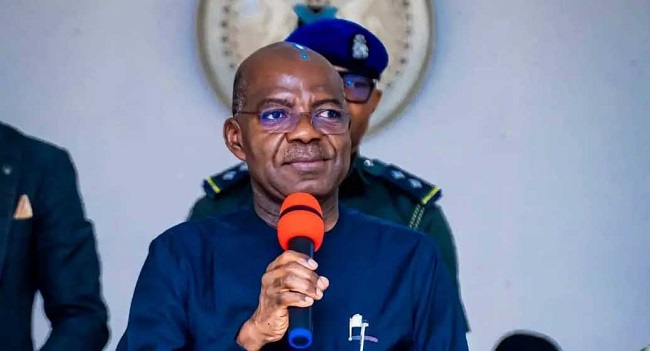
Gov. Alex Otti
Gov. Alex Otti of Abia State

FENRAD observes that the Waterside–Ogbor Hill axis serves as a major commercial and transportation hub, experiencing intense vehicular and pedestrian traffic daily. The absence of modern traffic engineering solutions – such as flyovers, overhead pedestrian bridges, and effective traffic flow systems – has significantly worsened congestion and increased the risk of fatal accidents.

In view of this, FENRAD calls on the Abia State Government, under the leadership of Governor Alex Chioma Otti, to urgently prioritise the provision of critical infrastructure, including the construction of flyovers and pedestrian (overhead) bridges, as well as comprehensive road redesigns to effectively separate vehicular and human traffic.

These interventions are necessary to improve vehicle traffic movement, reduce congestion, and eliminate dangerous conflict points along the corridor.

The organisation further urges the government to commission an independent traffic, environmental, and social impact assessment to guide sustainable solutions. Complementary measures should include modern traffic control systems, proper signage, speed-calming mechanisms, strict enforcement of road safety regulations, and public sensitisation.

FENRAD emphasises that infrastructure development must be proactive, inclusive, and people centered. The right to life, safety, and a secure environment is fundamental, and no community should continue to endure preventable deaths due to inadequate planning or delayed government response.

“Road safety is a human rights issue. When citizens repeatedly lose their lives due to poor traffic management and unsafe infrastructure, urgent corrective action becomes a moral and constitutional obligation,” added Nwafor.

The organisation calls on relevant ministries, road safety agencies, urban planners, and traffic management authorities to collaborate transparently and act without delay.

FENRAD also encourages civil society organisations, community leaders, and the media to sustain advocacy efforts toward lasting and life-saving solutions.

The group says it remains steadfast in its commitment to environmental justice, sustainable development, and the protection of human rights and will continue to engage stakeholders to ensure that residents of Aba and Abia State enjoy safe, efficient, and humane transportation infrastructure.

Firm plans fleet expansion across Africa as oil, gas projects gain momentum

0

A maritime and logistics firm, STARZS Investment Company Ltd., has disclosed plans to expand its fleet and operations across Africa, with renewed investment momentum in Nigeria’s oil and gas sector and rising offshore opportunities.

Iroghama Ogbeifun, Chief Executive Officer of the company, spoke on the sidelines of the just concluded ninth Nigeria International Energy Summit (NIES) 2026 in Abuja

Ogbeifun, also a founding member, Nigerian Maritime Administration and Safety Agency (NIMASA) Governing Board and Chairperson, Technical Committee, Shipowners Association of Nigeria, said that plans were also on to deepen engagements with indigenous producers.

Iroghama Ogbeifun
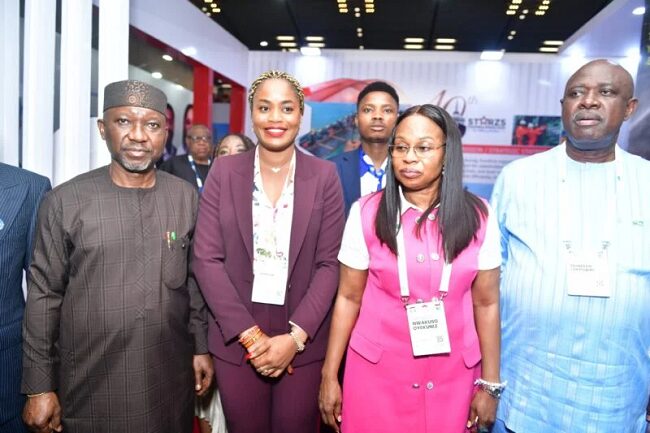
From left: Dr Ekperikpe Ekpo, Minister of State for Petroleum Resources (Gas); Iroghama Ogbeifun, Managing Director/CEO, Starzs Investments Company Limited; Richard Ifie, Business Development Manager, Starzs Investments Company Limited; Mrs Patience Oyekunle, Permanent Secretary, Ministry of Petroleum Resources; Sen. Heineken Lokpobiri, Minister of State for Petroleum Resources, at the just concluded 2026 NIES, in Abuja

She said that among the indigenous producers to be engaged are Seplat, First E&P, among others.

STARZS Investment Company Ltd. is among the 30 privately licensed maritime security firms with a Memorandum of Understanding (MoU) with the Nigerian Navy.

It currently operates a fleet of 11 vessels, including Anchor-handling Tug Supply (AHTS) vessels and security patrol boats.

“We are investing in fleet renewal in response to ageing assets and growing offshore demand, and we have plans of acquiring a new DP2 AHTS tugboat, with a shipbuilding contract expected to be signed this year.

“STARZS provides armed personnel on patrol boats for major International Oil Companies (IOCs) like TotalEnergies, Chevron, ExxonMobil, and Renaissance.

“STARZS is not stopping at Nigeria’s borders. It is also exploring African ports for tug services beyond Nigeria,”Ogbeifun said.

She emphasised a “Pan-African” strategy, targeting oil exploration hotspots like Namibia, Mozambique, Guinea, and Congo, where offshore support vessels are also in demand.

According to her, oil vessels are required anywhere oil exploration is taking place offshore.

She said their expansion plan was fueled by strategic partnerships, including one with Kotug, a global tug giant based in Dubai and Rotterdam.

“We had access to their large fleets through outright purchase or bareboat charters.”

She attributed the move to positive signals from IOCs, the  TotalEnergies recent announcement of Final Investment Decisions (FIDs) via Kotug, and Shell willingness to invest 20 billion dollars in Nigeria over the next few years.

“These developments signal strong oil and gas projects, creating opportunities from the Engineering, Procurement and Construction (EPC) phase onward,” she said.

Speaking on the long-awaited Cabotage Vessel Financing Fund (CVFF), the CEO welcomed the recent inauguration of the application portal, describing it as a major milestone for indigenous shipping development.

The CVFF was established under the 2003 Cabotage Act to promote Nigerian-built, manned, owned, and flagged vessels through a two per cent surcharge on cabotage activities.

It will be recalled that the Federal Government inaugurated the CVFF application portal two weeks ago after years of delays.

According to her, the fund’s single-digit interest rate and eight-year tenure would significantly support fleet expansion once disbursements commence.

She equally highlighted persistent challenges in maritime training, particularly the difficulty cadets face in obtaining mandatory sea-time required for certification.

Ogbeifun, however, called for mandatory cadet training quotas onboard vessels and stronger collaboration between regulators and operators to address the gap.

By Emmanuella Anokam

NCDMB webinar unlocks AfCFTA market access for energy sector

0

The Nigerian Content Development and Monitoring Board has outlined a practical framework for positioning Nigeria’s energy sector to access the African Continental Free Trade Area, following a strategic webinar focused on meeting rules-of-origin requirements for continental trade.

The Board held a pre-conference webinar on Wednesday, February 4, 2026, ahead of the Nigeria Local Content AfCFTA Energy Summit scheduled for Monday, February 9.

The engagement was attended by stakeholders from the oil and gas, power and renewable energy sectors, and they addressed how Nigerian products and services can qualify for preferential market access across 54 African countries with a combined gross domestic product of $3.4 trillion and a population of about 1.4 billion people.

Felix Ogbe
Executive Secretary of NCDMB, Felix Ogbe

Entitled “Meeting AfCFTA Origin Requirements in Energy Trade”, the webinar focused on one of the major barriers facing Nigerian exporters under AfCFTA – structuring production and operations to meet origin requirements that determine eligibility for duty-free and preferential trade.

The initiative was supported by the Executive Secretary of NCDMB, Felix Omatsola Ogbe, and the Acting Director of Planning, Research and Statistics, Mr. Ene Ette, as part of preparations for the forthcoming Nigeria Local Content AfCFTA Energy Summit, with the theme “Unlocking Africa’s Energy Future through AfCFTA: Trade, Innovation and Regional Integration”.

Speaking during the session, a communications analyst, Joseph Nwokedi, representing the Acting National Coordinator of Nigeria’s AfCFTA Coordination Office, Mrs Patience Okala, stressed the central role of energy in Africa’s economic integration under AfCFTA.

He urged Nigerian companies to shift their focus from Nigeria’s domestic market of about 200m people to the wider continental market of 1.4 billion consumers.

“Without energy, there’s no industrialisation. Without energy, regional value chains remain aspirational,” Nwokedi said. “With AfCFTA, energy transforms from a domestic infrastructure issue into a tradable, investable and exportable sector within an integrated African market.”

He noted that even one per cent penetration of the African market translates to about 14 million consumers, underscoring the scale of opportunity available to Nigerian energy firms.

The webinar identified four key pathways through which Nigeria’s energy sector can participate in AfCFTA-enabled trade. First, Nigeria’s Electricity Act of 2023 allows independent power producers to supply electricity directly to industrial clusters and export processing zones, positioning power generation as a foundation for trade-ready manufacturing.

Second, the country has submitted commitments under AfCFTA that enable professionals such as engineers, electricians, geophysicists and energy auditors to export services across Africa, subject to mutual recognition of qualifications.

Third, refined petroleum products, gas derivatives, electricity and renewable energy components can be traded across borders under preferential tariffs, provided they meet AfCFTA rules of origin.

Fourth, AfCFTA’s investment protocol, combined with recent domestic reforms, including the Presidential Directives on Investment Incentives for 2024–2025, strengthens Nigeria’s credibility for attracting cross-border investments in power generation, transmission, renewable energy and storage infrastructure.

Delivering a technical presentation, Assistant Comptroller of Customs, Burhan Sulaiman, explained that AfCFTA would eliminate tariffs on 90 per cent of goods traded within the bloc over five to 10 years, with an additional seven per cent liberalised over 13 years. However, he stressed that these benefits were conditional on meeting origin requirements.

“Companies lose benefits because origin was treated as an afterthought,” Sulaiman said. “You must build in origin compliance from the beginning, not while already running your project. Origin determines whether you export duty-free or pay full tariffs.”

He clarified that origin is determined by where economic production takes place, not by company ownership or registration. Foreign-owned companies producing in Nigeria can export as Nigerian origin, while Nigerian companies importing finished goods cannot claim AfCFTA preferences.

Sulaiman explained that products qualify for preferential access through two routes. “Wholly obtained” goods are entirely produced within AfCFTA member states, such as crude oil and natural gas extracted in Nigeria, as well as locally generated electricity regardless of fuel source.

The second route, “substantial transformation”, applies where foreign inputs are used and requires compliance with one of three tests: a change in tariff classification; a value-addition threshold limiting foreign content to between 30 and 60 per cent of ex-works price; or completion of specific prescribed processes such as distillation, cracking or reforming for petroleum products.

He provided sector-specific guidance, noting that in oil and gas, locally extracted crude and gas qualify, just as refined petroleum products that meet processing requirements. However, simple blending, basic distillation operations and modular refineries using imported crude without substantial transformation do not qualify.

In the power sector, he explained, locally generated electricity and regionally manufactured equipment with deep component transformation qualify, while installation-only activities, imported turbines, transformers and switchgear mounting do not.

“For renewables, regional solar cell and battery cell manufacturing with deep component processing qualify,” he said, adding that panel installation alone, simple module assembly and packaging imported batteries do not meet the thresholds.

Sulaiman warned that without regional manufacturing accumulation, power equipment exports fail origin tests.

According to him, the Nigeria Customs Service applies a five-step verification process for origin claims, including confirming accurate HS codes, reviewing production records, testing for minimal operations, verifying African input origins and ensuring consistency across certificates, production records and cost documentation.

“Weak documentation kills origin claims. Even genuinely originating products can be denied if documentation is incomplete or inaccurate,” he noted.

Both speakers emphasised that origin compliance should be treated as a core business strategy rather than a regulatory formality.

“Origin is not paperwork; it is strategy,” Sulaiman said. “It shapes where you locate facilities, how you source inputs, and where you sign regional contracts. Treat it as strategic from day one.”

Nwokedi urged Nigerian firms to act early. “AfCFTA is happening now. Early movers will shape supply chains, standards and partnerships. Are you going to lead, or simply follow?”

Officials also provided updates on AfCFTA implementation, noting that 92 per cent of rules of origin had been agreed, with negotiations ongoing in the textiles and automotive sectors.

An online dispute resolution mechanism has been established to coordinate Customs authorities, standards bodies and complainants.

Nigeria has deployed a fully operational electronic certification system for paperless trade, while Nigerian Customs is introducing risk-management frameworks that could allow exporter self-certification on commercial invoices.

Following a five-year implementation review led by the Minister of Industry and Investment, Dr Jumoke Oduwole, government sensitisation efforts have intensified through partnerships with the Nigerian Association of Chambers of Commerce, Industry, Mines, and Agriculture; Women’s Chambers of Commerce; zonal outreach programmes and ‘P3 engagements’ involving the press, private sector and public institutions.

“The government will not trade under AfCFTA – our exporters will,” officials said. “If they win, we win.”

Nigerian Customs also reiterated its open-door policy for pre-export origin verification to help businesses avoid delays and additional costs at the border.

The webinar highlighted Nigeria’s potential as a regional energy and transition-fuel hub, building on frameworks such as the West African Power Pool to support cross-border electricity trade.

Key recommendations included structuring projects for origin compliance from inception, forming regional joint ventures, aligning with continental standards and leveraging AfCFTA service commitments to export Nigerian energy expertise.

The session ended with confirmation that the webinar was a technical precursor to the Nigeria Local Content AfCFTA Energy Summit, which will convene policymakers, industry leaders and trade experts to develop strategies for maximising Africa’s energy potential under the AfCFTA framework.

Shell honoured for ‘Best Oilfield Development Projects’ at Abuja energy summit

0

Shell Nigeria Exploration and Production Company Limited (SNEPCo) was recognised for its pioneering role in oilfield development projects at the 9th Nigeria International Energy Summit (NIES) which held in Abuja last week.

The award for “Best Oilfield Development Projects” applauds SNEPCo’s leadership in Nigeria’s deep-water sector, having commenced production in 2005 at Bonga field, Nigeria’s first development in water depths of more than 1,000 meters.

There have been further developments in the field including the Bonga Northwest project which came on stream in 2015. The NIES award comes as work progresses on the Bonga North project on which FID was taken in December 2024.

Shell
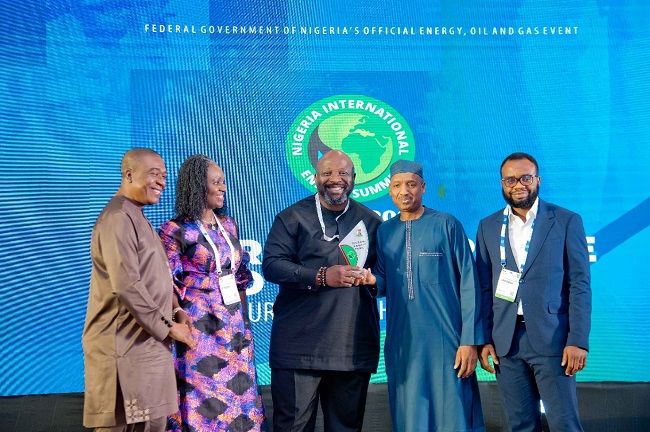
Business Value Manager, Shell Nigeria Exploration and Production Company Limited (SNEPCo), Chidi Nkazi; Chief Executive, Nigerian Upstream Petroleum Regulatory Commission (NUPRC), Oritsemeyiwa Eyesan; SNEPCo’s General Manager, Emerging Projects, Olaposi Fadahunsi; SNEPCo’s General Manager, Corporate Relations, Ahmed Abubaker and SNEPCo’s Commercial Lead, Odinakachi Umunna during the 9th Nigeria International Energy Summit (NIES) award ceremony which held in Abuja last wee

SNEPCo Managing Director, Ronald Adams, commented: “We’re pleased at the latest recognition of our leading role in developing Nigeria’s deep-water oil and gas resources. With the support of the Nigerian National Petroleum Company Ltd, co-venture partners, and our hardworking staff, we will continue to operate safely and deliver consistent value as we power progress in Nigeria.”

The Nigeria International Energy Summit is a major gathering of stakeholders in the global energy sector with this year’s edition featuring some 5,000 participants from more than 30 countries, among them ministers, CEOs and experts. The theme of the four-day event was: “Energy for Peace and Prosperity: Securing Our Shared Future.”

How Nigeria can leverage solid minerals for economic growth – Don

0

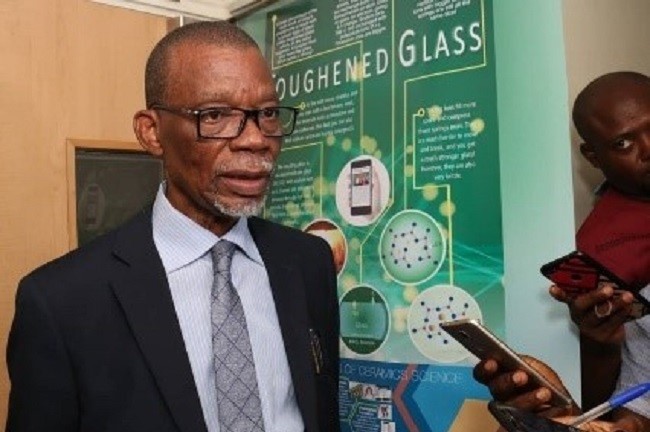
Professor of Ceramic Engineering, Prof. Eguakhide Oaikhinan, says Nigeria’s solid minerals sector could significantly boost GDP with accurate data, value-driven processing, and skilled manpower.

Oaikhinan, who has been a professor of Ceramic Engineering since 1994, said this in an interview on Sunday, February 8, 2026, in Lagos.

He noted that ceramics and solid minerals were inseparable in driving industrial growth.

Prof. Eguakhide Oaikhinan
Professor of Ceramic Engineering, Prof. Eguakhide Oaikhinan

He said although government often highlighted the existence of about 44 different solid minerals in Nigeria, the sector was yet to realise its economic potential due to inadequate data on mineral locations, characteristics and value chains.

“Where are these solid minerals located. What are their characteristics that make them marketable.Do we have data from exploration through mining, processing and production?

“We need all these to be able to harness the full potential of the solid minerals sector,” he said.

He argued that exporting raw solid minerals would not generate sustainable revenue, stressing that “true economic value comes from processing and industrial utilisation.”

The professor cited discrepancies in existing geological data, saying several known deposits were missing from official records, a development he said discouraged investment and planning.

Oaikhinan said that thorough characterisation of solid minerals was vital for creating bankable projects attractive to local and foreign investors

He said ceramics were critical to everyday life and modern industry, noting that they were used in housing, power transmission, automobiles, electronics, telecommunications and medical applications.

“There will be no electricity without ceramic insulators, no vehicles without ceramic components and no phones or computers without ceramics.

“Materials such as clay, kaolin and silica sand, which are widely available across the country, could support multiple industries if properly processed and developed,” he added.

He expressed concern over the lack of specialised manpower, saying Nigeria had no dedicated departments of ceramic engineering in spite having over 250 universities.

Oaikhinan added that most functional ceramic industries in the country were owned by foreign investors, with minimal Nigerian participation.

He recommended a three-step approach to unlocking the sector’s GDP potential.

“These steps include: re-exploration to accurately locate mineral deposits, expert characterisation to determine industrial viability, and the development of bankable investment projects,” he said.

The professor also announced plans for the maiden Nigerian Ceramic Investment Summit and Product Exhibition scheduled for June.

He said the summit was aimed at converting ideas into products, investments and industrial partnerships.

He urged government to review educational curricula and policy frameworks, saying ceramics should be treated as a core industrial discipline rather than fine art.

“Ceramics is at the heart of housing, infrastructure, medical and engineering development.

“Until our policies and perception change, the sector cannot contribute meaningfully to GDP,” he said.

By Taiye Olayemi

RICS Conference: Lagos governor says infrastructure central to real estate expansion

0

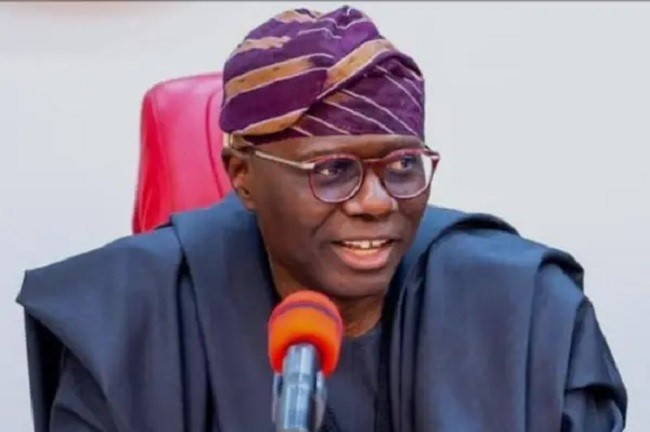
Lagos State Governor, Mr. Babajide Sanwo-Olu, has reiterated that sustained infrastructure development remains a major catalyst for real estate expansion and long-term economic growth.

The governor made this known in a statement released on Friday, February 6, 2026, by Mr. Ganiu Lawal, Deputy Director of Public Affairs, Lagos State Ministry of Housing.

Lawal said Sanwo-Olu spoke on Thursday at the 2026 Nigeria Construction and Real Estate Outlook Conference held in Lagos.

Babajide Sanwo-Olu
Gov. Babajide Sanwo-Olu of Lagos State

The conference was organised by the Royal Institution of Chartered Surveyors (RICS), Nigeria Group, and attracted key stakeholders in the built environment sector.

Sanwo-Olu, represented by the Commissioner for Housing, Mr. Moruf Akinderu-Fatai, said infrastructure formed the backbone of sustainable urban development.

He stressed that infrastructure investment should be seen as essential, rather than discretionary, for cities seeking inclusive and resilient growth.

According to the governor, Lagos State has consistently prioritised infrastructure to accommodate rapid population growth and stimulate construction activities.

He said the strategy also aimed to unlock private sector investment and enhance the state’s competitiveness within regional and global markets.

“Infrastructure is not an accessory to growth; it is its architecture,” the governor said.

He added that infrastructure determines where economic value emerges and how cities expand in a sustainable manner.

Sanwo-Olu said professionalism, transparency and integrity were critical in attracting investment into the construction and real estate sectors.

He noted that investor confidence depended largely on predictable systems and high professional standards within the built environment.

The governor commended RICS for promoting global standards and supporting improved professional practices in Nigeria’s property and construction industries.

He highlighted major infrastructure projects reshaping Lagos, including the Lagos Rail Mass Transit system and ongoing road and bridge developments.

Sanwo-Olu said integrated transport planning was opening new real estate corridors and redefining land use patterns across the state.

He emphasised the importance of strong institutions in making infrastructure projects attractive and bankable for investors.

The governor cited reforms in land administration, planning approvals and public-private partnership frameworks as key achievements.

According to him, the reforms have reduced investment risks, improved certainty and enhanced project delivery timelines.

Sanwo-Olu said the reforms reflected policy consistency and continuity across successive administrations in Lagos State.

He expressed optimism about Nigeria’s construction and real estate outlook in 2026, in spite of prevailing economic challenges.

The governor identified opportunities in transit-oriented development, urban regeneration, affordable housing and logistics infrastructure.

He also highlighted climate-resilient infrastructure as a growing priority for sustainable urban development.

Sanwo-Olu said Lagos would continue to focus on climate-adaptive investments and data-driven urban planning.

He added that innovation would be strengthened through partnerships with the private sector and professional bodies.

The governor acknowledged the contributions of chartered surveyors and built-environment professionals to accountability and value protection.

He said their expertise was vital to delivering sustainable projects and maintaining public trust.

Sanwo-Olu reaffirmed the Lagos State Government’s commitment to sustainable urban development and responsible infrastructure delivery.

He thanked RICS Nigeria Group for providing a platform for dialogue and knowledge-sharing within the sector.

The conference was attended by government officials, surveyors, developers, academics, policymakers and investors.

Participants discussed emerging trends, policy reforms, investment opportunities and the future direction of Nigeria’s construction and real estate industry.

By Lydia Chigozie-Ngwakwe

Snakebites management: Experts urge govt to strengthen healthcare system

0

Some health practitioners have urged the Federal Government to strengthen the nation’s healthcare system for effective services delivery, particularly in the management of snakebites and other critical health emergency responses.

The experts spoke on Sunday, February 8, 2026, in Lagos, following the death of Abuja-based music talent, Ifunanya Nwangene, who reportedly visited two hospitals unable to administer antivenom before she passed away.

Speaking, the 1st Vice-Chairman, Nigerian Medical Association (NMA), Lagos State, Dr Ewonowo Temidire, said the primary and secondary healthcare facilities should be equipped/repositioned to effectively treat snakebites.

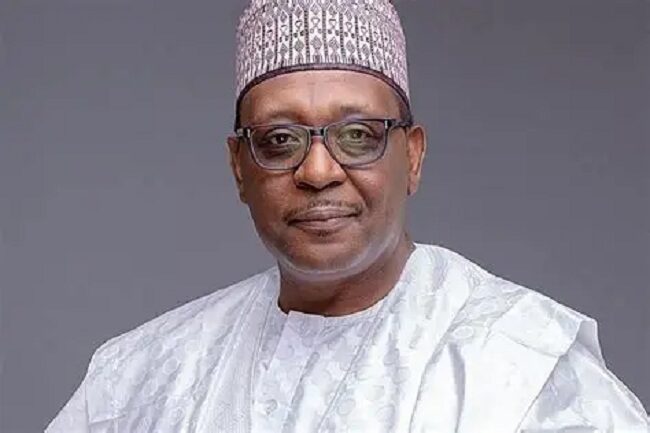
Muhammad Ali Pate
Coordinating Minister of Health and Social Welfare, Dr Muhammad Ali Pate

Temidire underscored the need to provide the primary and secondary health facilities in the communities and rural areas with the requisites to effectively manage snakebite cases.

He said this included training and retraining of the healthcare workers, ensuring steady supply and availability of quality antivenom, provision of basic equipment and adequate funding of the healthcare facilities.

“Ensuring good quality of any available antivenom and provision of free/subsidised treatment, as well  as readily availability of oxygen in the health facilities are practicable measures that can be explored by the government,” he said.

He identified inter-sectoral collaboration between the health facilities, traditional healers and faith-based organisations as another vital approach to enhancing snakebites management outcomes.

According to him, the collaboration will create and promote effective referral windows where the traditional healers/religious bodies will easily refer victims of snakebites to appropriate healthcare facilities where they can get adequate treatment.

“Oftentimes, patients with  snakebites cases resort to prayers houses and tradition healers, who may transform a treatable condition into a life-threatening emergency.

“Snakebites are never treated in prayer houses. With effective synergy and sensitisation, if any snakebite case comes to the traditional healers, they will gladly refer such case to the appropriate hospitals.”

Temidire stated that tying or constricting a snake-bitten limb was no longer recommended in modern medical practice, warning that such action could worsen tissue damage and increase the risk of necrosis.

He highlighted other simple preventive measures, such as wearing protective footwear, using mosquito nets, carrying torches at night, and avoiding snake habitats, saying that could significantly reduce the risk, especially in rural areas.

Contributing, the Pioneer Chief Executive Officer, Nigeria Centre for Disease Control and Prevention (NCDC), Prof. Abdulsalami Nasidi, urged health workers to avail themselves with the special trainings on snakebites management.

Nasidi, also the Chairman, EchiTAb Study Group, Nigeria, explained that the Federal Ministry of Health had a special programme on snakebites and carried out such trainings from time to time.

According to him, Nigeria already had some antivenoms called EchiTAb, specifically developed and produced against venomous snakes. ⁠

“The country has acquired and distributes effective and highly specific antivenoms to our venomous snakes areas for short term solution.

“For long term solution, efforts should be made to address the issue of self-sufficiency by establishing local production,” Nasidi said.

By Lilian U. Okoro

Stakeholders advocate innovative recycling to tackle waste in Kaduna

Stakeholders in environmental protection in Kaduna State have called for stronger collaborations and innovative strategies to address waste management challenges threatening human and ecological health.

The call was made at the Kaduna Monthly Climate Hangout organised by the Interfaith Mediation Centre in partnership with African Climate Reporters and the Kaduna State Government.

The February forum was themed “Rethinking Waste: Innovative Recycling Solutions for a Greener Kaduna”.

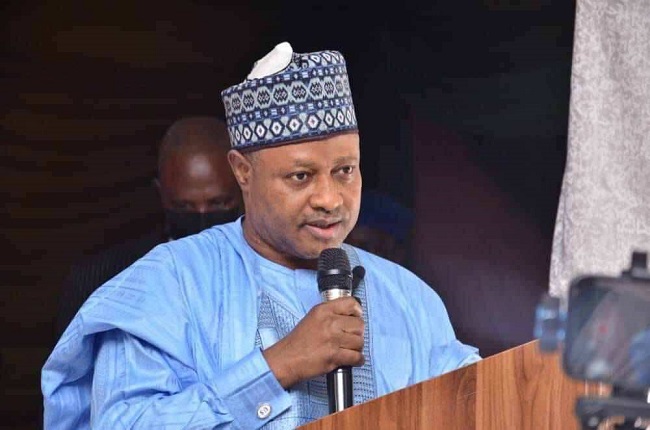
Uba Sani
Gov. Uba Sani of Kaduna State

It brought together scientists, climatologists, geologists, academics, religious leaders, journalists, youths, civil society and non-governmental organisations focused on climate and environmental protection.

The participants exchanged ideas on practical approaches to reducing waste pollution, flooding and land degradation in the state.

Delivering the lead paper, Yahaya Muhammed, Controller-General of Safety Awareness and Environmental Support Initiatives, urged strengthening recycling companies’ capacity to manage increasing waste volumes.

He said that public education was critical to ending harmful practices such as open waste burning, which poses serious environmental and health risks.

Muhammed said that plastic waste remained a major challenge but could be recycled into useful products with innovation and investment.

He warned against burning dump sites in residential areas, adding that proper waste management could generate income, describing waste as wealth.

He commended the Kaduna State Government for Operation Tsafta and the revival of monthly environmental sanitation exercises.

Also speaking, Bala Umar, President of the Association of Horticulture Farmers Unity and Development, Kaduna State, disclosed that farmers raise over 50 million seedlings annually using discarded sachet water.

He said the sachets were collected from streets and used as nursery materials by horticulture farmers across the state.

According to Umar, the practice converts waste into productive use while reducing pollution and flood risks.

He urged the residents to stop indiscriminate plastic disposal and support efforts toward a cleaner environment.

A Kaduna Polytechnic lecturer, Malama Halima Haruna, called for sustained public sensitisation on the dangers of improper waste disposal.

She urged the stakeholders to promote innovative recycling practices and strengthen recycling companies across northern Nigeria.

Haruna said the recycling sector had the potential to create thousands of jobs if properly supported.

Meanwhile, Mr. Samsam Auta, Co-Director at the Interfaith Mediation Centre, described the Climate Hangout as Kaduna’s strongest climate platform.

He said the forum provided space for dialogue, collaboration and policy discussions on climate change and environmental sustainability.

Auta commended journalists and media organisations for their active participation.

Contributing as a panelist, Malama Hajara Dan-Musa, Founder of Al-Ihsan Fruits Plus, shared household and community-based recycling solutions.

She highlighted compostable packaging from sugarcane bagasse, organic waste composting, food waste repurposing and simple greywater reuse methods.

By Aisha Gambo

×