Home Blog Page 189

Ex-minister, Kachikwu, advocates raise of NCI Fund to $1bn, timeline for developing oil blocks

0

The former Minister of State for Petroleum Resources, Prof. Emmanuel Ibe Kachikwu, has canvassed that the $450 million Nigerian Content Intervention Fund (NCI Fund) be increased to $1 billion, to cater for the funding of mega of oil and gas projects, setting up of pipe mills and manufacturing of other critical equipment needed in the oil and gas sector.

He also recommended that oil and gas producing companies should provide timelines for developing oil and gas blocks, same condition for firms that win industry contracts based on commitments of investments.

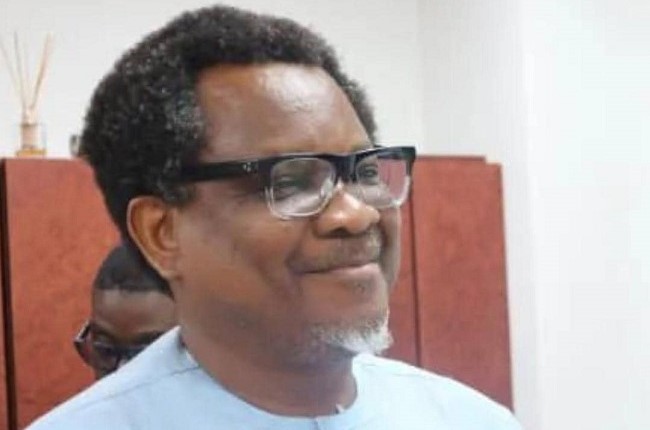
Prof. Emmanuel Ibe Kachikwu
former Minister of State for Petroleum Resources, Prof. Emmanuel Ibe Kachikwu (second right), with NCDMB officials

He made these recommendations and dwelt on similar issues on Monday, September 8, 2025, at the Business Mentorship Lecture Series organised virtually by the Nigerian Content Development and Monitoring Board (NCDMB). The webinar drew nearly 500 participants, via Zoom and the Board’s YouTube page.

Kachikwu, who served as the Chairman of NCDMB’s Governing Council from September 2016 to May 2019, stated that a larger NCI Fund would provide seed capital for developing blocks, accessing technology, skill sets and equipment. The fund should include contributions from operators, and other investors in the sector and not just government resources, he canvassed.

He regretted that many awardees of oil blocks in Nigeria treat them like certificates of occupancy for land, causing huge losses to the nation. He advised Government to cancel oil blocks that are not developed after a prolonged period.

He said: “We need to find a way to force performance in the industry. Some companies get contracts to import pipelines with proviso to invest locally. We need to begin to produce those equipment. You have to show the joint venture that you are setting up to produce pipes, where is the foreign partner with the funds and technology? You need to give a timeline.”

Commenting on the global investments space and how Nigeria can attract funding to the energy sector, the former minister argued that “there is lot of money waiting to be tapped, however it is only going to countries where there is a perception of regularity.”

He opined that Nigeria’s image needs to improve. Government needs to create the right investment climate to attract investment. There is enough investment money out there if you have a holding of hands. They need to portray Nigeria as the place you can put money and get good returns.”

He also argued that Government should consider co-investing with private companies if there are good prospect of returns.

Kachikwu lauded the oil and gas sector’s transformation, with indigenous firms like Seplat, Aiteo, Oando Energy Resources, and Heirs Oil and Gas and others acquiring assets from divesting international oil companies (IOCs). However, he cautioned that mere ownership transfers are insufficient without enhanced output, management, and revenue returns, as well as compliance with extant laws.

“My greatest fear is that without principled accounting, supervision, and effective oversight, indigenous companies may profit while the federal government loses revenue,” he said, stressing the need to involve local communities to avoid past disconnects that fueled conflicts.

The former Minister commended the Executive Secretary of NCDMB, Felix Omatsola Ogbe, for upholding the agency’s mission and recording significant strides since assuming office. He reflected on his pivotal role in shaping the NCDMB, emphasizing that advancing local content was a core pillar of his tenure as Minister and chairman of the NCDMB Board.

He remarked that local content is not just a slogan, but rather a tool for industrialisation, job creation, and knowledge transfer, urging consistency of policies.

“For too long, foreign companies dominated every segment of the sector, while our people remained bystanders,” Kachikwu stated, highlighting how policies under his leadership compelled international oil companies (IOCs) to prioritise Nigerian involvement, fostering the rise of indigenous operators and skilled professionals.

Providing nuggets to players in the sector, Kachikwu said: “My message to young professionals is clear. The oil industry may be facing disruption, but it is also full of opportunities. Careers in petroleum now demand more than technical skills. They require adaptability, creativity, and a deep sense of responsibility to both people and the environment.”

He further advised new entrants to understand that “the industry is not just about barrels and dollars; it’s about national survival, community welfare, and the environment,” he said, urging professionals to embrace adaptability amid disruptions.

He also counselled that “achieving your career goals is a marathon, not a sprint. Patience and endurance are essential. Self-Belief is Crucial. Confidence in yourself and your abilities will fuel your progress and help you overcome challenges.”

Giving further counsel, he noted that principles matter: Let your ethics and integrity be a guiding light. Build relevant skillsets. Equip yourself with the skills that make you competitive and adaptable in the job market.”

In his welcome address, NCDMB’s Director of Capacity Building, Abayomi Bamidele, representing the Executive Secretary, underscored the Business Mentorship Lecture Series’ role in fostering trends and mind-sets for excellence. He said the lecture series was organised in furtherance of the Board’s mandate in sections 67 and 70n of the Nigerian Oil and Gas Industry Content Development (NOGICD) Act of 2010, to hold workshops and seminars to promote and advance Nigerian Content.

Making the closing remarks, General Manager, Corporate Communications, NCDMB, Dr. Obinna Ezeobi, praised Kachikwu for sharing deep insights which benefitted stakeholders across the public and private sector of the energy sector. He also thanked the guest lecture for his contributions to the NCDMB, recalling his sign-off on the Waltersmith Refinery investment, which became a successful project and the launch of the $200 million NCI Fund, which has grown into $450 million, now managed by the Bank of Industry and Nexim Bank.

He added that NCDMB has fully embraced its roles of enabling businesses, in addition to the traditional mandate of regulating and promoting local content. He added that the Board is committed to supporting Nigerians and local oil and gas firms to grow sustainably in the sector, hence it organises the Business Mentorship Lecture Series, which he assured would continue as a key platform for engaging and educating stakeholders of the industry. He encouraged interested listeners to visit NCDMB’s YouTube channel to watch the recording of the webinar.
Strike: DAPPMAN calls for calm, dialogue, collaboration among oil and gas stakeholders

0

The Depot and Petroleum Products Marketers Association of Nigeria (DAPPMAN) is concerned over the rising tension within the downstream oil and gas industry and the possibility of an industrial action that could disrupt national petroleum supply and distribution.

“As responsible stakeholders in this vital sector of the Nigerian economy, we recognise the central importance of industrial harmony to the stability of the industry, the protection of jobs, and the sustenance of revenues accruable to the nation. The potential impact of any strike on ordinary Nigerians, businesses, and government finances cannot be overstated,” the group’s Executive Secretary, Olufemi A. Adewole, submitted in a statement made available to EnviroNews.

Olufemi Adewole
Executive Secretary of DAPPMAN, Olufemi A. Adewole

DAPPMAN appealed to all parties involved to exercise utmost restraint and embrace constructive dialogue as the most effective means of resolving disagreements. In particular, DAPPMAN callwd for the urgent intervention of the Federal Government in addressing the concerns of all aggrieved persons.

“We firmly believe that engagement at the roundtable will yield lasting solutions and prevent avoidable disruptions in the sector,” declared DAPPMAN, adding that its position has always been to collaborate with government, labour unions, investors, and other critical stakeholders, to create a win-win situation that sustains investment, protects workers’ rights, and guarantees uninterrupted supply of petroleum products nationwide.

“We humbly urge all parties to sheath their swords, avoid actions that could escalate the situation, and allow room for negotiations that will address concerns in a fair, balanced, and sustainable manner.

“The Depot and Petroleum Products Marketers Association of Nigeria remains committed to playing a constructive role in facilitating peace, cooperation, and progress in the oil and gas sector for the ultimate benefit of Nigeria and her citizens.”

UN weather agency laments rise in air pollution

0

UN climate experts at the World Meteorological Organisation (WMO) on Friday, September 5, 2025, highlighted the damage air pollution, especially from the smoke from wildfires, was coming.

UN climate experts highlighted how damaging microscopic smoke particles from wildfires play their part, travelling halfway across the world.

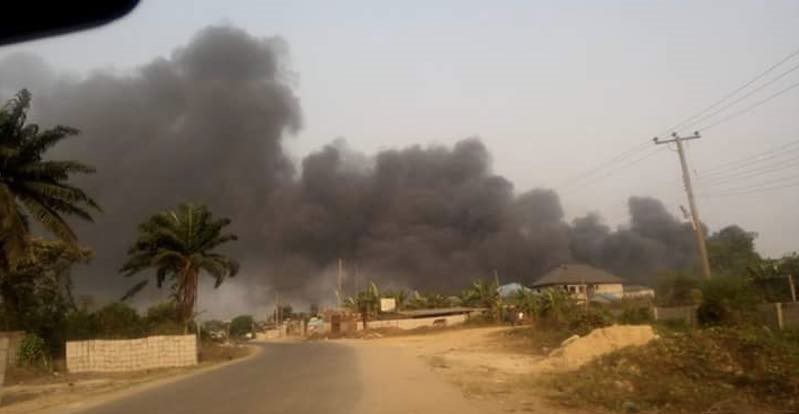
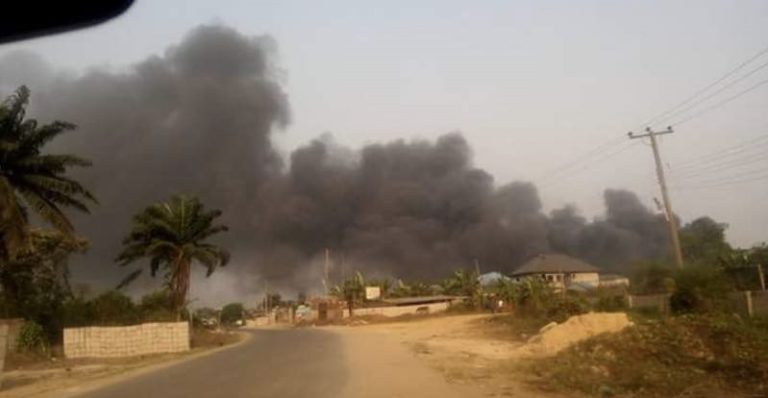
soot port-harcourt
Air pollution: Soot spreading over a neighbourhood in Port Harcourt, Rivers State

According to WMO, polluted air causes more than 4.5 million premature deaths every year,

“Air quality respects no boundaries,” Lorenzo Labrador, Scientific Officer at WMO, said in a statement.

“The smoke and the pollution that issues from the wildfires in this record-breaking season in the Iberian Peninsula has been detected over Western Europe already and can travel basically throughout the rest of the European continent.”

Presenting the latest WMO Air Quality and Climate Bulletin which crunches data from different global datasets, Labrador announced a continuing pattern of pollution “degradation” worldwide.

He pointed to a map of the world in 2024 showing telltale fine particle markers known as “PM 2.5” from wildfires concentrated in deep red blotches in Chile, Brazil and Ecuador, along with Canada, Central Africa and Siberia.

The data confirmed a disturbing trend in air quality loss already noted in previous years.

“We know that the wildfire season has the tendency to be stronger and longer every year, as a result of climate change,” Labrador said.

In more positive news, the WMO scientist underscored a reduction in emissions in some parts of the world, “particularly eastern China and Europe, year on year”.

“When we see that countries or regions or cities are taking measures to fight against bad air quality, it works,” Paolo Laj, Head of WMO’s Global Atmosphere Watch (GAW) Programme, said.

A good example is eastern China, in cities such as Shanghai, where progress has been made to boost air quality by opening more parks and planting more trees.

And although there is still heavy vehicle traffic, many are now electric, WMO spokesperson Clare Nullis said.

In spite these successes, very few cities worldwide have air quality levels below those recommended by the UN World Health Organisation (WHO), stressed WMO’s Laj.

“This means that, despite recent improvements, air quality remains a significant public health concern.”

He explained that although main pollutants such as sulphur dioxide (SO₂) and nitrogen oxide (NOₓ) are decreasing as emission controls kick in, ground-level ozone levels – the main ingredient of smog – have not declined.

“This is partly a consequence of global warming, as ozone is a secondary pollutant formed through chemical reactions in the atmosphere that require sunlight,” Laj said.

Covering wildfires, winter fog, shipping emissions and pollution in urban spaces, the WMO air quality bulletin highlights the close connection between air quality and climate change.

“Climate change and air quality cannot be addressed in isolation. They go hand-in-hand and must be tackled together in order to protect the health of our planet, our communities and our economies,” WMO Deputy Secretary-General Ko Barrett, said.

The UN is leading efforts to tackle household air pollution which is one of the world’s greatest public health threats and particularly harmful for children.

“The good news is that cleaner cooking technology is plentiful, relatively inexpensive, and already helping to save lives,” insisted Martina Otto, Head of Secretariat of the Climate and Clean Air Coalition hosted by the UN Environment Programme (UNEP).

“The challenge now is to get this technology into the hands of more people.”

Action to tackle air pollution is also taking place at an intergovernmental level thanks to the Convention on Long Range Transboundary Air Pollution.

It covers the pan-European region and North America, improvements in air quality and is supported by the UN Economic Commission for Europe (UNECE).

Commonly referred to as the Air Convention, the international agreement brings together 51 countries who set legally binding emissions limits to regulate major air pollutants.

Since its adoption in 1979, the Convention has consistently improved air quality in the region, saving some 600,000 lives annually, UNECE says.

“In Europe, the emissions reductions achieved have added a whole year to life expectancy,” the UN agency noted.

“But with much more still to be done, experts are now working on revisions to further strengthen air pollution reduction measures.”

Increasingly, other regions – especially in East and Suth Asia, but also South America – are looking to learn from the science-policy model behind the Air Convention’s success over the last 45 years.

This work is being facilitated by initiatives such as the Forum for International Cooperation on Air Pollution.

By Cecilia Ologunagba

Climate change: Africa emits little but suffers most – IOM

0

Africa is responsible for less than four per cent of global emissions but among the most heavily impacted by climate change, says the International Organisation for Migration (IOM).

According to IOM, rising droughts, floods and environmental degradation are driving displacement across the continent, leaving millions vulnerable.

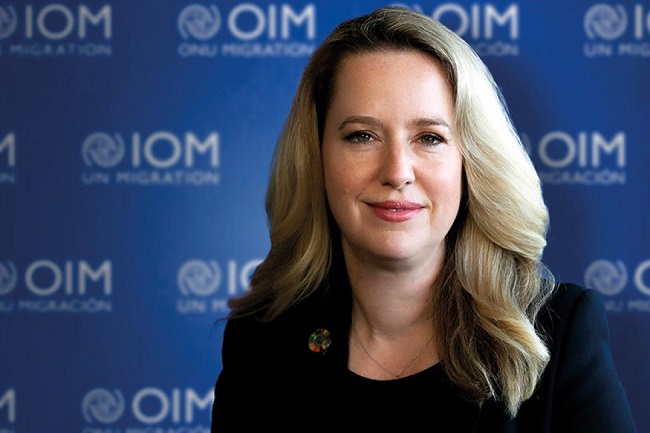
Amy Pope
Amy Pope, Director-General of IOM

In a statement, on Monday, September 8, 2025, the organisation urged a shift in perspective, positioning human mobility as a catalyst for adaptation and sustainability.

According to IOM, the approach aligns with its Continental Strategy for Africa 2025–2029, which prioritises African-led, evidence-based solutions for building community resilience.

It issued the statement as  the Second Africa Climate Summit (ACS2) takes place in Addis Ababa from Sept. 8 to Sept. 10.

“As Africa confronts some of the world’s most pressing climate challenges, IOM is urging a strategic approach to climate-driven migration that supports adaptation and resilience.

“This call will be highlighted at the ACS2, where more than 25,000 delegates, including African leaders and experts, are convening to address the continent’s urgent climate priorities,” it said.

It quoted its Chief of Staff Mohammed Abdiker to have said that climate-induced mobility presented not only challenges but also opportunities to shape Africa’s future.

“IOM’s research shows that when migration is integrated into climate action, cities can become spaces of innovation and inclusion, offering people safer livelihoods and stronger social cohesion,” it quoted Abdiker as saying.

It also quoted Abdiker as saying that harnessing the opportunities would be key for Africa to lead with solutions that would reflect its realities and ambitions.

IOM also quoted its Director of Climate Action, Rania Sharshr, as saying that climate, mobility and security should not be seen as separate issues.

“Together with the African Union and partners, IOM is showing that when managed inclusively, human mobility can be more than a coping mechanism.

“It can be a driver of peace and climate-resilient development,” it quoted Sharshr as saying.

Topics at the summit will be on climate policy, regional cooperation and urban adaptation.

Some sessions will focus on migration’s role in peace building, strengthening displacement preparedness, and ensuring meaningful youth engagement in policy processes.

Also, climate, peace and security are high on the ACS2 agenda, with IOM, African Union, and  Intergovernmental Authority on Development jointly convening several high-level discussions.

Climate change acts as a risk multiplier for conflict and displacement in regions such as the Sahel, Horn of Africa and Lake Chad Basin.

IOM called for resources and inclusive decision-making to match ambition.

It also emphasised the leadership of women and youth in resilience-building efforts and championing mobility as a driver of Africa’s innovation and sustainable development in the face of growing climate challenges.

By Busayo Onijala

TUC threatens nationwide strike over 5% petroleum tax

0

The Trade Union Congress of Nigeria (TUC) has threatened to embark on a nationwide strike if the Federal Government fails to withdraw its proposed five per cent tax on petroleum products.

Mr. Festus Osifo, TUC President General, said this in a statement he jointly signed with Mr. Nuhu Toro, General Secretary of the union on Monday, September 8, 2025, in Abuja.

Festus Osifo
Mr. Festus Osifo

TUC described the policy as “economic wickedness” against already overburdened citizens battling subsidy removal, soaring fuel prices, food inflation, and a weakening naira.

“To now introduce another levy is to deliberately compound suffering, cripple businesses, and push millions of citizens deeper into poverty.

“Nigerians cannot continue to be used as sacrificial lambs for economic experiments and the tax proposal is anti-people, unacceptable,” the union said.

The TUC therefore urged the Federal Government to immediately stop the anti-people’s plan in its entirety.

It added that the failure to do so would leave us with no option but to mobilise Nigerians and the masses for a total nationwide resistance.

“Strike action is firmly on the table if government dares to ignore this warning and go ahead to implement this policy,” it said.

The TUC further directed all state councils, affiliates, and structures to remain vigilant and await further communication that could culminate in decisive action.

The union further called on civil society groups, professional bodies, student unions, faith leaders, and market associations to join in solidarity against what it described as an unjust economic policy.

“Enough is enough. Nigerians deserve economic justice, not endless punishment,” it said.

Meanwhile, in another statement, the TUC also condemned alleged anti-labour practices, intimidation, and harassment of workers across Dangote Group companies.

It would be recalled that NUPENG have accused Dangote companies of denying workers’ rights to unionize and assaulting their dignity through persistent intimidation.

“We will not fold our arms while Dangote treats Nigerian workers as slaves in their own country. No employer, no matter how wealthy, will be allowed to trample on labour,” the statement said.

The union therefore urged Dangote to address PENGASSAN and NUPENG’s complaints, and also to recognise the rights of all affected unions immediately and unconditionally.

It said that failure to comply, would trigger nationwide solidarity action, with TUC and its affiliates standing shoulder-to-shoulder with the Nigeria Labour Congress (NLC).

“This is not an appeal. It is a final warning. An injury to one is an injury to all. Touch PENGASSAN, CANMPSSAN, TGTSSAN, and NUPENG, you touch the entire labour movement,” it added.

By Joan Nwagwu

Strike: South-East IPMAN urges NUPENG to dialogue with Dangote

0

The National Ex-Officio, Independent Petroleum Marketers Association of Nigeria (IPMAN), Mr. Chukwudi Ezinwa, has urged the Nigeria Union of Petroleum and Natural Gas Workers (NUPENG) to dialogue with Dangote Group over planned strike.

Ezinwa, who is representing the East in IPMAN National Executive Council, appealed to NUPENG, to consider the hardship they would subject Nigerians to if they embarked on their proposed strike.

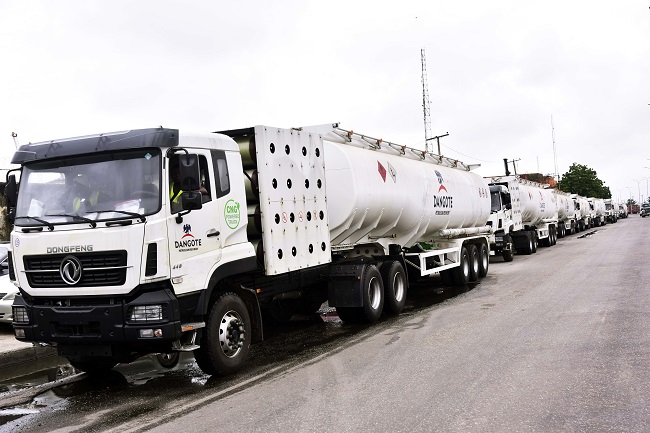
Dangote Refinery
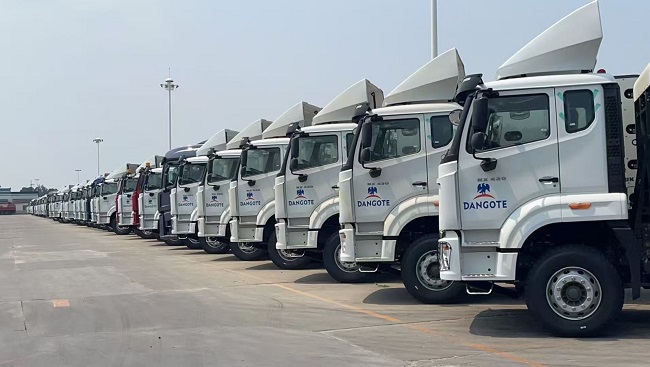
Dangote Refinery CNG trucks

The IPMAN National Executive Committee member made the appeal at a press conference on Monday, September 8, 2025, in Enugu.

NUPENG had announced that its members would commence a nationwide strike from Monday and warned of an imminent nationwide fuel scarcity.

The strike is in protest against what it described as anti-labour practices linked to the deployment of newly imported Compressed Natural Gas (CNG)-powered trucks by the Dangote Refinery, for direct distribution of petroleum products.

According to him, there should be a dialogue, where parties can come together to discuss and find a common ground to settle it.

“I am glad that the Federal Government, through the Minister of Labour has summoned a meeting in this regard.

“That is the right way to go. I disagree completely with anybody calling for a strike at this moment.

“Nigeria is passing through a lot now and we cannot add more pain to the injury of the masses because the strike they are calling, Dangote and other wealthy Nigerians cannot feel it, but the common man on the street.

“So, I am of the opinion that people calling for strike should do that with restraint as it will cause inflation, panic buying and increase in price of petroleum products,” he said.

Ezinwa, also a former IPMAN Chairman, Enugu Depot, equally decried the call by IPMAN Zonal Chairman, East Zone, Prince Bobby Dick, that members from the zone should join the strike.

“So, I feel insulted by that call and that our constitution has been murdered. I have to address it to let the world know that Bobby Dick is not a Zonal chairman of IPMAN Eastern Zone.

“We cannot say anything on NUPENG issue for now because the national president of IPMAN has not made any pronouncement,” Ezinwa said.

He, however, said that IPMAN would play a fatherly role to ensure the matter was settled, describing the issue as “a problem between our employers and investors.

“Dangote is an investor and want to maximise profits; this is a matter of discussion if there are ways he is not getting it right, they will sit down with him to address it.

“He has a right to belong or not to belong to any union and NUPENG knows that downstream has been deregulated.

“And the deregulated industry is where everybody is competing to outwit his own brother and sell his own product,” he explained.

By Alex Enebeli

Africa Climate Summit: Continent rallies for strong Development Fund

0

As the Second Africa Climate Summit (ACS2) got underway on Monday, September 8, 2025, African leaders, civil society and development partners are uniting behind a clear and urgent call: a fully resourced African Development Fund (ADF-17) is critical to securing Africa’s climate resilience, sustainable development and economic transformation.

Hosted by the Government of Ethiopia in partnership with the African Union, ACS2, holding from September 8 to 10, presents a defining moment for Africa’s climate and development agenda. Against this backdrop, the ONE Campaign, Open Society and the African Centre for Economic Transformation (ACET) will co-host the official side event From Risk to Resilience: How the ADF Delivers Climate Solutions Across Africa on 8 September, highlighting Africa-led solutions and the transformative power of strategic finance. 

Addis International Convention Centre
Addis International Convention Centre, Addis Ababa, venue of the second Africa Climate Summit

Since its inception, the ADF has delivered over $45 billion in investments across 37 low-income African countries, nearly half of which are fragile economies. By directing concessional resources to climate-smart agriculture, energy, infrastructure and regional integration initiatives, the Fund has enabled measurable policy outcomes that strengthen economies and safeguard communities.

Projects such as Senegal’s local rice production initiative, which enhances national food security and reduces dependency on imports and the Yookudi Clinic in Liberia, which provides essential healthcare services and strengthens community resilience, demonstrate how ADF investments create tangible change. However, without a fully resourced ADF-17 replenishment in December 2025, these hard-won gains risk stalling, leaving vulnerable communities exposed and slowing Africa’s progress toward evidence-based, climate-resilient policies. 

Kerezhi Sebany, Director of Economic Opportunities for Africa at the ONE Campaign, said: “The African Development Fund is a vital engine driving Africa’s climate resilience where it matters most. A fully resourced ADF-17 will equip farmers to adapt, empower young people to seize opportunities and propel economies toward greener, more sustainable growth. By strategically investing in agriculture, energy and infrastructure, the ADF has delivered tangible improvements in communities across the continent. This is Africa’s story of determination and innovation, and it is why ADF-17 must be ambitious and fully supported.”

With just three months until the final pledging session for ADF-17, the Africa Climate Summit offers a once-in-a-generation opportunity to place Africa’s climate resilience, sustainable development and economic transformation at the centre of global action once again.

“A fully resourced ADF is not optional, it is essential to advancing climate-smart policies, scaling solutions and empowering African communities to thrive in a changing world,” added Sebany. 

Corporate Accountability group lauds govt health tax policy, calls for higher sugary drinks excise duty

0

The Corporate Accountability and Public Participation Africa (CAPPA) has commended the Federal Government’s decision to develop a draft policy that will earmark revenues from excise taxes on alcohol, tobacco, and sugar-sweetened beverages (SSBs) for health financing.

It described the initiative as a decisive opportunity for the President Bola Ahmed Tinubu administration to leave a legacy of sustainable funding for Nigeria’s fragile healthcare system and to protect the health of Nigerian citizens.

Sugar-sweetened beverages

Speaking at a recent national health-financing dialogue in Abuja, Mr. Taiwo Oyedele, Chairman of the Presidential Fiscal Policy and Tax Reforms Committee, disclosed that the Federal Government is finalising a draft policy to channel excise-tax revenues from alcohol, tobacco, and sugary drinks into health financing. According to him, the policy will soon be submitted to the Minister of Health and Social Welfare.

Responding to the disclosure in a statement on Monday, September 8, 2025, CAPPA referenced local and World Health Organisation (WHO) reports showing that Nigeria is reeling from grossly inadequate public health financing and grappling with the double burden of non-communicable diseases (NCDs), fuelled by the excessive consumption of sugar-laden beverages, salt, tobacco and alcohol by citizens.

These diseases, it added, were responsible for nearly 30 per cent of all deaths in the country, making the situation a public health emergency.

By initiating the draft policy, the FG has demonstrated commitment towards tackling the upsurge of NCDs in the country, CAPPA said.

It urged the government to take comprehensive action, not only by earmarking SIN Taxes but also by adopting the recommendations of the WHO and CAPPA to make the taxes effective. This would involve benchmarking them on rates high enough to reduce consumption, encourage product reformulation, and ultimately ease the country’s health burden.

The WHO had recently advised Nigeria and other member states to raise the prices of sugary drinks, alcohol, and tobacco by 50 percent through taxation over the next decade, as a means of curbing NCDs. The organisation expressed confidence that such measures would cut consumption of these harmful products, which contribute to illnesses such as diabetes and cancer, while also generating critical revenue for public health. The call was part of its “3 by 35 Initiative,” a global effort, which, according to the WHO, comes at a time when health systems are under immense strain from rising NCDs, shrinking development aid, and mounting public debt.

NCDs, including heart disease, cancer, and diabetes, account for over 75 percent of all deaths worldwide, and, according to the WHO, a one-time 50 percent price increase on these products could prevent 50 million premature deaths over the next 50 years.

Akinbode Oluwafemi, Executive Director of CAPPA, applauded the Tax Reforms Committee’s courage and vision in drafting the policy but cautioned that unless the health taxes are raised to an effective threshold, the policy will not achieve its intended goal.

“We commend the government for proposing to earmark the revenues from SIN tax to public health, as long advocated by WHO, CAPPA and other pro-public health civil society organisations in Nigeria. However, we must emphasise that in the case of sugary drinks, the impact of this draft policy will only be maximised if Nigeria significantly raises SSB tax from the current N10 per litre to at least N130 per litre, adjustable to inflation.

“CAPPA has consistently recommended, based on available evidence and in-depth research, that the current N10 per litre excise duty – introduced under the 2021 Finance Act – is grossly inadequate. At N10, the tax represents only about N3.33 on a N300, 50cl bottle, less than 1 percent of the retail price. Such a token measure cannot meaningfully discourage excessive consumption or generate substantial revenue,” Oluwafemi stated

He added: “By contrast, an increase to a minimum of N130 per litre would generate up to N729 billion annually, according to expert analysis by the Centre for the Study of the Economies of Africa (CSEA). This revenue could offset the estimated N493.3 billion Nigeria currently spends each year treating SSB-related diseases such as diabetes and cardiovascular conditions.

“It would help curb the rising prevalence of NCDs, which already account for nearly 30 percent of deaths nationwide and threaten to overwhelm health facilities. It would also encourage product reformulation, pushing beverage manufacturers to reduce sugar content and, in turn, promote healthier diets.”

Furthermore, the NGO advised the government to expand and strengthen tobacco and alcohol taxes, ensuring rates are sufficiently high to discourage harmful consumption.

Africa Climate Summit opens with calls for collaboration, investment in Africa-led climate solutions

0

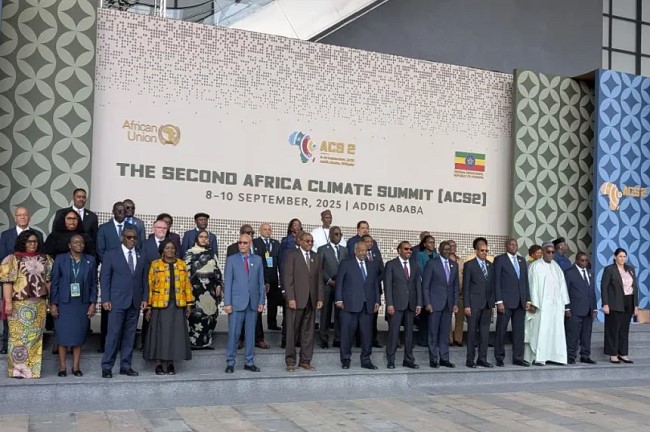
The Second Africa Climate Summit (ACS2) kicked off on Monday, September 8, 2025, in Addis Ababa with powerful calls from African leaders for deeper collaboration, bold action, and investment to accelerate climate solutions across the continent.

In his opening remarks, President William Ruto of Kenya and host of the inaugural Africa Climate Summit warned against isolation in addressing the climate crisis, underscoring the urgent need for bold and sustained collaboration at the regional and global levels in the face of the escalating climate crisis.

Second Africa Climate Summit (ACS2)
Leaders at the opening of the Second Africa Climate Summit (ACS2) in Addis Ababa on Tuesday, September 8, 2025

The host of the summit, Ethiopian Prime Minister Abiy Ahmed, highlighted the continent’s potential to drive climate solutions and proposed the launch of an African Climate Innovation Compact bringing together universities, startups, rural communities, and innovators across the continent to deliver 1,000 African solutions by 2030 in areas such as energy, agriculture, transport, and resilience.

Prime Minister Abiy further emphasised the need for Africa to be viewed as an investment partner, urging global partners to invest in visionary African climate solutions, and replace climate aid with climate investment.

As the Summit begins, it sets the stage for critical discussions on finance, implementation, and Africa’s leadership in shaping global climate solutions. Leaders have also emphasised the importance of linking climate action with debt reform, fiscal space, nature restoration, and industrial transformation to ensure fair value for Africa’s resources and secure a resilient future.

The calls for collaboration from African leaders and references to improved investment and the intersecting climate and debt crises strengthen the case for international cooperation through the proposed Fossil Fuel Treaty. The Fossil Fuel Treaty proposal calls for global collaboration for a fair and financed transition from fossil fuels – specifically through debt alleviation, improved investment for renewable energy and alternatives for fossil fuel dependent nations. The Treaty would reinforce the Paris Agreement by providing a clearer pathway to transition within the 1.5C climate target.

Seble Samuel, Head of Africa Campaigns & Advocacy, Fossil Fuel Non-Proliferation Treaty Initiative, said: “It is clear that there is no shortage of solutions to the climate crisis on the African continent. We have an abundance of renewable energy potential to power our communities, drive development, while protecting our communities and ecosystems and equitably shifting away from fossil fuels. But Africa’s opportunities to harness its massive potential are mired by systemic barriers. As emphasised by President Ruto, the scale of the climate crisis calls for greater collaboration at all levels, to enhance partnerships that support local innovation.

“The proposed Fossil Fuel Treaty can be the platform to build meaningful, just, international cooperation to make the equitable phase out of fossil fuels possible. The Treaty will prioritise mechanisms to finance a just transition to renewable energy in the Global South, while bringing communities, governments and other stakeholders closer together in a collective vision of change. The proposed Fossil Fuel Treaty could unlock finance needed to scale African innovation, and secure investments into solutions geared at a just transition to renewable energy.”

The proposal for a Fossil Fuel Treaty is anchored in three pillars – a global just transition away from fossil fuels where wealthy nations provide technical support and finance for developing nations to transition and equitably expand renewable energy access, diversify their economies and harness alternative development pathways,  a fair phase out which would require wealthy nations to phase out existing fossil fuel extraction first and fastest while providing support to fossil fuel dependent developing nations, and an end to the expansion of new fossil fuel projects. 

Africa Climate Summit: Greenpeace calls for binding mechanisms to finance climate solutions

0

As the 2nd Africa Climate Summit opens, Greenpeace Africa demands urgent action to implement a Global Polluter Pays Pact, and direct forest finance to Indigenous communities, positioning Africa as a moral leader in climate justice.

Dr. Oulie Keita, Executive Director of Greenpeace Africa, said: “Africa stands at a crossroads: either continue bearing the brutal costs of a crisis we did not create, or demand real justice. The world cannot preach climate justice while Africans pay with their lives and livelihoods. Climate justice without financial justice is an empty promise. Those who profited from pollution must pay for the damage — not trap Africa in debt.

Dr. Oulie Keita

“At the Africa Climate Summit, we demand binding taxes, polluter-pays rules, and direct access to climate finance. With 40% of the world’s renewable resources and unparalleled indigenous wisdom, Africa can and must  lead the way in proving that climate justice is not charity, but accountability.”

Koaile Monaheng, Pan African Strategist at Greenpeace Africa, emphasised: “Illicit financial flows bleed $89 billion yearly from Africa – enough to build climate-resilient futures. The UN Tax Convention must end tax havens shielding polluters, while ensuring mobilised revenues are ringfenced to support just transitions across our communities, fill in the gap in climate finance and phase out fossil fuels. This isn’t charity; it’s restitution for ecological debt accumulated through exploitation.”

Central to Greenpeace Africa’s demands is a binding international mechanism to hold fossil fuel companies accountable for the climate crisis- The Polluter Pays Pact. With just 100 corporations responsible for 71% of global emissions since 1988, and over 80% of people across 13 countries supporting polluter accountability, the Pact would ensure these entities contribute to Adaptation and Loss and Damage Funds needed to help frontline communities address the impacts of the climate crisis especially for African countries bearing the brunt of these climate disasters.

Amos Wemanya, Responsive Lead for Greenpeace Africa, stated: “While families bury loved ones after climate-fueled extreme weather events like floods and tornadoes, fossil fuel giants celebrate record profits. A binding tax treaty must force these corporations to pay into Loss and Damage Funds. Our polling shows over 80% global support – politicians must stop protecting polluters and start protecting people.”

Greenpeace Africa also calls for high-integrity forest solutions, recognising that African forests store approximately 171.8 billion tonnes of carbon and are best protected by indigenous peoples and local communities.

“Communities protect forests better than governments or carbon markets. Yet they receive pennies of climate finance. True forest solutions reject ‘degradation offsets’ and prioritise Indigenous rights,” Wemanya added.

These interconnected demands – tax justice, polluter accountability, and forest protection – form a comprehensive blueprint for climate justice at the Africa Climate Summit. Greenpeace Africa urges African leaders to commit to these mechanisms for a just transition.

“Without these three pillars, climate summits become performative theatre while Africa burns. Real solutions demand systemic courage – starting here, starting now,” concluded Dr. Keita.