Home Blog Page 1859

Abidjan Convention seeks protection of Canary Current Large Marine Ecosystem

0

The Executive Secretary of the Abidjan Convention has said that the Canary Current Large Marine Ecosystem (CCLME) project has a unique strategic combination of fisheries and ecosystem governance frameworks and will through governance reforms, investments and management programmes, enable the participating countries to address priority transboundary concerns on declining fisheries, associated biodiversity and water quality.
Abidjan Convention
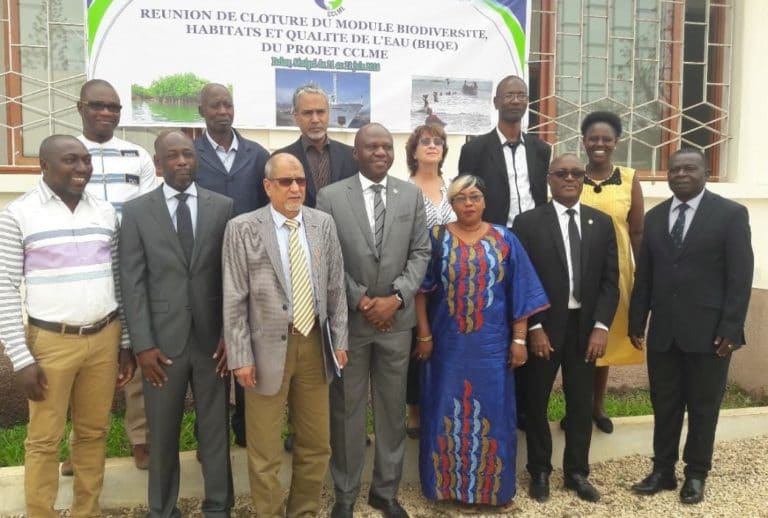
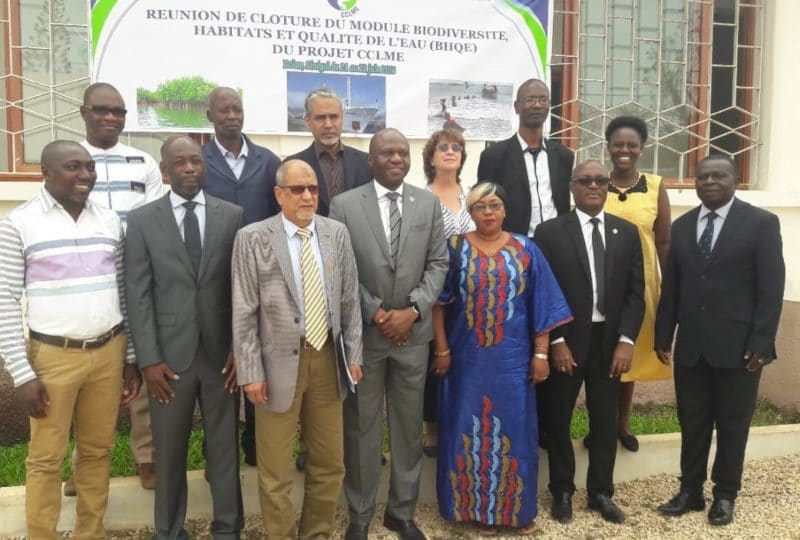
Abou Bamba, Executive Secretary, Abidjan Convention, with other dignitaries at the forum

Abou Bamba further disclosed that the CCLME project is being executed by the Food and Agriculture Organisation of the United Nations (FAO) and the United Nations Environment Programme (UNEP) in a combined effort to reverse the degradation of the project ecosystem caused by over-fishing, habitat modification and changes in water quality by adoption of an ecosystem-based management approach.

Speaking at the closing meeting of the biodiversity, habitats and water quality modules of CCLME project and presentation of the achievements of the CCLME modules to stakeholders held at the Centre de Suivi Ecologique (CSE) in Fann, in the Senegalese capital of Dakar, the Abidjan Convention boss noted that the current phase of the CCLME project would be operational in the seven participating countries namely: Cape Verde, Guinea, Guinea Bissau, Mauritania, Morocco, Senegal and The Gambia.

The project, according to him, is funded by the Global Environment Facility (GEF) together with co-financing from participating countries and other partners and is open for co-funding and collaboration with parties interested in contributing to ecosystem management of the Canary Current region.

In what he described as a usual family meeting of member countries, Bamba disclosed that the project is being characterised by a major, nutrient-rich up-welling of deep, cold oceanic waters off the Canary Islands, which stimulates high biological productivity that results in an abundance of both pelagic and demersal fishery resources.

The up-welling progresses in easterly and southerly directions, while gradually dispersing over the continental shelf off Morocco, Mauritania, Senegal, the Gambia, Guinea-Bissau, Guinea and, to a lesser extent, Sierra Leone, as well as around the Cape Verde islands.

The overall objective of the CCLME project is to secure global environmental benefits by protecting the ecosystem from degradation caused by over-fishing and pollution.

According to Bamba, CCLME provides vital food and economic resources for coastal populations bordering the Large Marine Ecosystem and for much of West Africa and provides one of the largest fishing productions in Africa. ​​Its coastal area also provides important goods and services to coastal countries, including critical habitats for fish, wood from mangroves and spaces coastal and marine ecosystems for agriculture, aquaculture, urban development, tourism and transport. He pointed out.

The CCLME project, he said, presents originality due to its strategic approach combining the fisheries and governance in ecosystem management, with the aim to enable participating countries to address priority trans-boundary problems of declining fisheries, associated threats to biodiversity and water quality through governance reforms, investment and management programmes. According to him, it will also promote cooperation among countries, while project partners will monitor the CCLME state based on the scientific results.

All member countries are committed to working together in the CCLME project to fight against the trend of degradation the large Canary marine ecosystem is facing through overfishing, habitat changes and changes in water quality, and adopting an ecosystem approach.

“Component 3 of the project promotes the strengthening of basic knowledge, capabilities and policies necessary for trans-boundary assessment, management of habitats, biodiversity and water quality which are essential for fishing. Three results are expected at this component; the reduction of knowledge gaps in relation to critical habitats, biodiversity and water quality for the purposes of the TDA and the Strategic Action Plan in which is the design activities of this basic geo-referenced data,” he concluded.

By Sheikh Alkinky Sanyang in Dakar, Senegal
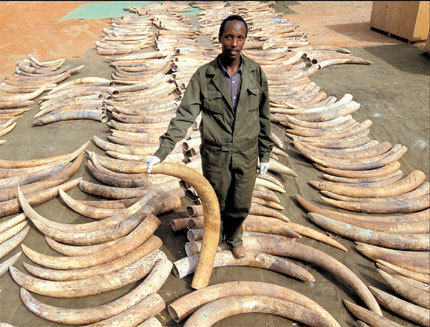
Illegal ivory widely sold throughout Europe, study finds

0

Illegal ivory, including from recently poached elephants, is being sold widely throughout Europe, the global citizens movement Avaaz said on Tuesday, July 10, 2018, calling on the European Union to implement a complete ban on the ivory trade.

Ivory trafficking
Ivory trafficking. Photo credit: girlegirlarmy.com

In a study, which was funded by small donations from over 50,000 Avaaz members worldwide, over 100 ivory items purchased in 10 EU countries were carbon tested at Oxford University to determine their age, which determines whether their sale was legal or not.

Almost 20 per cent of the samples were found to have come from elephants killed after 1989, when a global ivory trade ban went into effect.

Three-quarters of the items tested were also found to be from after 1947, a date after which ivory products can only be sold with government-issued certificates, which none of them had.

“This bombshell evidence proves beyond doubt that illegal ivory is being sold across Europe.

“It must spark the end of this bloody trade. Every day the sale of these trinkets continues is a day closer to wiping out majestic elephants forever,’’ Avaaz campaign director Bert Wander said.

European Environment Commissioner Karmenu Vella was set to meet Avaaz representatives to discuss the study.

The European Commission has said it did not have enough evidence that current laws were ineffective in stopping illegal ivory trade in Europe.

Japan struggles to deliver relief to victims of worst floods in decades

0

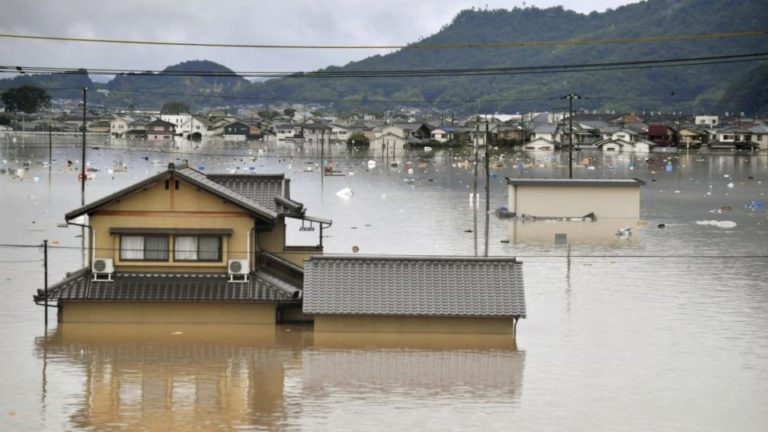
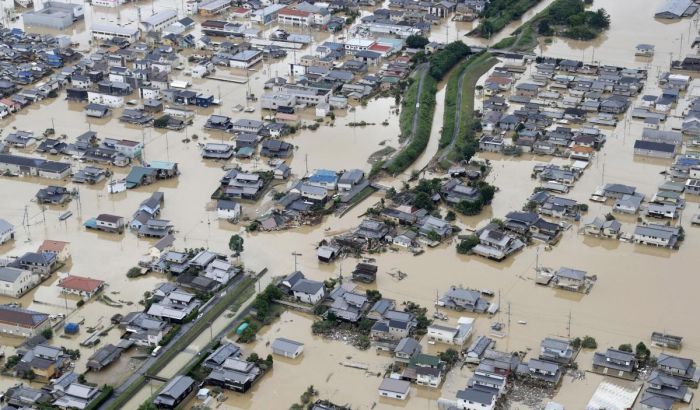
Japan struggled on Tuesday, July 10, 2018 to restore utilities after its worst weather disaster in 36 years killed 155 people, with survivors facing health risks from broiling temperatures and a lack of water, while rescuers kept up a grim search for victims.

Japan-flood
A flood neighbourhood in Japan

Torrential rain unleashed floods and landslides in western Japan last week, bringing death and destruction, especially to neighborhoods built decades ago near steep slopes.

The government said 67 people are missing.

Prime Minister Shinzo Abe cancelled an overseas trip to cope with the disaster, which at one point forced several million from their homes.

Power had been restored to all but 3,500 households but more than 200,000 people remain without water under scorching sun, with temperatures hitting 33 Celsius in some of the hardest-hit areas, such as the city of Kurashiki.

“There have been requests for setting up air-conditioners due to rising temperatures above 30 degrees today, and at the same time we need to restore lifelines,” Finance Minister Taro Aso told newsmen after a cabinet meeting.

Roads caked in dried mud threw up clouds of dust when rescue vehicles or other cars drove by.

Stunned survivors recounted narrow escapes.

“It was close. If we had been five minutes later, we would not have made it,” said Yusuke Suwa, who fled by car with his wife early on Saturday when an evacuation order came after midnight.

“It was dark, and we could not see clearly what was happening, although we knew water was running outside. We did not realise it was becoming such a big deal.”

A quarter of flood-prone Mabi district of Kurashiki, sandwiched between two rivers, was inundated after a levee crumbled under the force of the torrent.

The government has set aside ¥70 billion ($631 million) in infrastructure funds with ¥350 billion ($3.15 billion) in reserve, Aso said, adding that an extra budget would be considered if needed.

“When necessary amounts firm up … we would consider an extra budget later on if these funds prove insufficient.”

Japan issues weather warnings early, but its dense population means that almost every bit of usable land, including some flood plains, is built on in the mostly mountainous country, leaving it prone to disasters.

Some residents of Mabi had shrugged off the warnings given the area’s history of floods.

“We had evacuation orders before and nothing happened, so I just thought this was going to be the same,” said Kenji Ishii, 57, who stayed at home with his wife and son.

But they were soon marooned by rising flood waters and a military boat had to pluck them from the second floor of their house, where they had taken refuge.

Most of the deaths in Hiroshima, one of the hardest hit prefectures, were from landslides in areas where homes had been built up against steep slopes, beginning in the 1970s, said Takashi Tsuchida, a civil engineering professor at Hiroshima University.

“People have been living for 40 to 50 years in an area that had latent risk, but decades went by without disaster,” he said.

“But intense rainfall has become more frequent, and the hidden vulnerability has become apparent,” he said, adding that people live in many such dangerous areas.

Though the weather has cleared up, the disaster goes on.

A new evacuation order went out on Tuesday in a part of Hiroshima after a river blocked by debris overflowed its banks, affecting 23,000 people.

Another storm, Typhoon Maria, was bearing down on outlying islands in the Okinawa chain but it had weakened from a super-typhoon and was not expected to have any impact on Japan’s four main islands.

CASP, ICARDA sign MoU on sustainable land management in seven states

0

The Climate Adaptation and Agribusiness Support Programme (CASP) has signed Memorandum of Understanding (MoU) with International Centre for Agricultural Research in the Dry Areas (ICARDA) on sustainable land management activities in seven states.

Chief Audu Ogbeh
Minister of Agriculture and Rural Development, Chief Audu Ogbeh

Mr Abdullahi Surajo, the Communication Officer of IFAD-CASP, made this known via a statement on Tuesday, July 10, 2018 in Abuja.

NAN reports that the MoU was signed by CASP National Programme Coordinator, Muhammad Lawal Idah and the ICARDA Director General Aly Abousabaa and it would last till July 31, 2019.

He said that MoU was signed to establish an effective collaboration on Soil and Water Conservation (SWC) and water harvesting adaptation techniques in the rainfed production systems and technology packages.

“It aimed at supporting sustainable climate resilience agriculture in the seven participating states of Borno, Jigawa, Katsina, Kebbi, Sokoto, Yobe and Zamfara.

“CASP also aims at mainstreaming climate change adaptation measures through a landscape rehabilitation approach focused on sustainable land management, encompassing soil erosion control, water harvesting and soil and water conservation in the CASP areas.”

According to him, demonstration sites will be established to show innovative techniques to mitigate land degradation and to rehabilitate degraded land.

“Communities would be encouraged to implement the landscape rehabilitation interventions that will be identified by means of Participatory Land Use Mapping exercises.

“ICARDA on the other hand has been working and delivering positive results towards sustainable livelihood improvement in dry areas globally.

“CASP and ICARDA will work together in Nigeria to identify and implement location specific, effective and innovative SWC and water harvesting adaptation practices.

“The ICARDA scientists will provide specific guidance and training including support of demonstrations at farmers’ fields,’’ he said.

Surajo added that other key areas to be identified include: development of improved cereals/legumes seeds (dryland and tropical crops), technology packages to improve crop yields and the health and sustainability of farming systems.

“It will also improve increase water use efficiency in agriculture and measures to combat land degradation and desertification.

“CASP is determined to ensure that farmers are provided with the necessary tools, knowledge, and skills to mitigate climate impacts on agriculture.

“We want to make agriculture, climate smart and climate resilient,” he said.

By Kudirat Musa

Japan floods leave 134 dead, 88 missing

0

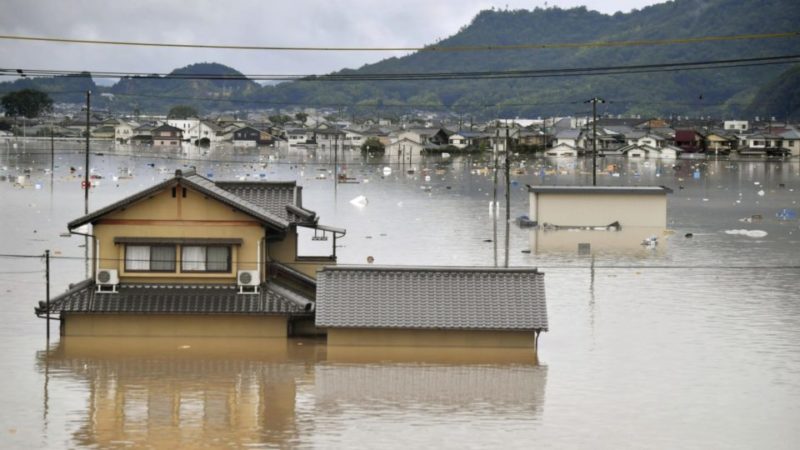
Japanese Chief Cabinet Secretary, Yoshihide Suga, on Tuesday, July 10, 2018 said floods in Japan, caused by heavy rains, left 134 people dead, while 88 are missing.

Flood in Japan
Flood in Japan

As of Monday night, 126 people were considered dead; over 60 were believed to be missing.

“As far as we know, 134 people have died.

“Ten people are officially listed as missing. At the same time, it has been impossible to confirm the security and location of 78 others,’’ Suga told a news conference.

According to the cabinet secretary, the authorities have received about 100 alerts from witnesses who said they saw floodwater washing away a car with people inside.

“To aid the damaged areas, ¥‎2 billion (about $18 million) has been allocated,’’ Suga added.

Heavy rain poured down on the southwest and centre of Japan earlier this month, causing flooding and landslides.

About 1,800 people were evacuated from the affected areas by Monday night, over 11,000 people were staying in special shelters. Power was cut in over 20,000 households.

CBD, International Treaty commit to sustainable use of biodiversity

0

A Memorandum of Cooperation (MoC) that will enhance cooperation between the Secretariats of the Convention on Biological Diversity (CBD) and the FAO International Treaty on Plant Genetic Resources for Food and Agriculture (the International Treaty) was signed on Monday, July 9, 2018 on the margins of the second meeting of the CBD’s Subsidiary Body on Implementation, being held in Montreal, Canada. The MoC focuses on collaborative activities between the two organisations in plant genetic resources for food and agriculture.

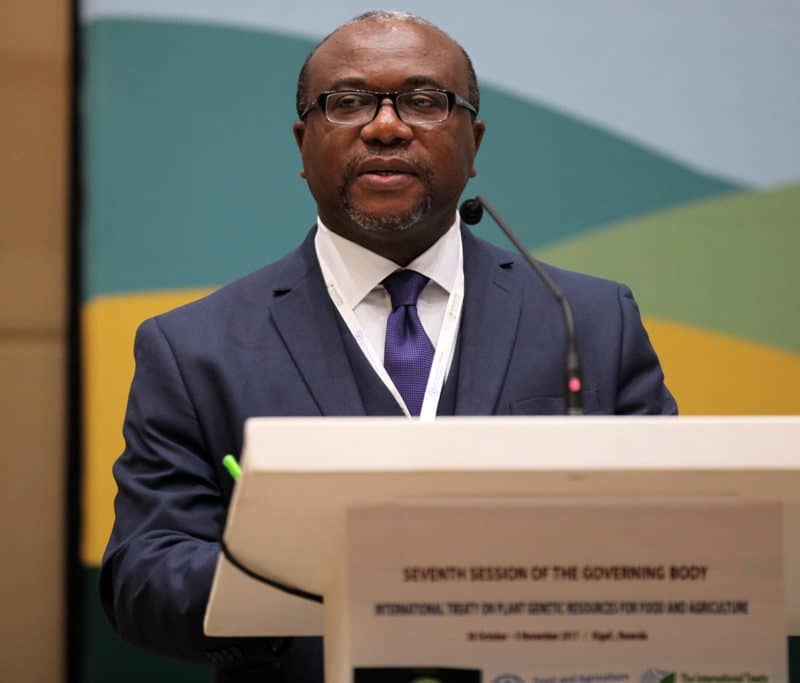
Kent Nnadozie
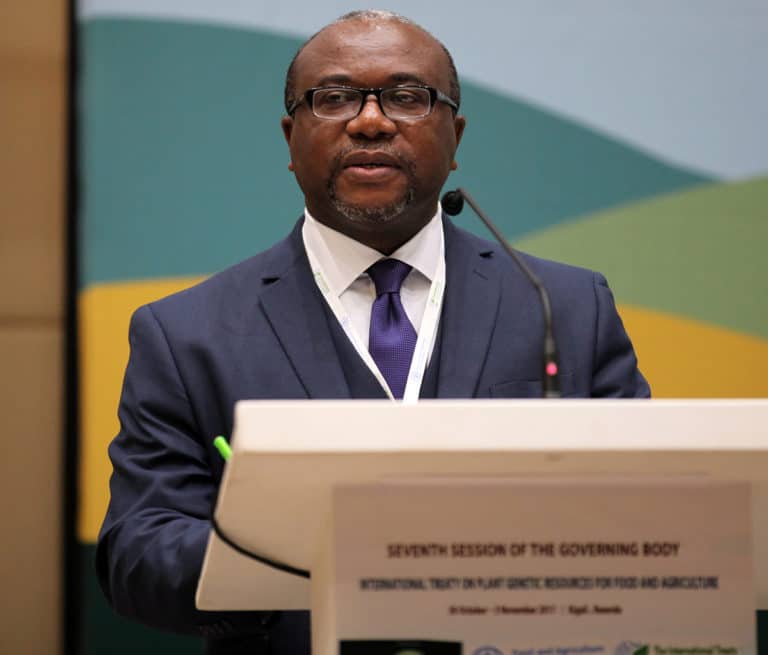
Dr Kent Nnadozie, Secretary of the International Treaty

The CBD, its Nagoya Protocol on Access and Benefit-Sharing and the International Treaty all form part of the international regime on access and benefit-sharing and share objectives related to the conservation and sustainable use of biodiversity and the sharing of the benefits arising out of the use of genetic resources. The three global agreements also all recognise the important role of communities in conserving and sustainably using biodiversity.

The Nagoya Protocol recognises the special nature of genetic resources for food and agriculture and the International Treaty addresses the specific features of plant genetic resources for food and agriculture. The Secretariats of the International Treaty and the CBD have been working together to ensure that mutually supportive implementation of these instruments supports enhanced access to genetic resources and the sharing of benefits arising from their use, which will in turn contribute to economic development, innovation and research. The MoC signed today renews and enhances collaborative efforts to this end.

Dr Cristiana Paşca Palmer, Executive Secretary of the Convention on Biological Diversity, said: “I believe that the partnership between the International Treaty and the Convention on Biological Diversity is an outstanding model of cooperation for a common goal.

“The achievements under the Nagoya Protocol will strengthen the implementation of the Treaty, while the Treaty’s successes will support the CBD in the accomplishment of its mandate. I thus could not be more pleased with our cooperation to date and I look forward to many more opportunities for us to work together in the future.”

Dr Kent Nnadozie, Secretary of the International Treaty, said: “Building on the strong and long-standing partnership with the Convention, this agreement will further expand our collaborative efforts to provide better services and support to governments and other stakeholders towards the achievement of our common objectives.

“It will also help mainstream biodiversity into existing programs and policies, and further reinforce the continuing dialogue between environment and agriculture, based on the development of concrete interfaces between the two sectors.”

The MoC includes the development of synergies between the International Treaty’s Global Information System and the CBD’s Access and Benefit-sharing Clearing-House; a joint initiative for on-farm conservation; work on sustainable use of plant genetic resources for food and agriculture and protected areas; and the promotion of the importance of biodiversity and plant genetic resources for food and agriculture for food security and nutrition under a changing climate.

As part of the MoC, the two secretariats will work together in undertaking and promoting workshops, seminars and other events; and, in the coordination of technical assistance at the international, regional, sub-regional and national levels.

Dr Nnadozie said: “I am particularly pleased with the success of our close collaboration to date, which should serve as a model for better coordination and collaboration between the stakeholders of the respective agreements at the national level.”

Dr Paşca Palmer said: “This partnership has already led to concrete activities and tangible results and in this new phase I would like to demonstrate how our collaboration creates new value and brings these results to governments in a practical way.”

Global Biodiversity Information Facility surpasses one billion records

0

A global platform for sharing information about the world’s biodiversity has passed a major milestone, with the publication of the one-billionth species record of where a species lives through the Global Biodiversity Information Facility (GBIF).

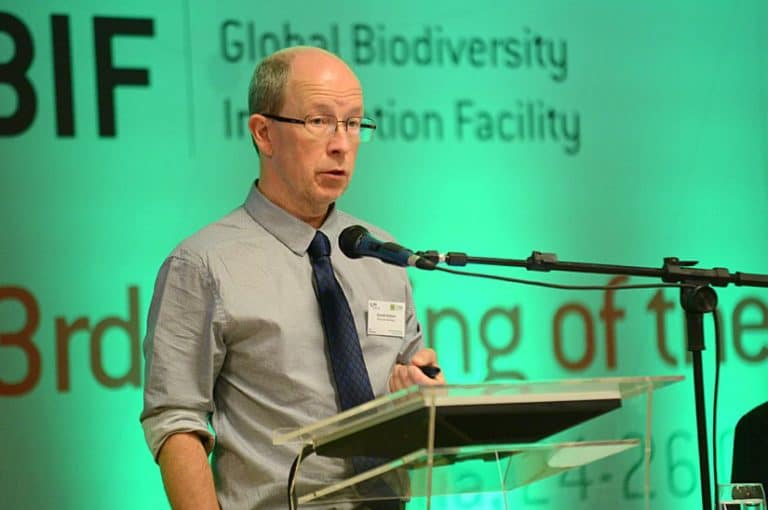
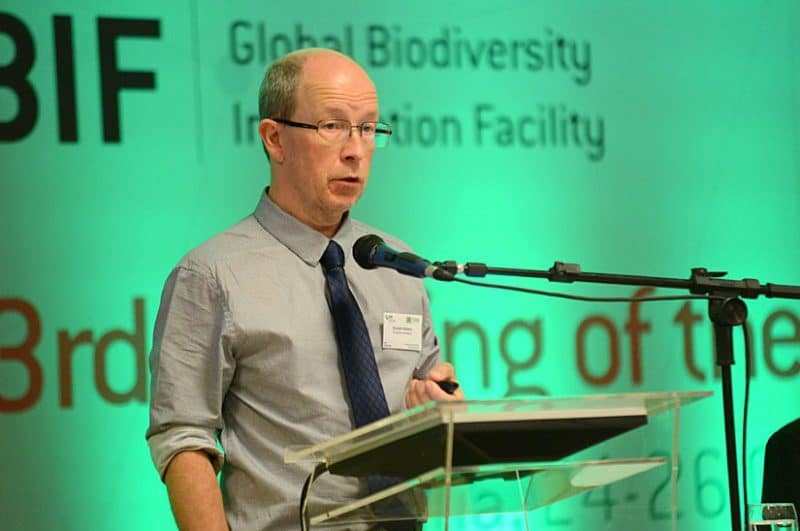
Donald Hobern
GBIF’s Executive Secretary, Donald Hobern

GBIF is an international network and research infrastructure aimed at providing anyone, anywhere, open access to data about all types of life on Earth. Records freely accessible to all through the GBIF.org platform provide researchers and policy makers with an unrivalled information resource, bringing together evidence gathered over centuries and across the whole planet on where and when species have been observed or collected.  The facility is funded by the world’s governments.

Commenting on the one-billion record milestone, GBIF’s Executive Secretary, Donald Hobern, said: “If we want to address the big challenges we face around the future of land use, conservation, climate change, food security and health, we need efficient ways to bring together all the data capable of helping us understand the changing state of the world and the essential role that biodiversity plays at all scales.

“This milestone shows that today’s GBIF is prepared for continued growth and ready to handle the massive volume of data we expect to see from other new technologies and sources.”

GBIF confirmed the one-billion record landmark as delegates from 141 countries gathered in Montreal for the second meeting of the Subsidiary Body on Implementation (SBI2) to discuss the next phase of implementing the objectives of the Convention on Biological Diversity, in anticipation of the end of the Strategic Plan for Biodiversity 2011-2020.

Dr Cristiana Pasça Palmer, Executive Secretary of the Convention on Biological Diversity, said: “Stepping up action to combat biodiversity loss is going to require access to the best possible data and information. GBIF has demonstrated the power of big data to be harnessed in support of our objectives.

“We have the potential to unlock vast additional information resources to inform smarter responses – if we are willing to share the information we hold and invest in the infrastructure and capacity to make it available for the public good.”

The information available about the occurrence of over one billion species through GBIF is the result of the collective efforts of more than 1,200 institutions in 123 countries that willingly share data in standard digital formats, arising from natural history collections, research projects, species monitoring programmes and citizens’ observations, among many other sources.

Data accessed through GBIF.org is cited in approximately two research publications each day, covering topics as diverse as conservation planninginvasive alien speciesimpacts of climate changefood security and human disease risk.

GBIF’s collaborative network of 56 participating governments and 36 international organisations shares skills and experiences in the mobilisation and use of biodiversity data, including through capacity programmes such as Biodiversity Information for Development, funded by the European Union, supporting over 60 projects to enhance the availability of biodiversity data for policy needs in Africa, the Caribbean and Pacific.

We’re doomed, cries fisherman over dwindling Lake Victoria fishing

0

Maurince Otieno has been a fisherman for over 15 years.

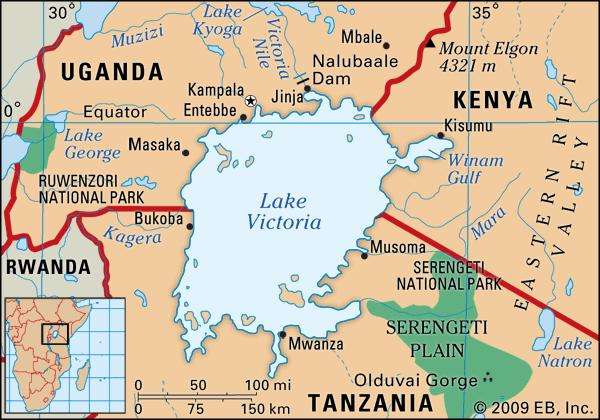
Lake Victoria
Some 40 million people in Kenya, Uganda and Tanzania depend directly or indirectly on the Lake Victoria

He inherited this outstanding skill of fishing from his late grandfather, George Omollo Otieno, who was a renowned fisherman in his time.

For the past several months, Otieno, who does his fishing along the shores of Dunga beach in Lake Victoria, has been experiencing difficulties in his fishing expedition despite his bloodline skills.

Otieno, currently in his late 40s, says he no longer harvests sufficient fish to meet the needs of his immediate and extended family that depends on him.

This has made him a very scared man. He is afraid of what the future holds for him and his family as his only source of income continues to diminish very fast.

“We are doomed. I don’t know how I will support my family now that I hardly have any catch. I am a worried man,” he says as we set out for a fish expedition along the shores of Lake Victoria in Dunga beach.

Ever since the passing on of his father more than 10 years ago, Otieno notes he has been eking out a living out of the turbulence waters of Lake Victoria.

He observes that his father and grandfathers, were all fishermen and they passed the skills of fishing on to their siblings.

But Otieno notes that the tradition that has always been passed down from one generation to another was bound to come to an end in his life time as fishing spots continue to diminish along the shores of Lake Victoria.

“I am certain that my generation will have nothing to pass down to coming generation as it has been our norm and tradition,” stresses Otieno in a low tone with a sense of disappointment.

He notes that his family has been forced to find alternative ways to make a living besides fishing which has been their bloodline.

“I don’t know what is happening to our God given lake, we hardly catch any fish,” narrates Otieno as he jumps into his dilapidated boat.

“You see all these,” he says as he hands me a life jacket and shows me a fleet of abandon boats that were on the verge of rotting, “the owners abandon them here due to declining fish in the lake.”

With disillusionment evident in his hoarse voice, he engages the forward gear to his boat and the engine roars as we begin to drift and gain momentum as the boat accelerates.

I engage a handful of fishermen that we find, and their sentiments were similar.

After three hours of fishing with no success, we docked the boat at the shores of Dunga beach.

It was at this beach that I was lucky to bump into a researcher and scientist who, according to Otieno, has been doing “serious research “of the lake.

Dickson Wallace, the scientist and researcher, says he has been conducting research on the lake for over three years.

Wallace notes that the lake was adversely being impacted negatively by climate change that is common with extreme weather patterns over a period.

He attributes extreme weather changes to climate change, which he says was also being experienced not only in Nyanza region of Kenya but also across other neighbouring towns.

To this end, he observes that the rampant variation particularly in temperatures, may have been the cause of declining marine life at Africa’s largest lake – Lake Victoria.

“It is no doubt that a significant number of aquatic marine are usually affected by extreme weather conditions caused by climate changes,” he says.

A report released by the International Union for Conservation of Nature (IUCN) this year which assessed the extinction risk of 651 freshwater species in Lake Victoria including fish and aquatic plants found that up to 24 percent of these species are being threatened with extinction.

The world nature watchdog cautioned that “three-quarters (76 percent) of these endemics are at risk of extinction.”

Will Darwall, the co-author of the report who heads IUCN’s freshwater biodiversity unit, said in the report that although “the Lake Victoria Basin is incredibly rich in unique species found nowhere else on Earth, its biodiversity is being decimated.”

Apart from climate change, the report attributed this to Industrial and agricultural pollution, invasion of the deadly water hyacinth, over-harvesting of fish and wetland degradation among others.

One of the worst affected fish species is the African Lungfish, according to this report.

As discovered by this report, Kibet Chemiron, a marine expert and fellow at the University of Port Elizabeth in South Africa, confirms the negative effects of climate change on freshwater species in Lake Victoria.

According to Kibet, most aquatic animal species that are used for human consumption are poikilothermic (animals whose internal body temperatures change with the temperature around them) and are usually affected by extreme weather brought by climate change.

Chemiron explains that any changes in habitat temperatures usually influence fish metabolism, growth rate, productivity, seasonal reproduction, and susceptibility to diseases and toxins.

“Fish population may be reducing drastically as a result of these factors emanating from climate change,” he says.

Rose Anyango, a resident who has a mini food joint at the beach says they no longer have access to clean water.

“The dams where we used to access clean water are now filled with mad caused by flooding water,” she states.

Courtesy: PAMACC News Agency

$3tr sovereign wealth funds commit to Paris goals

0

Six sovereign wealth funds which collectively represent more than $3 trillion in assets have committed to only invest in companies that factor climate risks into their strategies, thereby helping to achieve the climate goals of the Paris Agreement.

Norges_Bank
The Oslo, Norway-based Norges Bank Investment Management is a part of the One Planet Sovereign Wealth Fund Working Group

Given the size, long term investment horizons of sovereign wealth funds (SWFs), and the financial risks posed to SWFs should warming exceed 1.5°C above pre-industrial levels, SWFs are in a unique position to both benefit from sustainable market outcomes and to accelerate the transition to a low carbon economy.

The six funds are organised in the “One Planet Sovereign Wealth Fund Working Group”,  established in December 2017 at the One Planet Summit in Paris, France. The working group consists of the Abu Dhabi Investment Authority, Kuwait Investment Authority, the New Zealand Superannuation Fund, Norges Bank Investment Management of Norway, the Public Investment Fund of the Kingdom of Saudi Arabia, and the Qatar Investment Authority.

In a joint statement from all six SWFs, they said: “By using the Framework, SWFs can reinforce their long-term value creation, improve their risk-return profile, and increase long-term portfolio resilience by factoring and integrating climate issues into their decision-making.”

They added that they hope “other long-term institutional investors will be able to make use of this Framework in the execution of their mandates and investment objectives.”

The framework is based on three principals: alignment, ownership, and integration.

Alignment of investment decisions with climate change conscientiousness includes the recommendation of public reporting on the alignment and the consideration that the financial risks from climate change may prevent SWFs from delivering the same returns in the future.

The second principal of ownership encourages companies to take responsibility for climate change in their business strategy and planning, governance, and risk management.

Companies are expected to understand the implications of their greenhouse gas emissions and take responsibility for reducing the emissions to levels agreed upon in the Paris Climate Agreement.

SWFs are also encouraged in the framework to help companies understand the financial risks of climate change that the Paris Agreement seeks to address.

Ownership also suggests that SWFs require companies to provide regular reporting of climate change related data according to the Greenhouse Gas Protocol and the Task Force on Climate-related Financial Disclosures.

The third and final principal is the full integration of climate change related risk and investment opportunities into the SWF investment strategy. Funds should be managed according to the expected transition to a low carbon economy and include a focus on investment in climate change adaptation and mitigation to reduce investment risks. Climate change risk should also be considered in new investment decisions.  An investment that would increase greenhouse gas emissions and thus climate change will lead to greater risk in the future and should be avoided.

Reliable data, key to SDGs implementation – Presidential aide

0

The Senior Special Assistant to the President on Sustainable Development Goals (SDGs), Princess Adejoke Orelope-Adefulire, on Monday, July 9, 2018 said that a reliable data collation was crucial for effective implementation of SDGs.

Adejoke Orelope-Adefulire
Senior Special Assistant to the President on Sustainable Development Goals (SDGs), Princess Adejoke Orelope-Adefulire

Orelope-Adefulire made this assertion in Abuja at the opening ceremony of a two-day training retreat on “Capacity Imperatives for Implementing SDGs in Nigeria’’.

She said that the retreat was organised to bring together key stakeholders driving the implementation of SDGs at the national, state and local levels.

The presidential aide said the idea was to enable the participants to understand the capacity requirements for SDGs implementation.

“In order to meet up with the resolutions of the UN for follow-up and reporting on the SDGs, we must strengthen our statistical capacities.

“It is important we build our capacities to collect quality, timely and reliable data and to analyse and interpret such data to inform policy decisions.

“Deliberate efforts must be made to ensure that programming and budgeting processes are connected with clear Key Performance Indicators (KPIs) of the SDGs,” she said.

Orelope-Adefulire commended the National Bureau of Statistics (NBS) and the UNDP for collaborating with the Office of the SDGs on data mapping and determination of 126 baseline SDGs indicators to benchmark progress on SDGs.

She urged state governments to put in place, a robust and comprehensive statistical information system for monitoring progress on SDGs implementation.

She said the Federal Government was in the process of ensuring that state governments integrate the SDGs into their short, medium and long-term development plans.

According to her, the successful implementation of SDGs requires the engagement of many stakeholders, encompassing government.

“The implementation efforts must be guided by a careful analysis and an understanding of the roles of different stakeholders in the country’s development process.

In his remark, Mr Waziri Laminu, the Secretary, SDGs Programme, said the implementation of the 2030 agenda requires partnership as well as integrated and innovative approaches to sustainable development.

He said the Office of the SDGs had placed high premium on mobilisation of human resources for the implementation of the SDGs through capacity building.

He said the training retreat was designed to address some of the capacity gaps to ensure successful implementation of the SDGs in Nigeria.

Laminu, therefore, implored the participants to take advantage of the capacity building workshop to acquire relevant knowledge and information needed to translate the agenda to action.

By Monday Ijeh