Home Blog Page 185

‎Climate cost: Dynamics of street food, charcoal, plastic waste complexes

0

Street food is a daily reality in Nigeria, from suya (smoke-grilled spiced meat) to puff-puff (spongy, deep-fried snack), akara (deep-fried bean cake) to roasted corn, boli (roasted plantain) and moin moin (steamed bean pudding).

For millions of Nigerians, buying from street vendors is cheap, convenient, and deeply cultural. The informal street-food sector in Nigeria has grown into a major source of nutrition and income, especially in low- and middle-income communities.
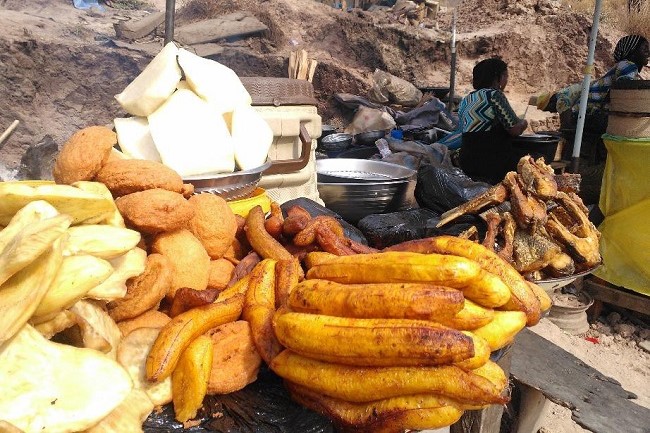
Street food
Some street food in Nigeria

Yet behind the smoky aroma lies a hidden climate cost: deforestation from charcoal production, black carbon emissions, and a mounting plastic waste crisis.

Today, 60% of food vendors operate in unhygienic conditions, and over half (53.6%) don’t even cover their hair while cooking, which is a sign of deeper systemic weak regulation.

In places like Dape, Abuja, weak waste management systems make the problem much worse.

The Climate Cost of Charcoal

According to Global Forest Watch, Nigeria lost about 253,000 hectares of natural forest in 2024 alone, equivalent to 114 million tonnes of carbon dioxide emissions. Tree cover loss from charcoal production and other pressures has made Nigeria one of the world’s top deforestation hot spots. To put that in perspective, that’s an area almost four times the size of Lagos city disappearing in just one year.

For many street food vendors, however, charcoal remains the fuel of choice because it is cheap and fast.

Rachel Fidelis, a climate expert and founder of EcoCulture 360, explained: “For every bag of charcoal made, a tree must be cut down. Cooking with firewood contributes to deforestation, and the smoke emissions add to air pollution. The packaging vendors use only adds to plastic pollution and all of these feed into the bigger climate crisis.”

In Dape, a street food vendor confirmed the reliance on charcoal: “A bag costs ₦11,000, and we use about 12 bags in a week. Gas is more expensive and using hot plate will make electricity bills outrageous, so we just stick with charcoal.”

That means a single food business spends over ₦132,000 weekly on charcoal – burning through dozens of trees every month just to keep stoves running.

Beyond the loss of forests, experts warn that the black carbon released from charcoal stoves also poses serious health risks, especially for women and children exposed to the smoke daily.

Consumers Love the Taste – But Ignore the Cost

Consumers admit their choices are driven mainly by price and taste. Speaking with Israel Olawale, a regular street food buyer, he said: “I buy street food almost every day – it’s easier to get and way cheaper. And to be candid, food cooked with charcoal taste delicious compared to gas; charcoal gives the food a special kind of taste, especially when it’s beans and softly cooked. No denial.”

Even when aware of waste issues, convenience still takes priority. Olawale said: “I prefer plastic takeaway to pack my food because it’s reusable and convenient. Most times after heavy rainfall, you see nylons everywhere. I discard mine properly because I know the climate implications, but not everyone does.”

‎This highlights a wider gap between awareness and behavior. People notice waste piling up in their communities, yet still choose the cheaper, more convenient options. According to the World Bank, Nigeria generates about 1.5 million tonnes of plastic waste annually, but barely 10 percent is recycled.

Packaging and Nigeria Waste Crisis

Street food packaging adds another layer to the problem. Styrofoam, nylon bags, and single-use plastics are the default. Vendors argue they meet customer demand: “Not everyone brings a cooler to buy food, so we use nylon, styrofoam, and plastics depending on what you buy.”

But convenience has consequences. Plastic accounts for over 13% of Nigeria’s municipal solid waste and, according to the World Bank, only about 10% is recycled. In places like Dape, where waste collection is irregular, the result is visible: piles of uncollected wastes line roadsides, clogging gutters and worsening flood risks.

The Dape vendor confirmed this reality: “It takes a very long time before waste is packed here. The waste on that road keeps piling, and it’s scary now that dry season is near.”

A Culture In Need of Change

Street food is here to stay. As Rachel puts it: “Street food has become a beloved part of our culture, but plastic waste cannot be. We must embrace sustainability as part of our culture instead.”

Solutions exist – solar stoves, biodegradable packaging, and even returning to traditional wrappers like banana leaves, but adoption remains slow. Vendors insist they would switch if alternatives were affordable: “If cheaper and cleaner fuels or packaging were provided, of course we would switch. Cooking is not easy and the gain is not enough,” said the street food vendor.

Policy and the Road Ahead

Nigeria has environmental policies on paper, including Lagos State’s ban on single-use plastics. But enforcement is weak.

Rachel warns: “Government has the highest influence in driving sustainable change. Beyond bans, policies should make it easier for vendors to adopt alternatives, with incentives, funding, and awareness campaigns.”

If nothing changes, the future looks grim. Floods, food insecurity, and heatwaves are already a reality. The next decade, Rachel insists, “must be about urgent action, not waiting for the worst to happen.”

Street food is not just about hunger and taste; it is also about health, environment, and survival. In Dape, the story of smoky beans cooked on charcoal and meals packed in styrofoam is also the story of disappearing forests, polluted air, and waste-filled gutters.

If Nigeria is serious about addressing climate change and urban waste, then the country must start where life happens daily – on the streets, where millions buy and sell their meals.

By Oyeyemi Abolade

Medicinal and Aromatic Plants: Conserving health, heritage, livelihoods for World Wildlife Day 2026

0

Medicinal and aromatic plants (MAPs) are essential for both human health and well-being and ecological balance. These plants form the foundation of many traditional healthcare systems, contribute to modern medicine and support diverse industries ranging from cosmetics and food to agriculture and luxury goods.

Across the globe, approximately 50,000-70,000 MAP species are harvested for their healing properties, cultural significance and economic value. Of these, almost 1,300 are estimated to be listed in the Appendices of the Convention on International Trade in Endangered Species of Wild Fauna and Flora (CITES), including over 800 in Appendix II. 

Medicinal plants
Medicinal plants. Photo credit: marybarbone / AdobeStock

The World Health Organisation (WHO) estimates that 70-95 per cent of human populations in developing countries rely on traditional medicine for primary healthcare. MAP cultivation and harvesting practices secure vital resources for many households worldwide, with one in five people relying on wild plants, algae and fungi for food and income.

Yet, despite their importance, many MAP species face growing threats from habitat loss, overharvesting and illegal trade. Scientific data on MAPs is often limited, and Indigenous and local knowledge is underutilized in policy and conservation effort. Furthermore, over 20 per cent of MAP species used globally are considered threatened with extinction on the IUCN Red List, making their conservation a global priority. Raising awareness, strengthening regulations and ensuring the sustainability of harvesting and trade are essential for these invaluable plant resources to survive in the wild.

In 2026, World Wildlife Day (WWD2026) will shine a spotlight on the critical role of MAPs under the theme: “Medicinal and Aromatic Plants: Conserving Health, Heritage and Livelihoods.”

Organised in collaboration with partners such as the United Nations Development Programme (UNDP), International Fund for Animal Welfare (ifaw), Jackson Wild and others, the WWD2026 activities will aim to: 

Encourage research, innovation and partnerships – Foster collaboration among stakeholders to promote sustainable use of MAPs and share lessons learned from successful conservation models. 

Celebrate conservation efforts – Highlight sustainable management initiatives through creative expressions such as youth artwork, photography and film. 

Strengthen knowledge and awareness – Share insights on MAPs, highlight their vital role in our daily lives as well as their conservation challenges and the CITES provisions governing international trade.

Leading up to the high-level United Nations event for WWD2026 on Tuesday, 3 March 2026, online activities will include the annual Jackson Wild Film Showcase and ifaw Youth Art Contest.

In line with the UN General Assembly Resolution proclaiming World Wildlife Day, the CITES Secretariat calls on all member States and organisations of the United Nations system and other global, regional and sub-regional organisations, non-governmental organisations and all interested individuals, to: 

  • observe and raise awareness of the theme for World Wildlife Day 2026;
  • organise local World Wildlife Day celebrations on the theme of “Medicinal and Aromatic Plants: Conserving Health, Heritage and Livelihoods”;
  • involve Indigenous Peoples, local communities and youth with experience and knowledge in wildlife conservation and trade in World Wildlife Day 2026 events and celebrations;
  • make use of the World Wildlife Day logos and 2026 outreach material (coming soon) as widely as possible. 

PSI, DGB enlighten trade unions on campaign planning in electricity, water, waste sectors

0

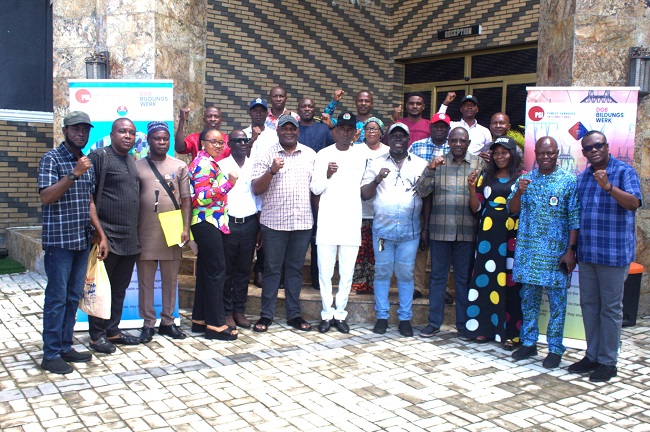
From October 2 to 3, 2025, the Public Service International (PSI) and DGB hosted a two-day Campaign and Strategy Meeting on “Promoting Transparency and Decent work in the Supply Chain in Electricity, Water and Waste Services in Sub-Saharan Africa” in Owerri, Imo State, in collaboration with the National Union of Electricity Employees (NUEE), the Amalgamated Union of Public Corporations, Civil Service Technical and Recreational Services Employees (AUPCTRE) and civil society organisations.

The meeting aimed to capacitate trade unions, civil society activists and focal persons with the required skills and competences to effectively implement the project. It also served as an opportunity for the participants to elaborate strategies on how to engage legislators and policy makers in implementing concrete advocacy actions and campaigns.

Campaign and Strategy Meeting
Participants at the PSI and GDB Campaign and Strategy Meeting in Owerri, Imo State

During the opening formalities, remarks were taken from AUPCTRE Acting General Secretary, Comrade Lawrence Alo, NUEE General Secretary, Comrade Dominic Igwebike, and Comrade Sani Baba, the Executive Director of Citizens Free Service Forum (CFSF), representing civil society.

In his welcome words, National Coordinator of the project, Comrade Abiodun Bakare, explained that the project had made tremendous impact on the trade unions and civil society partners especially in Lagos where pressure by the project partners has stalled the plans of the state government to privatise water.

Four key presentations were made at the event. They are: “Influencing Policy and Decision Makers: Trade Union Advocacy Strategies” by Professor Hosea Mande of the Kaduna State University, “Campaign against privatisation in Africa: Lessons Learnt” by Comrade Sani Baba of CFSF, as well as “Campaign Planning Strategy” and “Communication and Strategies of building an impactful legislative advocacy campaign”, both presented by Philip Jakpor, Executive Director of Renevlyn Development Initiative (RDI).

The engagement allowed participants to x-ray challenges to the three key sectors – water. electricity and waste, in the light of privatisation and making the following observations:

In the water sector the participants decried the dilapidated state of water schemes in the 36 states of the federation and Abuja, the federal capital territory, due to years of mismanagement and diversion of funds by the respective governments. They also frowned at the state of water utilities in Imo State where the meeting was held, describing the state’s water sector as comatose.

They also revealed that irregular supply of power has resulted to epileptic production of water and periodic shutdowns of water facilities across Nigeria, adding that the obsolete water reticulation network is replete across the federation with old or broken pipelines in many communities leading to contamination of water.

Poor staff welfare across the public spectrum is a subject they want the government to address, believing it continues to demotivate workers. They also believe that lack of working equipment and protective safety tools make workers susceptible to the elements and often hazardous chemicals.

To address the issues, they demanded the rehabilitation of dilapidated water schemes across the country, regular supply of power to ensure water facilities and producing to optimum capacity, and need for replacement of obsolete water reticulation networks across the federation to avoid contamination of water sources.

In the electricity sector they maintained that the privatisation of the electricity sector in 2013 is yet to achieve the government promised adequate and uninterrupted power supply as power generation continues to hover around 4000 megawatts like it was in 2013. Additionally, they insist that private entities have failed to invest in the sector.

They stressed that privatisation has led to increased costs for the public with the categorisation of customers under bands further increasing the burden on domestic customers and businesses. They also accused the private entities that bought the assets of the National Electric Power Authority (NEPA) of providing poor service quality, even as the legal entanglements associated with the contractual agreements for sale of the electricity utility continue to plague the sector.

To address these issues, they demanded the reversal of the 2013 privatisation exercise as well as immediate review of tariffs on electricity reflecting the current hardships Nigerians are suffering.

In the waste sector, they said that dump sites were inadequate to meet the demands of residents in major cities, forcing people to discard waste indiscriminately. Like other sectors, they believe there is unwillingness on the part of employers in the waste sector to allow unionism.

As a way forward, they called on the government to create more landfill sites to ease the pressure on existing sites to avoid a pandemic. They insisted that workers have a legitimate right to unionise and that sustained training and retraining of staffers in public utilities is a must.

Mitigation gets the money, adaptation gets the loans – COP30 must change that

As COP30 approaches in Belém, Brazil, the global climate conversation remains skewed. Mitigation – cutting emissions, transitioning to renewables, phasing out fossil fuels – continues to dominate headlines and diplomatic talking points.

Meanwhile, adaptation – how communities actually live with climate impacts already here – remains underfunded, under-prioritised, and undervalued. This isn’t just a bureaucratic imbalance. It’s a dangerous one.

Dr Okeh Austine Sadiq
Dr Okeh Austine Sadiq, lead author end Editor of the Carbon Free Africa Network

Mitigation Is Easier to Sell

Mitigation has always had the upper hand at climate conferences. It delivers tidy metrics: megawatts of solar, tons of CO₂ avoided, carbon markets traded. Politically, it is more palatable because it fits the narrative of progress, innovation, and solutions. Adaptation, by contrast, is messy. It means building seawalls, relocating villages, strengthening food systems, or retrofitting cities. It does not reduce emissions; it absorbs their consequences.

And for that reason, it attracts far less interest from those responsible for most of the emissions in the first place. Even as climate shocks intensify heatwaves, droughts, floods, displacement adaptation still receives less than 10% of global climate finance. Yet the need is in the hundreds of billions annually.

Follow the Money

Mitigation projects flow where capital already exists and profits can be made – solar parks, wind farms, green hydrogen. They are attractive to development banks and private investors because they generate measurable returns. This is why the Global North champions mitigation so strongly: it reinforces their financial and technological dominance while creating business opportunities.

Adaptation, on the other hand, happens in poorer, climate-vulnerable countries where the returns are uncertain and the risks high. There’s no quick ROI in protecting a fishing village from sea-level rise or retrofitting slums to withstand floods. Instead of grants, these countries are offered concessional loans debt, simply with softer terms. That is not climate justice. That is business as usual.

And the debt trap is real. Africa’s external debt stood at $1.15 trillion in 2023, with $163 billion due in 2024 just for debt servicing. Public debt across the continent has surged by 183% since 2010, and the debt-to-GDP ratio has more than doubled to nearly 67% in 2023. Add concessional climate loans to this burden, and the cycle will never end.

The Numbers Behind the Mismatch

The financial imbalance is stark. Global climate finance flows reached $1.3 trillion in 2021–2022, but less than $63 billion (just 5%) went to adaptation. Mitigation continues to absorb close to 90% of funds, even though the world needs $4.3 trillion annually by 2030 to stay on a 1.5 °C pathway. Africa’s story illustrates the trap perfectly. In 2022, the continent received $8.3 billion in public concessional climate finance, yet 65% of that ($5.4 billion) came as loans, not grants. The World Bank’s IDA delivers 83% of its adaptation finance to Africa in loan form. In other words: the money to survive climate change comes at the price of future indebtedness.

Mitigation sells. Adaptation indebts. And so the imbalance persists.

Why the Rhetoric Can’t End

The Global South, least responsible for the climate crisis, is being told to wait. Wait for mitigation to work. Wait for emissions to fall. Wait for finance that rarely arrives. But communities on the frontline cannot wait; they need adaptation now. That is why the rhetoric matters. Words must keep pushing until they turn into finance, capacity, and justice. COP30, hosted in the heart of the Amazon, is the moment to demand adaptation as a frontline priority, not a side issue.

What COP30 Must Deliver

This is not just about shifting money. It’s about shifting power. If adaptation remains secondary, so too will the voices of those who depend on it most. COP30 must anchor adaptation as a central pillar of the Global Stocktake, set a hard floor for adaptation in the new climate finance goal, make loss and damage finance fully operational, and most importantly ensure that adaptation finance comes as grants, not loans. Local and Indigenous communities must be empowered not just to implement projects, but to shape the decisions that determine their futures.

The Stakes Are Clear

Without serious adaptation, mitigation risks becoming irrelevant. What good is a net-zero future if entire regions become uninhabitable in the meantime? This is not a call to abandon emissions cuts. It is a call to stop pretending mitigation alone is enough. Climate change is no longer tomorrow’s problem it is today’s crisis.

The urgency must apply to both stopping the storm and surviving it. If COP30 is to be credible, it must close the gap not only in temperature targets, but in priorities. The rhetoric cannot end, because the work is far from done.

By Dr Sadiq Austine Igomu Okoh, Climate Governance/Net-Zero & Energy Transition/GHG Accounting/Capacity Building Expert

EU launches Kenya clean energy campaign, highlighting rural electrification progress

The European Union launched a campaign on Tuesday, September 30, 2025, celebrating clean energy collaboration with Kenya, highlighting initiatives that have expanded electricity access to rural communities across 32 counties.

The “I’ve Got the Power” campaign showcases the EU’s Global Gateway investment strategy, particularly the Last Mile Connectivity Programme that connects households near distribution transformers to Kenya’s national grid.

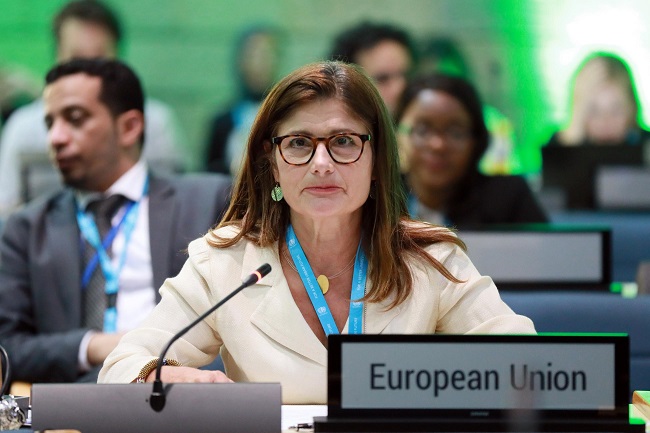
Henriette Geiger
Henriette Geiger, EU ambassador to Kenya

The programme aims to support Kenya’s universal electrification goals by providing reliable, cleaner power to families, schools and small businesses in underserved areas, reducing dependence on polluting fuels.

“The transition to renewable energy is not just about reducing carbon emissions; it’s about creating a more sustainable future for the people, the planet, and local economies,” said Henriette Geiger, EU ambassador to Kenya.

The campaign features stories of Kenyans benefiting from renewable energy access.

Fashion designer Austin credits reliable electricity with eliminating power interruptions in his workshop, allowing him to meet client demands and expand his business.

Boda boda rider Catheline now uses an electric bike for her delivery service, providing stable income.

The initiative connects to broader continental efforts led by European Commission President Ursula von der Leyen and South African President Cyril Ramaphosa through the “Scaling up Renewables in Africa” campaign.

Despite Africa’s potential to lead the global clean energy transition, millions across the continent still lack access.

The EU’s Global Gateway strategy aims to accelerate clean power access while creating jobs and driving long-term development.

Campaign information and additional stories are available at energyoftomorrow.ke.

Kenya has made significant strides in renewable energy development, with solar, wind and geothermal projects contributing to the country’s energy mix and supporting economic growth in rural areas.

By Winston Mwale, AfricaBrief

Climate change threatening the earth’s animal migrations – Experts

0

The Convention on the Conservation of Migratory Species of Wild Animals (CMS) on Thursday, October 2, 2025, released the findings of a major workshop, which detail how climate change disruption is affecting migratory species across the board.

Held February 11 to 13, 2025, in Edinburgh, United Kingdom, the Migratory Species & Climate Change Expert Workshop gathered 73 leading international experts, including scientists, wildlife managers, representatives of intergovernmental agencies, and NGOs from around the world.

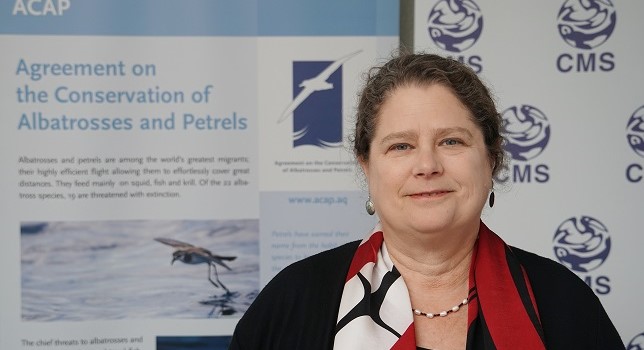
Amy Fraenkel
CMS Executive Secretary, Amy Fraenkel

Select key messages

  • Climate change hits all migratory species groups. Warming, extreme weather events, and shifting water systems are affecting migratory species across the board, altering ranges, shrinking habitats, and threatening ecosystem service delivery.
  • Climate change causes fatal timing mismatches. Shorebird nesting in Alaska and the Arctic is misaligned with insect emergence due to climatic warming and unexpected cooling, reducing chick survival and reproductive success. In western Alaska, every degree change shifts nesting time by 1–2 days. Due to climatic cooling, timing of nesting was unexpectedly delayed by 4-5 days over a decade. Later nests mean less and smaller eggs and a shorter incubation period.
  • Asian elephants face habitat gridlock. Climate and land-use changes are shifting elephant habitats eastward, but with limited connectivity, most elephants in India and Sri Lanka can’t follow, escalating human-elephant conflicts.
  • Whales are at risk again. Climate change is altering whale migrations, shrinking prey, and reducing reproduction. North Atlantic right whales are especially vulnerable, with warming seas forcing dangerous detours.
  • Himalayan species face an altitude squeeze. Cold-adapted wildlife such as musk deer, pheasants, and snow trout are being pushed upslope into smaller, fragmented refugia, with some small mammals projected to lose over 50% of their range.
  • Heatwaves are hitting waters from river to sea. In 2023, an Amazon River heatwave reached 41 °C, killing river dolphins and compounding prey loss, while in the Mediterranean, marine heat extremes are projected to cut fin whale habitat by up to 70% by mid-century and shrink dolphin ranges amid food loss and pollution stress.
  • Seagrass sinks are under siege. Storing nearly 20% of the world’s oceanic carbon, supporting coastal resilience, sustaining fisheries and species like dugongs and sea turtles, seagrass meadows are being damaged by marine heatwaves, cyclones, and sea-level rise.
  • Solutions are available – and being used. Implementing ecological corridors for terrestrial species and dynamic management approaches (e.g., for whales) can effectively enhance the resilience of vulnerable species.

The CMS workshop’s report reveals how migratory species serve as critical links in the ecosystems that sustain human life. From forest elephants that contribute to carbon storage capacity in jungles, to whales that transport essential nutrients across ocean basins, migratory species are vital in maintaining healthy ecosystems that are resilient and contribute to climate change mitigation.

But because such species rely on habitats that span continents and seasons, environmental changes in one region can trigger cascading effects thousands of miles away, underscoring the global nature of conservation challenges.

“Migratory animals are the planet’s early‑warning system and they are in trouble,” said Amy Fraenkel, CMS Executive Secretary. “From monarch butterflies vanishing from our gardens to whales veering off course in warming seas, these travellers are sending us a clear signal. Climate change is having impacts now, and without urgent action, the survival of such species is in jeopardy.”

Hosted by the UK Government’s Department for Environment, Food & Rural Affairs (DEFRA) and the UK’s Joint Nature Conservation Committee (JNCC), the workshop was convened by the CMS Scientific Council’s Climate Change Expert Group, established under CMS to help steer the Convention’s response to the climate crisis and the impact on migratory wildlife.

Their deliberations form the backbone of the new report and the action points being advanced toward the 15th meeting of the Conference of the Parties to the Convention on the Conservation of Migratory Species of Wild Animals (CMS COP15) from March 23 to 29, 2026, in Campo Grande, Brazil.

“The world’s migratory species face increasingly formidable challenges from habitat deterioration and overexploitation. Climate change compounds these problems, with greater extremes in weather affecting habitats and food resources, ecosystem services such as carbon capture, and the ranges migratory species occupy,” said Dr Des Thompson, CMS COP‑appointed Scientific Councillor for Climate Change.

“Our workshop enhanced our understanding of measures to manage migration routes and range shifts, and what needs to be done to lift ‘barriers’ to migration. Case studies are pointing to key actions to help species adapt to climate change. We need to share examples of successful work and practices, and this is especially important where we can work with Indigenous Peoples and traditional knowledge holders to devise community-based solutions,” he added.

The CMS workshop participants call for climate strategies that prioritize ecosystem health, supported by conservation investments that also help curb climate change. Safeguarding migratory species demands unprecedented international cooperation and financial investment. Likewise, there is an urgent need for closer alignment of the international climate and biodiversity frameworks that aim to put the future of our planet on the right path.

Lagos-Calabar Coastal Highway: Tinubu approves 100km stretch for Edo

President Bola Tinubu has approved a 100km stretch of the Lagos-Calabar Coastal Highway to pass through Edo State.

The Minister of Works, Sen. David Umahi, announced this in a statement issued by his media adviser, Mr. Orji Uchenna Orji, on Friday, October 3, 2025.

Dave Umahi
Umahi and others during a recent inspection of the site

Umahi made the announcement during the Edo Independence Day gala night held at the state villa, Benin City.

Umahi said that Edo was not part of the original alignment for the project conceived by Tinubu, but that the president directed its inclusion.

“The president called me and said this project must pass through Lagos, Ogun, Ondo, Edo, Delta, Bayelsa, Rivers, Akwa Ibom and Cross River. That is why we are here.

“Your Excellency, the president has given you 100km of the two lanes of the Lagos-Calabar Coastal Highway,” Umahi said.

The minister praised the government and people of Edo for their support to the Tinubu administration.

He also commended Gov. Monday Okpebholo for agreeing to intervene in some critical sections of the Benin-Sapele-Warri Highway, which he described as a deathtrap for motorists.

Umahi also applauded the quality of work done by the contractor, CBC, and directed the Federal Controller of Works in Edo to provide him with daily updates on progress at the site.

Speaking, Okpebholo thanked the president for including Edo in the coastal highway project and for ongoing improvements on federal roads in the state.

He described the gesture as proof of Tinubu’s love for the people of Edo and urged residents to support the president’s re-election in 2027.

Okpebholo said that his administration was committed to transforming infrastructure in the state.

He recalled his recent visit to the Benin-Sapele-Warri road where he saw the suffering of road users.

“If I do my part and you do your part, no one will criticise our president. For us to earn more votes, we need to do something about this place, whether it’s the Federal Government or Edo State Government,” the governor said.

By Lydia Chigozie-Ngwakwe

Lagos commits to climate ecosystem at E1 Lagos GP

The Lagos State Government says it is committed to using the E1 Lagos GP Series One race to build a climate change ecosystem.

The state said the ecosystem would create leaders in economy, entertainment, innovation and technology while providing an electrifying environment.

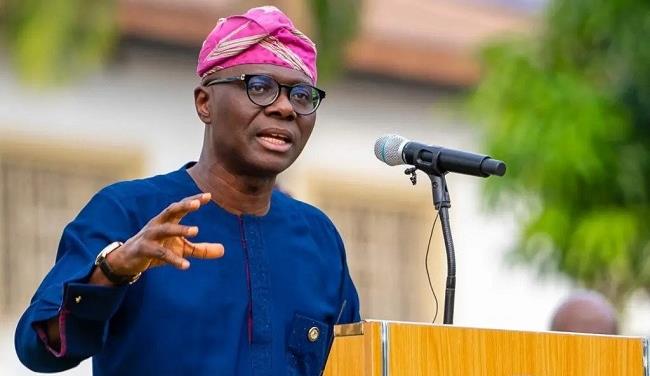
Governor Babajide Sanwo-Olu
Governor Babajide Sanwo-Olu of Lagos State

Gov. Babajide Sanwo-Olu said this at the E1 Lagos GP, African Blue Economy Summit 1 Lagos 2025 with the theme: “Harnessing Africa’s Blue Natural Capital for Sustainable Growth”, held at Eko Atlantic City, Victoria Island.

Sanwo-Olu said the state is proud to be part of the event, which he described as an economic springboard to deliver concrete pathways for transforming Africa’s ocean and freshwater resources into sustainable engines for growth.

“This is more than just a race. Lagos is using this platform to position itself at the forefront of the blue economy.

“We want to create an ecosystem that is bold, resilient and capable of shaping leaders in technology, entertainment and economic innovation,” he said.

The Commissioner for Transportation, Mr. Oluwaseun Osiyemi, reaffirmed the state’s resolve to tap opportunities in the waterways, noting that the initiative is a unique platform for harnessing strategic investment and advancing a sustainable maritime sector.

“Our commitment is collective. We are building an avenue to design an environment for a united future.

“Investment in water transport infrastructure will unlock opportunities, create jobs, and strengthen our capacity to compete globally,” Osiyemi said.

President of Didier Drogba Foundation, Mr. Didier Drogba, lauded the initiative, saying that it is symbolic that Nigeria is hosting the first series of the E1 race in Africa.

“The blue economy summit is not just a meeting, it is a question of survival. Seeing the E1 team in Nigeria shows how sport, technology and innovation can come together for transformation.

“This is about ensuring that our youths can protect, innovate, thrive and align their future with the global economy,” Drogba said.

Co-Founder and Chairman of E1 Series, Mr. Alejandro Agag, said the Lagos GP would mark the beginning of great developments in Nigeria, urging the state government to sustain its support for at least, the next five years.

“What we have seen here is impressive. The efficiency of the Lagos team shows that this is just the beginning of greater things to come.

“With sustained government support, the E1 Lagos GP can become a model for Africa and the world,” Agag said.

The summit featured key stakeholders, including the Director-General of the National Council on Climate Change, Dr Omotenioye Majekodunmi.

Sanwo-Olu, who is the Chief Host, also declared open the E1 Lagos GP and the Seabird Parade and Regatta held at the Lagos Motor Boat Club, Onikan.

By Aderonke Ojediran

AEW 2025: NCDMB identifies key skill areas for capacity building

0

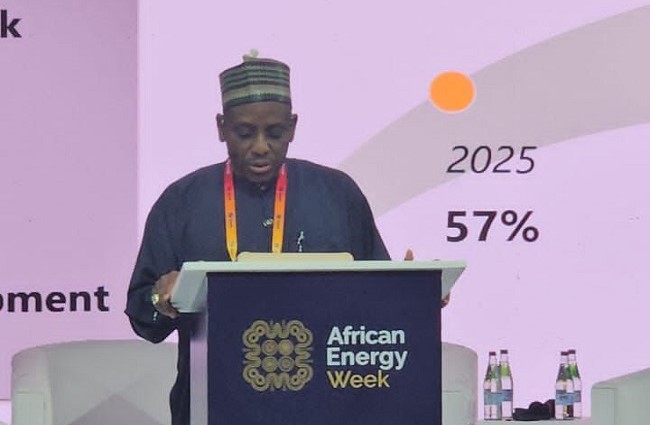
The Nigerian Content Development and Monitoring Board (NCDMB) on Wednesday, October 1, 2025, in Cape Town, South Africa, identified key skill areas it would focus capacity building efforts for optimal job creation opportunities in the Nigerian oil and gas industry.

Executive Secretary of the Board, Felix Omatsola Ogbe disclosed this in his keynote address at the Africa Energy Week (AEW), as he shared Nigeria’s success story in local content development.

NCDMB
Director, Corporate Services of the NCDMB, Dr. Adbdulmalik Halilu

The skill areas highlighted for special focus include underwater welding, subsea engineering, geosciences, project management, deepwater operations (drilling, production engineers), instrumentation and controls. Others are digitalization including Artificial Intelligence (AI), helicopter pilots, with a delivery model that is based on classroom and hands-on approach.  

Delivering the address entitled “From Policy to Prosperity: Scaling Local Content for Africa’s Energy Future,” the Executive Secretary said no policy succeeds without people, and that challenges such as infrastructure gaps and financing limitations “are not reasons to slow down” but “reasons to deepen collaboration between government, operators, service companies and host communities” to co-create solutions.

He pointed out that in the aforementioned challenges and expected solutions are a shared opportunity for African countries to “harmonise local content policies, create regional supply chains, and leverage continental institutions like the emerging African Energy Bank.”

He further charged African countries to ensure that the skills of citizens, the creativity of entrepreneurs and strength of their institutions define the future of African energy. 

The Executive Secretary, who was represented by the Director, Corporate Services of the NCDMB, Dr. Adbdulmalik Halilu, noted that the local content strategy developed by the Africa Petroleum Producers Organisation (APPO) for member countries and the Africa Continental Free Trade Agreement policy of the African Union are “clear pathways towards fostering trade-based multilateral cooperation within the continent.”     

He emphasised that scaling local content requires human capital development and deployment, infrastructure development, technology and innovation, cross-border collaboration and partnerships (common standards, tariff and demand), in addition to policy harmonisation.

On Nigeria’s local content journey, with in-country value addition now at 57 per cent, up from five per cent in 2010, when the Nigerian Oil and Gas Industry Content Development (NOGICD) Act, 2010, the NCDMB boss said the overarching objective was to position Nigeria as the destination of choice for investment in exploration and production (E&P) but most importantly to create jobs for citizens and new industries supporting E&P value chain, while ensuring sustainable operations for future generations.

Local content implementation, according to him, was anchored on six broad pillars, namely, regulatory framework, gap analysis, capacity building, incentives and funding research and development (R&D), and access to market, and driven by several policy interventions.

The policy interventions include Equipment Component Manufacturing Initiative, which requires companies to obtain Nigerian Content Equipment Certificate to qualify for supply of equipment; marine vessel categorization scheme, which requires companies to provide proof of indigenous ownership of marine vessels to qualify for vessel contracts; project-based training, which require project promoters to commit a percentage of project cost to industry-relevant training.

On accomplishments under the NOGICD Act, Ogbe declared: “Nigeria now hosts a world-class fabrication and integration yard for fabrication of production platforms and integration of Floating Production Offloading and Storage (FPSO) vessels, high voltage cables and fiber optics for LNG train. Also, that production platforms are now produced from Nigerian cable manufacturers, while design engineering capacity exists for onshore, offshore, LNG, [and] gas gathering facilities.”

He disclosed that operators like Renaissance Africa Energy Limited, Seplat, and Oando are taking over assets from international oil companies (IOCs), under a divestment programme, and would become key contributors to Nigeria’s target to achieve three million barrels per day production by 2030.

He noted that recent Executive Orders by the Administration of President Bola Ahmed Tinubu that introduced tax incentives tied to time-bound upstream investment and cost leadership and also intended to accelerate contract processing cycles for oil and gas projects, from 36 months to six months, have birthed major projects such as UBETA Gas Development Project and Bonga North Project, among others that are in the pipeline.

Ogbe concluded with a firm assurance to other oil- and gas-producing countries on the continent that NCDMB is committed to partnering them all “to build an African energy sector that is owned, operated, and sustained by Africans”.

The African Energy Week, organised by the African Energy Chambers, is an interactive exhibition and networking event, attended by energy policymakers, operators and service companies in the oil and gas industry and prospective investors, among others.                   

Seplat reaffirms growth strategy through asset integrity, reliability

0

Seplat Energy Plc has said that people, asset integrity, and operational reliability remain central to its strategy for sustainable growth in Nigeria’s energy sector.

The Chief Executive Officer, Mr. Roger Brown, said this in a statement on Thursday, October 2, by Stanley Okpara, Corporate Communications Manager, during the 2025 Africa Energy Week Conference and Exhibition in Cape Town, South Africa.

Seplat
Seplat’s Chief Financial Officer, Mrs. Eleanor Adaralegbe, with co-panelists at a panel discussion session

Brown, speaking at a Fireside Chat with the theme: “Assets Acquisition Success Strategies: Seplat Energy”, said the company achieved strong growth by acquiring divested assets, unlocking value, and improving efficiency and safety.

He noted that Seplat had successfully integrated major acquisitions over the last decade, boosting efficiency, enhancing safety, and reducing routine emissions across operations.

On its recent acquisition of Mobil Producing Nigeria Unlimited assets, Brown said Seplat quickly re-engaged wells and facilities, achieving immediate results while investing in integrity and reliability.

He emphasised the cultural alignment with new colleagues, whose expertise and insights had enhanced seamless performance across the group.

According to Brown, combining Seplat’s onshore experience with offshore know-how had strengthened operations, already delivering improved cash flows from day one.

He added that a reserves upgrade confirmed significant production potential in oil and gas, with assets close to export infrastructure under Seplat’s control.

Brown said Seplat was confident of increasing production in line with the government’s target of 3.0 MMbbl liquids and expanded gas output for domestic and export markets.

He highlighted the company’s operator mindset, stressing that Seplat acquires assets where its capability can unlock hidden value, particularly mature fields requiring agile management.

The CEO noted Seplat’s track record of reviving onshore assets, maintaining low costs, and strengthening its balance sheet while ensuring dividend returns to investors.

Brown reiterated the company’s commitment to safety and operational excellence, targeting maximum production and cash flows for business resilience.

He said Seplat remained a low-cost operator, capable of weathering price volatility and extended market downturns.

The CEO added that most staff were highly qualified Nigerians, aligned with the company’s vision, ensuring shared success for Seplat and Nigeria’s energy system.

He also affirmed Seplat’s strong leadership pipeline and succession planning.

Seplat’s Chief Financial Officer, Mrs. Eleanor Adaralegbe, spoke during a panel session on financing upstream projects for domestic energy security.

She said Seplat had raised over $4 billion in debt to fund operations while maintaining a low leverage threshold of below 1.5x through the cycle.

Adaralegbe listed financing options such as IPO, revolving credit facility, bonds, and advance payment facilities, alongside refinancing legacy loans like the $110 million RBL.

She added that Seplat secured $320 million project financing for ANOH, its joint venture with the Nigerian Gas Infrastructure Company, a subsidiary of NNPC.

Adaralegbe stressed the importance of appealing to international investors due to high borrowing costs in Nigerian banks.

She noted Seplat’s dual listing status had helped it repeatedly refinance, extend maturities, reduce debt costs, and maintain moderate leverage.

She added that Seplat’s credibility with lenders stemmed from asset diversification, steady production, strong financials, low leverage, tax efficiency, and leadership focus.

By Taiye Olayemi