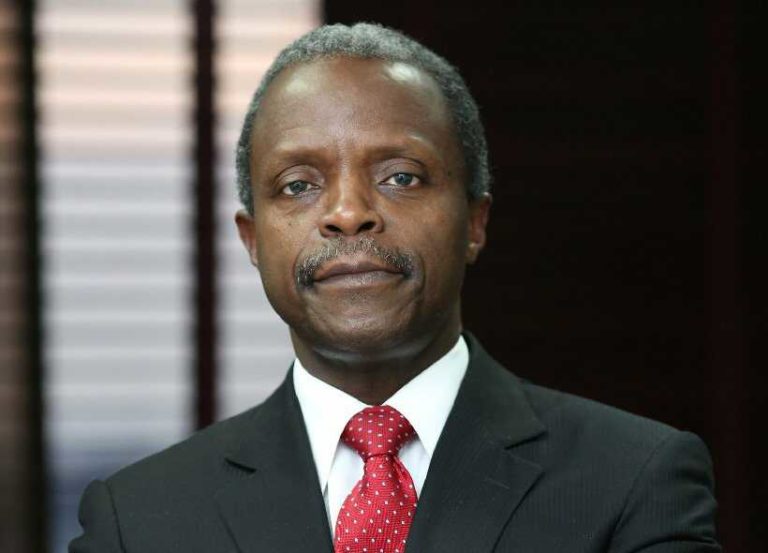
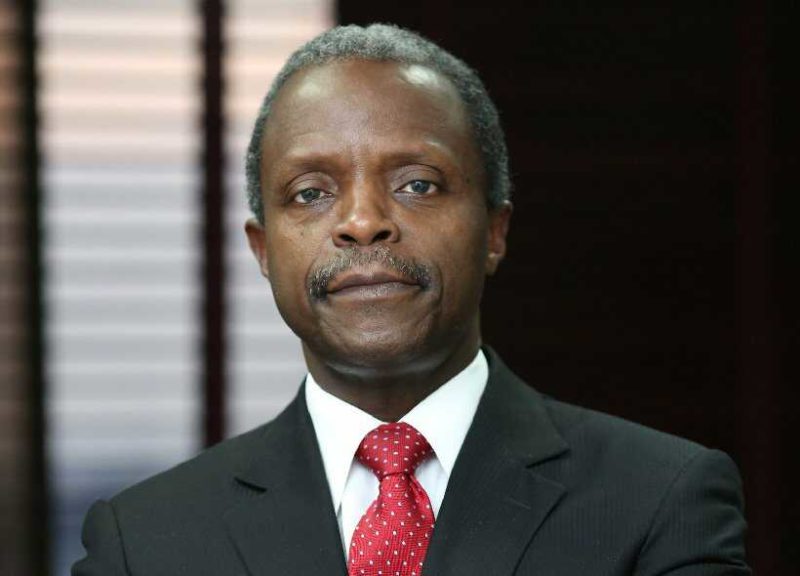
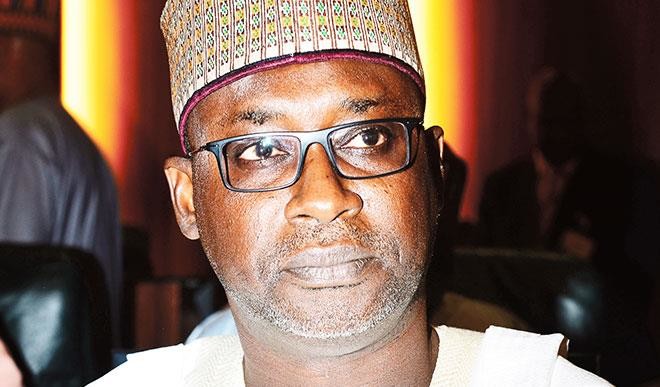
The development, deployment and transfer of locally relevant climate technologies remain the best solution to climate change challenges, the Acting President, Prof. Yemi Osinbajo, has said.
Vice President of Nigeria, Prof Yemi Osinbajo
The Office of the Vice-President said Osinbajo made the statement on Friday, August 3, 2018 at the inauguration of the Nigeria Climate Innovation Centre (NCIC) situated at the Enterprise Development Centre of the Lagos Business School.
Mr Laolu Akande, the Senior Special Assistant to the President on Media and Publicity, Office of the Vice-President, made Osinbajo’s view known in a statement on Saturday.
The Nigeria Climate Innovation Centre is a public-private partnership involving the Federal Government, the World Bank Group and the Pan-Atlantic University.
The Centre provides holistic, country-driven support to accelerate the development, deployment and transfer of locally relevant climate and clean energy technologies.
Osinbajo said the task of advancing climate action was crucial, especially for Nigeria, in the view of the challenge of climate change and the need for the adoption of an innovative approach.
“The pressure for livelihoods and food for a huge population will put tremendous pressure on natural resources and the implications for climate change will be dire indeed.
“The creation of an enabling environment for climate-smart businesses to thrive is simply the only way to go,’’ he said.
Osinbajo said he had visited several start-ups, technology hubs and innovation spaces around the country and seen innovativeness, creativity and drive of Nigerians.
He said Nigerians were “constantly developing and deploying solutions in many sectors’’, including “agriculture, health, transport, security, climate action and many more locally relevant climate technologies’’.
According to him, one of the key sectors where there is potential for high impact interventions by green technologies is the off-grid solar sector.
Osinbajo said the Solar Home Project and Energising Economies Initiative were some of the private-sector-driven efforts targeted at providing off-grid power to homes, markets and economic clusters across the country.
He said that so far, 13,000 shops at Sabon-Gari Market in Kano were currently being powered through high-capacity stand-alone solar systems.
He said more were expected to come on stream soon at the Ariaria Market in Aba, Sura Market in Lagos, and other markets in Oyo, Edo and Ondo states.
The acting president challenged the new climate Centre to develop and deploy technology and expertise required to deliver clean energy in areas prone to oil pollution and other related hazards.
According to him, the innovation Centre must seek to develop the technology and expertise required to deal with the oil spill challenge in the Niger Delta region.
He said the Federal Government was investing considerably in Liquified Petroleum Gas (LPG) to help overcome challenges and risks brought about by using kerosene and firewood in homes.
Osinbajo tasked the NCIC team to come up with innovation in smart cooking equipment that could utilise LPG in the most efficient manner.
The acting president urged stakeholders in the off-grid power sector to take advantage of the Green Bond issued by the Federal Government and the opportunities provided at the newly inaugurated climate Centre to fund their projects.
“It provides a platform to attracting or unlocking venture financing and private equity funds for climate-smart businesses and Nigerians providing climate-smart solutions,’’ Osinbajo said.
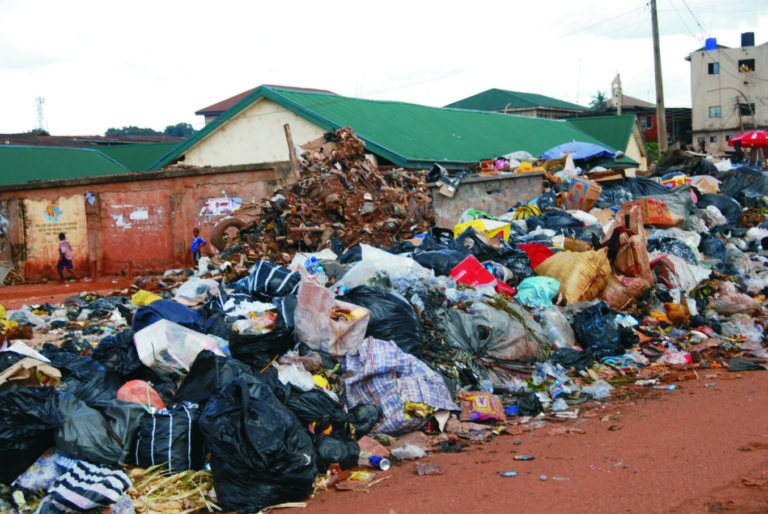
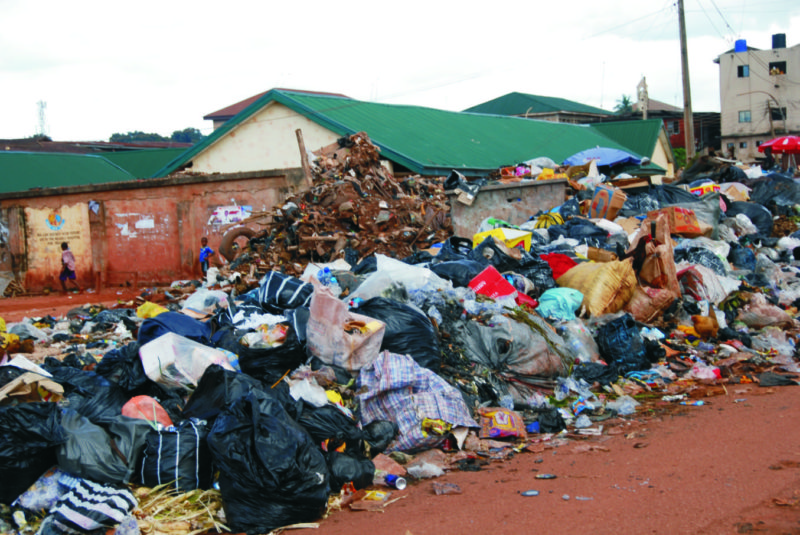
The Irepodun Local Government Authority in Kwara State on Sunday, August 5, 2018 expressed concern on the dangers associated with indiscriminate dumping of waste in public places on human and the environment.
Waste disposal and management have posed a major challenge to authorities in major cities in Nigeria
Mrs Mary Abejide, Head, Environmental Unit at the council, told the News Agency of Nigeria (NAN) in Omu-Aran that the sad development was posing great risk to the remote villages and communities in the area.
She said that the menace which had assumed an alarming proportion was putting extra pressure on the local authority’s efforts toward ensuring a clean and healthy environment.
Abejide said that some nursing mothers and women had formed the habit of indiscriminate dumping of baby nappies and menstrual pads in gutters, sewage and other public outlets.
She also blamed operators of hospitals and clinics for lacking proper waste disposal measures, thereby putting the lives of the residents in danger.
According to her, such ugly trend negates the government’s policy on Safe and Clean Environment.
Abejide said that the development accounted for some of the streets within the metropolis being overtaken and littered with used water plastics, dirt and other waste materials.
She listed some of the effects of indiscriminate dumping of waste to include outbreak of communicable diseases, air and environmental pollution as well as blockage of drainage and flooding.
Abejide, however expressed satisfaction with the recently-concluded environmental sensitisation, organised by the council, saying the cooperation of the stakeholders had helped the department in meeting its target populace.
She said the act of keeping the environment clean was no more limited to the government, calling for a Public Private Partnership in ensuring a safe and clean environment.
“We cannot continue to wait for government before contributing our quota as responsible citizens to make our environment safe and conducive for living.
“It is the duty of every individual and organisation to ensure maintenance of a safe and clean environment at all times to prevent unwarranted health hazards,’’ Abejide said.
The greatest global challenge today, especially in Africa is how to make our food more sustainable by 2050. In Nigeria, as in many other African countries, food security and nutrition remain a critical challenge. Production constraints like inversion of insects/pests and diseases, inadequate rainfall and poor quality of agricultural input are some of the major contributors to low agricultural output. Despite the clear link between agricultural productivity and malnourishment, there were uncertainty and confusion in many of government responses to a wide range of agricultural, health, social, economic and environmental issues associated with the application and regulation of modern biotechnology in agricultural practice. Thus, many African countries were reluctant to approve the use of genetically engineered (GE) crops as their governments are juxtaposed between the opponents and proponents of the technology.
Varieties of the Bacillus thuringiensis cotton (Bt. Cotton) on display
In the third decade of the launch of modern biotechnology came a new era for genetically modified organisms (GMOs) in Nigeria as she commercialises some of its GMO products in line with global standards. On Thursday, July 26, 2018, the National Committee on Naming, Registration and Release of Crops, Livestock/Fisheries varieties at the National Centre for Genetic Resources and Biotechnology (NACGRAB) released and registered some biotechnological improved varieties at its 26th meeting at Moorplantion, Ibadan, Nigeria.
The newly released and registered products include; two transgenic hybrid cotton; MRC 7377 BG11 and MRC 7361 BG11 with outstanding qualities of high yield of 4.4 and 4.1 respectively per hectare and resistance ability to diseases. They were developed by Mahyco Nigeria Pvt. Limited in collaboration with the Institute for Agricultural Research, Ahmadu Bello University, Zaria. The chairman of the committee, Chief Awoyemi said that the Bacillus thuringiensis cottons (Bt. Cotton) were released and registered as an approved improved variety for the use of farmers as it has been tested not injurious to both human and animals. Chief Awoyemi remarked that the release and registration of GM cotton is revolutionary to the agricultural development of the country as it would lead to the future adoption of the GM technology in Nigeria food crops.
This is the first ever officially approved GMO product in Nigeria for use by farmers and Nigerians are delighted as the world celebrates Nigeria’s entrant as the 14th cotton grower nation of the globe like India, Mexico, Pakistan, Australia, China, Columbia, Costa Rica, Myanmar, South Africa, USA, Brazil, Paraguay and Argentina. Nigeria is now the 7th African country to commercialise GMO products after South Africa, Kenya, Sudan, Zimbabwe, Burkina Faso and Malawi.
Also released and registered in the livestock sub-sector is the FUNAAB Alpha chicken with principal breeders including Prof. (Mrs) O. A. Adebanbo of the Federal University of Agriculture, Abeokuta. It was approved based on its ability to adaptability to the production environment of local rural farmers with performance characteristics of body weight, live weight at the end of lay, high egg lay and weight which surpass those of the existing Nigerian local chicken. Others that are released and registered are listed as follows – one Soybean variety (SC-SL01), five maize hybrids (P4226, P3966, P4063, WE3205 and DKB350), three groundnut varieties (SAMNUT 27, SAMNUT 28 and SAMNUT 29), two maize varieties (AMANA-1 and AMANA-2), one sweet potato variety (Solo gold), three Sorghum varieties (SAMSORG 47, 48, 49), and two Cowpea varieties (SAMPEA 18, 19).
In her remarks, Dr Rose Gidado, the country representative of Open Forum on Agricultural Biotechnology (OFAB) Nigeria, expressed confidence in the adaptation of biotechnology. She said that the development signals better things to come in agricultural sector and stressed that it would fast track development of commercial farming in Nigeria especially in the textile industry. The acting Director General/CEO of the National Biotechnology Development Agency (NABDA), Prof. Alex Akpa, at a press conference on Friday, July 27, 2018, in Abuja, said that this official registration of these biotechnological products marked their entry into the nation’s agricultural system.
Recall that the government of Nigeria recognised biotechnology as a reliable technology for sustainability in agricultural practices and capable of delivering economic, social and environmental benefits. About two decades ago, the Federal Executive Council (FEC) approved the National Biotechnology Policy on April 2001 and later in November 2001 established the National Biotechnology Development Agency (NABDA), for its implementation. FEC also approved the Biosafety guidelines same 2001, to enhance research and development of Genetically Modified Organisms (GMOs) and the regulation of the modern biotechnology in the country. The National Biosafety Management Agency (NBMA) was eventually established in April 2014 and saddled with the responsibility of implementing biosafety regulations.
Despite government disposition to explore the gains of biotechnology in national development, various social and political considerations led to unjustified delays in the approval process of these crops, resulting in the bizarre situation where technologies that increase consumer and producer surplus fail to reach the market. The anti-GMO activists turned scientific issues into moral, cultural and ideological debates; systematically manipulating science and creating alternative facts to distort science to create fears and despondency on the perceived health and environmental risks of modern biotechnology. They held tenaciously to the belief that our agricultural and food systems are compromised and corrupted and were ardently committed to forging erroneous notion and pedalled unscrupulous concerns and perceptions to imperil acceptability.
Contrary to their anticipation, advances in science have accelerated development for decades, including the application of biotechnology in agriculture, to improve overall livelihood, productivity and food security. For about three decades, biotechnology have been globally offered as alternative to address the onslaught of pests and diseases, the vagaries of weather and other challenges to growing crops and breeding livestock, because of its higher economic and yield benefits and dramatic reduction in pesticide use. Several new crops have been developed to address important traits of relevance to smallholder farmers in through genetic modifications by our Nigeria Scientists like their global counterparts.
The truth is that our primitive agricultural practices are facing various challenges and from global experiences, Science, Technology and Innovation (STI) hold the key to overcoming these challenges. Government appreciates the fact that STI are contributing effectively to improve the value chain in the global food system especially in emerging economies like Nigeria.
In his remarks during the OFAB Nigeria Media Award on August 1, 2018, Mr Bitrus Bako Nabasu, who represented the Minister of the Federal Ministry of Science and Technology, Dr. Ogbonnaya Onu, stated: ‘’The Federal Government has recognised that, globally, STI are shaping development and the way people think and act, hence the recent decision to increase funding for research and development in the country. As a country, we must encourage our Scientist to continue to work for the good of the country and the people.
‘’Government has demonstrated its determination to make STI the hub on which the wheel of development revolves. The establishment of the NABDA over two decades ago to prepare the ground for the deployment of modern biotechnology in all sectors of the economy; health, environment, industry, agriculture is a testimony of government’s deliberate efforts to use STI to boost food production, ensure affordable healthcare delivery system, make available industrial raw materials and establish a sustainable environment in the country. These institutes must be encouraged to carry out their mandates to ensure that the country attains food sufficiency in food production,” he added.
As the support for modern biotechnology continues to grow, it is being mainstreamed gradually to add value into the country’s agricultural sub-sector. Dr. Ebegba of NBMA has severally said that the country is ripe for commercialisation of safe Genetically Modified (GM) products. “Global Status of Commercialized Biotech/GM Crops: 2016” demonstrated the long-standing benefits of biotech crops for farmers in developing and industrialised countries, as well as consumer benefits of approved and commercialised varieties. We should therefore realise that the eras of distractions are gone, and Nigeria has been liberated from isolation from Science. Our joy is that at last, Science Prevailed and we shall ensure that it excels beyond the 25-year-old biotechnological modifications.
By Edel-Quinn Agbaegbu (Executive Director of Every Woman Hope Centre (EWHC), an Abuja-based non-governmental organisation, and Secretary of National Biosafety and Biotechnology Consortium (NBBC))
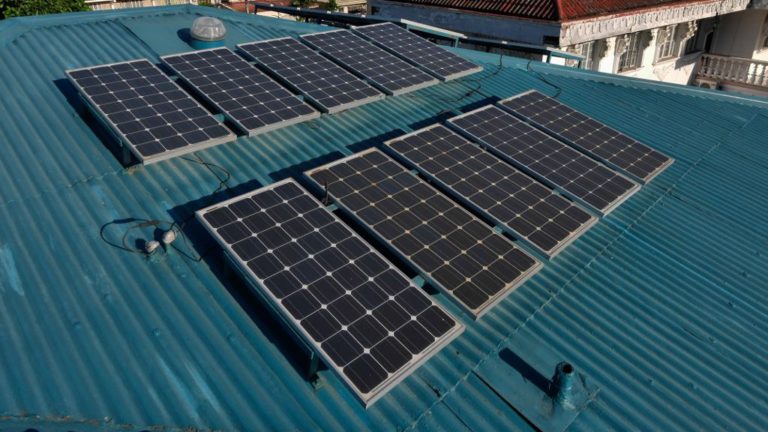
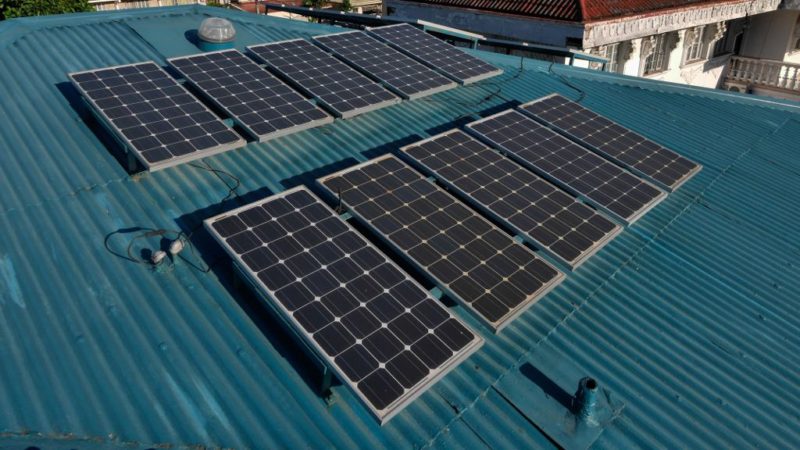
An environmentalist, Mr David Michael, on Sunday, August 5, 2018 urged the Federal Government to intensify efforts in increasing the production and supply of renewable energy in the country.
Rooftop solar power
Michael, who is also an Executive Director, Global Initiative for Food Security and Ecosystem Preservation, an NGO, made the call in an interview with the News Agency of Nigeria (NAN) in Abuja.
He expressed optimism that renewable energy would replace carbon-intensive energy sources and significantly reduce emissions.
According to him, renewable energy is an alternative source of energy that is free of carbon emission.
He enjoined Federal Government and other relevant stakeholders to explore many positive impacts of clean energy, including the benefits of wind, solar, geothermal, and hydroelectric and biomass.
“These renewable energy sources can address many carbon emissions such as greenhouse gases that trap heat and make the planet warmer.
“Human activities are responsible for almost all of the increase in greenhouse gases in the atmosphere over the last 150 years.
“The largest source of greenhouse gas emissions from human activities is from burning fossil fuels for electricity, heat, and transportation.
“Greenhouse gas emissions from transportation primarily come from burning fossil fuel for our cars, trucks, ships, trains, and planes,” he said.
The environmentalist said that over 90 per cent of the fuel used for transportation was petroleum-based, including gasoline and diesel.
“Human activity is overloading our atmosphere with carbon dioxide and other global warming emissions.
“These gases act like a blanket, trapping heat. The result is a web of significant and harmful impacts, from stronger, more frequent storms to drought, sea level rise, and extinction.
“In contrast, most renewable energy sources produce little to no global warming emissions; life cycle emissions of clean energy are minimal.”
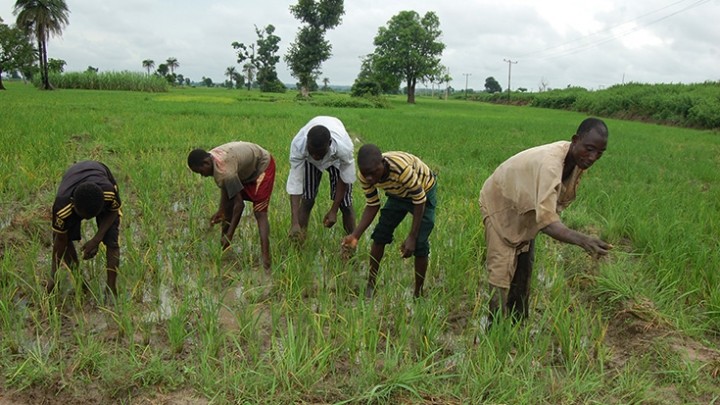
An Agriculture Extension Officer, Mr Joseph Aboyeji, has advised farmers in the country to embrace dry season farming as a way of improving production and increase their income.
Farmers
Aboyeji gave the advice in an interview with the News Agency of Nigeria (NAN) at Omu-Aran in Irepodun Local Government Area of Kwara on Sunday, August 5, 2018.
He also said that dry season farming would promote all-year round farming, reduce poverty and food insufficiency.
Aboyeji said the Federal Government Growth Enhancement Scheme (GES), under the Agriculture Transformation Agenda (ATA) was a veritable platform to achieve success, regarding dry season farming.
He noted that with GES, the envisaged increase in production and income of farmers would be achieved, adding that beneficiaries under the scheme would have unhindered access to highly subsidised farm inputs.
Aboyeji, however, called on the Federal Government to exhibit strong political will and accord top priority to promoting dry season farming.
The agriculturalist said that potential dry season farmers required adequate fund to achieve all-year round farming.
According to him, the late and inadequate rainfall being experienced since the beginning of the year had posed serious challenges to farmers in meeting up with their food production target.
Aboyeji, who noted that dry season farming was capital intensive, called for more adequate budgetary allocation for the sector to reduce poverty and unemployment.
The agriculturalist said the decline in the global crude oil price should be enough reason for the authority to give the sector the necessary attention.
“I think it is time for the Federal Government to increase its budget provision for agriculture, especially dry season farming.
“There are lots of expectations from all tiers of government to turn around the socio-economic fortune of the country by utilising our God-given land and natural resources for our own benefit.
“With increase in production of crops like rice, wheat, sorghum and vegetables, this will go a long way to complement the wet season harvest and output in meeting up with the desired target.
“Dry season farming, if well planned and implemented, would allow for all-year round farming and is capable of solving the nation poverty and food insufficiency,” Aboyeji said.
He also called for the provision of modern storage facilities and markets to assist farmers actualise their high production target and income.
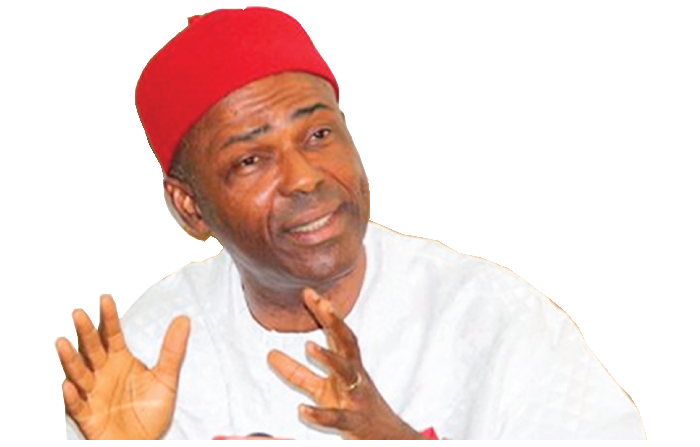
Minister of Science and Technology, Dr Ogbonnaya Onu, said President Muhammadu Buhari has approved the establishment of an agency on robotics and artificial intelligence (AI) for the southeast.
Dr. Ogbonnaya Onu, Minister of Science and Technology
Onu revealed this at a grand rally of the All Progressives Congress in Abakaliki, capital of Ebonyi State. The rally which received defectors from the Peoples Democratic Party, was attended by the national chairman of the party, Adams Oshiomhole.
Some of the defectors who were received include, Senator Sonni Ogbuoji, former Minister of Power and Steel, Chief Goddy Ogbaga, former Secretary to the State Government, Bernard Odoh and former attorney general and commissioner for justice, Chief Augustine Nwankwegu.
Onu told the rally that in 2015 he pleaded with southeast not to put its eggs in one basket, but his pleadings fell on deaf ears.
“In 2015 I pleaded with the zone not to put our eggs in one basket. Today I want them to compare the 16 years of PDP and relate it with just three years of APC.
“The three years of APC is greater than the 16 years of the People’s Democratic Party (PDP); the second Niger bridge is nearing completion, the Enugu-Port-Harcourt and Enugu-Onitsha highways are in various levels of completion,” he said.
“The time has come for the southeast to be in the mainstream of Nigerian politics by voting for President Buhari and APC in 2019”.
APC chairman Adams Oshiomhole said that the current security challenge in the country was devoid of religious or ethnic colouration.
Oshiomhole therefore urged Nigerians not to allow themselves to be deceived by the antics of selfish politicians in the country who are trying to give the security challenges in the country an ethnic colouration to score cheap political points.
According to Oshiomhole, there is a plot to paint the government of President Muhammadu Buhari in bad light by portraying all the killings in some states in the country as the handiwork of herdsmen.
“Let me urge you to be more careful because in this season people are spreading untruth. People are being hired to turn the gospel upside down. They want us to believe that every problem should be explained in ethnic and religious terms.
“We have a problem and we must confront those problems. Criminals must be dealt with individually as criminals. Government at all levels must work hard to protect every Nigerian regardless of tribe or religion, ” he said.
He said Buhari and the security agencies are working hard to put an end to the security challenges facing the country.
Oshiomhole urged the people of the southeast to vote for APC and President Buhari in the 2019 general election as he has delivered democracy dividends to the zone.
” If Buhari has remembered the southeast which did not give him more than 10 percent in 2015, imagine what he will do if you give him 85 per cent in 2019″.
Former Governor of Abịa State, Dr Orji Uzor Kalu said the new River Niger bridge, which the PDP could not construct in 16 years, has now reached 53 per cent completion.
According to him, the southeast will give the President and APC majority of its votes in 2019 in appreciation for all the projects and democracy dividends he has given the zone.
The rally earlier scheduled to hold at the Pa Oruta Ngele Stadium Abakaliki was later moved to a a playground near the Enugu-Abakaliki Expressway following the refusal of the state government to grant the APC permission to use the stadium.
The Africa Oil & Power (AOP) has concluded arrangements to host Secretary Generals of the Organisation of the Petroleum Exporting Countries (OPEC), the Gas Exporting Countries Forum and the International Energy Forum at the 3rd Annual flagship conference.
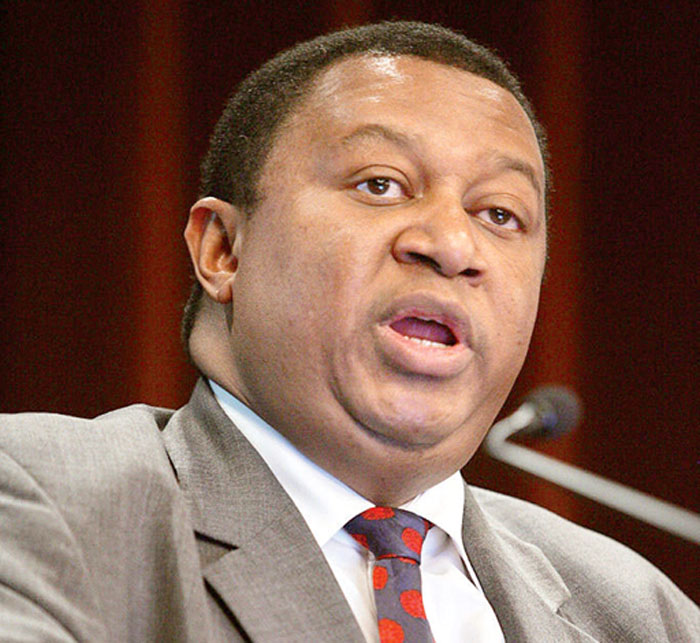
Secretary General of OPEC, Mohammad Sanusi Barkindo, will be honoured at the conference
The conference, scheduled to hold from September 5 to 7, 2018 in Cape Town, South Africa, will host top-level discussions as the energy coalitions across the globe will pivot to Africa amid a wealth of opportunities in the continent’s oil and energy sector.
According to a statement issued by the Chief Executive Officer of AZ Media Agency, Ms. Aziza Albou Traore, the AOP flagship conference will honour the Secretary General of OPEC, Mohammed Sanusi Barkindo, as “Africa Oil Man of the Year”.
“It will also unite Barkindo with the Secretary General of the Gas Exporting Countries Forum, Yury P. Sentyurin; Secretary General of the IEF, Dr. Sun Xiansheng; and the Secretary General of the APPO, Mahaman Laouan Gaya, on an elite panel discussion about Energy Coalitions – the theme of the conference,” she stated.
According to her, “the GECF and OPEC, in particular, have drawn new energy from Africa, with Equatorial Guinea set to host the Gas Exporting Countries Forum in Malabo in 2019 and several new African countries joining OPEC in the last two years,” Albou added.
Seventeen of Africa’s top ministers that will participate in on-stage panel discussions have been confirmed to attend the conference. “Two Ministers’ Insights panels will set the tone for panels on upstream development, the status of mega-projects in Africa, the gas economy, renewables in the energy mix, trading and finance,” Albou said.
The ministers that are billed to attend the conference include: Jeff Radebe, Minister of Energy of South Africa; Gabriel M. Obiang Lima, Minister of Mines and Hydrocarbons of Equatorial Guinea; Ezekiel Lol Gatkuoth, Minister of Petroleum of South Sudan; Pascal Houangni Ambourouet, Minister of Petroleum and Hydrocarbons of Gabon; Abdirashid Mohamed Ahmed, Minister of Petroleum and Mineral Resources, Somalia; Ernest Gbwaboubou, Minister of Mines, Industry and Technological Development of Cameroon; Foumakoye Gado, Minister of Petroleum, Niger; and Jean Marc Thystère Tchicaya, Minister of Hydrocarbons, Republic of the Congo.
Others are Charles Keter, Cabinet Secretary for Energy and Petroleum of Kenya; Mansour Elimane Kane, Minister of Petroleum and Energy, Senegal; Dona Jean-Claude Houssou, Minister of Energy, Water and Mines, Benin; Marc Dederiwe Abli-Bidamon, Minister of Mines and Energy, Togo; Dr. Dhieu Mathok Diing Wol, Minister of Energy and Dams, South Sudan; Serge Blaise Zoniaba, Minister of Energy, Republic of the Congo; and Fafa Sanyang, Minister of Energy and Petroleum, The Gambia.
Albou added that Africa’s premier platform for networking and deal-making in the energy sector would feature more than 70 of Africa’s leading decision makers as speakers.
These include Torbjörn Törnqvist, CEO, Gunvor Group; Dr. Benedict Okey Oramah, President and Chairman of the Board of Directors of Afreximbank; Dr. Oliver Quinn, Director, Africa and Global New Ventures of Ophir Energy; Andre Wepener, Head of the Power & Infrastructure Finance team at Investec Bank; and Robin Sutherland, General Manager New Ventures Africa of Tullow Oil.
Others are Tope Shonubi, Co‐founder and Director of Sahara Group; Steve Jenkins, Chairman of Savannah Petroleum; and Russell Hardy, Group CEO of Vitol.
The World Health Organisation (WHO) has raised the alarm that cases from the resurgent Ebola outbreak in the Democratic Republic of the Congo (DRC) are expected to rise in the coming days.
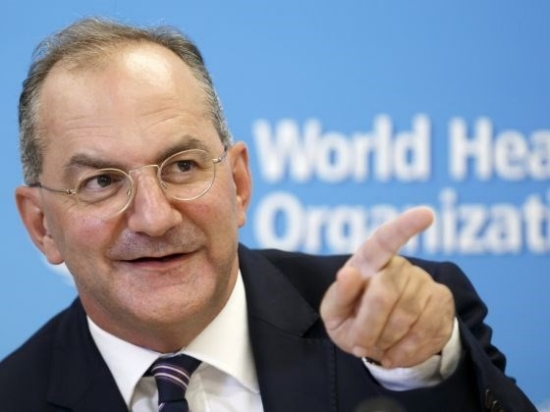
Peter Salama, WHO’s Deputy Director-General of Emergency Preparedness and Response
WHO’s Deputy Director General of Emergency Preparedness and Response, Dr Peter Salama, said in Geneva that there had been around 20 deaths because of the Ebola virus.
Salama also said protecting vulnerable people in eastern DRC from the latest Ebola Virus outbreak was going to be “very, very complex”, given the huge logistical challenges and ongoing conflict there.
The WHO emergency preparedness and response chief said: “We know for example that there have been around 20 deaths. We can’t at this stage confirm whether they are all confirmed or probable Ebola cases.
“We expect however that the overall case count will rise in coming days to weeks, based on the trajectory of epidemics at this stage in their development.”
Salama said that WHO was unaware of the public health emergency in North Kivu province when the UN agency a week ago declared the last Ebola episode over.
The outbreak on the western side of the country in June, infected dozens, and led to 33 deaths, but in spite of several cases appearing in a major city on the Congo River, it was fully contained after a massive international and national response.
The top WHO official said that there was “no evidence” to suggest a link between the two outbreaks, although it appeared “very likely” that they shared the same deadly Zaire strain.
“The death toll from the current Kivu episode is likely to rise,” the WHO official said, adding that the alert was raised on July 25 after a woman and many members of her immediate family died after exhibiting symptoms consistent with Ebola.
“That event appears to have been a woman who was admitted to hospital around Beni, and on discharge had recovered from the original complaint.
“After leaving however, she came down with a fever and other symptoms that were clinically consistent with Ebola, and later on, seven of her direct relatives also contracted the disease,” he added.
Salama explained how longstanding conflict in Eastern DRC – involving more than 100 armed groups in the Kivu area and elsewhere – created an additional level of difficulty in trying to contain the deadly disease.
In the first week of February 2018 alone around Beni, attacks displaced more than 2,200, in addition to 1,500 displaced at the end of January.
In the Djugu Territory to the south of North Kivu, inter-ethnic violence led nearly 30,000 to flee their homes to the provincial capital Bunia, at the beginning of 2018.
“It’s going to be a very, very complex operation,” he said, noting that the vast country is home to the UN’s largest peacekeeping operation, the UN Stabilisation Mission in the DRC.
One million of the province’s eight million inhabitants are displaced and getting access to some of those in danger of coming into contact with Ebola, will require an armed escort in some cases, the WHO official explained.
There is also the additional threat that those fleeing violence may also head into nearby Uganda, Tanzania and Burundi, taking the infection with them, Salama said, noting that additional surveillance measures are being implemented at crossing points.
“On the scale of difficulty, trying to extinguish a deadly outbreak pathogen in a war zone is at the top of the scale,” he added.
In the most recent Ebola outbreak, a key part of the emergency response involved tracing anyone who had come into contact with suspected carriers of the disease, he said.
WHO staff could travel hundreds of miles on a motorbike to do this vital work, but this is likely to be much more difficult in view of the high level of insecurity in the Kivus.
One immediate priority is to confirm whether the latest outbreak involves the Zaire strain, since this can be treated with the same vaccine that was employed in Equateur province.
“It’s good news and it’s very bad news. The bad news is that this strain of Ebola carries with it the highest case-fatality-rate of any of the strains of Ebola, anywhere above 50 per cent and higher, according to previous outbreaks.
“So, it’s the most-deadly variant of the Ebola virus strains that we have, that’s the bad news. The good news is that we do have – although it’s still an investigational product – a safe and effective vaccine, that we were able to deploy last time around,” Salama said.
Local and national authorities are making uneven progress towards achieving Sustainable Development Goal (SDG) 11 of making cities safe, inclusive, resilient and sustainable by 2030.
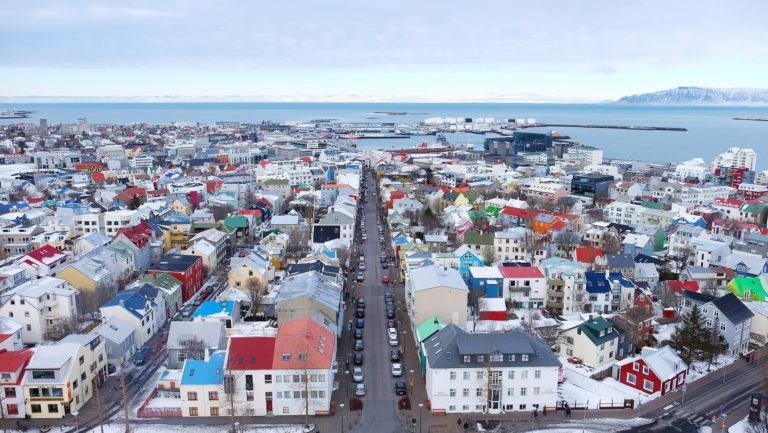
Reykjavik, Iceland is powered by 100% renewable electricity
That is the conclusion of a new report by the United Nations Human Settlements Programme (UN-Habitat) and partners tracking the progress made since the SDGs were adopted in 2015 and the challenges encountered. It coincided with the first review of SDG 11 at the High Level Political Forum – the main United Nations platform on sustainable development which reviews the 2030 Agenda for Sustainable Development including the SDGs.
UN Member States adopted Sustainable Development Goal 11 in 2015 – the first time that cities and urban development were given a standalone goal. Several other SDG goals are directly connected to urbanization including water and sanitation, affordable and sustainable energy, environment and sustainable consumption.
“Urbanisation is one of the most important issues when it comes to sustainable development. We must make sure we do it right if we are to achieve the SDGs and move towards a world where we see an end to poverty, the protection of our planet and everyone enjoying peace and prosperity,” said Ms Maimunah Mohd Sharif, Executive Director of UN-Habitat. “Cities are the spaces where all SDGs can be integrated to provide holistic solutions to the challenges of poverty, exclusion, climate change and risks.”
With the current rate of expansion, more than 700 cities will have populations of over 1 million by 2030. Without proper planning and regulation, this could lead to soaring levels of poverty, crime, pollution and sickness due to expanding slums, lack of clean water and sanitation, congested roads and few or no safe open spaces. Humanitarian crises, climate change-related disasters, conflict and migration are also closely related to cities.
However, cities and towns, where half the world’s population now live, can be power houses of economic growth and development. And that can mean an improved quality of life for everyone. No country ever reached middle income status without being urbanized and cities generate around 70 per cent of global GDP.
The Synthesis Report shows that the proportion of those in urban areas who live in slums is decreasing – which points to significant progress being made in providing decent housing and moving people out of informal settlement.
However, with the global population growth, the total number of people living in slums and informal settlements has increased from 807 to 883 million from 2000 to 2014. Housing is increasingly unaffordable for large swathes of the population with those in Africa particularly badly affected. Air pollution is on the rise and although the provision of public transport is rising, it is still inadequate. Cities are growing at a faster rate than their population – leading to higher costs for infrastructure, more traffic and more pollution.
SDG 11 is also linked to the empowerment of women and girls through access and safety in public spaces, use of basic infrastructure and participation in local governance and decision making.
“By ensuring cities are also planned for women, urbanization can be a true transformative force, that challenges inequality and creates an enabling environment, where everyone can realise their own potential,” said Ms Sharif, UN-Habitat Executive Director.
The report found significant challenges in data collection and analysis for many of the indicators, especially as most did not feature in the Millennium Development Goals and are being tracked for the first time. UN-Habitat is taking the lead in nine out of 15 indicators in SDG 11.
The Federal Government has directed River Basin Development Authorities to embark on routine dredging of rivers and water channels to boost agriculture.
Suleiman Adamu, African Water Facility (AWF) Chair and Nigeria’s Minister of Water Resources
Alhaji Sulieman Adamu, Minister of Water Resources, gave the directive on Thursday, August 2, 2018 in Wachakal, Yobe State, while launching the dredging of the Kumadugu-Yobe tributary.
He said the measure became necessary to meet the target of President Muhammadu Buhari administration’s self-sufficiency in food production.
Adamu said the availability of water would enhance massive agricultural production for food security, employment opportunities and economic recovery.
The minister also directed Lake Chad Basin and Hadejia/Jama’are River Basin to dredge water sources in their areas.
He assured Nigerians that government would find lasting solution to the menace of Typha grass on rivers which had hindered flow of water to the downstream.
Senate leader, Ahmad Lawan, said the failure to dredge the river in the last 25 years had grossly reduced water flow and agricultural production in the affected communities.
According to the lawmaker, the water flow has improved with the commencement of the dredging, adding that the surrounding communities have re-engaged in farming, fishing and livestock.
“Our people have massively gone back to farming, fishing and livestock.
“This administration believes in giving people means of livelihood, self-reliance and economic independence to liberate the people from clutches of poverty.
“In Yobe North, we have seen the change promised to us by the APC administration; it has been delivered to the people,” he said.
Emir of Bade, Alhaji Adamu Umar-Sulieman, said Yobe-Kumadugu River contributed 1.7 per cent of water to Lake Chad but added the volume reduced due to siltation.
The emir, therefore, urged the supervising ministry to ensure the prompt dredging of the river to improve water flow, food production and security.