A former Minister of Power, Prof. Bart Nnaji, has says Nigeria urgently needs scientific breakthroughs to drive sustainability for a better future.
Nnaji, a Professor of Robotics and Engineering, said this at the 2025 Nigeria Prize for Science (NPS) Roadshow, with the theme, “Innovation in ICT, AI and Digital Technologies for Development” on Tuesday, December 9, 2025, in Abuja.
The NPS is sponsored by Nigeria LNG Limited (NLNG), in partnership with Ventures Park.
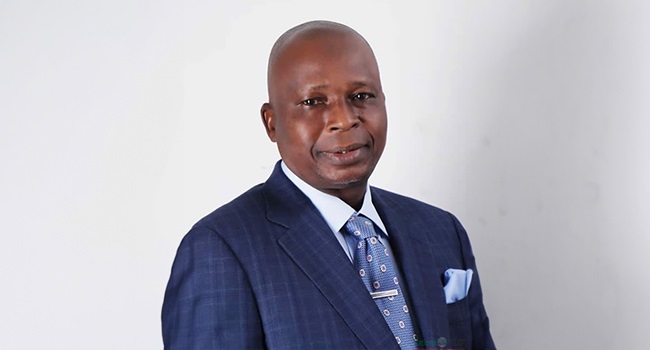
Prof. Bart Nnaji, former Power Minister
Nnaji, who is the Chairman, Advisory Board for NPS, said that, since its establishment, it had stimulated Nigerians’ potential to contribute to knowledge and fundamental advancemwent in different aspects of life.
He said that NLNG established the prize in 2004 to stimulate interest in scientific research and the innovation of solutions to social problems, and to create tangible improvement in the everyday life of Nigerians.
“We need innovation, not as a luxury, but as a lifeline. We need knowledge that solves problems, ideas that spark transformation and research that directly improves lives and livelihoods.
“It is within this context that the NPS becomes a national rallying point for thinkers, researchers and innovators who can reshape our technological advancement and general wellbeing.”
The former minister said that submissions were reviewed annually with rigorous standards, adding that the judging process is guided by evidence, functionality, applicability, demonstrable impact and long-term value.
“That standard is non-negotiable, as excellence is in this process.
“This prize is evaluative. It recognises solutions that have achieved discernible impact, that endure, scale, and translate into measurable benefit for our society,” he said. .
He said that one hundred and twelve submissions were received for the 2025 cycle with each entry undergoing multi-layered evaluation criteria.
According to him, the criteria includes academic track record, quality, recognition, uniqueness, innovation, impact, commercialisation, soundness and patent.
“Unfortunately, the 2025 edition produced no winner.
“I urge those who submitted works not to feel discouraged. They should see it as a calibration, as great science requires refinement, iteration and patience.
“Some may hear this and think of absence or failure, but for us, it represents something important.
“It is an opportunity to dig deeper. It also shows our commitment to scientific excellence is rational and real,” he said.
“When a year produces no winner, it is not because there is no intelligence in Nigeria or even in the broader world; it is because the Advisory Board chooses not to lower the bar. This is how credibility is preserved. Scientific recognition must be earned.
“To those who submitted work this year, I say do not see this as discouragement, see it as calibration. Great science often requires refinement, iteration, and patience,” he said.
The General-Manager, External Relations and Sustainable Development, NLNG, Dr Sophia Horsfall, said that Nigeria needed more hands, minds and passion in the science and technology space.
Horsfall said that that the NPS had recognised Nigerian scientists whose work goes beyond theory and actually solved real problems by benefitting humanity.
She said that the NPS had consistently celebrated and rewarded excellent research findings in innovations in healthcare, to energy generation and conservation, agriculture, climate change, and optimisation of artificial intelligence.
“It is one of the few prizes in the country and the most prestigious in sub-Saharan Africa that places science at the centre of national conversation.
“It determines our competitiveness as a nation and our ability to create jobs, improve education, strengthen infrastructure and protect our environment.
“This roadshow goes beyond awareness. It is a call to action.
“We want you to see this Prize as an open invitation to bring forth ideas and innovations that have the power to transform lives directly and positively,” she said.
Earlier, the General-Manager of Ventures Park, Ifeanyi Iloh, said that the future of Africa would be built through creativity and innovation.
Iloh said that it was not a one-off event but a culture, lifestyle and a continuous process of discovery, experiment and bold ideas.
The NNPC E&P Limited (NEPL), the flagship upstream subsidiary of NNPC Ltd., has on Dec. 1, 2025, achieved a record production level of 355,000 barrels of oil per day (bpd).
According to the company, the production was the highest daily output since 1989.
The milestone marked a significant step forward for Nigeria’s upstream sector and reflected the company’s ongoing transformation anchored on efficiency and discipline.
Bayo Ojulari, GCEO, National Petroleum Company (NNPC) Limited
Speaking on the development, Mr. Bashir Ojulari, the Group CEO of NNPC Limited, in a statement on Tuesday, December 9, 2025, said the milestone was a proof that Nigeria’s energy revival was not a dream, but a reality.
Ojulari said the figures showed genuine transformation, adding that average daily production surged by 52 per cent, rising from 203,000 bpd in 2023 to 312,000bpd in 2025.
“This record growth is no coincidence; it stems from a clear strategy anchored on operational excellence, strong asset management, and structured field development.
“NEPLs performance demonstrates that with the right leadership, strengthened systems, and a committed workforce, Nigeria’s upstream sector can overcome years of instability.
“The achievement converts national ambition into measurable momentum.
“The presidential targets of two million bpd by 2027 and three million by 2030 have often appeared aspirational. NEPLs delivery brings them closer to reality.
“By showing its ability to exceed its own production benchmarks, NEPL confirms that the essential building blocks for scaling national output are being firmly established,” he said.
The GCEO said the achievement signalled that the machinery of production equipment, processes, capabilities, and partnership could be driven with commercial discipline to produce real and positive outcomes.
He said that the achievement reinforced confidence nationally and across the global energy landscape, assuring partners and investors that Nigeria was committed to reaffirming its role as a dependable energy supplier.
Also speaking, Udy Ntia, the Executive Vice President, Upstream, observed that the milestone goes beyond the 355,000 bpd figure.
“In a sector where shortcuts can yield short-term wins but long-term damage, NEPL is making a different point: sustainable progress must rest on responsible operations.
“This ensures that scaling production does not compromise worker safety, community wellbeing, or environmental protection,” Ntia added.
Nicolas Foucart, Managing Director, NEPL also said that NEPL’s record-setting performance showed the broader transformation unfolding across NNPC Limited.
“This is a story shaped by leadership that charts a clear course; by partnerships built on alignment and accountability; and by a workforce whose hard work is turning goals into measurable progress.
“Our people, our processes, and principles are the real engines behind this success. We are building for tomorrow, not just celebrating today,” Foucart said.
NNPC E&P Limited is a wholly owned subsidiary of the Nigerian National Petroleum Company (NNPC) Limited involved in the exploration and production of oil and gas resources.
The West African Gas Pipeline Company (WAPCo), says it has achieved record-breaking operational performance for 2025, with gas delivery reaching all-time high of 217,000 mmbtu per day in November, the highest in the company’s history.
The company’s Managing Director, Mr. Abiodun Bodunrin, made this known during a media interactive session in Lagos on Tuesday, December 9, 2025.
He said that the company also achieved an unprecedented 99 per cent asset availability, reflecting significant gains in efficiency and system reliability.
Managing Director, West African Gas Pipeline Company (WAPCo), Mr. Abiodun Bodunrin
Bodunrin described the achievement as the company’s best performance to date, representing a 22 per cent year-on-year increase in gas delivery.
He attributed the success to major engineering and asset integrity projects completed during the year, including cleaning and inspection of the offshore segment of the pipeline.
He added that “this report marks a major milestone in our sustainability journey. It captures the progress we have made and outlines our aspirations for the future.
“Our achievement is rooted in our commitment to safety and operational excellence.”
WAPCo, operator of the first regional natural gas transmission system in sub-Saharan Africa, started pipeline construction in 2005 and completed its offshore component in December 2006.
Bodunrin also revealed that the company recorded 11 years and 13.5 million workforce hours without any recordable injury, reiterating that “safety remains WAPCo’s top priority.
“As of November 2025, we achieved 13,528,543 workforce hours without injury involving staff or contractors,” he said.
The managing director noted that beyond achieving record delivery volumes, WAPCo also made significant contributions to regional economic development, impacting communities, families, industries and businesses across West Africa.
He highlighted the publication of WAPCo’s first-ever sustainability report, describing it as “another key milestone for the organisation.”
Bodunrin said WAPCo is poised for an even stronger performance in 2026, with plans to increase use of available pipeline capacity and to deepen partnerships to exploit growth opportunities.
He said the company also plan to scale up value delivery for shareholders, strengthen maintenance operations to address ageing assets and improve cost efficiency and asset integrity
“We will maximise revenue by using available pipeline capacity and enhance value for our shareholders.
“We are also deploying stronger maintenance team to optimise costs while preserving safety and reliability,” he added.
The company boss also said that amendments to the fiscal and regulatory framework are progressing across WAGP member states.
He explained that the amendments were at the National Assembly in Nigeria, before the parliament in Togo and also awaiting re-presentation of a cabinet memo in Ghana
He said such amendments had already been passed in Benin, noting that harmonisation of the frameworks is critical to unlocking the next phase of pipeline utilisation.
“We are actively engaging leadership in Ghana, Togo and Nigeria, with support from the ministers of Petroleum Resources (Gas), Energy and Green Transition in Ghana, and Energy in Togo,” he said.
Bodunrin affirmed that the success of the West African Gas Pipeline (WAGP) demonstrates the potential of public-private partnerships in delivering regional energy infrastructure.
“WAGP has come a long way, from near collapse to becoming a source of hope for millions across Ghana, Togo and Benin.
“Its success is vital for future expansion and deeper regional integration,” he said.
He explained that WAPCo’s strategic objectives include; ensuring uninterrupted pipeline availability through safe, incident-free operations.
Other objectives, he said, are: to create shareholder value through cost optimisation and profitable growth, strengthen advocacy and stakeholder engagement and building world-class organisational capability.
He added that “WAPCo remains committed to supporting regional economic growth and attracting foreign investment through stable energy supply.
“We must grow and utilise WAGP at full capacity, deliver value for shareholders and create value for our diverse stakeholders.
“Our goal is sustained returns, improved services and stronger regional energy future.”
Senior Technical Adviser to the Senior Special Assistant to the President on Sustainable Development Goals (SDGs), Dr Bala Inusa, has urged Nigerians to intensify efforts toward achieving the 2030 climate-related targets.
Inusa made the call on Tuesday, December 9, in Abuja at the 2025 Nigeria SDG Awards and Symposium organised by the African Cleanup Initiative, in partnership with the United Nations Information Centre (UNIC).
With the theme “Scaling Up Actions: Accelerating Nigeria’s Journey Towards the 2030 Agenda,” the event aimed to strengthen awareness and advocacy around the implementation of the SDGs.
Participants at the 2025 Nigeria SDG Awards and Symposium in Abuja
Inusa said the awards formed part of ongoing advocacy to encourage Nigerians to “key into” all SDG components, especially climate action, noting that government, the private sector and civil society groups were already working to meet the targets.
“Nigeria cannot achieve the climate action goals without collective support. Everyone must join the effort,” he said.
Mrs. Ibironke Olubamise, Global Environment Specialist, Small Grants Programme of the UN Development Programme (UNDP), and an award recipient, expressed gratitude for the recognition.
She encouraged Nigerians to remain committed to excellence in their various fields, saying they may not know who is observing their work.
Olubamise said her organisation was supporting communities and civil society groups to address environmental challenges and strengthen environmental protection.
“If environmental issues are not addressed, they will fight back and affect everyone,” she said.
Mr. Iduh Otene, Executive Director of the Alliance for Positive Environmental Impact and Reforestation (APEARE), also an award recipient, said the recognition would motivate the organisation to deepen its work, particularly on climate-related issues.
“To whom much is given, much is expected. We want to increase our impact at the grassroots and get more Nigerians involved,” he said.
Otene called for broader knowledge sharing among stakeholders to tackle climate change adaptation and mitigation challenges.
Ezegwoya Joseph, North Central Operations Coordinator of APEARE, also expressed appreciation for the award, adding that it would spur the organisation to intensify its efforts.
He urged Nigerians to play their part in achieving the SDGs by 2030.
The most comprehensive assessment of the global environment ever undertaken has found that investing in a stable climate, healthy nature and land, and a pollution-free planet can deliver trillions in additional global GDP, avoid millions of deaths and lift hundreds of millions of people out of poverty and hunger.
The Global Environment Outlook (GEO-7), released on Tuesday, December 9, 2025, during the seventh session of the United Nations Environment Assembly in Nairobi, is the product of 287 multi-disciplinary scientists from 82 countries.
The United Nations Environment Programme (UNEP) report finds that climate change, biodiversity loss, land degradation, desertification, and pollution and waste have taken a heavy toll on the planet, people and economies – already costing trillions of dollars each year. Following current development pathways will only intensify this toll.
United Nations Environment Programme (UNEP) Executive Director, Inger Andersen. Photo credit: Eric Bridiers
However, whole-of-society and whole-of-government approaches to transform the systems of economy and finance, materials and waste, energy, food and the environment would deliver global macroeconomic benefits that could reach $20 trillion per year by 2070 and continue growing.
A key enabling factor of this approach is moving away from GDP to indicators that also track human and natural capital – incentivizing economies to move towards circularity, decarbonisation of the energy system, sustainable agriculture, ecosystem restoration and more.
“The Global Environment Outlook lays out a simple choice for humanity: continue down the road to a future devastated by climate change, dwindling nature, degraded land and polluted air, or change direction to secure a healthy planet, healthy people and healthy economies. This is no choice at all,” said Inger Andersen, UNEP Executive Director.
“And let us not forgot the world has already made so much progress: from global deals covering climate change, nature, land and biodiversity, and pollution and waste, to real-world change in the booming renewables industry, global coverage of protected areas, and the phasing out of toxic chemicals,” she added. “I call on all nations to build on this progress, invest in planetary health and drive their economies towards a thriving, sustainable future.”
A better path
The report presents two transformation pathways, looking at behavioural changes to place less emphasis on material consumption, and changes in which the world relies primarily on technological development and efficiency gains.
The transformation pathways predict that the global macroeconomic benefits will start to appear in 2050, grow to $20 trillion per year by 2070 and boom thereafter to $100 trillion per year. The pathways project reduced exposure to climate risks, reduced biodiversity loss by 2030 and an increase in natural lands.
Nine million premature deaths can be avoided by 2050, through measures such as cutting air pollution. By 2050, almost 200 million people could be lifted out of undernourishment and over 100 million people out of extreme poverty.
To achieve net-zero emissions by 2050 and ensure adequate funding for conserving and restoring biodiversity, annual investment of about US$8 trillion is needed until 2050. However, the cost of inaction is far higher.
Sweeping transformations required
Following the transformation pathways would require sweeping changes across five key areas. The report outlines recommended measures for each area, including:
Economy and finance: Move beyond GDP to comprehensive inclusive wealth metrics; price positive and negative externalities to value goods correctly; and phase out and repurpose subsidies, taxes and incentives that result in negative impacts on nature.
Materials and waste: Implement circular product design, transparency and traceability of products, components and materials; shift investments to circular and regenerative business models; and shift consumption patterns towards circularity through changing mindsets.
Energy: Decarbonise the energy supply; increase energy efficiency; back social and environmental sustainability in critical mineral value chains; and address energy access and energy poverty.
Food systems: Shift to healthy and sustainable diets; enhance circularity and production efficiency; and reduce food loss and waste.
Environment: Accelerate conservation and restoration of biodiversity and ecosystems; back climate adaptation and resilience, leaning on Nature-based Solutions; and implement climate mitigation strategies.
The report calls for a parallel co-development and co-implementation of such solutions. Considering diverse knowledge systems, especially Indigenous Knowledge and Local Knowledge, is crucial to just transitions that address both environmental sustainability and human well-being.
The report calls on governments, non-governmental and multilateral organisations, the private sector, civil society, academia, professional organisations, the public and Indigenous Peoples to acknowledge the urgency of the global environmental crises, build on progress made in recent decades, and collaborate in the co-design and implementation of integrated policies, strategies and actions to deliver a better future for all.
Growing degradation
Drawing on multiple sources, the report also lays out in detail the current and future consequences of business-as-usual development models.
Greenhouse gas emissions have increased by 1.5 per cent each year since 1990, reaching a new high in 2024 – raising global temperatures and intensifying climate impacts. The cost of extreme weather events attributed to climate change over the last 20 years is estimated at $143 billion annually.
Between 20 and 40 per cent of land area worldwide is estimated to be degraded, affecting over three billion people, while one million of an estimated eight million species are threatened with extinction.
Nine million deaths are attributable annually to some form of pollution. The economic cost of health damages from air pollution alone was about $8.1 trillion in 2019 – or around 6.1 per cent of global GDP.
The state of the environment will dramatically worsen if the world continues to power economies under a business-as-usual pathway. Without action, global mean temperature rise is likely to exceed 1.5°C above pre-industrial levels in the early 2030s, exceed 2.0°C by the 2040s and keep climbing. On this path, climate change would cut 4 per cent off annual global GDP by 2050 and 20 per cent by the end of the century.
Land degradation is expected to continue at current rates, with the world losing fertile and productive land the size of Colombia or Ethiopia annually – at a time when climate change could reduce per-person food availability by 3.4 per cent by 2050.
The 8,000 million tonnes of plastic waste polluting the planet will continue to accumulate – driving up the estimated health-related economic losses of $1.5 trillion attributable annually to exposure to toxic chemicals in plastics.
Trade union and civil society organisations from Nigeria, Kenya and Uganda have frowned at alleged intimidatory acts of the management of Senegalese water company, SEN’EAU, against union members in the country’s public water sector.
They are bothered by the “bullying and unrelenting pressure” being mounted particularly on Mr. Oumar Ba, General Secretary of the Autonomous Union of Water Workers of Senegal (SATES), who has been at the fore of agitation for fair and equitable public water services and the rights of workers.
“We find it very disturbing that the management of SEN-EAU has decided to victimise Oumar Ba for refusing to accept their double dealing and attempt to sideline his union, a vocal advocate for workers right, while negotiating multi-year agreements with three other unions within SEN’EAU.
Oumar Ba, General Secretary of the Autonomous Union of Water Workers of Senegal (SATES)
“The attempt by SEN’EAU to introduce divide and rule tactics among the unions within it through the sidelining of SATES is totally unacceptable and cannot be allowed to stand in a system that must be transparent and accountable to the people,” the groups said in a statement.
According to them, more disturbing is the fact that, even with the growing outrage over what is being unleashed on workers by SEN’EAU, the Senegalese government has maintained a complicit silence, allowing the management to undermine freedom of expression which is guaranteed in Articles 8 & 10 of that country’s Constitution.
Article 8 of the Constitution guarantees all citizens fundamental individual freedoms, economic and social rights, and collective rights, including freedoms of opinion, expression, association, movement, enterprise, property, work, health, and a healthy environment, all exercised under conditions set by law.
“No one individual or organisation and not even the government has the right to prevent workers from exercising these rights and liberties,” the groups noted, adding:
“In the face of the very disturbing developments we have observed, we stand in solidarity with Oumar Ba and other victimized unionists and encourage them to remain resolute in advocating for their rights to fair treatment and improved work conditions.
“We are calling on the government of Senegal to rein in on the anti-people and anti-workers actions of the management of SEN’EAU and carry out an independent, detailed and transparent review of its managerial practices to ensure they are in line with the principles of justice and public accountability.”
The organisations include Amalgamated Union of Public Corporations Civil Service Technical and Recreational Services Employees (AUPCTRE) (Nigeria), National Union of Electricity Employees (Nigeria), Citizens Free Service Forum (Nigeria), Ecumenical Water Network Africa (Nigeria), Renevlyn Development Initiative (Nigeria), Help initiative for Social Justice & Humanitarian Development (Nigeria) and New Life Community Care Initiative (Nigeria) Child Health Organisation (Nigeria).
Others are Environmental Defenders Network (Nigeria), Country Government Workers Union (CGWU-K) (Kenya), Union of Kenya Civil Servants (UKCS) (Kenya). Kenya Electrical Trade and Allied Workers Union (KETAWU) (Kenya), Kenya Union of Commercial Food and Allied Workers (KUCFAW) (Kenya), Global Outlook Trade Union School Alumni Network (GOTUSA) (Kenya) and Uganda Public Employees Union (UPEU) (Uganda).
As the world marks International Human Rights Day on Wednesday, December 10, 2025, the Our Water Our Right Africa Coalition (OWORAC) has condemned the repression intensifying across Senegal’s water sector, saying that the management of Senegalese water company, SEN’EAU, has sustained a campaign of intimidation against Comrade Oumar Ba, General Secretary of the Autonomous Union of Water Workers of Senegal, an affiliate of Public Services International (PSI), and a member of the coalition.
“SEN’EAU’s actions are a direct violation of fundamental trade union freedoms and basic human rights,” submitted the coalition.
OWORAC, PSI, and Corporate Accountability say they stand in solidarity with Ba and call on the company and Senegalese authorities to immediately halt all punitive measures against him, respect lawful representation, and uphold international labour standards.
“Comrade Ba’s latest ordeal follows his questioning of SEN’EAU’s attempt to negotiate a multi-year agreement with representatives of three unions while excluding SATES, the union he leads. SATES is contesting in court a digital voting process that led to the election of trade union representatives in SEN’EAU. The process, according to workers, violates Senegalese labour laws and lacks transparency. For refusing these irregularities, Ba now faces illegitimate sanctions.
“SEN’EAU’s actions are not occurring in a vacuum. The company is effectively controlled by French private water multinational giant, Suez, which adds to the power imbalance between its management and workers.
“Sadly, this ongoing assault is unfolding on the eve of International Human Rights Day 2025, which carries the theme Human Rights: Our Everyday Essentials. Few essentials are more fundamental than water, and few rights deteriorate more rapidly when control over water is ceded to private actors with limited accountability. A day dedicated to everyday essentials cannot be meaningfully observed where workers are punished for exercising the very rights the day is meant to honour.
“SEN’EAU’s conduct exposes how fragile those rights become when private interests govern public goods.
“The consequences of this crackdown are already grave. On November 28, Ba embarked on a hunger strike after years of harassment and targeted attacks from SEN’EAU’s management. His circumstances reveal the growing sense of despair within SEN’EAU and the broader conviction among workers that their rights, health and safety are being traded away for a model of water governance driven by private power rather than public interest.
“This deterioration inside the company mirrors a wider crisis that communities across Senegal continue to describe, one marked by poor service delivery, rising costs and a steady erosion of trust under the privatised SEN’EAU regime. Unfortunately, the negative impacts of privatised water regimes are not limited to SEN’EAU’s control in Dakar. Similar patterns have been reported and documented in other privately-run water schemes across the country.
“Yet even in the middle of this crisis, there remains an opening for decisive change. With major rural water contracts set to expire in 2027 and 2028, Senegal has an opportunity to recalibrate its water governance model and restore accountability by returning decision-making power to the communities and workers who depend on water as a public resource rather than a corporate asset.
“OWORAC, PSI and Corporate Accountability align themselves fully with Ba, with SATES, and with every Senegalese water worker who refuses to surrender their rights to a process designed to erode democratic participation and concentrate power in hands that have already failed the public.
They called for:
An immediate end to all disciplinary and retaliatory actions against Oumar Ba
The withdrawal of all threats and intimidation directed at water workers, and
The cancellation of the unlawful digital election that has already cast a long shadow over the sector.
“SEN’EAU must adopt procedures that respect Senegalese labour law and open the door to transparent and lawful dialogue with legitimately elected representatives, including SATES, whose mandate cannot be erased by administrative manoeuvres.
“We also insist on urgent medical care and robust protection for Ba, whose wellness and safety have become a matter of national and moral concern as this crisis deepens. Human Rights Day will carry little meaning if those who defend public accountability are victimised and attacked for doing so.”
The coalition comprises: Water Citizens Network / Revenue Mobilisation Africa (Ghana), Public Service International (Africa and Arab Region), Corporate Accountability and Public Participation Africa (Nigeria), Biodiversity and Biosafety Association Kenya (BIBA Kenya), Disability Not a Barrier Initiative (Nigeria), Cheriehomes Global Initiatives (Nigeria), Africa Water Justice Network, Voices for Water (Zimbabwe), Senegalese Water Justice Network (Senegal), Syndicat National Autonome des Travailleurs de l’Energie, de l’Eau et des Mines du Cameroun SYNATEEC (Cameroon), African Centre for Advocacy (Cameroon), Corporate Accountability (USA)and La Confédération des Syndicats Aitonomes du Sénégal (CSA-Sen).
The NNPC/Heirs Energies OML 17 Joint Venture on Tuesday, December 9, 2025, advanced Nigeria’s gas commercialisation and environmental stewardship agenda with the symbolic signing of Gas Flare Commercialisation Agreements under the Nigerian Gas Flare Commercialisation Programme (NGFCP) and approved Non-NGFCP frameworks.
The ceremony marks a significant transition from regulatory approvals to structured commercial execution, enabling flare gas volumes across OML 17 to be captured and deployed for productive use, including power generation, industrial applications, LPG and CNG, in alignment with Nigeria’s gas development priorities and energy-transition objectives.
Engr. Seyi Omotowa, Chief Upstream Investment Officer (CUIO), NUIMS, and Osa Igiehon, Chief Executive Officer, Heirs Energies, during the NGFCP/Non-NGFCP Gas Flare Commercialisation Signing Ceremony for OML 17 – reflecting strong JV alignment to transform routine flares into productive gas for power and industrial use, in line with NUPRC’s regulatory framework
The agreements bring together Heirs Energies, as operator of the OML 17 Joint Venture, and approved flare gas offtakers – AUT Gas, Twems Energies, Gas & Power Infrastructure Development Limited (GPID), PCCD and Africa Gas & Transport Company Limited (AGTC) – under frameworks designed to eliminate routine flaring while converting previously wasted resources into economic value.
Speaking at the ceremony, the Chief Upstream Investment Officer of NUIMS, Seyi Omotowa, representing NNPC Limited, described the milestone as a practical demonstration of Nigeria’s commitment to gas-based development.
“For us at NNPC Limited and NUIMS, flare gas commercialisation is not a compliance exercise; it is a strategic pathway to improving energy availability, deepening gas-based industrialisation and strengthening Nigeria’s position as a responsible energy producer. OML 17 has become a practical model of this vision, moving decisively from approval to delivery.”
He commended Heirs Energies for disciplined execution and investment, noting that the JV continues to set benchmarks for operational delivery and gas development within Nigeria’s upstream sector.
The Nigerian Upstream Petroleum Regulatory Commission (NUPRC), represented at the event on behalf of the Commission Chief Executive, Gbenga Komolafe, reaffirmed the Commission’s support for the project, describing flare gas commercialisation as a cornerstone of Nigeria’s decarbonisation pathway under the Petroleum Industry Act (PIA) 2021.
“This ceremony demonstrates Heirs Energies’ commitment to eliminating routine gas flaring across OML 17 and aligns fully with the Commission’s Gas Flare Commercialisation Programme and national energy and emission-reduction objectives,” the NUPRC representative said.
Heirs Energies’ Chief Executive Officer, Osa Igiehon, noted that the agreements reflect the company’s broader gas-led strategy and brownfield excellence approach, focused on creating long-term value for Nigeria.
“Gas sits at the heart of Nigeria’s development journey. Through disciplined investment, partnership with regulators and credible offtakers, and a clear execution focus, we are converting waste into value, strengthening domestic energy supply and supporting responsible operations across OML 17,” he said.
The NGFCP and Non-NGFCP flare gas projects build on recent operational progress by the OML 17 Joint Venture, including a significant increase in gas delivery to the domestic market through brownfield interventions and infrastructure optimisation. The JV has also continued to deepen its host-community partnerships through targeted healthcare interventions, education support and skills-development programmes across its areas of operation.
With the symbolic signing completed, the flare gas offtakers are expected to progress into full project implementation, working closely with the JV, regulators and communities to deliver commercial, environmental and social outcomes.
According to Heirs Energies, the OML 17 NGFCP initiative reinforces Nigeria’s position as a gas-led economy, supporting domestic power generation, industrial growth and responsible resource development while advancing the country’s energy-transition objectives.
European bison and other large herbivores help significantly with soil carbon storage. This was the finding of scientific research in the reserve of large herbivores called the European Serengeti located in the Czech Republic near Prague.
The results are said to have been confirmed by research in other reserves where large herbivores live.
“Soils in all large herbivore reserves contained more organic carbon, a higher proportion of stable humus and showed more intense microbial activity than in the control areas. Natural grazing thus contributes to the storage of carbon in the form of stable organic matter, increases the potential fertility of soils and also increases the ability of soils to retain water,” points out Eva Kastovska from the University of South Bohemia, lead author of the research.
European bison. Photo credit: Michal Köpping
According to her, it is thanks to large wild ungulates that black earths, the most fertile soils on the planet, were created.
Scientists estimate that about 390 tonnes of carbon are stored in one-third of the European Serengeti reserve per year. This makes the natural grazing of large ungulates significantly different from that of livestock, which contribute to carbon emissions into the environment and thus to climate change. Moreover, according to research from around the world, grazing by domestic animals leads to soil compaction, loss of organic matter, a decline in soil recovery, and leaching of nitrogenous substances into surface and groundwater.
“For millions of years, large ungulates were part of a balanced system that was carbon neutral. Moreover, they were one of the main factors that brought the necessary dynamism to the landscape and thus played a key role in creating high biodiversity,” added Dalibor Dostal, director of the conservation organisation European Wildlife, which established the European Serengeti large herbivore reserve in collaboration with scientists in 2015. It is home to herds of European bison, wild horses and back-bred aurochs.
Current research from the Czech Republic has confirmed the findings of international research in Romania. A herd of 170 European bison released into the wild in Romania’s Tarcu Mountains could help store CO2 emissions equivalent to removing nearly two million cars from the roads per year. In their research, the scientists used a new model developed by experts from Yale University.
This calculates the additional amount of atmospheric CO2 that wildlife species help to capture and store in the soil through their activity in ecosystems.
The European bison herd in the Tarcu Mountains, which covers an area of nearly 50 square kilometres, captures two million tonnes of carbon per year. This is approximately 9.8 times more than the same area would capture without European bison. The difference is equivalent to the annual CO2 emissions of around 1.88 million average US cars running on petrol.
The Eric and Wendy Schmidt Centre for Data Science & Environment has launched Kigali Sim, a free and open-source modeling tool designed to help global policymakers achieve environmental and climate goals, with a focus on reducing greenhouse gas emissions.
At the Executive Committee of the Multilateral Fund for the Implementation of the Montreal Protocol held on Friday, December 5, 2025, United Nations, the Multilateral Fund Secretariat and researchers at the University of California, Berkeley debuted an open-source modeling tool that provides global policymakers with unprecedented analytical and computing power to reach environmental and climate goals.
The Eric and Wendy Schmidt Centre for Data Science & Environment (Schmidt DSE) co-designed the tool, dubbed Kigali Sim, in partnership with the United Nations, as well as numerous countries and supporting organisations.
UN Headquarters, New York
Watch an introductory video and brief simulation here.
“Kigali Sim improves global regulation of highly-potent greenhouse gases such as hydrofluorocarbons,” said Sam Pottinger, Senior Research Data Scientist at Schmidt DSE and lead developer of Kigali Sim. “The tool simulates possible outcomes of policy interventions with greater efficiency and ease than previously possible. Kigali Sim is designed for those without programming expertise to access advanced modeling techniques, including optional AI features, and can work in a web browser.”
In order to achieve environmental goals set by the United Nations’ Montreal Protocol, policymakers need more powerful analytical tools to assess consumption trends and evaluate policy interventions. The Montreal Protocol, signed in 1987, is the most successful global environmental treaty in history and is ratified by all UN member states. Historically, the agreement sidestepped a potential catastrophe with the ozone layer by regulating ozone-depleting substances and greenhouse gases.
Since 2016 the treaty’s focus is to phase down the most detrimental greenhouse gases like hydrofluorocarbons (HFCs) in refrigeration, air-conditioning, and the food system. To date the UN’s Multilateral Fund has facilitated more than $4.3 billion to support developing nations (also known as “Article 5” countries) in reducing production and consumption of HCFs and ozone-depleting substances.
Using conservative estimates, Kigali Sim could help a hypothetical, middle-income nation formulate policies that could reduce overall greenhouse gas emissions by about 5% by 2040. For context, this would be the equivalent of the US cutting half of all agriculture-related emissions.
The 5% estimated reduction would represent around 10% of that country’s target for emissions reductions under the Paris Agreement given past commitments, long term goals, and expected cooling pressures. These approximations do not factor in additional co-benefits from reductions, including a country’s transition to more sustainable energy usage, which will likely produce greater environmental benefits overall.
Schmidt DSE and the Multilateral Fund Secretariat designed Kigali Sim in partnership with officials from UN member countries and supporting organizations tasked with environmental policy decisionmaking. The tool provides an easy-to-use interface, where users can enter country-level modeling data to analyse HFC consumption trends.
They can compare policies under consideration to quickly simulate potential impacts on emissions, consumption, and equipment across multiple scenarios. Users can choose to bring in an AI assistant to more quickly process input data from various sources and formats, explore policy ideas with the computer as a partner, and rapidly analyze simulation results using simple language questions and answers.
“Kigali Sim offers an exciting opportunity to use cutting-edge data science tools like AI to guide funding implementation under the Montreal Protocol,” said Balaji Natarajan, Secretariat of the Multilateral Fund for the Implementation of the Montreal Protocol, United Nations Environment Programme. “This tool provided a depth of policy analysis in under three hours that would have previously taken me three days to produce.”
“With this new resource, we can make greater strides to preserve our global environment,” said Tina Birmpili, Chief Officer of the Multilateral Fund. “It’s a compelling example of how we can bridge the innovation brought by university research centers like Schmidt DSE with international policy making.”
During the beta testing phase earlier this year, delegates and other experts from more than 12 countries actively used Kigali Sim and provided critical feedback for improvements. This community represented Article 5 nations, donor countries (which financially contribute to the Multilateral Fund), international nonprofits and agencies, and private consultants.
Kigali Sim is free and open-source, and does not require previous coding experience. The tool can run locally in web browsers or on a desktop while allowing users to maintain privacy over their data.
“Kigali Sim is incredibly unique in that it democratises access to rigorous modeling techniques and puts the latest in data science directly into the hands of decisionmakers,” said Douglas McCauley, Schmidt DSE Faculty Director & Associate Professor at the University of California, Berkeley. “Moreover, users with a variety of technical backgrounds can perform complex simulations and arrive quickly at results.”
Schmidt DSE leverages the power of modern data and environmental science to address pollution, the biodiversity extinction crisis, and other urgent climate change-caused challenges. This is the third open-source policy tool that the team has developed to date; others include a model that predicts the global production, use, and fate of plastics through 2050, and a tool to help depict future corn yields in the US amidst a changing climate. Schmidt DSE is part of the College of Computing, Data Science, and Society and the Rausser College of Natural Resources at UC Berkeley.
The rise of Enugu State in the recently released 2025 Subnational Climate Governance Performance Ranking offers a powerful encouragement for progress made by Governor Peter Ndubuisi Mbah in confronting the escalating climate-related risks across our communities but also serves a as clear evidence that deliberate climate governance reforms, when properly implemented, can deliver tangible economic, social and environmental benefits for the people.
In the 2025 ranking, Enugu State emerged among the top-performing states nationwide, recording one of the most notable improvements in the federation – rising from 18th position in 2024 with 85 points to 5th position in 2025 with 270 points.
Prof. Chukwumerije Okereke. of the SPP (left) presenting the Climate Governance Ranking award to Governor Peter Mbah of Enugu State
This independent assessment, conducted by the Society for Planet and Prosperity (SPP) in partnership with the Federal Ministry of Environment’s Department of Climate Change (DCC) and the UK FCDO under the PACE programme, evaluates all 36 states across five core pillars of climate governance: institutional arrangements, climate policy, budgeting and finance, project implementation, and online visibility.
Our improved ranking was not accidental. It is the direct outcome of the intentional reforms triggered by the first edition of the ranking, which clearly diagnosed the gaps in Enugu’s climate governance architecture and provided a practical roadmap for improvement. We took that diagnosis seriously.
Following the first ranking, Enugu moved decisively to strengthen governance at the highest level. We undertook a rigorous and deliberative process to drafting a comprehensive Enugu State Climate Policy and Climate Action Plan which was tendered to and approved by the Enugu State Executive council. Our climate policy and action plan contains qualitative assessment of emission profile of the state, scenarios and pathways to emission reduction up to 2060.
It also contains a detailed energy auditing of key public instructions of the state including the government building, the state secretariat, the Enugu State University and the State government hospital Park Lane) showing detailed expenditure of energy and potential for savings.
Equally critical to our rise in the ranking has been a deliberate effort to improve public communication and citizen engagement on climate action. Enugu’s enhanced online visibility reflects a broader shift towards transparency, climate education and public accountability. Through the Smart Green Schools Initiative, climate learning is now embedded within the education system, equipping teachers and students with the skills to understand environmental risks and champion local solutions. This is preparing a new generation of environmentally conscious citizens while strengthening community-level climate literacy.
Beyond institutional reform, Enugu has pursued bold, multisectoral implementation, carefully aligned with the governance incentives created by the ranking. A central pillar of this effort is our statewide reforestation and urban greening campaign, focused on carbon sequestration, ecosystem restoration and improved urban transport and liveability. These interventions have transformed streetscapes, restored degraded corridors and reduced urban heat stress – all of which directly affect public health, productivity and quality of life.
These sustained efforts have earned Enugu national recognition as Nigeria’s cleanest city. Speaking at the National Green Nigeria Challenge, where Enugu received the ₦100 million prize for environmental excellence, the First Lady of Nigeria, Senator Oluremi Tinubu, remarked: “They earned it. It is not only in planting trees, but in environmental cleanliness. If you go to Enugu, Enugu is clean.”
This award has since been channelled into further greening and waste-management improvements, reinforcing a virtuous cycle of governance and impact.
Our climate-conscious transformation has also extended decisively into the transport sector. In August 2025, Enugu launched a landmark clean-mobility initiative with the acquisition of about 200 Compressed Natural Gas (CNG) buses. Beyond emissions reduction, this intervention is projected to generate over 20,000 direct and indirect jobs across operations, maintenance, fueling infrastructure and supporting services.
It also delivers immediate cost savings for commuters and reduces the air-pollution burden that disproportionately affects urban workers, traders and schoolchildren. At the flag-off of the project, Governor Mbah rightly observed: This initiative demonstrates how climate governance, when properly structured, can simultaneously address jobs, mobility, public health and emissions reduction.
In the energy sector, Enugu has partnered with international development partners to expand renewable infrastructure with a focus on health-system resilience. Under a ₦4.33 billion flagship project co-financed with the European Union, more than 25 primary healthcare centres are being electrified with solar power.
This intervention is already ensuring uninterrupted service delivery, protecting vaccines, powering maternal health services and reducing diesel expenditure – a direct social and economic dividend of climate-aligned investment.
While the progress recorded in the 2025 ranking is substantial, we recognise that more work lies ahead. Resource mobilisation remains a pressing priority, and climate resilience must be further embedded into infrastructure, urban development, health and education planning.
The Governor has always showed a determination to move Enugu further up the ranking by inaugurating climate policy and action implementing committee comprising distinguished experts from the public and private sector with a mandate to expedite the operationalization of the action plan. By virtue of this, the state now operates a formal and functional climate coordination mechanism. This implementation committee is chaired by the Secretary to the State Government the honourable commissioners of Finance and Environment as co-vice chairs.
By inaugurating a multi-disciplinary team of experts to oversee implementation of the climate action Plan – ensuring that climate policy would not remain on paper, but translate into measurable outcomes, His Excellency, Governor Dr. Peter Ndubuisi Mbah, further demonstrated commitment to systematically integrated into development planning across key sectors.
The 2025 Subnational Climate Governance Ranking has demonstrated something profoundly important: when clear evidence, political leadership and institutional reform come together, rapid progress is possible. Enugu’s rise from mid-table to top-five performance reflects not just improved scores, but real improvements in environmental quality, public services, clean mobility, renewable power and green job creation.
We are proud of what has been achieved. Yet we remain conscious that this ranking is not the destination – it is a milestone on a much longer journey. With sustained collaboration, innovation and citizen engagement, Enugu is positioning itself not only as a top-ranked state in climate governance, but as a genuine leader in Nigeria’s transition to a climate-resilient, inclusive and environmentally secure future.
By Professor Sam Chijioke Ugwu, Commissioner for Environment and Climate Change, Enugu State