Home Blog Page 1789

Ozone Day: Save the ozone layer, engage environment-friendly activities

0

The theme of previous observance of the Ozone Day on every September 16, particularly that of 2017, “Caring for all life under the sun’’, has clearly stated importance of the ozone layer to the life on earth.
Ozone
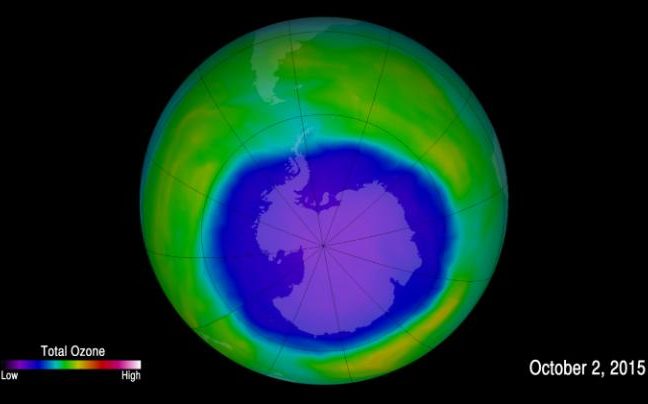
The hole in the ozone layer has shrunk by more than 1.7 million square miles since 2,000, according to scientists. Photo credit: NASA GODDARD

Scientists posit that the layer was formed in the atmosphere around five hundred million years ago when it accumulated enough of the oxygen because of the photosynthesis to protect life under the sun.

Some scientists also observe that the theme of the 2018 Ozone Day – Keep Cool and Carry on: Montreal Protocol – is apt as a follow-up campaign in sensitising the world to the need for moderating human activities to protect the ozone layer.

Observers note that the sensitisation will be useful in that regard since the scientists have proved beyond doubt that ozone layer depletion – the wearing out of the amount of ozone in the stratosphere – is caused by human activity.

Scientists also argued that high above the ground, between 15 kilometres and 30 kilometres, lays a thin layer of ozone that absorbs direct sunlight to protect everything and everyone on the ground from exposure to the harmful direct sun radiation.

According to their findings, industries that manufacture goods such as insulating foams, solvents, soaps, air conditioners, refrigerators and some food containers emit chlorofluorocarbons (CFCs) that later store up in the stratosphere to affect the layer.

They argue further that human-produced chemicals are responsible for the observed depletions of the ozone layer.

In his view, Mr Abayomi Oguntunde, Director of Bio-resource, Federal Ministry of Science and Technology, observes that human activities that involve the emission of fluorine, bromine, chlorine, carbon and hydrogen among others, can deplete the ozone layer.

The director said that knowing how to prevent ozone layer was important to save lives and secure clear atmosphere.

He suggested an energy efficient model when buying a refrigerator, pointing out that less CFCs would be released when fridge wear out.

“Ensure your car’s air conditioner is carefully serviced; go to a service station designed to recycle the refrigerant, otherwise, the CFCs will be vented into the atmosphere.

“Don’t use foam plastic insulation in your home, unless it is made with ozone safe agents; use fiberglass, gypsum, fiberboard, or cellulose insulation instead and don’t buy a halon fire extinguisher for home use.

“Check directions on what to do with aerosol cans; video head cleaners, boat horns, spray confetti, photo negative cleaners and drain plungers,’’ he advises.

Similarly, Prof. Babatunde Rabiu, Director Centre for Atmospheric Research of the National Space Research and Development Agency, pleads with the Federal Government to implement acts that are designed to protect the environment.

He said that diverse anthropogenic activities have contributed to the pollution of the environment, including the depletion of the ozone layer.

He explained further that the ozone layer is a region of the atmosphere that surrounds the earth and contains a particular gas known as ozone.

According to him, fossil fuel vehicles, bush burning, gas emissions especially from heavy industrial areas are all factors that pollute the environment and the loss of the ozone layer.

Rabiu said that the sun continues to emit radiation from time immemorial but human activities and technological advancement have continued to affect the ozone layer.

“Some of the gases that emitted on earth by our anthropogenic activities, human activities and incomplete combustions, affect the ozone layer.

“When these gases get to the top, they react with ozone gases and convert ozone molecules to ordinary oxygen and they are radicalised.

“When this happens, we lose the concentration of ozone in the atmosphere and so the protection that ozone offers the earth will begin to lose its value at that level.

“This is why the region is very important to us; it is a natural region in the atmosphere that protects the earth from receiving direct radiation which comes from the sun.

“We have to start thinking of the eradication of vehicles with incomplete combustion, indiscriminate burning of tyres and bush should also be stopped.

“Gas flaring has to be stopped in the Niger-Delta region, the use of stove for cooking has to reduce, the government needs to come in and see how they can reduce usage of firewood for cooking,’’ he said.

He observes that direct radiation of the sun on the earth could be harmful to humans which could lead to tanning of the skin and aid skin cancer.

Rabiu further insists that the government and stakeholders in the environment sector have the responsibility of sensitising the public to the need to protect the environment.

He says that that there is a need for the country to consider a ban on fossil fuel cars with incomplete combustion as it is being considered in some developed countries.

But Mrs Adenike Aluko, a public health officer in Osun, calls on the Federal Government to invest more on the development of renewable energy technology to further reduce the effect of climate change.

According to her, the use of alternative energy, such as wind, solar and geo-thermal energy is healthier than fossil fuels because of the emission of carbon monoxide to the environment.

“Investing in renewable energy technology would be a right step in achieving Sustainable Development Goals.

“Scientific knowledge allows people to develop new technologies, solve practical problems and make informed decisions.

Aluko further urged well-meaning Nigerians to partner the government in ensuring steady funding of research on new measures to mitigate the impact of climate change.

“Without proper funding, science and technology sector cannot progress and such funding ultimately comes from the society that will reap its benefits,’’ he said.

The world agreed in Montreal in 1987 to do something about the depletion of the ozone layer and in 1994, the UN General Assembly proclaimed September 16 of every year to be the International Day for the Preservation of the Ozone layer.

Scientists have also, recently, announced that the ozone hole, which has been growing since it was discovered in 1985, may have started to shrink.

According to them, if the actions of humans have brought about an ozone layer healing, the international community has proven that it can solve serious environmental problems when everyone works together.

By Gabriel Agbeja and Ijeoma Olorunfemi, News Agency of Nigeria (NAN)
Flood destroys 1,000 buildings, crops in Edo

0

Flood submerged no less than 1,000 residential houses in Etsako Central Local Government Area of Edo following a heavy down pour in the area on Monday, September 11, 2018.

Godwin-Obaseki
Governor Godwin Obaseki of Edo State

Hectares of farmland with cash crops and property worth millions of naira were also destroyed.

The affected produce included cassava, yam, maize, groundnuts, plantain, among others.

The communities affected are: Anegbette, Udaba, Osomegbe, Ugochi, Ofukpo, Agbaburu and Ifeko.

Some of the victims, who spoke with NAN, blamed the flood on the surge of River Niger.

The Village Head of Udaba, Chief David Inetape, expressed shock over the incident, saying that the entire communities were now flooded.

“With heavy rainfall, the situation is now having negative effects in our communities.

“We are appealing to the Federal and state governments for help,’’ Inetape said.

One of the victims, Mr Benjamin Eyiekioya, told NAN that he lost his entire property to the flood.

“The flood has wreaked havoc on our buildings; as you can see, our houses have been submerged by the flood.

“We are appealing to the relevant authorities to come to our aid,’’ Eyiekioya said.

Another victim, Mrs Rose Akinabor, said that she lost all her farm produce to the flood.

“I invested a lot of my time and finances in cultivating my farm and I am now worried that just at about harvest time, most of my crops have been washed away by the flood,’’ she said.

Mr Aliu Afomede, said he lost millions of naira worth of farm produce to the flood.

“I invested millions of naira on this farm, this year.

“As you can see, this farmland which I rely on for my daily bread is now washed away by the flood,’’ he said.

The Vice Chairman of the Local Government, Mr Ambrose Akhigbe, said the council had commenced the clean-up of the Federal Government’s resettlement camp in Oghomere with the aim of relocating the flood victims to the area.

“The council is doing all it can to relocate the victims after proper cleaning of the buildings and fumigation are completed.

“We are going to the affected communities with speed boats to evacuate them and we have reached out to relevant agencies to provide relief materials to the camp for the affected victims.

“As you can see, the borehole is set and the rooms have been tidied up to ensure that it is conducive.

“We shall also bring a very big generating set to ensure regular power supply in the camp so that the displaced persons can feel at home,’’ he said.

By George Edomwonyi

NEMA advises communities in Niger, Kwara to shun river banks

0

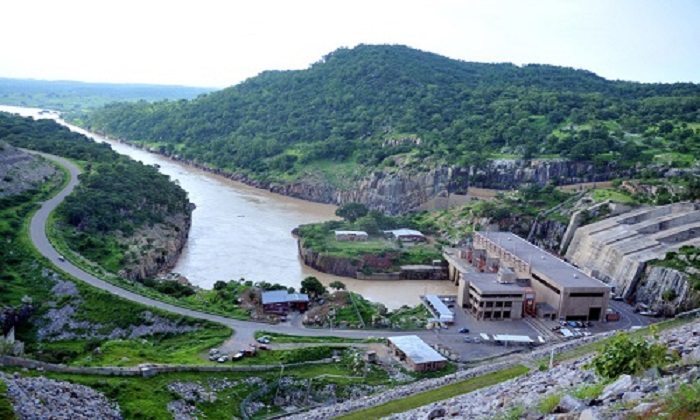
The National Emergency Management Agency (NEMA) has advised communities in Niger and Kwara states living on downstream of Shiroro, Kainji and Jebba dams to stay away from river banks.

Shiroro-Hydro-Power-Station
Shiroro Hydro Power Station

Alhaji Aliyu Kafindangi, NEMA Operational Head in charge of Niger and Kwara, gave the advice in Minna, Niger State, on Tuesday, September 11, 2018.

He said that the warning became necessary because of consistent rise in the water levels on the Niger and Benue rivers which he said could cause more spillage of water from the dams.

Kafindangi said the warning followed the recent flood alert by the Nigerian Hydrological Services Agency (NIHSA) indicating that all indices before the release of water from Lagdo Dam that caused the 2012 flood in Kogi and other states of the federation had manifested.

‘‘This time it is in a higher magnitude.

“NIHSA has warned that some parts of the country, including some states in the North would continue to experience down pour.

“Niger and Kwara are among the 12 states identified by NIHSA to experience flood based on their projections and these two states are within our jurisdiction,” he said.

The head of operation mentioned the communities to include: Gurmana, Galadima Logo, Beri, Bida, Elogi, Mokwa, Borgu and New Bussa in Niger State.

He said communities such as Patigi, and Lafiagi in Kwara State would possibly be affected as well as other communities downstream of Jebba and Kainji dams.

Kafindangi also advised the communities to restrict children and other members from swimming and fishing on the rivers.

He also said that the agency would meet on Wednesday with stakeholders in disaster management to proffer ways to reduce effects of flood disasters.

Kafindangi, however, appealed to residents of both states to desist from indiscriminate dumping of refuse in drainage and water ways to avert flooding.

By Rita Iliya

Trump-nominated UN agency chief says climate change a real threat

0

The head of a major UN agency who was nominated to the post by the Trump administration said on Tuesday, September 11, 2018 that he believes climate change to be a global threat.

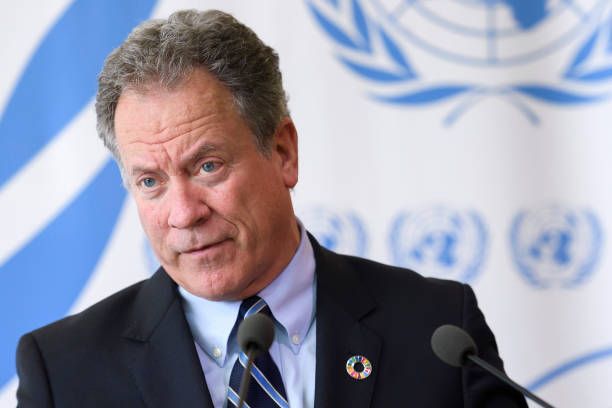
David Beasley
David Beasley

David Beasley, a former Republican Governor of South Carolina, was appointed executive director of the World Food Programme in March 2017.

He spoke at the launch of a UN report that announced a rise to 821 million in the number of hungry people in the world, and listed climate change as a key factor behind the increase.

“Climate impact is real: 22 to 23 million people alone were impacted and forcibly displaced because of changing climate,” Beasley said in a news conference in Rome.

When asked to reconcile those comments with his political allegiance, Beasley said nobody could dispute that climate change is happening, but it is debatable whether it is man-made.

“The climate is impacting people all over the world, you cannot stick your head in the sand as regards to this. What’s causing it, that’s a different discussion,” he said.

“As a former U.S. Republican, I don’t know of hardly any Republicans or Democrats (…) who disagree that climate is changing,” he added.

U.S. President, Donald Trump, has pulled of the Paris climate agreement, and in 2012, years before entering politics, he dismissed climate change as a “hoax” created by the Chinese to harm U.S. manufacturing.

Beasley deplored global indifference to rising hunger rates, suggesting that perhaps this was because “everybody is obsessed with Trump news, Brexit or whatever the case may be.’’

“Every five seconds, a child is dying from starvation, while there’s 300 trillion dollars’ worth of wealth in the world today. That’s unacceptable, it is inexcusable,” he charged.

Uprooting the climate menace, by Nnimmo Bassey

0

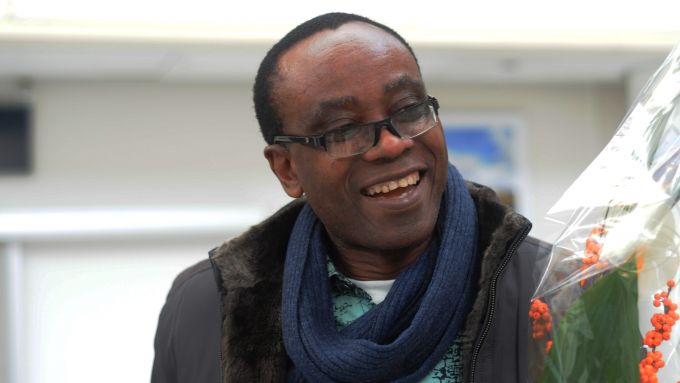
In a presentation at the #RiseForClimate and Stop the Soot Summit in Port Harcourt, Nigeria on September 11, 2018, Nnimmo Bassey, Director of the ecological think tank, Health of Mother Earth Foundation (HOMEF), urged his audience to rise and take real climate action

Nnimmo Bassey
Nnimmo Bassey

I bring you greetings of peace and a pledge to stand in solidarity with you all until the dangerous ecological problems confronting us and our children become a thing of the past. Our ecological challenges widespread and suffocating. The clearest for those of us in Port Harcourt and the Niger Delta at large, is the visibly polluted and unhealthy air that we have been forced to breathe.

We applaud our brothers and sisters that have championed and continue to champion the Stop the Soot campaign. This is one campaign that has been backed by research, competence and high-level articulation of the health and debilitating impacts of soot, or black carbon, that citizens have been condemned to breathe. The petition that has been raised on this matter should be endorsed by all citizens of Nigerians, not just residents of the Niger Delta who breathe this toxic air.

The soot is the manifestation of insidious atrocities that have gone on unchallenged in our environment. It is one that cannot be swept under the carpet. Our creeks have been dastardly polluted, indeed coated by crude oil and we have silently continued to drink the polluted water. Our lands have been heavily contaminated, our crops have wilted, rotted and we have gone home empty handed at harvest time, yet we eat our rotted tubers and continue to fall into the grip of disease. Sixty years of gas flaring has secured huge profits for oil companies and limitless revenue for politicians to fight over, but for poor communities these have meant cancers, bronchitis, asthmas, skin diseases, birth defects and acid rain, to name a few.

Our people on the coast line are continuously losing land to coastal erosion. Inshore and offshore fishing grounds are being lost to oil pollution and ocean acidification daily. We must ask the question: what have we gained from sixty years of crude oil extraction?

Today we are gathered to examine two issues at this summit. One is soot. The other is climate change. Our determination is to stop the soot. Our plan is to tackle the climate menace. Their root cause is one. To achieve the results, we need to and must aim at the root. That root is well known: fossil fuels.

It has long been determined that for the world to have a reasonable chance of keeping to a 2 degrees Celsius temperature rise above 1750 or pre-industrial levels, at least two thirds of known fossil reserves must be left in the ground. This is a scientific fact attested to by relevant global scientific and expert bodies. We cannot wish this away. Fossil fuels must be left in the ground. We have no luxury of choice on this matter. Delay will be like the case of the emperor that was dancing shaku shaku while his domain was burning.

Some Nigerians think that if new oil or gas fields are not opened our economy will collapse. Nothing can be farther from the truth. It is not about new oil fields, it is about stopping oil theft and reckless oil pollution. It is known that industrial scale oil theft is ongoing in our nation. If we consider estimates of stolen crude that we have heard from government officials over the years and combine these with the amount of oil regularly being spilled into our environment, we can safely say that, indeed, our oil output would almost double if the stealing and the spilling are stopped.

Is it oil that is keeping our economy afloat? Now that we are pumping oil at full throttle, how many of you have public electric power supply? Our gas flares or furnaces burn without ceasing, but our people still cook with firewood. If oil is boosting our economy, how come many in the formal sector go for months without wages and over sixty per cent of Nigerians eke a living in the informal sector? Why is virtually every building having a shop at the frontage? Where is almost everyone one sort of petty trader or the other?

The soot that is choking us is from the burning of fossil fuels. The sources are well known, even though officials are shy to agree. These sources include: the aged refineries, the gas flares, the bush refineries, oil spills and stolen crude that are set on fire by security forces.

We cannot emphasise this loudly enough: the soot that is choking us is from the burning of fossil fuels. The soot is choking us and our children. The solution is for us to choke the soot. We can only choke the soot by choking all the sources of soot. Stop the gas flares. Stop the ancient refineries. Stop the burning of spilled crude as well as stolen crude and illegal refineries.

We must rise and take real climate action. This is an emergency. We cannot afford any more delay. Stop the soot. Stop the pollution. Let us think and think hard. The old mindset will not get us out of the pit. Whether we like it or not, the petrol age is drawing to a close. We must quickly close the chapter of crass pollution. Now is the time to think. It is time to act. It is time to prepare for life after oil.

Kenya launches strategies to boost food security, curb malnutrition

0

Kenya on Tuesday, September 11, 2018 unveiled strategies to boost food security and help curb rising cases of malnutrition.

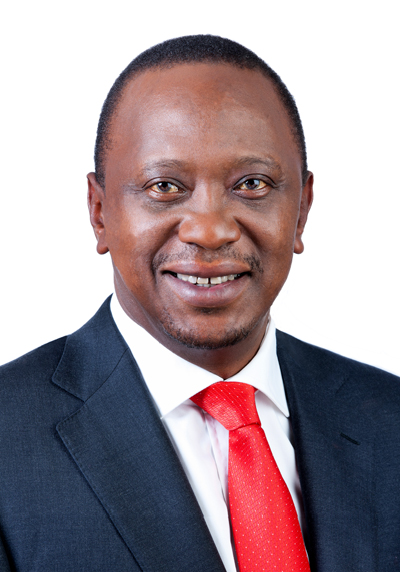
Uhuru Kenyatta
Uhuru Kenyatta, the President of Kenya

The documents named Kenya Food Composition Tables 2018 and Kenyan Food Recipes 2018 are produced by the ministries of health, agriculture, livestock, fisheries and irrigation with technical and financial support from the Food and Agriculture Organisation.

Health Ministry Cabinet Secretary Sicily Kariuki while launching the guidelines in Nairobi said they contain food composition data, which forms the basis for most aspects of food and nutrition.

“I am calling upon all food and nutrition security stakeholders to support the government in disseminating the documents to the end users who are the county governments and the implementing partners.

“My commitment is to ensure that the updating of food composition data becomes a routine activity,” said Kariuki.

She noted that while there has been some improvement to boost food production in Kenya, a majority of citizens are still food insecure and face malnutrition.

“We are currently experiencing the triple burden of malnutrition mainly under nutrition (underweight, stunting and wasting), overweight and obesity and micronutrient deficiencies.

“One in four of children under five years are stunted, 11 percent are underweight and four per cent are wasted,” she said.

“I am here to assure you that that government is committed to ensuring food and nutrition security as envisioned in the Kenya Vision 2030, the National Food and Nutrition Security Policy 2012, the Big Four Agenda and the 2030 Agenda for Sustainable Development.” she said.

Anambra establishes 28 camp centres in flood prone areas

0

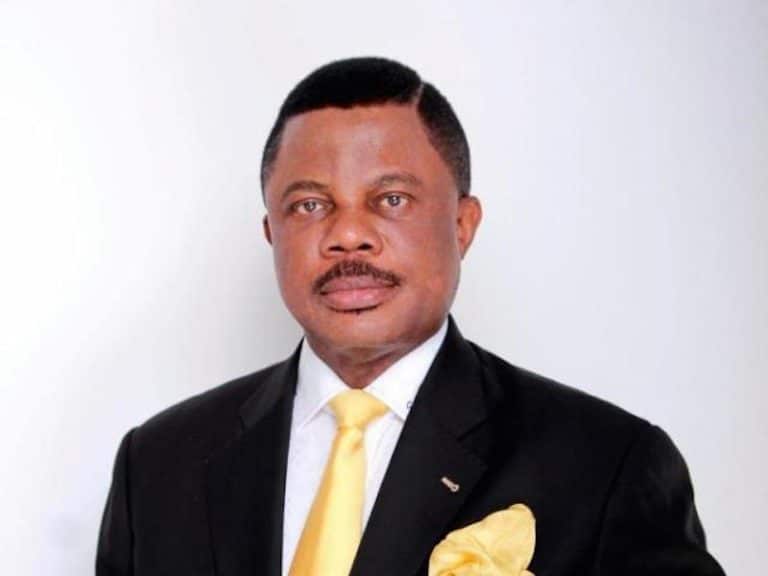
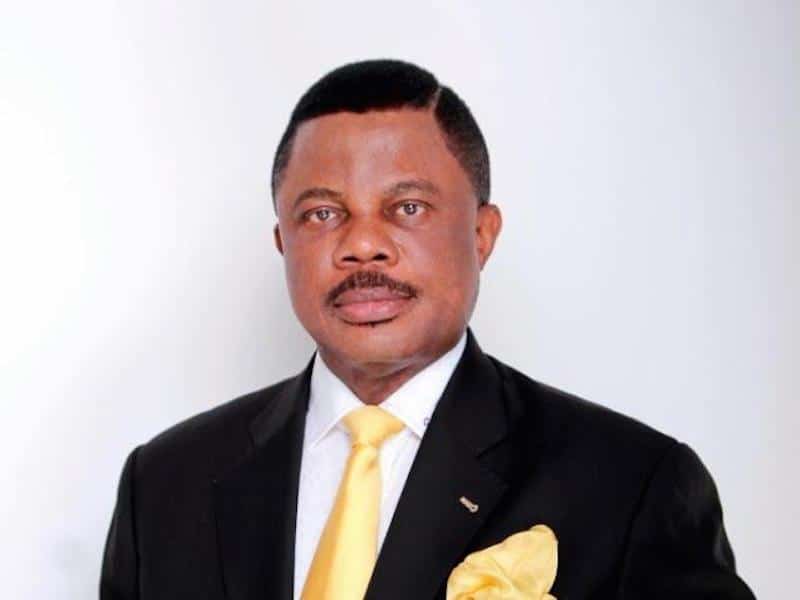
Executive Secretary, Anambra State Emergency Management Agency (SEMA), Chief Paul Odenigbo, said the state government has created 28 emergency shelter centres in flood prone areas in case of flooding.

Willie Obiano
Chief Willie Obiano, Governor of Anambra State

Odenigbo disclosed this in an interview with News Agency of Nigeria (NAN) on Monday, September 10, 2018 in Awka, the state capital.

The 28 emergency shelter centres include six in Anambra West, six in Anambra East, four in Awka North, four in Ogbaru, three in Ihiala, three in Awka South and two in Ekwusigo.

According to Odenigbo, the emergency shelter centres were set up in flood prone Local Government Areas’ secretariats or headquarters.

He, however, urged residents to get prepared for emergency evacuation or relocation, in case of flood disaster.

Odenigbo added that residents have also been urged to have a small box, where they should put relevant and vital documents, as well as be ready for evacuation anytime the need arises.

He noted that with the forecast of Nigeria Hydrological Services Agency (NIHSA) and Nigerian Meteorological Agency (NiMet) on flooding in 2018, it might likely be in the same magnitude of 2012, so SEMA had planned ahead.

The Executive Secretary said that massive awareness on how to mitigate the natural disaster had been on, saying that the agency would continue to create the required awareness.

He also listed likely flood prone areas, Awka North, Ihiala, Idemili South , Ayamelum, Ogbarua, Anambra West, Anambra East and Ekwusiego .

According to him, SEMA is prepared to evacuate residents of the affected areas to the centres.

He stressed that arrangements had been concluded by the state government on relief materials to be used across the State.

Odenigbo said the agency had held crucial meetings with the Military and relevant para-military organisations in the state to respond promptly to distress calls in case of flooding in any of the listed communities.

He reiterated his call on residents of riverine areas to get ready to relocate to higher grounds as soon as the water levels of their rivers, streams and creeks rise to dangerous proportions.

Odenigbo also disclosed that the agency is in regular touch with the National Emergency Management Agency, to jointly tackle the challenges of the impending surge.

He, however, added that the agency is also contending effectively with flash floods in urban areas of the state, adding that residents must avoid building on water channels or throwing refuse in drains.

By Joy Mbachi

Netherlands accelerates climate adaptation action, forms Global Commission

0

The Government of the Netherlands and the Global Centre on Adaptation on Monday, September 10, 2018 unveiled plans for the formation of a forthcoming Global Commission on Adaptation, featuring the Netherlands as a key convener, which will be overseen by the 8th Secretary-General of the United Nations Ban Ki-moon, Co-chair of the Bill & Melinda Gates Foundation Bill Gates, and World Bank CEO Kristalina Georgieva.

Van Nieuwenhuizen
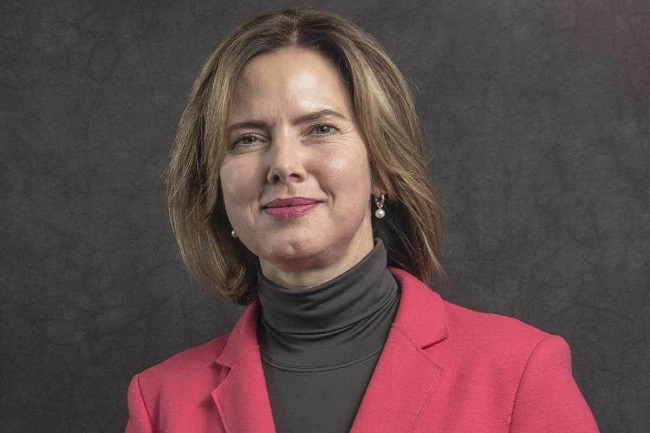
Dutch Minister, Van Nieuwenhuizen

The new Commission will be co-hosted by the Global Centre on Adaptation, an international organisation hosted by the Netherlands, in partnership with World Resources Institute. It will formally be launched on October 16 in The Hague, at which time the names of some 20 leading global Commissioners and 10 convening countries will be announced.

The announcement was made during an event marking the new construction of an innovative climate-adaptive floating office in Rotterdam by Dutch Minister Van Nieuwenhuizen (Infrastructure and Water Management), the initiating Commissioner. Van Nieuwenhuizen noted that the Commission will elevate the political visibility of adaptation and will focus on solutions, catalyzing a global adaptation movement and accelerating action.

“For the Netherlands, looking for solutions to water issues is part of everyday life. This is not yet the case in other areas and countries that also increasingly are faced with extreme weather,” the Minister stated. “Climate change is making itself felt almost on a daily basis. Take, for example, the prolonged drought that currently is affecting large parts of Europe. By launching this Commission, we aim to press the need for worldwide climate adaptation,” she added.

Secretary-General Ban Ki-moon said, “Today’s announcements by the Government of the Netherlands is a critical step forward to set in motion more vigorous attention to and action around climate adaptation. I congratulate Minister van Nieuwenhuizen for her role as an initiator of the Global Commission on Adaptation and look forward to collaborating with her and other global leaders as we embark on our worldwide mission to accelerate adaptation.”

The floating office to be constructed in Rotterdam will be home to the Global Centre on Adaptation, which has expanded its mission under new leadership. In addition to its office in Rotterdam, the Global Centre will have an office in Groningen, which will be inaugurated by Mr. Ban on October 17. Patrick Verkooijen, the newly appointed Chief Executive Office of the Global Centre, said his goal is to inspire clarity behind the adaptation agenda and pursue pragmatic steps that can help address policies, investments, financing, and governance needed for more adaptation action globally.

“We act as a solutions broker,” Verkooijen said, “bringing together governments, the private sector, civil society, intergovernmental bodies, and knowledge institutions that can address the obstacles slowing down adaptation action.”

Of the Global Centre, Mr. Ban noted that “the role of Global Center on Adaptation will be significant because we need all societies to learn from one another.  Under the exemplary and bold leadership of Patrick Verkooijen, the Center will help accelerate transformation at scale and at speed.”

800,000 people commit suicide annually – WHO

0

The World Health Organisation (WHO) says no fewer than 800,000 people commit suicide annually, the second leading cause of death among people between the ages of 15 and 29, in 2016.

Dr Tedros Adhanom Ghebreyesus
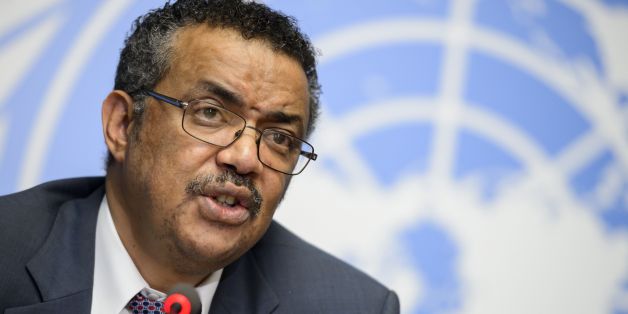
Dr Tedros Adhanom Ghebreyesus, Director-General of the World Health Organisation (WHO). Photo credit: AFP / FABRICE COFFRINI / Getty Images

WHO made this known on Monday, September 10, 2018 in a statement to commemorate the World Suicide Prevention Day.

The global health agency said the common methods of suicide were hanging and firearms occurring in all countries and regions, whether rich or poor.

It added, however, that most occurred in low and middle-income countries, which accounted almost four-fifths of global suicides in 2016.

“In high-income countries, there is a well-established link between suicide and mental health issues such as depression and alcohol use disorders.

“But many suicides take place on an impulse during moments of crisis,” it said.

The UN health agencies estimated that a person died every 40 seconds by suicide and up to 25 times as many make a suicide attempt.

To help communities to prevent suicides, WHO and the Mental Health Commission of Canada released a toolkit.

The toolkit outlined ways to prevent this serious public health problem, one of which is knowledge of the most commonly used methods, and restrictions of access to these methods.

Other examples included policies to limit alcohol and drug abuse, effective mental health care, and follow-up care for attempted suicide cases.

It estimated that the method used for 20 per cent of global suicides was pesticide self-poisoning, most of which occurred in rural agricultural areas in low- and middle-income countries.

WHO explained that as well as the health sector, many sectors of society needed to be involved in preventing suicide, including education, labour, agriculture and the media.

“These actors all need to work together if they are to have an impact on this complex issue.

“People commit suicide at all times of their lives, and each one is a tragedy that affects families, communities and entire countries, and leaves behind long-lasting effects.”

In many countries, suicide remained a taboo subject, WHO said adding that this could prevent those who had attempted suicide from getting the help they needed.

To date, only a few countries had included suicide prevention among their health priorities and only 38 countries have a national suicide prevention strategy, WHO said.

World Suicide Prevention Day is an awareness day observed on Sept. 10 every year to provide worldwide commitment and action to prevent suicides with various activities around the world since 2003.

By Prudence Arobani

NEMA anticipates flooding, prepares personnel for quick response in southeast

0

In anticipation of flooding in some states in the southeast, the National Emergency Management Agency (NEMA) in the zone has begun to reposition itself in the bid to ensure improved disaster management.

NEMA
NEMA officials on duty

Mr Walson Ibarakumo, the Coordinator, NEMA, Enugu zonal office, said this in Awka, the Anambra State capital, on Monday, September 10, 2018 during a workshop organised for all the staff of the agency.

The workshop had ‘‘Repositioning, Strengthening and Reorientation of the Agency’s Operations” as its theme.

Ibarikumo said there was the need to acquaint the agency’s personnel with the modern response strategies which the new management had introduced.

The coordinator emphasised that the aim was to make the services of the agency meet world highest standard.

He said that the Search and Rescue Department of the agency had been changed to Response and Recovery Department as part of the re-strategising process.

‘‘This workshop is to share understanding of the identified gaps in order to reinforce and reposition the agency for better service delivery.

‘‘It has become necessary for staff to come together especially in this flood season to brainstorm so that we can operate more efficiently and effectively and gear ourselves up towards a world class agency.

‘‘Every staff should realise the enormity of the task ahead and brace up for it; therefore, you are expected to apply the information gathered here to make your service delivery better,’’ he said.

Ibarikumo said further that NEMA had started delivering food, non-food and livelihood relief materials to the state in readiness for the anticipated flooding.

He said the agency was working with the Anambra Emergency Management Agency to ensure that the Internally Displaced Persons (IDPs) camps in the state were in good shape.

The coordinator called on those living in the disaster-prone areas and other disaster-exposed persons to contact the agency for quick response and rescue in case of any eventuality.

By Francis Onyeukwu