Home Blog Page 175

Wetlands are vital ecosystems, of immense value – Onoja

0

Recently, we sat down with the Director-General of the Nigerian Conservation Foundation (NCF), Dr. Joseph Onoja, to discuss key environmental issues and the outcomes of Ramsar COP15. Our conversation covered the importance of wetlands, key resolutions from the convention, the role of youths, and how Africa is preparing for Climate Week

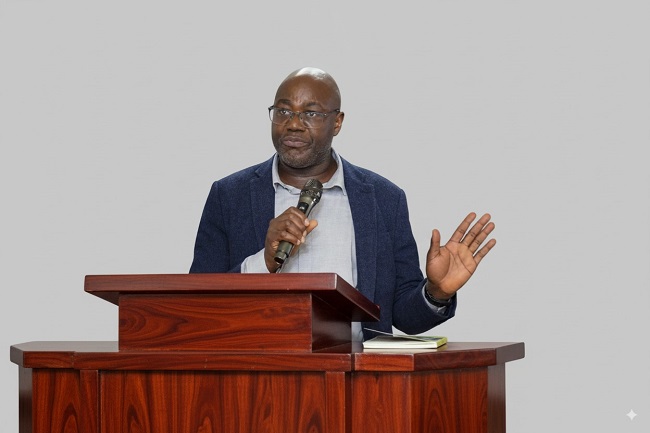
Dr. Joseph Onoja
Director-General of the Nigerian Conservation Foundation (NCF), Dr. Joseph Onoja

What is Ramsar COP15 and why does it matter to Nigeria?

Ramsar is an Iranian city where the agreement to conserve wetlands was first established, hence the name “Ramsar Convention.” It is a global treaty for the conservation and wise use of wetlands. Countries that have signed up are called Parties.

Wetlands identified as internationally significant based on specific criteria are designated as Ramsar sites. Every two or three years, Parties meet to review progress, evaluate agreements, and determine new measures to strengthen global wetland conservation.

Why are wetlands so important?

Wetlands are vital ecosystems. They recharge groundwater, serve as biodiversity hotspots, and support livelihoods by providing water, fish, and fertile soil for farming. They build community resilience by absorbing excess water during floods and releasing it during dry periods. Wetlands also provide habitats for aquatic and terrestrial species.

Seeing how Nigeria is home to mangroves, freshwater wetlands, and key migratory bird flyways, how will COP15 resolutions impact conservation efforts here?

Nigeria’s wetlands are of immense value. We have the Apoi Creek Forest, Baturiya wetlands, Lake Chad wetlands, the Niger Delta, and the Hadejia-Nguru wetland, which is especially important for the Sahel. It holds over 120,000 birds across 69 species and serves as a stopover for migratory birds from Europe. Local communities depend on these wetlands for fishing, irrigation, and transportation.

The Ramsar Convention is therefore critical for Nigeria’s conservation efforts.

What are the key resolutions from the convention that touch Nigeria?

Nigeria was represented at COP15, and some important outcomes include:

  • Establishment of the Waterbird Estimate Partnership: This global initiative will coordinate waterbird counts. Nigeria, as part of the East Atlantic Flyway, will play a central role. The NCF, BirdLife’s partner in Nigeria, has long organized annual bird counts, and our expertise contributed to shaping this partnership. The first World Waterbird Estimate will take place in 2027, and Nigeria will be fully involved.
  • Engagement with the Convention’s Secretary General: Dr. Musonda Mumba called on Nigeria to play its part in implementing Ramsar commitments. The Nigerian delegation pledged full support, and her proposed visit to Nigeria coincides with the plan to designate six additional Ramsar sites. Preparations are underway with relevant authorities to make this a reality.

How do Ramsar COP15 outcomes prepare Nigeria and Africa to better address climate change? And are youths included in these conversations?

Climate change directly affects wetlands and biodiversity. Ramsar recognizes the need for synergy with other global conventions to address these challenges.

Youth engagement is crucial. A coalition called Youths for Wetlands was launched, and NCF signed on. Young people bring energy, innovation, and technical know-how. Many also participate in Nigeria’s annual waterbird counts, especially in coastal and mangrove areas, where NCF has built local capacity. This gives youths both learning and earning opportunities while contributing data to global databases.

Healthy wetlands support migratory birds, local communities, and biodiversity. Conserving them sustains both ecosystems and livelihoods.

Nigeria raised the issue of outdated wetland data. Why is updating this data significant?

Outdated data limits effective management. Some wetlands may have been degraded or lost. Updating inventories helps us know their current status and informs conservation actions. This review process has already led to the proposal of six additional Ramsar sites in Nigeria.

How do global Ramsar decisions translate into local benefits for Nigeria?

Conservation has no borders. For instance, if you consider migratory birds that change locations in different seasons, in Europe they are called European birds. Once they cross into Nigeria they become Nigerian birds. If one country conserves wetlands while another neglects them, the birds suffer. This global interdependence is why Ramsar matters.

Freshwater is increasingly scarce and a potential source of conflict. Conserving wetlands helps secure it. For Nigeria, protecting wetlands also strengthens our case for international financial and technical support.

With Africa Climate Week approaching, how do Ramsar outcomes position Africa for stronger climate action?

Climate change is shrinking wetlands, as seen in Lake Chad, which has lost over 95% of its original size. Africa Climate Week provides an opportunity for the continent to unite around financing, renewable energy, youth, and community roles so Africa can speak with one voice at COP30 in Brazil.

What about the role of traditional knowledge in wetland conservation?

Indigenous communities have conserved landscapes for generations, relying on them for food, medicine, and livelihoods. Their knowledge is invaluable. We must ensure their voices are heard alongside science, or we risk sidelining their needs and weakening conservation. Encouragingly, many communities are willing to share their knowledge, which is a strength we must build on.

Finally, what message would you like to leave with Nigerians about protecting wetlands?

We all have a duty to protect our habitats—forests, wetlands, everything. If we fail, nature will protect itself without us. Policymakers must not only make but also enforce strong, practical conservation policies.

For local communities, wetlands are your lifeline. Guard your resources; don’t trade long-term well-being for short-term gain. Protecting wetlands safeguards your future and that of your children.

Such powerful last words. Thank you for your time, sir.

Thank you.

New biosafety agency boss, Bello Bawa Bwari, assumes office

The newly appointed Director General/Chief Executive Officer of the National Biosafety Management Agency (NBMA), Bello Bawa Bwari, formally assumed duty on Monday, October 6, 2025, at the Agency’s headquarters in Abuja. 

He was warmly received by the management and staff of the Agency, who expressed optimism about the new leadership.

Bello Bawa Bwari
Director General/Chief Executive Officer of the National Biosafety Management Agency (NBMA), Bello Bawa Bwari

In his inaugural address, he commended the dedication and professionalism of the NBMA staff, acknowledging the Agency’s significant progress over the years in ensuring the safe application of modern biotechnology and biosafety practices in Nigeria. He commended the immediate past Director General for her leadership and pledged to build upon her achievements.

“I am here to build on what my predecessors established,” Bwari stated. “The NBMA has a strong foundation, and together, we will strengthen our mandate, promote innovation, and ensure that Nigeria remains a leader in biosafety management across Africa. Staff welfare will remain a top priority because a motivated workforce is essential for effective service delivery.”

The new DG also emphasised his commitment to deepening stakeholder engagement, enhancing transparency in regulatory processes, and advancing public trust in the Agency’s work.

Bello Bawa Bwari is a seasoned administrator and legal professional with extensive experience in environmental law, public administration, and institutional development. His appointment marks a new chapter in the Agency’s drive to safeguard human health and the environment from potential risks associated with genetically modified organisms and other modern biotechnologies.

The NBMA management and staff expressed their readiness to work closely with the new DG in advancing the Agency’s vision of a safe, sustainable, and biotechnology-enabled Nigeria.

Healthcare communication isn’t just about crises

0

Going by recent happenings in Africa’s healthcare sector, most hospitals only think about public relations (PR) when public trust is already damaged, perhaps by a negative patient story that has gone viral on social media or when litigation is imminent.

This type of communication is reactive, defensive, and typically limited to damage control. Professionally, healthcare is more than merely curing diseases. It is about establishing trust and dignity throughout the patient journey, rather than just before or during a crisis.

Winnie Gor
Winnie Gor

A recent webinar “Communication Crisis in Healthcare in Africa – Examining gaps and lived experiences”, empaneled by patients, medical and communication experts, heard harrowing stories of patients being dismissed untreated, reduced to their fertility, or given frightening diagnoses without compassion. These are not only communication failures, but they also point towards reputational crises waiting to happen.

A hospital can invest billions in equipment, but if patients feel unseen or unheard, the institution risks losing credibility in an era where one TikTok video (whether justified or not), can undo decades of brand-building.

Globally, the best in-class hospitals understand that PR is not about firefighting or fudging facts. It is about protecting the organisation’s reputation through proactive and well-timed strategic actions before complaints escalate into front-page scandals to act.

Pro-active PR seeks to shape the narrative through transparency, education, and human connection. Hospitals need to move beyond slogans about “patient-centered care” to demonstrating it daily through communication, empathy, and shared decision-making. As communicators we need to help our hospitals to re-frame the patient relationship from a “client” to a “partner”.

When patients feel informed and respected, they become allies, not adversaries. This is particularly critical in Africa, where cultural deference to doctors, coupled with the perceived elitism of the medical profession, often silences patients until mistrust festers into frustration.

In a continent where proper healthcare is still a preserve of a few, hospitals must do more to educate the public on their healthcare rights and standards through proactive engagement and storytelling, including basic patient communication expectations and procedures.

Worldwide, there are numerous examples of stellar communication and patient engagement efforts by other hospitals around the world that we can borrow from. The video campaign “Empathy: The Human Connection to Patient Care” by United States based Cleveland Clinic, is one of the most-watched healthcare videos globally.

More than a glossy advert, this campaign highlighted the unseen struggles of patients and staff. A reminder that empathy is medicine, the video built emotional connection and reinforced trust without waiting for a PR crisis.

Similarly, The National Health Service in the United Kingdom, has increasingly embraced proactive digital engagement, publishing waiting times, patient rights, and safety protocols openly online. While not perfect, this open access and transparency reduces anxiety and shows patients they are partners in the system, not just passive recipients of healthcare services.

In India, Apollo Hospitals runs constant patient education campaigns on preventive care primarily on heart health, diabetes management and cancer screening, using social media, webinars, and community forums. This positions the hospital not as a reactive service provider but as a crucial partner in everyday health management.

The Mayo Clinic in the United States has also consistently ranked as one of the most trusted hospitals globally. Mayo has used blogs, podcasts, and patient stories to demystify treatment and spotlight hope. Their proactive storytelling over the years has ensured patients associate the brand with care and credibility before illness even strikes.

With African hospitals at crossroads, they can continue using PR as a fire extinguisher, or they can embrace it as preventive medicine by urgently adopting a few simple but proactive measures. The first step would be to invest in patient engagement and communication units.

Just as corporates have customer experience departments, hospitals should build dedicated patient communications teams. These teams should not only handle complaints but proactively share updates, explain procedures in plain language, and check in with patients during recovery.

Additionally, hospitals should normalise transparency in hospital operations and patient care, unlike the present situation where patients and doctors alike admit that many patients leave consultations intimidated, more confused, or misinformed. Proactive PR means engaging patients with empathy, breaking medical jargon into digestible content, creating explainer videos, and encouraging patients to ask questions. Hospitals should publish patient charters, rights, and responsibilities prominently, on websites, mobile apps, and posters in waiting areas.

We have an opportunity to change this scenario by telling stories of humanity, not just marketing our technology, beds and machines. While these are important, patients just want to be treated with dignity when accessing healthcare services. Proactive storytelling should spotlight doctors who listen, nurses who comfort, and patients who overcame illness. This is the content that builds trust before crisis headlines appear.

As came out in the webinar, most medical schools in Africa do not teach communication skills. As communicators, we are aiming to push for continuous training in emotional intelligence, trauma-informed communication, and active listening. A doctor who explains, “Here’s what this means and why it matters,” prevents mistrust before it begins. Afterall, we must bring the humanity to the science and the care to the health.

Ultimately, healthcare is not about curing diseases alone, but about the entire healing experience. Healthcare communications in Africa must therefore evolve from crisis response to proactive trust-building. Hospitals should not wait for scandals to hire communication consultants or scramble for press releases. Instead, they must embed storytelling, transparency, and empathy into their daily operations.

By Winnie Gor, Founder and CEO, Winnie Gor Communications Africa

Vice President Kashim Shettima commends Shell investments at Nigeria Economic Summit

0

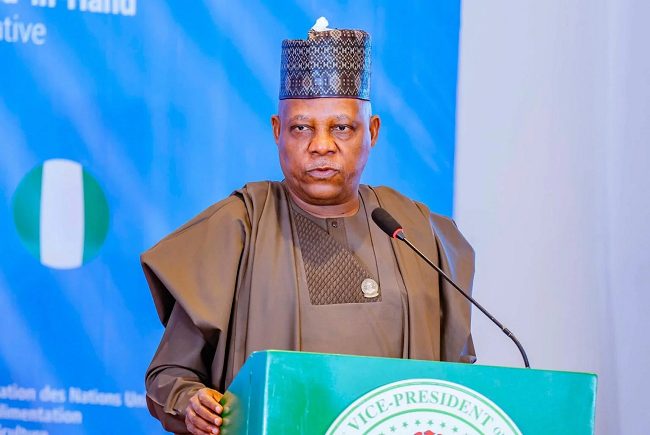
Vice President Kashim Shettima on Monday, October 6, 2025, commended the investments of Shell in Nigeria as he visited the company’s exhibition stand at the opening of the 31st Nigerian Economic Summit (NES) in Abuja.

The exhibition complements the participation of Shell in the summit and features the operations of Shell Nigeria Exploration and Production Company Ltd (SNEPCo), Shell Nigeria Gas (SNG), All On and Daystar Power.

Vice-President Kashim Shettima

Vice President Shettima, who had earlier declared the summit open on behalf of President Bola Ahmed Tinubu, was briefed on the contributions of the companies to the economic development of Nigeria, especially the energy sector.

Accompanied by the Minister of Finance and Coordinating Minister of the Economy, Wale Edun, the Minister of Trade and Investment Jumoke Oduwole and the Emir of Kano, Sanusi Lamido Sanusi, Vice President Shettima said he was impressed with the investments of Shell in deep-water including the $5-billion Bonga North development. Work on the project is in progress following the FID which was taken early last year.

Vice President, Kashim Shettima
Vice President, Kashim Shettima, Ministers and other distinguished dignitaries at Shell’s exhibition booth during the Nigerian Economic Summit in Abuja

Business Value Manager Chidi Nkazi, who conducted the VIPs round the exhibition stand, also highlighted the impact of Shell’s social investments in health, education and employment generation.

“Every year our operations generate revenues which are used to finance development,” Chidi said, adding; “In 2024 alone, Shell Companies in Nigeria paid $1.209 billion in taxes and royalties to the Federal Government.”

One in five adults still addicted to tobacco – WHO

0

The world is smoking less, but the tobacco epidemic is far from over. A new WHO global report shows the number of tobacco users has dropped from 1.38 billion in 2000 to 1.2 billion in 2024. Since 2010, the number of people using tobacco has dropped by 120 million – a 27% drop in relative terms. Yet, tobacco still hooks one in five adults worldwide, fuelling millions of preventable deaths every year.

“Millions of people are stopping, or not taking up, tobacco use thanks to tobacco control efforts by countries around the world,” said Dr Tedros Adhanom Ghebreyesus, WHO Director-General. “In response to this strong progress, the tobacco industry is fighting back with new nicotine products, aggressively targeting young people. Governments must act faster and stronger in implementing proven tobacco control policies.”

Tobacco smoking
Tobacco smoking

For the first time, WHO has estimated global e-cigarette use – and the numbers are alarming: more than 100 million people worldwide are now vaping. This includes:

  • Adults: at least 86 million users, mostly in high-income countries.
  • Adolescents: at least 15 million children (13–15 years) already using e-cigarettes. In countries with data, children are on average nine times more likely than adults to vape.

The tobacco industry is introducing an incessant chain of new products and technologies for its aim to market tobacco addiction with not just cigarettes but also e-cigarettes, nicotine pouches, heated tobacco products among others, which all harm people’s health, and more worryingly the health of new generations, youth and adolescents.

“E-cigarettes are fuelling a new wave of nicotine addiction,” said Etienne Krug, WHO Director of Health Determinants, Promotion and Prevention Department. “They are marketed as harm reduction but, in reality, are hooking kids on nicotine earlier and risk undermining decades of progress.”

More women are quitting tobacco than men

While there has been a steady decline in tobacco use for both men and women across all age-groups during 2000–2024, women have been leading the charge to quit tobacco. They hit the global reduction target for 2025 five years early, reaching the 30% milestone back in 2020. Prevalence of tobacco use among women dropped from 11% in 2010 to just 6.6% in 2024, with the number of female tobacco users falling from 277 million in 2010 to 206 million in 2024.

By contrast, men are not expected to reach the goal until 2031. Today, more than four out of five tobacco users worldwide are men, with just under 1 billion men still using tobacco. While prevalence among men has fallen from 41.4% in 2010 to 32.5% in 2024, the pace of change is too slow.

Regional picture

  • South-East Asia: Once the world’s hotspot, prevalence among men nearly halved – from 70% in 2000 to 37% in 2024. The Region alone accounts for over half of the global decline.
  • Africa: Prevalence is the lowest of all regions at 9.5% in 2024, and the Region is on track to meet the 30% target. However, because of population growth, the absolute number of tobacco users continues to rise.
  • Americas: The Region has achieved a 36% relative reduction, with prevalence dropping to 14% in 2024, though some countries still lack sufficient data.
  • Europe: This is now the highest-prevalence Region globally, with 24.1% of adults using tobacco in 2024, with women in Europe having the highest global prevalence at 17.4%.
  • Eastern Mediterranean: Prevalence is 18%, with tobacco use continuing to rise in some countries.
  • Western Pacific: With 22.9% of adults using tobacco in 2024, down from 25.8% in 2010, the progress in this Region is the slowest. While women have low prevalence at 2.5%, men have the highest prevalence of all regions at 43.3%.

Actions needed

WHO is urging governments everywhere to step up tobacco control. This means fully implementing and enforcing the MPOWER package and the WHO Framework Convention on Tobacco Control, closing loopholes that allow the tobacco and nicotine industries to target children, and regulating new nicotine products like e-cigarettes. It also means raising tobacco taxes, banning advertising, and expanding cessation services so that millions more people can quit.

“Nearly 20% of adults people still use tobacco and nicotine products. We cannot let up now,” said Jeremy Farrar, WHO Assistant Director-General for Health Promotion and Disease Prevention and Care. “The world has made gains, but stronger, faster action is the only way to beat the tobacco epidemic.”

When beverage companies pretend to save the planet

0

The sugar-sweetened beverage (SSB) industry loves a good photograph. A group of people in bright shirts gather on a beach, collecting bottles into neat bags. The picture travels online, framed as proof of corporate care for the planet. In Nigeria, these companies are often celebrated, and they never tire of vaunting about their corporate social responsibility (CSR) initiatives.

Yet behind these green campaigns lies a harsher truth. The same corporations that present themselves as environmental saviours are among the largest drivers of ecosystem damage and worsening public health.

Sugar-sweetened beverages

Plastic waste illustrates the scale of this contradiction. Nigeria is ranked the ninth-highest contributor to global plastic pollution, generating about 2.5 million tonnes every year, according to USAID. Of this, a staggering 88 percent goes unrecycled, threatening ecosystems, marine life, and public health. Lagos alone produces about 870,000 tonnes of plastic waste annually, which accounts for 15 percent of the city’s total waste, with more than half reportedly dumped into the Atlantic Ocean. Much of this waste comes from single-use plastics, including the millions of polyethylene terephthalate (PET) bottles churned out by the beverage industry.

Globally, multinational soda companies are consistently ranked among the world’s top plastic polluters. In 2018 alone, out of an estimated 445 billion litres of beverages sold in PET bottles, between 21 and 34 billion bottles entered oceans worldwide, equating to roughly 1.1 million metric tons of beverage-related waste.

Beyond pollution, the production, transportation, and disposal of these bottles generate significant carbon footprint, aggravating climate change. Interestingly, rather than confront their outsized role, these companies routinely deflect responsibility, framing the crisis as a matter of consumer “littering” instead of acknowledging their industrial-scale plastic dependency. And while beverage firms in Nigeria may promote recycling initiatives, the reality is that the country’s recycling capacity remains narrowly concentrated and grossly inadequate to confront the scale of its plastic waste.

The government has committed to increasing recycled PET content in bottles from the current 3 percent to 25 percent by 2029, an ambition tied to its Extended Producer Responsibility (EPR) framework. Nigeria has already adopted EPR through national guidelines, and the soon-to-be-gazetted National Environmental (Plastic Waste Control) Regulations is expected to expand this framework and make producer responsibility legally binding.

On paper, these rules require beverage and packaging companies to finance waste collection, recycling, and recovery through Producer Responsibility Organisations (PROs). In practice, however, recycling facilities remain limited and clustered in a few urban centres, while many producers continue to treat compliance as optional. By contrast, France has enforced EPR since the 1990s and now recycles 67 percent of household packaging and 27 percent of plastics overall, which is clear evidence that robust enforcement, institutional oversight, and sustained infrastructure investment can deliver measurable results.

Until Nigeria develops a comparable nationwide system – expanding infrastructure beyond a few cities, integrating the informal recycling economy, and compelling corporations to reduce single-use plastic at source – its recycling promises will remain largely rhetorical.

An equally pressing but often overlooked aspect of industry harm is the health impacts of SSBs. These products are closely linked with non-communicable diseases (NCDs) such as type 2 diabetes, obesity, and cardiovascular illnesses, which already account for nearly 29 percent of deaths in Nigeria. The economic burden of these diseases is staggering, with billions of naira channelled annually into healthcare costs for treatment and management.

International evidence shows that robust taxation can reduce SSB consumption. Studies across Asia and Africa report declines ranging from 2.5 percent to 19 percent, alongside product reformulations that lowered sugar content by up to 43.6 percent. One study found that reduced soft drink intake corresponded with up to a 32 percent lower risk of obesity. Yet, Nigeria’s SSB tax remains low at N10 per litre, among the lowest in the world, and faces persistent industry pushback, which continues to limit its public health impact.

The evidence from other countries points to a clear path forward. Where governments have enforced strong pro-public health taxes alongside producer responsibility policies, both environmental and health outcomes have improved. France demonstrates what can be achieved with strict oversight and infrastructure investment, while places like Mexico and South Africa show that taxation can cut consumption and spur product reformulation.

Furthermore, EPR regimes have demonstrably nudged some producers toward lighter, more recyclable, and more reuse-friendly materials, setting the foundation for deeper change in production practice.

These lessons matter for Nigeria, where the twin crises of plastic pollution and diet-related diseases are stretching ecosystems and hospitals to their limits. Without decisive action, the green campaigns of the sugary beverage industry will remain little more than an effective veil and clever advertising, masking continued plastic pollution and worsening public health under the guise of sustainability.

By Humphrey Ukeaja, healthy food advocate and Industry Monitoring Officer at Corporate Accountability and Public Participation Africa (CAPPA)

Okereke, Onyeneke, other AE-FUNAI academics ranked among 2025 world’s top 2% scientists

Nine academic staff of Alex Ekwueme Federal University Ndufu-Alike (AE-FUNAI), Ebonyi State, including Profs. Chukwumerije Okereke and Robert Ugochukwu Onyeneke, have been ranked among 2025 top 2% scientists in the world by Stanford University and Elsevier.

The top 2% scientists is a prestigious list that highlights the world’s leading scientists who have made a remarkable impact in their different fields through their citations.

Prof. Chukwumerije Okereke
Prof. Chukwumerije Okereke, professor of Global Governance and Public Policy at University of Bristol

By being included in the list, the scientists receive global recognitions for advancing knowledge and influencing their scientific communities. The 2025 list used data indexed by Scopus as of August 1, 2025, covering citations up to the end of 2024.

The University lecturers who were ranked by the renowned global body include: Ukwaja Kingsley Nnanna, Okereke Chukwumerije, Eleazu Chinedum O., Erejuwa Omotayo Owomofoyon, and Okolie Ugochukwu Chinonso.

Others are: Anadebe Valentine Chikaodili, Jayeoye Titilope John, Onyeneke Robert Ugochukwu and Fameruwa Ademola C.

While commending the staff, the Vice-Chancellor of the University, Professor Sunday Elom, said their ranking by a globally-acclaimed body such as Stanford/Elsevier is a testament of their research capacities and impact, which have received global attention. He also lauded their scientific exploits which in words, “has given the university global recognition”.

The Vice-Chancellor therefore charged them not to rest on their oars, assuring them of his administration’s continued support to research and innovation, geared towards solving societal problems.

Ecocykle: Using entertainment to fight climate change

There is no doubt that the Ecocykle Development Foundation’s (EDF) N300,000 cash prizes awarded to the winners of its 2025 Climate Edutainment (ClimEd) competition will go a long way towards encouraging innovative strategies, environmental education, and climate-friendly practices among Nigerian teenagers

The school where the project was executed, Primark International Academy (PIA), and the recipients of the funds pledged to use them to support a range of sustainability initiatives, with a focus on solving the problem of inappropriate waste management and disposal within their school premises.

Ecocykle
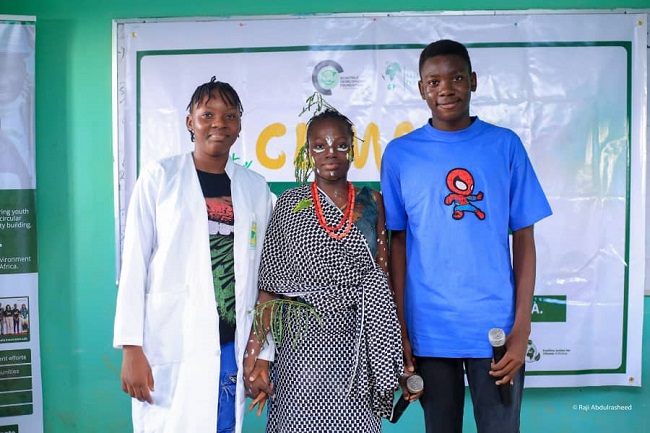
Students at Primark International Academy (PIA) during a session designed to utilise art to promote awareness about climate change

Sir Oko Agaji, the pioneering principal, in his remarks at the grand finale that took place on Friday, October 3, 2025, in Abuja, thanked the initiators for finding PIA among all the schools around worthy of carrying out such a life-changing programme.

“Really, I feel excited, very excited, and privileged,” he said, because climate change is a serious global issue that is having an impact on animals, agriculture, and peaceful human existence in general.

He cited the highly heated atmosphere that was filled with loud noises to draw attention to the emotions of the students and members of the management team, as well as external guests who were all invited to be part of the occasion.

The gesture, he went on to explain, clearly reveals that they were prepared to take advantage of the opportunity offered by the scheme to improve environmental education and fight the climate crisis by fixing some inefficiencies in the school, particularly in the laboratories.

Vehemently, the principal believes and recommends that the government and private sectors work together because the issue at hand directly impacts everyone, causing erosion and posing new ecological threats, as he has witnessed in his own school system.

“If we can partner and make sure we can fight this cause together, it is going to be something that is rewarding,” he said, in response to a question about how the project can be sustained and expanded to benefit more people.

Following the announcement of his group as the overall winner of the competition, the senior prefect of the school, Coban Nathaniel, told EnviroNews in an interview that the programme has been very wonderful and that he finds it to be very educative and inspirational.

“I have been made to change my thinking on certain things about how I treat my trash and environment,” he hinted, underscoring the gains of his newly acquired knowledge not just as a climate solution, but also as a tool for biodiversity preservation.

He promised that going forward, he will be working with other students to educate more people and raise awareness on climate change and how they can cope with it. Nathaniel also pledged to reach out to his friends and encourage them to do the same to make a difference because he feels that by working together, they are stronger.

When asked what he thought other young people like himself could do to provide real answers to the climate crisis, he advised them to practise afforestation and agro-ecology, as well as spread more information about climate change and its effects on everybody.

He hoped that everyone would follow the programme and understand that the earth is theirs to care for. “We should not abuse it, and we should attempt to ensure that while we take from it, we also give back to it, and that is all I have to say.”

Impact and processes

Exploiting a sensitisation workshop, the Plan Learn and Act Now (PLAN) game, poetry, and music, this project shows how creative art can be used to teach school pupils basic climate science and simple available solutions they can deploy to solve the problem. 

The exercise had six groups that competed for the award and five judges, including Elsie Imaikop, a representative from the Federal Ministry of Environment, who oversaw the proceedings and announced the winners.

In their comments on the outcome of the engagement, the panel members praised the participants for their efforts in identifying some of the causes of climate change and urged them to consider how to develop real-life solutions because the crisis at hand requires immediate and tangible action. 

Students were evaluated based on their ability to frame the challenge, as well as their ingenuity and innovation. Others were founded on the quality and manner of presentation, teamwork, and the scalability and sustainability of the solution under consideration. 

Group two finished first and received a staggering sum of N150,000, scoring 91.8%. Group three was the second winner, with a total score of 80.2% and a sum of N100,000, while group five came in third with a score of 76.4% and N50,000. The purpose of these grants is to enable each of them to develop environmentally friendly programmes both inside and outside of the school.

Diverse views, but shared goal

As Sophie Chika, the project officer for Young Professionals in Policy and Development (YouPad) and one of the judges, noted, “The most important thing I noticed is not just identifying a problem, but also offering a solution to it, because the problem at hand is not just mere talk, but one that requires a sustainable answer.”

Although Chika is advocating for more concrete measures to combat the monster, Imaikop believes that identifying the issue is also a crucial component of climate education, which inspired and laid the foundation for the implementation of the entire project. 

But like the school’s principal, they both applauded the organiser for putting together the event, highlighting how important the competition is to assisting the youth in formulating ideas and promoting climate action.

“I really enjoyed and saw myself in all of you,” Imaikop, who works with the Department of Climate Change (DCC) under the ministry, testified, because even though the students were unable to provide immediate solutions to the tasks assigned to them, they all communicated climate change – “that is the main reason why we are here.”

Way forward

For the initiators of the project and her supporter, Green Protocol, their message is simply to raise a generation of young climate champions who will become knowledgeable about climate and environmental challenges and creatively campaign for change in their communities.

Pelumi Omowaye Emmanuel, EDF’s head of communication, asserts that the government must be heavily involved and provide the necessary resources to help extend the project to other young people who live in communities and attend schools outside of the nation’s capital.

In conclusion, reflecting on the principal of PIA’s call for government-private sector collaboration, the senior prefect’s appeal for environmental protection, and the government’s promise to work with stakeholders to promote the idea, one question remained unanswered: how to coordinate all of these pledges and translate all of the expectations into real-life actions. 

EDF has shown us the way to go; it is now time for state and non-state actors to join them and ensure that this noble and nascent vision is sustained for the good of both current and future generations of Nigerians.

By Etta Michael Bisong, Abuja

Next step for Nigerian youth in implementing NDC 3.0: From awareness to action

Nigeria’s updated Nationally Determined Contributions (NDC 3.0) and the Just Transition Guidelines and Action Plan (JT-GAP) mark a pivotal moment for the country’s climate future. As Nigeria strives toward a low-carbon, climate-resilient economy, the youth – who make up more than 60% of the population – are not just beneficiaries but critical drivers of this transformation.

From Climate Awareness to Climate Literacy: The first step for Nigerian youth is to build technical literacy on climate governance. The JT-GAP calls for evidence-based, people-centered transitions anchored in equity and inclusivity. Youth networks should deepen their understanding of Nigeria’s Energy Transition Plan (ETP), the Long-Term Low Emission Development Strategy (LT-LEDS), and the NDC 3.0 framework. Integrating climate education into university curricula, vocational programs, and civic engagement platforms will enable young Nigerians to transition from passive observers to informed advocates and implementers.

Youth agripreneurs
Fille photo: Youth agripreneurs during a visit to Dr Akinwumi Adesina, former President of the African Development Bank (AfDB),

Driving Green Skills and Workforce Development: The JT-GAP highlights reskilling and upskilling as a strategic national priority. Youth-led organisations must collaborate with the private sector and training institutes to create Green Skills Hubs in renewable energy, waste management, climate-smart agriculture, and circular economy practices. This alignment will ensure the NDC’s mitigation targets generate equitable employment opportunities.

Catalysing Local Climate Action: Youth must localize NDC implementation by transforming community-level initiatives into measurable climate actions. Projects such as solar mini-grids, recycling enterprises, and urban tree planting can serve as micro-models for adaptation and mitigation. These grassroots interventions reflect the inclusive governance and social protection priorities outlined in the JT-GAP.

Pushing for Policy Accountability and Open Climate Data: A just transition requires transparency. Youth organisations can partner with the National Council on Climate Change (NCCC) to monitor NDC implementation using open data dashboards and citizen scorecards. Civic-tech tools can track emissions data, financing, and social impacts – turning climate accountability into a youth-powered reality.

Engaging in Climate Finance and Innovation: Nigeria’s transition will demand massive investment mobilized from domestic and international sources. Youth entrepreneurs must therefore venture into green startups – from renewable energy enterprises to climate fintech – that can attract concessional loans, carbon credits, and green bonds. Partnerships with entities such as the Development Bank of Nigeria and the Green Climate Fund will be critical.

Strengthening Social Inclusion and Gender Equity: The NDC 3.0 cannot succeed without ensuring gender-responsive and inclusive action. The JT-GAP stresses that women, youth, and persons with disabilities should be prioritised in planning and leadership. Youth coalitions should mainstream social inclusion to ensure equitable participation and benefits in the green economy.

Building Alliances for Just Transition: Finally, Nigerian youth must embrace coalition-building. Collaboration among youth movements, civil society, academia, and local government will strengthen advocacy and resource sharing. Establishing a National Youth Platform on Just Transition and NDC Implementation could unify youth voices in national and international climate dialogues.

In conclusion, the NDC 3.0 is not just a climate document – it’s a generational roadmap. For Nigerian youth, the task ahead is clear: to transform commitment into capacity, awareness into accountability, and ambition into tangible community impact. By anchoring their efforts on justice, innovation, and inclusion, Nigerian youth can turn the Just Transition vision into a sustainable legacy for generations to come.

By Olumide Idowu, Executive Director, International Climate Change Development Initiative (ICCDI-Africa)

Nigeria’s rig count soars to 69 as upstream sector gains momentum – NUPRC

0

The Nigerian Upstream Petroleum Regulatory Commission (NUPRC) has announced a significant rise in the country’s rig count, increasing from just eight in 2021 to 69.

The commission said this in a statement by its Head, Media and Strategic Communication, Eniola Akinkuotu.

Gbenga Komolafe
Mr Gbenga Komolafe, Commission Chief Executive (CCE), Nigerian Upstream Petroleum Regulatory Commission (NUPRC)

Akinkuotu highlighted some of NUPRC’s high impact achievements, four years since its establishment, adding that the growth is a clear testament to the renewed vigour and investor confidence in Nigeria’s upstream petroleum sector.

He said that in spite of the challenges it inherited from the pre-Petroleum Industry Act (PIA) era, it exceeded revenue targets, recorded 39.98 billion dollars investment, and increased rig count and crude oil production.

“The latest rig count of 69 comprises 40 active rigs, eight on standby, five on warm stack, four on cold stack and 12 on the move.

“This represents a 762.5 per cent increase in barely four years.

“The success aligns with the charge of President Bola Tinubu that Nigeria is ready for business and that the right investment climate prevails now in the Nigeria upstream as daily actioned by the NUPRC.”

He said that NUPRC approved billions of dollars divestments in 2024 from the Nigeria Agip Oil Company to Oando Energy Resources; and Equinor to Chappal Energies.

He said that there was also divestment from Mobil Producing Nigeria Unlimited to Seplat Energies; and Shell Development Company Nigeria Limited to Renaissance Africa Energy.

According to him, the divestment is about investor portfolio re-ordering to focus on deep-offshore development.

He said that to give meaning to the intent of the PIA, 2021, the commission, in consultation with stakeholders, developed 24 forward-thinking regulations, adding that 19 had been gazetted while five await gazetting.

Akinkuotu said that in 2022, 2023 and 2024, NUPRC surpassed its revenue target by 18.3 per cent, 14.65 per cent and 84.2 per cent respectively, in spite of oil production and prices fluctuation, thus contributing to economic growth.

“Between 2024 and 2025, the commission approved 79 Field Development Plans (FDP) (41 in 2024 and 38 Year-to-Date (YTD) 2025 with potential investment of 39.98 billion dollars.

“Crude oil production has increased with current average daily production of 1.65 million barrels per day.

“It is expected to increase further with the Project one million barrels per day initiative, aimed at achieving 2.5 million barrels per day in 2027 compared to NUPRC commencement,” he said.

According to him, prior to NUPRC‘s establishment, the licensing rounds were opaque and beclouded by political influence which made the process lack credibility.

“However, the NUPRC with the support of President Bola Tinubu, transformed the process to be fully digital, enhancing transparency and credibility.

“The commission, in line with the PIA, 2021 and with the support of the President, is implementing the ‘Drill or Drop’ policy which prescribes that unexplored acreages are to be relinquished.

“This policy is designed to ensure optimal use of oil assets and prevent dormant fields from tying up potential reserves.

“It has successfully identified 400 dormant oil fields and has also propelled complacent oil companies to take quick action,” he said.

On Gas Flare Commercialisation, he said that it had completed awards of flare sites to successful bidders under the Nigerian Gas Flare Commercialisation Programme (NGFCP).

He said that the programme was aimed at eliminating gas flaring and attracting 2.5 billion dollars investments.

The NUPRC spokesman said that the Host Community Development Trusts have remitted N122.34 billion, while dollar contributions stand at over $168.91 million.

This, he said, translated to a combined remittance of over N358.67 billion based on the prevalent exchange rate.

“The NUPRC is overseeing at least 536 projects at various stages of completion, including schools, health centers, roads and vocational centres.

“These are being funded by the trust fund while the achievement has curbed crude oil theft,” he said.

As part of its mandate to develop the country’s hydrocarbon, Akinkuotu further said that the commission had recorded 306 development wells drilled and completed between 2022 to date.

He said that the NUPRC also issued Nigeria’s first Petroleum Exploration Licence (PEL) for a large offshore geophysical survey covering 56,000 km² of 3D seismic and gravity data.

He said that in 2021, the average daily crude oil losses stood at 102,900 barrels per day (bpd) or 37.6 million barrels per year.

According to him, due to combined efforts of the General Security Forces and Private Security Contractors (TANTITA), as well as collaborative effort of the commission, this has reduced by 90 per cent to 9,600bpd .

“The Gbenga Komolafe-led NUPRC has continued to show leadership as it championed the establishment of the African Petroleum Regulators Forum (AFRIPERF), facilitating cross-border development and strong voice for Africa in hydrocarbon advocacy globally.”

By Emmanuella Anokam