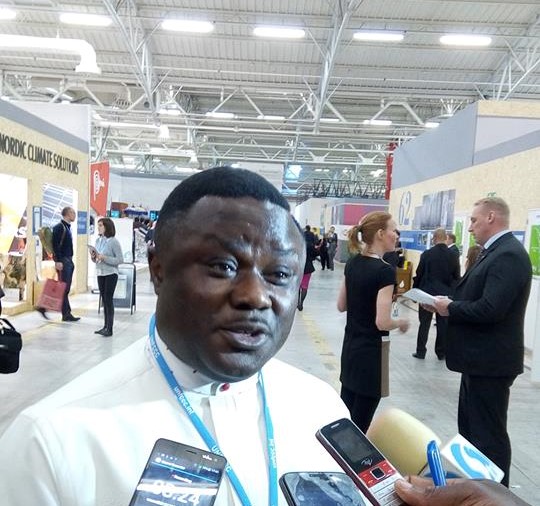
The Paramount Ruler in Khana Local Government Area in Rivers State, King Baridam Suanu, has urged the Federal Government to make visible progress in implementing the Ogoni clean-up project.
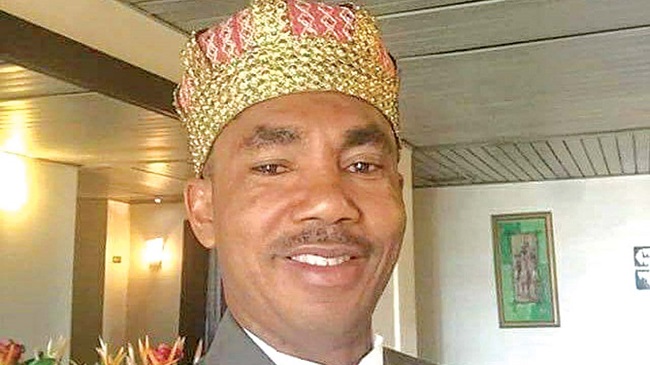
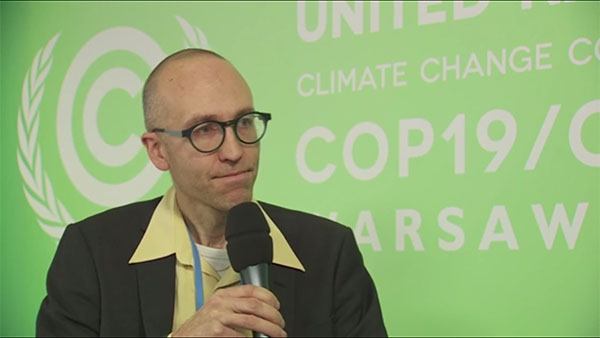
King Baridam Suanu
Suanu made the call in an interview with the News Agency of Nigeria (NAN) on Thursday, December 13, 2018 in Port Harcourt, the state capital.
The paramount ruler, however, commended the present administration for having the political will to launch the Ogoni clean-up recently.
According to him, this has unveiled continued government commitment to the project since the launch.
He, therefore, urged the Federal Government to do the needful by contracting the project as well as monitoring its funding and disbursements to achieve success in the exercise.
He said that, so far, the amount of money released to the Hydrocarbon Pollution Remediation Project (HYPREP) board and the ingenuity of companies shortlisted for the exercise showed some insincerity in its implementation.
“I heard that monies have been released to the HYPREP board, we were also told that 20 companies have already been shortlisted for the clean-up and as I speak these companies are yet to be seen on site.
“Though, I have my reservation about some of the companies shortlisted because I don’t think most of them even applied officially for the contract.
“Basically, I think there is a form of political situation going on at the seat of power.
“People just award contracts, my fear is that most of these companies that have been awarded the clean-up contracts may end up subletting them and that is not going to be very good for the exercise.
“For me, I think that the Federal Government is not yet keen at addressing Ogoni clean-up, whenever they are ready to achieve success in that regard, we will know,’’ he said.
Suanu said that, apart from an indigenous company known as Geo-Services Company among the shortlisted contractors, others had remained secretive in their operations.
“For now, I’ve not actually seen any of the companies being mobilised on site, but I know from the report available to me, there may be one indigenous company, Geo-Services among them.
“Others are unpopular companies that my instinct tells me may not have the technical knowhow to deliver on the clean-up project.
“Apart from a company like Geo-Services whose directorate and operations are known in this region others are new to me,” he said.
Resident Representative of the Food and Agriculture Organisation (FAO) in the Gambia, Madam Perpetua Katepa-Kalala, has revealed that the objective of the Canary Current Large Marine Ecosystem (CCLME) project is designed to help countries to bring together knowledge and capacity-building in order to establish adequate mechanisms of good governance.
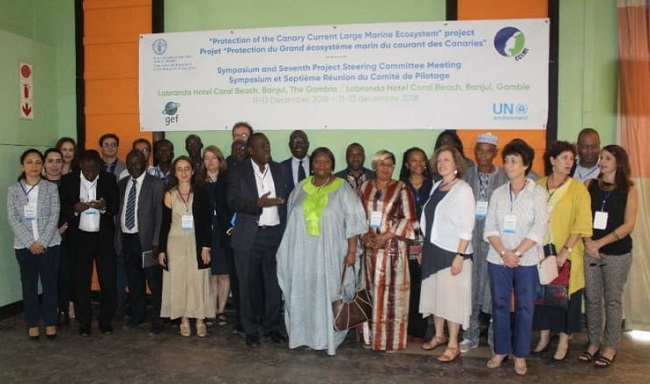
Participants at the Seventh Steering Committee Meeting of the project on the Protection of the Canary Current Large Marine Ecosystem, in Banjul, The Gambia
This, according to her, is aimed towards managing and reversing the trend of degradation of this ecosystem caused by overfishing, habitat change and changes in the quality of the water, by adopting a management based on the ecosystem approach.
She spoke at the official opening ceremony of the Seventh Steering Committee Meeting of the project on the “Protection of the Canary Current Large Marine Ecosystem” (CCLME) held in Banjul.
“The current phase of the CCLME project was initiated in 2010 and is jointly funded by the Global Environment Fund (GEF), countries of the region and partners. It is being implemented by FAO and the United Nations Environment Programme (UNEP) with two components: Fisheries and Environment. This project will benefit seven countries namely Cape Verde, The Gambia, Guinea, Guinea Bissau, Mauritania, Morocco and Senegal,” she pointed out.
Katepa-Kalala disclosed that it was at the CCLME first project steering committee meeting held in Dakar, Senegal in 2010 that agreement was made on the establishment of eight technical working groups to assist the process of development of a Transboundary Diagnosis Analysis (TDA) and the elaboration of a Strategic Action Plan (SAP) for the CCLME. These tasks, she noted, were achieved with success while the Strategic Action Plan (SAP) was signed by 12 Ministers of Environment and Fisheries of the seven countries.
Madam Katepa-Kalala further disclosed that CCLME demonstration projects have also made significant progress to respond to the issues addressed in their frameworks, while diverse actions could be replicated in the frame of the implementation of the Strategic Action Plan.
“This Seventh Steering Committee meeting will allow you to review the achievements of the project and examine the status of the main products of the project, while it also serves as an opportunity to analyse plans for the coming year,” according to her.
Speaking on behalf of the Minister of Environment, Climate Change and Natural Resources, Senior adviser to the Minister Dr. Malanding Jaiteh disclosed that the complexity of the ecosystem and the diversity of the interventions that it undergoes explain the relevance of the participatory approach taken by the project. It promotes across national boundaries, the agreement at the regional level that will enable countries to adopt a coordinated approach to deal with cross-border problems in various countries sharing this marine and coastal environment,” he stated.
This collaborative approach is probably the best way to improve the health of this ecosystem, he pointed out, adding that the participation of the Gambia in the project reflects the interest of the country in the management of its marine and coastal environment as the engine of environment development and with the conviction that it is only through sharing of expertise that the country can meet the challenges facing the country in all areas, including that of fishing.
Dr. Bamba Banja, Permanent Secretary of the Ministry of Fisheries, Water resources and National Assembly Matters, noted that the CCLME is one of the main global systems of transboundary currents with upwelling, and it also ranks third in the world in terms of primary productivity, after the large marine ecosystems (LMEs) of Humboldt and Benguela, and it provides the highest fish production of any African LME with an annual production between two and three million tons.
Dr. Banja revealed that it also provides ecosystem goods and services including habitats for fishes and other coastal species, freshwater coastal and estuarine rivers, mangrove forests, maritime and coastal areas for agriculture, aquaculture, urban tourism and transportation. The CCLME is a vital food and economic resource, not only for the coastal populations bordering the Large Marine Ecosystem, but also for much of West Africa, and beyond, he concluded.
A coalition of African environmental civil society organisations (CSOs) under the umbrella of the Pan Africa Climate Justice Alliance (PACJA) has expressed concern about lack of concrete outcomes so far, following the ongoing climate change negotiations in Katowice, Poland.
Mithika Mwenda, Secretary General of the Pan African Climate Justice Alliance (PACJA). Photo credit: cloudfront.net
“We detest the fact that, despite working to beat the deadline to deliver a credible report as mandated by COP21 held in Paris in 2015, the Intergovernmental Panel on Climate Change (IPCC) is under contemptuous attack by a coalition of climate deniers revolving around the United States,” said Mithika Mwenda, Executive Director for PACJA.
“There is no doubt that we leave Katowice when the IPCC Special Report has been trashed by a section of parties to the Climate Change Convention thus posing a credibility gap to the report,” he said.
The coalition feels that this is not good news to climate diplomacy which has traditionally relied on IPCC to inform the conversations. And this, sadly, could be a victory to those who have fought to reverse gains made to combat climate crisis. The functionality of the Kyoto Protocol is currently on “life support machine” and may be declared dead by 2020 because 23 Parties/countries have deliberately declined to ratify the Doha Amendment.
“We therefore urge the COP24 Presidency to expedite the consultations both under the Presidency and the Ministerial consultations on such critical areas of finance; Modalities, Procedures and Guidelines (MPGs) under the Paris Agreement with a focus on Transparency, Guidance on Mitigation/NDCs, Global Stocktake and compliance; Technology; Adaptation; and Cooperative Implementation under Article 6 of the Paris Agreement,” said Mwenda.
He elaborated the issues as follows:
Climate finance: We are greatly disappointed with the negotiation progress and lack of concrete and ambitious outcomes on the climate finance. A day to the conclusion of the negotiations, there is still no clear roadmap to fulfil pre-2020 commitments climate finance commitment; no conclusion on discussion of the robust climate finance communication and reporting framework for developed countries. In addition, there is no clear guidance on how the Adaptation Fund will serve the Paris Agreement and its resource mobilisation, as well as lack of a way forward on initiating discussion for a new quantified climate finance goal.
We also convey our discomfort with the emerging trend where developed country Parties want to shift their climate finance obligation to private companies. As non-state actors recognised in the Paris Agreement, private companies may contribute to the mobilisation efforts, but developed country Parties should be guided by their obligation under Article 4.3 of the Convention, to provide public, grant-based, new and additional financial resources to developing countries. We wish to reiterate that developed country Parties should not exploit the finance provisions under the Paris Agreement to escape their obligation to provide new and additional climate finance under the Convention.
We welcome the pledges of $129 million to Adaptation Fund which broke the single-year record of resource mobilisation. However, it falls short of around $264 million required for the Fund. Much more need to be done to support adaptation. We further welcome pledges for Green Climate Fund, but additional substantial pledges should be made and fulfilled to make the replenishment process a success. Assessment should therefore be done to identify the amount of funds necessary to assist developing countries in implementing the Convention.
Adaptation: This is an essential pillar in African climate responses at all levels. We thus are worried about the disagreements on which Parties should be encouraged to provide resources for the implementation of the work of adaptation-related institutions; an inventory of relevant methodologies for assessing adaptation needs; and the role of the IPCC in that process.
Loss and Damage: Africa continues to suffer enormous economic losses in billions of dollars as a result of climate change impacts. This is coupled with un-costed social losses due to climate induced displacement of persons thus triggering conflicts. Our conviction is that insurance is not the best solution for loss and damage. As we continue calling for a predictable and grant-based financing approach for loss and damage, we reiterate that Loss and damage must be reflected separately throughout the Paris Agreement Work Programme and should be integrated into every agenda item.
Enhanced Transparency Framework: We demand for flexibility as guided by the principle of Common but Differentiated Responsibility and Respective Capabilities (CBDR-RC) for developing countries; and financial support with capacity building for the enhanced transparency framework.
Technology Transfer: We re-emphasis the need for provision of support to the technology mechanism, and that a clear and effective framework is put in place for the periodic assessment of the support provided by developed countries on technology development and transfer.
We urge the COP Presidency that he has a life-long legacy to cultivate, in avoiding any manoeuvres to open re-negotiations of the Paris Agreement by upholding the principles of transparent and participatory consultations. Ministers have the potential to simplify the complexities that remain outstanding under the technical negotiations. We encourage our African Ministers to be steadfast on the African Position to ensure the outcomes in Katowice reflect our peoples’ expectations and needs.
A new study by Rocky Mountain Institute (RMI) shows how rural mini-grids can rapidly scale across sub-Saharan Africa by addressing key barriers and cost reduction pathways to reduce costs over 60 percent by 2020.
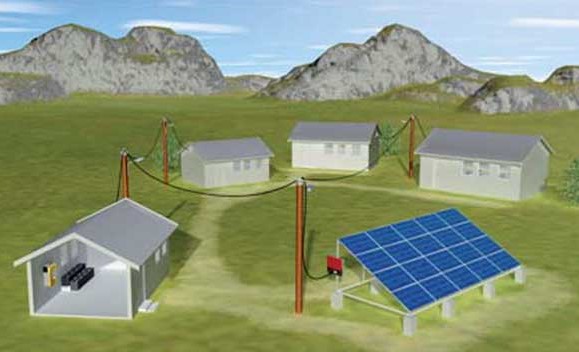
An impression of a mini-grid solar system
More than 600 million people, 65 percent of sub-Saharan Africa, lack electricity access. Hundreds of millions more have only an unreliable and intermittent supply at best.
The traditional path of bringing power to these unserved millions is to expand the electricity grid, build new fossil-fuel-based power plants and run transmission and distribution lines to far-flung villages, farms and homes. That model works in the developed world, where strong government agencies and locally organised cooperatives have driven electrification.
Yet the approach has not been as effective in sub-Saharan Africa and other developing regions for several reasons, including: high infrastructure costs, low ability of end-users to pay, disproportionately small end-use demand in villages and unreliable and intermittent electricity supplied via grid extension.
In the face of these challenges, alternative approaches like mini-grids are being considered to provide energy access to remote communities. Mini-grids – small-scale distribution networks with local generation based primarily on solar PV power and backed up by batteries or gensets for reliable 24/7 power – can provide significant levels of power in isolated, rural locations.
“There’s a transformative effect that comes with larger, more reliable amounts of electricity – whether it’s grinding millet or cassava, washing coffee beans, running welding equipment or driving irrigation pumps. These are essential appliances for real economic growth in rural Africa, and the kind of development so many African governments and citizens are seeking,” said Kelly Carlin, manager at RMI.
However, while successful examples exist, mini-grids have yet to scale across the continent. Addressing and overcoming barriers is critical for mini-grids to deliver benefits for the populations that need them most. The barriers to scaling rural mini-grids in Africa include high cost, an underutilisation of their generation capacity, expensive or unavailable financing and regulatory and policy barriers.
RMI identified a pathway to address these barriers and reduce mini-grid costs by 60 percent. Following this pathway would rapidly accelerate market growth for mini-grids by cutting the levelised cost of electricity of minigrid-produced power from between $0.60 per kWh and $1.00 per kWh today, to $0.25 per kWh by 2020, making it cheaper than alternatives like diesel gensets, and in many places, traditional grid extension.
Steps along the cost-reduction pathway
Reduce costs of mini-grid hardware. Leverage the ongoing fall in renewable energy costs by bulk purchasing components and streamlining procurement. Develop standardised, modular designs and simplify construction methods.
Ensure that the electricity generated is fully utilised. Focus on the productive use of electricity for activities like agro-processing by prioritising areas with existing businesses and by supporting business growth that will use power.
Focus on customer acquisition and relationship management. Engage the community and local groups to sign up customers, inform them of opportunities and retain their business.
Cut costs of construction and operation. Cluster isolated mini-grids together to improve efficiency, take advantage of remote monitoring technology and utilise local labour.
Enable low-cost financing. Increase the availability of, and reduce the cost of capital for, mini-grid projects through standardised financing and coordinated government and development partner efforts.
Reduce regulatory barriers, costs, and risks. Create transparency and an enabling environment for off-grid electrification and mini-grids in particular by setting clear and well-crafted regulations, fair and stable taxation and customs regimes and clear policies around grid extension.
More and more rainfall extremes are observed in regions around the globe – triggering both wet and dry records, a new study has shown.
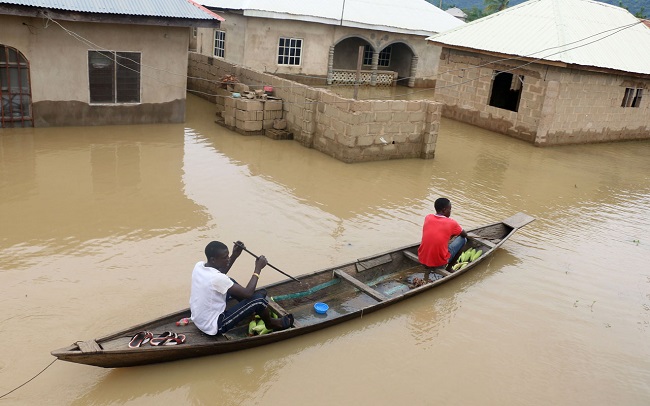
Residents steer a dugout canoe past flooded houses following heavy rain in the Nigerian town of Lokoja, in Kogi State, on September 14, 2018. Photo credit: AFP / Sodiq Adelakun
There are however big differences between regions: the central and eastern US, northern Europe and northern Asia have experienced heavy rainfall events that have led to severe floods in recent past.
In contrast, most African regions have seen an increased frequency of months with a lack of rain. The study is said to be the first to systematically analyse and quantify changes in record-breaking monthly rainfall events from all over the globe, based on data from roughly 50,000 weather stations worldwide. Climate change from fossil fuel greenhouse gases has long been expected to disturb rainfall patterns, say scientists.
“We took a close look at observed monthly rainfall data – if it’s not just a few days but several weeks that are record wet, this can accumulate over time and lead to large river floods, or to droughts if it is record dry,” says lead author Jascha Lehman from the Potsdam Institute for Climate Impact Research (PIK). He adds that the impacts on people’s livelihoods in the affected regions can be huge, ranging from flooded houses to endangered food security due to large-scale agricultural losses.
Downpour in parts of US, Europe, Russia – drought in parts of Africa
The US has so far seen an increase of record wet months by more than 25 percent in the Eastern and central parts over the period 1980-2013. Argentina and bordering countries have experienced an increase of 32 percent. In central and northern Europe, the increase is between 19 and 37 percent. In the Asian part of Russia, the increase is around 20 percent, while South East Asia shows an increase of about 10 percent.
The scientists ran strict tests for the statistical significance of observed changes. Therefore, they so far see significant changes in dry extremes just in Africa south of the Sahara and in the Sahel zone where dry records have increased by up to 50 percent.
“This implies that approximately one out of three record-dry months in these regions would not have occurred without long-term climate change,” says co-author Dim Coumou from the Institute for Environmental Studies (IVM) at Vrije Universiteit Amsterdam. “A central conclusion from our study is that, generally, land regions in the tropics and sub-tropics have seen more dry records, and the northern mid- to high-latitudes more wet records – this largely fits the patterns that scientists expect from human-caused climate change.”
UN climate summit decides about future rainfall extremes
The scientists compared observed wet and dry rainfall extremes to the number of extremes that would be expected in a climate without long-term changes.
“We checked for new records – monthly rainfall values that have never been observed before in a given region since the beginning of systematic measurements more than a hundred years ago. Of course, one expects to see some rainfall records simply due to natural variability. Normally, record weather events occur by chance and we know how many would happen in a climate without warming,” explains Jascha Lehmann. “It’s like throwing a dice: on average, one out of six times you get a six. But by injecting huge amounts of greenhouse gases into the atmosphere, humankind has loaded the dice. In many regions, we throw sixes much more often with severe impacts for society and the environment.”
“It is worrying that we see significant increases of such extremes already at just one-degree global warming,” adds Lehmann. “Right now, governments from countries all over the world meet at the UN climate summit – if they do not agree on solutions to limit warming to well below 2 degrees, we’re headed for 3-4 degrees within this century. Physics tells us that this would boost rainfall extremes even further.”
The Federal Government has declared Ikom and Yala Local Government Areas (LGAs) of Cross River State open defecation free (ODF).
Gov Ben Ayade of Cross River State
The declaration was made at a news conference held in Calabar, the state capital, on Thursday, December 13, 2018 by the state Ministry of Water Resources.
Speaking at the occasion, the Minister of Water Resources, Mr Suleiman Adamu, who was represented by Mr Emmanuel Awe, a Director in the ministry, commended the state government for the feat.
According to the minister, while Nigeria made significant progress in the provision of safe water supply in the past decade which had contributed to socio-economic development, the same could not be said of sanitisation and hygiene.
“Nigeria was reported to be the country with the highest number of people practising open defecation in Africa, with over 46 million people involved.
“To this end, the Ministry of Water Resources in collaboration with United Nations Children Education Fund (UNICEF) developed the strategic document -Making Nigeria Open Defecation Free,” he said.
The minister noted that, on Nov. 8, President Muhammadu Buhari also declared a state of emergency in the Water Sanitation and Hygiene (WASH) sector and launched the National Action Plan for the revitalisation of the sector.
“More recently, the ministry launched the Open Defecation Free Nigeria (Rural) 2025 campaign during the last National Water Resources Council meeting held in Abuja.
“These are geared to ensure that Nigeria meets the 2025 target of making the country open defecation free,” he said.
Similarly, the state’s Commissioner for Water Resources Mr Ntufam Gabe-Odu said all the communities in Ikom and Yala had satisfied the National Open Defecation Protocol.
He thanked the Community-led Health Improvement through Sanitisation and Hygiene Promotion in Nigeria (CHISHPIN) and all the other agencies that supported the initiative.
The commissioner also urged all hands to be on deck in order to make the state the first state to be declared ODF in the country.
Earlier, the traditional rulers of Ikom and Yala LGAs thanked the government for its efforts =and called for increase funding for such laudable initiatives to ensure sustainability.
“Sustainability is key to whatever we are doing; some communities operating this scheme in the states do not have boreholes and depend on streams which dry up in the dry season.
“We depend on what donors give to this state to survive and so if the state government increases its counterpart funding for projects like this, I think we will benefit more,” he said.
So far, five LGAs in the state – Obanliku, Bekwarra, Yakurr, Ikom and Yala – have been declared ODF.
The South African government will advance the agenda of inclusive growth, a low-carbon and climate-resilient economy not only in the country but also on the African continent, an official said on Wednesday, December 12, 2018.
Nomvula Mokonyane
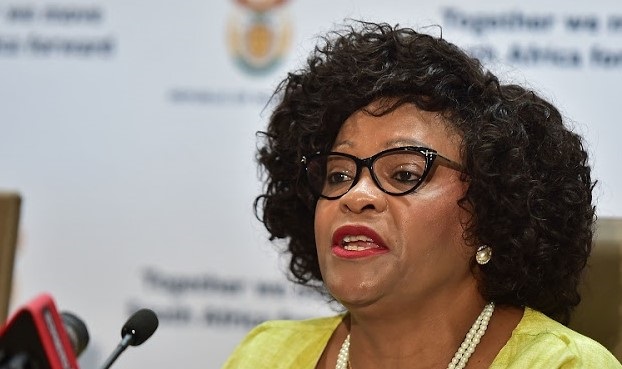
Minister of Environmental Affairs, Nomvula Mokonyane, said this when she announced the government’s plan to host the Partnership for Action on Green Economy (PAGE) Conference, scheduled for January 10-11, 2019 in Cape Town.
The PAGE Conference supports countries and regions to put sustainability at the heart of economic policies and practices to advance the 2030 Agenda for Sustainable Development.
“Hosting the PAGE Conference will advance the agenda of inclusive growth, and the adoption of a low-carbon and climate resilient economy, domestically and on the African continent,” said Mokonyane.
She said the PAGE programme aimed to further strengthen the cooperation, coordination and capabilities required to implement South Africa’s transition to a low-carbon, resource-efficient and pro-employment development path.
The 3rd PAGE Ministerial Conference, under the theme Advancing Inclusive and Sustainable Economies, follows two successful conferences, which were held in Dubai in 2014 and Berlin in 2017 respectively.
PAGE was launched in 2013 as a response to the call at Rio+20 to support those countries wishing to embark on greener and more inclusive growth trajectories.
The platform brings together five UN agencies: UN Environment, International Labour Organisation, UN Development Programme, UN Industrial Development Organisation, and UN Institute for Training and Research.
The platform, whose mandates, expertise and networks combined can offer integrated and holistic support to countries on inclusive green economy, ensuring coherence and avoiding duplication.
Mokonyane said the 3rd PAGE Ministerial Conference would provide an opportunity for member states to reinforce the commitment to transition to a green and sustainable economy.
He said it would also to demonstrate implementation of the tools and strategies to accelerate, scale up and sustain the momentum on deepening green economy principles in socio-economic and environmental planning frameworks.
The minister said South Africa had been working to adopt green economy strategies in line with its National Development Plan Vision 2030, which committed the country to an environmentally sustainable and equitable transition to a low-carbon economy.
The country, she said, was currently implementing programmes to promote energy efficiency, green transport, sustainable housing and climate resilient agriculture.
Similarly, the South African government on Wednesday welcomed the resumption of peace talks aimed at resolving the Western Sahara issue.
“South Africa welcomes the recently concluded first round of negotiations held on Dec. 5 to 6, in Geneva, Switzerland on the situation in Western Sahara,” Minister of International Relations and Cooperation, Lindiwe Sisulu, said.
The talks, held after six years of suspended negotiations, would be followed by a second round-table in the first quarter of 2019.
Sisulu said her country was pleased that Morocco and the Polisario Front had been able to meet to seek a political solution to the conflict.
South Africa is hopeful that this negotiations process, led by former Germen President, Horst Kohler, in his capacity as the Personal Envoy of UN Secretary-General Antonio Guterres will lead to a just, lasting, and mutually acceptable solution.
The negotiation will provide for the self-determination of the people of Western Sahara, Sisulu said in a statement.
“It is our hope that these negotiations are a step in the right direction towards reviving the long-stalled talks between the Polisario Front and Morocco,” she said.
The negotiations took place in accordance with UN Security Council Resolution 2440 adopted by the UN Security Council on Oct. 31, 2018.
The negotiations called on the parties to show “political will and work in an atmosphere propitious for dialogue.’’
Sisulu pledged that South Africa would utilise its upcoming term on the UN Security Council (UNSC) to call on the UN to continue to support the right to self determination of the people of Western Sahara.
South Africa will serve its 2019-2020 term as a non-permanent member of the UNSC.
Western Sahara was partitioned between Morocco and Mauritania at the end of Spain’s colonial rule in 1976.
When Mauritania, under pressure from Polisario guerrillas, abandoned all claims to its portion in August 1979, Morocco moved to occupy that sector and asserted administrative control over the whole territory.
Fighting then broke out between Morocco and the Polisario Front, which is fighting for the independence of Western Sahara.
A cease-fire was signed in 1991 and in that year, the UN mission, known by its French acronym as Minurso, was deployed to monitor the cease-fire.
UN Secretary-General Antonio Guterres says it will “not only be immoral, but suicidal”, should the world body fail to agree on climate change action.
António Guterres
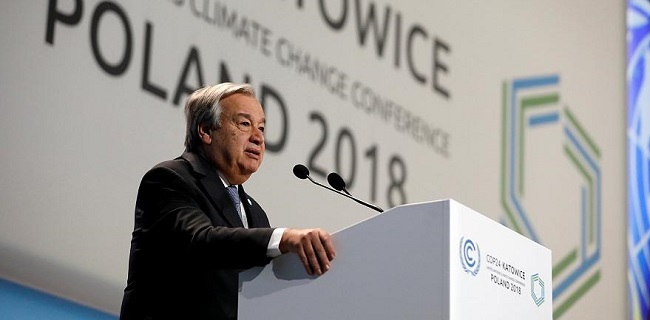
Guterres said this on Wednesday, December 12, 2018 at the ongoing 24th Conference of Parties (COP24) in Katowice, Poland.
He challenged the more than 100 government leaders gathered in Katowice to find consensus and “finish the job”, noting the roadblocks continuing at the (COP24) climate change conference over how to implement the historic 2015 Paris Agreement.
“In my opening statement to this conference one week ago. I warned that climate change is running faster than we are and that Katowice must – in no uncertain terms – be a success, as a necessary platform to reverse this trend,” Guterres said.
Since Dec. 2, the conference has brought together thousands of climate action decision-makers, advocates and activists, with one key objective – to adopt global guidelines for the 197 parties of the 2015 Paris Agreement.
The 197 parties of the 2015 Paris Agreement committed to limiting global warming to less than 2 degrees Centigrade – and as close as possible to 1.5 degrees Centigrade – above pre-industrial levels.
With only three days left at the conference for the negotiations, the UN chief regretted that “despite progress in the negotiating texts, much remains to be done”.
On Wednesday, given the complex state of discussions, the Polish Presidency of COP24 proposed a text to act as a “new basis for negotiations”.
“Key political issues remain unresolved. This is not surprising – we recognise the complexity of this work. But we are running out of time,” Guterres warned, referring to the alarmingspecial report on global warming issued in October by the Intergovernmental Panel on Climate Change (IPCC).
He told the delegations, which are locked in negotiations, that “over the last 10 days, many of you have worked long, hard hours and I want to acknowledge your efforts. But we need to accelerate those efforts to reach consensus if we want to follow-up on the commitments made in Paris.”
He called on negotiators to boost their ambition, with regards to “predictable and accessible financial flows for the economic transition towards a low-emission and climate-resilient world”.
Guterres reminded the audience that developed countries had a financial obligation to support the efforts of developing countries, as established by the UN Climate Change Convention (UNFCCC), under which the Paris Agreement falls, and which was signed in 1992.
“It’s very difficult to explain to those suffering from the effects of climate change that we have not managed to find predictable support for the actions that must be taken,” he remarked.
He hailed various financial announcements made since the beginning of COP24, including by the World Bank, multilateral development banks, and the private sector but urged developed nations to “scale up their contributions to jointly mobilise $100 billion annually by 2020”, as laid out in 2015 in Paris.
“Countries have different realities, different capacities and different circumstances,” he noted, explaining that “we must find a formula that balances the responsibilities of all countries” and that is “fair and effective for all”.
The UN chief said there was the know-how, as well as “incredible momentum from all segments of society” adding that “what we need, is the political will to move forward”.
“I understand that none of this is easy. I understand some of you will need to make some tough political decisions,” he said, adding “this is the time for consensus.
“This is the time for political compromises to be reached. This means sacrifices, but it will benefit us all collectively”, he challenged the conference to overcome national preferences and work together to “finish the job” with raised ambition “on all fronts”.
Guterres stressed: “To waste this opportunity in Katowice would compromise our last best chance to stop runaway climate change. It would not only be immoral, it would be suicidal.”
Ongoing UN Climate talks in Katowice, Poland are at a critical stage, as negotiations on Wednesday, December 12, 2018 moved into bilateral talks between ministers and in the final days of the summit.
Observers are optimistic that the talks will deliver results.
Mattias Söderberg of the ACT Alliance
“We are concerned about the slow progress and we call on all delegates to acknowledge the urgency and the need for scaled-up ambition,” said Mattias Söderberg, the head of the ACT Alliance delegation. “This meeting is critical for billions of people around the world, and governments should not let them down.”
One issue that appears to have proven very difficult and on which parties stand far apart is climate finance.
Söderberg commented, “We should always remember that talks about climate finance are talks about climate action. With no support, poor and vulnerable countries will have difficulties to take the action needed.”
“All parties agree that there is a need to scale up the ambition, but this will only be possible if there also is a scale-up of support. Climate finance must, therefore, be new and additional,” he continued. “It seems like developed countries have difficulties in delivering the new and additional support they have promised. Therefore, they try to create flexible rules which make it possible to include a number of existing financial flows in their reporting.”
Current climate finance includes a large amount of loans, which have to be repaid with interest. “Loans may play an important role for many investments, but when we talk about climate finance it is worrying that developed countries want to include money which in fact will be repaid,” Söderberg said. “Repayment and interest may lead to a situation where developing countries end up with the bill, where climate finance flows which were agreed as a support to developing countries, turn into a backflow of funds to rich countries. That is not fair!”
COP24 is expected to deliver a rulebook, which will create a framework for the implementation of the Paris Agreement. Rules for how to report and account climate finance will be part of the rulebook. According to Söderberg, “We need robust and fair rules, with an aim to promote concrete action on the ground, leading to support for poor and vulnerable communities. We should never forget that climate change already has critical effects on people around the world, and they are in urgent need of support.”
A recent analysis by DanChurchAid, a member of the ACT Alliance, shows how rules for climate finance may have a big effect on the amount of support developing countries will receive in the coming years.
At the closing of the Talanoa Dialogue on Wednesday, December 12, 2018, the Presidencies of this and last years’ UN Climate Change Conferences (COP24 and COP23) issued the Talanoa Call for Action.
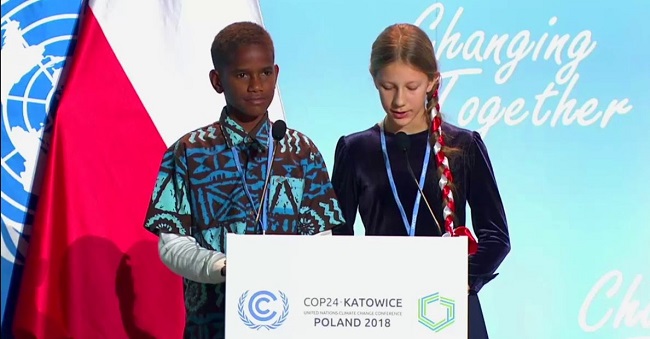
Youth champions Timoci Naulusala from Fiji and Hanna Wojdowska from Poland
The statement calls for the urgent and rapid mobilisation of all societal actors to step up their efforts with a view to meeting the global climate goals agreed in Paris in 2015. The calls to action were delivered by youth champions Timoci Naulusala from Fiji and Hanna Wojdowska from Poland.
The closing session concluded 21 ministerial roundtables – convened on the previous day at COP24, which runs to the end of the week in Katowice, Poland. The roundtables brought together nearly 100 ministers and over 40 non-Party stakeholders to chart a way forward for global climate action.
“It is with great joy and commitment that the Polish Presidency co-leads with Fiji the Talanoa Dialogue,” said COP 24 President, Michał Kurtyka. “The exchange of experiences and good practices, which is guided by the idea of Dialogue, is particularly important at this stage – the Dialogue’s discussion will focus on the question: how do we want to achieve the goal? A similar question constitutes the main issue of COP24, that is, the establishment of the Katowice Rules mapping out the viable paths that each country will follow in their efforts at intensifying actions for climate protection. The Talanoa Dialogue is therefore closely interwoven with the main task of COP24 – developing specific methods of combating climate change that are optimal for each Party.”
Afterwards, the Prime Minister of Fiji, Frank Bainimarama, President of COP23, said that the time for talking and listening – as important as that has been and will continue to be in the Talanoa process – must now also give way to action.
“The Talanoa Dialogue now must give way to the Talanoa Call for Action. Together, we must recognise the gravity of the challenge we face – the need to increase our collective nationally determined contributions fivefold – five times more ambition, five times more action – if we are to achieve the 1.5 degree target. Together, we must unreservedly accept the science and the advice that our present NDCs have us on target for warming of at least 3 degrees by century’s end. Together, we must commit to continue exchanging ideas and best practices to raise our NDCs and achieve net-zero emissions by 2050. Together, we can overcome the greatest threat humanity has ever faced – with the entire global community eventually emerging more prosperous and more resilient,” he said.
Overall, today’s “call for action” represents the outcome of a year-long process that has, for the first time in UN Climate Change’s history, brought together governments and thousands of actors from across the world in informal discussions on international climate policy that have seen virtually all segments of society have their say.
The call is issued against the backdrop of stark warnings in several recent UN reports – including the IPCC’s Special Report on 1.5 and UNEP’s Emissions Gap Report – which show that greenhouse gas emissions continue to grow and only rapid and far-reaching action on an unprecedented scale, together with adequate resources and technology, can prevent the worst climate impacts, and help transition economies to a just, clean future.
It therefore sends a critical political signal to governments as they embark on updating their national climate pledges and preparing long-term climate strategies, due by 2020.
In the spirit of the Talanoa Dialogue – which was inclusive of the inputs of all actors throughout 2018 – the statement captures a series of “calls” directed at governments, international agencies, non-Party stakeholders, civil society, spiritual leaders and youth, as a means of fostering greater political will and action. The Presidencies now invite all stakeholders – including the general public – to join the “Talanoa Call for Action” to amplify the message and spread support.
The Talanoa Dialogue – borrowing from the Fijian traditional way of holding conversations to tackle collective issues – was convened as part of the UN climate talks and gathered views on three guiding questions in relation to the climate crisis: Where we are? Where do we want to go? How do we get there?
Its purpose was to take stock of global efforts since the Paris Agreement was adopted and inform the preparation of nationally determined contributions. The response has been overwhelming, showing unprecedented levels of climate action by governments, businesses, civil society, citizens, and many others. Under the third question, the process identified myriad solutions and ways forward to meet the Paris goals.
It is noteworthy that in many cases the views gathered from non-Party stakeholders are those of coalitions of actors spanning many different countries and representing a sizeable share of the world population and world economy.
Virtually all contributions show alarm at the gap between current levels of ambition and action and what is required to achieve Paris Agreement goal and call for enhanced determination from all to create an enabling environment and remove barriers to unleash untapped potential.