Home Blog Page 170

Tinubu tasks IMF, World Bank, others on climate action funding

0

President Bola Tinubu has called on the World Bank, International Monetary Fund (IMF) and African Development Bank (AfDB) to scale up financing for climate action.

Tinubu, represented by the Vice-President, Sen. Kashim Shettima, made the call at a Climate Submit during the 80th Session of the United Nations General Assembly (UNGA), in New York, United States of America.
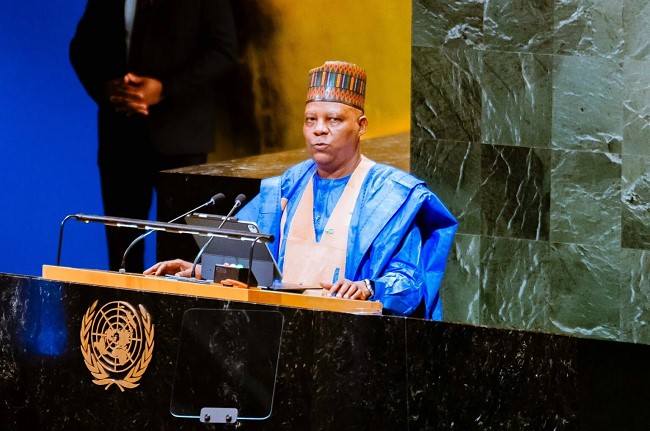
Kashim Shettima
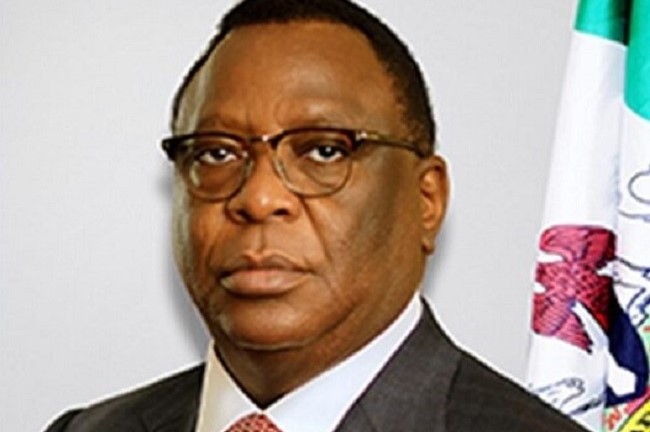
Vice-President, Sen. Kashim Shettima

The president stated that the climate emergency demands not just words, but courageous and sustained leadership.

Tinubu said Nigeria was mobilising $20 to $25 billion in climate finance by 2030, including green bonds, blended finance, and public-private risk-sharing mechanisms.

Tinubu, therefore, called on global partners to scale up concessional finance, knowledge sharing, and technology transfer, to accelerate not just Nigeria’s transition, but Africa’s contribution to a safer, more sustainable world.

He said, “We aim to unlock at least seven – $10 billion in grants and concessional finance from global partners, while promoting technology transfer, regional energy integration, and green entrepreneurship to drive inclusive growth.

“For Nigeria, a country acutely vulnerable to climate impacts, climate action is not a choice; it is an existential necessity.

“To mobilise resources, we have undertaken significant domestic reforms.

“We have simplified and modernised our tax laws to ease compliance, removed unproductive fossil fuel subsidies, reduced burdens on households and businesses, and enhanced revenue efficiency.

“At the same time, we are strengthening our business environment through legislation and policies that improve the ease of doing business.

“This is to attract private capital and expand opportunities for investment in clean energy and sustainable infrastructure.”

Tinubu said said in March 2025, Nigeria launched the Nigeria Carbon Market Activation Policy, which establishes a robust framework for highintegrity emissions reductions.

He added, “While positioning Nigeria as a credible hub for Article 6, Voluntary and Compliance carbon markets.

“Through this mechanism, our target is to mobilise up to $2.5 billion by 2030 in high-quality credits and related investments.

“We are under no illusion: no country can tackle the climate crisis alone.

“Like other developing nations, Nigeria requires significant support to implement effective mitigation and adaptation strategies.

“We therefore call on International Financial Institutions notably the World Bank, IMF, and African Development Bank to scale up financing for climate action.

“Likewise, developed countries must honour their climate finance commitments, including the $100 billion annually pledged under the Paris Agreement.”

He said that as a demonstration of its unwavering commitment, Nigeria had updated its Nationally Determined Contributions (NDC 3.0), in line with UNFCCC guidance.

Tinubu continued, “This enhanced NDC reflects greater ambition, integrating mitigation and adaptation measures to safeguard our people, protect ecosystems, and accelerate inclusive growth.

“It was formally submitted to the UNFCCC Secretariat on September 21.

“This NDC3.0 departs from the business-as-usual approach to an absolute economy-wide emission reduction, our highest ambition level to date.”

The president said that the targets were better defined and will be supported by an investment plan to accelerate its implementation.

Tinubu added, “Nigeria’s NDC 3.0 commits to:

I. Significantly increasing mitigation and adaptation ambitions with clearer target when compared to NDC2.0.

Within the LULUCF sector, Nigeria aims to lower the deforestation rate by 60 per cent which offers a substantial mitigation potential of 304.8 MtCO2eq.

“While also pursuing a mitigation potential of 34.4 MtCO2eq by increasing forest area through reforestation and afforestation.”

Tinubu said that Nigeria was increasing the adoption and use of cleaner energy systems, especially in manufacturing and industries.

He added, “We are increasing captive generation capacity using cleaner fuels by installing seven GW, 50 per cent renewable.

“And 50 per cent natural gas, for a practical ‘Energy Mix Plan’, on our journey to net-zero by 2060; electrifying key sectors such as public transport, industry.

“We are also while implementing national energy efficiency standards to deliver absolute reductions in energy intensity by 2030.”

The president said that for the first time, “Health” and “Action for Climate Empowerment” have been included as priority sectors in Nigeria’s NDC3.0, demonstrating its commitment to an economy-wide climate governance.

He also said that Nigeria was scaling climate-smart agriculture to reach five million smallholder farms by 2030, with a view to increasing yields by 20 – 30 per cent and expanding drought-resistant crops.

“We are building resilient infrastructure, integrating early warning systems, climate-informed urban planning, and resilient housing to reduce climate-related damages by 50 per cent.

“We plan to restore mangroves, forests, and wetlands to enhance carbon sinks by 200 metric tonnes of Carbon Dioxide Equivalent (MTCO2e), cumulatively by 2030, while protecting biodiversity and livelihoods.

“Nigeria aims to lower the deforestation rate by 60 per cent, which offers a substantial mitigation potential of 304.8 MtCO2eq, while also pursuing a mitigation potential of 34.4 MtCO2eq by increasing forest area through reforestation and afforestation,”Tinubu added.

He said institutionally, Nigeria had established the National Council on Climate Change (NCCC), supported by a cross-ministerial Secretariat, to ensure coherence, accountability, and measurable results.

He reaffirmed that for Nigeria, climate action was not a trade-off between growth and sustainability, it was the pathway to sustainable growth, innovation, security, and shared prosperity.

Tinubu assured that Nigeria was ready to work with all partners, to lead where necessary, and to deliver because the time for climate action is now.

By Salisu Sani-Idris
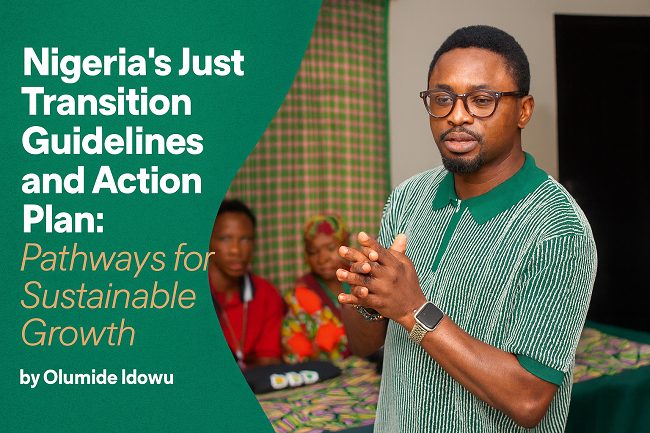
Nigeria’s Just Transition Guidelines and Action Plan: Pathways for sustainable growth

0

Nigeria stands at a crossroads where the global urgency to decarbonise meets its national imperative for inclusive development. The Just Transition Guidelines and Action Plan (JT-GAP) provides a blueprint to manage the risks of decarbonisation while unlocking opportunities for jobs, innovation, and shared prosperity. The report recognises that energy transition cannot be achieved by technology shifts alone – it must be socially inclusive, economically viable, and environmentally restorative.

Key Findings Across Sectors

Oil and Gas: The oil and gas sector, historically the backbone of Nigeria’s economy, faces acute risks of stranded assets, job losses, and declining revenues as the world moves away from fossil fuels. Communities in the Niger Delta still endure displacement, pollution, and poor infrastructure despite decades of extraction. Without planned diversification, both workers and host communities remain highly vulnerable.

Olumide Idowu
Olumide Idowu

Power and Energy: Nigeria’s power system suffers from aging infrastructure, centralisation of green energy investment, and skills mismatches. Access inequalities persist, with rural and low-income households facing high energy costs and limited access to solar and renewable technologies.

Agriculture and AFOLU (Agriculture, Forestry, and Other Land Use)

Farmers face displacement pressures from land competition between food, bioenergy, and conservation needs. Structural barriers persist for women, youth, and smallholders, particularly in access to land, credit, and training. Poorly managed “climate-smart agriculture” could worsen food insecurity if not accompanied by capacity building and monitoring.

Industry: Industrial areas impose disproportionate health and environmental burdens on low-income communities. Governance gaps – fragmented policies, corruption, and limited inclusivity – prevent fair compensation for land acquisition and restrict resource-rich communities from benefiting from industrial activities.

Transport: The transport sector is hampered by unregulated truck emissions, extortion on port routes, underutilised rail and waterways, and prohibitive costs of electric vehicles (EVs). Limited charging and CNG infrastructure worsen inequalities. However, investment in EV adoption, tax incentives, and better road/rail planning could unlock major opportunities.

Recommendations

  1. Oil and Gas Transition
    • Implement phased retraining for oil workers into renewable energy and green manufacturing.
    • Prioritise remediation in oil-bearing regions and channel a portion of oil revenues into local economic diversification.
  2. Energy and Power
    • Expand decentralised renewable energy projects targeting rural areas.
    • Invest in vocational training for solar technicians, grid engineers, and battery specialists.
    • Develop local manufacturing hubs for renewable technologies to reduce reliance on imports.
  3. Agriculture and AFOLU
    • Support farmers with digital tools, resilient seed varieties, and access to carbon markets.
    • Ensure women and youth gain fair access to land tenure and agricultural credit.
    • Strengthen monitoring of climate-smart agriculture to prevent food insecurity.
  4. Industry
    • Enforce emission standards for cement, steel, and chemical industries.
    • Establish community benefit-sharing frameworks in industrial zones.
    • Incentivise cleaner production through tax breaks and concessional finance.
  5. Transport
    • Roll out incentives (low-interest loans, subsidies) to make EVs affordable.
    • Expand EV charging and CNG stations nationwide with private sector partnerships.
    • Revive and diversify rail and waterway infrastructure to reduce overreliance on road transport.

Contribution to Economic Growth: The JT-GAP can accelerate Nigeria’s economic growth by:

  • Job Creation: Reskilling programmes and green sector expansion will provide opportunities for youth and MSMEs, addressing high unemployment.
  • Diversification: Reducing dependence on oil revenues through renewable energy, green agriculture, and sustainable industries will stabilise the economy.
  • Attracting Investment: Clear just transition policies make Nigeria more attractive for climate finance, green bonds, and impact investment.
  • Improving Health and Productivity: Cutting emissions from oil, industry, and transport reduces disease burden, improving workforce productivity.
  • Inclusive Development: Women, youth, and vulnerable groups gain access to opportunities, helping reduce inequality and unrest.

In conclusion, the Just Transition Guidelines and Action Plan offers Nigeria a roadmap to balance climate ambition with social justice and economic transformation. Implementing its recommendations will not only safeguard workers and communities but also unlock new engines of growth – green energy, sustainable agriculture, clean transport, and resilient industries. By embracing this plan, Nigeria positions itself not just to survive the global energy transition but to thrive within it.

By Olumide Idowu, Founder & Executive Director, ICCDI Africa

Bauchi unveils ‘Climate Caravan’ to combat climate change

0

The Bauchi State Government has inaugurated the Climate Caravan, a community-driven initiative aimed at raising awareness and promoting practical solutions to combat the effects of climate change in the state.

Speaking during the inauguration at the Emir’s palace in Bauchi on Monday, September 29, 2025, Mr. Danlami Kawule, the State Commissioner for Housing and Environment, said the Climate Caravan was a call to urgent action as the state faces the devastating impacts of climate change.

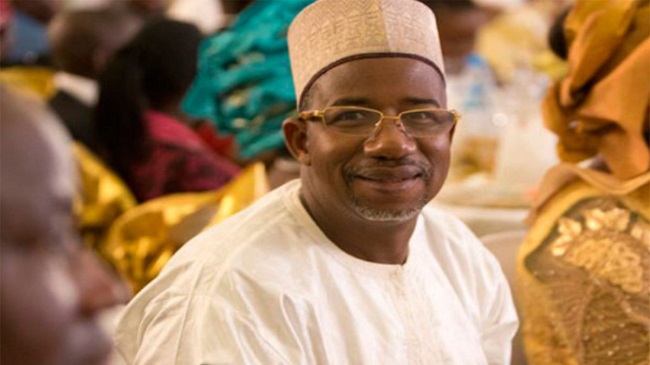
Bala Mohammed
Governor Bala Mohammed of Bauchi State

He highlighted some of the impacts of climate change to include erratic rainfall, destructive floods, droughts, and rising health risks.

“Climate change is not a distant issue reserved for global summits; it is a daily reality here in Bauchi. It threatens our farms, homes, and health.

“This caravan will travel across communities to educate, engage, and inspire collective action for a sustainable future,” Kawule said.

He urged industries and major polluters to adopt cleaner technologies and reduce emissions,

Kawule also called on citizens to take simple but impactful actions such as planting trees, reducing waste, and conserving water.

Dr Kenneth Akpan, Project Manager, Climate Justice OXFAM, emphasised the urgency of addressing environmental degradation,

He stressed the need for a strong state climate policy to reduce climate-related diseases and protect livelihoods.

In his remarks, The Emir of Bauchi, Alhaji Rilwanu Adamu, represented by Alhaji Bala Adamu, called for widespread tree planting as a natural solution to environmental challenges and encouraged communities to support the initiative.

The event was attended by key stakeholders, including traditional leaders, civil society groups, and international partners.

By Ahmed Kaigama

World Rivers Day: Protect, don’t pollute rivers, govt urges Nigerians

0

The Federal Government has urged Nigerians to see themselves as guardians of rivers, saying protecting the nation’s waterways is safeguarding public health, food security and the economy.

Prof. Joseph Utsev, Minister of Water Resources and Sanitation, made the call on Monday, September 29, in Abuja at the commemoration of the 2025 World Rivers Day with the theme: “Clean Rivers, Healthy Communities.”

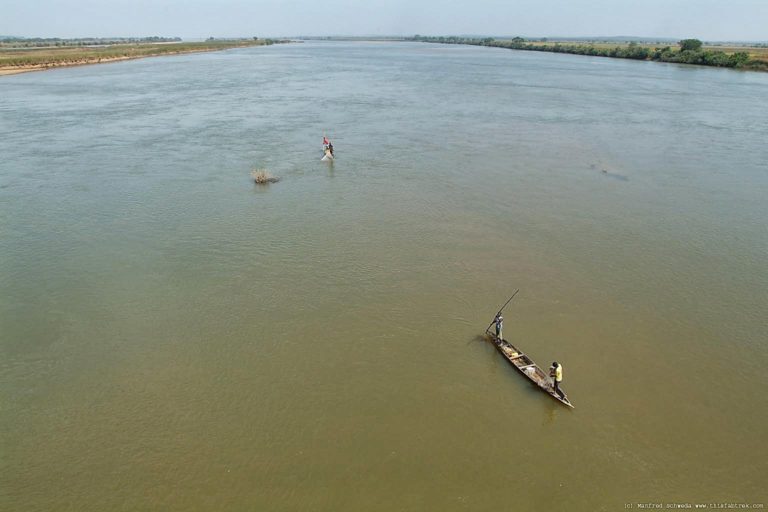
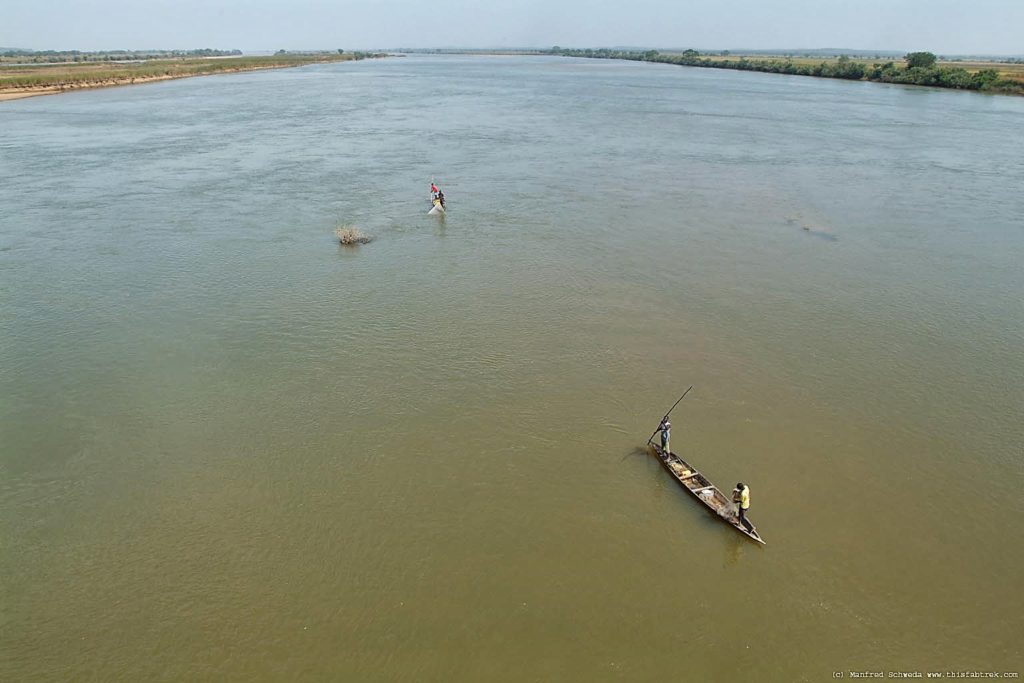
River Niger
The River Niger

Utsev was represented by the Permanent Secretary of the ministry, Mr. Richard Pheelangwah.

“I call on all stakeholders, including government, civil society, private sector, media, and indeed every Nigerian, to see ourselves as guardians of our rivers.

“Our rivers are not refuse dumps. Our rivers must not be polluted with sewage, effluents or open defecation.

“Protecting our rivers is safeguarding ourselves, our health and our economy.”

He said clean and healthy rivers were vital to President Bola Tinubu’s Renewed Hope Agenda, particularly in food security, job creation and socio-economic wellbeing.

Utsev said the Federal Government had advanced key interventions to protect rivers and improve sanitation.

These include the Partnership for Expanded Water Supply, Sanitation and Hygiene (PEWASH), the Sustainable Urban and Rural Water Supply, Sanitation and Hygiene (SURWASH) programme, and the Clean Nigeria: Use the Toilet Campaign.

“So far, 21 states and 151 Local Government Areas have been declared Open Defecation Free (ODF), with Jigawa State sustaining its record as the first ODF state in Nigeria,” he added.

He said the River Basin Development Authorities had intensified community-inclusive initiatives such as tree planting, catchment protection and small-scale irrigation schemes to safeguard riverbanks and boost food production.

The minister also stressed the need for collaboration with states, local councils, civil society and the private sector to promote eco-friendly practices such as river clean-ups, pollution control and climate-smart sanitation.

In his welcome remarks, Pheelangwah, represented by the Director of Reform Coordination and Service Improvement, Mr. Moses Jo-Madugu, said rivers must be treated with respect and managed with care.

“Rivers nurture ecosystems, sustain livelihoods and hold cultural values. Safeguarding them means securing human dignity, social wellbeing and ecological balance,” Pheelangwah said.

He added that activities such as road shows, tree planting and riverbank clean-ups were being carried out nationwide to promote community ownership and collective responsibility.

He commended the minister for his commitment to repositioning the water and sanitation sector, while appreciating the RBDAs, civil society, development partners and the media for their continued support.

The event also featured symbolic tree planting and river cleaning at Wupa river along Airport Road, Abuja.

By Tosin Kolade

DICON, Oida Energy to launch first indigenous oilfield shaped charge facility

0

The Defence Industries Corporation of Nigeria (DICON) and Oida Energy Limited have signed a Memorandum of Understanding (MoU) to establish Nigeria’s first in-country oilfield shaped charge manufacturing facility.

This pioneering development, according to the promoters, marks a bold step in strengthening Nigeria’s industrial and energy base, positioning the nation as a hub for indigenous production of critical upstream oilfield technologies.

DICON
Major General Babatunde Ibrahim Alaya, Director General of Defence Industries Corporation of Nigeria (DICON) and Engr. Emeka Ene, Managing Director/CEO of OIDA Energy during the formal signing of the MoU to establish Nigeria’s first in-country oilfield shaped charge manufacturing facility

The formal signing ceremony, held at the Armed Forces Officers’ Mess & Suites in Abuja, gathered high-ranking officials, industry leaders, and key stakeholders from across Nigeria’s defence, security, and energy value chains.

Attendees included the Director General of DICON, the Managing Director/Chief Executive Officer of Oida Energy, representatives of the Nigerian Upstream Petroleum Regulatory Commission (NUPRC), the Office of the National Security Adviser (ONSA), and senior directors of both organisations.

The facility represents a strategic milestone that supports Nigeria’s drive for self-reliance in critical technologies. Aligned with the Federal Government’s industrialisation agenda, it will deepen local content, conserve foreign exchange, and reduce reliance on imported oilfield explosives.

By producing safe and reliable shaped charges domestically, the project will enhance upstream petroleum operations, safeguard energy security, and reinforce national defence preparedness.

“The agreement is a decisive move towards building indigenous capacity in sensitive and strategic technologies that are critical to both national security and economic growth,” said Major General Babatunde Ibrahim Alaya, Director General of DICON.

Beyond its security benefits, the initiative will deliver broad socio-economic value – creating skilled jobs, enabling advanced technology transfer, and opening opportunities for Nigerian service companies across the oil and gas value chain.

“This partnership underscores our dedication to delivering world-class local manufacturing solutions that will strengthen Nigeria’s energy and security value chains, while empowering our workforce and conserving vital national resources,” said Emeka Ene, Managing Director/Chief Executive Officer of Oida Energy.

Special recognition was given to the Nigerian Content Development and Monitoring Board (NCDMB), whose leadership and oversight ensured alignment with Nigeria’s local content policy and long-term industrial growth. The Minister of State for Petroleum Resources (Oil) was also commended for his strong policy support, which created the enabling environment for this milestone.

This MoU has been described as a powerful example of government, regulators, and industry working together to advance national priorities. It stands as both a milestone for the oil and gas sector and a defining moment in Nigeria’s pursuit of technological independence and sustainable development.

Italian town hosts conference to mark 10th anniversary of the Laudato Si’ encyclical 

0

From October 1–3, 2025, Castel Gandolfo in Lazio, Italy, will host the international conference “Raising Hope for Climate Justice”, a historic gathering to mark the 10th anniversary of the Laudato Si’ encyclical and to foster a global response to the climate and ecological crisis from the perspectives of faith, politics, and civil society.

The event will feature His Holiness Pope Leo XIV, alongside prominent leaders such as Brazil’s Environment Minister Marina Silva, former California Governor Arnold Schwarzenegger, Dr Maina Talia, Minister for Home Affairs, Climate Change and Environment for Tuvalu, Fossil Fuel Non-Proliferation Treaty Initiative President, Kumi Naidoo, along with bishops, international agency officials, indigenous leaders, climate and biodiversity experts, and civil society representatives. 

Pope Leo XIV
Pope Leo XIV

Over three days, the conference will include keynotes, panel discussions, spiritual moments, and cultural events that highlight both the progress made since Laudato Si’ and the urgent steps needed ahead of COP30 in Brazil.

Kumi Naidoo, President, Fossil Fuel Non-Proliferation Treaty Initiative, said: “Faith communities have long underscored the moral duty of humanity to care for creation. Today, science and the courts echo the same sentiments, that we cannot keep fuelling the climate crisis and destroying our common home.

“This conference is a chance for us to reflect together with faith leaders, communities and diverse participants on how we can confront this crisis. It’s an opportunity to lift our voices for climate justice, push for a fast and fair transition from fossil fuels and build momentum for bold global solutions, such as the proposal for a Fossil Fuel Non-Proliferation Treaty.”

The event will be held in person at Castel Gandolfo and streamed live, enabling thousands of people and media outlets worldwide to follow the main messages and join the global conversation.

Vanishing vultures: Nigeria faces ecological, public health risks as populations collapse

0

Nigeria’s vulture population is collapsing at an alarming rate, sparking concerns over ecological stability, illegal wildlife trade, and public health risks. Six of the seven vulture species recorded in the country are classified as threatened or endangered, with population declines exceeding 90 percent in some areas.

Dr. Stella Egbe, Senior Conservation Manager at the Nigerian Conservation Foundation (NCF), warns: “The Hooded Vulture, which used to be the most common species in Nigeria, has declined by about 95 percent. Key urban centers that once supported vultures can no longer sustain them. This is the dire state across the country.”

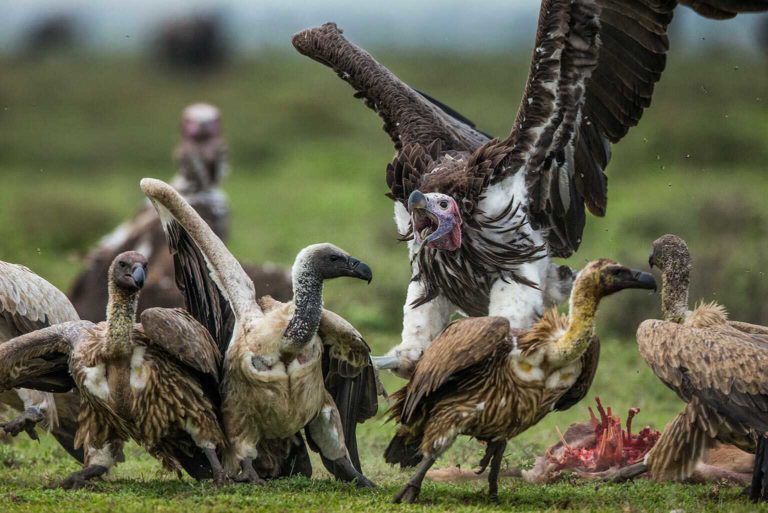
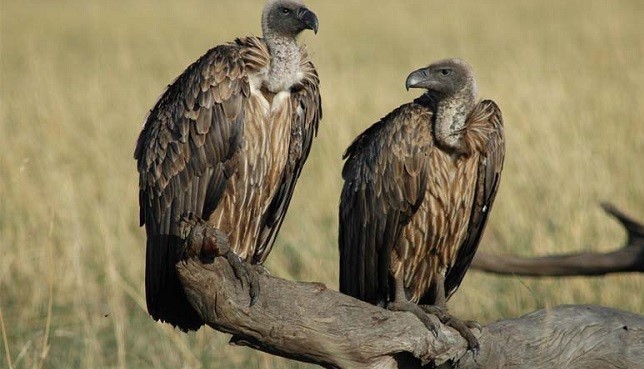
Vultures
Vultures

Vultures are crucial to the functioning of Nigeria’s environment, serving as natural waste managers. Their highly acidic digestive systems neutralise pathogens found in carcasses that could otherwise spread disease.

“They’ve rightly been named nature’s cleanup crew,” Dr. Egbe explains. “If carcasses are left unattended, they become breeding grounds for diseases. Research in India has shown that vulture declines were linked to increased zoonotic infections from dogs and rats. That same risk exists in Nigeria if the decline continues unchecked.”

The loss of vultures could drive up sanitation costs and strain public health systems already battling recurring outbreaks of zoonotic diseases.

Cultural and religious practices across Nigeria present mixed outcomes for vulture survival. While some traditions once respected the species, others now contribute to its decline.

“Vultures historically validated sacrifices in traditional practices, but today they are being harvested for spiritual uses, especially in traditional medicine,” Dr. Egbe says. “Belief-based demand has become one of the major drivers of population collapse.”

Proverbs in Yoruba culture discourage vulture killing, yet exploitation continues. In northern Nigeria, belief-based use is rising rapidly, fueling cross-border wildlife trafficking.

In her submission, Dr. Egbe noted that vultures face simultaneous threats such as: Indiscriminate Killing, Habitat Loss, Illegal Trade, and Poisoning, among others.

“Poisons are the instruments used to meet demand,” Dr. Egbe confirms. “The chain starts with cultural demand, which drives illegal trade. Hunters respond by poisoning vultures, wiping out entire colonies. The rate of killing has surpassed their natural breeding capacity.”

Nigeria’s Endangered Species Act and the National Biodiversity Action Plan both list vultures as priority species. Yet enforcement remains inconsistent.

“The effectiveness of these laws is limited by weak awareness and scarce resources,” Dr. Egbe explains. “As we continue to pair awareness with enforcement, we hope to see behavioral changes that will be reflected in the recovery of vulture populations.”

Law enforcement agencies such as the National Environmental Standards and Regulations Enforcement Agency (NESREA) are mandated to act, but illegal trade in wildlife markets persists openly.

The NCF and its partners are implementing community-based conservation programmes in Anambra and Rivers states, where cultural traditions still discourage vulture killings.

“We work with communities to ensure that they lead conservation efforts,” Dr. Egbe notes. “Awareness has changed attitudes. People who once ignored vultures are now taking measures to protect them.”

The foundation also engages traditional healers to adopt plant-based substitutes for vulture parts in spiritual medicine. International support comes from BirdLife International, CITES, and regional collaborations under the West African Vulture Conservation Action Plan.

Despite the crisis, experts believe vultures can recover if urgent interventions are scaled up.

“Wild birds are reactive to environmental changes, but they can recover under the right conditions,” Dr. Egbe says. “The key is continuous awareness, enforcement of existing laws, and protection of surviving populations that can repopulate lost areas.”

She stresses that public participation remains critical: “Every big ecological collapse begins with small changes. The disappearance of one species or the loss of a single habitat may look insignificant, but they add up. Nigerians must be more aware of these shifts and take action before it is too late.”

Nigeria’s vultures are vanishing. Their loss threatens not only biodiversity but also public health and environmental stability. Without urgent, coordinated action, the country risks repeating the devastating ecological consequences already documented elsewhere.

As Dr. Egbe warns, saving vultures is not just about conserving a bird species. It is about protecting human health, cultural balance, and the integrity of Nigeria’s ecosystem.

By Ajibola Adedoye

This article (“Vanishing Vultures: Nigeria Faces Ecological And Public Health Risks As Populations Collapse”) was funded by a grant from the United States Department of State (via Wild Africa). The opinions, findings, and conclusions stated herein are those of the author(s) and do not necessarily reflect those of the United States Department of State

3,700 youths to benefit as NCDMB launches digitalisation training

0

In line with its capacity building mandate, the Nigerian Content Development and Monitoring Board (NCDMB) is set to begin a comprehensive digitalisation training programme targeting 3,700 youths across the country.

The initiative, which is under the banner of the NCDMB Digitalisation Initiative (NDI), is designed to equip young Nigerians with the essential skills needed to thrive in the current and emerging waves of industrial revolution.

Felix Omatsola Ogbe
Felix Omatsola Ogbe, head of the NCDMB

Giving insight into the programme, the Executive Secretary NCDMB, Felix Omatsola Ogbe, observed that the oil and gas industry and its linkages sectors have adopted advanced technologies such as Artificial Intelligence (AI), Big Data, Cloud Computing, Cybersecurity, Industrial Internet of Things (IIoT), Robotics, Virtual and Augmented Reality, Drones, and Blockchain-based data exchange.

The shift towards digitisation enables the players to improve productivity, cost optimisation, and low carbon emission operations, he said. Other benefits of adopting digitisation include achieving remote operations, lean structure, smart and preventive facility management and business processes automation.

He reaffirmed the Board’s commitment to its mandate of preparing and empowering the Nigerian oil and gas industry supply chain to be relevant in the emerging oil and gas landscape.

Also commenting on the programme, the Director Corporate Services, NCDMB, Dr. Abdulmalik Halilu, emphasised that NCDMB remains committed to empowering Nigerians to take on critical roles within the oil and gas supply chain. He explained that the Digitalisation Initiative (NDI) specifically targets youth within the 35-year age bracket, with resources strategically directed toward high-impact areas that enhance digital expertise, generate rapid value, and drive sustainable growth.

According to details of the programme, the training will benefit youths across Nigeria’s 36 states and the Federal Capital Territory over the next three years. It will expose the candidates to digital tools as well design and development of market relevant solutions.

About 100 candidates will participate in the pilot phase, and beneficiaries will be selected through the NOGIC JQS portal, which is the Nigerian oil and gas industry’s repository for human and material capacities.

Candidates will go through a pre-selection test that will be conducted across the six geopolitical zones as follows: South West – Lagos (October 6), North Central – Minna (October 9), South East – Umuahia (September 30), South South – Warri (October 3), North East – Kaduna (October 6), and North West – Taraba (October 9). The exercises will mark the beginning of this transformative journey.

Lagos seals Lekki properties, arrests five over illegal dredging

0

The Ministry of Waterfront Infrastructure Development (MWID) has carried out a monitoring and enforcement exercise across the Lekki axis to curb illegal reclamation and dredging along the shores of the Lagos Lagoon.

Commissioner for MWID, Mr. Dayo Alebiosu, disclosed this in a statement issued through the ministry’s Director of Public Affairs, Mrs. Morenikeji Akodu, on Sunday, September 28, 2025, in Lagos.

Lagos
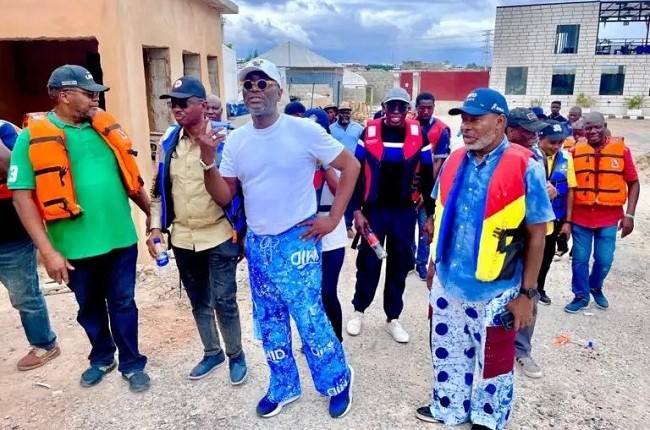
The Ministry of Waterfront Infrastructure Development (MWID), Mr Dayo Alebiosu, and other commissioners in Lagos during an exercise to monitor illegal dredging and reclamation in Lekki, Lagos on Sunday

Alebiosu said the monitoring and enforcement exercise was conducted in collaboration with the Ministry of Physical Planning and Urban Development, the Ministry of the Environment and Water Resources, and the Lands Bureau.

During the exercise, the Commissioner for Waterfront Infrastructure Development led the team to seal a building at Admiralty Way, Lekki Phase 1, for engaging in illegal reclamation works across the lagoon.

He said the property owner had also carried out an unauthorised extension of the building’s fence without approval from the relevant state agencies.

Alebiosu condemned the actions of the perpetrators, describing them as an act of “legendary audacity” carried out with blatant disregard for the law.

“This particular building has been sealed on several occasions by all the relevant ministries since last year, yet the owners have continued with construction and social activities without any regard.

“We are back today with the Ministry of Physical Planning and the Ministry of the Environment and Drainage Services,” he said.

He added that the state government would prosecute the offenders, a process which could lead to the forfeiture of the illegally reclaimed land, while the sand recovered would be diverted for other productive uses.

The Commissioner for Physical Planning, Dr Olumide Oluyinka, said his ministry had visited the property in 2024 when the owner presented a layout of 1,200 sqm, but had now expanded it illegally to about 8,000 sqm.

“The site is again sealed today. We will revoke all authorities they have on this land.

“The construction is not fully completed, yet people are still partying there, which puts lives at risk. That is why we are sealing off this place,” he said.

Oluyinka explained that the joint enforcement was aimed at stopping illegal reclamation and development across the area.

The Permanent Secretary, Office of Drainage Services, Mr. Mahmood Adegbite, said his office had stopped the illegal reclamation two months earlier.

He added that three water channels into the lagoon had been blocked by illegal operators, stressing that the state would not allow such activities to continue.

Similarly, the Permanent Secretary, Office of Environmental Services, Ministry of Environment, Mr. Mobolaji Gaji, said the ministry had earlier issued a stop-work order in the area.

Gaji explained that the illegal operations had blocked a primary channel that carries water into the lagoon, with potential negative impact on the ecosystem.

“We have sealed the place and are waiting for them to provide their papers. We must monitor every reclamation.

“There is too much illegal reclamation going on, and we intend to enforce the law,” he said.

Alebiosu said the enforcement team also visited the Lekki Foreshore, where several illegal dredging and reclamation sites were discovered and sealed for environmental infractions.

He noted that five suspects were apprehended, while others fled upon sighting government officials.

The commissioner lamented the scale of illegal sand-dealing operations across the lagoon, pointing out that such activities were being carried out without the required Environmental Impact Assessments (EIA) from the Ministry of Environment and Water Resources.

“We have no records of applications for reclamation works along this axis.

“These operations are illegal. Some of the dredging stretches as far as 7km into the lagoon, with no record of the sand extracted, which is then used for illegal reclamation works,” he said.

He also decried the proliferation of shanties along the lagoon, which he said often serve as hideouts for criminal elements, adding that one vessel fled the scene during the operation.

Alebiosu assured Lagos residents that the monitoring and enforcement exercise was an offshoot of the recently concluded Waterfront Summit.

He recalled that Gov. Babajide Sanwo-Olu had pledged at the summit to intensify the crackdown on illegal dredging and reclamation to protect lives and property in line with the administration’s T.H.E.M.E.S.+ Development Agenda.

He reiterated that the Lagos State Government would continue to protect its waterfronts and lagoons against abuse, warning that offenders would face the full weight of the law.

The team also visited the Ilubirin housing project to assess activities at the waterfront.

Other MDAs that joined the enforcement included the Executive Secretary, Lands Bureau, Mrs. Lolade Ajetumobi, and the General Manager, Lagos State Environmental Sanitation Corps (LAGESC), Retired Maj. Olaniyi Cole, among others.

By Aisha Cole

47 countries express interest in hosting GCF regional presence

0

The Call for Proposals to host a regional presence of the Green Climate Fund (GCF) has closed with 47 countries confirming their interest.

The significant response validates the Fund’s vision to be closer to the countries it serves and deliver more financial support at scale, strengthen national institutions, and build more partnerships for impact.

Mafalda Duarte
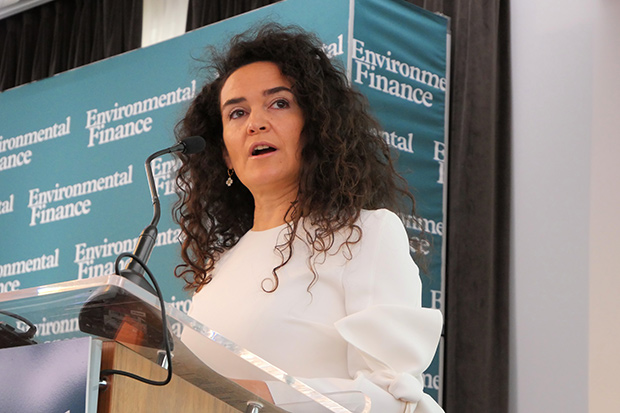
GCF Executive Director, Mafalda Duarte

The GCF’s Secretariat will now review all proposals against the Terms of Reference criteria approved by the Fund’s Board.

GCF Executive Director, Mafalda Duarte, said: “If climate action is local action – which it is – then GCF needs to be local too to ensure greatest impact. GCF needs to be not only a source of finance but as a partner working on the ground. Establishing regional presence is a historic step for the Fund, that will bring our world-class specialists closer to those who we serve.”

The Secretariat will briefly update the Board on regional presence at its forty-third meeting, scheduled from October 27 to 30, 2025. The detailed analysis of the proposals for host countries, along with the implementation plan, will be considered by the Board at its subsequent meeting.

Since 2013, the GCF has been solely headquartered in Songdo, Republic of Korea. The GCF Board strategically decided to establish a regional presence at its forty-first meeting (B.41) in February 2025. The Board adopted the terms of reference for selecting host countries/cities at its forty-second meeting (B.42) in July 2025. The Fund’s Secretariat launched a call for proposals to host GCF regional offices in the following month.

Proposed host countries must be non-Annex I Parties to the United Nations Framework Convention on Climate Change (UNFCCC). Proposed host cities must be classified as A or B per the International Civil Service Commission hardship classification.

The Green Climate Fund (GCF) is the world’s largest multilateral climate fund dedicated to developing countries. Founded in 2010 and operational since 2015, GCF serves as the financial mechanism of the United Nations Framework Convention on Climate Change (UNFCCC). With a portfolio of $18 billion, GCF works through a network of over 150 entity partners to deliver 314 projects across more than 133 countries.