The Nigerian Electricity Regulatory Commission (NERC) announces the commemoration of its 20th Anniversary- marking two decades of dedicated service in regulating and shaping the Nigerian Electricity Supply Industry (NESI).
The anniversary commemoration reflects on the Commission’s remarkable journey – from the early challenges of its establishment, through the regulation of the unbundled power sector, the privatisation of key assets in the value chain, and the oversight of the Nigerian Electricity Market from the post-privatisation and Interim Market stages to the Transition Electricity Market, among other milestones.
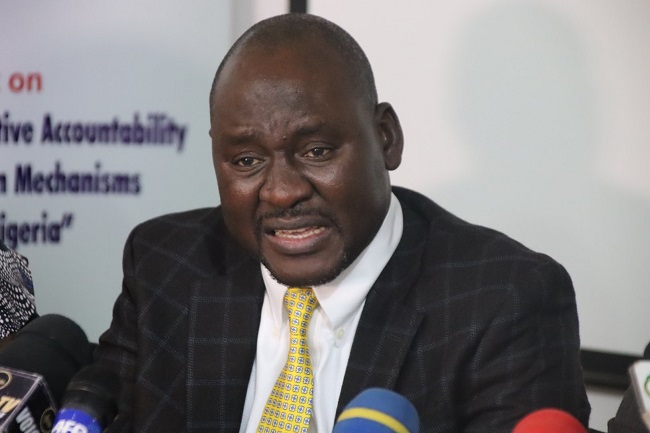
NERC Vice Chairman, Dr Musiliu Oseni
Established on October 31, 2005, under the Electric Power Sector Reform Act (EPSRA) 2005 – now replaced by the Electricity Act 2023 – NERC has played a pivotal role in steering the evolution of Nigeria’s electricity market. Over the past 20 years, the Commission has championed reforms that foster transparency, accountability, consumer protection, and sustainable growth across the sector.
To mark this milestone, NERC will host a series of events and activities aimed at showcasing its achievements, engaging stakeholders, and setting a forward-looking agenda for the future of electricity in Nigeria. Stakeholders from government, industry, development partners, and consumer advocacy groups will convene to reflect on the sector’s progress, share insights, and renew their commitment to building a reliable, affordable, and sustainable electricity supply industry.
Speaking ahead of the celebration, NERC Vice Chairman, Dr Musiliu Oseni, said: “This 20th Anniversary is not just a milestone – it’s a reaffirmation of our mandate to protect consumers, promote investment, and ensure a level playing field in Nigeria’s electricity sector.
“We remain committed to driving reforms that deliver tangible value to Nigerians.”
Highlights of the celebration will include: Technical session featuring panel discussions by eminent personalities in the power sector; Health and wellness session; Debate contest on energy-saving practices for secondary school students; and a commemorative dinner to honour pioneer and deceased members of staff, as well as past chairmen and commissioners.
“These activities are designed to foster collaboration, innovation, and public engagement in the sector. As NERC looks ahead to the next 20 years, the Commission remains steadfast in its mission to regulate the electricity supply industry in the public interest – balancing the needs of consumers and operators while supporting Nigeria’s energy transition,” stated the Commission.
BudgIT, a civic tech non-profit organisation, says only seven states implemented more than 80 per cent of their health budgets in 2024.
This was highlighted at the BudgIT 2025 State of States Report launch, themed “A Decade of Subnational Fiscal Analysis” and released on Tuesday, October 27, in Abuja.
BudgIT named the states as Yobe, Gombe, Ekiti, Lagos, Edo, Delta, and Bauchi.
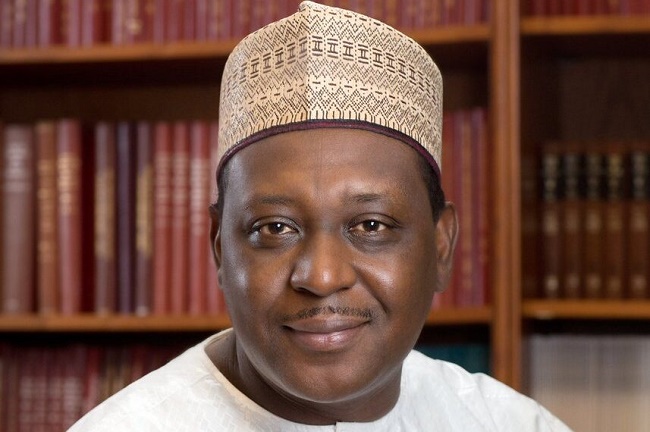
Prof. Mohammed Ali Pate, Coordinating Minister of Health and Social Welfare
The organisation said that, in 2024, Nigerian states collectively budgeted N1.32 trillion for health.
However, actual spending fell significantly short, reaching only N816.64 billion, representing a 61.9 per cent budget performance.
It said that Yobe led with a 98.2 per cent implementation rate, though its total expenditure was N13.24 billion, ranking 24th among all states.
On a per capita basis, the report says the figures were concerning.
The report states that states spent an average of N3,483 per person on health, with no state exceeding N10,000 per person.
It stated that only Lagos, Bayelsa, Edo, Abia, Kwara, Niger, and Delta spent more than N5,000 per capita.
Responding to the report, Mr. Oluseun Onigbinde, Global Director of BudgIT. warned that while states have seen increased revenue inflows from federation allocations, much of this additional income has not been channelled effectively into critical social services like healthcare.
Onigbinde, said there is an urgent need for states to prioritise health funding and ensure allocations translate into tangible improvements for citizens.
He highlighted the broader implications of subnational fiscal management.
He said the report serves as “a mirror reflecting the choices our state governments make, the paths they follow, and the opportunities they seize or leave behind.”
He noted that while transparency has improved over the past decade, many states still struggle to mobilise resources and manage them efficiently, leaving a gap between potential and actual service delivery.
“The State of States is not BudgIT’s report alone, it is a call to action, a roadmap for reform,” he said.
He urged states to prioritise fiscal accountability, innovation, and investment in sectors that directly impact citizens.
Also speaking, Dr Uche Amaonwu, Nigeria Country Director of the Gates Foundation, congratulated BudgIT for 10 years of promoting fiscal transparency and accountability, highlighting how the report tracks Nigeria’s 36 states’ fiscal performance and encourages better governance.
Amaonwu said that fiscal transparency is not an end in itself but a tool to ensure public resources reach citizens effectively.
He noted that sound fiscal systems and governance improve service delivery, empower citizens, and enable states to invest strategically for shared prosperity.
He highlighted the role of data tools, like BudgIT’s Primary Health Care Accountability Tracker, in improving budget execution and accountability.
He called on state governments to take ownership of performance, adopt strong financial management practices, and ensure that every naira allocated to sectors like health, education, and human capital delivers real impact.
Amaonwu reaffirmed the Gates Foundation’s commitment to supporting BudgIT and reform-minded states to strengthen governance, noting that “fiscal health is human health, and governance, when transparent and accountable, is the bridge that connects both.”
Also speaking Mr. Taiwo Oyedele highlighted a decade of subnational fiscal analysis in Nigeria, showing both progress and persistent challenges.
Oyedele noted that while FAAC allocations and state revenues have increased, doubling from ₦5.4 trillion in 2023 to ₦11.4 trillion in 2024, many states still rely heavily on federal allocations, with 21 states depending on FAAC for at least 70 per cent of revenue.
He pointed out disparities in budget execution, with only two-thirds of education budgets and 62 per cent of health budgets implemented, and emphasised the need to shift from recurrent expenditure to capital and human development spending.
He praised states like Anambra, Lagos, and Enugu for good fiscal management, while urging others to improve, stressing that governance is reflected in prioritising infrastructure, productivity, and human development.
Looking forward, he called for deeper fiscal reforms, responsible debt management, harmonised taxation, and greater investment in education and health.
He urged states to rise above mere survival, convert fiscal gains into tangible prosperity, and ensure inclusive development, categorising them into growth, middling, or declining states.
The 2025 BudgIT State of States Report ranks Anambra as the top-performing state in fiscal management, with Lagos, Kwara, Abia, and Edo completing the top five.
Cross River, previously a top performer, dropped significantly, while Yobe replaced Jigawa at the bottom.
The report evaluates 35 states across revenue generation, expenditure patterns, debt sustainability, and sectoral investments in education and health.
Key findings include strong growth in total state revenue, particularly from FAAC transfers and internally generated revenue (IGR), though 28 states remain heavily reliant on federal allocations.
Capital expenditure is rising, with 24 states spending at least half their budgets on development projects, while recurrent costs and personnel spending continue to dominate in others.
Debt management shows progress, with 31 states reducing domestic debt, though some states remain highly leveraged.
Over the decade, Lagos, Ogun, Delta, Kaduna, and Enugu consistently led in IGR, while states like Borno and Ogun achieved the highest IGR growth rates.
BudgIT said that fiscal sustainability requires improved revenue systems, reduced waste, and prioritisation of infrastructure and human development, calling on states to turn revenue gains into tangible benefits for citizens.
The Depot and Petroleum Products Marketers Association of Nigeria (DAPPMAN) has urged government to address the nation’s aging pipelines, inefficient ports, and infrastructure gaps.
DAPPMAN Chairperson, Mrs. Moroti Adedoyin-Adeyinka, made the appeal on Wednesday, October28, during the OTL Africa Downstream Week 2025 in Lagos.
She was represented by Mrs. Ngozi Ekeoma, Group Managing Director of Nepal Energies Ltd, who delivered a paper on trade and infrastructure challenges in Nigeria’s downstream sector.
Adedoyin-Adeyinka said the Dangote Refinery’s 650,000 barrels-per-day capacity marks a historic step toward ending fuel imports but warned weak infrastructure could undermine its impact.
She noted that Nigeria’s pipelines, ports, and storage depots need urgent rehabilitation to support new refining capacity and improve supply chain efficiency.
According to her, most of the country’s pipeline network, built over 40 years ago, suffers from vandalism, under-capacity, and poor maintenance.
She said these problems force marketers to depend heavily on road transport, increasing costs, delaying distribution, and exposing products to risks.
The DAPPMAN leader also identified shallow drafts, congestion, and cumbersome customs procedures at ports as barriers to efficient product movement.
She urged government to digitalise port operations, simplify customs processes, and improve turnaround times to boost trade competitiveness.
Adedoyin-Adeyinka said the Petroleum Industry Act provides a strong foundation for reform through the NMDPRA and the Midstream and Downstream Gas Infrastructure Fund.
However, she expressed concern over slow implementation, weak coordination, and policy delays that create uncertainty for investors and limit sectoral reform.
She called for a Downstream Infrastructure Implementation Taskforce within the NMDPRA to fast-track projects, harmonise tariffs, and ensure open access to facilities.
She emphasised that the PIA must move from paper to practice through transparent tariffs and effective deployment of the MDGIF to close logistics gaps.
Adedoyin-Adeyinka said new private and modular refineries in several states signal Nigeria’s move toward fuel self-sufficiency.
She warned that this progress must be supported with strategic investments to prevent future distribution challenges.
She proposed developing pipelines linking the Dangote Refinery to inland depots, expanding northern storage, and building digitalised truck parks for safer operations.
On regional trade, she called for harmonised product standards within ECOWAS and AfCFTA and the creation of cross-border depots in neighbouring countries.
She added that aligning infrastructure with refining capacity could position Nigeria as Africa’s leading downstream logistics and energy hub.
Adedoyin-Adeyinka urged support through infrastructure tax credits, energy bonds, and local financing to empower indigenous marketers and logistics operators.
She said domestic refining marks a turning point for Nigeria’s downstream sector but warned success depends on transparency and regulatory consistency.
“The end of fuel imports is near. But progress depends on whether our infrastructure and policies match our refining growth,” she said.
She added that with accountability and urgency, Nigeria could meet its fuel needs and become West and Central Africa’s energy trade hub.
In a related development, Energy regulators and industry stakeholders across Africa have renewed calls for regional integration, harmonised policies, and greater investment to enhance sustainability and competitiveness in the continent’s oil and gas markets.
The appeal came during the 19th Oil Trading and Logistics (OTL) Africa Downstream Energy Week 2025 held on Wednesday in Lagos.
Speakers agreed that fragmented regulatory frameworks and inconsistent energy policies hinder market integration and growth, in spite of Africa’s abundance of natural resources.
Director-General of Sierra Leone’s National Petroleum Regulatory Authority, Mr. Brima Koroma, said Africa’s oil and gas industry was at a “pivotal juncture” requiring coordinated regulation.
“Our market is so closed that what we need is not more divergence but policy harmony,” Koroma said.
He noted that fragmentation of laws, standards, licensing, and tax regimes across Africa weakens collective leverage and discourages investment.
Koroma warned that without unified frameworks, conflicting policies would continue to deter investors, restrict trade, and create inefficiencies in pricing and supply.
He outlined a five-step pathway towards integration, including harmonised regulations, policy flexibility, and promotion of shared refineries and pipelines.
“Regional regulatory integration will promote predictability and stability,” he added.
Mr. Musa Njie, Director of Petroleum at The Gambia’s Public Utilities Regulatory Authority, said harmonisation was vital for smaller economies dependent on imported petroleum products.
He stated that aligning national rules with ECOWAS directives would boost energy security, attract investors, and position The Gambia as a regional energy hub.
“Harmonisation makes The Gambia’s market more attractive by ensuring clear, consistent, and predictable regulations,” Njie said.
He added that joint infrastructure and coordinated policy would strengthen regional cooperation and trade.
Njie also highlighted The Gambia’s digitalisation drive, including new inspection systems and testing facilities to improve fuel quality assurance.
Chief Executive Officer of OTL Downstream Development Africa Ltd., Mrs. Joyce Akabogu, emphasised the downstream sector’s central role in Africa’s economic transformation.
“The downstream is where energy meets the people, where policy becomes impact, and where governance is most visible,” she said.
She called for bold investments in refining, storage, and distribution infrastructure to reduce dependence on imported fuels.
According to Akabogu, regional cooperation and innovation are essential to driving Africa’s energy transition.
“We need regional value chains that enable local refining, regional trade, and shared benefits,” she noted.
She urged governments to harmonise regulations to make cross-border trade seamless and attractive to investors.
Akabogu also called for skills development, cleaner technologies, and environmental sustainability across the energy value chain.
“If we align our infrastructure, policies, and talent, we can transform the downstream into a catalyst for sustainable growth,” she said.
She also urged collaboration beyond national borders to build an inclusive and globally competitive African energy industry.
The Federal Government of Nigeria says food security remains a top national priority in the country.
The Minister of Agriculture and Food Security, Sen. Abubakar Kyari, stated this during the distribution of farm inputs to smallholder farmers on Wednesday, October 28, 2025, in Osogbo, Osun State.
Kyari, represented by Mr. Ayodele Olawumi, Director of Agricultural Extension in the ministry, said the Federal Government remained resolute in its commitment to developing the agricultural sector in alignment with the Sustainable Development Goals (SDGs).
Sen. Abubakar Kyari, Minister of Agriculture and Food Security
Kyari said that, to address the underlying challenges hindering national food security, the Federal Government embarked on bold economic reforms designed to stimulate productive capacity, create jobs, and reduce the cost of living.
The minister also said in addition to the economic reform, targeted humanitarian interventions and emergency responses had been implemented to cushion the effects of the current food crisis across the country.
“I wish to assure you today that President Bola Tinubu has demonstrated unwavering political will and commitment to transforming Nigeria’s agriculture sector.
“With food security positioned as one of the central pillars of his administration’s priorities,” he said.
Kyari said since 2023, the Federal Government had undertaken a thorough review of existing programmes and initiatives to identify what needs to change and how best to realign them with the core mandates of the ministry.
“Accordingly, the ministry has rolled out several programmes and projects aimed at addressing the challenges faced by farmers while ensuring that food remains available, accessible, and affordable to all Nigerians,” he said.
The minister said the distribution of farm inputs was in fulfillment of the president’s promise to cushion the effects of the prevailing economic situation and to encourage continued food production.
He said the intervention formed part of their broader programme aimed at increasing national food production and ensuring stability in food availability and prices.
“The ultimate goal of every nation is to attain food security, a global priority underscored in the 2030 Agenda for Sustainable Development.
“This administration remains resolute in its commitment to developing the agricultural sector in alignment with the SDGs,” he said.
Kyari called on the beneficiaries to see the gesture as a demonstration of the government’s commitment to their welfare and to reciprocate by increasing productivity and contributing to the country’s food security.
In his remarks, Mr. Taiwo Aiyegoro, the state Coordinator of the ministry, said the distribution of farm inputs was a testament to the Federal Government’s unwavering commitment to supporting smallholder farmers.
According to him, the farm inputs will go a long way in enhancing the productivity and livelihoods of the farmers who are the backbone of the agricultural sector.
Mr. Tola Faseru, the Commissioner for Agriculture and Food Security in the state, commended the Federal Government for remembering the farmers in the state.
Faseru, represented by Mr. Moshood Adepoju, Director of Administration and Supplies in the ministry, said the inputs would assist farmers in ensuring food security in the state.
Mr Wahaab Bello, the Chairman of the All Farmers Association of Nigeria (AFAN), commended the Federal Government for the gesture.
Bello, however, appealed to the government to resuscitate the services of farmers’ extension officers to assist farmers in their food production.
The farm inputs distributed included fertilisers, chemicals, grinders, and seedlings, among others.
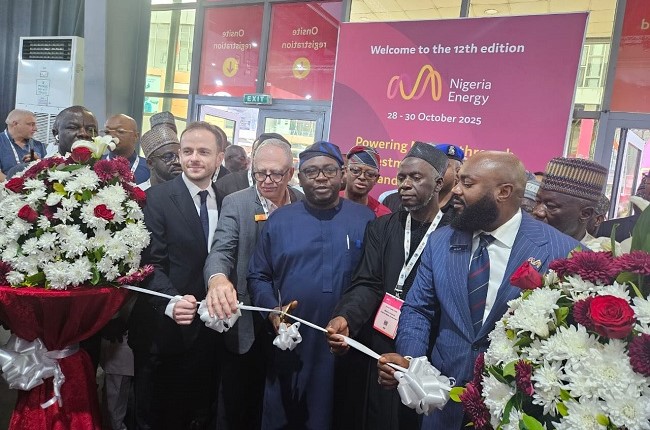
The Federal Government has announced a major new policy requiring electricity Distribution Companies (DisCos) to meet a “minimum capital adequacy requirement” to qualify for the renewal of their operating licenses. The disclosure was made by the Minister of Power, Chief Adebayo Adelabu, while delivering the keynote address at the Nigeria Energy Forum with the theme: “Powering Nigeria through Investment, Innovation, and Partnership,” at the Landmark Centre, Lagos on Tuesday, October 28, 2025.
According to Adelabu, the sector continues to face challenges of “under-capitalisation among several Distribution Companies (DisCos) and a severe debt burden.”
To address this, he declared, “As the tenure of their operational licenses approaches renewal, the government intends to introduce a minimum capital adequacy requirement as part of the license renewal process, to strengthen the financial health and liquidity position of the utilities.”
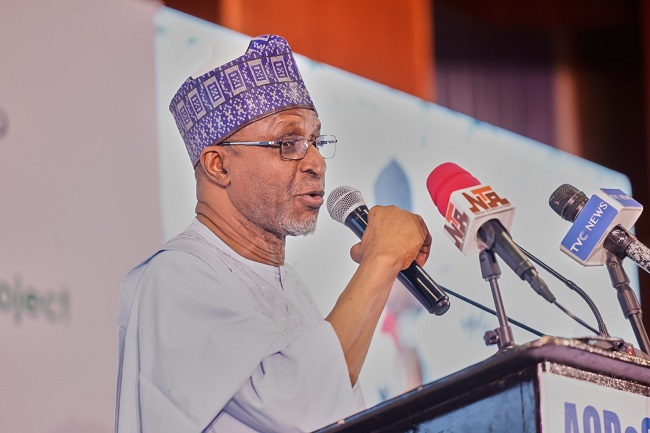
Minister of Power, Chief Adebayo Adelabu, at the Nigeria Energy Forum in Lagos
He also spoke of the comprehensive reform agenda for the sector, since he took over in 2023, which he described as a multi-pronged approach to reposition the Nigerian power sector for sustainability, efficiency, and growth.
”This approach spans critical pillars which include legislation, policy reforms, infrastructure development, energy transition and access expansion, and local content and capacity development with each designed to address structural challenges, unlock private capital, and enhance service delivery across the electricity value chain.”.
The Minister highlighted the Electricity Act 2023 as a foundational milestone, which has already granted regulatory autonomy to 15 states. On the policy front, he revealed that the first comprehensive, sector-wide policy in nearly two decades, the Integrated National Electricity Policy, has been approved.
“This represents a clear shift towards a liberalised and investment-friendly electricity market. Since its passage, 15 states have received regulatory autonomy to establish subnational electricity markets with one fully operationalised. We are working actively with these states to ensure strong alignment between the wholesale market and the retail market. In this regard, we believe the active involvement of state governments, particularly in the off-grid segment is critical, given the series of roundtable engagements held with governors by the Rural Electrification Agency (REA), as well as the ongoing efforts to closely track the Distribution Company (DisCo) performance within their respective jurisdictions.”
On stabilisation of the market and sector commercialisation, he said the government is deepening power sector commercialisation to strengthen revenue, liquidity, and investor confidence.
“Through tariff policy reforms which enabled cost-reflective tariffs for select consumers, supply reliability has improved while reducing energy costs for industries, and industry revenue has increased by 70 percent to ₦1.7 Trillion in 2024 compared to previous year and the revenue is expected to exceed ₦2 trillion for 2025.”
To stabilise the market, he announced, “Mr. President has approved a ₦4 trillion bond to clear verified GenCo and gas supply debts. Alongside this, a targeted subsidy framework is being developed to protect vulnerable households and ensure a sustainable path toward full commercialisation and viable industry.”
Adelabu provided updates on critical infrastructure projects. He confirmed that contracts for the Presidential Power Initiative (PPI) Phase One have been signed, with the aim of adding 7,000MW of operational capacity to the grid.
He also revealed that generation capacity has been sustained at an average of approximately 5,300MW in 2024, up from 4,200MW in 2023.
“In parallel to the grid expansion, generation capacity is being expanded through the rehabilitation of existing NIPP plants to unlock about 345MW, alongside the successful integration of the 700MW Zungeru Hydropower Plant into the grid. Collectively, these interventions have helped sustain an average generation capacity of approximately 5,300MW in 2024 up from 4,200MW recorded in 2023.”
The Minister disclosed further that the government has operationalised the Presidential Metering Initiative, with ₦700 billion already secured to deploy 1.1 million meters by the end of 2025.
Adelabu also noted that the unbundling of the Transmission Company of Nigeria (TCN) into two organisations: the Nigerian Independent System Operator (NISO), which manages the operation of Nigeria’s electricity grid and coordinates the electricity market, and the Transmission Service Provider (TSP), which owns, maintains, and expands the physical transmission infrastructure, marks a long-awaited and critical structural reform in the power sector.
The Minister made a direct appeal for investment, emphasising that Nigeria’s power sector remains open and ready for business more than ever before. He pointed to the over 10 GW of stranded generation capacity as a critical opportunity, assuring stakeholders that market fundamentals are improving, policy environment is clear, and the national leadership is committed.
“As we commence today’s forum, let me once again emphasise to our investors, financiers, and innovators that Nigeria’s power sector remains open and ready for business more than ever before. We recognise that achieving the scale of investment required to transform the sector requires greater private sector participation across the entire value chain, particularly in the transmission segment.
“A useful reference is South Africa’s ambitious $25 billion transmission grid expansion initiative, which seeks private developers to deliver 14,000 kilometers of new power lines and connect over 59 GW of new capacity within the next 14 years. This is remarkable when compared to Nigeria’s Presidential Power Initiative (the Siemens project) valued at $2.3 billion.
“In Nigeria today, we have over 10 GW of stranded generation capacity. Energy that could power industries, create jobs, and even support electricity exports to our neighbouring countries through the regional power pool. We are therefore open to strategic partnerships to mobilise the necessary investments and unlock this potential. Our market fundamentals are improving, our policy environment is clear, and the national leadership is committed to creating the enabling conditions for long-term investment and innovation.”
The Federal Government has reaffirmed its commitment to placing Nigerian women at the forefront of climate action through the Green Women Platform (GWP).
Malam Balarabe Lawal, the Minister of Environment, said this at the Validation Workshop of the Green Women Platform in Abuja on Tuesday, October 28, 2025.
The theme is “Ensuring Women’s full and effective participation and equal opportunities for successful Great Green Wall Initiative implementation”.
Malam Balarabe Abbas Lawal, Minister of Environment
The GWP is a flagship initiative designed to drive women-led environmental restoration, climate resilience, and sustainable livelihoods across the country.
Lawal, who was represented by Mrs. Agnes Aneke, Director of Planning, Research and Statistics, said that the green platform would provide a space for Nigerian women to take ownership of solutions affecting their lives, families, and communities.
“This moment is significant for Nigeria and the Pan-African Great Green Wall initiative, as we move from concept to action in ensuring that women are placed at the centre of environmental restoration, climate resilience, and sustainable development.
“Through this platform, women will not only have a voice in governance and decision-making around land use, natural resources, and climate action, but they will also gain access to economic opportunities in areas such as reforestation, renewable energy, sustainable agriculture, and green enterprises.
“It will also ensure that women remain the custodians of biodiversity and indigenous knowledge, passing on sustainable practices to future generations.”
The minister said Nigeria has consistently demonstrated leadership within the Great Green Wall initiative, from restoring degraded lands to promoting sustainable livelihoods.
He said that the programmes have been a model for replication across Africa and equally important, the Green Women Platform connects strongly with the United Nations Sustainable Development Goals.
“It speaks to Goal V on gender equality by ensuring women’s full participation in environmental decision-making.
It advances Goal 13 on climate action by mobilising women as leaders in adaptation and resilience.
“By doing so, we are affirming that Nigerian women are not simply victims of climate change, but leaders of climate solutions.
“They are not passive beneficiaries, but innovators and decision-makers. They are not on the sidelines, but at the very center of the Great Green Wall.
Lawal said that the Great Women platform is a unique innovation of the Pan-African Great Green Wall which is designed to place women at the centre of the fight against desertification, climate change, land degradation and the improvement of livelihoods. .
Mr. Mahmud Kambari, Permanent Secretary in the Ministry, said that women bear the most significant burden of environmental degradation, yet they are also the most potent agents of resilience and adaptation.
Kambari, who was represented by Aneke also said that by creating the Green Women Platform, Nigeria is aligning with the regional vision of the Pan-African Great Green Wall.
“This initiative demonstrates our collective resolve to mainstream gender equality into the Great Green Wall programme and ensure that women are not left behind in the implementation of our national environmental and climate commitments.
“This workshop will validate the structural framework, adopt a national governance arrangement, and agree on a two-year action plan for the Green Women Platform.
“These outcomes will ensure that women are empowered as beneficiaries and full partners in decision-making, resource mobilization, and implementation,” Kambari said.
Also speaking, Mr Almoustapha Garba Executive-Secretary of the Pan-African Agency of the Great Green Wall, commended the Federal Government of Nigeria for all the efforts made in the implementation of the Great Green Wall Initiative.
“The platform must therefore provide guidance, serve as an interface and be a representative of the many women who do not have access to decision-making spheres in order to translate into reality and concrete actions.
“It must serve as an observatory of women’s rights in the community and work to ensure their full and effective participation in local governance and access to natural resources,” Garba said.
Mr. Saleh Abubakar, the Director -General of the National Agency for the Great Green Wall (NAGGW), said that in Nigeria, women are not only custodians of the land but also agents of transformation within their communities.
“We may establish a strong and inclusive platform that empowers Nigerian women to build resilience, restore degraded lands, and foster sustainable livelihoods,” he said.
The Cross River State Government has urged its citizens, especially communities living around the Oban Biosphere Reserve, to preserve it and treat it as a model of sustainable development.
Dr Hippolatus Lukpata, Commissioner for International Donor Coordination, said it could also serve as and a tool for combating climate change.
Lukpata said this on Friday, October 24, 2025, at Akamkpa, Cross River, at the Biodiversity Business Training for 12 selected communities in the Oban Biosphere Reserve area.
R-L: Dr Hippolatus Lukpata, Commissioner,Ministry of International Donor Coordination, Dr Zachariah Yaduma,D-G of FRIN and Dr Enang Moma, National Professional Officer, Natural Science Sector, UNESCO
It is entitled “Biodiversity Business in Omo Biosphere Reserve, Oban Biosphere Reserve and Shere Hills Reserve, Nigeria”, A Means to Poverty Reduction, Biodiversity Conservation and Sustainable Development in Nigeria.
The training is being organised under the Nigeria-UNESCO project.
It focuses on promoting sustainable livelihoods and biodiversity conservation through environmental education, business management and enterprise development in piggery, poultry and fish farming.
Lukpata said the state government remained committed to protecting its rich forest resources, describing them as vital to the survival of communities, climate stability and future economic growth.
“If you know the value of what you have, you will definitely preserve it.
“Cross River State, over time, has come to realise that the forest does not only house endangered species but also cushions the effects of climate change,” he said.
He said the state government had convened several workshops and policy engagements to strengthen conservation efforts and ensure that forest resources were sustainably managed.
“Beyond what UNESCO is doing, the state government has already put in place laws that prohibit illegal logging because of the value we derive from our forests.
“That is why you see task forces on our highways checking for illegally harvested wood,” he said.
He further said that violators of forest protection laws faced prosecution and fines, as part of the state’s efforts to enforce compliance and deter illegal activities.
Lukpata explained that the ongoing training corresponded with Output 1.3 of the project, which seeks to build the capacity of families in environmental education, biodiversity management, record keeping, and biodiversity-based agro-businesses.
“This training is not just about business; it is about building a sustainable future, one where conservation and livelihood development go hand in hand,” he said.
Lukpata said the forest remained one of the most effective natural buffers against climate change, adding that preserving it was critical to sustaining livelihoods and ensuring environmental stability.
“With your commitment and cooperation we can overcome challenges, ensure that the Oban Biosphere Reserve continues to serve as a model of sustainable development for Nigeria, Africa and the world at large,” he said.
He advocated stronger collaboration between local communities, government agencies and development partners to protect natural ecosystems while improving rural economies.
He said the workshop should ignite a renewed spirit of partnership between communities, government and UNESCO, to sustain both people and nature for generations to come.
The week-long programme is being supported by India-UN Development Partnership Fund and implemented alongside Ministry of Environment, Forestry Research Institute of Nigeria and National Park Service.
Civil Society Legislative Advocacy Centre (CISLAC) has called for a review of tax incentive policies in the fossil fuel industry.
Executive Director of CISLAC, Auwal Rafsanjani, who made the call at the launch of a new report on fossil fuel industry on Tuesday, October 28, 2025, in Abuja, warned that continued fiscal support contradicts the nation’s energy transition goals.
The report was entitled: “Assessing the Role of Tax Incentives in Nigeria’s Fossil Fuel Industry: Implications for Energy Transition, Policy Direction and the Path to a Sustainable Future.”
Executive Director of CISLAC, Auwal Rafsanjani
Rafsanjani said that fiscal policies must align with Nigeria’s commitment to achieving net-zero emissions by 2060, adding that the country could not afford to be left behind in the global trend.
According to him, while tax incentives traditionally attract foreign investments, sustaining them in the fossil fuel sector undermines the country’s climate action agenda.
“Incentivising the fossil fuel industry on the one hand and pursuing a net-zero emission target on the other appears to be a contradiction of government strategy,” he said.
The executive director commended Nigeria’s recent climate initiatives, including the establishment of Nigerian Council for Climate Change, Energy Transition Office and the adoption of Energy Transition Plan.
He, however, cautioned that fiscal regimes must not entrench fossil’s dependence but promote renewable energy and sustainable growth.
The CISLAC report, developed with support from Tax Justice Network Africa and Energy Transition Fund, examined Nigeria’s legislative and fiscal frameworks for fossil fuels.
It called for gradual phase-out of subsidies and incentives that sustained carbon-heavy industries.
The report also recommended comprehensive fiscal reforms, transparency in tax administration, stronger accountability systems and increased investment in renewable energy to ensure a just and inclusive energy transition.
On his part, the Executive Secretary of Nigeria Extractive Industries Transparency Initiative (NEITI), Dr Ogbonnaya Orji, warned that poor oversight could cost the country nearly ₦6 trillion.
Orji called for greater fiscal transparency and accountability in the management of tax incentives within the country’s fossil fuel industry.
He commended CISLAC for what he described as “an evidence-based intervention” in the ongoing dialogue on energy transition, tax justice and sustainable development.
According to him, Nigeria stands at a critical crossroads between the urgent need to decarbonise and the economic dependence on fossil fuel revenues that fund much of public expenditure.
He disclosed that NEITI’s ongoing national study on “The Impact of Energy Transition on Nigeria’s Oil-Dependent Economy” highlighted the risks of unmanaged fiscal transition.
Orji warned that the country could face declining hydro-carbon revenues and inadequate investment in renewable energy alternatives.
He noted that many existing tax incentives in the fossil fuel sector no longer aligned with national priorities and should, therefore, be either reviewed or removed.
“Aligning tax incentives with Nigeria’s energy transition goals is not just a fiscal reform imperative but a climate justice necessity,” he stated.
Also speaking, Ms. Gloria Majiga of Tax Justice Network Africa (TJNA) said lots of funds that should have been used for Africa’s development had been lost because of the incentives whose benefits couldn’t be quantified.
“This is an opportunity for us as African countries, as we discuss the energy transition, to say how we can use these investments to actually support cleaner energy investments and social and economic areas that need those resources for us to advance our energy goals.
“Specifically for Nigeria, I think it is really crucial because we have the energy transition plan which really makes it clear that we are committed to seeing how Nigeria can invest more in green energy.
“One of the opportunities that we have with these incentives is that we can mobilise resources by reversing those fiscal frameworks to allow the financing of these goals that we have set for cleaner energy,” she said.
An Associate Professor of Energy and Petroleum Economics at University of Abuja, Sabiu Sani, said that tax incentive to multinationals had become unnecessary.
According to him, the major finding of the research is that there are many fiscal incentives that are still open to multinational oil companies in Nigeria that are not serving any purpose.
New research released by the Environmental Defense Fund (EDF) in the lead up to international climate talks in Belem, Brazil, finds that designating 63.4 million hectares of currently unprotected Brazilian Amazon forests as either Indigenous lands or protected areas would prevent the loss of these forests due to land grabbing, cattle ranching, soy farming or other destructive activities.
Shoring up the protection of this vulnerable forest area would shrink deforestation totals across the entire Brazilian Amazon by up to 20% – or 2.5 million hectares – by 2030. It would also reduce total carbon emissions linked to deforestation by up to 26% – 1.2 GtCO2e, the current equivalent of Japan’s annual emissions – by 2030.
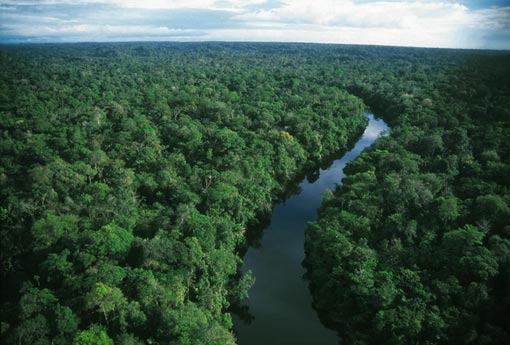
The Amazon rainforest
The analysis, “The Importance of Protected Areas in Reducing Deforestation in the Legal Amazon,” also finds that current Indigenous lands and other protected areas will prevent an estimated total of 4.3 million hectares of deforestation between 2022 and 2030 in the nine Brazilian states containing Amazon rainforest, avoiding the total emissions of 2.1 GtCO2e — more than the annual carbon emissions of Russia, or approximately 5.6% of the world’s annual emissions.
“Eliminating tropical deforestation is critical for stabilizing our global climate, yet the solution is straightforward. Ensuring that vulnerable forests currently in limbo and under extreme threat are signed over to Indigenous Peoples or designated as protected will have a profound impact on the fate of these forests,” said Steve Schwartzman, Associate Vice President for Tropical Forests at EDF. “As delegates gather for COP30, it’s critical that they’re armed with evidence that points to the most effective solutions,” he added.
Scientists warn that deforestation in the Amazon, the world’s largest rainforest, is perilously close to an irreversible tipping point, precipitating a change in climate that would impact the world’s weather patterns. A significant body of research shows that lands managed by Indigenous Peoples have lower deforestation rates and store significantly more carbon than other areas. Between 1985 and 2020, 90% of Amazon deforestation occurred outside of Indigenous lands, making them the most protected areas in the Amazon, with just 1.2% of native vegetation lost over that period.
The Amazon territories managed by Indigenous Peoples with recognized land rights have sequestered far more carbon than they’ve emitted. Between 2001 and 2021, they released around 120 million metric tons of CO2 annually while removing 460 million metric tons. The total of 340 million metric tons removed is the equivalent of the U.K.’s annual fossil fuel emissions.
As countries prepare to present their Nationally Determined Contributions (NDCs) at COP30, Indigenous Peoples in Brazil have pushed for governments to include the recognition of Indigenous lands, support Indigenous-led climate solutions, and greater legal protections for Indigenous lands in their plans.
The researchers drew from a wide range of environmental, economic and geographic data sets and maps to project deforestation rates and resulting carbon emissions. Among the nine data collections they used, the set focused on Indigenous Peoples came from National Indigenous People Foundation (FUNAI), the Brazilian government body that establishes and carries out policies relating to Indigenous Peoples.
To determine the likelihood that currently undesignated forests will be cut down, they used the land prices for cattle ranching and agriculture to represent the economic incentives for cutting down forests. They cross-checked this with geographic and environmental factors – including current deforestation trends – that also influence how likely it is that a forest will be felled for profit.
The nine states of the Legal Amazon – Acre, Amapá, Amazonas, Mato Grosso, Maranhão, Pará, Rondônia, Roraima and Tocantins – contain approximately 60% of the entire Amazon rainforest, which spans eight South American countries. Of the region’s total area of 510 million hectares, in 2022, around 393 million hectares were covered by native vegetation in the Amazon, Cerrado and Pantanal biomes, and by 2021, 112.5 million hectares had been deforested. The nine states also rank among the poorest in Brazil; of the 28 million people who live in these states, 36% live in poverty.
“Protected areas in the Brazilian Legal Amazon are critical for the preservation of native vegetation, carbon stocks, biodiversity, the provision of ecosystem services and the livelihoods of indigenous people and local communities. Our model captures that protected areas avoid deforestation inside its boundaries and beyond due to spatial interactions across the landscape,” said Breno Pietracci, an environmental economist consultant and lead report researcher.
In the new research, the northwest states of Roraima and Amazonas prevent the most deforestation through designated Indigenous lands and other protected areas. Of the 63.4 million hectares of undesignated public forest, almost two-thirds were in Amazonas.
The United Nations has released its official NDC Synthesis Report assessing countries’ latest climate pledges under the Paris Agreement, a document that offers both a measure of progress and a stark warning and highlights the need for a credible response to the climate ambition gap at COP30, according to the climate organization 350.org.
The report examines 64 updated Nationally Determined Contributions (NDCs) submitted between January 2024 and September 2025. According to the findings, current pledges would collectively reduce greenhouse gas emissions by only 17% below 2019 levels by 2035, a fraction of the roughly 60% global reduction required to limit warming to 1.5°C.
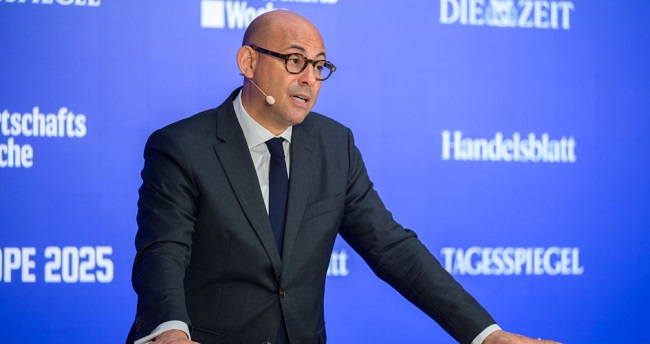
UN Climate Change Executive Secretary, Simon Stiell. Photo credit: Phil Dera Photography
Several major emitters, including China and the European Union, have yet to submit their new targets, which could alter the overall picture in future updates.
Key information and findings:
The report comprises the 64 countries representing approximately 30% of global GHG emissions on a 2019 baseline;
89% of NDCs provide economy-wide targets and 84% include all IPCC sectors, marking a clear progression from previous NDCs.
Energy supply remains the top mitigation focus and is included in 98% of NDCs:
44% of NDCs include a commitment to triple renewable energy by 2030; 13% quantify coal phase down targets for 2030 and 16% do so for 2035;
73% mention just transition measures for fossil-dependent communities
47% of Parties (covering 9% of global fossil power in 2023) have quantitative targets to reduce unabated fossil generation by 2030.
Notably, China and the EU, among several other major emitters are yet to be factored in.
Collectively, these NDCs imply an 11% emission reduction by 2030 and 17% projected emission reduction below 2019 levels by 2035 among the 64 countries factored in the report; Full implementation of all NDCs (including elements depending on financial or technical support) would lead to 19-24% reduction. 67% of analyzed NDCs included conditional elements;
By contrast the IPCC 1.5C pathway requires global emissions to fall approximately 60% by 2035 compared to 2019 levels and reach net zero by 2050.
88% of Parties provided cost information; 52% quantified total finance needs at approx. USD 1.97 trillion, of which:
Approx USD 1.07tn is needed from international sources
USD 214 billion from domestic
USD 682 billion unspecified
Andreas Sieber, Associate Director of Policy and Campaigns at 350.org, says: “This synthesis report is both a progress update and a warning siren. Among the countries that have submitted new targets, emissions are projected to fall by just 11%, when science demands a 60% global cut. The world is moving, but in slow motion.
“Renewables are booming and meet all new electricity demand this year and fossil fuels are finally showing signs of peaking. Yet, all progress is still far too slow.
“The success of COP30 now hinges less on the maths of new targets and more on the politics closing the ambition gap and accelerating a fair and fast transition from fossil fuels to renewables.”
The report underscores that climate action is increasingly being tied to core national priorities like jobs, health, and energy security. 98% of countries have outlined domestic mitigation measures, and many are adopting a “whole-of-society” approach involving local governments, businesses, and communities.
Illan Zugman, 350.org Managing Director for Latin America says: “Ten years on from Paris, governments are still allowing fossil fuel companies to call the shots. We see progress in words, but not yet in the numbers. Every new oil field or gas terminal wipes out the gains made in these NDCs. Just kilometres from where COP30 will take place, new licences are being given out. Real climate leadership means drawing the line on fossil fuels now.
“The science is brutally clear, we have the technology, the money, and the public support for a clean energy transition. What’s missing is political courage. Until we stop funding fossil fuels and start taxing their billions, we will keep losing precious time.”
International cooperation remains a critical driver of progress, with 97% of countries stressing the need for stronger partnerships to unlock finance, technology, and capacity-building for developing nations.