The Federal Government has allocated N300 billion to provide stable electricity supply to teaching hospitals and universities across the country.
Abubakar Bichi, member representing Bichi Federal Constituency and the Chairman, House Committee on Appropriation, disclosed this on Wednesday, September 17, 2025, at the unveiling of a solar hybrid intervention project in the Aminu Kano Teaching Hospital, Kano.
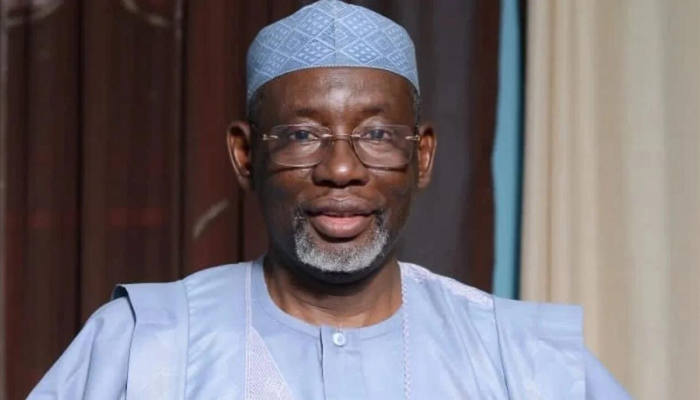
Unveiling of a solar hybrid intervention project in the Aminu Kano Teaching Hospital, Kano
He said the initiative was part of President Bola Tinubu’s administration’s commitment to end recurring power outages in critical sectors, especially in healthcare and tertiary education.
According to him, the allocation will fund the installation of renewable energy systems, with priority given to institutions that provide essential services to Nigerians.
“This intervention is designed to guarantee uninterrupted power for hospitals and universities so that doctors can save lives and students can study without disruption,” Bichi said.
He explained that the projects would also reduce the burden of high electricity bills on government institutions, improve efficiency, and promote the use of clean energy.
Bichi commended the Minister of Innovation, Science and Technology, Chief Uche Nnaji, for providing leadership in translating government’s vision into concrete action.
He added that the Energy Commission of Nigeria would work with other relevant agencies to ensure the timely delivery of the projects.
He commended Tinubu for approving special budgetary allocations to address power challenges in tertiary hospitals and universities across the country.
On AKTH solar power project, Bichi said the intervention followed appeals made to him by Chief Medical Directors (CMDs) of teaching hospitals during the preparation of the 2025 appropriation bill.
He recalled that, in November 2024, CMD of University of Maiduguri Teaching Hospital, among others, raised concerns over the high cost of powering critical health facilities, sometimes spending up to N200 million monthly on electricity and diesel.
According to him, the issue was discussed with the leadership of the National Assembly and later taken to President Tinubu, who directed the inclusion of funds for solar hybrid projects in the 2025 budget.
Bichi disclosed that about N300 billion was provided in the budget to support power supply in all federal universities and tertiary hospitals.
He said Aminu Kano Teaching Hospital (AKTH) would benefit from between 6 and 7MW solar power.
Also, Bayero University Kano would benefit from 5 to 6MW, while state-owned facilities such as Murtala Muhammad Specialist Hospital and Nasarawa Hospital would also receive federal support due to Kano’s large population.
“Specifically, AKTH alone got N26 billion in the 2025 budget for projects including accident and emergency, stroke centre, heart surgery, radiology, and family medicine complexes.
“This is unprecedented in the history of the hospital,” Bichi said.
Earlier, the Chief Medical Director of the hospital, Prof. Abdulrahman Sheshe, commended Tinubu for the gesture.
He said that the project would go along way in improving services delivery in the hospital.
Sheshe also lauded the efforts of Bichi and the minister of science and technology in realisation of the project.
Jigawa State Government has established a committee to come up with a strategic framework for the deployment of clean cooking stoves and solar dryers in the state.
Mr. Sagir Musa, the state Commissioner for Information, made this known to newsmen on Wednesday, September 17, 2025, in Dutse, the state capital, while speaking on the outcome of the State Executive Council meeting.
Gov. Umar Namadi of Jigawa State
Musa said the committee has the mandate to harness carbon assets for climate resilience and economic prosperity in Jigawa State.
According to him, Gov. Namadi administration’s vision for agricultural transformation and climate-smart development, gave rise to the council’s decision to establish the committee.
“The establishment of the committee followed a presentation made by Dare Carbon Limited company to the council on the deployment of a clean cooking stove for climate action, food security, and economic growth.
“The project aligns with the state’s integrated approach to climate action, by reducing deforestation, indoor air pollution and food security by promoting sustainable rice parboiling solutions,” he said.
Musa said the action supports nutrition and household resilience, economic growth through the empowerment of local enterprises and the creation of green jobs.
He said the committee would be chaired by the state Commissioner of Environment, with the Commissioner of Agriculture and that of Power and Energy as members.
Other members include the Director General Economic Empowerment, and Executive Secretary, Alternative Energy Agency.
He stressed that the council decision underscored the Namadi administration’s commitment to innovative, people-centered policies to protect the environment and improve the quality of life and economic well-being of the people of Jigawa.
The Federal Government of Nigeria has restated its commitment to safeguarding the environment and to protect the Ozone to enhance clean environment and address climate change.
Minister of Environment, Malam Balarabe Lawal, stated this at the 40th anniversary of the Vienna Convention and 2025 Ozone Day on Tuesday, September 16, 2025, in Abuja.
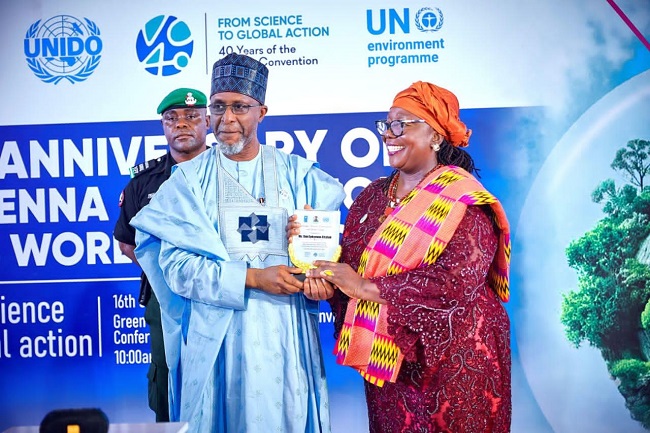
Minister of Environment, Malam Balarabe Lawal, with UNDP Resident Representative in Nigeria, Mrs. Elsie Attafuah
The celebration with the theme: “From Science to Global Action “, was organised by the ministry with support from UNDP, UNIDO and several others.
“Today, scientific evidence shows that the ozone layer is almost back to its recovery, and we hope that by 2066, it would be back to its formal position.
“Nigeria signed the Vienna Convention and the Montreal Protocol in 1988 and had since made key phase out target including the CFC and their lots.
“We have also rectified the Kigali agreement and will soon commence the implementation of this plan,” he said.
Speaking further, the environment minister noted that economic environment under the leadership of President Bola Tinubu has been very supportive in all their efforts.
“Nigeria is determined under the Renewed Hope Agenda of the President to meet new obligations and safeguard our environment.
“We also remain committed to promoting gender equity and skill acquisition with the view to enhancing sustainable environmental welfare in Nigeria in line with Renewed Hope Agenda,” Lawal said.
He said that Nigeria owed the world a duty to save the ozone layer by strengthening policies, adopting cleaner technology and building strong partnerships.
“We also need to ensure that future generations inherit a safer and healthier environment,” Lawal said.
The minister further explained that the ozone was not for government, UNDP and other organisations alone, adding that it is for everyone on the earth.
Speaking, the UNDP Resident Representative in Nigeria, Mrs. Elsie Attafuah, said that the day does not only celebrate global achievements but remind everyone of power of global cooperation.
According to her, the theme of the celebration speaks to the hearts of entire nations to protect the planet while advancing human development.
“It draws our attention to importance of both national and global efforts to save the ozone layer while recognising the critical role this adventure plays in slowing the pace of global warming.
“The three strategic reflections that guides UNDP partnership with Nigeria include, progress through partnership; climate health synergy and innovation for greener future,” Attafuah said.
Alhaji Ibrahim Jibril, the former minister of state for environment, said that the day was a reminder of the remarkable achievements of the international community under the Montreal Protocol.
Jibril, who is the 13th Emir of Nasarawa Emirate, said that, as a nation, Nigeria had played an active role in global effort.
“I am proud to have contributed during my tenure as the former minister of environment in adopting the historical event and amendment in 2016,” he said.
Jibril was also applauded by the ministry for his contributions to achieving a safer environment.
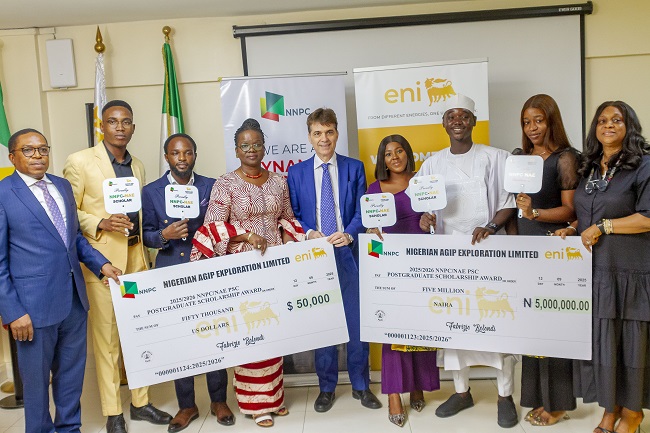
Eni’s subsidiary, Nigerian Agip Exploration Limited (NAE), on behalf of NNPC Limited and NAE PSC, has awarded scholarships to 30 Nigerian graduates for Post Graduate studies in Nigerian and overseas universities under its 2025/2026 Scholarship Awards Scheme.
Under the scheme, 10 beneficiaries will undertake postgraduate studies in various universities in different parts of the world. The remaining awardees will pursue their postgraduate studies in Nigerian universities in disciplines such as Engineering, Geosciences, Petroleum and Environmental Technology, Energy Economics, Renewable Energy and Energy Transition.
Vice Chairman and Managing Director of NAE, Fabrizio Bolondi, Representative of CUIO of NUIMS, Mrs Edith Lawson presenting the award to the beneficiaries
At the ceremony held to award the beneficiaries in Abuja, the Vice Chairman and Managing Director of NAE, Mr. Fabrizio Bolondi, congratulated the awardees, stating that the scholarship award would offer them the opportunity to pursue their dreams and achieve their career objectives.
“The award ceremony highlights our continuous commitment to the future of education, innovation, and capacity building in Nigeria” he stated.
He advised the beneficiaries to utilise the opportunity to study and gain valuable skills for the benefit of the country, especially within the energy industry.
The Chief Upstream Investment Officer of NNPC Upstream Investment Management Services (NUIMS), represented by the Manager of External Relations, Mrs. Edith Bunmi-Lawson, and the Deputy Manager PSC Asset A3, Mr. Paul Duke, were also present at the ceremony.
The postgraduate scholarship scheme was instituted by NNPC-NAE PSC partners in 2007 as part of the company’s human capital development initiatives to promote knowledge acquisition and bridge the skills gap in specialized fields relevant to deep offshore Oil & Gas operations in Nigeria.
To date, 350 graduates have benefitted from the Postgraduate Scholarship Schemes, instituted by the company to contribute to the training of local professionals, providing the knowledge and skills required within the industry.
Eni, through NAE, has implemented other sustainability initiatives in Nigeria in areas of health, education, access to water and infrastructure provisions, as well as specific initiatives for stakeholder empowerment in local communities.
Nigerian Agip Exploration Limited (NAE) was incorporated in 1996 to manage the company’s deep offshore exploration and production assets. NAE has the distinction of being the first oil and gas company in Nigeria to produce oil from the country’s deep offshore. NAE has interests in six deep offshore blocks in Nigeria, either as Operator or as Co-Venturer.
Eni operates in Nigeria through Agip Energy and Natural Resources (AENR), holding a 5% participating interest in the Renaissance Joint Venture, and via Nigerian Agip Exploration Limited (NAE), with a 12.5% interest in OML 135 and 118 (Bonga field) and a 10.4% equity participation in Nigerian LNG.
The Intergovernmental Panel on Climate Change (IPCC) on Wednesday, September 17, 2025, opened the registration for experts to serve as Expert Reviewers on the First-Order Draft (FOD) of the Special Report on Climate Change and Cities.
Following the Second Lead Author Meeting this August, authors of this Special Report have prepared a first draft, which will be open in a month for experts worldwide to review and provide comments.
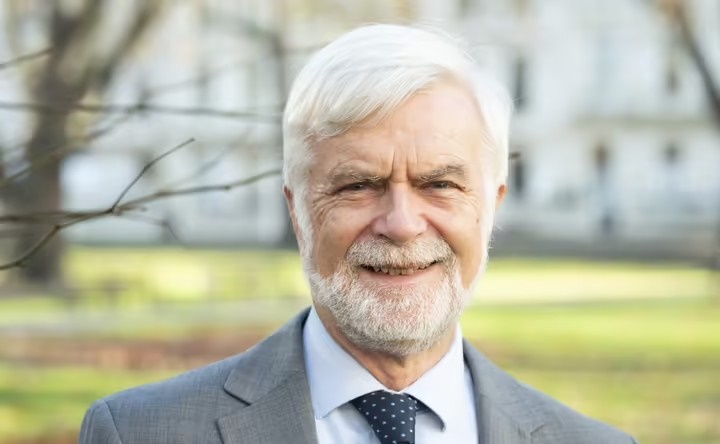
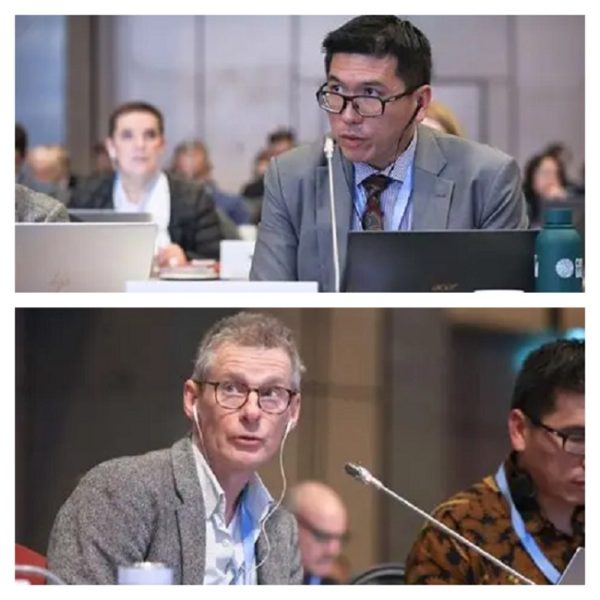
Co-Chairs of IPCC Working Group II: Winston Chow (top) and Bart van den Hurk
The review of the First Order Draft is the first of multiple review stages foreseen for every IPCC report. The review process is critical in preparing IPCC reports, as it helps ensure scientific rigour, the widest range of perspectives, and relevance to the urgent challenges urban areas and communities face in a warming world and changing climate.
Scheduled for release in March 2027, the Special Report on Climate Change and Cities will be the first IPCC report published in the seventh assessment cycle. It is also the only special report in the current cycle. The report aims to provide a timely assessment of the latest science related to climate change and cities, including climate impacts and risks, as well as adaptation and mitigation options.
IPCC says this review is the first opportunity for experts to engage with the draft text of the Special Report. All review comments submitted by experts or governments are addressed by the authors. The comments and the author responses, together with the drafts, are published after the report is finalised.
“Our team of around 100 authors have dedicated their time and expertise to develop a meaningful and holistic first draft of the Special Report. We sincerely invite members of the urban community to come forward to provide comments to ensure this report will reflect the latest science and be relevant to the work of urban practitioners around the world,” said Winston Chow, Co-Chair of Working Group II.
“We want to hear the voices of experts from around the world, as we know that city contexts differ worldwide. Expert reviews are critical touchpoints with the global community. They allow authors to consider diverse perspectives and listen to local realities,” said Bart van den Hurk, Co-Chair of Working Group II.
Interested experts can register for participation in the review here. The registration of experts closes on November 30, 2025. The FOD of the IPCC Special Report on Climate Change and Cities is available for Expert Review from October 17 to December 12, 2025.
Nigeria is often associated with bustling cities and rapid development but hidden within its borders are vast and fragile wilderness areas that hold some of Africa’s most endangered wildlife. Few people know this better than Tunde Morakinyo, co-founder of the Africa Nature Investors (ANI) Foundation.
For decades, he has worked to safeguard Nigeria’s national parks by partnering with local communities and government agencies. In this conversation, he shares his journey, the challenges of protecting Gashaka Gumti and Okomu National Parks, and his vision for the future of conservation in Nigeria.
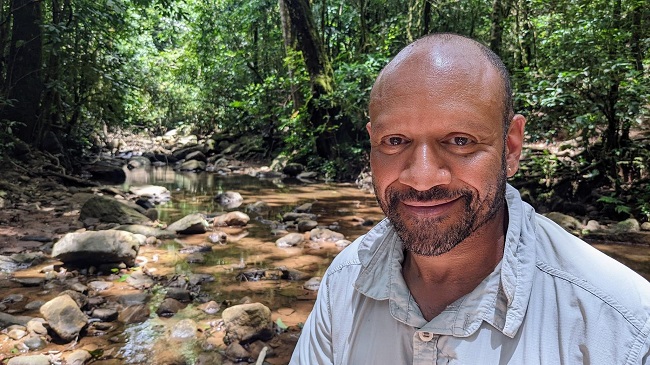
Tunde Morakinyo, co-founder of the Africa Nature Investors (ANI) Foundation
Perhaps, first, you could remind us briefly of your background in conservation and what exactly ANI is.
I am a community forester by training. I have worked in conservation since the early 1990s, when I started a community forestry project near Cross River National Park in Nigeria. After working on community conservation for six years in Nigeria, the Philippines, Cameroon, and other countries, I spent 16 years as a partner in an environmental consulting company in the private sector before founding the Africa Nature Investors (ANI) Foundation.
We are an African not-for-profit organisation partnering with governments and communities to protect national parks in Nigeria. ANI provides hands-on protected area management through ranger-led law enforcement and economic development of the surrounding communities. In Nigeria, we work in Gashaka Gumti National Park and Okomu National Park.
Now, please tell us why Gashaka Gumti National Park is such a special place.
At over 6,000 sq km, Gashaka Gumti is Nigeria’s largest national park. When people think of Nigeria, they think about the crowded, energetic, and chaotic streets of Lagos and other cities teeming with millions of people. Most people, including Nigerians themselves, are unaware of a vast wilderness on the border with Cameroon with sweeping savanna woodlands, huge forests, deep rivers, and spectacular mountains. And then, there is the wildlife. The park has one of the largest populations of the endangered Nigeria-Cameroon chimpanzee, leopards, African golden cats, buffalo and a wide range of antelopes and primates. It really is an incredible place.
ANI has been working with the Nigerian authorities in Gashaka for a number of years now. What sort of progress have you been able to make?
When we first got to Gashaka in 2017, we met a park on its knees. Animal populations had crashed, and it was plagued by logging, artisanal mining, poaching for urban bushmeat markets and thousands of illegal cattle grazers setting fire to the entire park. We signed a 30-year co-management agreement with the Nigerian government and then set about rebuilding the park’s infrastructure. We recruited and trained 120 rangers who patrol the entire park to curtail all the illegal activities, and this has dramatically improved the security of the region because many of the illegal offenders were the same ones carrying out kidnapping, banditry and armed robbery.
As a result, animal populations are rebounding. We also invest heavily in the local economy, supporting education, agriculture, pastoralism, beekeeping and microfinance programmes to give communities an economic stake in protecting the park. We could not protect the park without the support and partnership of the communities.
It sounds like an inspiring story. What do you think have been the most important lessons that you’ve learnt, in terms of what has worked and what hasn’t worked?
Signing a delegated management agreement with the National Park Service of Nigeria was essential for releasing the funding needed for Gashaka Gumti. It also enabled us to work effectively alongside the government in a co-management capacity to deal with the challenges facing the park. While ranger protection has been very important, devoting serious resources and energy to community engagement and development has been critical for our success. Communities need to be incentivised to help protect the park, and for this to happen, the park MUST make a difference to their livelihoods. We still face big challenges in tackling artisanal mining and illegal cattle grazing. There are no quick, easy solutions – but we have come a long way from how we met the park in 2017.
Ok, we also know that ANI is working in another Nigerian national park, Okomu, which is a rainforest in the south with a small number of forest elephants. We imagine that is a difficult environment, but how is it going?
Okomu National Park in Edo State is a much smaller park, located on the edge of the Niger Delta. It is a very special place with an incredibly impressive rainforest, hosting one of the last populations of Nigeria’s critically endangered forest elephants – perhaps around 40. We have a similar agreement in place with the government to manage Okomu and have been very successful in curbing the rampant illegal logging that was decimating the park. Being located close to Benin City, community dynamics are quite different from Gashaka and are more challenging in some senses, but we are gradually finding ways to work in partnership with these communities, too.
Nigeria only has a few hundred elephants in total. How do you assess their current status?
Nigeria only has around 400 elephants. Their situation remains very precarious, mainly due to high human population growth and the hunger for agricultural land. Yankari Game Reserve, which has Nigeria’s largest elephant population, is hemmed in on all sides by farmland. The situation is the same for the elephants of Omo Forest Reserve, Okomu National Park and Cross River National Park. We are still fighting to stop them from being poached and losing the little habitat they have left. However, a new challenge is that of human-wildlife conflict with elephants living in such proximity to farmers.
Finally, please tell us your hopes and dreams for Nigeria, ANI, and Tunde Morakinyo.
Most Africans and their governments care little for wildlife. They are too busy struggling to put food on the table. National Parks and their wildlife will only survive if they are economically relevant in the Africa of tomorrow. This is the challenge for ANI and for me personally. I dream of a time when we will welcome thousands of Nigerians from our cities to both Gashaka and Okomu, earning revenue for the government and changing the hearts and minds of people towards our national parks and their wildlife.
I also dream of the parks making the local communities prosperous. This way, the people will actively work with us to fend off the challenges all the parks in Nigeria face from population pressures on all sides. We are also working hard to make sure that the parks can become more financially self-sustaining (from ecotourism and carbon credits), so hopefully, one day, I will no longer have to write an endless stream of funding proposals, year in, year out! Last but not least, I look forward to the day when we will invite people from all over Africa to see Nigeria’s incredible parks and to learn from our experiences in managing these places.
Break Free From Plastic (BFFP) on Tuesday, September 16, 2025, released a new report titled: “Supermarket Audits: Stores’ Untapped Potential in Fighting Plastic Pollution”, which is said to be the first-ever global snapshot of the retail sector’s business practices in stores, focusing on their pivotal role in the global plastic pollution crisis.
From August 28 to November 15, 2024, 496 individual audits of 247 retailers in 27 countries were conducted by volunteers from BFFP member organisations (including Nigeria’s Pan African Vision for the Environment – PAVE), as part of the supermarket audits. Through this global citizen science initiative, BFFP found that stores are doing the bare minimum to reduce their single use plastic footprint, except where strong legislation compels them to.
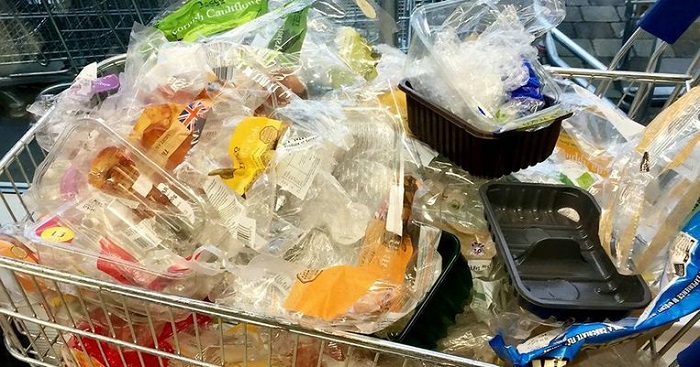
The report says that stores are performing poorly in adopting business practices that reduce plastic pollution
These citizen science supermarket audits are inspired by BFFP’s successful Brand Audit project, which identified the world’s top corporate plastic polluters over the past six years.
Key findings from the report
Stores are performing poorly in adopting business practices that reduce plastic pollution, apart from where legislation requires them to do so. Nonetheless, we found examples of every positive business practice implemented somewhere in the world, highlighting their feasibility and acceptability to consumers.
Hardly any stores around the world have implemented simple plastic pollution positive actions such as bulk loose dry goods section (only 14% of audited stores do this) and removing plastic carrier bags for fresh produce (only 11%).
44% of audited stores have bottle deposit schemes, but those are largely attributed to audits in Germany, where of audited stores 96% have them as required by German law. Outside of Germany, only 17% of stores have such initiatives. This underscored how essential legislation is for driving plastic pollution reduction measures.
58% of audited stores around the world have no single-use carrier bags available at check out, or place a small charge on them. This is likely due to the widespread regulations to reduce plastic bags around the world – over 100 countries have them.
53% of all audited stores globally have canvas shopping bags for sale as a reusable alternative to plastic bags.
Supermarkets are key midstream players in the plastic lifecycle – they lie at a critical junction between producers and consumers and have significant influence on product producers and consumer behaviour. Yet the role of the supermarket sector in plastic pollution, and its potential for positive change, has been largely overlooked.
BFFP found that a majority of supermarkets successfully prevent one type of plastic pollution by not providing free single-use carrier bags at checkout. Yet, plastic-conscious practices such as bulk dry goods sections, deposit return systems for beverage bottles, deli and butcher counters that allow customers to bring their own containers, and alternatives to plastic produce bags are rarely found in stores around the world.
The report calls on supermarkets to leverage their unique market position to implement comprehensive plastic reduction strategies – these can influence how and what consumers buy and can reduce plastic waste generation and plastic pollution globally.
Supermarkets can also drive supplier innovation and plastic reduction through ambitious targets and procurement policies, while supporting reusable packaging infrastructure, such as existing bottle deposit schemes. Supermarkets should not wait for legislation to act. In the face of the global plastic crisis, which is harming human health, the climate, and the environment, the entire sector needs to urgently address its plastic use.
As negotiations on a global plastic treaty are ongoing, this report offers critical insights into how supermarkets can do so much more in averting the plastic crisis. The study hopes to expand annually and build a comprehensive dataset with more countries and retailers to showcase the best practices and pressure supermarkets to play a proactive role in mitigating the plastic pollution crisis.
Maria José García Bellalta, founder, Fundación El Árbol, Chile, said: “In recent years, Chile has adopted significant policies, including the Plastic Bag Ban Law (2018) and the Law on Single-Use Plastics and Plastic Bottles (2021), to address plastic pollution. Yet 20 recent audits of supermarkets and convenience stores across two regions reveal that compliance is inconsistent. Large supermarkets have stopped distributing single-use plastic bags, yet many continue to sell so-called “reusable” plastic bags, which ultimately end up as waste once damaged.
“Smaller convenience stores still freely provide plastic bags to customers, with little to no oversight or enforcement. With Chile’s weak legislation and enforcement mechanisms, stronger and more inclusive measures are needed to address plastic pollution across establishments, accompanied by citizen and retailer education. Most importantly, effective oversight and meaningful sanctions are essential to ensure compliance and to foster real change.”
Maite Cortés, Executive Director of the Jalisco Environmental Collective, Mexico, said: “It is very important that in supermarkets, but also in any other point of sale, consumers have access to products that come in truly circular packaging. This requires redesigning product packaging and making it returnable. As consumers, we want products that are not designed to be disposable because they cause plastic particles to migrate into food.”
Daru Setyorini, Executive Director, ECOTON, Indonesia, said: “Plastic overproduction is fueling the triple planetary crisis, and supermarkets have been flooding us with plastic-packed products. Retail chains generate up to five times more packaging waste than traditional shopping – much of it from individually wrapped foods, plastic-bottled drinks, and disposable bags. We saw some supermarkets provide reusable options, but it’s too little and there is a lack of promotion by supermarkets.
“We want more! We need supermarkets to lead in replacing single-use plastics with locally sourced, plant-based materials and reusable containers. Make sustainable choices accessible, visible, and affordable. We demand eco-friendly packaging in every aisle, so that every purchase moves us closer to a healthier, zero-waste future.”
Edith Monteiro, Adansonia.Green, Senegal, said: “Every aisle in the supermarket can be part of the problem or part of the solution. Choosing less plastic means choosing a healthier future.”
Emma Priestland, Corporate Campaigns Coordinator, Break Free From Plastic, said: “This first ever snapshot of global supermarket business practices clearly shows that the sector has a long way to go in preventing plastic pollution. Supermarkets around the world are heavily reliant on single-use plastics, and this overconsumption is a key reason we are in a pollution crisis today. By implementing some simple and proven measures, stores can massively reduce their plastic footprint and help their customers avoid unnecessary plastic – good for their health and the environment!”
The Global Witness has released a disturbing report titled “Roots of Resistance” which captures attacks and intimidation faced by land and environmental defenders across Africa as the perpetrators try to stifle dissentt
Released on Wednesday, September 17, 2025, the report highlights the number of killings and disappearances of land and environmental defenders globally in 2024. In total, Global Witness documented 146 cases worldwide in 2024, down from 196 in 2023. On average, this is around three defenders killed or disappeared each week.
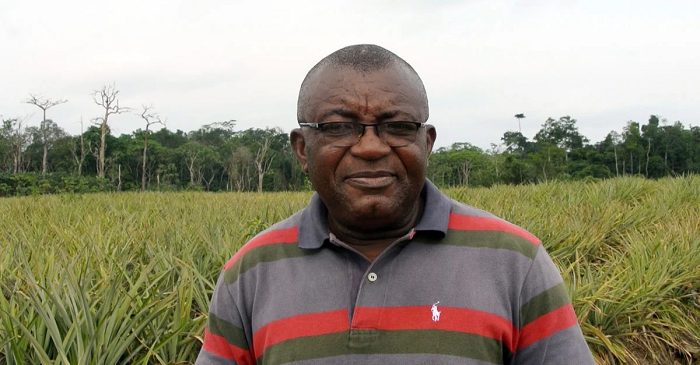
Odey Oyama was in January 2025 arrested by a team of over 40 police officers wearing masks and armed with guns
Global Witness documented nine defender killings across Africa in 2024: four in the Democratic Republic of the Congo (DRC), three in Liberia, one in Cameroon, and one in Madagascar.
All four of those killed in DRC last year were working to protect Upemba National Park from exploitation. Two were park rangers working to prevent poaching and mining. Two other defenders, who were helping to track the movements of elephants within the park, were kidnapped and found dead days later.
With 78 cases between 2012 and 2024, DRC ranks as the deadliest country in Africa, and eighth in the world.
The new figures bring the total number of defenders killed or disappeared in Africa since 2012 to at least 126 – with DRC accounting for almost two-thirds of these cases. Other cases have been documented in Kenya (6), Liberia (6), South Africa (6), Chad (5), Uganda (5) over the last 12 years, among several others.
However, the report notes that these statistics are likely to be an underestimate, highlighting issues around data collection on lethal attacks across the region, with poor recognition of environmental and land rights, conflict, and restricted civil space all playing a role.
At the Nigeria launch of the report hosted by the Renevlyn DeveIopment Initiative (RDI), the situation in Ekuri community on the borders of the Cross River National Park in Cross River State, was also captured.
According to Global Witness, Ekuri is now on the front lines of a battle to save its ancestral forest. Despite winning a UN prize for their pioneering efforts, the Indigenous Nkukorli Peoples have seen their sustainable forest management system undermined by government policies that have paved the way for illegal logging and expansion of corporate interests.
As a result, community activists have been subjected to escalating threats, violence and criminalisation as they fight to protect their land and livelihoods.
Global Witness Senior Advisor, Laura Furones, said: “These already chilling figures are most likely a gross underestimate. The continued difficulty in building an evidence base on the situation faced by defenders in Africa has led to the under-reporting of attacks and the under-representation of defenders in this region.
“Just because we are not recording as many cases in Africa, that does not mean it’s not dangerous for defenders. In fact, the opposite is true, with the severe repression of civic space leaving many defenders too scared to speak out in the first place.”
Colombian defender, Jani Silva, said: “As this report shows, the vast majority of defenders under attack are not defenders by choice – including myself. We are defenders because our homes, land, communities and lives are under theat. So much more must be done to ensure communities have rights and that those who stand up for them are protected.”
Global Witness Senior Campaigner, Rachel Cox, said: “States across the world are weaponizing their legal systems to silence those speaking out in defence of our planet.
“Amid rampant resource use, escalating environmental pressure, and a rapidly closing window to limit warming to 1.5C, they are treating land and environmental defenders like they are a major inconvenience instead of canaries in a coal mine about to explode.
“Meanwhile, governments are failing to hold those responsible for defender attacks to account – spurring the cycle of killings with little consequence. World leaders must acknowledge the role they must play in ending this once and for all.”
The new Global Witness report highlights the many other ways defenders are attacked and silenced beyond killings and disappearances – such as criminalisation – for protecting the planet and its resources they depend on from exploitation, with a focus on forest protection efforts.
Once hailed as a model for community-led conservation, Nigeria’s Ekuri community is on the verge of extinction.
Ekuri Initiative Chairman and Executive Director of Panacea for Developmental and Infrastructural Challenges for Africa (PADIC-Africa), Martins Egot, said: “Like so many communities across the country, continent and the world, we have seen the devastating effects of rampant resource exploitation and corruption – and devastation of our land and environment – all in the name of profit.
“We know how powerful community-led conservation can be in protecting forests, and the planet – we have seen it for ourselves. The international community must recognise the role we play. When communities like ours are empowered, they become the most effective guardians of the environment.”
In January this year, environmental defender, Odey Oyama, was arrested by a team of over 40 police officers wearing masks and armed with guns. Along with four others, he was charged with promoting inter-communal war, which carries a penalty of life imprisonment.
Executive Director of Rainforest Resource Development Centre (RRDC), Odey Oyama, said: “My arrest was a clear attempt to silence me for standing up to corporate logging interests and official corruption. It’s a tactic used to intimidate those who oppose the destruction of our forests.
“Defending our environment is a perilous job. You can easily be killed. I have just been lucky. It is vital that international bodies support forest defenders like me and hold accountable those who facilitate illegal logging.”
Criminalisation of defenders is an issue across the African continent.
RDI Executive Director, Philip Jakpor, said that the report has broken the norm of global reports with far-reaching impacts that usually exclude Africa.
“The Global Witness 2025 report challenges environment and land rights defenders across Africa to own their destinies by speaking up so that the many injustices perpetrated by state-backed corporate entities can be exposed and challenged,” Jakpor stated.
In 2023, Global Witness published an investigation into abuses linked to East African Crude Oil Pipeline (EACOP) – a proposed $5 billion, almost 900-mile-long pipeline that would run through both Uganda and Tanzania. There were at least 96 reported cases of people being detained or arrested for opposing the pipeline from December 2023 to August 2024.
The revelation that Nigeria only invested 19% in climate finance despite receiving a staggering $4.928 billion between 2015 and 2021 to carry out various projects across the country has continued to raise eyebrows among stakeholders, particularly regarding the role of environmental education in raising awareness among citizens about these issues.
These findings, which were published in a report titled “The State of Climate Finance in Nigeria” in December 2024 by Connected Development (CODE) and Oxfam in Nigeria, showed that the aforementioned inflow of climate finance into the country amounts to an average of $704 million in climate finance annually and 118 projects annually.
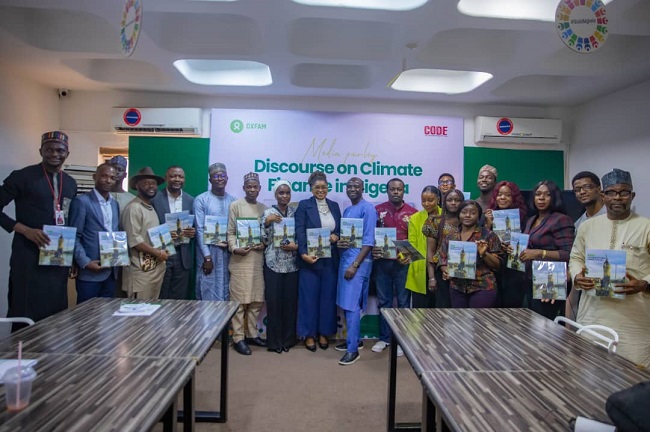
Participants at a media parley in Abuja hosted by Connected Development (CODE) and Oxfam in Nigeria to address the country’s current climate finance situation
During a media parley organised by CODE with support from Oxfam in Nigeria on Tuesday, September 16, 2025, in Abuja, concerned participants raised issues regarding the report’s 81% climate finance deficit and the implications this has for the country’s sustainable growth.
Speaking about the key findings of the study, Hyeladzira Msheila, the Acting CEO of CODE, blamed the country’s low climate finance investment on weak policy enforcement.
In addition to insufficient policy enforcement, the research also found out that the majority of climate inflows into the country were loans rather than grants, which she strongly denounced as having fundamental implications for meeting the nation’s climate objective.
Msheila feels that a widespread public education campaign is desperately needed; thus, she called on journalists and other industry players to assist in filling up the current knowledge and information gaps.
“Empower communities on how to deliver climate results,” CODE’s chieftain stated as her call to action.
According to Greg Odogwu, a columnist for THEPUNCH newspaper, reporting on climate financing is sensitive and political.
“The media plays a vital role in advancing climate finance in Nigeria by bridging the gap between complex financial negotiations and public understanding,” he stated.
Consequently, he urged the organisers to collaborate with relevant stakeholders to help strengthen the capacity of journalists and science communicators to address the challenge that is impeding climate financing flow into Nigeria.
The event featured a number of papers on climate finance to provide context for the conversation and improve the participants’ knowledge of the topic. During the interactive session, questions were posed and responses were given, with many underlining the importance of bringing environmental journalists together behind a single front to get the best possible results.
The purpose of this study was to help the public debate climate finance, climate action, and policy choices. This can help with decision-making on local and sub-national climate governance and the roles of civil society in monitoring climate funding in Nigeria.
Through investigative reporting, storytelling, and accountability journalism, the media ensures that climate finance is not just about global pledges but about tangible solutions for Nigeria’s people.
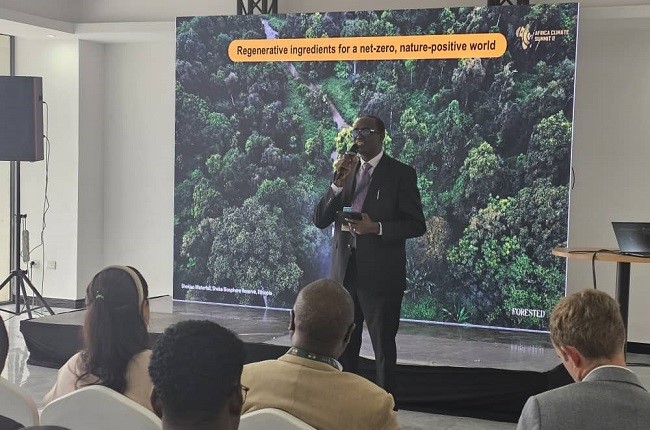
The African Green Economy and Sustainability Initiative (AGESI) made a significant and impactful debut at the recently-held Second Africa Climate Summit (ACS2). Dr. Eugene Itua, Executive Director of AGESI and CEO of Natural Eco Capital, delivered a call to action, urging leaders to reframe nature not as a liability, but as the continent’s greatest economic opportunity, valued at $1.4 trillion annually.
Speaking at a side event themed “Developing the Finance Stack for Restoring African Ecosystems,” Dr. Itua joined a distinguished panel of experts to discuss innovative financial mechanisms for conservation. He argued that the core challenge is not a lack of resources, but the need to build a sophisticated “finance stack” – a blend of grants, concessional loans, and market instruments like carbon and biodiversity credits – to unlock Africa’s immense green wealth.
Dr. Eugene Itua, Executive Director of AGESI and CEO of Natural Eco Capital, speaking at the side event on “Developing the Finance Stack for Restoring African Ecosystems” at ACS2 in Addis Ababa
“For too long, we have framed financing nature as a burden,” Dr. Itua stated during his talk. “But let’s be honest: this isn’t a cost – it’s our single greatest economic opportunity. The African Development Bank agrees. That $1.4 trillion is not a dream. It’s a number. And it’s ours to claim.”
A highlight of the session was the introduction of AGESI’s flagship initiative, the Green Opportunity Index (GOI). Dr. Itua presented the GOI as a transformative, data-driven compass designed to guide investors and policymakers toward the most promising green economy opportunities across the continent. This tool marks AGESI’s commitment as a pan-African “do tank,” not simply a think-tank, created to move beyond advocacy and provide concrete solutions for sustainable development.
The event, moderated by Theresa Reisch of FSD Africa, featured a lineup of leading voices in conservation finance, including Muhtari Aminu-Kano, Director of Policy and Government Relations, The Nature Conservancy; Tim Bromfield, Vice President, Africa, Conservation International; Fiona Napier, Senior Adviser, Nature Finance; and Ariana Day Yuen, Founder and CEO, Forested.
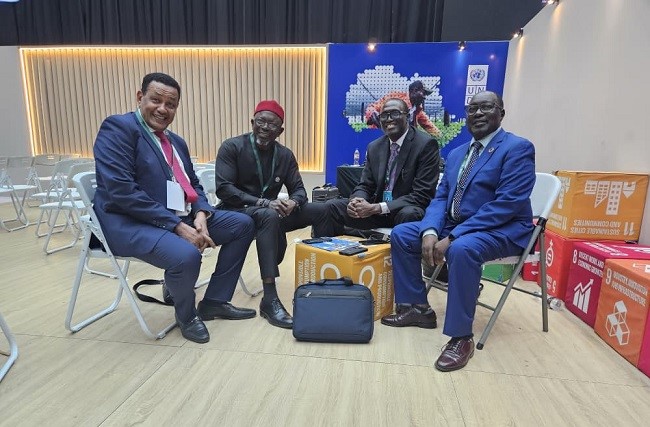
L-R: Dr. Zeynu Ummer, Director, UN Resilience Hub for Africa; Dr. Matthias Z. Naab, UNDP Director of the Regional Service Centre for Africa; Dr. Eugene Itua, CEO, Natural Eco Capital & Executive Director, AGESI; and Charles Nyandiga, UNDP Regional Team Leader for Environment, at the bilateral meeting in the UNDP Pavilion at ACS2
The collective discussion underscored a unified message: Africa must lead the way in developing bankable, scalable nature-based solutions.
According to Itua, AGESI’s successful debut at ACS2 firmly positions it as a key player in shaping this vital agenda.
AGESI’s impact at the summit was further solidified through a high-level bilateral meeting with leaders from the United Nations Development Programme (UNDP). The discussions – which included Dr. Matthias Z. Naab, UNDP Director of the Regional Service Centre for Africa; Dr. Zeynu Ummer, Director of the UN Resilience Hub for Africa; and Charles Nyandiga, UNDP Regional Team Leader for Environment – signaled a strong potential for collaboration to advance shared goals for a sustainable and resilient Africa.