Home Blog Page 136

Climate security cannot wait: Why COP30 must deliver for fragile states

0

In the places most affected by climate change, peace is not a luxury: it’s a prerequisite for survival.

This November, the world’s attention turns to Belém, Brazil, where COP30, the annual UN climate summit, convenes amid rising temperatures, widening inequalities, geopolitical tensions and growing calls for justice. Yet one issue risks being sidelined again: climate-related peace and security.

For millions across Africa, Latin America, and the Pacific, climate change is not just about rising seas or melting glaciers. It is about survival. It is about whether families can stay on their land or are forced to flee. It is about whether scarce water sparks cooperation or conflict. And it is about whether fragile states, already burdened by poverty and instability, can withstand shocks they did little to cause.
COP30
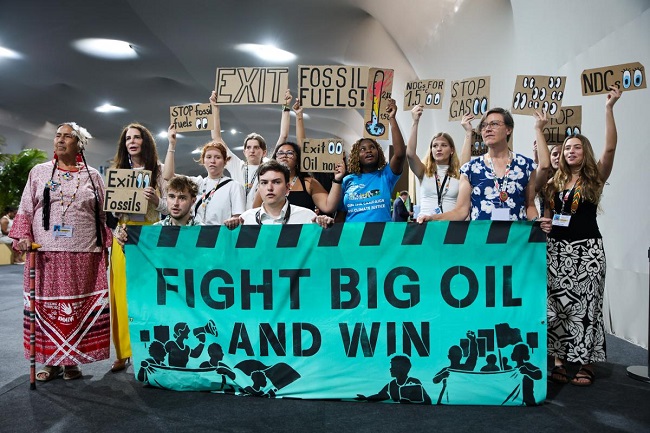
Campaigners at COP30

Nigeria shows this reality vividly: food insecurity, migration, and farmer-herder clashes are increasingly shaped by climate pressures and exploited by armed groups. These are not distant warnings. They are unfolding now. And yet, despite this urgency, climate security remains absent from formal COP negotiations.

Why the silence?

At COP29, references to conflict and fragile states’ specific vulnerabilities were quietly removed from finance discussions. This was no accident. They reflect a persistent reluctance to acknowledge the deep links between climate and conflict, and to act on them, as peace and security is said to be outside COP’s mandate and agenda while others say peace and security is too politically sensitive, risking derailing negotiations.

Many negotiators, especially from countries that do not face climate-related insecurity directly see climate security as abstract, distant, therefore far from being their priority. Even within the Global South, some governments from conflict-free countries fear that linking climate and conflict could redefine vulnerability and shift scarce climate finance away from them. The competition for narrative and finance between conflict-affected and conflict-free is today a great source of tension, especially at a time when global assistance is shrinking.

Brazil’s role as COP30 host adds another layer of complexity. Historically, Brazil has resisted linking climate change to peace and security, viewing such efforts as Western-driven and sovereignty-threatening.

The signs of regression from the Presidency are troubling at COP30. Brazil has not continued the Peace Days that helped institutionalise climate-security discussions at previous COPs. It has expressed opposition to adding new agenda items that could complicate negotiations, a description that could embed peace and security. Despite one high-level climate security event potentially planned, Brazil’s engagement remains inadequate. Expensive costs and visa delays further weaken local communities’ representative participation in COP30. These developments risk turning COP30 into a summit that excludes the very people it should protect.

Africa’s leadership, ignored

Yet climate security is not a niche concern, it is central to global stability. If left unaddressed, climate-driven fragility will continue to destabilise entire regions and derail development efforts. The stakes are too high for inaction and African decision-makers know as they are at the forefront of climate-security advocacy.

From national climate security in the Central Sahel to the elaboration of the soon-to-be released African Union’s Common African Position on Climate, Peace and Security, African initiatives show how climate action and peacebuilding can reinforce each other. These efforts emphasise how African states are not just vulnerable but are innovators, designing integrated solutions that the world should follow.

But their voices remain marginalised. Delegations from fragile states often lack the resources to shape negotiations. International actors dominate the agenda, offering top-down solutions that overlook local realities. This exclusion is not only unjust, but also counterproductive. Climate security cannot be addressed without the leadership of those who live its consequences daily. Africa and the Global South must be recognised not just as stakeholders, but as strategic partners. Their experience, innovation, and resilience must shape global climate policy.

What COP30 must deliver

COP30 is not a lost cause. There is still time to act and concrete steps that can be taken. First, climate security must be formally recognised in COP outcomes. This means acknowledging conflict-related vulnerabilities and ensuring they are reflected in climate finance frameworks. Second, conflict-affected regions must receive fair and accessible climate finance. This includes support for locally led, conflict-sensitive resilience efforts, and mechanisms that prioritize adaptation in fragile contexts. Third, the UNFCCC must establish institutional frameworks to coordinate climate-security efforts.

This could include a dedicated working group, technical support for fragile states, and integration of climate-security indicators into national plans. Fourth, host countries must be held accountable for inclusive, transparent, and rights-based climate governance. This means removing barriers to participation, protecting civil society space, and ensuring that COP is not used for greenwashing or peacewashing.

Finally, the climate-security agenda must be grounded in the lived experiences of those most affected. This means elevating local knowledge, supporting community-driven solutions, and ensuring that climate action promotes resilience, equity, and peace, not exclusion or militarisation.

This moment demands that we amplify those most affected by climate insecurity, and push global leaders to act. Climate peace is not a side issue. It is the foundation of sustainable development, justice, and global stability.

“If COP30 cannot protect the most vulnerable, what future is it negotiating?”

By Gabriel Lagrange, Climate Security Lead, Surge Africa

Nigeria declares readiness for 32.2% emission reduction by 2035 

0

The Director-General, National Council on Climate Change (NCCC), Mrs. Tenioye Majekodunmi, says Nigeria is ready for 32.2 per cent emission reduction by 2035.

Majekodunmi said this on Thursday, November 13, 2025, during a meeting on Climate Finance and Carbon Markets on the side of the 30th United Nations Climate Change Conference (COP30) of the Parties in Belem, Brazil.

According to her, the 32.2 per cent emission reduction will have an estimated annual Carbon market value of about $2.5 billion by 2030.

Tenioye Majekodunmi
NCCC D-G, Mrs. Tenioye Majekodunmi

“This reflects a strategic vision to leverage mark-based and non-market mechanisms to meet and exceed the country’s Nationally Determined Contribution (NDC) commitments.

“This ambitious target is underpinned by the potential for significant investments in low-carbon and clean energy projects, which will reduce emission and drive sustainable economic growth, create jobs, and provide new revenue streams for climate interventions.

“As Africa’s largest economy, Nigeria is poised to lead as Africa`s hub for high-integrity Carbon market investment, setting the benchmark for low-carbon, climate-resilient socio-economic development,” she said.

The NCCC director-general said the Carbon Market Activation Policy (CMAP) was designed to bolster carbon market activities in the countries.

According to her, the policy provides the guidelines and procedures that will foster Nigeria’s objective to reduce Greenhouse Gas (GHG) emissions while promoting sustainable development through the carbon market mechanism.

“This policy informs Nigeria’s efforts to provide a well-defined system that will coordinate progress in GHG emissions reduction, address fiscal-related issue (like taxes, subsidies among others and build investor’s confidence.

“Also, to establish a detained institutional arrangement that clearly defines the roles and responsibilities of key stakeholders and ensures the generation of high integrity and high-quality carbon credits, while also safeguarding market transparency.

“A key objective of this policy is to facilitate Nigeria`s participation in national, regional, continental, and international Carbon markets,” she said.

She said the policy would also enhance development of governance and regulatory mechanisms that would encourage international and local investors to develop emission reduction projects to support national climate mitigation goals while availing funds for sustainable development.

Speaking, Mrs. Tariye Gbadegesin, the Chief Executive Officer, Climate Investment Funds, said Nigeria had one of the best Carbon Market Framework policies in the world.

Gbadegesin maintained that the nation was indeed ready for the carbon market in the country.

According to her, Nigeria`s institutional framework provides clear roles and responsibilities for all the institutions that will be involved in the carbon market mechanism.

“This will ensure that there is no overlap or duplication of responsibilities. This robust institutional framework will govern the country’s participation in both Article 6 mechanisms under the Paris Agreement and Voluntary Carbon Market (VCM).

“The Nigeria’s institutional framework also provides other mechanisms such as the Carbon Offsetting and Reduction Scheme for International Aviation (CORSIA).

“The institutional framework will be backed by the regulatory framework that the government intends to develop,” she said.

By Gabriel Agbeja

Heirs Energies’ CFO, Samuel Nwanze, crowned Africa CFO of the Year

0

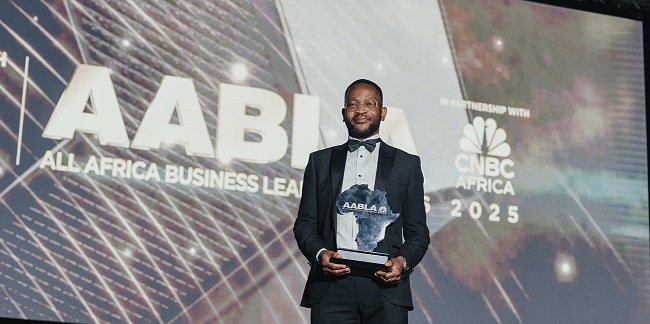
Executive Director & Chief Financial Officer (CFO) of Heirs Energies and Chief Investment Officer of Heirs Holdings Group, Samuel O. Nwanze, has been named Africa CFO of the Year at the prestigious All Africa Business Leaders Awards (AABLA) in partnership with CNBC Africa.

The remarkable accomplishment has been described as a testament to the Group Chairman, Tony O. Elumelu, and his philosophy of championing African excellence through Africapitalism. Under his leadership, the organisation has reportedly built an ecosystem that empowers leaders like Mr. Nwanze to thrive and redefine the African business landscape

The organisation added that Nwanze’s win is a direct reflection of the world-class talent and strategic ambition being built within the group.

Samuel Nwanze
Samuel Nwanze

It submitted: “His leadership in high-stakes finance and investment is a key driver of our success, making this award a point of pride for every one of us.

“Sam is not only a CFO in the traditional sense. He is an architect of growth, a dealmaker, and a strategic force. His journey with our group has been defined by landmark transactions and unwavering financial discipline that have reshaped our portfolio and the energy landscape in Africa.

“This award, judged by a panel of the continent’s most respected business leaders, validates what we have always known: Sam’s expertise is world-class. He is a sought-after voice at the African Union, the Milken Institute, and Oxford Saïd Business School, and his recent role as the first African on the board of the Global Impact Investing Network (GIIN) places him at the forefront of global finance.

“Samuel Nwanze is a cornerstone of our success. His vision and execution are directly linked to our growth, stability, and ambitious future.”

Tobacco control COP to address nicotine addiction, Ethiopia reports suspected viral haemorrhagic fever outbreak

0

A rising wave of nicotine addiction, particularly among young people, and the growing threat of illicit tobacco trade will be addressed in the coming two weeks by over 1,400 delegates representing governments, international organisations and civil society.

These urgent concerns, as well as highlighting the importance of criminal and civil liability to comprehensive tobacco control, will be among the issues on the agenda of biennial meetings of governing bodies of two landmark international health treaties – the WHO Framework Convention on Tobacco Control (WHO FCTC) and the Protocol to Eliminate Illicit Trade in Tobacco Products.

The Conference of the Parties (COP) to the WHO FCTC will meet in Geneva from November 17 to 22, followed by the Meeting of the Parties (MOP) to the Protocol from November 24 to 26, 2025.

Andrew Black
Andrew Black, Acting Head of the Secretariat of the WHO FCTC

“The COP and the MOP provide a platform for Parties to review and strengthen the implementation of the WHO FCTC and the Protocol,” said Andrew Black, Acting Head of the Secretariat of the WHO FCTC. “These meetings will bring the world together to energise international cooperation and foster political will to address the global tobacco epidemic, which claims more than 7 million lives annually.”

The broad availability and marketing of e-cigarettes and other nicotine products and the actions governments can take, especially to protect children, will be the subject of a ministerial roundtable on the opening day of the meeting. Speakers will include the Deputy Prime Minister and Minister of Health and Social Affairs of Belgium, Mr. Frank Vandenbroucke, the Minister of Public Health of Uruguay, Dr Cristina Lustemberg and the Director-General for Health and Food Safety of the European Commission, Ms. Sandra Gallina among others.

Later in the week, the COP will consider measures to prevent and reduce tobacco consumption, nicotine addiction and exposure to tobacco smoke.

Also on the opening day, an event marking 20 years since the entry into force of the WHO FCTC, one of the most rapidly and widely embraced UN treaties, will bring together government and United Nations officials, civil society and youth advocates in a high-level strategic dialogue on the meeting’s theme – Uniting Generations for a Tobacco-free Future.

Delegates to the COP also will be on hand for the launch of the 2025 Global Progress Report on implementation of the WHO FCTC.

During the six-day meeting Parties to the WHO FCTC will also have the opportunity to share their experiences in implementing the treaty, and will also consider forward-looking tobacco control measures, as well as discuss an Expert Group report on liability. Other issues on the agenda include the environment and health, as the tobacco product supply chain and tobacco use result in extensive environmental damage.  For example, plastic cigarette filters are a leading single source of waste that leaching toxic chemicals into the environment and break down into microplastics.

Illicit trade of tobacco products

Following the COP, 71 Parties to the Protocol will meet from November 24 to 26, 2025.
Illicit trade fuels the tobacco epidemic and undermines tobacco control by increasing access to – often cheaper – tobacco products.  The availability of illicit tobacco poses a threat to public safety by weakening security and fostering corruption and organised crime.

Meanwhile, health authorities in Ethiopia are carrying out further investigations and ramping up response after suspected cases of viral haemorrhagic fever were reported in the country’s South Ethiopia Region. In support, the World Health Organisation (WHO) is deploying an initial team of responders and delivering medical supplies to assist in the ongoing efforts to determine the cause of infection and halt further transmission.

So far, eight suspected cases have been reported. Laboratory testing is ongoing at the Ethiopia Public Health Institute to determine the exact cause.

To support the national authorities, WHO is deploying a multi-disciplinary team of 11 technical officers with experience in responding to viral haemorrhagic fever outbreaks to help strengthen disease surveillance, investigation, laboratory testing, infection prevention and control, clinical care, outbreak response coordination and community engagement.

WHO is also providing essential supplies including personal protective equipment for health workers and infection-prevention supplies, as well as a rapidly deployable isolation tent to bolster clinical care and management capacity. Additional technical capacity is being mobilised to support the overall response.

WHO has also released $300,000 from its Contingency Fund for Emergencies to provide immediate support to the national authorities.

Viral haemorrhagic fevers refer to a group of epidemic prone diseases that are caused by several distinct families of viruses. They include Marburg and Ebola virus diseases, Crimean Congo haemorrhagic fever and Lassa fever.

Specific signs and symptoms vary by the type of viral haemorrhagic fever, but initial signs and symptoms often include marked fever, fatigue, dizziness, muscle aches, loss of strength and exhaustion. All cases of acute viral haemorrhagic fever syndrome whether single or in clusters, should be immediately notified without waiting for the causal agent to be identified.

Sahara Group seeks bold human capital strategies in Africa’s energy sector

0

Sahara Group, a leading energy and infrastructure conglomerate, has emphasised that deliberate and innovative human capital strategies are pivotal to positioning Africa’s energy sector for sustainable growth and competitiveness amid evolving global energy security challenges and emerging opportunities.

Speaking at the 2025 Nigerian Association of Petroleum Explorationists (NAPE) Annual International Conference & Exhibition, Emilomo Arorote, Group Head, Human Resources, at Sahara Group noted that energy professionals’ curiosity, competence, and courage to act, remain the most powerful lever for transformation in a transitioning world.

Sahara Group
L-R: Felix Oluyemi, Exploration Manager, Asharami Energy (A Sahara Group Upstream Company); Maureen Fashina, Treasury Accountant, Asharami Energy; Anna Aribatise, Reservoir Engineer, Asharami Energy; Emilomo Arorote, Group Head, Human Resources, Sahara Group; Adaora Emenike, HR Analyst, Sahara Group; and Francis Ejeke, Senior Geomodeller, Asharami Energy, at the 2025 NAPE in Lagos, Nigeria

Held under the theme “Revitalising the Nigerian Petroleum Exploration and Production Strategies for Energy Security and Sustainable Development,” this year’s NAPE Conference convened industry leaders, policymakers, and innovators to explore pathways toward achieving long-term energy security across Africa.

Highlighting the indispensable role of human ingenuity in shaping the industry’s future, she said, “Innovation in our industry has never been about systems alone, it always begins with people.” She said Sahara remained committed to driving transformative human capital development as a cornerstone for Africa’s energy sustainability.

“At Sahara, we have seen how curiosity transforms into capability when young professionals start asking the right questions. A remarkbale portion of our breakthroughs, including the landmark OKOS-04L well intervention in OML-148, were driven by young teams who dared to challenge convention and applied fresh thinking to complex problems.”

Arorote said the next frontier of the industry would depend not only on technology but also on the mindset of the people driving it.

“As we navigate the energy transition from gas-to-power integration to automation and data-driven operations, the future will belong to those who combine curiosity with patience and precision. The young professionals who will redefine Africa’s energy story are those who are willing to learn deeply, think differently, and act decisively,” she said.

Arorote said Africa’s energy sector needs to build sustainable systems to support mentorship and knowledge transfer to younger professionals to achieve robustnand globally competitive energy operations and impact. “Mentorship is a two-way bridge that allows both emerging and seasoned professionals to learn, adapt, and grow together, blending the wisdom of experience with the ingenuity of youth.”

According to Sahara Group, it’s participation at NAPE 2025 reinforces its long-standing commitment to investing in human capital, advancing digitalisation, and leveraging gas as a transition fuel for Africa’s sustainable growth.

Across its upstream, midstream, and downstream operations in Africa, Asia, Europe and the Middle East, Sahara Group says it continues to drive operational excellence and innovation while empowering young professionals to reimagine what’s possible in Africa’s energy landscape.

Nigeria suspends planned 15% import duty on PMS, diesel

0

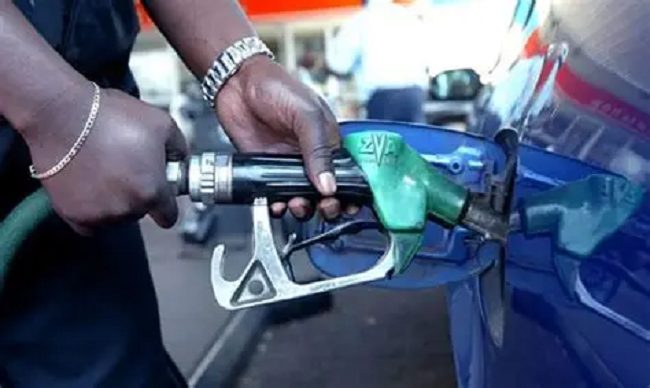
The Nigerian Midstream and Downstream Petroleum Regulatory Authority (NMDPRA) says the proposed implementation of the 15 per cent of valorem import duty on imported Premium Motor Spirit (PMS) and Diesel is no longer in view.

Fuel subsidy
The planned 15% import duty on PMS and diesel has been suspended

The NMDPRA disclosed in a statement posted on its X handle on Thursday, November 13, 2025, and signed by the Director, Public Affairs Department, NMDPRA, George Ene-Ita.

It will be recalled that President Bola Tinubu approved the introduction of a 15 per cent ad-valorem import duty on petrol and diesel imports into Nigeria.

According to Ene-ita, the implementation of the 15 per cent ad-valorem import duty on imported Premium Motor Spirit and Diesel is no longer in view.

He also assured all that there was an adequate supply of petroleum products in the country, within the acceptable national sufficiency threshold, during this peak demand period.

The director appreciated the continued efforts of all stakeholders in the midstream and downstream value chain in ensuring a smooth and uninterrupted supply and distribution.

He said the authority would continue to closely monitor the supply situation and take appropriate  regulatory measures to prevent distruption of supply and distribution of petroleum products nationwide .

“The public is hereby assured of NMDPRA’s commitment to guarantee energy security,” Ene-Ita said.

In October, President Bola Tinubu approved a 15 per cent import duty on petrol and diesel.

The government stated that the directive aimed to “strengthen local refining capacity, and ensure a stable, affordable supply of petroleum products across Nigeria.”

The government said implementation of the tariff will begin in a month’s time, after its approval.

However, the policy was met with criticism from various stakeholders, energy experts and civil societies, who argued it would skyrocket fuel prices and worsen Nigeria’s economic situation.

By Emmanuella Anokam

Nigeria’s real estate sector overtakes oil, gas in GDP contribution – Official

0

Convener of the International Real Estate Conference and Exhibition (IRECE), Mr. Ajayi Franklin, said Nigeria’s real estate sector has overtaken oil and gas in its contribution to the nation’s Gross Domestic Product (GDP).

Franklin stated this on the sidelines of a three-day International Real Estate Conference and Exhibition in Abuja on Thursday, November 13, 2025.

He said the sector now contributes about 40 per cent to Nigeria’s GDP, while oil and gas account for around four per cent.

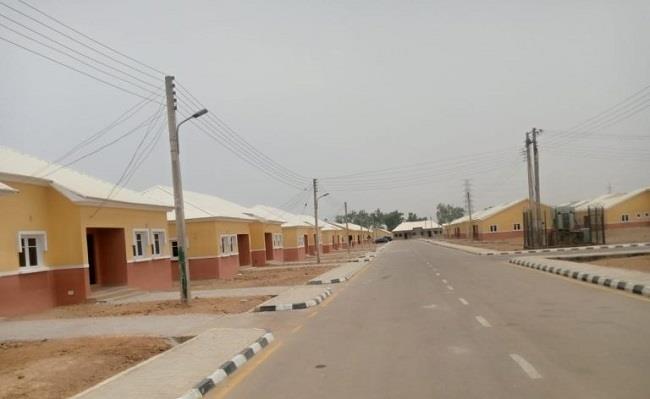
National Housing Programme
National Housing Programme estate in Kaduna

According to him, this signals a major shift in the country’s economic structure.

“We basically have something that is less than four per cent for oil and gas or about four per cent. Real estate has by far surpassed that margin,” he said.

He described the real estate market in Nigeria and across Africa as one of the fastest-growing sectors, expanding rapidly and creating new opportunities for investors, developers, and the general public.

“It’s time to begin to have that discourse because the African market is opening up and a lot of things are happening. Developers should take advantage of it and do things differently,” Ajayi said.

The convener explained that discussions were ongoing with government stakeholders to promote affordable housing initiatives for Nigerians.

He said that the lack of access to finance, low average incomes, and high construction costs had made homeownership difficult for many citizens.

“Common Nigerians cannot afford comfortable buildings due to low incomes, high cost of construction, and a severe housing deficit.

“We’re working on something with the government that could make affordable housing a reality,” he said.

Ajayi emphasised on the importance of real estate as a basic necessity, stressing that every Nigerian, regardless of status or income, deserves decent shelter.

He urged citizens to consider property investment as a long-term opportunity, adding that demand would continue to rise due to population growth and limited land availability.

“Our land is limited; it’s not going to expand in five years. With an increasing population, there will be more demand for property and space, which will naturally make real estate more profitable,” he said.

Also speaking, Hajia Binta Ibrahim, Chairperson of the Rader National Women Developers Committee, urged developers to prioritise affordability and transparency in land acquisition.

“Developers should interact with landowners to ensure they are getting good, unencumbered lands. At the end of the day, it is the buyers who bear all the costs,” she said.

In her remarks, Ene Simon Agbo, Monarch Home and Properties, advised buyers to engage trusted real estate professionals to avoid falling victim to fraudsters.

“People should not think of bushes when buying land or property. The bush today is the city tomorrow,” Agbo said.

Similarly, Chetdan Amos of MS Properties and Project Limited, encouraged Nigerians to invest in estate housing for safety and comfort, urging them to purchase properties that suit their financial capacity.

“There are categories of buildings in every estate. You can buy studio apartments, duplexes, or high-rises, depending on your means,” he said.

IRECE brought together industry stakeholders, developers, policymakers, and investors to discuss opportunities and challenges within Nigeria’s expanding real estate market.

By Cecilia Odey

COP30: New avenues for cooperation on climate finance

0

Even though governments are increasingly prioritising national interests in their economic and financial policies, these very priorities can still offer ways to achieve greater cooperation in tackling global warming.

This is the central message of a joint discussion paper presented on Wednesday, November 12, 2025, at the COP30 climate conference by the Potsdam Institute for Climate Impact Research (PIK) and the research team at KfW, one of the world’s leading promotional banks. The paper highlights the growing need for investment in fossil-free technologies and outlines incentive mechanisms for new international cooperation.

Keeping global warming below 1.5°C in the long run requires global CO₂ emissions to be reduced to net zero by the middle of the century. According to the authors, this will require a much faster ramp-up of investment in CO₂-free energy.

Ottmar Edenhofer
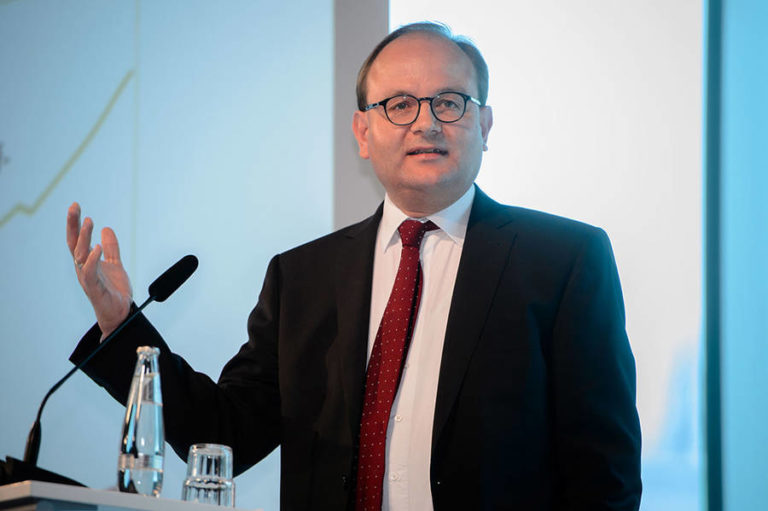
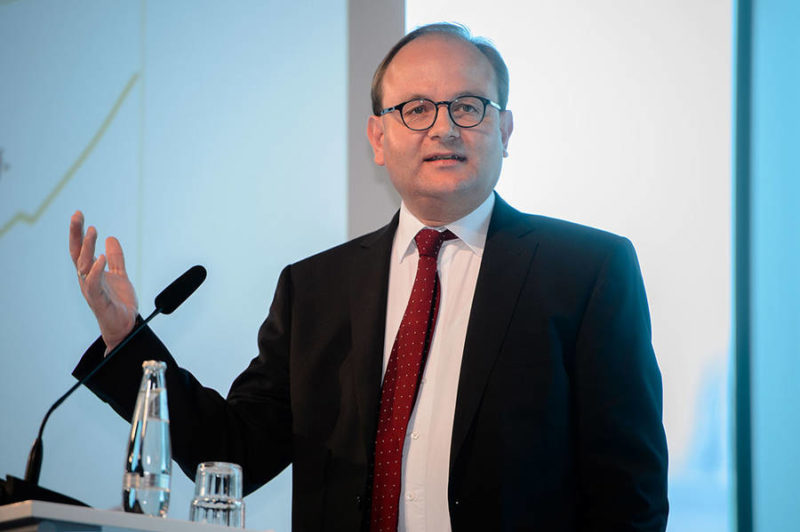
Ottmar Edenhofer, Chief Economist at the Potsdam Institute for Climate Impact Research (PIK), and author of the paper

While global investment in 2024 is estimated at around $2 trillion, annual needs are closer to $6 trillion up to 2050. If the current pace continues, an investment gap of $26 trillion would accumulate by 2036. In the Global South, investments would have to rise six- to nine-fold compared with current levels.

The paper by PIK and KfW Research highlights three key reasons why financing climate action in the Global South also serves the economic interests of wealthier countries: First, climate investments anywhere help limit climate damages, because the greenhouse effect does not respect national borders. Second, a truly global shift to fossil-free technologies can spur innovation and new industries at home. And third, a shift in the global balance of power away from dependence on oil-exporting countries can strengthen national sovereignty and energy resilience.

Minilateral cooperation as key strategy in geopolitically tense times

CO₂ emissions are currently rising at a particularly rapid pace in middle-income countries. Reversing this trend requires effective mechanisms that create incentives for cooperation and ensure that international climate finance delivers real results. The European Carbon Border Adjustment Mechanism (CBAM), which encourages trading partners to raise their climate ambitions, has great potential in this regard.

Another approach is a funding system that rewards countries based on the actual implementation of climate action. The analysis shows that large fossil fuel-importing economies could benefit from financial cooperation to support the energy transition in the Global South. Model simulations suggest that a “minilateral” coalition between the EU and China as investor countries, for example, could cut global demand for oil, gas and coal while also benefitting coalition partners more than it would cost them. 

Such cooperation therefore not only benefits the planet but also supports national prosperity, due to the so-called terms-of-trade effect – reduced demand for fossil fuels lowers global demand and thus the world market price, which in turn reduces costs for domestic consumers. The avoided climate damage is an additional benefit.

Turning global challenges into new opportunities

“This example illustrates that geopolitical tensions and national interests need not stand in the way of effective global climate protection,” says PIK Director Ottmar Edenhofer, author of the paper.

“Joint action can emerge from national interests if the right incentive structures are in place. The EU’s carbon pricing combined with the new CBAM climate tariffs already illustrate this. Other countries are now introducing CO₂ prices – not out of green idealism, but because it benefits prosperity and growth.”

‘Trump is temporary’: California governor flays President’s pro-fossil fuel agenda

0

With US President Donald Trump skipping the UN’s climate summit in the Amazon, California Governor Gavin Newsom grabbed the spotlight on Tuesday, November 12, 2025, and unleashed a barrage of attacks on the fossil fuel agenda of his political nemesis.

The well-coiffed Democrat – seen as a potential 2028 presidential candidate – blasted Trump for twice leaving the Paris climate accord and for “doubling down on stupid” through his support of Big Oil.

Newsom said a future Democratic administration would rejoin the Paris Agreement “without hesitation.”

Gavin Newsom
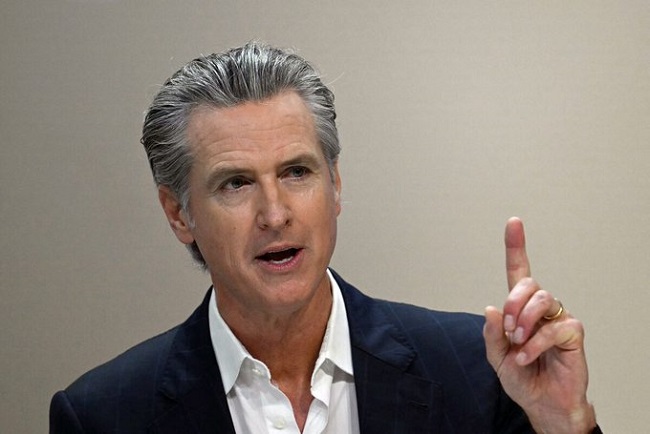
California Governor, Gavin Newsom

“It’s a moral commitment, it’s an economic imperative,” Newsom said in response to a question by AFP in Belem, the Brazilian Amazon city in northern Para state hosting the climate summit known as COP30.

It is “an abomination that he has twice, not once, pulled away from the accords.”

After returning to office in January, Trump withdrew the United States from the landmark Paris deal for a second time — the first was during his first term — and he has sneered at the idea of human-caused planetary warming, calling it a “con job.”

Newsom’s first appearance of the day came alongside Helder Barbalho, governor of Para, where he touted California’s green credentials between bites of tropical fruit and sips of acai juice – noting that the Golden State, the world’s fourth-largest economy, is now two-thirds powered by renewables.

He then launched into a whirlwind of meetings and press events with officials from Germany’s Baden-Wurttemberg state, Brazil’s minister for Indigenous Peoples and the Brazilian president of COP30 — all the while trailed by large media scrums normally reserved for national leaders.

Not part of negotiations

Still, there are limits. Regional leaders have no part of official negotiations at COP30, which opened on Monday with urgent calls to stay the course on climate action.

New Mexico Governor, Michelle Lujan Grisham, who also attended events on Tuesday, acknowledged these constraints.

“Certainly, our meetings with leaders at the UN and others was to demonstrate that we’re interested in any possibility that does more about that direct negotiation and representation,” she said.

Her aim in coming, she added, was to show that “when the federal government leans in, we do more, and when they lean out, we do more. It’s both.”

But Christiana Figueres, an architect of the Paris Agreement, said the summit was better off without Trump’s government showing up.

“I actually think it is a good thing,” she said, suggesting that while the United States may work behind the scenes with petrostates including Saudi Arabia, “they can not take the floor” and directly bully other nations.

‘Trump is temporary’

Even without a seat at the table, US states and cities have concrete power.

A recent analysis by the University of Maryland found that if these governments ramp up their efforts – and a climate-friendly president is elected in 2028 – US emissions could fall by well over 50 percent by 2035, approaching the 61-66 percent reduction targeted by Biden’s administration.

“The president can’t throw a switch and turn everything off – that’s not how our system works,” Nate Hultman, who led the report, told AFP.

The market-driven green shift remains a strong factor including in US states with climate-hostile leadership, like Texas, the country’s renewable energy generation leader last year, added Hultman, who previously worked for Democratic presidents.

Even so there are questions over how far state-level action can go without federal support. Trump’s Republicans recently passed a law bringing an early end to clean energy tax credits, seen as a potentially crippling blow to the renewable sector.

Beyond pushing for more drilling at home and declaring war on green energy, Trump’s administration recently torpedoed international efforts to impose a carbon tax on shipping by vowing reprisals against countries that backed the plan.

Newsom urged nations to hold firm against further intimidation efforts, saying it was vital to remember “Trump is temporary” and that “you stand up to a bully.”

By Issam Ahmed and Anna Pelegri, AFP

COP30: Climate finance remains Africa’s top priority

0

African climate negotiators have outlined a unified set of priorities for the major UN climate change conference (COP30) in Belém, Brazil, highlighting climate finance as top priority.

Chair of the African Group of Negotiators on Climate Change (AGN), Dr. Richard Muyungi, says COP30 must deliver “ambitious, balanced, fair and just outcomes across adaptation, mitigation, loss and damage, and climate finance,” emphasising that negotiations must be anchored in the latest science and the principles of equity and common but differentiated responsibilities and respective capabilities (CBDR–RC).

Dr. Richard Muyungi
Chair the African Group of Negotiators (AGN), Dr. Richard Muyungi

He warned that despite contributing less than 4% of global emissions, Africa faces rapidly intensifying climate impacts and requires outcomes that reflect its “special needs, developmental context, and heightened vulnerability.”

The negotiators called for a clear alignment between financing flows and the ambition reflected in countries’ next round of Nationally Determined Contributions (NDCs 3.0).

Key demands include concrete steps to operationalise US$1.3 trillion annually by 2030 and the US$300 billion climate finance goal.

This year’s global climate summit kicked off in the Amazonian city of Belém in Brazil, amid a warning from United Nations Climate Change Executive Secretary, Simon Stiell, that the world is not doing enough to combat the crisis, and strategic compromises over the elements of the official agenda of the summit.

At the opening plenary, the UN climate chief said the world is not moving fast enough to confront the climate crisis but was quick to note that global cooperation had at least prevented “an impossible future” of runaway heating.

“We have so much more work to do. We must move much, much faster; both in reducing emissions and in strengthening resilience,” he told delegates.

Stiell credited the Paris Agreement, adopted 10 years ago, with bending the curve of projected global heating from as high as 5°C to below 3°C, saying “it is still perilous, but it proves that climate cooperation works”.

He said success now depends on two interlinked pillars: stronger, more credible national climate plans, the Nationally Determined Contributions (NDCs); and the financing to make them possible.

“Plans without finance cannot reach their full potential,” he said.

Finance is the great accelerator

Stiell pointed to the Baku to Belém Roadmap, a new initiative that seeks to increase global climate finance from about US$300 billion a year to US$1.3 trillion by 2035, describing it as a shared investment in “stability and prosperity” and noting that countries acting fastest on clean energy would reap the greatest economic benefits.

“Every dollar invested in climate solutions brings multiple dividends; jobs, cleaner air, better health, resilient supply chains, and stronger energy and food security,” he said.

Supporters hailed the roadmap as an ambitious but necessary step to close the gap between climate pledges and real-world funding.

Brazil, hosting COP30 under President Luiz Inácio Lula da Silva, described the roadmap as “a blueprint for collective resolve.” The Brazilian delegation urged negotiators to focus on fairness and delivery rather than rhetoric.

 “The science is clear, the moral imperative undeniable. What remains is the resolve,” they said.

Mohamed Adow, founder and director, Power Shift Africa, said: “COP30 must deliver the priorities for Africa and the wider developing world which are clear: we need a fair deal that delivers finance for adaptation in vulnerable countries and supports a just transition to renewable energy.

“These are not acts of charity, but investments in a stable, liveable planet. We need to see the sharing of clean energy technology by the global north with the global south, and we need to see more national climate plans published by all countries, laying out how we’re going to accelerate the momentum towards a safe and prosperous planet for us all.”

Over the next two weeks, the COP30 Presidency is understood to be positioning the summit as a political reckoning that will test whether the Paris Agreement, the crown jewel of international climate diplomacy, can still deliver results at scale.

Growing fatigue in climate process

Since 2015, global emissions have plateaued but not fallen fast enough. The 1.5°C target, the threshold scientists warn the world must stay below to avoid catastrophic consequences, is slipping out of reach.

The Belém conference comes amid growing fatigue and distrust in the global climate process, particularly over financing and equity. The Baku to Belém Roadmap aims to restore faith by setting a long-term financing goal, but key questions remain unanswered: who pays, how much, and under what terms.

Omar Elmawi, Convenor of the Africa Movement of Movements, noted: “We cannot keep sailing blindly into a climate apocalypse while pretending everything is merry. COP30 must be the turning point, where words become action, and promises become justice. Over eight billion people globally are looking at Belém to be the moment we will all look back to and celebrate and not one we curse.”

For Africa, COP30 is a moment of reckoning. The continent contributes less than 4 per cent of global emissions but bears the heaviest costs of climate change, from droughts and cyclones to collapsing agricultural yields and energy insecurity.

African negotiators have consistently argued that without predictable, affordable finance, developing nations cannot deliver on their commitments. The Baku to Belém Roadmap could be transformative if implemented fairly, ensuring that new funds reach life-saving adaptation projects in vulnerable communities, not just emissions reductions in middle-income economies.

African countries are also demanding a rebalancing of the climate finance equation to include more grants, fewer debt-driven instruments, and direct access for local governments and institutions.

The hope is that the roadmap will address long-standing inequalities that have left Africa sidelined when it comes to green investment.

By Kofi Adu Domfeh