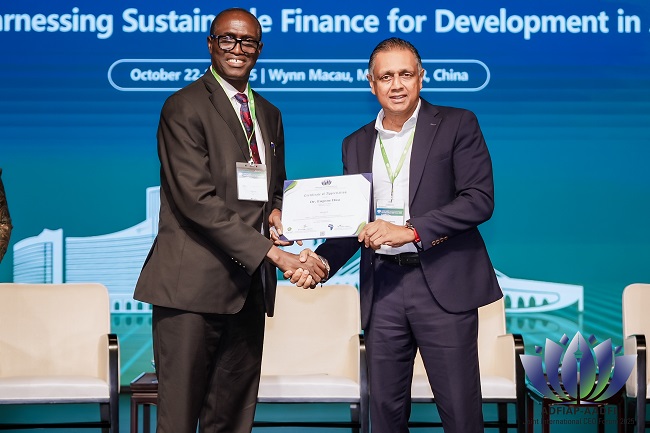
At the AADFI-ADFIAP Joint International CEO Forum 2025, held from October 22 to 24, 2025, in Macau SAR, China, Dr. Eugene Itua, CEO of Natural Eco Capital and Executive Director of the Africa Green Economy and Sustainability Institute (AGESI), was honoured with a Certificate of Appreciation by Mr. Thimal Perera, CEO of DFCC Bank PLC, Sri Lanka, for his outstanding contribution as a panelist in Session 1: “Harnessing Sustainable Finance for Development – Exploring Innovative Financing Models to Accelerate Sustainable Development in Asia-Pacific and Africa”.
Dr. Itua’s intervention delivered a compelling thesis: “Sustainable finance must evolve from niche innovation to mainstream risk management”, anchored in three foundational pillars:
At the AADFIAP-AADFI Joint International CEO Forum 2025, held October 22–24 at the Wynn Macau Hotel, Macau SAR, China, Mr. Thimal Perera, CEO of DFCC Bank, proudly presented Dr. Eugene Itua, CEO of Natural Eco Capital and Executive Director of AGESI, with a Certificate of Appreciation for his outstanding contribution as a panelist in Session 1: Harnessing Sustainable Finance for Development
Legal and policy certainty
Natural capital valuation
Auditable governance standards
A standout moment was his introduction of the Africa Green Opportunity Index™ (AGOI) – a first-of-its-kind strategic dashboard designed to transform Africa’s ecological wealth and governance capacity into investable, measurable, and resilient financial opportunities. The AGOI maps over $1.4 trillion in annual natural capital value and benchmarks governance readiness across African nations.
Dr. Itua proposed using the AGOI as a shared platform for opportunity mapping and strategic risk benchmarking between Africa and Asia-Pacific. He emphasized that Africa’s natural capital must be perceived not as a vulnerability, but as an opportunity: “The GOI is Africa’s answer to the global capital gap. It shows where nature is bankable, where governance is investable, and where capital can flow with confidence.”
The Africa Green Opportunity Index™ (AGOI) shifts the narrative from “Africa as vulnerable” to “Africa as investable.” It meets Development Finance Institutions (DFIs) where they operate – at the intersection of governance, risk, and capital deployment—positioning them as co-architects of global resilience. But its impact goes further.
AGOI also engages governments by providing a strategic lens to assess policy reform, signal investment readiness, and align national development plans with global sustainability standards. It empowers private investors and corporates with market intelligence to identify bankable natural assets and sustainability-aligned opportunities. For civil society and academia, AGOI offers a transparent platform for advocacy, research, and capacity building – ensuring that sustainability is not just a financial imperative, but a shared societal mission.
Together, these stakeholders form a collaborative ecosystem where AGOI serves as the common dashboard – translating ecological wealth and governance capacity into measurable, investable, and resilient development pathways across Africa.
Dr. Itua’s panel remarks also included:
Case studies on climate legislation and sovereign investment strategies
Tools for monetizing nature as infrastructure, including Natural Capital Accounting and forest carbon offset systems
Governance safeguards such as UNDP SDG Impact Standards and ESIA/RAP compliance frameworks
He concluded with a call for auditable resilience, urging DFIs and investors to embed law, nature, and governance into every deal. His closing message: “Let’s move sustainable finance from niche to norm. Let’s build a future that is resilient, inclusive, and bankable.”
Every October, the world goes pink – a symbolic reminder of the ongoing fight against breast cancer. Across countries and communities, survivors, advocates, and health institutions amplify a message of hope: “early detection saves lives.” In Ghana, where breast cancer remains the most commonly diagnosed cancer among women and the leading cause of female cancer deaths, this message is both urgent and deeply personal.
The urgency of this call, is underscored by the fact that, while the exact cause of this devastating disease remains unknown, scientists also point to hazardous chemicals in our everyday environment as important and often overlooked contributing factors
Assisted by another member of the Run for a Cure, Ghana Team, Madam Odonkor demonstrates the process of self-examination of the breast
This year, that call resonated powerfully at the Resurrection Temple, Adenta Branch of Perez Chapel International. Run for a Cure, Ghana, an NGO committed to the eradication of breast cancer in Africa, collaborated with the leadership of the Church and its Women of Faith Ministry (WOF), and organised a comprehensive sensitisation and free screening exercise to mark Breast Cancer Awareness Month.
The event, held on Sunday, October 26, 2025, combined education, screening, and spiritual reflection, inspiring women to take charge of their health as part of their faith journey.
A Call from the Pulpit: Health as a Ministry Priority
Before the main presentation, Associate Pastor Sammy Appiah delivered an exhortation which, among other things, reminded the congregation that caring for one’s body is a divine duty. He underscored that health is central to Christian living, explaining that “our ability to serve God effectively and live purposeful lives depends, in many ways, on the state of our health.”
Pastor Appiah’s message emphasised that Christian service thrives on wellness: physical, mental, and spiritual. He urged believers to make their health one of the priorities in their daily lives. His words set the tone for a morning that intertwined faith, science, and wellness.
Demystifying Breast Cancer: Understanding the Risks
The main presentation was delivered by Madam Rita Narkie Odonkor, a member of Run for a Cure, Ghana and Head of the Nursing Department of the West End University Collage, at Ngleshie-Amanfro. Speaking on the global theme, “Catch it Early, Treat it Right, Survive it,” she simplified medical facts and made them relatable to everyday life.
Madam Odonkor explained that breast cancer develops when cells in the breast grow uncontrollably, forming lumps or masses that may invade surrounding tissues.
She admitted that while the exact cause is not known, risk factors include modifiable ones that can be controlled and managed such as stress, cosmetic implants, diet, excessive alcohol intake, smoking and exposure to radiation. The non-modifiable risks are those that are beyond human control like being a woman, history of breast cancer in one’s family and oestrogen exposure through early onset of the menstrual cycle and late menopause.
However, Madam Odonkor, emphasised that “men, too, can develop breast cancer, although at lower rates,” and advised “everyone to be alert to unusual changes in the breast area and report them early.”
The concern of her Team is that breast cancer cases are on the rise in Ghana. Last year, 4,400 new cases were diagnosed and approximately 2,000 deaths occurred. Statistics from the Ministry of Health indicate that breast cancer accounts for about 18% of all cancer related deaths among Ghanaian women.
Recognising the Signs, Acting Early and Treatment
Using vivid pictorial slides, Madam Odonkor demonstrated how benign or harmless and malignant or dangerous lumps differ, stressing that early detection is critical to survival. Warning signs include: painless swellings in the breast, armpit or collarbone; changes in breast shape or size; thickening of the breast skin or when it becomes like an orange peel; a retracted nipple and a nipple discharge unlike that of a nursing mother.
“Pain is not the first sign,” she cautioned. “Don’t wait until it hurts before you act,” and urged women to perform monthly breast self-examinations and to have clinical screenings at least once a year.
Madam Odonkor explained that once it is established that one has breast cancer, three methods of treatment are available: Surgery to remove the lump or affected breast, radiotherapy process involving the use intense energy to kill the cancer cells, and chemotherapy, which uses powerful drugs to kill the fast-growing cells.
Following her presentation and general discussions, the other members of the group, who are also nursing professionals conducted free screenings and provided counseling to the women. The atmosphere was one of both seriousness and relief: seriousness at the realization of risk, and relief at knowing how much could be done to stay healthy.
A Reflection on the Event
Reflecting on the significance of the day’s activities later in an interview, the President of the Church’sWomen of Faith Ministry, Ms. Louisa Nelson shared her joy over the engagement. “Sunday’s breast cancer sensitization and screening was a vital step towards promoting our health and wellbeing,” she stated,” noting that “it raised our awareness on the importance of early detection and empowered our members, especially we women, to take charge of their health.”
Ms. Nelson encouraged all other branches of Perez Chapel nationwide as well as women in other congregations and religious bodies to take advantage of this month, and beyond “to engage in similar initiatives for continuous awareness on healthy lifestyles and choices.
The Environment-Health-Cancer Nexus
Madam Odonkor’s presentation gave a hint on the relationship between environmental exposures and breast cancer risk. Research findings have established that long-term contact with certain chemicals and pollutants can disrupt hormonal balance and possibly influence cancer development.
“These are chemicals we are exposed to through the air we breathe, the food we eat, the water we drink, and the products we use. Many of them have been linked with breast cancer,” according to a publication on Breast Cancer and the Environment on the website of the USA based Silent Spring Institute, which researches into environment and women’s health.
The publication said over the years, studies have shown that chemicals can trigger breast cancer in many different ways. “They can damage DNA, causing a cancerous tumor to form; they can make breast cells grow uncontrollably; and they can change the way the breast develops, leaving it more vulnerable to carcinogens.”
It therefore called for the integration of the contribution of environmental chemicals in cancer prevention strategies, in order to reduce the burden of breast cancer. It is also recommendable that national cancer awareness raising efforts be complemented by environmental protection officers and activists advocating stricter regulation of hazardous chemicals, cleaner industrial practices and public education on safer product use.
The environment-health-cancer nexus makes it imperative for everyone, especially women to be conscious of their environmental health choices. Every small effort to reduce pollution or toxic exposure contributes to a healthier life.
Catching It Early, Treating It Right, and Surviving It
As Breast Cancer Awareness Month draws to a close, the message from the Adenta Perez Chapel and Run for a Cure, Ghana, event remains clear and hopeful: early detection saves lives. While,screening, self-examination, balanced living, and environmental mindfulness can drastically reduce risk.
With continued education and collaboration among civil society, health professionals, and faith-based organizations, Ghana can make meaningful progress in reducing breast cancer incidence and mortality.
The 2025 theme, “Catch it Early, Treat it Right, Survive it,” is far more than a slogan: it is a declaration of faith, resilience, and shared responsibility. It reminds every woman, every family, and every community that vigilance and care can turn fear into survival, and survival into testimony.
The Board of Directors of the African Development Bank Group has approved a $6 million grant to support the African Risk Capacity (ARC) in boosting disaster preparedness and risk financing across Africa over the 2025-2026 period.
Approved on Wednesday, October 29, 2025, the grant – provided through the Bank’s African Disaster Risk Financing Initiative (ADRiFi) – will help ARC maintain its core capacity-building and disaster risk financing services for the Bank’s regional member countries.
The project aims to help African governments move from reactive disaster response to proactive preparedness
The project aims to help African governments move from reactive disaster response to proactive preparedness. It will strengthen national institutions’ technical expertise and operational capacities in disaster risk management, including evidence-based risk assessment, early warning systems and training for policymakers and technical experts.
A key component of the project will enhance countries’ ability to plan and allocate resources for emergencies more efficiently. It will also support the development of stronger institutional frameworks to coordinate rapid and effective responses to natural disasters.
The ARC will work to expand country participation in its sovereign insurance risk pool through increased engagement and new climate risk insurance products offer to its member states. Planned activities include high-level advocacy for the ratification of the ARC Treaty, finalisation of its work programmes with participating countries, and facilitation of insurance premium support.
Implementation will cover all ARC member states, with a focus on regions most exposed to droughts, floods, tropical cyclones and epidemics. Beneficiaries will include policymakers, technical working groups and civil servants, who will receive targeted assistance in disaster risk quantification, contingency planning, risk financing, women’s inclusion, and monitoring and evaluation.
The Society for Planet and Prosperity (SPP), in collaboration with the Department of Climate Change (DCC), Federal Ministry of Environment, continued its capacity-building workshop for Climate Desk Officers and Directors of Climate Change from Nigeria’s subnational governments.
The workshop, which began on October 22, 2025, with a session on data collection and greenhouse-gas inventory evaluation and reporting, focused on Monitoring and Evaluation (M&E) of climate projects in the second series. Participating Climate Change Desk Officers shared their M&E experience, revealing a mix of beginners and intermediate exposure to M&E practice.
Mr. Gboyega Olorunfemi, Project Lead at SPP
Facilitated by Mr. Gboyega Olorunfemi, Project Lead at SPP, the training sought to address the challenges in monitoring and evaluating climate change projects at the state level, with an emphasis on designing effective monitoring systems and digital tools. Mr. Olorunfemi explained that adopting effective M&E framework would improve evidence-based decision-making, accountability and project delivery, and help states tell a clearer, more accurate climate story that can unlock climate finance at the subnational level, where it’s needed most.
Delivering the training, Olorunfemi explained the differences between monitoring and evaluation in project management, emphasising that monitoring focuses on tracking progress and improving efficiency, while evaluation assesses the effectiveness of policy impacts. He presented a simple M&E framework – inputs, outputs, outcomes and impacts – and used a climate-resilience project as an example to show how actions can translate into measurable change at the subnational level. The workshop also covered practical indicators and quality-management measures to ensure project activities deliver intended results.
The DCC Director, Dr. Iniobong Abiola-Awe, represented by Ms. Dolapo John, in her remark, stated that the training was as a result of popular demand from engagement with the subnational officials, adding that the Department of Climate Change is committed to strengthening the capacity of subnational Directors and the Desk Officers.
“Monitoring and Evaluation is a very key issue, because one of the gaps we identified in the second subnational governance ranking was documentation. Most of the states do not have sufficient or efficient means of documenting their activities. That’s why you see states that were up in ranking last year now declined in this year’s ranking,” she said.
Following the second subnational governance ranking, several states across the country are tackling capacity shortfalls and pursuing improvements. This training provides officials with the technical skills required to improve state-level climate governance.
This is an initiative of SPP that has received support from the European Climate Foundation (ECF) and it continues with capacity building on Climate Finance in the next phase.
President Bola Tinubu has tasked states to domesticate the National Urban Development Policy to bolster town planning.
Tinubu, who was represented by the Minister of Housing and Urban Development, Ahmed Dangiwa, made the call at the 2025 Nigerian Institute of Town Planners (NITP) 56th International Conference and Annual General Meeting on Tuesday, October 28, in Abuja.
The theme of the conference was: “Refocusing Planning Administration Towards Sustainable Urban Governance and Development”.
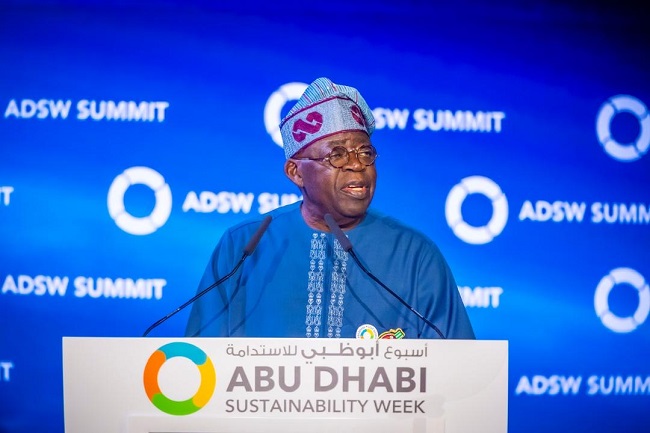
President Bola Tinubu
He said that the Federal Government placed urban development at the heart of national transformation agenda.
He said, “This is because of the understanding that cities are more than economic hubs; they are also spaces of innovation, social integration, and environmental responsibility.
“Today, Nigeria grapples with challenges of rapid urbanization, unplanned growth, informal settlements, infrastructural gaps, and environmental threats.
“So, in response, our government is taking the following strategic steps.
“The first is approval of the National Urban Development Policy few months ago, a milestone initiative reflecting our determination to build liveable, resilient, and productive cities.
“The policy provides a harmonised framework for collaboration among agencies responsible for planning, housing, and infrastructure, promoting coherence and accountability.
“I want other state governments to also domesticate this policy in their own domains.”
According to Tinubu, his government is building strong partnerships with professional bodies, like NITP to drive evidence-based policy making and capacity building.
He listed some of the policies to include: digitisation of planning administration, Urban Inclusiveness Policy, mainstreaming climate action in urban planning among others.
Tinubu said that, recently, the administration inaugurated bus terminals in Abuja, and it had also awarded contracts for one bus terminal in each of the six geopolitical zones of the country under the Ministry of Transport to serve as pilots for urban regeneration efforts.
He, therefore, urged NITP to continue leading by upholding the highest standards of professionalism, mentoring young planners, and also championing solutions that address the evolving challenges of Nigerian cities.
Dr Ogbonna Chime, National President, NITP, said it has been organising the conference annually to bring to light issues around urban planning.
He added, “This is also to see the way forward and the 2025 conference drew attention to the sobering realty of uncoordinated administration of urban and regional planning and its effects.
“At all levels of government be it Federal, state and local, the practice of planning is hampered by weak institution and poor political commitment.
“The laws that were painstakingly designed to guide our practice are not faithfully implemented.
“Many of our settlements lack master plans while the few that exist are often reviewed selectively and in fragments, dictated more by political interests than by profession judgment or public good.”
Chime said that political interests and disregard for procedures had reduced planning to a reactive and often chaotic exercise rather than the proactive and orderly process.
He said, “It was meant to be leading to haphazard urban growth, slum proliferation, infrastructural deficit and widespread environmental degradation.”
He said the partnership that should exist between town planners and political leaders in most cases had been replaced by suspicion or neglected.
Chime added, “This is knowing fully well that without mutual respect and synergy between professionals policymakers, no settlement would achieve true potential.”
He, therefore, urged the government to correct the anomaly so that the noble intentions behind NITP would be fully realised .
Chime also urged town planners to resolve and demand the faithful implementation of planning laws, the holistic review of master plans, and the pursuit of settlement development that is orderly, inclusive, and sustainable.
He said, “The destiny of our settlements lies in our collective hands. Nigeria’s urbanisation can either become a curse of slums, congestion and environmental decay, or a blessing of prosperity, equity and sustainability.”
Mr. Isyaku Kura, President of Town Planners’ Registration Council of Nigeria (TOPREC), said for so long, the absence of a structured, annual verification process exposed the profession to risks; chief among them is the proliferation of unqualified individuals masquerading as town planners.
He said, “This not only erodes public trust but also compromises the quality and integrity of ow work.
“The future of our profession rests on our willingness to embrace change and commit to excellence.”
Also speaking, the former Minister of State for FCT, Ramatu Aliyu, expressed worry over the slow pace of the implementation of urban laws underscoring the importance of political will.
Aliyu, therefore, called on town planners to go into politics to vie for positions to place them in decision making offices to galvanise the necessary support for town planning policies to be carried out.
In every flood that sweeps through Lagos’ coastal communities or any coastal community in Nigeria, we see more than homes lost; we see untapped climate intelligence washed away. Along the Atlantic coast, women fishers have spent generations reading tides, tracking fish migration, and predicting storms long before weather apps existed.
Our new study, published in Marine Policy, titled “Marine Policy and Community Engagement: Rethinking the Role of Vulnerable Groups in Climate and Ocean Action on Lagos’ Atlantic Coast, Nigeria”, shows why this knowledge matters not just for survival but for government decision-making. Read the full study here: Elsevier Marine Policy Journal.
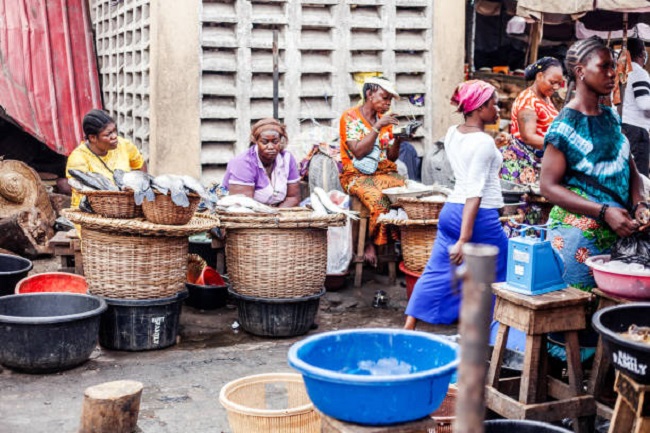
Lagos, Nigeria: Local women selling fresh fish at seafood market in Makoko area – called White Market.
Why This Matters for Government
Nigeria’s climate response cannot succeed without local participation. Coastal communities in Lagos are on the frontlines of sea-level rise, flooding, and erosion, yet over 80% of women we interviewed had never been consulted in any adaptation program. For government, this exclusion is not just a social oversight; it is a policy inefficiency. Valuable, field-tested knowledge remains outside the formal system, leaving agencies to rely on models that miss local realities.
Integrating Traditional Ecological Knowledge (TEK), the environmental wisdom passed down through generations, offers government three major advantages. First, women in Makoko and Ikorodu already use informal weather-signal systems based on tides, fish behavior, and wind shifts. Integrating these networks into the state’s disaster-response systems could drastically improve early warnings. Second, TEK provides hyper-local data that can refine climate risk mapping and adaptation planning, reducing costly trial-and-error interventions. Third, policies co-created with local people are more likely to be accepted, implemented, and maintained over time.
Findings That Policymakers Should Not Ignore
Between 2022 and 2024, we surveyed 540 women and women with disabilities across six coastal communities: Badagry, Epe, Makoko, Ikorodu, Mosafejo, and Oyingbo. Ninety-eight percent of respondents had experienced extreme flooding or sea surges. Seventy-one percent reported declining fish catches, and 16% reported worsening water quality. Eighty-two percent said they had never received government support for adaptation.
Despite these challenges, resilience was everywhere. In Epe, women used cooperative savings groups to rebuild after floods. In Badagry, fishers adjusted catch times to match changing tides. In Ikorodu, they developed informal “signal systems” using drums and bells to alert neighbors before heavy storms. These are not random acts of survival; they are community governance systems that function where formal mechanisms fail. For Lagos State and federal ministries, this is a chance to align national plans with local experience.
Left: Abimbola Abikoye. Right: Oluwatoyosi Abikoye — Co-authors of the Marine Policy study on Lagos’ coastal resilience
Bridging Two Worlds: Science and Tradition
The Lagos Climate Adaptation and Resilience Plan (LCARP 2024) provides a solid framework for infrastructure-based adaptation, including drainage systems, coastal reinforcements, and flood mapping. However, it leaves a critical gap: it does not specify how communities will help shape or implement these measures.
Our research proposes a Dual Adaptation Model in which Traditional Ecological Knowledge complements scientific data. Government agencies could create Community Climate Desks within local councils to record and verify TEK observations, train local women cooperatives as 10/29/2025Climate Monitors to bridge early-warning data with state emergency systems, fund solar-powered cold storage hubs to address post-harvest losses and strengthen economic resilience, and include TEK modules in national marine education curricula and coastal policy guidelines. This is not about replacing science with folklore; it is about expanding the evidence base for smarter policy decisions.
The Economic Argument
Every flood and every ruined fishing season carries a cost. By ignoring locally generated intelligence, government bears higher losses in emergency response, food security, and infrastructure repair. The World Bank estimates that Nigeria loses billions annually to climate-related disasters. Many of these losses could be reduced if communities were empowered to act as first responders, with recognition, training, and micro-grants that enable them to maintain early-warning systems and adaptive infrastructure. Simply put, integrating TEK is fiscally sensible. It turns communities into partners in governance rather than dependents on relief.
A Governance Shift: From Consultation to Collaboration
Climate adaptation will succeed only when people feel ownership. The women of Lagos’ coastlines have demonstrated that ownership. What they need now is institutional recognition. Government can take three immediate steps: formalise participation by including community representatives in state and national climate councils; fund locally led pilots that merge TEK and scientific monitoring, such as mapping tidal change indicators alongside meteorological data; and mainstream TEK in legislation through amendments to marine and coastal policy frameworks, ensuring that knowledge from vulnerable groups is preserved and protected.
A New Social Contract with Coastal Communities
This is more than an environmental issue; it is a test of inclusive governance. Lagos’ fisherwomen are not just adapting to climate change; they are modeling the participatory resilience Nigeria’s policy frameworks aspire to achieve. By listening to and investing in these communities, government can turn adaptation from a reactive response into a proactive, locally informed system that saves money, protects livelihoods, and advances the Sustainable Development Goals (SDGs 13, 14, 1, and 6). If climate policy is to endure, it must begin where resilience already exists in the hands, voices, and lived knowledge of the people the ocean touches first.
By Abimbola Abikoye (MBA Candidate at UNC Kenan-Flagler Business School and Founder of Revamp Rave Network Initiative, advances climate education and coastal resilience in Nigeria) and Oluwatoyosi Abikoye (PhD Candidate at NOVA School of Law, Lisbon, studies maritime boundaries and ocean governance)
The jaguar was one of the first species included in CITES Appendix I in 1973. Today, jaguars are facing ever-increasing threats such as habitat loss and fragmentation, land use change, climate change, retaliatory killings, poaching and illegal trade. These pressures not only endanger jaguars but also undermine the broader ecosystems on which countless species and human communities depend.
The jaguar is the only species of the Panthera genus native to the Americas, is an indicator of ecosystem health and is deeply rooted in the cultural and spiritual traditions of the region’s Indigenous peoples.
As countries around the world prepare for the 20th World Wildlife Conference – formally known as the Conference of the Parties to the Convention on International Trade in Endangered Species of Wild Fauna and Flora (CITES CoP20), taking place in Samarkand in November 2025, the momentum to ensure the survival in the wild of CITES-listed species continues to advance across Latin America.
Jaguar. Photo credit: Uwe Bergwitz / AdobeStock
At the end of September, in Mexico City, Mexico and Brazil co-chaired the discussions on a Regional Action Plan for Jaguar Conservation and future steps for its operationalisation. Following constructive deliberations over the three-day meeting, all jaguar range States agreed to the Regional Action Plan that will have long-lasting impact on the conservation of this iconic species and the ecosystems it inhabits.
Around 80 participants attended the meeting, including representatives from every country in the jaguar’s current range, and intergovernmental organisations, including the United Nations Development Programme (UNDP), the United Nations Environment Programme (UNEP), the Secretariats of the Convention on International Trade in Endangered Species of Wild Animals and Plants, the Convention on the Conservation of Migratory Species of Wild Animals (CMS) and the Convention on Biological Diversity, the World Bank as well as many non-governmental organisations and individual experts.
At the opening of the meeting, Dr Marina Robles Garcia, the Undersecretary for Biodiversity and Environmental Restoration of the Secretariat of Environment and Natural Resources of Mexico said “We recognise the full participation of jaguar range States, highlighting that it is essential to send a message of regional unity which will also help ensure the species permanence among us, with adequate habitat for the species and communities.” Dr Robles Garcia further emphasised that “work, alliances, and actions, when we build them together, are more likely to be successful.”
During the meeting, rich insights were also shared on sustainable and innovative financing mechanisms such as green bonds and blended finance, by experts from the World Bank, UNDP and other organisations, that can be used to secure the necessary resources for the implementation and monitoring of the Regional Action Plan.
Building on the work of the Jaguar 2030 Roadmap, launched by 14 jaguar range States and international organisations UNDP, Panthera, Wildlife Conservation Society and World Wildlife Fund, the government representatives of the 19 CITES Parties that are jaguar range States reviewed and agreed on the following documents:
Regional Action Plan for Jaguar Conservation, which strategically paves the way for collaborative efforts among countries to protect this iconic species in the region, and to guide and focus support from relevant Conventions and organisations, and to allow for more efficient use of available resources.
Key elements of the Intergovernmental platform and governance structure that will facilitate the implementation, monitoring and evaluation of the effectiveness of the Regional Action Plan.
The characteristics, the scope and functionality of a modular monitoring system on the illegal killing of and illicit trade in jaguars.
A draft CITES Resolution on conservation of and trade in jaguars (Panthera onca) for consideration at CoP20that sets out the long-term strategy under CITES for jaguar conservation.
A suite of draft Decisions jaguars (Panthera onca) for consideration at CITES CoP20, proposing immediate follow-up activities for the implementation of the Action Plan and the Intergovernmental Platform in the next intersessional period.
Ms Ivonne Higuero, CITES Secretary-General, said: “I would like to express my sincere thanks to the Governments of Mexico and Brazil for their leadership in taking this work forward. This meeting brought together all jaguar range States to chart a collective course for the future. These results demonstrate that when range States and stakeholders act in a concerted and determined manner, they unleash the full potential of international cooperation. We must also keep the momentum and scale up approaches that work. Range States must lead the management and conservation of their native species – which is a principle that lies at the heart of CITES.”
Amid rising global temperatures and intensifying climate impacts, a yawning gap in adaptation finance for developing countries is putting lives, livelihoods and entire economies at risk, according to theAdaptation Gap Report 2025: Running on Empty from the United Nations Environment Programme (UNEP).
Released to inform negotiations at COP30 in Belém, Brazil, the report finds that while adaptation planning and implementation are improving, adaptation finance needs in developing countries by 2035 are over $310 billion per year – 12 times as much as current international public adaptation finance flows.
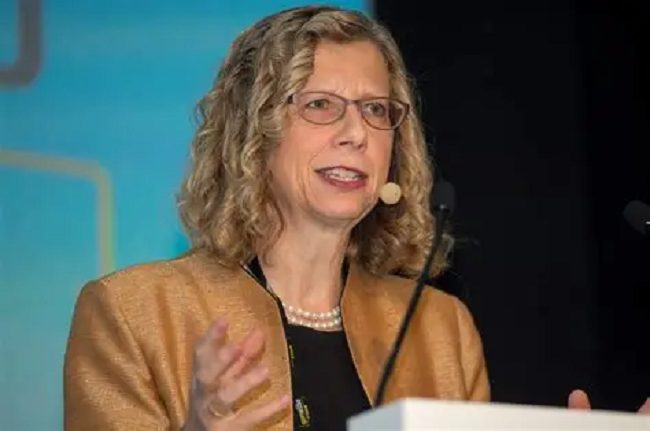
Inger Andersen, executive director of the United Nations Environment Programme (UNEP)
“Climate impacts are accelerating. Yet adaptation finance is not keeping pace, leaving the world’s most vulnerable exposed to rising seas, deadly storms, and searing heat,” UN Secretary-General, António Guterres, said in his message on the report. “Adaptation is not a cost – it is a lifeline. Closing the adaptation gap is how we protect lives, deliver climate justice, and build a safer, more sustainable world. Let us not waste another moment.”
“Every person on this planet is living with the impacts of climate change: wildfires, heatwaves, desertification, floods, rising costs and more,” said Inger Andersen, Executive Director of UNEP. “As action to cut greenhouse gas emissions continues to lag, these impacts will only get worse, harming more people and causing significant economic damage.
“We need a global push to increase adaptation finance – from both public and private sources – without adding to the debt burdens of vulnerable nations. Even amid tight budgets and competing priorities, the reality is simple: if we do not invest in adaptation now, we will face escalating costs every year.”
A worrying gap
The figure of $310 billion needed to finance adaptation in developing countries per year by 2035 is based on modelled costs. When basing estimates on extrapolated needs expressed in Nationally Determined Contributions and National Adaptation Plans, this figure rises to $365 billion. These numbers are based on 2023 values and not adjusted for inflation.
International public adaptation finance flows to developing countries were $26 billion in 2023: down from $28 billion the previous year. This leaves an adaptation finance gap of $284-339 billion per year – 12 to 14 times as much as current flows. The previous AGR estimate was US$194-366 billion for the year 2030.
If current trends in financing do not turn around quickly, the Glasgow Climate Pact goal of doubling international public adaptation finance from 2019 levels to approximately US$40 billion by 2025 will not be achieved.
Planning and implementation on the rise
Some 172 countries have at least one national adaptation policy, strategy or plan in place; only four countries have not started developing a plan. However, 36 of the 172 countries possess instruments that are outdated or have not been updated in at least a decade. This should be addressed to minimize the possibility of maladaptation.
In the Biennial Transparency Reports – submitted under the Paris Agreement to outline progress in meeting climate pledges – countries reported on over 1,600 implemented adaptation actions, mostly on biodiversity, agriculture, water and infrastructure. However, few countries are reporting on actual outcomes and impacts, which are needed to assess their effectiveness and adequacy.
Meanwhile, support for new projects under the Adaptation Fund, the Global Environment Facility and the Green Climate Fund grew to nearly $920 million in 2024. This is an increase of 86 per cent over the five-year moving average of $494 million between 2019 and 2023. However, this may only be a spike, with emerging financial constraints making the future uncertain.
Public and private finance to step up
The New Collective Quantified Goal for climate finance, agreed at COP29, calls for developed nations to provide at least US$300 billion for climate action in developing countries per year by 2035. This is insufficient to close the finance gap, for two reasons.
First, if the past decade’s inflation rate is extended to 2035, the estimated adaptation finance needed by developing countries goes from $310-365 billion per year in 2023 prices to $440-520 billion per year. Second, the $300 billion target is for both mitigation and adaptation, meaning that adaption would receive a lower share.
The Baku to Belém Roadmap to raise $1.3 trillion by 2035 could make a huge difference – but care must be taken not to increase the vulnerabilities of developing nations. Grants, and concessional and non-debt-creating instruments, are essential to avoid increasing indebtedness, which would make it harder for vulnerable countries to invest in adaptation.
For the roadmap to work, the international community must contain the adaptation finance gap through mitigation and avoiding maladaptation, increase funding with the help of new providers and instruments, and engage more finance actors in integrating climate resilience into financial decision-making.
While the private sector must do more, the report estimates the realistic potential for private sector investment in national public adaptation priorities at $50 billion per year. This compares to current private flows of around $5 billion per year. Reaching $50 billion would require targeted policy action and blended finance solutions, with concessionary public finance used to de-risk and scale-up private investment.
The Nigerian Electricity Regulatory Commission (NERC) announces the commemoration of its 20th Anniversary- marking two decades of dedicated service in regulating and shaping the Nigerian Electricity Supply Industry (NESI).
The anniversary commemoration reflects on the Commission’s remarkable journey – from the early challenges of its establishment, through the regulation of the unbundled power sector, the privatisation of key assets in the value chain, and the oversight of the Nigerian Electricity Market from the post-privatisation and Interim Market stages to the Transition Electricity Market, among other milestones.
NERC Vice Chairman, Dr Musiliu Oseni
Established on October 31, 2005, under the Electric Power Sector Reform Act (EPSRA) 2005 – now replaced by the Electricity Act 2023 – NERC has played a pivotal role in steering the evolution of Nigeria’s electricity market. Over the past 20 years, the Commission has championed reforms that foster transparency, accountability, consumer protection, and sustainable growth across the sector.
To mark this milestone, NERC will host a series of events and activities aimed at showcasing its achievements, engaging stakeholders, and setting a forward-looking agenda for the future of electricity in Nigeria. Stakeholders from government, industry, development partners, and consumer advocacy groups will convene to reflect on the sector’s progress, share insights, and renew their commitment to building a reliable, affordable, and sustainable electricity supply industry.
Speaking ahead of the celebration, NERC Vice Chairman, Dr Musiliu Oseni, said: “This 20th Anniversary is not just a milestone – it’s a reaffirmation of our mandate to protect consumers, promote investment, and ensure a level playing field in Nigeria’s electricity sector.
“We remain committed to driving reforms that deliver tangible value to Nigerians.”
Highlights of the celebration will include: Technical session featuring panel discussions by eminent personalities in the power sector; Health and wellness session; Debate contest on energy-saving practices for secondary school students; and a commemorative dinner to honour pioneer and deceased members of staff, as well as past chairmen and commissioners.
“These activities are designed to foster collaboration, innovation, and public engagement in the sector. As NERC looks ahead to the next 20 years, the Commission remains steadfast in its mission to regulate the electricity supply industry in the public interest – balancing the needs of consumers and operators while supporting Nigeria’s energy transition,” stated the Commission.
BudgIT, a civic tech non-profit organisation, says only seven states implemented more than 80 per cent of their health budgets in 2024.
This was highlighted at the BudgIT 2025 State of States Report launch, themed “A Decade of Subnational Fiscal Analysis” and released on Tuesday, October 27, in Abuja.
BudgIT named the states as Yobe, Gombe, Ekiti, Lagos, Edo, Delta, and Bauchi.
Prof. Mohammed Ali Pate, Coordinating Minister of Health and Social Welfare
The organisation said that, in 2024, Nigerian states collectively budgeted N1.32 trillion for health.
However, actual spending fell significantly short, reaching only N816.64 billion, representing a 61.9 per cent budget performance.
It said that Yobe led with a 98.2 per cent implementation rate, though its total expenditure was N13.24 billion, ranking 24th among all states.
On a per capita basis, the report says the figures were concerning.
The report states that states spent an average of N3,483 per person on health, with no state exceeding N10,000 per person.
It stated that only Lagos, Bayelsa, Edo, Abia, Kwara, Niger, and Delta spent more than N5,000 per capita.
Responding to the report, Mr. Oluseun Onigbinde, Global Director of BudgIT. warned that while states have seen increased revenue inflows from federation allocations, much of this additional income has not been channelled effectively into critical social services like healthcare.
Onigbinde, said there is an urgent need for states to prioritise health funding and ensure allocations translate into tangible improvements for citizens.
He highlighted the broader implications of subnational fiscal management.
He said the report serves as “a mirror reflecting the choices our state governments make, the paths they follow, and the opportunities they seize or leave behind.”
He noted that while transparency has improved over the past decade, many states still struggle to mobilise resources and manage them efficiently, leaving a gap between potential and actual service delivery.
“The State of States is not BudgIT’s report alone, it is a call to action, a roadmap for reform,” he said.
He urged states to prioritise fiscal accountability, innovation, and investment in sectors that directly impact citizens.
Also speaking, Dr Uche Amaonwu, Nigeria Country Director of the Gates Foundation, congratulated BudgIT for 10 years of promoting fiscal transparency and accountability, highlighting how the report tracks Nigeria’s 36 states’ fiscal performance and encourages better governance.
Amaonwu said that fiscal transparency is not an end in itself but a tool to ensure public resources reach citizens effectively.
He noted that sound fiscal systems and governance improve service delivery, empower citizens, and enable states to invest strategically for shared prosperity.
He highlighted the role of data tools, like BudgIT’s Primary Health Care Accountability Tracker, in improving budget execution and accountability.
He called on state governments to take ownership of performance, adopt strong financial management practices, and ensure that every naira allocated to sectors like health, education, and human capital delivers real impact.
Amaonwu reaffirmed the Gates Foundation’s commitment to supporting BudgIT and reform-minded states to strengthen governance, noting that “fiscal health is human health, and governance, when transparent and accountable, is the bridge that connects both.”
Also speaking Mr. Taiwo Oyedele highlighted a decade of subnational fiscal analysis in Nigeria, showing both progress and persistent challenges.
Oyedele noted that while FAAC allocations and state revenues have increased, doubling from ₦5.4 trillion in 2023 to ₦11.4 trillion in 2024, many states still rely heavily on federal allocations, with 21 states depending on FAAC for at least 70 per cent of revenue.
He pointed out disparities in budget execution, with only two-thirds of education budgets and 62 per cent of health budgets implemented, and emphasised the need to shift from recurrent expenditure to capital and human development spending.
He praised states like Anambra, Lagos, and Enugu for good fiscal management, while urging others to improve, stressing that governance is reflected in prioritising infrastructure, productivity, and human development.
Looking forward, he called for deeper fiscal reforms, responsible debt management, harmonised taxation, and greater investment in education and health.
He urged states to rise above mere survival, convert fiscal gains into tangible prosperity, and ensure inclusive development, categorising them into growth, middling, or declining states.
The 2025 BudgIT State of States Report ranks Anambra as the top-performing state in fiscal management, with Lagos, Kwara, Abia, and Edo completing the top five.
Cross River, previously a top performer, dropped significantly, while Yobe replaced Jigawa at the bottom.
The report evaluates 35 states across revenue generation, expenditure patterns, debt sustainability, and sectoral investments in education and health.
Key findings include strong growth in total state revenue, particularly from FAAC transfers and internally generated revenue (IGR), though 28 states remain heavily reliant on federal allocations.
Capital expenditure is rising, with 24 states spending at least half their budgets on development projects, while recurrent costs and personnel spending continue to dominate in others.
Debt management shows progress, with 31 states reducing domestic debt, though some states remain highly leveraged.
Over the decade, Lagos, Ogun, Delta, Kaduna, and Enugu consistently led in IGR, while states like Borno and Ogun achieved the highest IGR growth rates.
BudgIT said that fiscal sustainability requires improved revenue systems, reduced waste, and prioritisation of infrastructure and human development, calling on states to turn revenue gains into tangible benefits for citizens.