Home Blog Page 112

CISLAC seeks competitive green economy, energy security for Nigerians

0

A civil society organisation (CSO), Civil Society Legislative Advocacy Centre (CISLAC), has called for a competitive green economy that creates jobs, unlocks innovation and strengthens energy security for Nigerians.

Executive Director of CISLAC, Auwal Rafsanjani, made the call during its Policy Dialogue with Legislators on Tax for Fossil Fuel Phase-Out in Lagos on Monday, December 1, 2025.

The dialogue was aimed at convening the leadership of African Parliamentary Network on Illicit Financial Flows and Tax (APNIFFT).

CISLAC
Participants at the Policy Dialogue with Legislators on Tax for Fossil Fuel Phase-Out in Lagos

Rafsanjani expressed CISLAC’s deep commitment to supporting the process.

He expressed the belief that the legislature must have the evidence, technical capacity and the institutional tools required to scrutinise existing fiscal incentives, evaluate their environmental and economic impact and introduce reforms, where necessary.

He said that the dialogue aimed to effectively situate Nigeria in the global drive towards transitioning to greener and sustainable energy sources.

“It is no longer news that Nigeria operates an oil and gas-dependent economy. Hence, Nigeria relies heavily on oil revenue to finance annual budgetary implementation and thereby financing its development.

“While we recognise the critical need to diversify and break the dependence on oil revenue, the challenges of global warming and climate change and the accompanied global efforts to combat the menace have made the need to break away from fossil fuel a major necessity.

“This is why today’s conversation could not be more timely, as Nigeria stands at a crossroads.

“On one side is our long-standing dependence on fossil fuels and on the other is the imperative to pursue a cleaner, more resilient and economically-inclusive energy future,” he said..

According to him, the Nigeria Energy Transition Plan (ETP) provides a national compass towards net-zero emissions by 2060.

He, however, said that its success would depend heavily on the country’s capacity to enact and enforce strategic fiscal reforms and targetted tax incentives that redirect investments towards transition fuels and green energy.

“Even as the largest economy in Sub-Saharan Africa, Nigeria continues to face significant energy challenges, including a growing demand for energy, heavy reliance on fossil fuels and limited penetration of renewable energy sources.

“With the share of renewable energy in Nigeria’s energy mix remaining critically low and accounting for less than 10 per cent of total energy consumption, Nigeria continues to be vulnerable to energy insecurity and environmental degradation,” he said.

Rafsanjani noted that the country had demonstrated a good understanding of the problems and had rolled out significant attempts to transition from fossil fuel to renewable energy sources.

This, he said, was part of Nigeria’s contributions to combatting climate change and tackling energy poverty in the country.

The executive director acknowledged the fact that the legislature had contributed its own quota by passing into law these critical frameworks and establishing key government agencies in implementing climate actions.

He, however, stated that effective implementation of key provisions of the frameworks remained a challenge and barriers to building the needed climate resilient infrastructure and low carbon development.

Rafsanjani expressed the belief that the legislature had bigger roles beyond the establishment of frameworks to over-sighting implementations, entrenching transparency and accountability as well as mobilising for efficient climate financing in the country.

“We know that fiscal policy – especially tax incentives – is one of the most powerful levers governments can use to shape economic behaviour.

“Around the world, countries have deployed incentives to accelerate renewable energy, stimulate green industries and encourage divestment from fossil fuels. Nigeria must not be left behind,” he said.

Rafsanjani recalled that CISLAC had also conducted a study on assessing tax practices, such as incentives and holidays for fossil fuel industries in the country.

He said, however, that incentives could only be effective if they were well-designed, transparently administered and closely overseen.

This, he said, was where the National Assembly had a pivotal role to play through lawmaking, budget appropriation and oversight.

Rafsanjani said that the national assembly could ensure incentives support strategic divestments from high-emission assets, expand access to transition fuels like natural gas for households and industries, and encourage investments in solar, wind, hydrogen and other renewable technologies.

Also speaking, Speaker of House of Representatives, Rep. Abbas Tajudeen, commended CISLAC and African Parliamentary network on Illicit Financial Flows and Taxation (APNIFFT) for convening the dialogue at an important moment in the country’s national life.

Tajudeen, represented by the House Committee Chairman on Media and Public Affairs, Akin Rotimi, expressed the parliament’s commitment to collaborating to strengthen the energy transition’s fiscal foundations, deepening environmental accountability and safeguarding Nigeria’s long-term prosperity.

“To underscore the seriousness with which the House approaches this subject, we have ensured strong institutional representation at today’s dialogue.

“Committees responsible for fiscal policy, the environment, economic planning and national development are also represented.

“Our presence reflects a united, whole-of-parliament commitment to a just, inclusive and future-focused transition,” he said.

In his own contribution, House Committee Chairman on Foreign Affairs, Oluwole Oke, said that the world had witnessed lots of progress on the issue of climate change in the last two decades.

“In Nigeria, we see increased mining of coal in places like Okaba in Ankpa Local Government of Kogi State, which has come with significant environmental and infrastructural breakdown.

“Generally, there seems to be a resurgence in the world’s recourse to fossil fuel. We, therefore, must deliberate on these issues and come up with a strategy on where we want to stand as a country, as a people and as a parliament.

“We must not lose sight of the fact that we need to preserve the planet because it is the only habitation we have and the only place for generations unborn to live and thrive,” he said.

The lawmaker said that the event was coming at a very crucial time when everyone needed to be asking key questions and seeking how the planet could jointly be protected.

By Abiodun Abegunde
Sahara Group deepens reforestation drive with Gelegele Forest Reserve partnership under Adopt-A-Forest Initiative

0

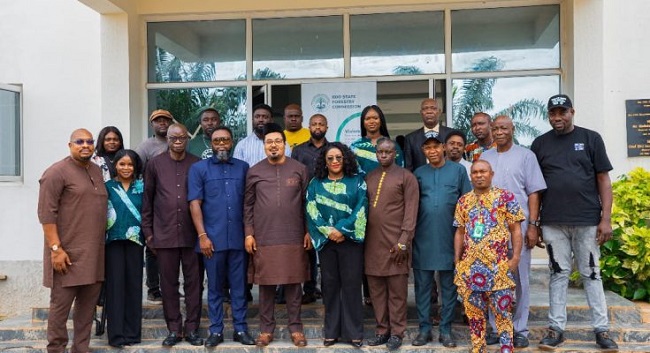
Sahara Group has expanded its environmental sustainability agenda through a strategic partnership between its flagship Adopt-A-Forest Initiative and the Gelegele Forest Reserve in Edo State, Nigeria. The collaboration, which kicks off with the planting of 20,000 tree seedlings, is aimed at regenerating degraded areas of the reserve and reinforcing Sahara’s long-term commitment to nature-based climate action.

The project launch featured engagements with the Edo State Forestry Commission and the Gelegele Forest Reserve Board, underscoring Sahara Group’s collaborative approach to restoring ecosystems, safeguarding biodiversity, and promoting sustainable livelihoods within host communities.

Adopt-A-Forest
L-R: Babatomiwa Adesida, Head, Business Support, Asharami Energy; Valentine Owamagbe Asuen, Chairman, Edo State Forestry Commission; Ejiro Gray, Director, Governance and Sustainability, Sahara Group; and other executives from the two organisations during the launch of reforestation drive with Gelegele Forest Reserve partnership under Adopt-A-Forest initiative in Edo State, Nigeria, recently

Launched in 2023, the Adopt-A-Forest Initiative is one of Sahara Group’s foremost climate action programmes designed to restore degraded landscapes, conserve Africa’s natural carbon sinks, and strengthen resilience against climate change. By 2024, the initiative had successfully expanded across Nigeria, Cameroon, Kenya, Tanzania, Ghana, and Dubai, with further projects planned in Ghana, Côte d’Ivoire, and Kenya in 2025.

Ejiro Gray, Director, Governance and Sustainability, Sahara Group, described the initiative as a key driver of Sahara’s vision for a greener and more sustainable future.

“The Adopt-A-Forest Initiative is more than a tree-planting programme, it is aimed at driving environmental sustainability of our natural carbon sinks. We recognise this God-given gift as vital to managing emissions, sequestering carbon, and ensuring that Africa’s lungs continue to sustain the planet.”

Also speaking at the launch, Babatomiwa Adesida, Head of Business Support, Asharami Energy (a Sahara Group company), said the project reflects the Group’s integrated approach to sustainability.

“At Asharami Energy, sustainability is at the core of our business. Our support for the Adopt-A-Forest Initiative reflects our shared responsibility to regenerate the environment and protect biodiversity,” he said. “Every tree planted represents a step toward reversing decades of degradation and rebuilding hope.”

Asuen Valentine, Chairman, Edo State Forestry Commission, commended Sahara Group for its forward-looking intervention.

“The best time to plant a tree was years ago; the second-best time is now. We are grateful to Sahara Group for championing the Adopt-A-Forest Initiative and commend this visionary effort that will go a long way in restoring our forests and preserving them for future generations.”

Speaking further on the initiative, Gray reaffirmed Sahara’s resolve to continue driving climate leadership across its operations in Africa, Asia, Europe, and the Middle East.

“This work is necessary and non-negotiable,” she added. “We must continuously strike the right balance between preserving our natural forests and biodiversity and driving sustainable development for all.”

The Adopt-A-Forest Initiative remains a cornerstone of Sahara Group’s climate action strategy, integrating nature-based solutions, resource efficiency, and stakeholder collaboration to ensure Africa continues to “breathe” through its forests, the continent’s most vital gift to the world.

SPP engages Youth Corpers on climate change education

0

The Society for Planet and Prosperity (SPP) has taken its climate education campaign to the National Youth Service Corps (NYSC) orientation camp in Kubwa, Abuja, during the ongoing three weeks orientation camping exercise for Batch C, Stream One.

The outreach is part of SPP’s Corporate Social Responsibility (CSR) commitment, which aims to empower young Nigerians who will inherit the impacts of climate change with the right information and skills to become climate ambassadors in their communities.

During the session, Corps Members were introduced to the fundamentals of climate change, its causes, and personal actions they can adopt to reduce emissions and increase resilience, illustrating how individual behavioural changes can add up to measurable benefits for the collective fight against the climate crisis.

SPP
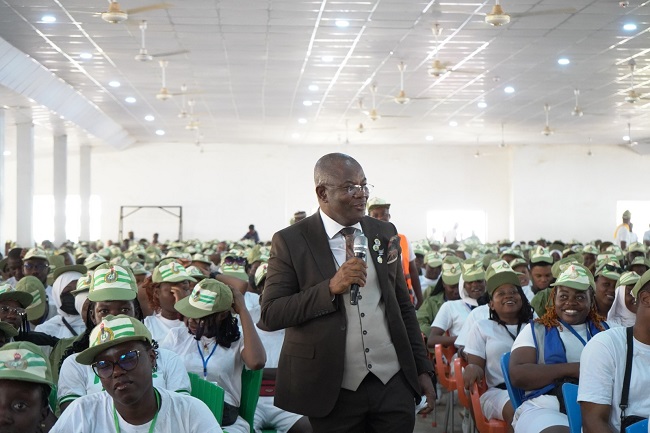
An SPP official addressing the Corp Members

Corps Members were also introduced to career opportunities in the growing green economy, highlighting skills and roles in areas such as renewable energy, sustainable agriculture, waste management, and climate-resilient community planning and infrastructure.

Addressing the Youth Corps Members, the Director, Corps Welfare and Health Services, Mr. Ayodele Omotade, reminded Corps members that the Youth Service year was not a part time affair, but rather a great opportunity for Corps members to build on extra skills and knowledge that can help them navigate the world.

This latest engagement builds on the organisation’s growing partnership with the NYSC. Earlier in May this year, SPP teamed up with Corps Members in the Environmental Community Development Service (CDS) group in Abuja to mainstream climate education in primary and secondary schools across Abuja, where students learned practical skills such as building eco-trash bins using recycled plastic bottles, helping to improve environmental awareness among schoolchildren while giving corps members hands-on experience in leading community-based climate action.

Ayodele Omotade
Mr. Ayodele F. Omotade, Director, Corp Welfare and Health Service Department, NYSC

“When young people understand the science of climate change, and see practical examples they can replicate, they become powerful drivers of change in their host communities and beyond,” said Timothy Ogenyi, Senior Policy Analyst at SPP.

This outreach forms part of the organisation’s broader Action for Climate Education (ACE) initiative, which seeks to close the knowledge gap that limits youth participation in climate solutions. By integrating climate education into NYSC activities and school outreach programmes, the organisation aims to build a generation of informed climate leaders who understand both the science and the practical steps needed to drive change.

SPP encouraged Corps Members to put forward climate solutions they can lead locally, and invited them to continue to engage with the organisation for follow-up trainings and volunteering opportunities.

In the end, over 3,000 Corps Members were introduced to SPP’s Climate Change manual, and key information on climate action.

By Ugochukwu Uzuegbu, Communication Specialist, SPP

DR Congo declares end of 16th Ebola outbreak

0

The Democratic Republic of the Congo on Monday, December 1, 2025, declared the end of the Ebola virus disease outbreak in Kasai Province, after no new cases were reported in the past 42 days since the last patient was discharged from treatment centre on 19 October 2025.

“On behalf of the government – and taking into account all the scientific and operational indicators confirming that the chain of transmission of the virus has been broken – I hereby officially declare the end of the 16th Ebola outbreak in the Democratic Republic of the Congo,” said Dr Samuel Roger Kamba, Minister of Public Health, Hygiene and Social Welfare.

The rapid and coordinated response by the Ministry of Health, with support from World Health Organisation (WHO) and partners, was said to be pivotal in halting the spread of the virus which affected Bulape Health Zone, a rural community with limited road and telecommunication infrastructure. In total, 64 cases (53 confirmed, 11 probable) and 45 deaths were recorded in the outbreak.

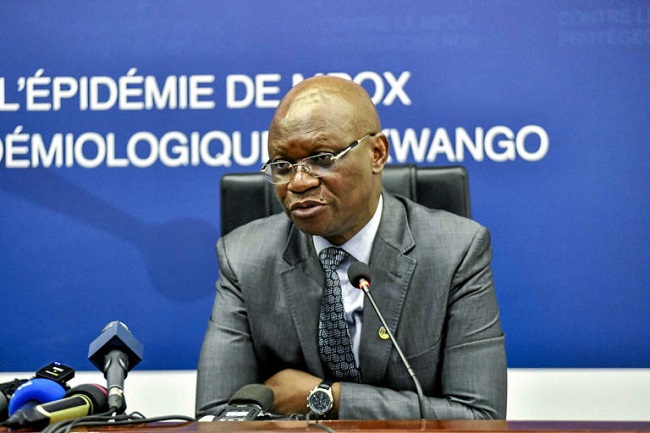
Samuel Roger Kamba
Dr Samuel Roger Kamba, DR Congo Minister of Public Health, Hygiene and Social Welfare

A total of 112 WHO experts and frontline responders were deployed to support the national authorities to swiftly scale up and sustain the response, and over 150 tonnes of medical supplies and equipment were delivered to protect health workers and communities.

“Controlling and ending this Ebola outbreak in three months is a remarkable achievement. National authorities, frontline health workers, partners and communities acted with speed and unity in one of the country’s hard-to-reach localities,” said Dr Mohamed Janabi, WHO Regional Director for Africa. “WHO is proud to have supported the response and to leave behind stronger systems, from clean water to safer care, that will protect communities long after the outbreak has ended.”

For the first time in an outbreak, an innovative treatment facility known as the Infectious Disease Treatment Module (IDTM) was set up to bolster safer and more patient-friendly care. The module – developed by WHO, the World Food Programme and other partners – was designed to better protect health workers while enabling more dignified and effective care for patients. 

To protect communities and health workers, more than 47,500 people were vaccinated against Ebola, with vaccination initially targeting contacts of people confirmed with the virus and later expanded to communities in and around Bulape.

Gavi, the Vaccine Alliance, played a key role in supporting the response by enabling the swift deployment of over 48 000 vaccine doses from the Gavi-funded global stockpile. The support also enabled the International Coordinating Group on Vaccine Provision to preposition doses and maintain a small stock in the country and, in partnership with WHO and the Ministry of Health, provided delivery funding for vaccine activities and essential cold chain and logistical support.

“The swift response to this Ebola outbreak is a testament to the dedication of healthcare workers, the Ministry of Health, partners and communities – and to what is possible when mechanisms are in place to fight deadly vaccine-preventable diseases,” said Allyson Russell, Senior Programme Manager, Global Health Security at Gavi, the Vaccine Alliance.

“With vaccines from the global Gavi-funded stockpile and timely delivery support, coupled with other critical interventions such as surveillance, contact tracing, isolation and case management, our colleagues in the DRC have demonstrated that it is now possible to rapidly bring Ebola outbreaks like this one under control, dramatically reducing cases, long-term disabilities and deaths. Gavi remains committed to the fight against Ebola by maintaining the global stockpile and through continued support for preventive vaccination for frontline health workers in at-risk countries,” added Russell.

Among the response challenges was the lack of reliable clean water supply to Bulape hospital for clinical use. WHO and partners set up a piped water system to the hospital as well as public taps, which will continue providing clean water to the community in the years to come. Additionally, reconstruction and rehabilitation work continues at the hospital and other facilities to bolster long-term health system resilience. 

The outbreak was the country’s 16th since the disease was identified in 1976. Previous outbreaks in Kasai Province were in 2007 and 2008.  

Ebola virus disease is a rare but severe, often fatal illness in humans. Human-to-human transmission is through direct contact with blood or body fluids of a person who is sick with or has died from Ebola, or objects and surfaces contaminated with body fluids from a person sick with Ebola or the body of a person who died from Ebola. 

With the outbreak declared over, efforts are now shifting from Ebola-specific surveillance to the broader Integrated Disease Surveillance and Response system. WHO says it continues to work closely with national and provincial authorities to maintain vigilance and ensure preparedness, rapid and effective response in case of any flare-ups. 

The country now begins a 90-day period of enhanced disease surveillance. As part of the sustained vigilance, a survivor care programme established with support from WHO and partners is helping to provide holistic post-recovery support for Ebola survivors. 

Dangote Refinery to supply 1.5bn litres of petrol monthly

0

Dangote Petroleum Refinery has announced plans to supply one billion, 500 million litres of Premium Motor Spirit (PMS) monthly to the Nigerian market in December 2025 and January 2026, a move aimed at ensuring uninterrupted nationwide fuel availability through the festive season and into the New Year.

President and Chief Executive of Dangote Industries Limited, Aliko Dangote, disclosed the plans at the weekend, noting that the refinery will make available 50 million litres of PMS daily beginning December 1.

“In line with our commitment to national wellbeing, and consistent with our track record of ensuring a holiday season free of fuel scarcity, the Dangote Petroleum Refinery will supply 1.5 billion litres of PMS to the Nigerian market this month. This represents 50 million litres per day.

Dangote
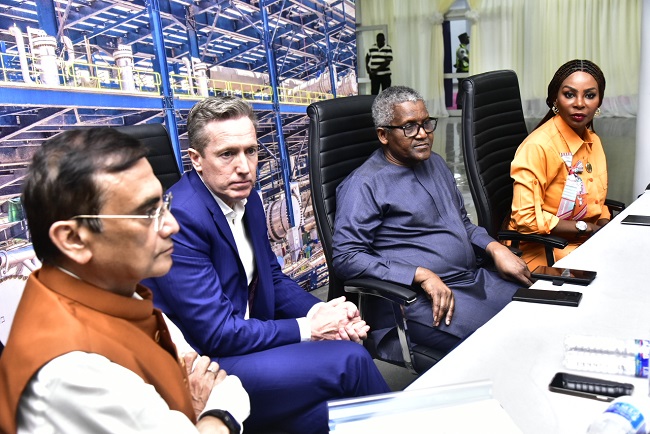
L R: Chief Executive Officer, Dangote Fertiliser Limited, Vishwajit Sinha; Chief Executive Officer and Managing Director, Dangote Petroleum Refinery, David Bird; President and Chief Executive, Dangote Industries Ltd, Aliko Dangote; Managing Director and Chief Executive Officer, South South Development Commission, Usoro Akpabio, during the visit of SSDC members to the Dangote Petroleum Refinery and Fertiliser Plant in Lagos on Sunday, November 30, 2025

“We are formally notifying the Nigerian Midstream and Downstream Petroleum Regulatory Authority (NMDPRA) of this commitment. We will supply another 1.5 billion litres in January and increase to 1.7 billion litres in February, which translates to about 60 million litres per day,” Dangote said.

Speaking during a visit by the South-South Development Commission (SSDC) to the refinery and the Dangote Fertiliser complex, he stated that the facility currently has adequate stock and is producing between 40 and 45 million litres of PMS daily. He added that the daily supply of 50 million litres should dispel long-standing claims that domestic refineries lack the capacity to meet national demand.

Dangote also revealed ongoing engagement with petroleum marketers to strengthen distribution systems, including expanding the use of CNG-powered haulage.

“Our priority is to ensure Nigeria receives the products it needs. This is not driven by profit motives; it is about guaranteeing the availability of essential energy products. It is similar to the transformation we delivered in the cement sector,” he added.

He further noted that the refinery is progressing with its expansion plan to reach a capacity of 1.4 million barrels per day. More than 100,000 workers are expected to be involved in the expansion of both the refinery and the fertiliser complex. Dangote emphasised that the Group remains committed to its vision, driven by the strong public support for the company’s role in shaping Nigeria’s economic development.

During the visit, the Managing Director of SSDC, Usoro Offiong Akpabio, commended Dangote’s leadership and his continued contribution to strengthening Nigeria’s industrial capability, national energy security and long-term economic competitiveness.

She described the South-South region as Nigeria’s natural energy corridor, with vast crude oil reserves, gas infrastructure, maritime assets, agro-industrial activity and emerging industrial clusters. She noted that deeper collaboration between the region and the Dangote Group could unlock opportunities in product distribution, CNG infrastructure, petrochemicals, agriculture, and employment creation.

Akpabio added that such partnerships would advance the Federal Government’s energy stability agenda and position the South-South as a strategic growth hub for the Dangote Group.

“As the statutory development body for the South-South, SSDC is mandated to drive regional economic development, infrastructure integration, human capital advancement, and private-sector–led growth. In this regard, we stand prepared to support State-level policy and regulatory support for Ease-of-doing-business across our six states. Enabling environments for Dangote Group’s expansion into strategic sectors such as gas processing, agro-industrial value chains, renewable energy, logistics, and export-oriented manufacturing,” she said.

In a letter from the refinery’s Managing Director, David Bird, to the Authority Chief Executive of the NMDPRA, the company reaffirmed its readiness to host NMDPRA officials onsite at the refinery from December 1st to verify and publish its daily supply volumes. The refinery also sought the Authority’s support to ensure unhindered importation of crude, feedstocks and blending components, as well as smooth vessel loading for product evacuation.

“In the spirit of full transparency to the public we are willing to publish our daily production and stock volumes (online and print media),” Bird stated. “We seek the full support of NMDPRA to allow Dangote refinery to import our crude, feedstocks and blending components unhindered as well as support the lifting of our products by vessel. We continue to experience delays in vessel clearance which impacts not only the refinery operations but also our customers, adding unnecessary costs and inefficiencies.”

Time running out to close Africa’s infrastructure, climate finance gap, panel warns

0

Senior policymakers, investors, and development finance leaders converged at the 2025 Africa Investment Forum Market Days on Thursday, November 27, to tackle one of the continent’s most pressing challenges: unlocking the capital required to meet surging infrastructure and climate demands.

The high-level panel, titled “Innovative Finance Instruments Powering Africa’s Sustainable Transformation,” served as a clear call to action for adopting new approaches beyond conventional funding models and into a new era of investment.

Moderated by Boston Consulting Group’s Partner and Managing Director, Zineb Sqalli, the session opened with a stark assessment: By 2050, Africa will add one billion people, more than half in cities, yet it invests only $75 billion of the $150 billion it needs annually for infrastructure.

Africa
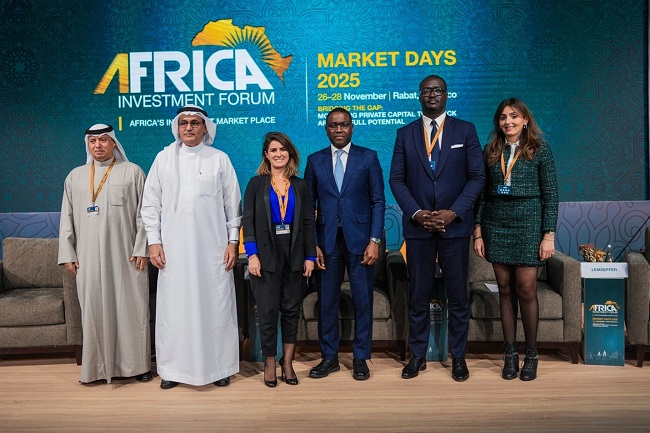
L-R: Dr Obaid Saif Hamad Al-Zaabi; Dr Nasser Al-Kahtani; Zineb Sqalli (moderator); Ahmadu Hott; Jacques Kanga; and Ouns Lemseffer

The climate-finance gap is even wider, with the continent receiving just $30 billion of the $300 billion required each year. “This gap is massive, but it is also a great opportunity,” Sqalli said, highlighting the growth of blended finance, Islamic green bonds, diaspora vehicles and new infrastructure platforms.

Setting a determined tone, Dr Obaid Saif Hamad Al-Zaabi, Chairman of the Arab Authority for Agricultural Investment and Development, called for a fundamental shift in how food systems are financed.

With climate pressures and food insecurity rising across Africa and the Arab world, he called for treating the food-security value chain as a strategic asset class. “Climate change is no longer an environmental issue – it is a financial risk on our balance sheets,” he warned.

Al-Zaabi advocated for expanded guarantees, sustainable finance instruments and specialised vehicles for smallholder farmers, whom he called the “engine” of Africa’s food system. He further added that digitalisation, is vital to reduce information asymmetry and build investor trust.

On broader investment readiness, Amadou Hott, Chairman of the Africa Advisory Board of Vision Invest and former Senegalese Minister of Economy, said the continent’s most severe bottleneck remains the scarcity of bankable projects.

“If we want to transform the continent, we need to multiply what we are doing today by 100 or even 150,” he said. Hott stressed the need for far stronger project-preparation capacity and pointed to currency risk as a major deterrent.

He urged African governments to mobilise more domestic capital – from sovereign wealth funds, pension assets and reserves – much of which is currently invested offshore.

Dr Nasser Al-Kahtani, Executive Director of the Arab Gulf Programme for Development, emphasised that Africa cannot meet its development targets without deepening inclusive finance.

“Seventy percent of the food we eat comes from small farmers. They save the world, but cannot feed themselves,” Al-Kahtani said, urging blended-finance structures that shift countries “from grants to investment” while building equity for micro-entrepreneurs.

A private sector perspective on financing Africa’s infrastructure gap was presented by Jacques Kanga, Director and Head of Finance at Algest Investment Bank. Kanga outlined how targeted financial instruments could be the key to mobilising private capital and closing the continent’s estimated annual $130 billion to $170 billion funding shortfall.

He identified infrastructure Special Purpose Vehicles that reduce sovereign and political risk, blended-finance structures that lower project costs, and diaspora-backed financing that taps into the $95 billion Africans abroad send home each year. According to Kanga these tools, reinforce transparency, governance and global investor confidence.

Ouns Lemseffer, Partner at Ashurst, highlighted progress across the continent, with several countries adopting advanced securitisation and sustainable-finance laws that enable project bonds, Sukuk, debt funds and innovative financing for electrification initiatives such as Côte d’Ivoire’s Programme Électricité Pour Tous.

But she cautioned that progress remains uneven. “A sophisticated legal framework in one area is not enough,” Lemseffer said. “Policymakers need a holistic approach – from investor rules to bankruptcy protection – to fully open capital markets to long-term infrastructure investment.”

As the session closed the message from the high-level panel was definitive. Innovative finance is indispensable for Africa’s future. Panelists converged on a unified vision where new financial instruments are central to mobilising the scale of capital required to meet the continent’s immense demographic, climate, and economic ambitions, effectively converting opportunities into transformative, investable projects across Africa. 

EACOP: Chamber backs court ruling, warns of escalating foreign funded ‘lawfare’

0

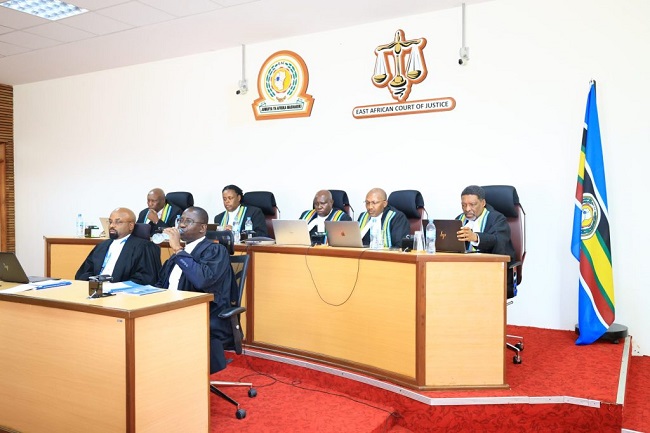
East Africa’s top court has cleared the way for the landmark EACOP project, a decisive affirmation of African sovereignty, energy development and long-term regional prosperity, says the African Energy Chamber (AEC)

East Africa has entered a decisive moment in its energy journey. With the East African Court of Justice (EACJ) dismissing a long-running lawsuit aimed at stopping the East African Crude Oil Pipeline (EACOP), the region has reaffirmed its commitment to advancing a strategically vital project designed to unlock jobs, supply chains and long-term energy security for Uganda and Tanzania. 

StopEACOP
The East African Court of Justice (EACJ) Appellate Division

The African Energy Chamber (AEC) strongly welcomes the ruling. For the Chamber, the court’s decision reinforces a message it has championed for years: Africa must be allowed to build its own energy future without interference, intimidation or weaponized litigation funded from abroad. The judgement is not only a welcome affirmation of the rule of law in the region, but also a clear signal that Africa will not allow externally driven obstructionism to derail its development.

After the five years of litigation, the EACJ upheld its earlier finding that the lawsuit brought by a consortium of civil society organisations had been filed outside the treaty’s 60-day limitation period. With this ruling, the region’s highest court has sent a strong message: legal processes must be respected, timelines matter and projects central to East Africa’s industrialization cannot be held hostage indefinitely by procedural maneuvering. 

The Chamber views the decision as a win for Uganda, Tanzania, TotalEnergies, CNOOC and every local community that stands to benefit from the jobs, investment and infrastructure linked to EACOP. The Chamber has been on the ground in Uganda, touring the so-called affected areas that activists frequently reference in campaigns abroad. What the Chamber witnessed firsthand contradicts many of the narratives being amplified in Western media.

Communities are not calling for projects to be shut down; they are asking for progress, opportunity and the chance to benefit from their own natural resources. EACOP represents exactly that – a strategic pipeline that will deliver 210,000 barrels per day of Ugandan crude to the port of Tanga, unlocking value chains that can transform both economies.

“Ugandans support this project. They want jobs, investment and the opportunity to participate in an industrial future,” says NJ Ayuk, Executive Chairman, AEC. “This ruling reinforces what we have always maintained: development cannot be outsourced, delayed or derailed by external groups using African courts for ideological battles.” 

The court’s ruling arrives at a time when foreign funded “lawfare” is escalating across the continent. The same pattern witnessed in East Africa is already well documented in South Africa, where lawsuits filed by non-governmental organisations backed by Western foundations have successfully delayed offshore projects by TotalEnergies and Shell. The Western Cape High Court’s 2025 decision to rescind the environmental authorisation for Block 5/6/7, after years of litigation, is now a textbook example of how continuous legal challenges can paralyse investment.

Shell’s long-running Wild Coast case follows the same formula – repetitive appeals, procedural hurdles and campaigns designed to generate uncertainty rather than ensure compliance. These actions, while framed as community advocacy, are increasingly viewed by African stakeholders as systematic efforts to block African energy development while Europe and North America expand their own fossil fuel infrastructure. 

Mozambique is facing similar obstacles. Litigation targeting financing for the Mozambique LNG project has escalated to multiple jurisdictions, with lawsuits filed in the United States to block a multibillion-dollar loan from the U.S. Exim Bank and criminal complaints in France alleging war-crimes complicity.

While legitimate human rights oversight is necessary, the cumulative effect of these lawsuits is the prolonged stalling of Africa’s largest LNG development – a project critical for regional electrification and long-term economic growth. Each delay reinforces the AEC’s argument that Africa is being held to a double standard, expected to meet development needs without the very energy systems that powered the industrial growth of the West.  

Against this backdrop, the EACJ ruling stands out as a reaffirmation that African institutions are capable, credible and committed to ensuring that transformative projects proceed within the bounds of law and due process. The Chamber commends Uganda and Tanzania for their steadfast leadership and congratulates TotalEnergies and CNOOC for maintaining discipline and long-term vision while navigating intense pressure from activist networks.

The AEC maintains that EACOP is one of Africa’s most important infrastructure projects – a pipeline that will enable value creation, export growth, expanded local content and revenue streams for decades to come. 

“This ruling is a statement of confidence in African sovereignty and a rejection of efforts to dictate Africa’s energy future from abroad. As the continent continues to grapple with deep energy poverty, it cannot afford to allow its development to be stalled by foreign funded litigation that offers no viable alternative for industrialization or economic upliftment. The AEC will continue supporting Uganda, Tanzania, TotalEnergies and all partners developing EACOP. The project is lawful, strategic and essential for East Africa’s long-term prosperity,” concludes Ayuk. 

Great green wall agency seeks SGF’s support for 50m date palm initiative

0

The National Agency for the Great Green Wall (NAGGW) has sought the support of the Secretary to Government of the Federation (SGF), Sen. George Akume, to actualise its 50 million date palm project.

The Director-General (D-G) NAGGW, Saleh Abubakar, made the request when he paid a courtesy call on the SGF in his office in Abuja.

The director-general explained that the 50 million date palm project is aimed at combating desertification and restoring degraded lands in the 11 frontline states of Northern Nigeria.

Alhaji Saleh Abubakar
Director-General of the National Agency for the Great Green Wall (NAGGW), Alhaji Saleh Abubakar

Abubakar said that the agency, during a ceremony to mark its 10th anniversary in August, launched an ambitious 50 million date palm project in its determination to curb dessert encroachment in the country.

According to Saleh, the agency has, so far, distributed no fewer than five million date palm in the 11 frontline states, and is targeting to upscale it to 50 million by 2030.

“I am here to solicit your support in combating desertification, land degradation and our 50 million date palm initiative for economic empowerment.

“NAGGW was established in 2015, to address land degradation, desertification, boost food security and support communities to adapt to climate change in Sokoto, Kebbi, Kastina, Zamfara, Kano, Jigawa, Bauchi, Gombe, Yobe, Borno, and Adamawa.

“NAGGW serves as the Nigerian focal point for the actualisation of the vision of the African Union’s Great Green Wall of the Sahara and the Sahel project.

“The mission of the NAGGW is to halt and reverse land degradation, prevent depletion of biological diversity, ensure that ecosystems are resilient to climate change, and continue to provide essential services that would contribute to human welfare and poverty eradication,” the d-g stated.

He said he assumed office over a year ago, the agency has intensified efforts and deepen collaboration with critical stakeholders in the 11 frontline states to halt desertification and ensure that people in the affected states own the projects.

“We need your improved support to enable the agency get more funding to finance the 50 million date palm project and other initiatives that are in line with the Renewed Hope Agenda of His Excellency, President Bola Ahmed Tinubu, GCFR,” Abubakar said.

Responding, the SGF, who acknowledged the efforts of the agency in combating the negative effects of climate change in the 11 frontline states, assured the NAGGW DG of the continued support of the Federal Government in ensuring that the agency delivers its mandate.

By Abigael Joshua

IUCN welcomes COP30 call to triple adaptation finance

0

As the 2025 United Nations Climate Change Conference (COP30) concluded in Belém, Brazil, the International Union for Conservation of Nature and Natural Resources (IUCN) has welcomed the call to at least triple adaptation finance by 2035.

This, according to the organisation, represents an important step forward, given the substantial gap between developing countries’ adaptation needs and the international public finance currently available. COP30 also reiterated the vital importance of nature in climate action.

However, the Union expressed regret at insufficient progress on phasing out fossil fuels made at the conference.

COP30
COP30

COP30 witnessed the adoption of the Belém Adaptation Indicators, marking the culmination of a two-year long process to develop a robust indicator framework for assessing progress towards the 2030 targets established under the Paris Agreement’s Global Goal on Adaptation.

IUCN says it looks forward to further contributing to this process, specifically on the target and indicators to reduce climate impacts on ecosystems and biodiversity, and to accelerate the use of ecosystem-based adaptation and nature-based solutions.   

IUCN regrets that more concrete results could not be achieved at COP30 on key issues that are central to addressing the climate crisis. Although Parties had taken a historic decision at COP28 to transition away from fossil fuels in a just, orderly and equitable manner, no pathway was agreed to advance this commitment.

This unresolved gap – highlighted at the 2025 IUCN World Conservation Congress, where IUCN Members called on States to create a pathway for an equitable transition away from coal, oil and gas in line with the 1.5°C temperature limit and biodiversity goals – remains a matter of serious concern.  

Similarly, no consensus was reached to deliver a roadmap to halt and reverse forest loss and degradation by 2030, another goal agreed to at COP28 for which an agreed implementation pathway is lacking.  

On a positive note, COP30 witnessed much progress on forests outside of the negotiations. This included the launching by Brazil of the Tropical Forests Forever Facility. During the thematic day on forests, IUCN highlighted the unmatched role of primary forests in addressing climate change and biodiversity conservation, and celebrated with Germany 15 years of the Bonn Challenge, the world’s largest forest restoration initiative.

IUCN welcomes Switzerland’s announcement of significant new investments to boost forest landscape restoration in Africa and South America.  

Throughout the two weeks of the conference, including during a high-level ministerial roundtable convened by the COP30 Presidency, IUCN urged Parties to harmonise national policies, align reporting processes, and deepen collaboration across the Rio Conventions. While a formal decision on this matter could not be reached, there is greater recognition now of the importance of this issue within the UNFCCC, with Parties agreeing to continue their deliberations at the next intersessional meeting.

In addition, the current and incoming Presidencies of the UNFCCC, CBD and UNCCD released the Belém Joint Statement on the Rio Conventions underscoring their commitment to this issue. IUCN’s official side-event at COP30, co-organised with the Government of Japan and other partners, further underlined the importance of advancing environmental synergies towards UNEA 7 and beyond.   

This was the first COP to be held in the Amazon rainforest, and the first with record levels of participation by Indigenous Peoples. IUCN recognises the importance of direct access to climate finance and indigenous-led funds, the protection of indigenous lands and territories as well as free, prior and informed consent in all projects affecting Indigenous peoples.

It was also the first time that Parties took a decision to develop a just transition mechanism to enable equitable and inclusive just transitions through international cooperation and capacity building, and also recognised the connection between just transition pathways and ensuring the integrity of all ecosystems and the protection of biodiversity.

Parties also approved, for the first time, dedicated dialogues to consider the connections between climate change and trade. The establishment of a two-year work programme on climate finance was also a welcome concrete step. 

IUCN further welcomes the successful adoption of the Belém Gender Action Plan for 2026-2034, which provides a renewed framework for advancing gender-responsive climate policy and ensuring that women’s leadership and expertise are effectively integrated across climate action.  

Other highlights for IUCN at COP30 include its participation in the Action Agenda, co-convened by the COP30 Presidency and the High-Level Climate Champions, and the launch of the ENACT Nature-based Solutions Accelerator Pathways Report, which provides a strategic framework to help countries rapidly integrate nature-based solutions into climate, biodiversity and development planning.

Working through the ENACT Partnership, co-chaired by Egypt and Germany, and in collaboration with other partners, IUCN delivered concrete Plans to Accelerate Solutions on Biodiversity Adaptation and Resilience and on Nature-based Solutions. COP30 also saw Mongolia joining the ENACT Partnership.

Along with strengthened action on forests, IUCN believes these initiatives will harness the power of nature to help address the climate crisis. 

DNA methods help uncover critically endangered African Forest Elephants

0

A new assessment of African Forest Elephants reveals an estimated 135,690 individuals, with an additional 7,728 to 10,990 elephants based on more tentative “guesses”. Updated methods provide a clearer, more accurate understanding of the species’ status – revising population figures by an additional 16%, compared to figures published in 2016.

Thanks to significant advances in DNA-based survey techniques and expanded monitoring across the species’ range, 94% of all counted African Forest Elephants are now based on scientifically robust estimates, compared to just 53% in 2016.

Nevertheless, African Forest Elephants remain Critically Endangered on the IUCN Red List of Threatened Species and are under continued threat from poaching and habitat destruction.

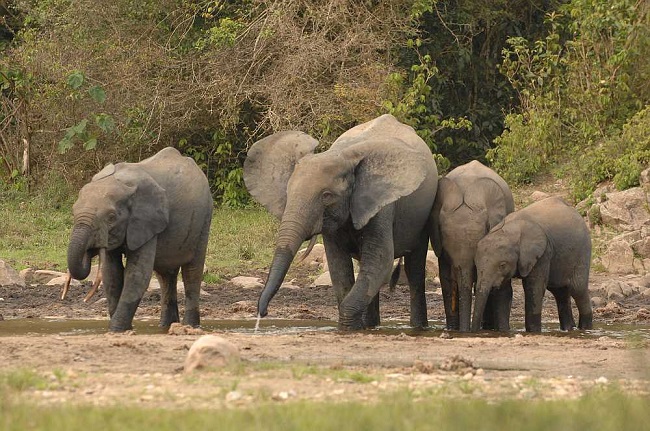
African Forest Elephants
African Forest Elephants remain Critically Endangered on the IUCN Red List of Threatened Species. Photo credit: Reto Kuster

“This report provides the most accurate picture of elusive African forest elephant populations to date. It shows us that conservation action is working for these iconic animals, which are crucial forest ‘gardeners’, essential for tree seed dispersal. With this new data, we have an unprecedented opportunity to focus conservation efforts where they are needed most and give the species a real chance to recover,” said Dr Grethel Aguilar, IUCN Director General.

These findings come from the African Forest Elephant Status Report 2024, published by the IUCN African Elephant Specialist Group (AfESG) of the IUCN Species Survival Commission (SSC) and released at the 20th meeting of the Conference of the Parties to the Convention on International Trade in Endangered Species of Wild Fauna and Flora (CITES Cop20), in Samarkand, Uzbekistan.  

This is the first time African Forest Elephants (Loxodonta cyclotis) have been assessed independently from African Savanna Elephants (Loxodonta africana), following their recognition as distinct species in 2021.

“This report provides new clarity on African Forest Elephant numbers, but forest elephant populations continue to decline in several key landscapes. We need strengthened anti-poaching measures, better land-use planning for habitat connectivity, and sustained international support to translate the cautious hope provided by this report into long-term recovery for one of the world’s most threatened elephant species,” said Dr Benson Okita-Ouma, Co-Chair of the IUCN SSC African Elephant Specialist Group.  

“The updated numbers of African Forest Elephants should not be interpreted as population growth, but rather as the result of improved survey coverage made possible by DNA-based methods. These techniques have significantly reduced uncertainty in detection estimates and enabled us to assess areas that were previously inaccessible,” said Prof Rob Slotow, Co-Chair of the IUCN SSC African Elephant Specialist Group.

Improved survey methods reveal a more accurate picture

African Forest Elephants are notoriously difficult to count due to dense rainforest cover. As such, reports have been based on a combination of estimates and informed ‘guesses’.  

Estimates come from areas that have been carefully surveyed, making them the most reliable counts. ‘Guesses’ – using local expertise, signs of habitation, counts that are of less stringent quality than estimates, etc. – are used where full surveys aren’t possible.  

With this report, 94% of the total reported Forest Elephant population now comes from high-confidence estimates, compared to 53% in 2016.  

The latest assessment incorporates DNA capture-recapture, a method that first identifies the unique genetic “fingerprints” of individual elephants from dung samples. By comparing initial “captures” with subsequent “recaptures”, scientists can calculate population size with far greater reliability. This was the method used in the recent nationwide survey of Gabon.

This survey was key in providing a more accurate estimate of the elephant population, revealing many more elephants than in 2016. Additional surveys, especially in northern Republic of Congo and Cabinda (Angola) added 600–700 elephants to the “new population” category.

Where Forest Elephants live, where they are declining, and threats

Central Africa, characterised by vast tracts of intact tropical forest and low human population density, remains the stronghold for forest elephants, holding just under 95% of the global population.

Gabon alone accounts for 66% of the global population, the Republic of the Congo (RoC) holds 19% and the remaining elephants in this region live across four other Central African countries. Of the remaining three regions, five percent are in West Africa and less than one per cent in East and Southern Africa.

Despite improved data, declines continue in some areas. Two key landscapes, Okapi Wildlife Reserve (DRC) and the W-Arly-Pendjari (WAP) complex (Burkina Faso), lost around 7,000 elephants combined.

Although poaching rates have fallen in many regions since 2018–2019, illegal killing for ivory remains a threat across Central and West Africa. Expanding mining operations, road and rail development, and large-scale agricultural projects, including palm oil, are fragmenting habitat and pushing elephants into shrinking forest areas.

According to the most recent IUCN Red List assessment, African Forest Elephants experienced a >86% decline over 31 years up to 2015, driven primarily by poaching and habitat loss. The species’ slow reproductive rate further hampers recovery.

Data opportunity for targeted protection efforts  

The 2023 status report was funded primarily by Allen Family Philanthropies, with additional support from the European Union through the CITES Monitoring the Illegal Killing of Elephants (MIKE) Programme, as well as Save the Elephants, Wyss Academy for Nature, International Fund for Animal Welfare, WWF-US, WWF-International, and the US Fish and Wildlife Service African Elephant Conservation Fund.

“Accurate and up-to-date data are critical for understanding the status of African Forest Elephants and strengthening their protection. This report provides a bright spot about these critical species, while underscoring the importance of continuing to address threats to African Forest Elephant populations,” said Yuta Masuda, Director of Science, Allen Family Philanthropies.