Germany has introduced a sweeping 67-point climate plan to cut emissions by over 25 million tons by 2030, focusing on renewable energy, electrification, and reducing fossil fuel reliance
Germany’s government on Wednesday, March 25, 2026, unveiled a comprehensive 67-point Climate Protection Programme aimed at accelerating emissions reductions and modernising the national economy. The programme targets a critical legal obligation to reduce greenhouse gas emissions by at least 65% by 2030 compared to 1990 levels. Although Germany has achieved a 48% reduction to date, projections estimate a shortfall of around 25 million tons of CO2 if decisive measures are not implemented.
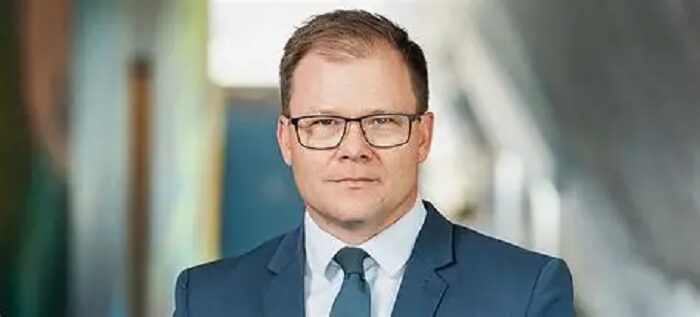
German Environment Minister, Carsten Schneider
The plan focuses on key sectors such as energy, industry, transport, buildings, and agriculture. It includes an ambitious expansion of wind energy with plans to auction 2,000 additional turbines, robust promotion of electric vehicles through funding for roughly 800,000 new e-cars, and improvements in heating networks. The government has earmarked a budget of eight billion euros over the next four years for these initiatives.
Environment Minister, Carsten Schneider, highlighted that the programme not only aims to reduce emissions by over 25 million tons by 2030 but also to decrease Germany’s dependency on fossil fuel imports – projecting savings of nearly seven billion cubic meters of natural gas and four billion liters of gasoline. Moreover, the initiative supports industries transitioning to climate-smart technologies and assists farmers in adapting to sustainable practices.
Despite these measures, experts and the government’s own climate council criticise the plan for lacking a cohesive overarching strategy. Some worry the effectiveness of tools like the greenhouse gas quota may be overestimated, potentially putting Germany’s climate commitments at risk. Nonetheless, the government anticipates significant economic benefits, including reduced energy costs and increased resilience.
In a reaction, Ottmar Edenhofer, Director of the Potsdam Institute for Climate Impact Research (PIK), attempted an assessment of the programme.
He stated: “The Climate Protection Programme contains new and additional measures designed to bring about further emission reductions by 2030, to avert the impending failure to meet our targets. However, it is questionable whether they sufficiently address the fundamental challenge of restructuring our fossil-fuel-dependent capital stock.
“We see insufficient emission reductions and the risk of missing targets, particularly in the transport and buildings sectors. This is partly self-inflicted. There are not enough credible policy instruments that provide clear incentives to switch to sustainable and increasingly cost-effective climate protection technologies, such as electric cars or heat pumps.
“According to our calculations, the Building Modernisation Act will result in emissions being significantly higher – by a total of 16 million tonnes of CO₂ equivalents until 2030 and by as much as 230 million tonnes in the period to 2040 – than would have been expected under the previous legal framework. It creates further technological and economic path dependencies. These could be mitigated by reducing the electricity tax and by imposing investment levies on newly installed boilers.
“The delayed introduction of the second EU Emissions Trading Scheme and the watering down of fleet limits for car producers make Germany and Europe even more dependent on oil and gas imports. Germany currently spends 80 billion euros on fossil fuel imports annually. This generates significant follow-on costs: the substantial expenditure on the rescue packages from the last energy crisis – well over 100 billion euros – still needs to be paid off.
“We must now resolutely drive forward the expansion of renewable energies and the electrification to achieve a cost-effective transition. We can rely on our European framework in this regard. The European climate targets will only be achieved with Germany’s involvement. Through European cooperation, for example in emissions trading, but also through our collective participation in gas and oil markets, we have great opportunities for effective and cost-efficient climate protection.”
Overall, officials see the 2026 Climate Protection Programme as representing a decisive step toward aligning Germany’s environmental goals with economic modernisation and energy independence, even as challenges remain in fully meeting climate targets.
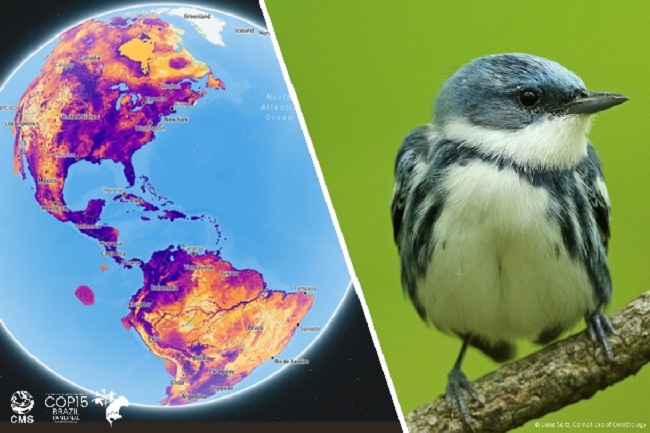
A new online tool mapping the full annual journeys of an initial 89 highly vulnerable migratory bird species across the Americas was unveiled on Thursday, March 26, 2026, at the UN wildlife conservation meeting, CMS COP15, giving governments, scientists and conservationists an unprecedented view of where action is most urgently needed to protect them.
Developed by the Cornell Lab of Ornithology and the Convention on the Conservation of Migratory Species of Wild Animals (CMS), the Americas Flyways Atlas pinpoints the critical breeding, stopover and wintering sites that migratory birds depend on to survive, many of which are under growing pressure from habitat loss, infrastructure and climate change.
The first-of-its-kind tool charts “invisible highways of the sky,” revealing critical habitats spanning 56 countries, offering governments a blueprint to halt bird declines
Drawing on many millions of citizen-science observations submitted through the eBird platform, combined with advanced scientific modeling, the Atlas identifies “Bird Concentration Areas” – key hotspots where high abundances of CMS Appendix I or II-listed bird species gather in large numbers at different stages of their migration.
The Atlas covers an initial 89 species listed under CMS Appendices I and/or II and comes at a moment of mounting concern over the state of migratory species globally. Across the Americas flyways, which stretch from the Canadian Arctic to Chile’s Patagonia, 622 migratory bird species rely on a fragile chain of habitats spanning 56 countries. Many are in decline.
From the Arctic-breeding Hudsonian godwit to the high-Andean flamingo and North America’s rapidly disappearing Cerulean warbler, these birds depend on multiple ecosystems across borders. A single weak link – a drained wetland, fragmented forest, disrupted stopover site – can jeopardise entire populations.
The Atlas makes those links visible for the first time at continental scale.
Built to guide policy
Unlike traditional datasets, the Atlas is designed to guide real-world decisions, helping governments identify where conservation efforts will have the greatest impact.
It directly supported negotiations at COP15, where 133 Parties debated new measures to protect migratory species, including proposals to list additional species and strengthen international cooperation on habitat protection and ecological connectivity.
By giving countries a shared evidence base, the platform aims to close one of conservation’s biggest gaps: aligning action across borders for species that do not recognise them.
The Atlas arrives as pressure intensifies on migratory species worldwide – from habitat destruction and infrastructure to pollution and climate disruption, all issues high on the COP15 agenda last week in Brazil.
Among species of migratory birds covered in the Atlas are some of the most iconic and ecologically important migrants of the hemisphere, including:
Buff-breasted Sandpiper (Calidris subruficollis), a Vulnerable grassland shorebird whose population has suffered rapid declines due to habitat loss.
Semipalmated Sandpiper (Calidris pusilla), a Near Threatened long‑distance migrant facing sustained but poorly understood declines.
Cerulean Warbler (Setophaga cerulea), a Near Threatened forest songbird whose breeding habitat continues to shrink and fragment.
Andean Flamingo (Phoenicoparrus andinus), a Vulnerable high‑altitude species dependent on increasingly threatened Andean wetlands.
Hudsonian Godwit (Limosa haemastica), a Vulnerable Arctic‑breeding shorebird reliant on a chain of sensitive stopover sites during its remarkable hemispheric migration.
These species exemplify the conservation challenges across the Americas Flyway, covering grasslands, shorelines, tropical forests, and high‑Andean lakes, and reinforce the need for coordinated international action.
Converting millions of citizen observations into action
“This atlas shows what becomes possible when millions of bird observations contributed by people across the Americas are brought together,” said Chris Wood, Programme Director of the Cornell Lab of Ornithology’s Centre for Avian Population Studies and eBird. “Combined with modern modeling, these contributions become a powerful tool for conservation. By turning these observations into clear maps of where migratory birds concentrate during breeding, migration, and winter, the Americas Flyways Atlas helps governments and conservation partners focus their efforts where they can make the greatest difference.”
CMS Executive Secretary Amy Fraenkel described the Atlas as “a major step forward for international cooperation on migratory bird conservation in the Americas. By bringing together cutting‑edge science and citizen‑generated data, this tool gives countries the information they need to identify and protect the places migratory birds depend on throughout their full annual cycles. Its launch at COP15 underscores our shared commitment to strengthening ecological connectivity across borders at a time when migratory species need coordinated action more than ever.”
Said João Paulo Capobianco, Chair of COP15 and Executive Secretary, Ministry of Environment and Climate Change, Brazil: “Presiding over COP15 in Brazil means driving multilateral cooperation that unites shared science and joint commitments for the future of life on the planet.”
“The Americas Flyways Atlas is a milestone in this strategy because it reveals, with unprecedented precision and clarity, the routes and key areas upon which the survival of migratory birds depends. By highlighting these ecological corridors that connect the biomes of the Americas, the platform becomes an irrefutable argument for more nations across our continent to join the Convention. Without protecting these stopover sites, migratory life throughout the hemisphere will be at stake,” added Capobianco.
Statement by the Coordinator, Agricultural Initiative of the Christian Men’s Fellowship, Anglican Diocese of Okigwe South in Imo State, Prof. Chinedum Nwajiuba, at the Farming Season Flag-off 2026 on Friday, March 27
I thank the Archbishop, His Grace Most Rev’d DOC Onuoha, Mama Blessing Onuoha, the Christian Men’s Fellowship, Chairman, Chaplain, and members. I thank all those who have keyed into this vision and everyone who has been playing positive roles.
We particularly thank the National Root Crops Research Institute (NRCRI) Umudike, the All Farmers Association of Nigeria (Imo State Chapter), other research and academic institutions, especially the University of Agriculture and Environment Umuagwo, and others I may not have mentioned by name. God bless the works of your hands.
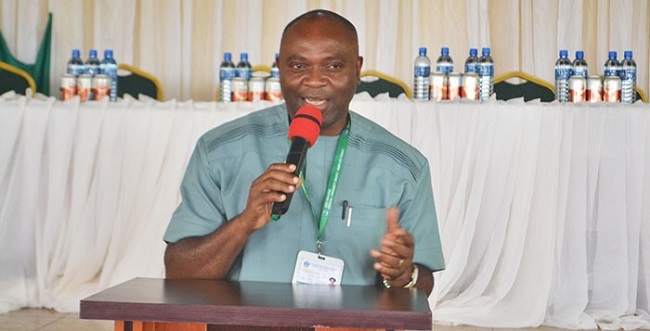
Prof. Chinedum Nwajiuba
We have done an assessment of our programmes in the last two years and we are glad to say that we are doing well. The past two editions have helped to raise interests in farming by our people. More persons have become engaged in farming. People have increased the area of land they have farmed.
More young persons are showing interest. New crops, not just our traditional crops, have been introduced. Improved, high yielding varieties of crops have been adopted and extended beyond our immediate beneficiaries. Many of those who received cassava cuttings, seeds and seedlings have shared with friends and families even far away from our immediate area.
The idea of planting in sacks/bags has become widely adopted. We do not have to preach much about it as people have seen the benefits. Today, we shall be listening to Rev. Samuel Onyinyechi Edeh, Diocese of Okigwe south, Coordinator; Sir Senator Frank Ibezim, Agriculture Initiative, Ezeoke-Nsu Chapter, who has been successful in growing yams and other crops in sacks, etc. We thank him for accepting to share his experience.
It is well acknowledged that cassava, our main food security crop, has done very well, especially the variety we call TME419. For this variety, we are grateful to the National Root Crops Research Institute (NRCRI) Umudike. We are blessed to have NRCRI Umudike, and the support they have given us. We thank the leadership, especially Prof. Chiedozie Egesi, the Executive Director, for managing that Institute better than most institutions in contemporary Nigeria. Even their compound is the cleanest public institution in Nigeria.
On livestock, we have not achieved as much success. I am not sure we have even done much on that. The same applies to input and postharvest systems. We have to find ways to encourage these, especially now that we are encouraging our youth to be engaged with agriculture, not just farming.
For the youth engagement, we thank The Future Generations Institute (TFGI), especially for the youth segment of the event today. We thank the couple I call the Agriculture Power Couple – Dr. Benjamin and his wife Dr. Christiana Okoye – who will be assisting us with the youth today.
Please, let us not forget why we started this programme. Hunger, poverty, hardship, unemployment, and in addition confusion among our youth are some of our challenges. The traditional way of teaching the next generation of farmers by them accompanying parents/adults to farms, has collapsed for many reasons including urbanization, faulty socialisation that portrays agriculture as not good enough for the youth, and other confusions damaging and deceiving the young people.
Too many men and women seem to prefer to be idle, and our villages are busy with conflicts, quarrels, rumours and gossips. That is not who we were. That is not who the Igbo were. The condition of Nigeria seems to erode Igbo core values of hardwork, tenacity, grit, frugality, amamihe, ako na uche, ofo na ogu, and even fear of God. Stealing, begging, and killing, things that were frowned, punished and considered sacrilegious are now common among the Igbo. We have a raised people without a sense of shame and conscience, and with huge entitlement mentality. That is not who we were.
We produce very little and have to rely on food coming from far away. Even our traditional rulers celebrate new yam festivals with yams from alien lands. Women rely on the market for pepper and basic vegetables, as well as broom (aziza). Many of us depend on remittances from outside Nigeria and from other parts of Nigeria to buy food. The condition and direction of the management of the Nigeria state and economy worsen our situations. It is obvious that we have to help ourselves.
Unfortunately, the direction of the Nigeria economy is more likely to be worse for reasons within, and reasons outside Nigeria. Recent rise in domestic fuel costs, showing a weak country without internal safety measures and mechanisms to manage economic instability, has already led to rising cost of local transportation. That will be transmitted to cost of items in the market. That is more inflation.
We do not know when the war in the Middle East will end. We are not even sure that if it ends prices will fall. The Nigeria government has in the last two years responded to sharp rise in food cost as a result of the choices made in the management of petrol costs and exchange rate, allowed significant importation of food items especially rice and wheat (Bread, pastas, etc. consumed heavily in Nigeria).
Those are measures not sustainable. Farmers in the major food producing parts of Nigeria, in the North, are grumbling. That is not good for Nigeria agriculture. Insecurity in the North has adversely affected agriculture, and seems not to be relenting. What these suggest is that we need to work harder to ensure that hunger does not kill us.
Unfortunately, we have to do this for ourselves in a time of governments without governance. It would have been good to have a revived extension and input support from public services. That seems not to be of interest to them.
At our level, we farmers experience many challenges. One of this as you know is what has been happening to the weather. The experience with rainfall, harmattan, heat, etc. have been different in each of the years of 2024, 2025, and even so far in 2026. Nothing seems to be the same. We cannot plan. There is so much uncertainty.
Many of you have cleared the land this year, but not sure whether or not to start planting. The reason is that some persons who planted cassava early last year, lost a lot of their cassava cuttings to heat as a result of rains seemingly starting and stopping, and starting and stopping. You had to replace them at huge costs in materials and labour. The yam harvests last year suffered rotting, speculated as a result of heat when the harmattan should have cooled the bans. The same applies to telferia (ugu).
Currently, some fruit trees such as mangoes may not have fruited as they did in previous years. It would have been good if we had active extension services to take our experiences to the researchers and return to us with advice. Here today we have invited a number of researchers. They will take our questions and provide us answers.
Then we have prizes to give out today. These are in multiple categories. Most importantly is our assessment of farmers who performed well in various categories last year. We thank our sub-committee on assessment led by Sir Caleb Ikpa who moved round last year to assess farmers on the field. I know that many of our farmers have brought things for sale. I wish to advise that you do not sell until the assessors have gone round, as we have prizes to give to the top three exhibitors.
For our youth we shall encourage them by providing seeds and seedlings, and will provide them some financial encouragement, especially for the schools and the students who study agriculture in our schools.
To be able to do these we have called on friends and associates and many have responded. We are very grateful to those who have supported the CMF programme.
We are also grateful to those who have supported The Future Generation Institute (TFGI) in the Youth in Agriculture programmes.
I ended by thanking all of you again. There is an idea that we move the hosting of this annual farming season flag-off. The All Framers Association of Nigeria earlier suggested we move this round Imo State. Please we do not want to do that for at least two reasons.
The first is that our institutional backing is the Diocese of Okigwe South of the Anglican Church which geographically is limited to three Local Government Areas of Obowo, Ihitte/Uboma and Ehime-Mbano. The second is that we wouldn’t want to be misunderstood and other motives ascribed to us. Our interest is farming, and any person outside this area may ask us for advice, and we shall willing give that.
We are however willing to experiment with moving round the three Local Government Areas, and we are considering hosting the 2027 event, God willing at Umuagu Obowo, St. Andrew’s Church School field. That is where we call Seven and Half Junction. We believe the place is easily accessible. Again, I reiterate that this is tentative and you will hear from us if that will be the venue next year.
Nigeria’s food system stands at a critical crossroads. For decades, it has largely followed a production-driven model shaped by the legacy of the Green Revolution – prioritising increased yields of staple crops like rice, maize, cassava, and sorghum through mechanisation, chemical inputs, and improved seeds.
While this approach has delivered some gains in output, it has also created a system that is deeply disconnected from nutrition, equity, environmental sustainability, and accountability. Today, Nigeria produces food, yet millions remain hungry, malnourished, and economically excluded from the very system meant to nourish them.
Abubakar Kyari, Minister of Agriculture and Food Security
At the heart of the current system is a paradox: smallholder farmers, who produce over 80% of Nigeria’s food, remain the most marginalised actors. The majority are women operating in informal and rural settings, with limited access to land ownership, finance, and government support. Less than a quarter of these farmers can access formal credit, largely because financial systems are not designed to engage with the informal and cooperative structures where they operate.
At the same time, billions of naira flow annually into agricultural programmes through public budgets, concessional loans, and green financing mechanisms (most often tractors), yet these investments are rarely tracked, independently verified, or publicly scrutinised. There is little clarity on whether these interventions reach intended beneficiaries or deliver measurable impact. This opacity has enabled inefficiency, elite capture, and, in some cases, outright mismanagement to persist unchecked.
The consequences of this system are severe and multidimensional. Nigeria continues to face a major food security crisis, with over 25 million people estimated to be at risk of acute hunger. Malnutrition remains widespread, with about 37% of children under five stunted – an indicator of chronic undernutrition and poor diet quality. At the same time, the country experiences significant food losses, with 30-40% of perishable produce lost due to weak storage and logistics systems. These losses translate into billions of naira in wasted value annually, while food prices continue to rise, deepening inequality and limiting access for vulnerable households.
Health risks are also escalating. The widespread use of Highly Hazadious Pesticides and other chemcials inputs has raised concerns about food safety, environmental contamination, and long-term health impacts, including potential links to cancers, kidney failure, infertility and endocrine disruption. Weak enforcement and underfunded regulatory agencies allow unsafe products to remain in circulation. Compounding this is a lack of consumer awareness and weak reporting systems, meaning unsafe food often goes unchallenged.
Beyond agriculture itself, there is a deeper governance failure that shapes outcomes across the food system. Across Nigeria, communities and resident associations have increasingly taken on responsibilities that should be fulfilled by government fixing rural roads that connect farms to markets, providing water systems, renovating schools, and maintaining basic infrastructure. These grassroots efforts sustain local food systems and rural livelihoods, yet they are neither formally recognised nor supported. At the same time, public officials entrusted with resources for development are frequently implicated in mismanagement and embezzlement, further eroding trust and weakening service delivery.
This imbalance must be addressed through structural reform. If communities are investing their own resources into public goods, there should be formal mechanisms to compensate and incentivize them. Models that allow for community reimbursement or pay-back schemes, backed by law, could fundamentally shift accountability.
When citizens can demand repayment or tax credits for services, they have provided such as road repairs or water systems it creates a system where governments are pressured to either deliver or be held financially accountable. In such a system, public office becomes less attractive for exploitation and more aligned with performance.
At the same time, accountability must extend across the entire food system not just government. Farmer associations, market unions, and commodity groups must also be held responsible for the quality and safety of the food supplied by their members. Self-regulation within these groups, backed by enforceable standards, can play a critical role in improving food safety outcomes. This is particularly important in informal markets, where regulatory reach is limited but associations are strong and influential.
Consumers, too, must become active participants in enforcing accountability. Nigeria has a rapidly growing digital and social media ecosystem that can be leveraged to transform how citizens report unsafe food, poor services, and failed government interventions. Simple, accessible reporting platforms integrated with social media can enable real-time feedback, crowdsource evidence, and amplify pressure on both public institutions and private actors. When consumers are informed, organised, and empowered to speak out, they become a powerful force for change.
Transforming Nigeria’s food system, therefore, requires more than technical fixes it demands a new social contract. One where public investments are transparently tracked and evaluated; where communities are recognised and compensated for their contributions; where farmers and market actors are accountable for what they produce and sell; and where citizens are empowered to demand better. It also requires a shift toward nutrition-sensitive, agroecological, and inclusive systems that prioritise health, sustainability, and resilience.
Nigeria does not lack resources, ideas, or capable actors. What it lacks is alignment, accountability, and enforcement. Until these gaps are addressed, billions will continue to be spent with little to show, communities will continue to carry the burden of failed governance, and the promise of a food system that truly serves its people will remain out of reach.
The time to act is now not just to produce more food, or sharing bags of rice, but to build a system that works for everyone.
By Donald Ikenna Ofoegbu, Snr. Programme Manager, Heinrich Boell Stiftung; Member, Alliance for Action on Pesticides in Nigeria (AAPN)
African economies are facing mounting pressure from volatile global oil prices linked to the ongoing Gulf conflict, with analysts warning that small and medium-sized enterprises (SMEs) are bearing the brunt of rising energy costs.
Brent crude prices surged from $81 per barrel on March 3 to $112 on March 12 before easing to $98 by March 25, underscoring the instability affecting fuel-dependent economies.
Oil
Across the continent, businesses reliant on diesel-powered generators are grappling with escalating operational costs and unreliable supply chains.
The impact is particularly severe in countries where grid infrastructure remains constrained. In South Africa, for example, persistent load shedding has pushed many businesses toward diesel generation, exposing them further to international fuel price shocks.
Disruptions around the Strait of Hormuz have compounded supply uncertainties.
Fuel prices have spiked sharply across multiple African markets. In Nigeria, petrol prices have exceeded ₦1,000 per liter — a nearly 40% increase since February — while Zimbabwe now records some of the highest fuel costs in the Southern African region, with diesel averaging above $2 per liter.
Botswana and Uganda are also experiencing sustained price volatility.
Against this backdrop, energy analysts and industry stakeholders are increasingly revisiting coal as a viable alternative for power generation.
With substantial reserves across countries such as Nigeria, Zimbabwe, Botswana and Uganda, coal is being positioned as a domestic resource that could stabilise electricity costs and reduce dependence on imported fuels.
Advocates argue that coal-fired power offers a more predictable and affordable energy source for SMEs, enabling better long-term planning and shielding businesses from global supply shocks.
“When African businesses are being crushed by imported fuel costs, using domestic coal to keep factories running and SMEs alive is not a step backward — it is a rational act of economic self-defense,” said NJ Ayuk.
The debate is expected to feature prominently at African Energy Week 2026, scheduled for October 12–16 in Cape Town, SouthAfrica.
The event will explore the role of coal within Africa’s evolving energy mix, including discussions on clean coal technologies, financing models and strategies to balance energy security with environmental considerations.
As geopolitical tensions continue to drive energy market uncertainty, policymakers are increasingly confronted with a complex trade-off: balancing sustainability goals with the urgent need for reliable and affordable power to sustain economic growth.
The Nigerian Navy has deactivated an illegal refining in Bonny Local Government Area of Rivers State and recovered more than 20,000 litres of suspected stolen crude oil.
This is contained in a statement by the Acting Director of Naval Information, Navy Capt. Abiodun Folorunsho, on Friday, March 27, 2026, in Abuja.
Folorunsho said the operation was carried out under Operation Delta Sentinel by personnel of the Forward Operating Base (FOB) Bonny, Eastern Naval Command.
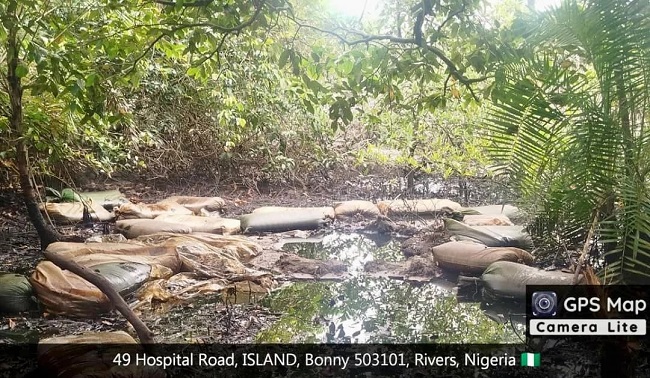
Site of the deactivated illegal refining in Bonny Local Government Area of Rivers State
He said the operation followed credible intelligence on illegal refining activities in Allison Community, Bonny.
Folorunsho said an anti-crude oil theft patrol team was deployed to the area, leading to the discovery of an active illegal refining site.
He said the site contained dugout pits, locally fabricated cooking and cooling systems, as well as sacks filled with substances suspected to be stolen crude oil.
“Further assessment revealed over 20,000 litres of suspected stolen crude oil stored at the facility.
“The illegal refining infrastructure was dismantled in line with established operational procedures, while the perpetrators fled on sighting the naval team,” he said.
Folorunsho said the success underscored the Nigerian Navy’s sustained efforts to curb crude oil theft and economic sabotage in the Niger Delta.
He added that the operation aligned with the directive of the Chief of the Naval Staff (CNS), Vice Adm. Idi Abbas, to intensify intelligence-driven operations to safeguard critical oil infrastructure.
He noted that such efforts were also geared towards supporting the Federal Government’s target of achieving 2.5 million barrels per day oil production.
The Director-General of the Nigerian Conservation Foundation (NCF), Dr Joseph Onoja, has called on Nigerian students to partner with the organisation in advancing environmental conservation across the country.
Onoja made the call during a courtesy visit to him by the National Association of Nigerian Students (NANS), in Lagos on Friday, March 27, 2026.
Onoja emphasised the critical role of the youth in driving environmental sustainability.
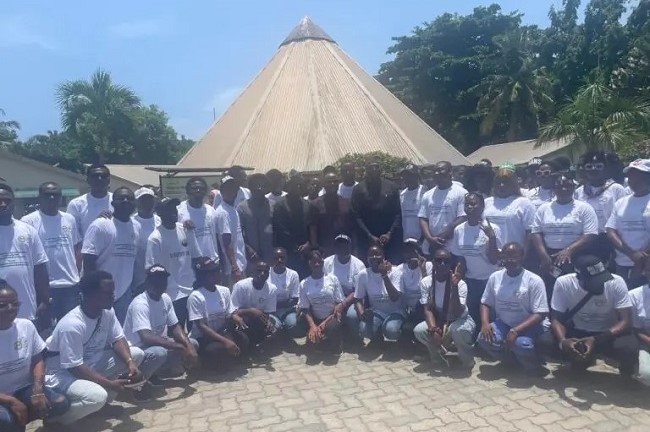
Dr Joseph Onoja, Directir-General, Nigerian Conservation Foundation, and some members of National Association of Nigerian Students at the Lekki Conservation Center, Lagos, on Friday
He said that young people possessed the energy, innovation and enthusiasm to drive environmental conservation.
“Young people have the capacity to push whatever agenda forward either positively or negatively.
“NANS partnering with the Nigerian Conservation Foundation will have a positive effect on our environment,” he said.
Onoja urged students to channel their strength to conserving nature, saying that collective action would yield significant results.
“We need to conserve mother nature so that mother nature can conserve us.
“Imagine about 70 million students in Nigeria contributing even one naira each; thatwill have a huge impact,” he said.
Onoja described deforestation as a major environmental challenge in Nigeria, adding that the country had less than 10 per cent of its forest cover remaining.
He disclosed that the foundation had launched an initiative known as Green Recovery Nigeria aimed at restoring degraded forest ecosystems.
According to him, the programme focused not only on tree planting but also on nurturing trees to ensure their survival.
“At NCF, we don’t just say plant, we say nurture. Nurturing ensures that the trees survive, which is the only way to effectively combat deforestation,” he said.
Onoja added that the organisation was collaborating with stakeholders at national, sub-national and community levels, including students, to restore degraded landscapes.
He said that NCF partnership with state governments was crucial since land administration was under their jurisdiction.
The NANS Presidential Spokesperson, Comrade Alao John, said that the students paid the visit to gain practical knowledge.
“We are here to learn beyond the conventional classroom. We are here to learn new things,” he said.
He commended the NCF for efforts in environmental conservation, hoping that the visit would help to bridge the gap between theory and practice in environmental protection.
He urged active participation of the youth in safeguarding the environment.
“Our immediate environment tells a lot about us. We should not be strangers in our environment.
“A way to learn is by exploring and visiting natural habitats,” he said.
John said that about 100 students from various tertiary institutions in Nigeria participated in the visit.
He urged Nigerian students to take responsibility for the environment and contribute to its conservation.
The 64th Plenary Session of the Intergovernmental Panel on Climate Change (IPCC) closed in Bangkok on Friday, March 27, 2026. The session discussed the review of the Principles and Procedures that govern IPCC’s work.
These should be reviewed every five years and are critical to ensuring the IPCC’s capacity to produce comprehensive, neutral, objective, transparent, inclusive, and robust assessments of climate-related science.
The Panel decided to consider the review of the IPCC Principles and Procedures at future sessions.
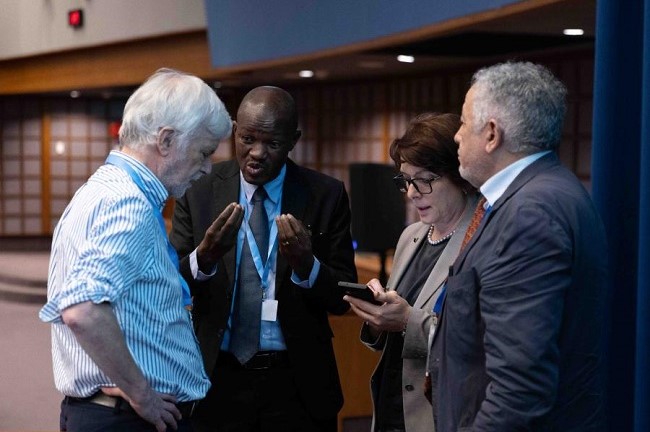
IPCC Chair Jim Skea (left), consults with IPCC Vice-Chair Ladislaus Chang’a, IPCC Deputy Secretary Ermira Fida and IPCC Secretary Abdalah Mokssit
During the Plenary, the member governments also decided to consider the timeline of the Seventh Assessment Report (AR7).
While the Panel made no formal decision, the member governments clearly indicated that they want the timeline agreed at its next session.
“In IPCC, we use our best endeavours to achieve consensus. Sometimes, as we pursue our best endeavours, we strive in slightly different directions. But I think the spirit of compromise and flexibility in IPCC was shown in the end,” said IPCC Chair Jim Skea, addressing the delegates in closing the session.
During the four-day session, the Panel also considered the financial situation and fundraising for the IPCC Trust Fund for this cycle and beyond to ensure its long-term sustainability. Supported entirely by voluntary contributions from member governments, the IPCC Trust Fund is the key mechanism enabling participation by developing-country governments and scientists in the IPCC’s work.
The Panel also agreed on the work programme of the Task Group for Data Support for Climate Change Assessments.
The 64th Plenary Session of the IPCC was also the last one for the IPCC Secretary, Abdalah Mokssit, who led the IPCC Secretariat for the past decade, and will retire in the next few months. On this occasion, the delegates, Bureau Members, observer organisations, and staff expressed appreciation for the outgoing Secretary’s strong commitment and rich contributions.
The Federal Government of Nigeria is taking proactive measures to tackle climate-induced hazards in the country.
Mr. Saleh Abubakar, the Director-General of the National Agency for the Great Green Wall (NAGGW), made this known in an interview on Thursday, March 26, 2026, in Abuja.
He said the Federal Government has launched the Anticipatory Action Framework on Floods, in line with the to mitigate disasters impacting over five million people.
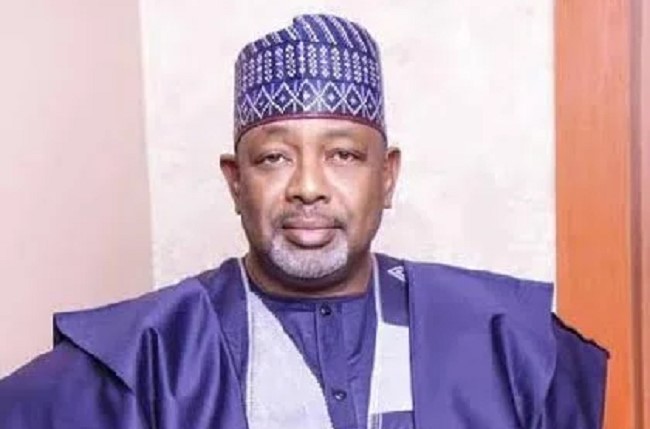
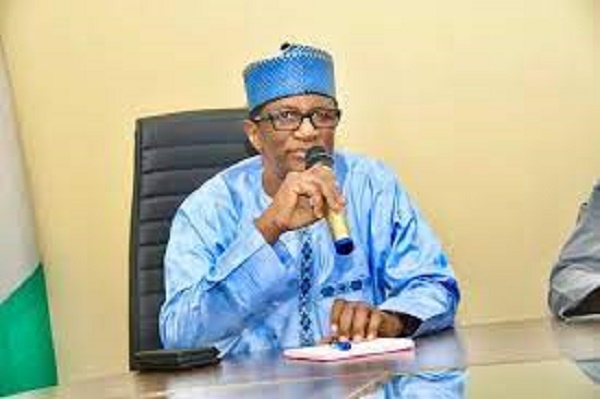
Director-General of the National Agency for the Great Green Wall (NAGGW), Alhaji Saleh Abubakar
This is in view of the technical consultation meeting on the New African Union Great Green Wall Strategy and Its 10-year Implementation Framework 2024-2034 in Dakar, Senegal.
Saleh stated that, with significant efforts, the agency is making to combat climate-induced hazards and ecosystems, are resistant to climate change, other countries would soon begin to look up to Nigeria as a global model.
The three-day event, which started on March 24, was convened under the leadership of the African Union and the United Nations Convention to Combat Desertification (UNCCD), and supported by the Pan-African Agency of the Great Green Wall (PAGGW), focused on strengthening both the institutional arrangements and strategic direction of the Great Green Wall (GGW) Initiative.
The DG stated that the ongoing efforts by the agency to combat land degradation in affected communities and enhance food security in line with the Renewed Hope Agenda of President Bola Tinubu was already paying off.
He said NAGGW was gradually reducing climate-induced hazards through extensive afforestation, solar-powered boreholes, and sustainable land management in the 11 frontline Northern Nigerian states of Borno, Yobe, Jigawa, Kano, Katsina, Zamfara, Sokoto, Kebbi, Bauchi, Gombe, and Adamawa.
He said that while the Federal Government is making “significant progress under the GGW initiative in restoring degraded lands, reforestation, and empowering communities, other countries would soon begin to tap from the nation’s model for international cooperation.”
“On the significance of the technical consultation meeting on the New African Union Great Green Wall Strategy, Saleh expressed optimism that with its 10-year implementation framework, the consultation would ginger commitments and reasonable action against desertification and climate change across the African continent.
He said, “The meeting focused on strengthening both the institutional arrangements and strategic direction of GGW Initiative.”
Saleh commended the speakers at the meeting for highlighting the urgency to scale up efforts to combat desertification, restore degraded land, and build resilience across Africa’s dryland regions.
“We had detailed discussions on the African Union’s updated strategy for GGW, with a focus on strengthening coordination and driving collective action across member states.
“There were clarifications on the roles and responsibilities of various institutions, helping to ensure a shared understanding of how stakeholders can effectively contribute to the implementation.
“The meeting laid a solid foundation for improved coordination, stronger strategic alignment, and renewed commitment to achieving the goals of the GGW Initiative,” The DG said.
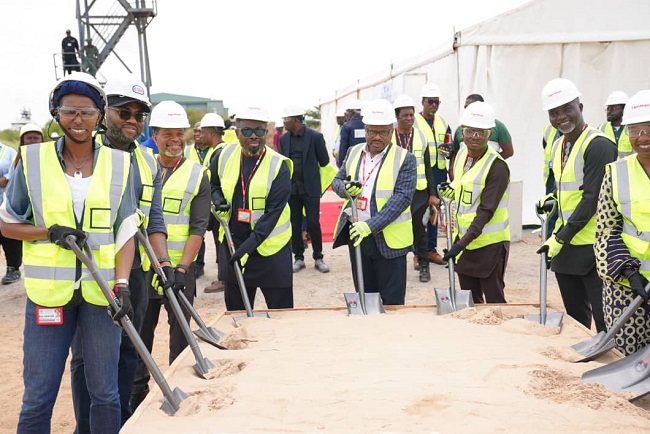
The Nigerian Content Development and Monitoring Board (NCDMB) has applauded ESSO Nigeria on the groundbreaking of its permanent shorebase facility at the LADOL Deep Offshore Logistics Base, describing the project as a major demonstration that Nigeria has become a prime hub for global oil and gas logistics.
ESSO Nigeria is an affiliate ExxonMobil, an international operating company and the shorebase facility is valued at $23m and will include an administrative building, warehouses, and other storage areas.
Speaking at the event held on Thursday, March 26, 2026, at LADOL base, Lagos, the Executive Secretary of NCDMB, Felix Omashola Ogbe, congratulated ESSO and LADOL on the project, and reaffirmed the Board’s commitment to working with industry players to deepen capacity development in the country’s upstream supply chain.
Officials at the groundbreaking of ESSO permanent shorebase facility at the LADOL Deep Offshore Logistics Base
He praised LADOL’s track record of consistency, tenacity and forward-looking momentum, and noted that the qualities had been evident over many years of close engagement with the facility.
He situated the groundbreaking within the broader context of the ongoing global logistics crisis triggered by instability in the Middle East, noting that supply chain disruptions had driven up costs from Singapore to Eko Hotel and across markets in the United States, sparing no economy.
The Executive Secretary who was represented by his Senior Technical Adviser, Austin Uzoka, noted that LADOL’s emergence as a credible deep offshore base represented a direct and tangible response to vulnerability in the logistics sphere of the Nigerian oil and gas industry.
“Today, we’re pleased that Nigeria has an alternative” he stated, drawing a parallel between the completion of the Dangote Refinery and the expansion of LADOL, and harping that Nigeria’s supply chain was measurably stronger than it was 10 years ago.”
The NCDMB chief urged ESSO’s leadership to adopt a front-end-loaded payment structure in its contractual arrangements with LADOL, arguing that timely and adequate funding from the client side would enable the facility to complete the project without recourse to bank loans at cut-throat interest rates.
He noted that cash flow constraints had become a recurring challenge for Nigerian suppliers across the industry, with many approaching the Board for funding support precisely because payment timelines from operators were not aligned with project delivery demands.
“I would like to encourage you to pay LADOL more. Make sure that it is front-end-loaded, so they can have money to finish this on time without having to go to the banks and pay high interest rates to get the job done.”
He emphasised that supply chains are at the bedrock of national development and that the NCDMB, as the agency mandated to grow capacity in Nigeria’s oil and gas industry, would continue to deepen its partnership with both the LADOL and ESSO to build more capacity within the country.
He described ESSO as a measured and deliberate operator that moved decisively once committed, expressing confidence that the groundbreaking signalled the commencement of a project that will be delivered on schedule.
He further charged that ESSO Nigeria to remain committed to the utilising the Nigerian capacities and capabilities on delivering the project.
The Chairman and Managing Director ExxonMobil affiliates in Nigeria, Mr. Jagir Baxi, had earlier indicated that the project reflects an important milestone investment by ESSO Nigeria in its 70-year long partnership with the country. The project also underscores the company’s steadfast commitment to enhance Nigeria’s deepwater offshore operational capabilities.
The structures will be constructed predominantly by Nigerian companies, thereby supporting local job and development of expertise in engineering, construction and commissioning, the company’s chief executive added. The ceremony was attended by representatives of the Bank of Industry, leadership of ESSO Nigeria, the LADOL management led by Dr. Amy Jadesimi, as well as officials from the Nigeria Customs Service, the Nigeria Immigration Service, and other relevant government agencies.