

Oilwatch International, a coalition of environmental activists, has welcomed the intervention by a coalition of United Nations Special Procedures led by the UN Working Group on Business and Human Rights and several UN Special Rapporteurs, which exposes how international oil companies (IOCs) have been divesting from the Niger Delta without cleaning up their toxic legacy, trampling fundamental rights in the process.
The UN experts’ letter (Ref: AL OTH 61/2025, dated July 2, 2025) squarely links decades of pollution and the current wave of divestments by Shell, Eni, ExxonMobil and TotalEnergies to ongoing violations of the rights to life, health, safe water, an adequate standard of living, a clean, healthy and sustainable environment, access to information, and effective remedy.
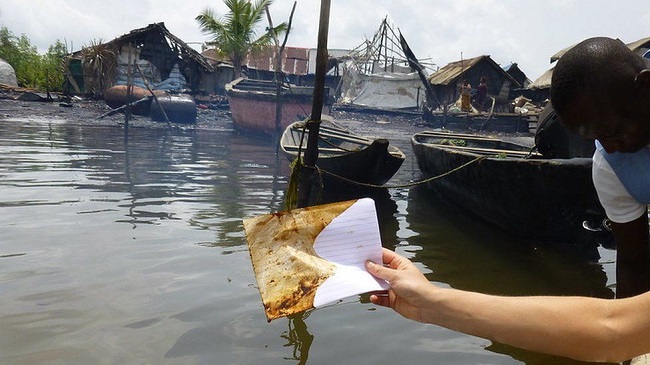
The UN letter warns that the divestments approved by the Nigerian government, including Shell’s sale of its onshore subsidiary (SPDC) to the Renaissance consortium in 2024, were advanced without transparency, which could risk undermining environmental remediation. It further highlights the absence or weakness of required decommissioning/abandonment funds, as well as the risk that buyers lack the capacity to address ageing, leaking infrastructure and legacy pollution.
The experts also highlight chronic regulatory failures, gaps in spill investigations, incomplete containment, and poor remediation sign-offs, reminding duty-bearers that Nigeria remains in breach of binding ECOWAS Court rulings aimed at protecting the rights of the Niger Delta people. The letter also notes fresh legal momentum: on 20 June 2025, the UK High Court ruled that Shell Plc can be sued over legacy pollution in Nigeria and that failure to clean up may constitute a continuing legal wrong.
Independent reporting has also detailed systemic cleanup failures, including serious governance lapses in Ogoniland’s cleanup program, which the UN withdrew due to persistent concerns about corruption.
The coordinator of Oilwatch International, Kentebe Ebiaridor, urges the Presidency, the National Assembly, and state governments to convene open public hearings with affected communities, civil society, regulators, and companies on the violations and demands that regulators ensure that protections and ecologically sound conditions for any asset transfer are respected.
Member of the steering committee of Oilwatch International and the executive director of HOMEF, Nnimmo Bassey, stated that, for years, communities have insisted on “no exit without cleanup.”
“The UN has now affirmed what we have long insisted on: no sell-off of toxic assets, leaving behind poisoned water, dead soils, and shattered livelihoods. Nigeria must halt these divestment plans immediately until there is a binding, fully funded plan to decommission, remediate, restore, and prevent further harm with communities at the centre.”
Coordinator of Oilwatch Nigeria, Emem Okon, stated that civil society actors have consistently called for a halt to all IOC divestments until comprehensive cleanup and justice are secured. “Divestment without repair is dispossession. Women, fishers, and farmers are bearing the heaviest burden from toxic water and lost livelihoods to alarming health risks for infants and newborns. No community should be treated as a sacrifice zone.”
Oilwatch International calls for the following immediate action: that the Federal Government of Nigeria should declare a halt to the divestment and sale of assets in Nigeria until remediation and cleanup are assured, decommissioning and dismantling of abandoned wells are done, and community restoration and reparation are irrevocably done. As a start, an environmental restoration fund should be established with an initial deposit of $1 trillion.
It also demands the provision of safe water for polluted communities, implementation of health audits, monitoring and treatment programmes for exposed populations, and an immediate cleanup of the Niger Delta.