

The Green Connection and Natural Justice – two eco-justice organisations committed to protecting the climate and safeguarding coastal livelihoods – have said that, even with the recent legal victory halting TotalEnergies’ attempt to exploit Block 5/6/7, the fight to ensure South Africa pivots to a just energy and economic future remains uphill.
Earlier this month, the organisations submitted detailed objections to both Main Street 1549’s Draft Environmental and Social Impact Assessment Report (DESIAR), and Social and Labour Plan (SLP) for a proposed offshore oil and gas survey in Blocks 9 and 11B/12B.
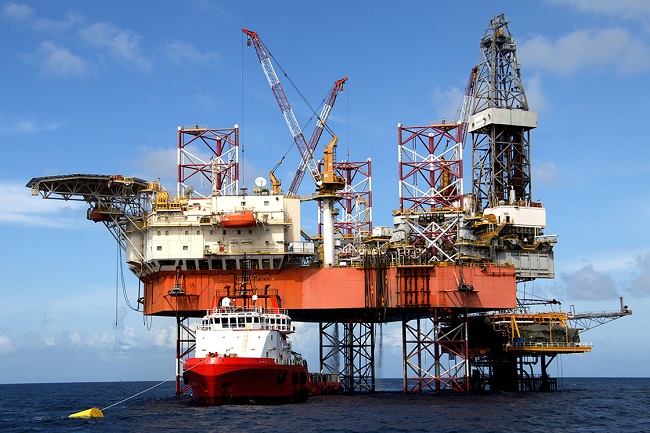
Originally initiated under TotalEnergies – a company facing growing opposition, including last week’s Kick Total Out of Africa campaign – the project continues to draw widespread criticism.
According to Shahil Singh, Legal Advisor to The Green Connection, another key issue is that Main Street – a little-known player in the oil and gas sector – only considers immediate survey impacts but excludes production impacts, which are the survey’s ultimate purpose. The report ignores greenhouse gas emissions, climate disruption, fisheries risks, and the possibility of oil spills.
He says, “It makes no sense to view the survey in isolation when, if oil or gas is found, South Africans could face all the associated negative impacts. The law requires assessing the full effect of the project, from start to finish.”
Climate change is already disproportionately affecting vulnerable communities in South Africa, with studies showing many are ill-equipped to cope. Emerging research projects a potential 30% decline in Africa’s crop revenue due to climate change.
“South Africa recently held hearings on its Nationally Determined Contributions, under the Paris Agreement, yet government advances fossil fuel projects that directly contradict those climate targets,” he adds.
Singh says, “The report fails the legal test of “need and desirability” under NEMA. By treating the survey as a narrow technical step, the report avoids the critical question of how petroleum exploration fits into South Africa’s long-term energy system – especially given falling renewable costs and the rising risk of stranded gas assets. This omission undermines South Africa’s commitment to a Just Energy Transition. Moreover, global oil and gas reserves already far exceed what can be burned without triggering catastrophic climate change.”
According to The Green Connection’s Community Outreach Coordinator, Neville van Rooy, “The report exaggerates economic benefits while downplaying risks to fisheries, tourism, and vulnerable communities. Additionally, the consultation process was exclusionary, undermining the constitutional and international rights of communities to participate meaningfully. The Social and Labour Plan contains vague promises, ignores small-scale fishers (including women in post-harvest roles), and offers negligible job creation. Rather than securing benefits, it shifts environmental and social burdens onto those least able to bear them.”
Van Rooy adds that the modelling of underwater noise is unreliable, omitting vessel traffic impacts harmful to whales, dolphins, and fish – making its impact ratings untrustworthy and threatening coastal livelihoods.
“Last month’s International Court of Justice opinion confirmed that countries have a legal obligation to phase out fossil fuels or face consequences, including liability and reparations. South Africa cannot claim climate leadership at COP30 while approving projects that threaten food security, ocean health, and constitutional rights.
“Every rand sunk into oil and gas today is a rand stolen from our clean energy future. Government must instead prioritise an inclusive, transparent Integrated Energy Plan (IEP) that charts a clear path for a just transition,” concludes Singh.