

Medicinal and aromatic plants (MAPs) are essential for both human health and well-being and ecological balance. These plants form the foundation of many traditional healthcare systems, contribute to modern medicine and support diverse industries ranging from cosmetics and food to agriculture and luxury goods.
Across the globe, approximately 50,000-70,000 MAP species are harvested for their healing properties, cultural significance and economic value. Of these, almost 1,300 are estimated to be listed in the Appendices of the Convention on International Trade in Endangered Species of Wild Fauna and Flora (CITES), including over 800 in Appendix II.
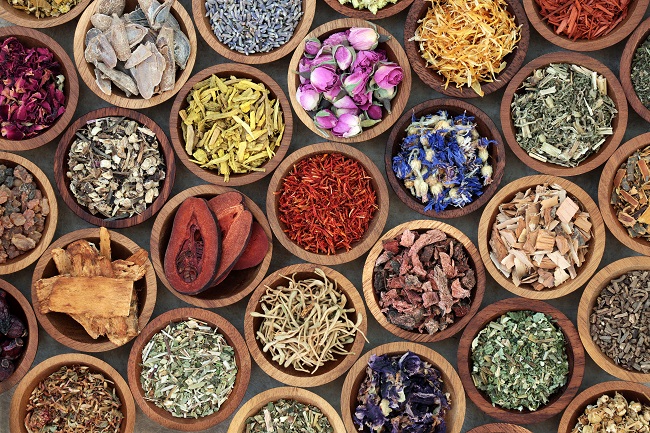
The World Health Organisation (WHO) estimates that 70-95 per cent of human populations in developing countries rely on traditional medicine for primary healthcare. MAP cultivation and harvesting practices secure vital resources for many households worldwide, with one in five people relying on wild plants, algae and fungi for food and income.
Yet, despite their importance, many MAP species face growing threats from habitat loss, overharvesting and illegal trade. Scientific data on MAPs is often limited, and Indigenous and local knowledge is underutilized in policy and conservation effort. Furthermore, over 20 per cent of MAP species used globally are considered threatened with extinction on the IUCN Red List, making their conservation a global priority. Raising awareness, strengthening regulations and ensuring the sustainability of harvesting and trade are essential for these invaluable plant resources to survive in the wild.
In 2026, World Wildlife Day (WWD2026) will shine a spotlight on the critical role of MAPs under the theme: “Medicinal and Aromatic Plants: Conserving Health, Heritage and Livelihoods.”
Organised in collaboration with partners such as the United Nations Development Programme (UNDP), International Fund for Animal Welfare (ifaw), Jackson Wild and others, the WWD2026 activities will aim to:
Encourage research, innovation and partnerships – Foster collaboration among stakeholders to promote sustainable use of MAPs and share lessons learned from successful conservation models.
Celebrate conservation efforts – Highlight sustainable management initiatives through creative expressions such as youth artwork, photography and film.
Strengthen knowledge and awareness – Share insights on MAPs, highlight their vital role in our daily lives as well as their conservation challenges and the CITES provisions governing international trade.
Leading up to the high-level United Nations event for WWD2026 on Tuesday, 3 March 2026, online activities will include the annual Jackson Wild Film Showcase and ifaw Youth Art Contest.
In line with the UN General Assembly Resolution proclaiming World Wildlife Day, the CITES Secretariat calls on all member States and organisations of the United Nations system and other global, regional and sub-regional organisations, non-governmental organisations and all interested individuals, to:
- observe and raise awareness of the theme for World Wildlife Day 2026;
- organise local World Wildlife Day celebrations on the theme of “Medicinal and Aromatic Plants: Conserving Health, Heritage and Livelihoods”;
- involve Indigenous Peoples, local communities and youth with experience and knowledge in wildlife conservation and trade in World Wildlife Day 2026 events and celebrations;
- make use of the World Wildlife Day logos and 2026 outreach material (coming soon) as widely as possible.