

The Director-General of the Kano Social Protection Agency (KASPA), Dr Fatima Abubakar, has unveiled an eight-point strategic plan aimed at strengthening and expanding Social Protection (SP) programmes in the state.
Presenting the points at a two-day first quarter joint SP Technical Working Group (TWG) meeting in Kaduna, organised by UNICEF Kano Field Office for participants from Kano, katsina and Jigawa states, Abubakar said the plan aimed to improve the welfare of vulnerable citizens.
Abubakar explained that the initiative forms part of a joint action plan agreed upon by stakeholders to drive priority social protection reforms within the next six to 12 months.
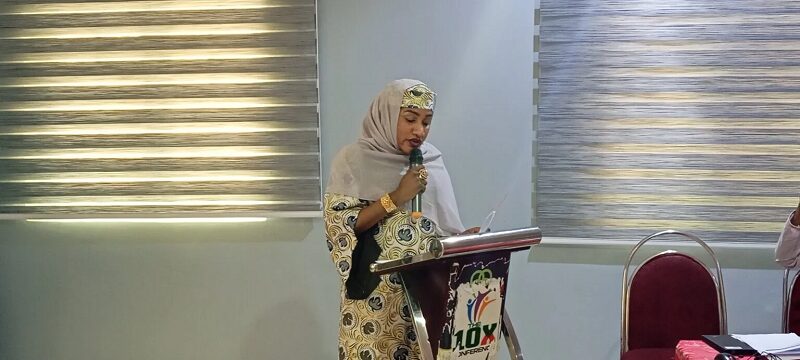
She said the plan outlines clear roles and responsibilities for participating agencies and provides mechanisms for sustained coordination across states.
According to her, the first priority action focuses on strengthening institutional coordination through the establishment of an inter-state coordination framework.
She added that quarterly TWG meetings would be held while unified reporting templates would be developed to enhance collaboration among state social protection agencies.
The Director-General said the second priority targets improved financing for social protection programmes.
This, she noted, would involve introducing dedicated budget lines, mobilising Islamic social finance instruments such as Zakat and Waqf, and exploring Public Private Partnerships (PPP) and donor support through ministries responsible for finance, budget and planning.
Abubakar also highlighted plans to scale up the Universal Child Benefit (UCB) programme through pilot expansion in selected local government areas.
She explained that the initiative would strengthen targeting systems and integrate child-sensitive indicators in collaboration with partners including UNICEF and the National Social Investment Programme.
According to her, another key component of the reform agenda involves strengthening social registries and data systems.
She said the plan includes updating and harmonising social registers, deploying digital data systems and improving the accuracy of beneficiary targeting through collaboration with ICT units and the National Social Register Office.
To ensure transparency and effectiveness, Abubakar stated that monitoring, evaluation and accountability mechanisms would also be strengthened.
Abubakar said key performance indicators would be developed, periodic performance reviews conducted, and feedback and grievance redress systems improved with the support of civil society organisations.
“The reform framework also incorporates climate-responsive and child-sensitive approaches,” she said.
According to her, SP policies will be aligned with climate adaptation strategies while interventions aimed at improving child welfare will be expanded in partnership with ministries of environment and development partners.
She further emphasised the importance of stakeholder engagement and public awareness, noting that advocacy campaigns, community leader engagement and improved communication strategies would be implemented in collaboration with civil society groups and media organisations.
Abubakar added that the final pillar of the reform plan focuses on capacity building and institutional strengthening through the training of SP personnel, peer learning visits and the development of operational guidelines to support programme implementation.
She said the joint action plan would be supported through regular coordination mechanisms, including shared reporting platforms, joint financing task teams, technical support platforms and knowledge-sharing initiatives among participating states.
According to the KASPA director, the initiative is expected to strengthen collaboration, improve programme delivery and ensure that social protection interventions reach the most vulnerable populations across the region.
By Abbas Bamalli