

Jigawa State was once among of the thriving agricultural hubs in Northwestern Nigeria. However, the state is rapidly losing its fertile land due to desertification, an environmental crisis that remains underreported.
According to a 2023 report by the Nigerian Meteorological Agency (NiMet), nearly 90% of the land in local government areas such as Maigatari, Babura, Kaugama, Birniwa, Suletankarkar, and Kiyawa has been degraded due to desert encroachment.
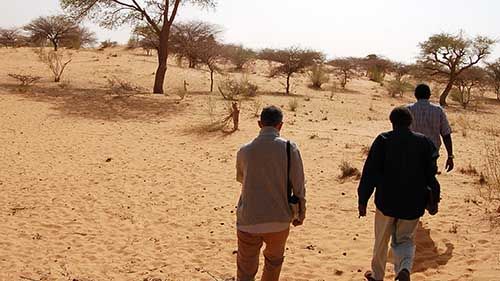
Rising temperatures and erratic rainfall which is now averaging just 300 to 600 millimetres annually, far below historical levels, combine with harmful human activities like deforestation, overgrazing, bush burning, and unsustainable farming practices to accelerate the loss of arable land.
Agricultural output in affected communities has declined by over 40% in the past decade, leading to food shortages and soaring prices on food. Families are increasingly forced to leave their homes in search of new livelihoods, swelling urban populations and placing stress on city resources. This environmental crisis is linked to rising poverty rates and growing difficulties in accessing education and healthcare services.
Speaking with journalists, a youth representative from Kaugama Local Government Area of the state, Mr. Ahmed Suleiman, shared his concerns.
“The pace of desertification is alarming. Without urgent and sustained action, we risk losing not only our farmlands but also the means to feed and support our families,” he lamented.
Efforts to combat desertification are underway. The World Bank’s ACRESAL project has restored over 160,000 hectares of degraded land across Nigeria, benefiting more than one million people nationwide.
Locally, the National Agency for the Great Green Wall is working to conserve soil and plant trees in severely affected areas like Birniwa and Kiyawa.
Additionally, the Jigawa State Government distributed approximately 5.5 million tree seedlings in a reforestation campaign in early 2024.
Despite these initiatives, experts warn that the scale of desertification demands greater attention and resources. Agricultural extension services to educate farmers, satellite technology to monitor land changes, and policies promoting climate-smart agriculture are urgently needed.
Without stronger and more coordinated efforts, land degradation will continue to threaten food security, economic stability, and the future well-being of Jigawa’s communities.
By Oyeyemi Abolade