

On Thursday, October 16, 2025, a group will embark on a 3,000 km (1,864-mile) river journey from Coca, Ecuador to Belem, Brazil to draw attention to the role of Indigenous Peoples in safeguarding the climate – and the threats these communities face despite their role in keeping the planet livable.
The Yaku Mama Flotilla, a global coalition of over 60 Indigenous, territorial, and ally organisations, led by Indigenous Peoples from around the world with a special focus on the Amazon, is launching a historic 3,000 km river journey from Ecuador to COP30 in Belém, Brazil. The journey symbolises the fight for climate justice, a fair energy transition, and the end of the fossil fuel era, highlighting that real solutions to climate change emerge from the territories.
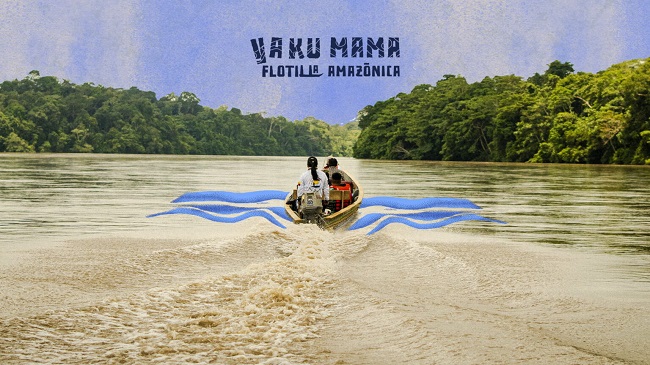
The flotilla is departing from the City of Coca, Ecuador, traveling over 3,000 km through Amazonian rivers and communities on its way to COP30.
Participants include Indigenous leaders from different continents, representing communities that are guardians of forests and rivers, uniting their voices to demand fair and binding climate policies.
Oil exploration in the Pan-Amazon overlaps with 441 ancestral territories and 61 natural protected areas (InfoAmazonia/Arayara). Peru recorded 831 oil spills between 2000 and 2023, and Ecuador 1,584 between 2012 and 2022, while projects like the FZA-M-59 block at the mouth of the Amazon have been rejected due to biodiversity risks. This situation underscores the urgency of a just and binding energy transition.
The journey denounces extractivism and the impacts of fossil fuel exploitation while highlighting living solutions from the territories: sustainable forest management, ancestral science, community monitoring, and sustainable productive practices.
Indigenous peoples manage or hold rights to a quarter of the Earth’s land surface, which includes 37% of intact natural lands and a third of the planet’s forest landscapes. Biodiversity remains more stable in these areas than in similar ecosystems outside of them, proving that Indigenous peoples not only defend their territories but also play a critical role in global climate governance.