

The Lagos Waste Management Authority (LAWMA) recycled 405.17 tonnes of electronic waste in Lagos State in 2025.
Managing Director of LAWMA, Dr Muyiwa Gbadegesin, disclosed this in an interview in Lagos.
E-waste (electronic waste) refers to any discarded, broken, or obsolete electrical or electronic devices. It covers a wide range of powered items – from laptops, mobile phones, and batteries to household appliances such as refrigerators and televisions.
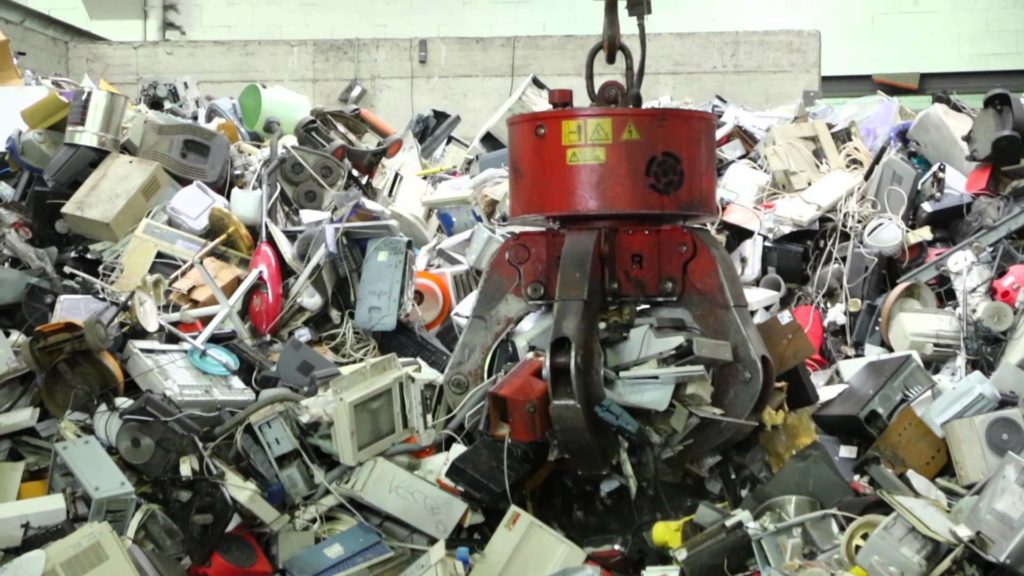
It is often classified as hazardous due to toxic components like lead or mercury, necessitating specialised recycling, and it is considered one of the fastest-growing waste streams globally.
Gbadegesin said the 2025 figure was higher when compared with 355.15 tonnes recycled in 2024.
He also disclosed that 305.63 tonnes of e-waste were collected in 2023, showing a steady increase in formal recycling.
Gbadegesin said the Lagos State Government had intensified advocacy and established structures to promote safe e-waste management across the state.
“The government is doing its best to promote safe handling of e-waste in Lagos State.
“The government recognised the importance of managing e-waste and set up an e-Waste Unit to coordinate its management in the state.
“The Lagos State Government has increased advocacy and awareness around safe handling of e-waste.
“It has also certified recycling companies and collection centres,” Gbadegesin said.
According to him, e-waste management in the state is handled through 17 certified recycling companies and approved collection centres.
He added that the agency directs e-waste to certified recyclers and approved collection centres to ensure safe handling and disposal.
Gbadegesin noted that its e-waste unit regulates the sector by formalising informal operators, enforcing compliance, and creating awareness on the hazardous nature of e-waste.
Some environmentalists and another government agency, however, spoke on how e-waste is handled and disposed in the state.
Speaking on the development, Dr Leslie Adogame, the Executive Director of Sustainable Research and Action for Environmental Development, called for urgent and holistic action to address the growing e-waste challenge.
Adogame described e-waste as highly hazardous, containing toxic substances such as arsenic, which pose serious health risks, especially to children and women.
He stressed the need for safe collection, transportation, recycling and disposal systems, noting that current efforts remain inadequate across the value chain.
According to him, awareness of e-waste dangers remains low and is largely limited to stakeholders within the sector.
“E-waste begins at the household level, so awareness must start from homes, not just within the informal recycling sector,” he said.
Adogame noted that public awareness of e-waste lags behind that of plastic waste, leading to poor disposal practices and increased environmental risks.
He also pointed to a gap in recycling capacity, noting that Lagos has limited registered recyclers relative to the volume of waste generated.
The SRADeV director emphasised the need to strengthen the Extended Producer Responsibility framework and expand its implementation nationwide.
He added that poor waste segregation results in mixed waste streams, making recycling inefficient and overwhelming existing facilities.
“There is a need for dedicated bins and structured sorting systems to support recyclers,” he said.
Adogame identified weak collection systems, inadequate infrastructure and low public awareness as major challenges affecting effective e-waste management.
He also highlighted underfunding of the environmental sector as a barrier to sustained advocacy and intervention efforts.
Similarly, Mrs. Adedayo Adebayo, Director in charge of e-waste at the Lagos State Environmental Protection Agency (LASEPA), said awareness creation from the point of collection is critical to effective e-waste management.
Adebayo noted that the state has about 30 registered collectors and a few recyclers being integrated into a structured value chain.
She said the agency works with Extended Producer Responsibility initiatives and other regulators to ensure proper handling of e-waste.
According to her, LASEPA monitors corporate organisations, assesses their waste streams and directs them to certified collectors.
She added that indiscriminate disposal is prohibited, while operators are registered and guided with standard procedures.
The director said the agency also conducts environmental monitoring, including water, air and soil sampling around operational sites.
She stressed that open burning of waste is banned due to the hazardous substances released into the environment.
Adebayo also disclosed that LASEPA collaborates with relevant ministries to organise informal operators into cooperatives and strengthen enforcement.
Also, the Executive Director, Renevlyn Development Initiative, Mr. Philip Jakpor, said awareness on proper e-waste disposal remains insufficient in Lagos.
Jakpor noted that many residents still store obsolete electronics at home or resort to burning them, exposing themselves to toxic pollution.
He identified poverty as a key driver, as many people rely on second-hand electronics without understanding associated health risks.
Jakpor called on government to intensify sensitisation campaigns and establish designated e-waste disposal sites.
“Poverty is a critical factor in the proliferation of e-waste in our environment.
“This is because some of the products such as televisions and old computers and phones are patronised by those who cannot afford the new products because of their exorbitant costs.
“Most do not know that they are exposing themselves to emissions from these products because they have reached their end of life stages,” Jakpor said.
The President, Association of Scrap and Wastepickers of Lagos, Mr. Friday Oku, said the current system of e-waste handling and disposal relied heavily on informal activities with limited formal support.
Oku noted that informal collectors often use unsafe methods such as burning and dismantling to extract valuable materials, causing environmental damage.
He urged authorities to formalise, train and equip waste pickers with protective gear and safe recycling tools.
Oku also recommended the establishment of collection hubs in major markets and stricter enforcement of Extended Producer Responsibility.
By Fabian Ekeruche