

As the Second Africa Climate Summit (ACS2) ended on Wednesday, September 10, 2025 in Addis Ababa, leaders unveiled landmark initiatives to accelerate Africa’s role in the global energy transition, including the Africa Climate Innovation Compact (ACIC) and the African Climate Facility (ACF), designed to mobilise $50 billion annually for scaling local climate solutions, with a strong emphasis on renewable energy deployment and innovation.
Additionally, leaders launched Africa’s first Green Minerals Strategy, aimed at securing the continent’s place in global clean-tech supply chains through value addition, beneficiation, and strategic cooperation. The African Union Commission will also explore creating a Coalition of African Critical Mineral Producers, an OPEC-style bloc to strengthen bargaining power in negotiations over transition minerals.
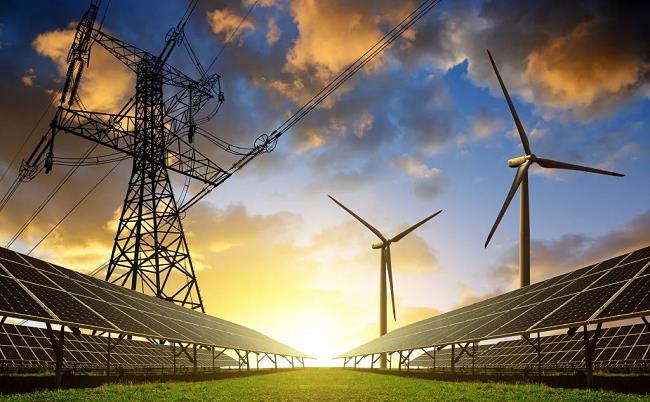
Climate campaigning organisation 350.org welcomes the renewed commitment by African leaders to accelerate renewable energy across the continent, reaffirmed during the high-level Africa Climate Summit. Leaders set a continent-wide target of 300 GW of renewable energy capacity by 2030, a bold ambition that signals Africa’s resolve to lead in global renewable energy development.
Regina Baiden, Africa Regional Director at 350.org, said: “Africa’s bold renewable energy target is not just about megawatts, it is about justice, dignity, and resilience for people across the continent. But ambition without finance is a broken promise. Climate finance is not charity, it is a legal obligation, and the world must step up to ensure resources flow directly to communities leading the just transition. We stand in solidarity with African leaders and communities who are drawing the line at 1.5°C and demanding a fair global transition.”
The Addis Ababa Declaration represents one of the strongest statements yet from African leaders on climate finance, calling for grants over loans, debt relief, and trillions in support. It rightly condemns unilateral trade measures like the EU’s Carbon Border Adjustment Mechanism, which could cost Africa billions annually, and affirms climate finance as a legal obligation under international law.
However, campaigners caution that the declaration does not go far enough. By seeking fairer access to existing multilateral banks, carbon markets, and investment frameworks that have entrenched inequality and dependency, the declaration risks reinforcing the very system that has left Africa vulnerable.
Alia Kajee, Global Campaign Project Manager at 350.org, said: “We are calling for climate financing mechanisms to be reformed to ensure fairness, adequacy, accessibility, and affordability, and to provide direct funding that meets local needs. Africa already has the solutions and expertise to drive renewable energy, resilience, and sustainable development, yet the continent is frequently denied the resources or drowned in too much debt to implement them. Closing this finance gap is essential to enable African communities to lead on climate solutions and adaptation that is equitable.”
By setting ambitious renewable energy targets, Africa is positioning itself as a global climate leader. But without ensuring community ownership, worker participation, and democratic control of the transition, Africa risks being reduced to a supplier of green minerals, carbon credits, and low-carbon manufacturing for global markets.