

As the world observes the International Clean Energy Day on Monday, January 26, 2026, 10 European countries have committed to building an interconnected offshore wind power grid in the North Sea that is expected to provide 100GW of renewable electricity, enough to power 143 million homes.
The agreement, which involves building windfarms that connect directly to multiple nations through high-voltage subsea cables, is to be signed on Monday, September 26, in Hamburg by energy ministers from the UK, Belgium, Denmark, France, Germany, Iceland, Ireland, Luxembourg, the Netherlands and Norway.
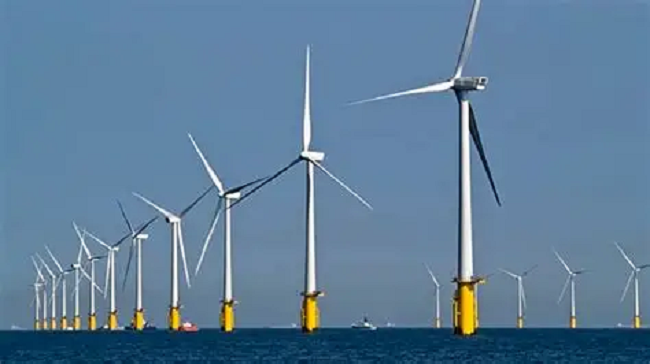
It was reached less than a week after US President Donald Trump criticised European wind power at the World Economic Forum in Davos, calling windmills “losers” and claiming countries with more wind power are doing “worse.”
Last year, wind and solar energy reportedly overtook fossil fuels in the EU’s power generation mix.
While lauding the commitment of 10 European countries, environmental campaign group, 350.org, however emphasised that to clearly demonstrate climate leadership, moves to scale renewable energy for energy security and independence must be matched by an end to fossil fuel financing.
Clémence Dubois, 350.org Global Campaign Manager, said: “The Trump administration may be doing everything it can to keep the fossil fuel ‘rollercoaster’ going, but people are no longer buying tickets. Some European political leaders are beginning to recognise that energy security and economic stability won’t come from oil and gas, but rather, a renewable energy system that can lower electricity bills and can’t be switched off by dictators or disrupted by global conflicts.
“This isn’t just about switching energy sources – it’s about ending a rigged system where fossil fuel companies pocket the profits and the public picks up the bill through higher energy costs, climate disasters, and government handouts.
“Historically, oil and gas extraction in the North Sea has done a lot to fuel global heating, accounting for over nine percent of total global greenhouse gas pollution. Transforming the North Sea into a renewable energy hub would not erase that damage, but it could begin to correct it – especially if this is matched by an end to public finance for fossil fuel everywhere, and if fossil fuel companies are made accountable for the harm they’ve caused.
“Done right, it can be a powerful model of regional climate cooperation that addresses urgent economic and security concerns today, without exporting climate risk and costs to future generations and the Global South.”