

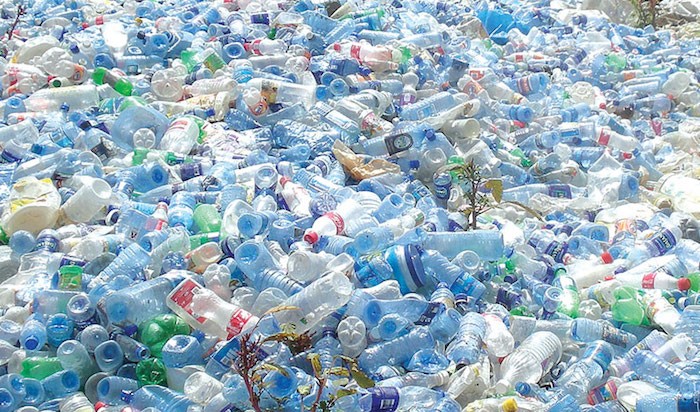
Environmental experts have called on the Nigerian government to take urgent action against plastic use, warning of serious health and ecological risks associated with growing plastic dependence.
Speaking during a stakeholder forum, Mrs. Ibironke Olubamise, Coordinator of the UNDP Global Environment Facility Small Grant Programme (GEF SGP), said plastic pollution has reached alarming levels, threatening both human health and the environment.
“In spite of the versatility of plastics, we must quickly consider and invest in alternatives.
“We need strong political will.
“Lagos banned styrofoam, and people adapted. A gradual ban on plastics is necessary if we care about our lives and future,” she said.
Olubamise urged the government to create an enabling environment for alternative materials to thrive.
She noted that almost every item, especially food, was now packaged in plastic, making microplastic contamination inevitable.
“It’s no surprise that research now confirms microplastics in our food,” she said, assuring that UNDP GEF SGP remained committed to supporting innovative alternatives.
“A recent study conducted by researchers from Birmingham University of Ukraine revealed that hot tea contains the highest microplastic concentrations, averaging 60 particles per litre, more than double that found in soft drinks.
“Hot coffee contained 43 particles, while iced coffee had 37 particles per litre.”
Dr Michael David, Executive Director of the Global Initiative for Food Security and Ecosystem Preservation (GIFSEP), said the findings underscored the interconnectedness of human health and environmental protection.
“Plastic packaging threatens both sustainability and public health.
“If plastics continue to flood our ecosystems, they will cycle back into human consumption through food and water,” David said.
David called for urgent regulatory action, noting that plastic waste was already a visible problem in Nigeria’s cities, rivers, and farmlands.
He added that sachet water and bottled drinks stored in heat might leach harmful microplastics.
“Even beverages perceived as healthy, like fruit juices, weren’t spared from contamination.
“Microplastics have been linked to inflammation, cellular damage, and hormone disruption,” he warned.
From an environmental angle, David said wildlife and aquatic species also ingested microplastics, leading to food chain disruptions and biodiversity loss.
He advised Nigerians to avoid reheating drinks in plastic containers, use stainless steel or glass bottles, minimise sachet water exposed to sunlight, boil and filter tap water before drinking, and support recycling and community plastic bans
David called for more investment in biodegradable packaging, stricter regulations, and nationwide awareness campaigns to reduce exposure and protect public health.
“Addressing this issue requires both systemic change and consumer action.
“We also need more local studies to understand the full impact of microplastics on Nigerians,” he added.
By Abigael Joshua