

Some residents and environmental experts have raised alarm over persistent flooding along the Lekki–Ajah corridor in Lagos, blaming land reclamation, ocean surge, and unregulated development.
In separate interviews, residents recounted distressing experiences of flash floods disrupting life, damaging property, and causing panic in coastal communities.
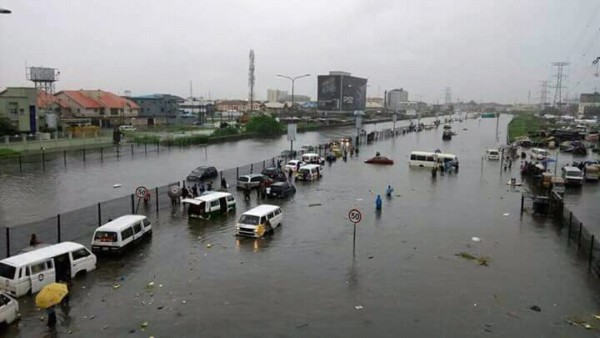
Mr. Mike Umukoro, a Lekki resident, said rainfall now triggers fear among residents because of the intensity and duration of flash floods.
“Each time it rains, anxiety grips everyone. The roads become impassable, vehicles get trapped, and homes are threatened,” he said.
Similarly, Mrs. Ese Edema, a Lekki Phase 1 resident, described the panic caused by recent heavy rainfall.
“During the last downpour, I couldn’t reach my son’s school. Some parents accessed theirs only around midnight when the flood subsided,” she said.
She added that traffic gridlock from the flood extended to Victoria Island.
Another resident, Mr. Marvel Adeniran, blamed reckless developers for worsening the flooding.
“Land reclamation and unchecked construction are destroying natural drainage paths. Most estates are flooded after every rainfall, making life unbearable,” he said.
Mr. Nicolas Ogbedo, Managing Director of Zvecan Group, warned that continued reclamation for housing projects in coastal zones was unsustainable.
“This practice harms marine resources and increases flooding by blocking natural drainages. Reclaimed lands are unstable and costlier to maintain,” he said.
Ogbedo urged the Lagos State Government to create new inland urban centres to ease pressure on coastal areas and enforce strict environmental compliance.
Mr. Sulaimon Arigbabu, Executive Secretary of the Human and Environmental Development Agenda, said ocean surges were worsened by climate change and uncoordinated coastal interventions.
“In trying to solve one problem, government created another. The Eko Atlantic project protects Victoria Island but worsens erosion toward Lekki and Epe,” he said.
Arigbabu called for the release of the Environmental Impact Assessment report on Eko Atlantic and for nature-based coastal protection strategies.
Mr. Philip Jakpor, Executive Director of Renevlyn Development Initiative, said coastal communities in Lagos were under “assault” from unregulated reclamation and dredging.
“From Ibeju-Lekki to Okun Alfa, these projects disrupt sea ecosystems and heighten vulnerability to ocean incursion. Government must heed scientific warnings,” he said.
In 2024, the Director-General of the Nigerian Conservation Foundation, Dr Joseph Onoja, warned that the Lekki–Epe corridor could be washed away without urgent action.
He said about 128 metres of land were lost to ocean encroachment between 2018 and 2022.
“Our drone images show steady inland ocean advance. If nothing changes, the Lekki–Epe expressway may be submerged within years,” Onoja warned.
He urged immediate government intervention to protect communities and key infrastructure from further destruction.
Responding to growing concerns, the Lagos State Government has suspended all land reclamation activities pending environmental review.
Commissioner for Environment and Water Resources, Mr. Tokunbo Wahab, confirmed the suspension on Sept. 18, citing unauthorised reclamation on wetlands, floodplains, and lagoons.
Affected areas include Parkview, Banana Island, Osborne, Ikoyi, Victoria Island Extension, Lekki, Ajah, Oworonshoki, and parts of Ikorodu.
“Lagos’ low-lying terrain cannot withstand indiscriminate reclamation without grave consequences.
“All ongoing projects, with or without EIA approvals, are suspended pending verification. Defaulters face sanctions, site closure, and possible arrest,” he said.
He added that the ministry would remove illegal fills, reopen blocked waterways, and prosecute environmental offenders.
“Enough is enough. We must act decisively to protect the lives and livelihoods of coastal communities,” Wahab declared.
Experts warned that without urgent, coordinated action, Lagos risks irreversible environmental and humanitarian crises.
They urged the state to restore mangroves, invest in eco-based flood control, enforce EIA laws, and prioritise sustainable coastal planning.
By Fabian Ekeruche