

Nigeria’s electricity sector remains one of the richly endowed with energy resources, yet struggling to keep the lights on for over 200 million people.
For decades, the promise of stable power has swung between hope and frustration.
Frequent grid collapses, gas supply challenges, mounting debts and ageing infrastructure have combined to create a crisis that affects both homes and industries.
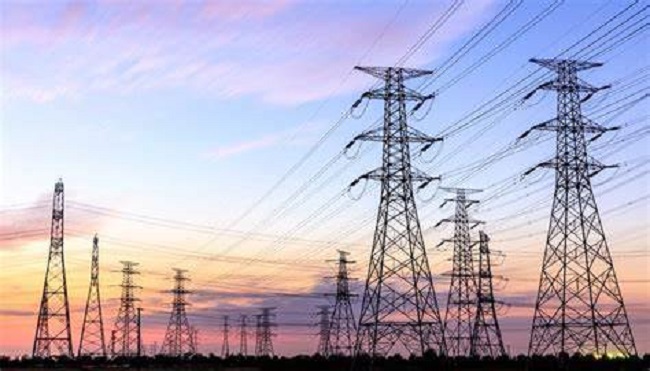
With an installed capacity of more than 13,000 megawatts, actual generation typically hovers between 4,000 and 5,000 megawatts, sometimes dipping lower due to gas constraints.
The gap forces businesses to depend heavily on diesel generators, raising operating costs, while households endure long hours without electricity.
At the core of the challenge is a fragile power value chain.
Generation companies face gas shortages and liquidity issues, the transmission network remains overstretched, and distribution companies contend with metering gaps, revenue losses and operational inefficiencies.
In response, the Federal Government, through the Federal Ministry of Power, has introduced a series of reforms aimed at stabilising the sector.
A key component is a debt resolution plan of about N3.3 trillion approved by President Bola Tinubu to address longstanding liabilities across the value chain.
The initiative is complemented by a broader N4 trillion framework, including bond issuances executed through the Nigerian Bulk Electricity Trading mechanism, designed to improve liquidity and restore investor confidence.
Some generation companies have already signed settlement agreements, with funds released to ease financial pressures and support operations.
Under the leadership of the Minister of Power, Dr Adebayo Adelabu, there have been modest improvements in peak generation, alongside efforts to promote long-term sustainability.
Tariff adjustments for high-end consumers are also helping reduce subsidy burdens while boosting sector revenue.
These indicate a gradual shift toward cost-reflective pricing long advocated by industry experts.
Across the board, stakeholders agree that Nigeria’s power sector stands at a critical juncture.
The path forward will require not just policy ambition, but sustained execution, strengthening the entire value chain, improving regulatory certainty, and investing in modern, resilient infrastructure.
However, experts caution that financial interventions alone might not resolve the sector’s deep-rooted challenges.
Mr Chinedu Bosah, National Coordinator of the Coalition for Affordable and Regular Electricity (CARE), insists that systemic inefficiencies, particularly in the gas supply chain, continue to undermine progress.
Nigeria still struggles to fully harness its over 200 trillion cubic feet of gas, as pricing and supply challenges often limit its use for domestic power generation.
Another energy expert, Dr Olukayode Akinrolabu, Member, Lagos State University’s Science and Technology Education Research Group, calls for a calibrated reform approach.
This, he says, can deepen private sector participation in generation and distribution while preserving strategic oversight of transmission infrastructure.
He warns that the national grid, which is unable to evacuate more than 5,000 megawatts, remains the system’s weakest link.
Similarly, a power expert, Mr. Francis Bada, advocates decentralisation, empowering states and private investors to develop embedded and renewable energy solutions.
Bada, Consultant, Adglow Renewable Energy, says models like the Aba integrated power system “demonstrate the potential of localised electricity networks.”
Ultimately, the stakes extend far beyond electricity. Reliable power is the backbone of industrial growth, job creation, and national development.
By Yunus Yusuf