

Regional stakeholders adopted a strategic framework to combat foot-and-mouth disease, one of the most persistent threats to livestock production, food security, and trade across Eastern Africa.
Representatives from the African Union’s Interafrican Bureau for Animal Resources, the Intergovernmental Authority on Development, the East African Community, the Food and Agriculture Organisation, the World Organisation for Animal Health, the United Nations Environment Programme, GALVmed, national chief veterinary officers, FMD focal points, wildlife authorities and technical experts gathered in Nairobi for a two-day consultation and validation workshop.
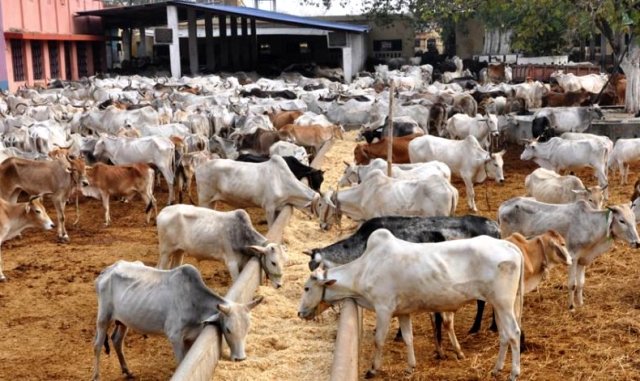
The Strategic Framework for the Control of Foot-and-Mouth Disease in Eastern Africa 2026-2035 aims to harmonise regional control measures for a disease that continues to cause widespread outbreaks, significant economic losses and constrained market access.
Dr. Huyam Salih, director of AU-IBAR, said livestock underpin food and nutrition security for hundreds of millions of people, yet transboundary animal diseases such as FMD drain billions of dollars from Sub-Saharan Africa each year.
“No single country can manage FMD independently,” Salih said, calling for deeper regional coordination, harmonisation and joint action to address surveillance gaps, strengthen early detection and ensure rapid response.
The framework responds to commitments under Agenda 2063, the Comprehensive Africa Agriculture Development Programme 2026–2035, the Livestock Development Strategy for Africa and the Animal Health Strategy for Africa.
The strategy was developed through extensive consultation, including inputs from the Eastern Africa FMD Roadmap Meeting held in Dar es Salaam in 2024. Delegates identified weaknesses including inadequate vaccination coverage, limited laboratory capabilities for serotyping and vaccine matching, fragmented movement control, and insufficient political commitment and financing for sustained FMD control.
The extensive mobility of pastoral herds, porous borders and limited surveillance and laboratory capacity complicate containment efforts across the region.
The framework rests on three pillars: knowledge and evidence, capacity building, and coordination and cooperation.
The knowledge pillar establishes regional information-sharing platforms, conducts research and improves tools for risk assessment, economic analysis and epidemiological understanding.
The capacity building pillar provides regionally tailored training and sources essential equipment for surveillance, vaccination, diagnostics, programme management and public-private partnership models.
The coordination pillar harmonises regional protocols, strengthens early warning systems, enhances rapid response and facilitates affordable vaccine access through bulk procurement and strengthened laboratory networks.
The pillars aim to support countries in progressing along the Progressive Control Pathway for FMD and achieving more secure, efficient livestock systems with improved trade performance.
Participants engaged in structured group work to analyse the draft document, identify gaps and propose improvements. Country groups recommended strengthening regional strain monitoring, developing cross-border agreements for sample shipment, institutionalising biosecurity practices in markets and abattoirs, and reinforcing communication strategies to maintain political will.
Salih said AU-IBAR will support member states and regional economic communities in translating the framework into concrete action. She noted that the rollout of ARIS3 would enhance disease reporting and situational awareness.
The region now moves toward developing an implementation plan, mobilising resources and establishing governance mechanisms to guide the strategy between 2026 and 2035.
FMD is routinely ranked among the top three priority diseases by governments and livestock keepers in Eastern Africa.
The disease affects cloven-hoofed animals including cattle, sheep, goats and pigs.
The 12 Eastern Africa FMD Roadmap countries include Burundi, Djibouti, Eritrea, Ethiopia, Kenya, Rwanda, Somalia, South Sudan, Sudan, Tanzania, Uganda and Democratic Republic of Congo.
By Winston Mwale, AfricaBrief