

Butterflies are becoming less visible in Nigeria, and similar patterns are being recorded across many parts of the world. Environmental scientists widely recognise that declining butterfly populations are part of a broader global reduction in insect life linked to human activities. In Nigeria, butterfly decline is driven by the same pressures seen globally, including chemical exposure, loss of native plants, climate stress and weak biodiversity monitoring.
Despite their role as indicators of environmental health, butterflies receive little policy or research attention in Nigeria, unlike bees. Yet butterflies are part of a wider group of pollinators whose presence reflects ecosystem stability. Because they are highly sensitive to environmental change and closely tied to specific plants, butterflies are often among the first species to decline when ecosystems are under stress.
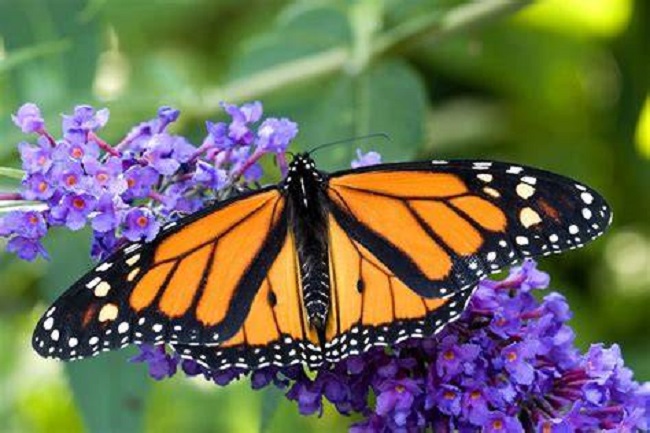
Butterflies are especially vulnerable to pesticides because of how they feed and reproduce. Caterpillars depend on specific host plants, and once these plants absorb chemical residues, the insects are exposed directly. In Nigeria, commonly affected host plants include cassava (Manihot esculenta), wild senna (Senna occidentalis), milkweed species (Calotropis procera) and passion vine (Passiflora foetida), all of which support different butterfly species at various stages of their life cycle. These plants are frequently sprayed with herbicides or removed entirely during land clearing.
The widespread use of pesticides is not unique to Nigeria. Globally, long-term ecological studies have linked increased chemical use in agriculture and urban spaces to sustained declines in insect populations, including butterflies and other pollinators. What distinguishes Nigeria is the scale of informal chemical use.
Agrochemicals are often sold without adequate labelling or guidance, and herbicides intended for farms are routinely applied along roadsides, drainage channels and residential plots. These areas may appear environmentally insignificant, but they often host native plants that support pollinators.
Nigeria regulates agrochemicals through the National Agency for Food and Drug Administration and Control (NAFDAC), yet environmental researchers note that enforcement gaps allow misuse to persist. Even approved chemicals can become harmful when applied indiscriminately or outside their intended settings. For butterflies and other pollinators, exposure at the larval stage is particularly damaging, reducing survival before populations can recover.
Habitat loss is another critical factor, though it is often misunderstood. Butterfly decline extends beyond disappearing forests. Many species depend on plants commonly regarded as weeds, such as Tridax procumbens, Chromolaena odorata and Aspilia africana, which provide nectar for adult butterflies and other insects. In urban and peri-urban Nigeria, these plants are routinely cleared during landscaping and sanitation exercises. The result is an environment that appears orderly but lacks the biological diversity pollinators need to survive.
Similar trends have been documented globally. In Europe and North America, long-term monitoring programmes show sustained butterfly declines associated with intensive land use, pesticide exposure and habitat simplification. In Africa, including Nigeria, comparable long-term data are largely absent.
However, local studies in protected areas indicate that butterfly diversity drops sharply where vegetation is disturbed. Scientists caution that the lack of national monitoring does not suggest stability; it highlights a blind spot in biodiversity governance.
Climate change adds further pressure. Butterflies and other pollinators are sensitive to temperature and rainfall patterns that influence breeding cycles and plant growth. Rising heat levels and increasingly unpredictable rainfall affect both insects and the vegetation they rely on. Global climate assessments consistently show that insects in tropical regions face heightened risk because they already operate close to their physiological limits.
Butterfly decline matters beyond conservation concerns. Butterflies contribute to pollination networks that support wild vegetables, medicinal plants and shrubs important for ecosystem balance and household resilience. Plants such as Ocimum gratissimum (scent leaf), Vernonia amygdalina (bitter leaf) and various wild legumes benefit from diverse insect pollination. As pollinator diversity declines, plant reproduction becomes less reliable, affecting food diversity and ecosystem stability.
Nigeria does not currently track butterfly populations at a national level, and insects are rarely included in environmental impact assessments. Globally, butterflies are widely used as indicator species because changes in their populations provide early signals of environmental degradation. Without similar monitoring in Nigeria, environmental damage is often recognised only after it becomes widespread.
Addressing butterfly and pollinator decline requires more than awareness. Environmental experts point to the need for stricter control of informal agrochemical markets, biodiversity-sensitive sanitation and land-clearing practices, and the inclusion of insects in environmental monitoring and impact assessments. Establishing basic national tracking for indicator species such as butterflies would provide early warnings and help guide land-use and chemical policies.
The pressures affecting butterflies in Nigeria mirror those driving insect losses worldwide, shaped locally by weak regulation, everyday land-use practices and limited data. Without deliberate changes in how chemicals are used, land is managed and biodiversity is monitored, butterfly decline will continue alongside broader environmental changes that affect ecosystems and livelihoods.
By Oyeyemi Abolade