

Civil Society Organisations (CSOs) are calling for loss and damage financing to be channelled through and strengthen national systems to ensure funds reach vulnerable communities quickly, fairly, and at scale.
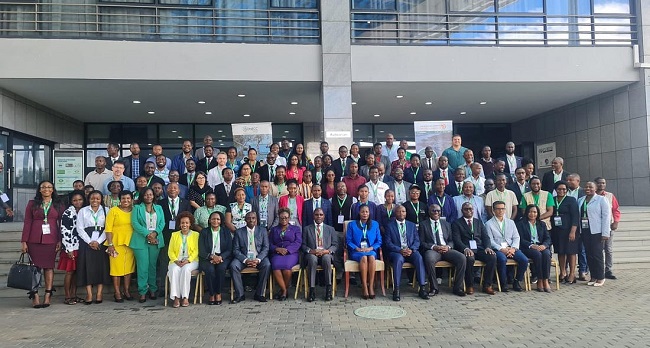
The call was made during the opening of the 5th African Regional Conference on Loss and Damage held in Lilongwe, Malawi.
Speaking at the conference, Concern Worldwide Country Director, Lucy Mwangi, emphasised that bypassing national systems risks undermining the effectiveness of climate finance interventions.
“Strengthening national systems is crucial in ensuring that funds reach those who need them most,” she said.
Mwangi noted that through the Zurich Climate Resilience Alliance, Concern Worldwide and its partners have observed that aligning global funding mechanisms with national and local systems improves delivery and accountability.
The alliance brings together governments, non-governmental organisations, academia, and the private sector to bridge the gap between global policy frameworks and community-level action.
According to Mwangi, stronger systems empower communities to take an active role in their own recovery and resilience rather than remaining passive beneficiaries.
“This combined role is essential. Without it, even well-designed funds risk failing to reach those who need them most,” she said.
She further highlighted that, in Malawi, loss and damage financing is increasingly being embedded within national and district disaster risk management systems.
Communities are actively involved in identifying risks, prioritising investments, and managing resources transparently.
One notable approach is the use of community disaster funds – locally managed pooled funds that place financial resources directly in the hands of affected populations.
“This enables rapid, decentralised disbursement, ensuring that finance reaches where loss and damage are actually experienced,” Mwangi explained.
CSOs also stressed the critical role NGOs play as intermediaries, linking communities, governments, and global financing systems to ensure effective and accountable last-mile delivery.
Mwangi has since called on stakeholders to ensure that climate finance is predictable, adequate, accessible, and timely, while also being channelled through systems capable of delivering impact at scale.
Meanwhile, findings by Development Transformation published in September 2025 indicate that climate-related budget allocations across ten countries, including Malawi, range between just 0.1 percent and 2.8 percent of national budgets – highlighting the urgent need for increased investment.
As climate shocks intensify across the region, CSOs warn that without robust and inclusive systems, loss and damage financing risks falling short of its intended impact.
By Steria Manda, AfricaBrief