

A new season of Formula 1 races begins in Melbourne, Australia, where the Australian Grand Prix is set for Sunday, March 8, 2026. The organiser, International Automobile Federation (FIA), presents it as the beginning of a new era of sustainability.
However, observers insist that the changes that have been put in place are disappointing from an environmental point of view.
“It’s typical greenwashing,” noted Dalibor Dostal, director of the conservation organisation, European Wildlife, on the changes to Formula One racing.
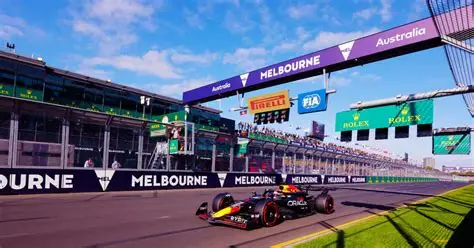
This is because the new F1 single-seater cars will continue to use internal-combustion engines. The organisers present biofuels to emphasise sustainability.
“Exhaust emissions from the combustion of biofuels have an equally negative impact on nature as combustion products from fuels made from oil. They significantly increase the concentration of nitrogen oxides in the air, which supports the growth of weeds and displaces the original diversity of species from the countryside. Flowers and butterflies disappear. The landscape is changing into a green desert,” Dostal pointed out, adding that this negative effect occurs regardless of how and from what the biofuels are made.
According to findings made by scientists, exhaust emissions from biofuels also have a similarly negative impact on human health as combustion gases from petrol or diesel oil. Exhaust gases from internal-combustion engines increase the risk of cancer, heart attack, and stroke. They cause respiratory diseases, and may lead to damage to the brain and nervous system.
That being said, biofuels themselves are no novelty in the motor sport world. For example, Rudolf Diesel demonstrated his internal-combustion engine in 1900 with the use of plant oil.
“This technology is obsolete and long outdated. The motor sport world has already made tremendous progress to truly pure technologies with no adverse impact on nature and human health. European cities should switch to truly modern car races and leave this advertising of internal-combustion engines that are coming to the end of their life to other regions of the planet if they are interested. Celebrating the planet being destroyed in this way contradicts the values that are essential to us in Europe,” added Dostal.
The technology of electric cars has undergone rapid development in recent years and leaves ICE cars far behind in most of the parameters. In a key indicator – zero local emissions – it is absolutely unbeatable.
“F1 has been unable to follow this trend; on the contrary, it managed to find its footing in the field of greenwashing very well and effectively employs this marketing ploy on outdated technologies with negative impacts on nature and human health over and over again,” concluded Dostal.
As in recent years, electric motors will generate part of the power output in combination with internal-combustion engines. Although the share of electricity will rise from the previous 20 per cent to 50 per cent, it is still too little when compared to pure electric cars.