

The Convention on the Conservation of Migratory Species of Wild Animals (CMS) on Thursday, October 2, 2025, released the findings of a major workshop, which detail how climate change disruption is affecting migratory species across the board.
Held February 11 to 13, 2025, in Edinburgh, United Kingdom, the Migratory Species & Climate Change Expert Workshop gathered 73 leading international experts, including scientists, wildlife managers, representatives of intergovernmental agencies, and NGOs from around the world.
Select key messages
- Climate change hits all migratory species groups. Warming, extreme weather events, and shifting water systems are affecting migratory species across the board, altering ranges, shrinking habitats, and threatening ecosystem service delivery.
- Climate change causes fatal timing mismatches. Shorebird nesting in Alaska and the Arctic is misaligned with insect emergence due to climatic warming and unexpected cooling, reducing chick survival and reproductive success. In western Alaska, every degree change shifts nesting time by 1–2 days. Due to climatic cooling, timing of nesting was unexpectedly delayed by 4-5 days over a decade. Later nests mean less and smaller eggs and a shorter incubation period.
- Asian elephants face habitat gridlock. Climate and land-use changes are shifting elephant habitats eastward, but with limited connectivity, most elephants in India and Sri Lanka can’t follow, escalating human-elephant conflicts.
- Whales are at risk again. Climate change is altering whale migrations, shrinking prey, and reducing reproduction. North Atlantic right whales are especially vulnerable, with warming seas forcing dangerous detours.
- Himalayan species face an altitude squeeze. Cold-adapted wildlife such as musk deer, pheasants, and snow trout are being pushed upslope into smaller, fragmented refugia, with some small mammals projected to lose over 50% of their range.
- Heatwaves are hitting waters from river to sea. In 2023, an Amazon River heatwave reached 41 °C, killing river dolphins and compounding prey loss, while in the Mediterranean, marine heat extremes are projected to cut fin whale habitat by up to 70% by mid-century and shrink dolphin ranges amid food loss and pollution stress.
- Seagrass sinks are under siege. Storing nearly 20% of the world’s oceanic carbon, supporting coastal resilience, sustaining fisheries and species like dugongs and sea turtles, seagrass meadows are being damaged by marine heatwaves, cyclones, and sea-level rise.
- Solutions are available – and being used. Implementing ecological corridors for terrestrial species and dynamic management approaches (e.g., for whales) can effectively enhance the resilience of vulnerable species.
The CMS workshop’s report reveals how migratory species serve as critical links in the ecosystems that sustain human life. From forest elephants that contribute to carbon storage capacity in jungles, to whales that transport essential nutrients across ocean basins, migratory species are vital in maintaining healthy ecosystems that are resilient and contribute to climate change mitigation.
But because such species rely on habitats that span continents and seasons, environmental changes in one region can trigger cascading effects thousands of miles away, underscoring the global nature of conservation challenges.
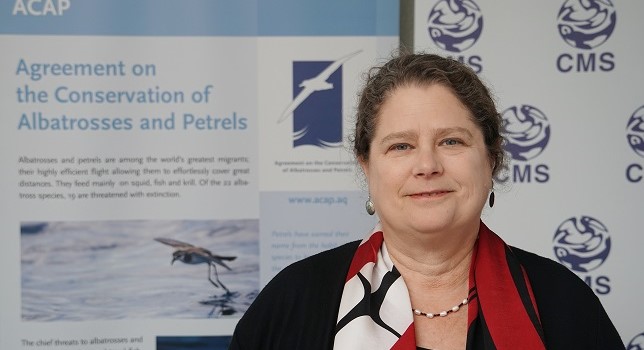
“Migratory animals are the planet’s early‑warning system and they are in trouble,” said Amy Fraenkel, CMS Executive Secretary. “From monarch butterflies vanishing from our gardens to whales veering off course in warming seas, these travellers are sending us a clear signal. Climate change is having impacts now, and without urgent action, the survival of such species is in jeopardy.”
Hosted by the UK Government’s Department for Environment, Food & Rural Affairs (DEFRA) and the UK’s Joint Nature Conservation Committee (JNCC), the workshop was convened by the CMS Scientific Council’s Climate Change Expert Group, established under CMS to help steer the Convention’s response to the climate crisis and the impact on migratory wildlife.
Their deliberations form the backbone of the new report and the action points being advanced toward the 15th meeting of the Conference of the Parties to the Convention on the Conservation of Migratory Species of Wild Animals (CMS COP15) from March 23 to 29, 2026, in Campo Grande, Brazil.
“The world’s migratory species face increasingly formidable challenges from habitat deterioration and overexploitation. Climate change compounds these problems, with greater extremes in weather affecting habitats and food resources, ecosystem services such as carbon capture, and the ranges migratory species occupy,” said Dr Des Thompson, CMS COP‑appointed Scientific Councillor for Climate Change.
“Our workshop enhanced our understanding of measures to manage migration routes and range shifts, and what needs to be done to lift ‘barriers’ to migration. Case studies are pointing to key actions to help species adapt to climate change. We need to share examples of successful work and practices, and this is especially important where we can work with Indigenous Peoples and traditional knowledge holders to devise community-based solutions,” he added.
The CMS workshop participants call for climate strategies that prioritize ecosystem health, supported by conservation investments that also help curb climate change. Safeguarding migratory species demands unprecedented international cooperation and financial investment. Likewise, there is an urgent need for closer alignment of the international climate and biodiversity frameworks that aim to put the future of our planet on the right path.