

Africa’s forest hornbills face growing threats from unregulated trade and habitat loss. A new CITES proposal approved on Thursday, December 3, 2025, is an important step towards better regulation and monitoring of international trade
Across the forests of West and Central Africa, hornbills play a vital role in keeping ecosystems alive. They feast on fruit and then disperse the seeds, sometimes many kilometres from where they fed, helping forests regenerate and keeping landscapes healthy. But today, a long-overdue moment of change has come to finally address a growing threat to these distinctive birds.
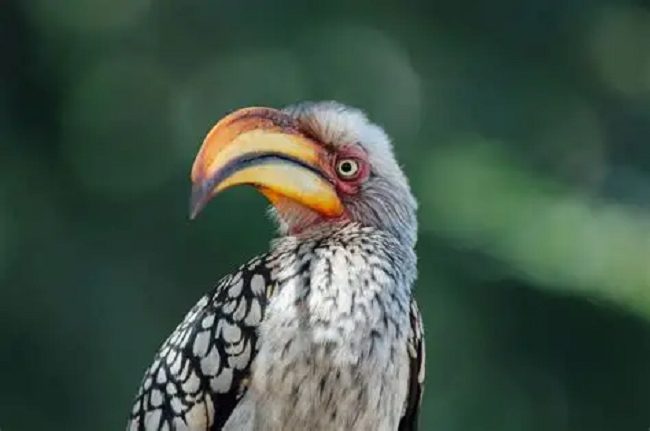
For years, many Asian hornbill species have been listed under the Convention on International Trade in Endangered Species of Wild Fauna and Flora (CITES). This has put limitations on the trade of these birds across international borders, helping to curb poaching. Yet no African hornbill has ever been listed, despite mounting evidence of unregulated international trade. That gap has left some of Africa’s most iconic forest hornbills increasingly vulnerable.
This year, a coalition of African countries put forward a proposal to change that. The newly adopted proposal at the CITES Conference of the Parties (CoP20) in Uzbekistan means that every species in the genera Ceratogymna and Bycanistes will now be listed in Appendix II of the convention, a step that strictly monitors and regulates international trade to ensure this threat does not jeopardise its survival.
Alex Berryman, Senior Red List Officer at BirdLife International, says that “Listing African hornbills in CITES Appendix II is a decisive step toward safeguarding these iconic birds, many of which are increasingly threatened by international trade and habitat loss. The recent 2025 uplisting of Black-casqued Hornbill from Least Concern to Near Threatened underscores the urgency of action required. This measure will enhance trade monitoring and marks a meaningful commitment by countries to the long-term conservation of Africa’s hornbills.”
Why this moment matters
In recent years, demand for hornbill skulls and casques has surged. New data shows a clear rise in online listings and international shipments, with hunters in some regions reporting that foreign buyers are now influencing local hunting. Without CITES regulation, there are no global safeguards to ensure such trade is traceable or sustainable.
At the same time, African hornbills’ reproductive methods make them exceptionally sensitive to exploitation. Females seal themselves in nest cavities for months while they raise their young, relying entirely on the male for food. When a male bird is hunted, it can mean the loss of an entire brood.
The Black-casqued Hornbill, which recently moved from Least Concern to Near Threatened on the IUCN Red List, reflects these pressures clearly. While still found across parts of West and Central Africa, its population is decreasing, with habitat loss and trade emerging as major threats. Its story has become a symbol of why stronger international protection is urgently needed for African hornbills.
A global approach for protection
The adoption of this proposal does not prevent international trade, but it will introduce vital checks and reporting requirements. It will also close a loophole that complicates the enforcement of trade in Asian hornbills: African hornbill skulls and feathers often resemble those of already-protected Asian species, making illegal trade harder to detect.
And that’s where BirdLife’s global work comes in. Across Asia, many hornbill species already benefit from CITES listings, but legal protection is only one part of the solution. Through Safe Havens, BirdLife and our national Partners work with Indigenous Peoples and local communities to safeguard nest trees, monitor breeding pairs and protect key forest habitats. This long-term approach has become one of the most effective ways to secure Asian hornbills’ future.
This CITES decision marks a turning point. It aligns global protection for many hornbills across continents and gives African countries stronger tools to monitor and manage trade. We now have an opportunity to create a safer future for hornbills across Africa and to strengthen the global efforts already underway to protect them. Most importantly, this decision will help ensure that these extraordinary birds continue to thrive.