

Concerns over the proliferation of abandoned and non-functional water projects dominated discussions as the Cross River State Government and its partners shifted focus from funding gaps to the urgent need to revive existing infrastructure in the water, sanitation and hygiene (WASH) sector.
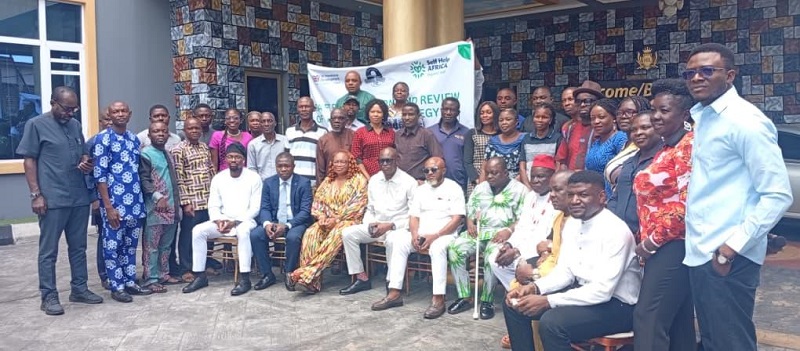
At the end of a two-day draft presentation and review of the state’s WASH Financing Strategy in Calabar, the state capital, stakeholders acknowledged that while financing remains important, poor maintenance and weak sustainability frameworks have left over 200 water schemes idle across the state.
The Commissioner for Water Resources, Bassey Mensah, said the continued neglect of completed water projects poses a bigger threat to access than the absence of new funding.
He lamented that several boreholes and water facilities, including those funded by international donors, have become redundant due to lack of maintenance and unreliable power supply.
According to him, the state must prioritise making existing investments functional before seeking fresh funds.
“Inasmuch as water is not running in our communities, I cannot rest. We cannot abandon existing water schemes for Abuja engagements,” he said.
Mensah disclosed that the government is considering the conversion of dormant water facilities to solar-powered systems, especially in rural communities and schools, to ensure consistent water supply.
He added that the intervention would also target schools for girls, noting that access to water is closely linked to improved health and school attendance among female students.
Stakeholders at the meeting emphasised that sustainable financing models must go beyond government budgeting and incorporate private sector participation to ensure continuity.
Managing Director of Ekondo Microfinance Bank, Charles Abiola, said financial institutions have a critical role to play in supporting WASH-related enterprises and services.
He noted that the bank, in collaboration with development partners, has introduced financial products tailored to water, sanitation and hygiene businesses.
Abiola stressed that investments in WASH are not only socially beneficial but also economically viable when structured properly.
Also speaking, a representative of In-line Informatics Limited, Emmanuel Ami-Okhani, warned that any financing strategy that is disconnected from market realities would fail to deliver long-term impact.
He called for broader stakeholder inclusion, including microfinance institutions, service providers and end users, in designing workable funding frameworks.
According to him, sustainability in the WASH sector depends largely on the ability of users to pay for and maintain services over time.
Participants at the meeting agreed on the need to rehabilitate abandoned water schemes, strengthen maintenance systems and develop financing models that integrate public and private sector contributions.
They noted that aligning infrastructure development with sustainable financing and community ownership would be key to improving access to clean water and sanitation across Cross River State.
By Stina Ezin, Calabar